×

Benin🇧🇯 | townsSegbana
Savanna plains, cattle herding, borderland villages | things to do and best time to go

Explore KouandéExplore Tanongou

Backpacking in Segbana
By Johan Kruseman 🇳🇱 | last update: 28 April, 2026

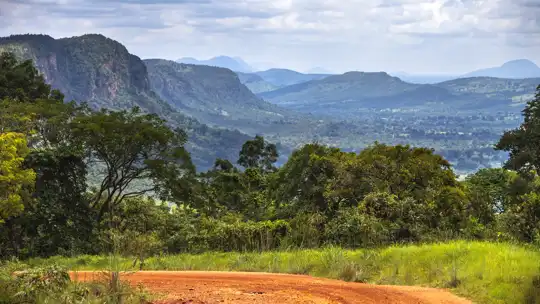
Most travelers imagine Segbana as just another dusty border town, but that’s a shortcut to missing its real rhythm. Tucked in northeastern Benin, near the Nigeria border, Segbana is a quiet, sun-bleached outpost where the red earth crunches underfoot and the air smells faintly of woodsmoke and millet. It’s not a destination for nightlife or grand monuments—think more of a practical pause for those weaving between Benin’s north and Nigeria, or as a launchpad for exploring the wild, unpolished countryside. The market is lively but local, and you’ll find more goats than backpackers. Transport is basic—expect bush taxis, not buses, and walking is the default. Costs are low, safety is steady, but don’t expect hostels or a ready-made backpacker scene. Compared to Parakou’s bustle or Nikki’s cultural pull, Segbana is quieter, more utilitarian, and best suited for travelers who value raw, real-world travel over curated comfort.

Discover everything you want to know in the 📖 Benin Travel Guide.
Loading the map 🌍
CLICK TO FILTER
city
town
unique site
national park
hike
beach
attraction
festival
region
SHOW COUNTRY‘S BESTSHOW ALL

✨ Why go?
Ranked #99 town in Benin
What sets this place apart

Segbana is a strategic pit stop for backpackers exploring Benin. Its walkable streets make it easy to navigate, while the small-scale hostels and guesthouses offer a cozy, communal vibe. You’ll find local food stalls serving up aromatic stews and freshly grilled fish, perfect for refueling after a day of hiking nearby trails or visiting cultural sites. Many travelers linger here for a few days, soaking in the friendly atmosphere and connecting with fellow adventurers. It’s ideal for slow travelers and solo explorers who appreciate a blend of quiet moments and social interactions. If you’re looking for a place to recharge before heading to the coast or deeper into the countryside, Segbana fits the bill perfectly.
Get the complete Travel Guide for Benin
Everything organized for offline planning — routes, highlights, costs & tips

See what’s inside 👉

Get the Travel Guide -
  • Marché central de Segbana (le marché hebdomadaire) — the real heart of the village: stalls of produce, dried fish, spices, second-hand clothes and local textiles. Best visited early for the liveliest bargaining, photos, and to meet vendors who’ll tell you what’s in season.
  • Palais du chef de canton — the local chief’s compound and meeting place. Not a tourist monument in the guidebook sense, but the living center of tradition and dispute resolution; if you knock and are welcomed you’ll see traditional regalia, hear local history and get a feel for community authority.
  • Grande mosquée de Segbana — a focal point of daily life for many residents. Watching call to prayer rhythms and the flow of worshippers gives a sharp sense of local routine; dress respectfully and visit outside prayer times
  • read more 👉
  • Marché central de Segbana (le marché hebdomadaire) — the real heart of the village: stalls of produce, dried fish, spices, second-hand clothes and local textiles. Best visited early for the liveliest bargaining, photos, and to meet vendors who’ll tell you what’s in season.
  • Palais du chef de canton — the local chief’s compound and meeting place. Not a tourist monument in the guidebook sense, but the living center of tradition and dispute resolution; if you knock and are welcomed you’ll see traditional regalia, hear local history and get a feel for community authority.
  • Grande mosquée de Segbana — a focal point of daily life for many residents. Watching call to prayer rhythms and the flow of worshippers gives a sharp sense of local routine; dress respectfully and visit outside prayer times unless invited.
  • Église paroissiale / lieu de culte chrétien local — the Sunday services are full of song and are a great window into local community life, music and social networks if you want to experience communal worship.
  • Marché aux bestiaux — the livestock market (often held on specific days) where cattle, goats and poultry change hands. Early morning is best: noisy, smoky, chaotic in a good way — a direct look at the rural economy that feeds the region.
  • Ateliers d’artisanat et tissage — small, informal workshops where women and men spin, weave and shape clay. You’ll see production techniques, can buy directly from makers, and often learn a few words from the artisans themselves.
  • Place du village / carrefour principal — the social crossroads where announcements, informal markets, drumming or dance happen. It’s low-key but essential: sit with a cold drink, watch life unfold and chat with elders for stories you won’t find online.
  • Mares et jardins périphériques — seasonal ponds and irrigated kitchen gardens just outside the compact center. They’re great for birdwatching, seeing vegetable production up close and understanding local water use and subsistence farming.
  • Sanctuaire traditionnel / site rituel — small shrines or sacred trees used for local rituals. These are culturally important and usually visitable only with a local guide or permission; they offer deep insight into belief systems that structure village life.
  • Balades à pied ou à vélo dans les ruelles et champs — simple but unbeatable: wander the narrow lanes, cross millet and cotton fields, stop in hamlets, and learn trades or recipes from the people you meet. Takes little money, yields solid memories.
A few real, visitable day-trip options near Segbana include the riverside town of Malanville with its Niger-River markets and ferry crossings, the regional trade hub of Kandi for larger markets and services, and short excursions to nearby border villages to observe cross-border commerce and river life.
Spotted a mistake or missing something? Contact me.

🏘️ NeighborhoodsUnderstanding the local layout

Segbana is a vibrant tapestry of culture and community, perfect for backpackers seeking an authentic experience in Benin.

Centre Ville: This is the heartbeat of Segbana. The streets buzz with local vendors selling everything from spices to handmade crafts. It’s walkable, with plenty of budget-friendly accommodations. Nightlife is lively but not overwhelming, making it ideal for short stays.

Quartier des Artisans: A haven for creatives, this area is filled with workshops and galleries. The vibe is artsy and laid-back. Prices here can be a bit higher, but the unique experiences justify it. Perfect for longer stays if you want to immerse yourself in local craftsmanship.

Zone de Marché: The market area is a sensory overload—sights, sounds, and smells collide. It’s bustling during the day but … read more 👉
Segbana is a vibrant tapestry of culture and community, perfect for backpackers seeking an authentic experience in Benin.

Centre Ville: This is the heartbeat of Segbana. The streets buzz with local vendors selling everything from spices to handmade crafts. It’s walkable, with plenty of budget-friendly accommodations. Nightlife is lively but not overwhelming, making it ideal for short stays.

Quartier des Artisans: A haven for creatives, this area is filled with workshops and galleries. The vibe is artsy and laid-back. Prices here can be a bit higher, but the unique experiences justify it. Perfect for longer stays if you want to immerse yourself in local craftsmanship.

Zone de Marché: The market area is a sensory overload—sights, sounds, and smells collide. It’s bustling during the day but quiets down at night. Affordable guesthouses abound, making it suitable for both short and longer visits. Transport access is excellent, connecting you to other parts of town.

Quartier Calme: If you’re after peace, this is your spot. It’s quieter, with fewer tourists. Accommodations are modest but affordable. Ideal for longer stays where you can recharge and soak in the local rhythm.

⌛️ 1 day1-day itinerary for Segbana

Segbana, a vibrant town in Benin, pulses with the rhythm of daily life, where the air is thick with the scent of spices and the sounds of laughter echo through the streets. This isn’t your typical tourist stop, but that’s what makes it special. You’ll find a genuine connection to the culture and the people here.

Start your morning at the bustling market in the heart of town. The sun filters through the awnings, casting playful shadows as vendors call out, showcasing colorful fabrics and fresh produce. Grab a local breakfast of akassa (fermented corn dough) paired with spicy sauce. It’s a flavor explosion that sets the tone for your day.

In the afternoon, wander over to the nearby village of Kétou, just a short walk away. Here, you can visit the traditional pottery workshops. The artisans … read more 👉
Segbana, a vibrant town in Benin, pulses with the rhythm of daily life, where the air is thick with the scent of spices and the sounds of laughter echo through the streets. This isn’t your typical tourist stop, but that’s what makes it special. You’ll find a genuine connection to the culture and the people here.

Start your morning at the bustling market in the heart of town. The sun filters through the awnings, casting playful shadows as vendors call out, showcasing colorful fabrics and fresh produce. Grab a local breakfast of akassa (fermented corn dough) paired with spicy sauce. It’s a flavor explosion that sets the tone for your day.

In the afternoon, wander over to the nearby village of Kétou, just a short walk away. Here, you can visit the traditional pottery workshops. The artisans are welcoming, eager to share their craft. You’ll leave with a deeper appreciation for the local culture, and perhaps a unique piece of pottery as a souvenir.

As evening approaches, return to Segbana and head to the riverside. The sunset paints the sky in hues of orange and pink, creating a perfect backdrop for reflection. Enjoy a simple dinner at a local eatery, where the grilled fish is fresh and the atmosphere is lively. This day in Segbana isn’t just about sights; it’s about savoring the essence of life here.
Build the Right Itinerary
Use the Benin Travel Guide’s 5, 10 & 15-day routes as a starting point to plan a trip that actually works on the ground.

Get the Travel Guide -

🌤️ When to go?Weather, crowds, and seasonal trade-offs


  • Weather: Segbana’s dry season, from November to March, offers clear skies and minimal rain, making trails less slippery and the air crisp rather than muggy.

  • Temperature: Daytime highs hover around 30°C (86°F) in the dry season, dropping to a comfortable 18°C (64°F) at night—perfect for hiking without overheating or freezing.

  • Daylight Hours: Expect about 11 to 12 hours of daylight, enough to start early and explore without rushing before dusk.

  • Crowds: Tourist presence is low year-round, but the dry season sees a slight uptick, meaning you’ll have company without feeling overwhelmed.

  • Seasonal Activities: The dry months align with local festivals and markets, offering authentic cultural encounters that the wet season’s mud would otherwise hinder.

  • Price Fluctuations: Accommodation
  • read more 👉

  • Weather: Segbana’s dry season, from November to March, offers clear skies and minimal rain, making trails less slippery and the air crisp rather than muggy.

  • Temperature: Daytime highs hover around 30°C (86°F) in the dry season, dropping to a comfortable 18°C (64°F) at night—perfect for hiking without overheating or freezing.

  • Daylight Hours: Expect about 11 to 12 hours of daylight, enough to start early and explore without rushing before dusk.

  • Crowds: Tourist presence is low year-round, but the dry season sees a slight uptick, meaning you’ll have company without feeling overwhelmed.

  • Seasonal Activities: The dry months align with local festivals and markets, offering authentic cultural encounters that the wet season’s mud would otherwise hinder.

  • Price Fluctuations: Accommodation and transport costs rise modestly in the dry season; booking ahead secures better rates and options.


Pro-tip: Aim for late November to early December to catch dry, cool days and vibrant local life before prices and crowds peak.


source: climatestotravel.comJANJanuary: excellent for travelingFEBFebruary: excellent for travelingMARMarch: highly recommended for travelingAPRApril: fair for travelingMAYMay: below average for travelingJUNJune: below average for travelingJULJuly: below average for travelingAUGAugust: below average for travelingSEPSeptember: fair for travelingOCTOctober: good for travelingNOVNovember: highly recommended for travelingDECDecember: excellent for traveling
when-to-go

✈️ The ultimate backpacker shortcutBenin Travel Guide

Skip weeks of research and hit the road with confidence. Get 224 pages of proven routes, transport advice, and real safety insights—built for your phone and 100% offline-ready.
example page 0 from our offline Travel Guide for Beninexample page 1 from our offline Travel Guide for Beninexample page 2 from our offline Travel Guide for Beninexample page 3 from our offline Travel Guide for Beninexample page 4 from our offline Travel Guide for Benin
🎒 Your 224-page offline travel companion
5, 10 & 15-day routes paced for real travel
64 ranked highlights with honest skip-it advice
Logistics solved: Best areas to stay & transport
Safety blueprints: Common local scams to avoid
No Wi-Fi? No problem: Phone-optimized offline PDF
👉 See all 30+ guide features

📅 Plan smarter in minutes, not weeks
Realistic travel times & pacing
Best months per region
Festivals & national holidays
Budget expectations

🗺️ Go to the right places, skip the overrated ones
64 ranked highlights across the country
Hidden gems beyond the tourist trail
Honest pros & cons of destinations
Top hikes, parks & viewpoints
Lesser-known places most travelers miss
Clear “worth it vs skip it” guidance

🛏️ Travel smoothly without rookie mistakes
Best areas to stay
Transport systems explained simply
Local transport tradeoffs
Common scams & safety advice
SIM cards, money & practical tips
What to expect before arrival

🌍 Understand the country, not just visit it
Culture & traditions
52 Essential phrases & customs
Festivals worth planning around
Traveler-friendly historical context
Insights that make places more meaningful

📱 Built for real travel conditions
Fully downloadable PDF
Works completely offline
Optimized for phone use
Useful in remote areas & buses
Everything in one place
Save weeks of stressful planning
Get instant access to the full guide directly. 30-day money-back guarantee.


Sent to your inbox immediately after payment • 100% Secure Checkout
Best Backpacking Travel Advisor 2025 tourism awardBest Backpacking
Travel Advisor
2025
What others say about Take Your Backpack Guides:
⭐⭐⭐⭐⭐
Fantastic, amazing amount of information!
⭐⭐⭐⭐⭐
My goodness this is amazing, it's what I've been looking for hats off too you!
⭐⭐⭐⭐⭐
I think this is absolutely BRILLIANT
⭐⭐⭐⭐
Very complete and informative. It's still missing places, but I gotta to commend you
⭐⭐⭐⭐⭐
This is truly amazing, thank you, can't wait to explore it with my kids!
⭐⭐⭐⭐⭐
Awesome resource, thank you!
⭐⭐⭐⭐⭐
This is amazing! Can't wait to explore the ones I haven't seen
⭐⭐⭐⭐
I love this! Well done, great idea.
⭐⭐⭐⭐⭐
Thanks for taking the time to make this gem!
⭐⭐⭐⭐⭐
This might be the best website I've ever seen.
⭐⭐⭐⭐⭐
Congratulations, and thank you so much for your work; it's incredibly valuable.
⭐⭐⭐⭐
In all seriousness I think you did a great job pointing out the important spots
⭐⭐⭐⭐⭐
10/10 very good
⭐⭐⭐⭐⭐
As someone who's only just starting to visit regularly this is awesome, thank you.
⭐⭐⭐⭐
Thank you very much! I'm going to visit my dad, it's going to be very useful!
⭐⭐⭐⭐⭐
This is really cool! We'll be travelling for the first time and this definitely come in handy.
⭐⭐⭐⭐⭐
You are now our minister of culture, congratulations 👨‍💼
⭐⭐⭐⭐⭐
Just wanted to tell you that this is a pearl! Going to follow your recommendations.
⭐⭐⭐⭐⭐
This is so cool. I'll definitely be using the resource for my travels soon.
⭐⭐⭐⭐⭐
This is very impressive! Good work.
⭐⭐⭐⭐⭐
This is an amazing and informative site. Very well done!

🛏️ Where to stay?Where staying makes the most sense

Segbana’s heart for backpackers pulses strongest near the central market area. This neighborhood hums with life from dawn, the scent of fresh spices and grilled street food weaving through the air. It’s where locals gather, making it safer and more social than quieter outskirts. Budget travelers find a handful of simple guesthouses here, perfect for striking up conversations over shared meals or swapping route tips. Compared to the more residential zones, this area offers a raw, authentic vibe without the isolation. Staying here means you’re steps from the town’s rhythm, not just a visitor passing … read more 👉
Segbana’s heart for backpackers pulses strongest near the central market area. This neighborhood hums with life from dawn, the scent of fresh spices and grilled street food weaving through the air. It’s where locals gather, making it safer and more social than quieter outskirts. Budget travelers find a handful of simple guesthouses here, perfect for striking up conversations over shared meals or swapping route tips. Compared to the more residential zones, this area offers a raw, authentic vibe without the isolation. Staying here means you’re steps from the town’s rhythm, not just a visitor passing through—ideal for solo adventurers craving connection without sacrificing safety.

🚌 Getting aroundTransportation options and practical tips

Segbana moves at its own rhythm—less a clockwork town and more a place where the sun dictates the pace. Mornings start with a gentle bustle as vendors set up, the scent of fresh millet porridge mingling with dust and warm earth. The streets hum with a mix of purposeful strides and casual pauses, where time stretches and contracts depending on the mood of the day. You won’t find rigid schedules here; instead, expect a dance of intuition and local cues. This flow rewards patience and a willingness to read the subtle signals of the town’s pulse.


  • Walking: The most reliable way to navigate Segbana’s compact center. Streets are unpaved but manageable, and walking lets you soak in the scents of spices and hear the chatter of market haggling. No cost, naturally, and you control your pace—just
  • read more 👉
Segbana moves at its own rhythm—less a clockwork town and more a place where the sun dictates the pace. Mornings start with a gentle bustle as vendors set up, the scent of fresh millet porridge mingling with dust and warm earth. The streets hum with a mix of purposeful strides and casual pauses, where time stretches and contracts depending on the mood of the day. You won’t find rigid schedules here; instead, expect a dance of intuition and local cues. This flow rewards patience and a willingness to read the subtle signals of the town’s pulse.


  • Walking: The most reliable way to navigate Segbana’s compact center. Streets are unpaved but manageable, and walking lets you soak in the scents of spices and hear the chatter of market haggling. No cost, naturally, and you control your pace—just watch for sudden bursts of motorbikes.

  • Shared Taxis (Taxi-Brousse): These minibuses run between Segbana and nearby towns. They leave when full, so timing is flexible but unpredictable. Expect to pay around 500 CFA francs for short trips. They’re cramped but fast on the main roads.

  • Motorbike Taxis (Zémidjans): Perfect for quick hops within town or to nearby villages. Prices start at 200 CFA francs; negotiate upfront. They’re nimble on rough roads but hold on tight—Segbana’s dust kicks up fast.

  • Bicycle Rentals: A budget-friendly option if you want to cover more ground without losing the open-air feel. Rentals cost about 1000 CFA francs per day. The terrain is mostly flat but watch for potholes and livestock crossing.

👛 Costs (as of 21 May 2025)What things cost and how to budget

Backpacking in Segbana, Benin, offers a raw, authentic experience where your money stretches but still demands smart choices to keep things smooth and comfortable.
  • Dorm Accommodation: Expect to pay around €5 to €10 per night for basic guesthouses or local hostels. These places are simple—think mosquito nets, shared bathrooms, and a fan rather than air conditioning. The light in the rooms is often dim, so bring a headlamp or flashlight to navigate after sunset.
  • Meals: Local street food and small eateries serve up hearty meals for about €1.50 to €3.50. Staples like rice, beans, grilled fish, or chicken come with fresh, earthy flavors from local spices. Avoiding tourist spots means you’ll eat where the locals do, which is cheaper and more genuine.
  • Local Transport: Getting around usually means
  • read more 👉
Backpacking in Segbana, Benin, offers a raw, authentic experience where your money stretches but still demands smart choices to keep things smooth and comfortable.
  • Dorm Accommodation: Expect to pay around €5 to €10 per night for basic guesthouses or local hostels. These places are simple—think mosquito nets, shared bathrooms, and a fan rather than air conditioning. The light in the rooms is often dim, so bring a headlamp or flashlight to navigate after sunset.
  • Meals: Local street food and small eateries serve up hearty meals for about €1.50 to €3.50. Staples like rice, beans, grilled fish, or chicken come with fresh, earthy flavors from local spices. Avoiding tourist spots means you’ll eat where the locals do, which is cheaper and more genuine.
  • Local Transport: Getting around usually means hopping on shared taxis or motorbike taxis (zemidjans). These cost roughly €0.50 to €1 per short trip within town. The roads can be dusty and bumpy, so brace for a bit of a jolt and the scent of dry earth mixed with exhaust fumes.
  • Basic Activities/Entry Fees: Segbana isn’t packed with tourist traps, so entry fees are minimal or nonexistent. Visiting local markets, cultural sites, or natural spots might cost €1 to €3 if there’s a small fee. The real value is in wandering and soaking up the atmosphere rather than paid attractions.
  • Miscellaneous Expenses: Budget around €1 to €2 for essentials like bottled water, snacks, or phone credit. Water quality can be iffy, so buying sealed bottles is a must to avoid stomach issues that could derail your trip.

All told, a realistic daily budget for backpacking in Segbana hovers between €10 and €20. This range covers the basics without cutting corners on safety or comfort, letting you focus on the slow rhythm of life here and the subtle textures of a place off the usual tourist grid.
⚠️ Prices can change and everyone travels differently, so take this as a rough guide. Hope it helps you plan your adventure!

🚌 Day tripsEasy escapes and nearby places

Segbana, Benin, is a fantastic launchpad for exploring the rich tapestry of culture and nature in the region. With its vibrant local life and easy access to stunning landscapes, you’ll find plenty of worthwhile day trips that make the effort feel rewarding.

Trip to the Pendjari National Park
Just a few hours from Segbana, Pendjari is a wildlife lover’s paradise. You’ll likely spot elephants, antelopes, and maybe even a lion if you’re lucky. The journey takes about three hours by shared taxi, costing around 5,000 CFA. The best time to visit is during the dry season, from November to April, when animals gather around water sources. A common mistake? Underestimating the park’s size; plan for a full day to soak it all in.
👉 Explore Pendjari National Park

Visit to the Tata Somba Villagesread more 👉
Segbana, Benin, is a fantastic launchpad for exploring the rich tapestry of culture and nature in the region. With its vibrant local life and easy access to stunning landscapes, you’ll find plenty of worthwhile day trips that make the effort feel rewarding.

Trip to the Pendjari National Park
Just a few hours from Segbana, Pendjari is a wildlife lover’s paradise. You’ll likely spot elephants, antelopes, and maybe even a lion if you’re lucky. The journey takes about three hours by shared taxi, costing around 5,000 CFA. The best time to visit is during the dry season, from November to April, when animals gather around water sources. A common mistake? Underestimating the park’s size; plan for a full day to soak it all in.
👉 Explore Pendjari National Park

Visit to the Tata Somba Villages
This trip offers a glimpse into the unique architecture and culture of the Somba people. It’s about a two-hour ride, costing around 3,000 CFA. The best time to go is early morning, when the light casts a warm glow on the mud-brick homes. Many first-timers rush through; take your time to chat with locals and savor the atmosphere.


Exploration of the Atakora Mountains
A trek through the Atakora Mountains is a must for those seeking adventure. The journey takes about an hour by taxi, costing around 2,500 CFA. The best months are December to February, when temperatures are cooler. A common pitfall is not bringing enough water; the trails can be challenging, and you’ll want to stay hydrated.


Day at the W National Park
Though a bit farther at about four hours away, W National Park is worth the trek. Expect to pay around 6,000 CFA for transport. The dry season is ideal for spotting wildlife. Many backpackers overlook the guided tours; they provide invaluable insights into the ecosystem and enhance your experience.
👉 Explore W National Park
Want to know what more Benin offers?
The Benin Travel Guide describes 64 highlights, from cities to national parks, from beaches to hikes

Get the Travel Guide -

🛡️ SafetyStaying Safe: What Travelers Should Know

Segbana, Benin, is generally safe, but staying aware enhances your experience. Stick to well-lit areas at night, especially if you’re solo. The market can be bustling, and while the energy is infectious, keep an eye on your belongings. Locals are friendly, but some may approach with offers that seem too good to be true—like guided tours or souvenirs at inflated prices. Politely decline and walk away if it feels off. Carry yourself confidently; a relaxed demeanor often deters unwanted attention. Embrace the charm of Segbana, but trust your instincts to navigate its vibrant streets smoothly.

Other Beninese towns near Segbana

Explore more nearby:

  • Kouandé—Batonu culture, fortress houses, weekly market| 229 km away
  • Tanongou—Atakora foothills, waterfall access, Somba villages| 247 km away
  • Tanguieta—Pendjari Park gateway, colonial hospital, market town| 268 km away

👉 Discover all towns

Or checkout all Benin has to offer (think cities, towns, villages, national parks, hikes, beaches, festivals)
Country photo of Benin

I 💚 feedbackKey takeaways before you go

Segbana has a pulse that’s hard to ignore. The air is thick with the scent of spices and laughter. Don’t miss the local market; it’s a sensory overload in the best way. Just be ready for the heat—hydrate often. Embrace the chaos; it’s where the real stories unfold. You’ll leave with more than just memories.

✍️ Help improve this page!
The information on this page is based on in-depth research, insights shared by experienced travelers, and feedback from the local travel community in Benin. While every effort is made to keep the information accurate and current, conditions can change — so if you spot anything incorrect or outdated, please get in touch.


🙋‍♂️ Give feedback

👋 Meet the authorWho’s Behind Take Your Backpack?

Johan, backpacker and founder of TakeYourBackpackHi, I’m Johan (Netherlands 🇳🇱), the creator of TakeYourBackpack. Over the past decade, I’ve backpacked through 80+ countries across six continents, gaining extensive experience with independent travel, long-term trips, and overland routes.

This site is built on a combination of firsthand travel experience and carefully curated insights from other backpackers. Many guides are based on places I’ve personally visited, while others bring together tips, observations, and practical advice shared by trusted travelers I’ve met along the way.

The goal is to provide realistic, experience-driven guidance — not generic itineraries — so you can explore destinations with better context, clearer expectations, and more confidence.

Get Full Country Guide |
Instant download • 64 highlights • Full Offline guide