Trip Planning
The TakeYourBackpack guidebooks are your all-in-one travel companion, featuring the best cities, national parks, hikes, beaches, and unique sites, along with essential tips on when to go, how to get around, exchanging money, and even local phrases to get you started — everything you need for a smooth, unforgettable backpacking adventure.
Stop researching. Start exploring.Discover all 131 highlights,ranked
and organized into practical routes.
Get instant access
Planning a backpacking route through Argentina can be tricky — you need to balance must-see places, travel times, budget, and how long to stay in each destination. Our free personalized Argentina itinerary planner creates a route based on your travel style, trip duration, and interests, so you can spend less time researching and more time exploring.
Personal tip: I normally search on good rating for atmosphere (for meeting people) and location (for easy exploring). Cleanliness as a bonus.
Travel Essentials
No vaccinations are mandatory for entering Argentina, but make sure your routine vaccines (MMR, tetanus-diphtheria, polio, influenza) are up to date, and hepatitis A and typhoid are recommended for most travelers. Yellow fever vaccination is advised if you’re visiting the subtropical northeast, including Misiones province around Iguazu Falls and parts of Corrientes. Dengue occurs in the north during the hot, rainy months from roughly December to April, so pack insect repellent. Hepatitis B and rabies are worth considering for long stays or extensive rural travel, and you should consult a travel clinic 4 to 8 weeks before departure.
vaccination requirementsWhen I first started traveling, I often spent part of my first day in a new country hunting for a local SIM card. While this can still be slightly cheaper, it also takes time and planning.
These days, it's much simpler to install an eSIM before leaving home. Once you arrive in Argentina, you can activate it immediately and have mobile data from the moment you land — which is especially useful for ordering transport or navigating away from busy airports.
There are many providers nowadays, and price differences are usually small. I personally go with
Holafly, as it offers excellent network coverage throughout the country and strong global coverage, so you can manage multiple countries from a single app.
HolaFly eSimCulture & Customs
Dinner in Argentina starts at 9 or 10 p.m., so arriving at a restaurant at 7 p.m. usually means an empty dining room or a locked door. If someone offers you mate, accept it, drink the whole gourd through the metal straw (bombilla) without stirring it and pass it back to the person serving. Only say “gracias” when you don’t want any more, since that means you’re done. Do call the islands “Malvinas” or leave the topic alone, because calling them the Falklands or defending the British claim can cause real offense, as can comparing Argentina unfavorably to Brazil or Chile. Being 15 to 30 minutes late to a social gathering is normal, but be on time for tours and buses. Dress neatly in cities, as porteños rarely wear sportswear to dinner. Women may receive persistent compliments or attention in bars, so a firm “no, gracias” and walking away is the accepted response. Same-sex couples can be openly affectionate in Buenos Aires, Rosario and Córdoba, but in small northern towns, where Catholic traditions run deep, it’s wise to be more discreet.
Trying traditional food is always a great way to experience the culture. Here are some must-try dishes for Argentina.
- Asado: An entire ritual of beef ribs, flank steak, chorizo and morcilla slow-grilled over wood embers on a parrilla. Sunday asado with family is close to a national institution, and the asador (grill master) gets applause at the end.
- Empanadas: Baked or fried pastries filled with beef, chicken, cheese or humita (sweet corn). Every province claims its own version, with Salta and Tucumán the most fiercely proud of theirs. They’re the default cheap lunch and road snack.
- Milanesa a la napolitana: A thin breaded beef cutlet topped with ham, tomato sauce and melted cheese, served with fries. It came over with Italian immigrants and is now on every bodegón menu in the country.
- Choripán: A grilled chorizo split in a crusty roll and topped with chimichurri. It’s the street food of football stadiums, protests and roadside grills, and costs a fraction of a steak dinner.
- Locro: A thick Andean stew of corn, white beans, squash and pork or beef. It’s the traditional dish of May 25 and July 9, the patriotic holidays, and is at its best in the northwest during winter.
- Provoleta: A round of provolone cheese grilled until crisp outside and molten inside, sprinkled with oregano. It’s ordered as the opening act of nearly every parrilla meal.
- Dulce de leche: Milk and sugar slowly caramelized into a thick spread that fills alfajores, crêpes and ice cream. Argentines consider it part of their national identity and eat it at breakfast without hesitation.
Tap water is safe to drink in most Argentine cities, including Buenos Aires, Mendoza, Córdoba and Bariloche, and locals drink it without a second thought. In parts of the northwest and the Chaco, and in some smaller rural towns, many residents prefer bottled or filtered water because of high mineral content or aging pipes, so a filter bottle is a good idea there. Glacier-fed streams in El Chaltén are famously clean, but drink from the upper sections, away from campsites.
The main language in Argentina is
Spanish. Backpacking is way more rewarding if you know a bit of the local language, so I'd suggest brushing up on the basics just in case your Spanish skills have become a bit rusty.
Want to understand locals better?The complete Travel Guide for Argentina includes 52 essential words and phrases — greetings, thank-yous, ordering food, transport, numbers, and common local expressions you'll actually hear.
Get your local basic phrases 👉
Get the Travel Guide - is common in Buenos Aires hostels, upscale restaurants and tour agencies, and many younger, university-educated porteños speak it confidently. Outside tourist hubs like Bariloche, El Calafate and Mendoza, it drops off quickly, and in rural Salta, Jujuy or bus terminals you’ll get by on Spanish alone. Argentine Spanish uses “vos” instead of “tú” and pronounces “ll” and “y” like “sh”, so “calle” sounds like “cashe”. Download the offline Spanish pack in Google Translate and learn numbers and food words, which covers most daily situations.
Money & Payments
The local currency of Argentina is ARS ($).
Visa and Mastercard now work well across Argentina’s cities. Since the 2025 easing of currency controls, foreign cards get a rate close to the official one, so paying by card at hostels, supermarkets, restaurants and long-distance bus terminals is usually the simplest option. ATMs on the Link and Banelco networks are easy to find in any town with a bank, but they are poor value. Expect a local fee of roughly ARS 10,000 to 20,000 (about US$7 to 14) per withdrawal on top of your own bank’s charges, and per-transaction limits that can be surprisingly low. Cash still matters for kiosks, small-town guesthouses, market stalls and anywhere advertising a discount for “efectivo” (often 5 to 15 percent). Bring clean, untorn US$100 notes, which are the easiest foreign cash to change, while euros get weaker rates outside Buenos Aires. Change money at banks or licensed casas de cambio, and skip the street touts calling “cambio” on Calle Florida, where counterfeit pesos and short-changing are common.
Tipping in Argentina is customary but modest: leave about 10 percent in restaurants and cafés, ideally in cash, as card machines often have no tip option and staff may never see it. The “cubierto” on your bill is a cover charge for bread and table service, not a tip, so tip on top of it. Taxi drivers expect you to round up, tour guides usually get ARS 3,000 to 10,000 per person for a day trip, and the baggage handler on long-distance buses expects a few hundred pesos.
v2.webp)

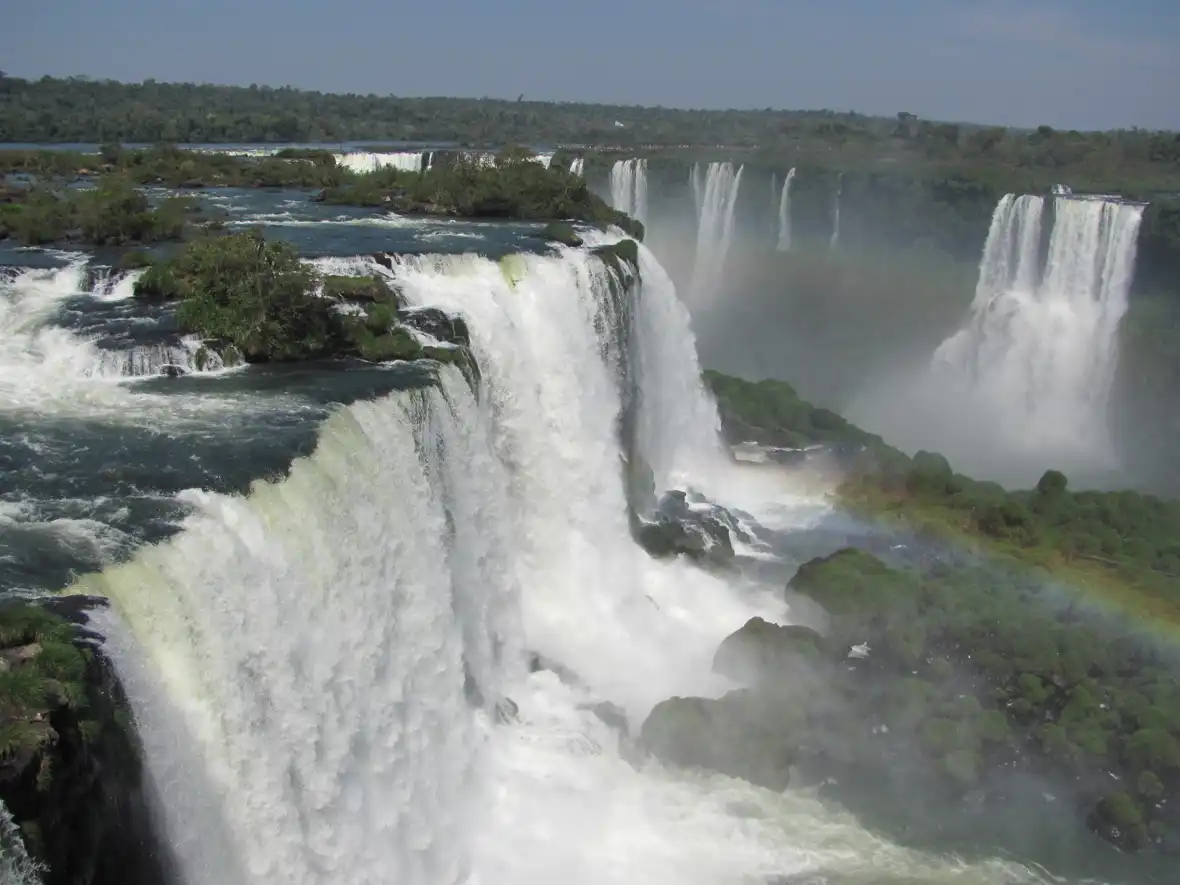
 Best Backpacking
.jpg) Over the years, I've learned the importance of packing minimally. It's so much easier to jump on the back of a truck or squeeze yourself into the last spot of a minibus without that supersized backpack. If you're headed to a warm destination, leave your winter jacket at home; for colder regions, opt for thin thermal underlayers. Instead of packing your entire wardrobe, bring just three sets of clothes, as laundry facilities are available everywhere.
Over the years, I've learned the importance of packing minimally. It's so much easier to jump on the back of a truck or squeeze yourself into the last spot of a minibus without that supersized backpack. If you're headed to a warm destination, leave your winter jacket at home; for colder regions, opt for thin thermal underlayers. Instead of packing your entire wardrobe, bring just three sets of clothes, as laundry facilities are available everywhere.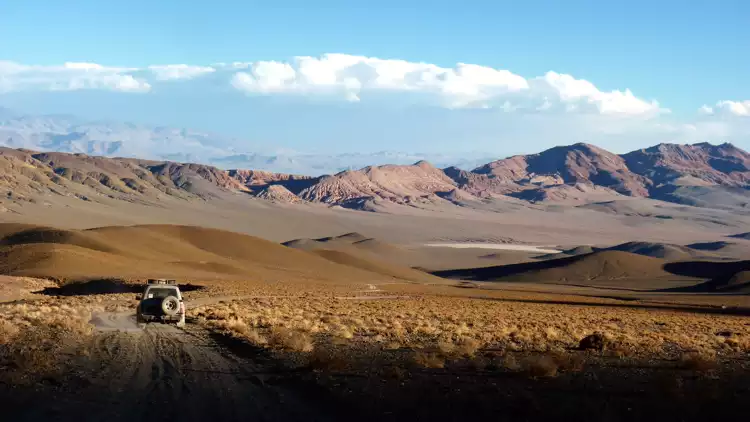


.jpg) Hi, I’m Johan (Netherlands 🇳🇱), the creator of TakeYourBackpack. Over the past 3 decades, I’ve backpacked through 90+ countries across six continents, gaining extensive experience with independent travel, long-term trips, and overland routes.
Hi, I’m Johan (Netherlands 🇳🇱), the creator of TakeYourBackpack. Over the past 3 decades, I’ve backpacked through 90+ countries across six continents, gaining extensive experience with independent travel, long-term trips, and overland routes.