Trip Planning
The TakeYourBackpack guidebooks are your all-in-one travel companion, featuring the best cities, national parks, hikes, beaches, and unique sites, along with essential tips on when to go, how to get around, exchanging money, and even local phrases to get you started — everything you need for a smooth, unforgettable backpacking adventure.
Stop researching. Start exploring.Discover all 26 highlights,ranked
and organized into practical routes.
Get instant access
Planning a backpacking route through Liechtenstein can be tricky — you need to balance must-see places, travel times, budget, and how long to stay in each destination. Our free personalized Liechtenstein itinerary planner creates a route based on your travel style, trip duration, and interests, so you can spend less time researching and more time exploring.
Personal tip: I normally search on good rating for atmosphere (for meeting people) and location (for easy exploring). Cleanliness as a bonus.
Travel Essentials
Liechtenstein generally requires standard vaccinations as in Western Europe. Ensure your routine vaccines are up to date: MMR (measles, mumps, rubella), diphtheria-tetanus-pertussis, varicella (chickenpox), polio, and your yearly flu shot. For specific health concerns, consult a healthcare provider.
vaccination requirementsWhen I first started traveling, I often spent part of my first day in a new country hunting for a local SIM card. While this can still be slightly cheaper, it also takes time and planning.
These days, it's much simpler to install an eSIM before leaving home. Once you arrive in Liechtenstein, you can activate it immediately and have mobile data from the moment you land — which is especially useful for ordering transport or navigating away from busy airports.
There are many providers nowadays, and price differences are usually small. I personally go with
Holafly, as it offers excellent network coverage throughout the country and strong global coverage, so you can manage multiple countries from a single app.
HolaFly eSimCulture & Customs
Respect local customs by being punctual and dressing modestly, especially in churches or formal settings.
Do greet people with a polite ”Grüezi” and shake hands.
Don’t make loud noises or disrupt quiet places; Liechtensteiners value tranquility.
Public displays of affection are generally acceptable, but discretion is advised. The country is generally safe for LGBTQ+ travelers, but keep a low profile in rural areas. Women travelers should feel safe and are treated equally.
Do use ”Sie” for formal address unless invited to use ”du.”
Tipping is appreciated but not mandatory; a small amount is fine.
Do respect private property, as much of the countryside is privately owned. Use designated paths and avoid littering.
Trying traditional food is always a great way to experience the culture. Here are some must-try dishes for Liechtenstein.
- Käsknöpfle: This is Liechtenstein’s version of Swiss macaroni and cheese. It’s a hearty dish made with small doughy pasta, plenty of melted cheese, and topped with crispy fried onions. It’s popular for its comforting and rich flavors, especially after a day exploring the Alps.
- Ribel: A traditional dish made from cornmeal or wheat semolina, often served at breakfast. It’s typically cooked in butter until golden brown. Ribel is a rustic dish that speaks to the agricultural heritage of the region, offering a simple yet satisfying taste.
- Hafalaab: A warming barley soup that includes bacon and dumplings. This dish is a staple in Liechtenstein, loved for its nourishing qualities and the way it brings together the community during colder months.
Yes, tap water in Liechtenstein is safe to drink and locals consume it regularly. It’s sourced from clean mountain springs and meets high safety standards, so tourists are good to go with it too. No need for bottled or filtered water unless you have specific preferences.
The main language in Liechtenstein is
German. Backpacking is way more rewarding if you know a bit of the local language, so I'd suggest brushing up on the basics just in case your German skills have become a bit rusty.
Want to understand locals better?The complete Travel Guide for Liechtenstein includes 52 essential words and phrases — greetings, thank-yous, ordering food, transport, numbers, and common local expressions you'll actually hear.
Get your local basic phrases 👉
Get the Travel Guide - In Liechtenstein,
English is widely spoken, especially among the younger population and in urban areas. The country has a high level of education, and many residents are fluent in multiple languages, including German, which is the official language. English is commonly taught in schools, making it a second language for many locals.
In tourist areas, hotels, restaurants, and shops, staff typically speak English, making communication relatively easy for English-speaking visitors. However, in more rural areas or among older generations, proficiency may vary. Overall, travelers can expect to find that most people in Liechtenstein can understand and communicate in English, enhancing the travel experience and making it accessible for those who do not speak German.
Money & Payments
The local currency of Liechtenstein is CHF (₣).
ATMs: Liechtenstein has a solid ATM network, especially in Vaduz and Schaan. Most ATMs accept international cards, so you’re covered there. Just keep an eye out for any foreign transaction fees your bank might slap on.
Cash vs. Card: Credit and debit cards are widely accepted, but smaller shops and local eateries might prefer cash, so it’s smart to keep a bit on hand. Swiss Francs (CHF) are the official currency, but euros might be accepted in touristy spots—just expect a less favorable rate.
Dollars or Euros? Forget about dollars; they’re not really in play here. Stick to Swiss Francs and, as mentioned, euros if you must, but don’t rely on them.
Exchanging Money: If you need to exchange, banks in Vaduz and Schaan are your best bet. Avoid exchange kiosks at airports or train stations—rates can be brutal. If you’re coming from Switzerland, it’s usually easiest to grab some Swiss Francs before crossing the border.
In Liechtenstein, tipping isn’t mandatory but is appreciated for good service. Most locals round up the bill or leave around 5-10% at restaurants. Service charges are often included, so check your bill before adding extra.
v2.webp)

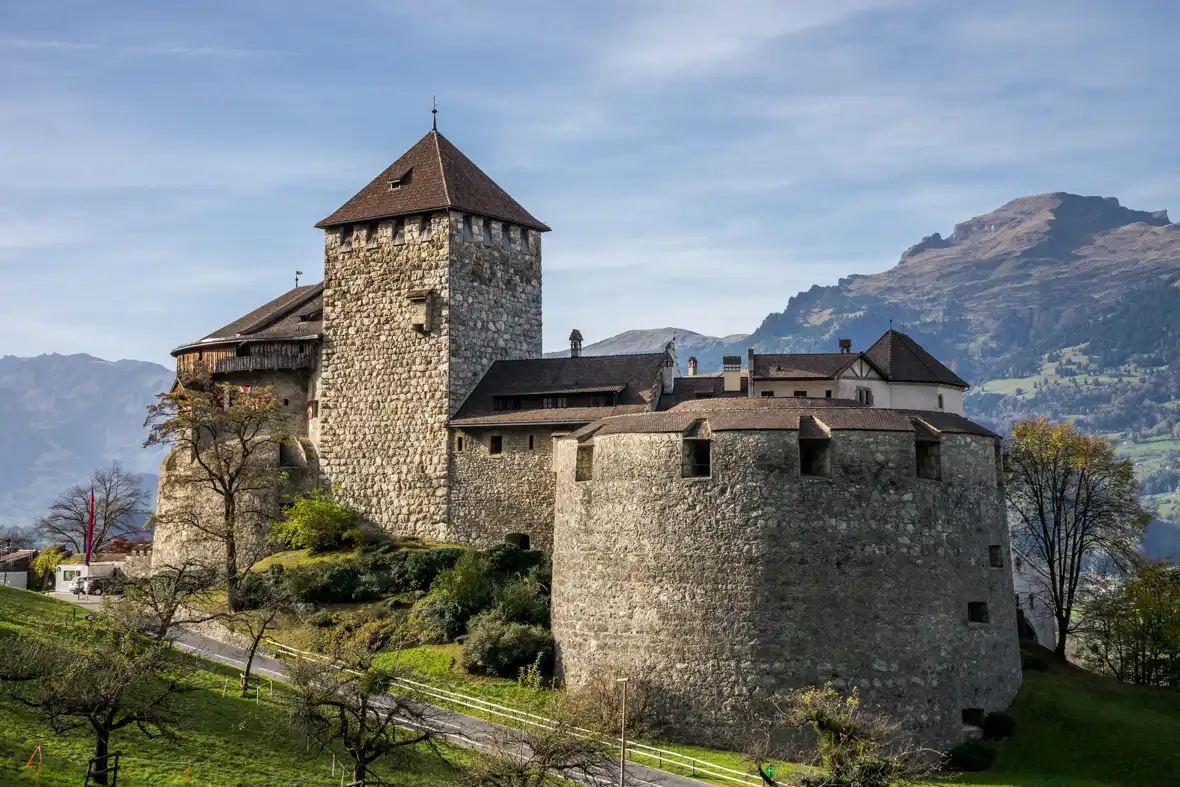
 Best Backpacking
.jpg) Over the years, I've learned the importance of packing minimally. It's so much easier to jump on the back of a truck or squeeze yourself into the last spot of a minibus without that supersized backpack. If you're headed to a warm destination, leave your winter jacket at home; for colder regions, opt for thin thermal underlayers. Instead of packing your entire wardrobe, bring just three sets of clothes, as laundry facilities are available everywhere.
Over the years, I've learned the importance of packing minimally. It's so much easier to jump on the back of a truck or squeeze yourself into the last spot of a minibus without that supersized backpack. If you're headed to a warm destination, leave your winter jacket at home; for colder regions, opt for thin thermal underlayers. Instead of packing your entire wardrobe, bring just three sets of clothes, as laundry facilities are available everywhere.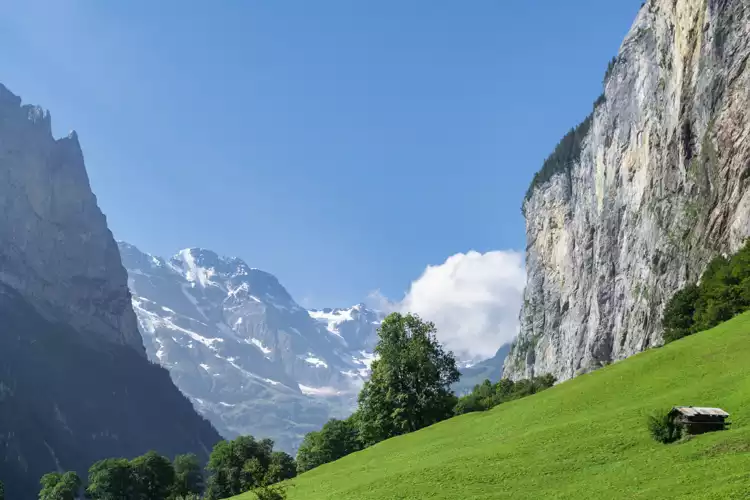
.jpg) Hi, I’m Johan (Netherlands 🇳🇱), the creator of TakeYourBackpack. Over the past decade, I’ve backpacked through 80+ countries across six continents, gaining extensive experience with independent travel, long-term trips, and overland routes.
Hi, I’m Johan (Netherlands 🇳🇱), the creator of TakeYourBackpack. Over the past decade, I’ve backpacked through 80+ countries across six continents, gaining extensive experience with independent travel, long-term trips, and overland routes.