×
Sri Lanka 🇱🇰

backpacking Asia Sri Lanka 🇱🇰
Circle compact routes linking tea hills and temples.

Explore South KoreaExplore Syria

Backpacking Sri Lanka in 2026

A complete guide including when and where to go, costs, transport, itineraries, and practical travel advice.
An overview of visiting Sri Lanka

Backpacking Sri Lanka
By Johan Kruseman 🇳🇱 | Updated June 3, 2026

Start your trip with a dawn bowl of fish curry at Negombo’s market, a short tuk-tuk from the airport and a world away from the Instagram loop. You smell brine before the boats appear; a vendor slips tea into your hand. Quick, salty, generous—that’s Sri Lanka waking early for the good stuff.

The country unspools fast: tea hills where the train leans into cloud; ancient stone at Anuradhapura and Polonnaruwa under your palm; leopards in Yala; elephants in Minneriya; lamps climbing Adam’s Peak; sea wind and curry on the south coast. Sigiriya and Mirissa draw tour buses, heritage tickets bite, buses blare, and monsoon moods flip plans. Start early, ride second-class with the windows down, eat where kottu knives clatter, sleep in family homes—the effort seasons the story.

Compared with India, Sri Lanka is gentler and condensed; against the Maldives, it swaps overwater gloss for temples and jungle; beside Kerala, it packs more wildlife per mile. Come if you want color with context—first-timers, surfers, hikers, history lovers—and if you enjoy earning a great meal with a bus ride.

👉 Get the 📖 Travel Guide of Sri Lanka

South Coast: Galle to Matara

Expect bodies and beach bars in season, with prices to match the hype; a simple curry can cost double what it does inland. Ride the slow coastal train and you’ll smell salt and diesel, palms blurring by. The payoff is pre-dawn: fish markets clatter awake, reef breaks groomed by glassy light, toddy shops cracking open. Connected and social, it rewards surfers, café campers, and anyone who can wake early to dodge the midday circus.

Hill Country: Kandy – Nuwara Eliya – Ella (rail spine)

The blue train is crowded; seats sell out; stand by the open door and you’ll get wet mist on your face and tea in every shade of green. Evenings bite cold. Trails can be leechy after rain. The reward is slow miles: estate lanes, whistle of distant locomotives, cheap hopper stalls by dim bulbs. Best for walkers, photographers, and patient travelers who value the journey more than the Instagram bridge.

Cultural Triangle: Dambulla, Sigiriya, Polonnaruwa

It’s hot, dusty, and ticket prices for Sigiriya hit like a hammer—more than a week of local rice-and-curry. Climb anyway if you must; the crowds will be there. The real magic sits at dusk: cycling Polonnaruwa among langurs and tank birds, incense drifting from village shrines. Buses hub through Dambulla, making logistics simple. Rewards history nerds and cyclists who don’t mind sweat.

East Coast: Arugam Bay

Long haul on the A4, and in surf season room rates jump fast. Days smell of coconut oil and two-stroke; nights hum with beach bars. Dawn points run clean, tuk-tuks rattling to Peanut Farm and whisky point. Off-season shutters come down. Best for surfers and sand-crusted backpackers who live by tides, not clocks.

Jaffna & the Northern Isles

Far from the main loop, with slow trains and bus changes that test patience. The air tastes of salt and palmyra; temple bells cut through noon heat. Fewer tourists, simpler guesthouses, better crab. Islands linked by windblown causeways feel end-of-the-map. Rewards culturally curious travelers who value conversations over convenience and can handle heat and hard miles.
Map of Sri Lanka
Loading the map 🌍
CLICK TO FILTER
city
town
village
unique site
national park
hike
beach
attraction
festival
region
SHOW COUNTRY’S BESTSHOW ALL
film
0
0
0a
Mirissa Beach
film
1
1
1a
Unawatuna
film
2
2
2a
Nilaveli Beach
film
3
3
3a
Polhena Beach
film
4
4
4a
Tangalle
film
5
5
5a
Goyambokka Beach
film
6
6
6a
Koggala Beach
film
7
7
7a
Uppuveli Beach
film
8
8
8a
Trincomalee
film
9
9
9a
Negombo
film
10
10
10a
Adam’s Peak
film
11
11
11a
Ella Rock
film
12
12
12a
Dambatenne Tea Factory to Lipton’s Seat
film
13
13
13a
Pidurangala Rock
film
14
14
14a
Sigiriya Rock Fortess
film
15
15
15a
Diyaluma Falls Trek
film
16
16
16a
Kirigalpoththa Trail
film
17
17
17a
Meemure Village Trail
film
18
18
18a
Udawalawe
film
19
19
19a
Horton Plains
film
20
20
20a
Knuckles Mountain Range
film
21
21
21a
Pigeon Island
film
22
22
22a
Lahugala
film
23
23
23a
Anuradhapura
film
24
24
24a
Polonnaruwa
film
25
25
25a
Rangiri Dambulla Cave Temple
film
26
26
26a
Thirukkovil Temple

Why go?What makes this country worth the trip

Wildlife

Sri Lanka pays off because the wild is close and loud. Yes, Yala can gridlock at a leopard, jeeps idling, … read more 👉
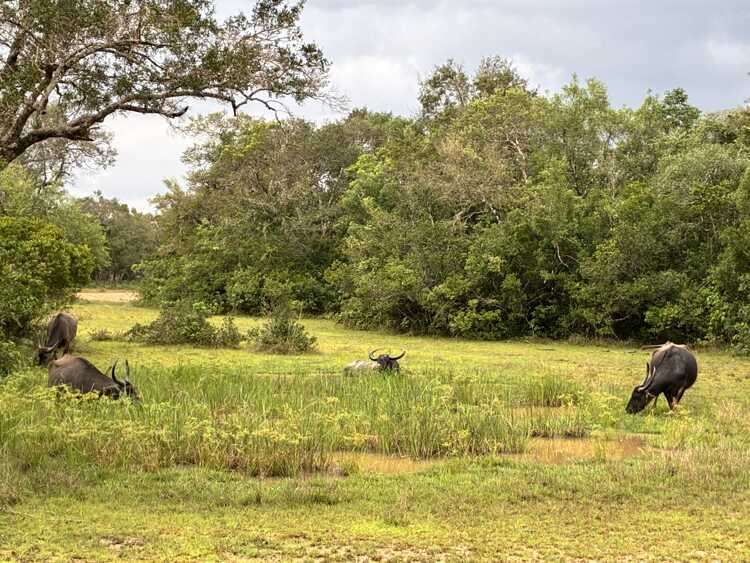
Sri Lanka pays off because the wild is close and loud. Yes, Yala can gridlock at a leopard, jeeps idling, diesel in your nose, lenses fencing the bush. Park fees and a jeep sting compared to a beach day and a train ride. But dawn fixes it. Peacocks yelp, dust tastes metallic, and something moves. I’ve waited engine-off at a Wilpattu villu and watched a sloth bear pad out like a rumor. Pro tip: book the whole jeep so you control pace—skip the radio chases, sit at water, and let Minneriya’s dusk elephants come to you.

Backpackers

Sri Lanka earns its backpacker reputation the hard way: cheap, rattling trains, curry for pocket change, … read more 👉
Sri Lanka earns its backpacker reputation the hard way: cheap, rattling trains, curry for pocket change, and a coastline that keeps handing you another wave. Yes, you’ll queue for photos in Ella and sunset packs Mirissa; dorms run higher than northern India but lower than Bali. The real pull is sensory: woodsmoke and curry leaves at dawn, salt drying on your skin, temple drums under mango trees, tea hills rolling past an open train door. Pro tip: ride the early Ella–Haputale train, hop off at Idalgashinna, and walk the ridge to Ohiya.

Low cost

Sri Lanka is kind to a backpacker’s wallet. Buses roar coast-to-coast for pocket money, trains clatter … read more 👉
Sri Lanka is kind to a backpacker’s wallet. Buses roar coast-to-coast for pocket money, trains clatter through tea hills for less, and rice-and-curry lunches hit hard and cheap. Homestays throw in breakfast and a fan, and you sleep well. A careful traveler cruises at roughly $25–35 a day without trying. Pro-tip: eat your main meal at lunch when the pots are fresh and portions are generous. I lived a week in Ella on roti, kottu, and milk tea; the cumin-and-curry-leaf steam, the diesel on your clothes, and the soft train benches make thrift feel like texture, not sacrifice.

People

The welcome isn’t glossy; it’s daily. At a roadside tea kade, someone slides you a stool and a glass … read more 👉
The welcome isn’t glossy; it’s daily. At a roadside tea kade, someone slides you a stool and a glass so sweet it sticks to your teeth, then argue about cricket. Directions aren’t pointed—they’re walked, in the heat. Aunties insist on second helpings; uncles tease until you laugh. Pro-tip: learn istuti (Sinhala) or nandri (Tamil), and accept or give with your right hand; doors open. I’ve been escorted through Pettah’s crush by strangers linking elbows, scolded for skipping breakfast, and fed mango with chili on a bus. Join an evening beach cricket game; miss a catch, win five friends.

Beach life

Instagram sells turquoise and infinity swings; reality: noon sun cooks, Mirissa’s sand packs tight with … read more 👉
Instagram sells turquoise and infinity swings; reality: noon sun cooks, Mirissa’s sand packs tight with tripods, and coconuts cost double what they do in Tangalle town. But the ocean pays you back. At first light the water is body‑warm, the breeze smells of cinnamon smoke, and reef fish flicker like loose confetti. Snorkel Pigeon Island or the calmer reef off Nilaveli; dive Trinco’s wrecks when the east is on. Nightlife? Hikkaduwa thumps; I prefer plastic chairs and grilled fish in Unawatuna. Pro tip: chase winter on the south coast, summer on the east.

Food

Instagram shows lobster towers. The real magic is curry-leaf smoke at dawn and a hopper pan hissing … read more 👉
Instagram shows lobster towers. The real magic is curry-leaf smoke at dawn and a hopper pan hissing like rain. Sri Lanka rewards the eater who wanders. Yes, you’ll queue, and beachfront cafes will charge three times what a back-street rice-and-curry does, but the payback is depth: coconut, lime, tamarind, roasted chili, all on one tin plate. Pro tip: eat lunch local—rice-and-curry is freshest at midday, refills are normal if you smile. I still chase dusk at Galle Face Green: isso wade, sea spray, kites overhead, chili oil on my fingers.

Scenery

Sri Lanka rewards the early riser and the dust-tolerant. Yes, you’ll jostle for Sigiriya selfies and … read more 👉
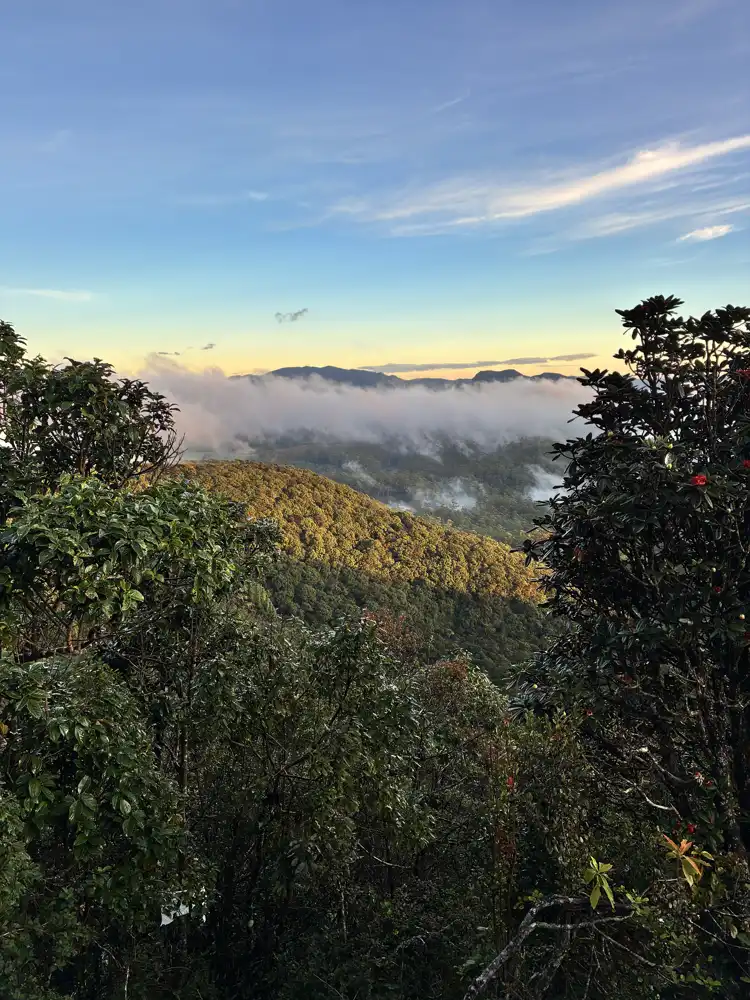
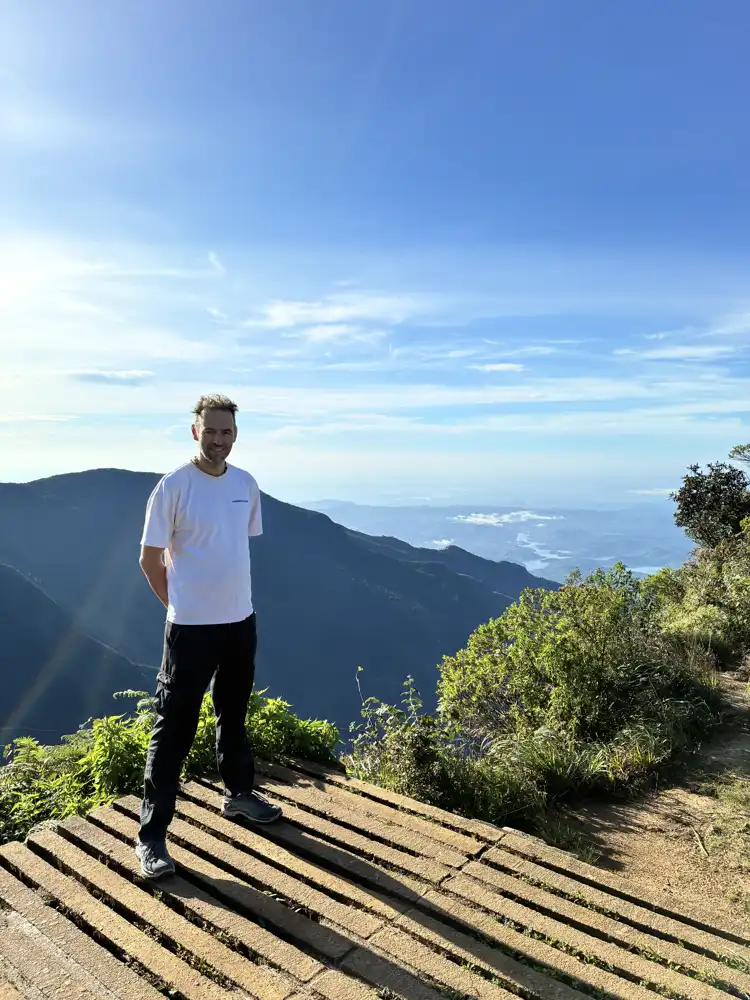
Sri Lanka rewards the early riser and the dust-tolerant. Yes, you’ll jostle for Sigiriya selfies and pay foreign-ticket rates—multiples of local fares—at headline sites. But step off the script: mist lifts off the tea ridges above Ella, and it smells like wet leaf and woodsmoke. Watch sunrise from Pidurangala over the tank-fed plains, then feel wind shear at World’s End in Horton Plains. Dambulla’s caves are cool as a well. Pro tip: ride the Kandy–Ella train, stand at a doorway and hold the rail near Nanu Oya; valleys open like a book and you taste tea dust in the air.

Architecture

Sri Lanka sells you a lone lion rock at sunset. The reality: queues, metal stairs hot as a pan, and … read more 👉
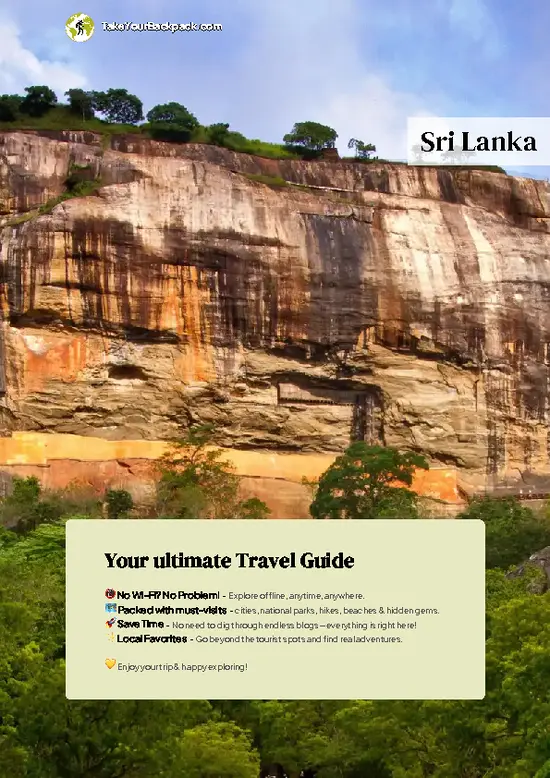
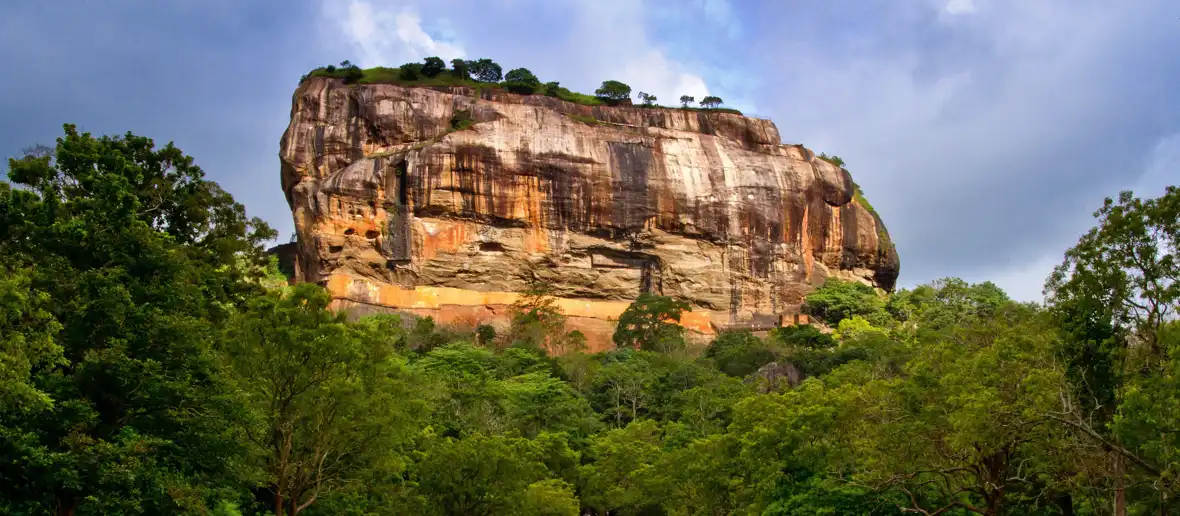
Sri Lanka sells you a lone lion rock at sunset. The reality: queues, metal stairs hot as a pan, and a ticket that costs more than a week of local buses. The reward is in the details—2,000‑year stupas glowing at dusk in Anuradhapura, paint and bat-scented caves at Dambulla, Dutch ramparts in Galle taking the full bite of the sea, and Bawa’s concrete slipping back into jungle. Pro tip: take Pidurangala at dawn, then bicycle Polonnaruwa’s ruins. I slept at Kandalama; rain drummed the lake as monkeys skittered past my door.
Want the complete picture of Sri Lanka?
The offline Travel Guide brings everything together — routes, highlights & planning.

See what's included in the guide 👉

Get the Travel Guide -

⭐ HighlightsUnmissable destinations

  • Sigiriya Rock Fortress: The photos show the view; they don’t show the climb, the iron stairs clanging as you pass wasp warnings and the mirror wall slick with age. Crowds stack by 9 a.m., and the foreigner ticket costs more than two days of cross-island bus travel. Earn it at first light: rock warm under your palms, a metallic tang from the railing, copper dust in your socks.
  • Ella’s Little Adam’s Peak & Nine Arches: The bridge becomes a catwalk by late morning—tripods, drones, and snack sellers crowd the embankment. Skip the performance and take the ridge before dawn, when tea rows shine with dew and a single whistle lifts through the valley. Proof you were there: wet cuffs, a coal-smudge on your fingertips after waving at the engine.
  • Adam’s Peak (Sri Pada): It’s a pilgrimage, not a hike, and on weekends the stairway turns into a slow, breathy procession past sweet tea and chickpea stalls. Sunrise can vanish into cloud, but the real moment is the bell’s dull ring and the mountain’s shadow
read more 👉
  • Sigiriya Rock Fortress: The photos show the view; they don’t show the climb, the iron stairs clanging as you pass wasp warnings and the mirror wall slick with age. Crowds stack by 9 a.m., and the foreigner ticket costs more than two days of cross-island bus travel. Earn it at first light: rock warm under your palms, a metallic tang from the railing, copper dust in your socks.
  • Ella’s Little Adam’s Peak & Nine Arches: The bridge becomes a catwalk by late morning—tripods, drones, and snack sellers crowd the embankment. Skip the performance and take the ridge before dawn, when tea rows shine with dew and a single whistle lifts through the valley. Proof you were there: wet cuffs, a coal-smudge on your fingertips after waving at the engine.
  • Adam’s Peak (Sri Pada): It’s a pilgrimage, not a hike, and on weekends the stairway turns into a slow, breathy procession past sweet tea and chickpea stalls. Sunrise can vanish into cloud, but the real moment is the bell’s dull ring and the mountain’s shadow thrown like a triangle across the mist. Your calves burn, your breath fogs, your palms are sticky with tea sugar.
  • Galle Fort: Pretty walls come with cruise-day crowds and cafes priced like Colombo brunch, not like the 300-rupee rice-and-curry inland. The payoff happens at dusk on the ramparts when the sea breeze scrapes off the heat and kids bowl a taped tennis ball under the lighthouse. Salt crystals dry on your forearms; old cannon metal leaves a black smear on your fingers.
  • Yala National Park: Leopard fever creates jeep pileups, and a dawn drive plus permits can cost roughly two inland guesthouse nights; sightings feel earned only when your driver kills the engine and the grass starts moving on its own. Red dust cakes your teeth, a thorn snags your ankle, and a painted stork clacks in the reeds. For quieter edges, try Ritigala’s forested ruins, Mannar’s wind-swept causeway and baobab, or the Meemure valley in the Knuckles—my personal favorite is Ritigala at dusk.
Spotted a mistake or missing a highlight? Contact us.

But Sri Lanka offers more...

Discover and compare all of its highlights per category

🧭 RoutesHow to structure a trip

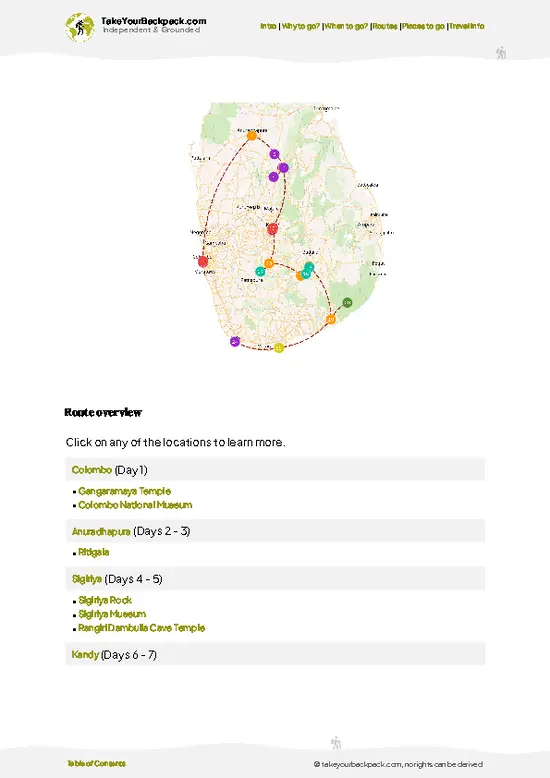
The 5-Day Hill Country Taster

The Vibe: A relaxed, train-heavy escape into Sri Lanka’s cool highlands, built for travelers who want temples, tea, and a couple of hikes without burning out. You’ll trade big city time and beaches for misty mornings, cultural evenings, and short, satisfying walks.
The Highlights:
  • Kandy’s lakeside streets and the Temple of the Sacred Tooth Relic
  • Tea-scented days around Nuwara Eliya and the Tea Plantations of Nuwara Eliya
  • The classic highland train ride through the Central Highlands of Sri Lanka
  • Sunset views from Little Adam’s Peak above Ella

The 10-Day Classic Loop: Culture, Hills & Coast

The Vibe: A balanced first-timer route that stitches together Colombo’s history, the cultural heartland, tea country, and a soft landing on the south coast. The pace is steady but comfortable, mixing train rides, a few scenic drives, and plenty of time on foot.
The Highlights:
  • Colombo’s museums and Gangaramaya Temple & Museum
  • Kandy’s Temple of the Sacred Tooth Relic and nearby hill
read more 👉

The 5-Day Hill Country Taster

The Vibe: A relaxed, train-heavy escape into Sri Lanka’s cool highlands, built for travelers who want temples, tea, and a couple of hikes without burning out. You’ll trade big city time and beaches for misty mornings, cultural evenings, and short, satisfying walks.
The Highlights:
  • Kandy’s lakeside streets and the Temple of the Sacred Tooth Relic
  • Tea-scented days around Nuwara Eliya and the Tea Plantations of Nuwara Eliya
  • The classic highland train ride through the Central Highlands of Sri Lanka
  • Sunset views from Little Adam’s Peak above Ella

The 10-Day Classic Loop: Culture, Hills & Coast

The Vibe: A balanced first-timer route that stitches together Colombo’s history, the cultural heartland, tea country, and a soft landing on the south coast. The pace is steady but comfortable, mixing train rides, a few scenic drives, and plenty of time on foot.
The Highlights:
  • Colombo’s museums and Gangaramaya Temple & Museum
  • Kandy’s Temple of the Sacred Tooth Relic and nearby hill temples
  • Highland hikes around Nuwara Eliya, Horton Plains to World’s End, and Ella Rock
  • Galle Dutch Fort and Ramparts paired with beach time at Unawatuna

The 15-Day Grand Sri Lanka Circuit

The Vibe: A deep-dive journey that loops through cities, ruins, tea country, national parks, and both south and east coasts, ideal for travelers who want range and texture rather than a single base. Expect a mix of trains, buses, and a few private transfers to keep the route flowing without back-to-back slog days.
The Highlights:
  • Colombo’s layered history and coastal sunsets at Mount Lavinia Beach
  • Kandy’s spiritual core and the cool tea landscapes of the Central Highlands of Sri Lanka
  • Highland trails around Horton Plains National Park, Ella Rock, and Little Adam’s Peak
  • Wildlife days in Yala National Park and Bundala National Park
  • Fortified streets of Galle Fort and reef-fringed sands at Nilaveli Beach and Pigeon Island National Park
🌍 Want a ready-to-use travel plan for Sri Lanka?
The overview above compares different route options based on your travel time and style. The complete Travel Guide breaks each itinerary down in detail, including maps, stops, highlights, and transport information.

Explore all route details 👉

Get the Travel Guide -

🌤️ When to go?Best time to visit Sri Lanka

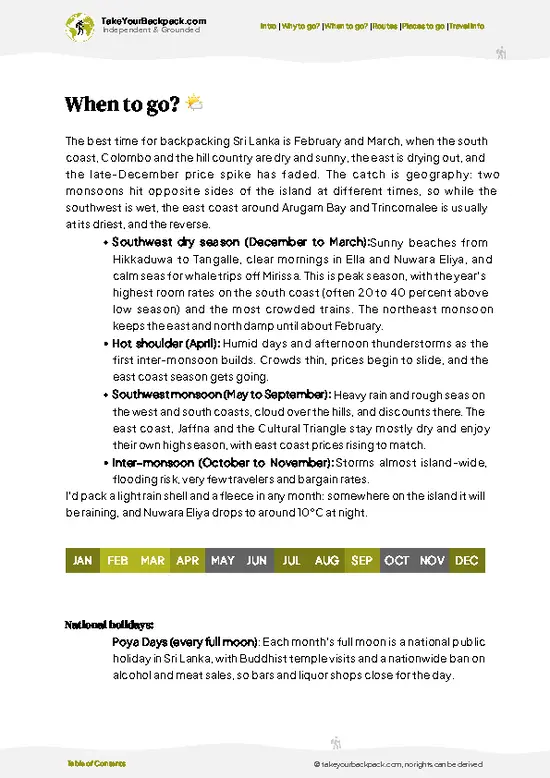
The sweet spot lands from mid-February through late March. The holiday surge has drained away, rates on the south and west coasts slide back to human, and the weather still behaves: seas calmer for cheap bus-to-beach hops, hill-country mornings crisp with blue distance, Adam’s Peak lamps still lit for the night climb. Heat builds by noon, but you win long, clear hours for trains with open windows and tea-scented air, for dry tracks in the Knuckles, for wildlife pushed to water in Udawalawe. Crowds thin just enough that “sold out” turns into “we’ll find you a seat,” and a plate of rice and curry returns to local prices.
  • Crowd/Heat Peak: December-February on the south/west, July-August in the east. You pay festival and holiday premiums, trains are sardine-tight, and Mirissa hostels fill. The reward is real: ocean like blue glass at dawn, whales off the headland, night drumming in Kandy, sunrise on Adam’s Peak with the wind snapping at your sweat.
  • Transition/Shoulder: March-April and September. The island shifts gears: shutters roll up in Arugam Bay, south-coast menus shrink to locals again, buses exhale, prices soften. You move faster—Sigiriya at first light with only swallows for company, then an empty third-class bench to Ella.
  • Off-Peak/Monsoon: May-June (south/west) and October-November (island-wide storms). Solitude blooms inland: rain drums on tin at tiny tea stalls, mist threads the pines above Nuwara Eliya, Polonnaruwa’s stone lions glisten. Survival hack: chase the dry side—east when the south goes wild—and wear leech socks; start hikes at first light to beat the daily deluge.

Personal tip: I lock a seat on the Ella-Kandy train as soon as tickets drop, then leave everything else open so I can pivot coast-to-coast with the weather.

source: climatestotravel.comJANJanuary: good for travelingFEBFebruary: excellent for travelingMARMarch: excellent for travelingAPRApril: highly recommended for travelingMAYMay: fair for travelingJUNJune: fair for travelingJULJuly: good for travelingAUGAugust: good for travelingSEPSeptember: highly recommended for travelingOCTOctober: fair for travelingNOVNovember: fair for travelingDECDecember: good for traveling
📅 Traveling in a specific month?
Get a full month-by-month breakdown of weather, crowds, costs, festivals, and seasonal highlights in the complete travel guide.

Get full details when to go 👉

Get the Travel Guide -
!srilanka - pixabay-sigiriya-459197 cropped

💰 Costs (as of 2025)What things cost day to day

Plan on $28-40 per day if you sleep in dorms, eat where locals eat, and ride buses/trains; double it on days you pay for big-ticket ruins or a safari.
  • dorm accommodation: $6-10 inland for a fan dorm, $10-18 on the south/west coasts or Colombo; add $2-4 for AC. Expect thin mattresses, early roosters, and diesel-bus wakeups near the main road. System tip: message places on WhatsApp and ask for “no-AC dorm, cash, 3+ nights” and you often get 10-20% off; walk-ins after 4 pm work in shoulder season.
  • meals: Supermarket Survival (Cargills/Keells) keeps breakfast-lunch under $3-6/day: bread, bananas, buffalo curd with palm treacle, tins of fish, and tea. Street food reality is better and still cheap: rice-and-curry plates with 3-5 veg sides $1-2.50 inland, kottu/hoppers $1-2, bumping to $2-4 on beaches; tourist cafés jump to $6-12 and taste like anywhere. Slightly pricier than India, on par with rural Thailand when you avoid beachfront menus. I buy short eats from busy bakeries at 6 pm—hot oil, cumin, no regrets.
  • local transport: The country unlocks with public buses and unreserved trains. Trains (2nd/3rd class) run roughly $0.60-3 for long hops; buses $1-4 cross-island, AC “express” $2-6. It’s
read more 👉
Plan on $28-40 per day if you sleep in dorms, eat where locals eat, and ride buses/trains; double it on days you pay for big-ticket ruins or a safari.
  • dorm accommodation: $6-10 inland for a fan dorm, $10-18 on the south/west coasts or Colombo; add $2-4 for AC. Expect thin mattresses, early roosters, and diesel-bus wakeups near the main road. System tip: message places on WhatsApp and ask for “no-AC dorm, cash, 3+ nights” and you often get 10-20% off; walk-ins after 4 pm work in shoulder season.
  • meals: Supermarket Survival (Cargills/Keells) keeps breakfast-lunch under $3-6/day: bread, bananas, buffalo curd with palm treacle, tins of fish, and tea. Street food reality is better and still cheap: rice-and-curry plates with 3-5 veg sides $1-2.50 inland, kottu/hoppers $1-2, bumping to $2-4 on beaches; tourist cafés jump to $6-12 and taste like anywhere. Slightly pricier than India, on par with rural Thailand when you avoid beachfront menus. I buy short eats from busy bakeries at 6 pm—hot oil, cumin, no regrets.
  • local transport: The country unlocks with public buses and unreserved trains. Trains (2nd/3rd class) run roughly $0.60-3 for long hops; buses $1-4 cross-island, AC “express” $2-6. It’s slow but scenic: stand by the open door in the hill country and you’ll smell wet tea leaves and eucalyptus. Tuk-tuks are last-mile; use PickMe for meters (about $0.25-0.40/km) and avoid the beach-board scribble fares. Compared to India, fares are similar; far cheaper than taxis in Southeast Asia islands.
  • activities: This is where budgets pop. Sigiriya ticket sits around $30+, Anuradhapura/Polonnaruwa about $25; whale watching $35-60; Yala/Kaudulla/Minneriya safaris $45-80 per person once you split the jeep; surfing $3-5/hr for a board; dives $30-45. Many hikes and temples are free or <$2. Relative value: daily life is cheap, but marquee sites cost more than India’s big hitters and closer to Thailand’s park fees. I once did Pidurangala at sunrise for a few dollars—same view as Sigiriya, different story (no frescoes, no Lion’s Paw).
  • miscellaneous: Budget leaks: airport SIM packs are inflated; buy in town and you’ll get 10-25 GB for about $3-6. Beer is taxed—shop price $1.50-2, bars $3-5; cocktails $5-8. Coffee culture adds up ($2-4 a cup). Sunscreen and mosquito repellent are pricey; pack them. ATMs sometimes have low limits or fees—pull larger amounts less often. Laundry $1-2/kg, water 1.5L $0.40-0.70. Compared to India, alcohol hurts more; compared to Bali, you win if you dodge beachfront markups. I paid 400 rupees for a king coconut on the sand; the same was 120 two streets back.
⚠️ Prices can change and everyone travels differently, so take this as a rough guide. Hope it helps you plan your adventure!

✈️ The backpacker research shortcutSri Lanka Travel Guide

An offline-friendly backpacking guide with optimized travel routes, ranked highlights, transport advice, and the best areas to stay.
example page 0 from our offline Travel Guide for Sri Lankaexample page 1 from our offline Travel Guide for Sri Lankaexample page 2 from our offline Travel Guide for Sri Lankaexample page 3 from our offline Travel Guide for Sri Lankaexample page 4 from our offline Travel Guide for Sri Lankaexample page 5 from our offline Travel Guide for Sri Lankaexample page 6 from our offline Travel Guide for Sri Lankaexample page 7 from our offline Travel Guide for Sri Lanka
The digital guide (463 pages) contains:
129 highlights, ranked by travel appeal
Optimized 5, 10 & 15-day travel routes
Cities, national parks, beaches, historical sites, ...
How to get around
Offline-friendly for travel without Wi-Fi
👉 Click to see all 30+ guide features

📅 Plan smarter in minutes, not weeks
Month by month travel advice
Festivals & national holidays
Budget expectations

🗺️ Go to the right places, skip the overrated ones
Honest pros & cons of destinations
Top hikes, parks & viewpoints
Lesser-known places most travelers miss
Clear “worth it vs skip it” guidance

🛏️ Travel smoothly without rookie mistakes
Best areas to stay
Transport systems explained simply
Common scams & safety advice
SIM cards, money & practical tips

🌍 Understand the country, not just visit it
Culture & traditions
52 Essential phrases & customs
Festivals worth planning around
Traveler-friendly historical context
Insights that make places more meaningful

📱 Built for real travel conditions
Fully downloadable PDF
Works completely offline
Optimized for phone use
Useful in remote areas & buses
Everything in one place
Save weeks of stressful planning
Get instant access to the full guide directly. 30-day money-back guarantee.


Sent to your inbox immediately after payment • 100% Secure Checkout
Best Backpacking Travel Advisor 2025 tourism awardBest Backpacking
Travel Advisor
2025
What others say about Take Your Backpack Guides:
⭐⭐⭐⭐⭐
Fantastic, amazing amount of information!
⭐⭐⭐⭐⭐
My goodness this is amazing, it's what I've been looking for hats off too you!
⭐⭐⭐⭐⭐
I think this is absolutely BRILLIANT
⭐⭐⭐⭐
Very complete and informative. It's still missing places, but I gotta to commend you
⭐⭐⭐⭐⭐
This is truly amazing, thank you, can't wait to explore it with my kids!
⭐⭐⭐⭐⭐
Awesome resource, thank you!
⭐⭐⭐⭐⭐
This is amazing! Can't wait to explore the ones I haven't seen
⭐⭐⭐⭐
I love this! Well done, great idea.
⭐⭐⭐⭐⭐
Thanks for taking the time to make this gem!
⭐⭐⭐⭐⭐
This might be the best website I've ever seen.
⭐⭐⭐⭐⭐
Congratulations, and thank you so much for your work; it's incredibly valuable.
⭐⭐⭐⭐
In all seriousness I think you did a great job pointing out the important spots
⭐⭐⭐⭐⭐
10/10 very good
⭐⭐⭐⭐⭐
As someone who's only just starting to visit regularly this is awesome, thank you.
⭐⭐⭐⭐
Thank you very much! I'm going to visit my dad, it's going to be very useful!
⭐⭐⭐⭐⭐
This is really cool! We'll be travelling for the first time and this definitely come in handy.
⭐⭐⭐⭐⭐
You are now our minister of culture, congratulations 👨‍💼
⭐⭐⭐⭐⭐
Just wanted to tell you that this is a pearl! Going to follow your recommendations.
⭐⭐⭐⭐⭐
This is so cool. I'll definitely be using the resource for my travels soon.
⭐⭐⭐⭐⭐
This is very impressive! Good work.
⭐⭐⭐⭐⭐
This is an amazing and informative site. Very well done!

🛏️ Where to stay?Accommodation types and options

Yes — hostels and budget accommodation in Sri Lanka are widespread, with most options clustered in Colombo, Kandy, Ella, Galle/Hikkaduwa, Mirissa, Arugam Bay, Negombo and Trincomalee.

Colombo offers transport links and cheap city dorms but is noisy; Kandy sits close to cultural sites with busy markets; Ella provides affordable stays, great hikes and a relaxed evening scene but limited nightlife; Galle and Hikkaduwa are surf and beach hubs that get very touristy; Mirissa is best for beach, whale-watching and lively evenings yet more seasonal and slightly pricier; Arugam Bay is the east-coast surf … read more 👉
Yes — hostels and budget accommodation in Sri Lanka are widespread, with most options clustered in Colombo, Kandy, Ella, Galle/Hikkaduwa, Mirissa, Arugam Bay, Negombo and Trincomalee.

Colombo offers transport links and cheap city dorms but is noisy; Kandy sits close to cultural sites with busy markets; Ella provides affordable stays, great hikes and a relaxed evening scene but limited nightlife; Galle and Hikkaduwa are surf and beach hubs that get very touristy; Mirissa is best for beach, whale-watching and lively evenings yet more seasonal and slightly pricier; Arugam Bay is the east-coast surf capital with quieter off-seasons and fewer services; Negombo is the convenient airport gateway but can feel industrial; Trincomalee offers diving and quieter beaches but is more remote.

Choose area by season and transport: south/west beaches peak Dec–Mar while the east coast is best Apr–Sep, trains and buses link hubs but schedules vary so book dorm beds in high season and allow extra travel time.

If you enjoy meeting fellow travelers, consider choosing hostels with high ratings for atmosphere. On the other hand, if you prefer having your own space, a hotel might be a better option.

🚌 Getting aroundGetting around Sri Lanka

Sri Lanka runs on bus horns and tea breaks, not Swiss minutes. The island’s rhythm is intuitive: you squeeze in, nod at the conductor, and the whole system lurches forward. Trains favor scenery over speed; buses knife through gaps with a brass-trumpet horn. Timetables exist, but dawn is the real ticket—leave early and you surf the flow; leave late and you simmer in heat and traffic. Diesel, salt air, cinnamon. You earn your miles here, and the reward is the countryside repainting itself through … read more 👉
Sri Lanka runs on bus horns and tea breaks, not Swiss minutes. The island’s rhythm is intuitive: you squeeze in, nod at the conductor, and the whole system lurches forward. Trains favor scenery over speed; buses knife through gaps with a brass-trumpet horn. Timetables exist, but dawn is the real ticket—leave early and you surf the flow; leave late and you simmer in heat and traffic. Diesel, salt air, cinnamon. You earn your miles here, and the reward is the countryside repainting itself through an open window.
  • Intercity Trains The hill-country line is a postcard that forgot about time. If you’re counting hours, long buses usually beat it; if you’re counting sanity, the train wins. Second and third class are cheap and honest—unreserved fills fast, so board early at the origin station and slide a pack under your knees. Doors hang open; hold the rail, don’t lean for the selfie when the carriage sways. Vendors walk through with vadai and milky tea. When rain hits and roads clog, the rails keep their own, slower, steady promise.
  • Local Buses (SLTB & private) This is the social engine room. You pay the conductor after rolling, coins clicking in his metal box; keep small notes, say your stop clearly, and tug the bell-cord once. Offer your seat to monks, elders, and schoolkids; women avoid sitting tight beside monks. Packs go by the driver or on your lap—never block the aisle. Music thumps, wind blasts through open windows, and strangers make room by instinct. It’s sweaty, fast, and fair if you play by the etiquette of eye contact and quick moves.
  • Expressway Buses (EX/AC) The quiet hack for the southwest corridor. These A/C coaches jump on the E01 and crush Colombo-Galle-Matara in hours, not half-days. A few hundred rupees more than a regular bus, but a sliver of a taxi. Buy onboard, sit in a numbered seat, bag in the hold, and nap while the driver ignores the coastal chaos. Board at major terminals like Maharagama or Makumbura to guarantee space. For airport runs and cross-island pivots, they reset your day and your mood.
  • Tuk-tuks (Three-wheelers) They reach what maps pretend is “walkable”: tea-estate lanes, cliffy guesthouse drives, last-mile beach tracks, dawn trailheads. In cities, insist on the meter; in villages, ask for the meter rate before you step in. Apps help kill the tourist tax. Don’t do intercity in a tuk unless you enjoy exhaust; use it to stitch bus and train to your bed. Keep your big pack across your lap and your elbows inside when traffic squeezes.

Master move: travel at dawn, board at origin depots for a seat, use an expressway bus for the long hop, then train for the scenic leg and a tuk for the last two kilometers.
Colombo’s Bandaranaike International Airport (CMB) sits in Katunayake, about 32 km (20 miles) north of Colombo Fort, the city center.

Main public transport options
  • Bus 187 to Colombo Fort/Pettah — Frequent A/C and non-A/C buses depart from the airport-side bus stop by the main road (follow “Public Bus” signs from Arrivals; it’s a short walk). Travel time is typically 60-90 minutes depending on traffic. Expect around LKR 200-400 per person. Services run from early morning into the evening; late-night departures are irregular.
  • Train from Katunayake Airport station — The station is about 1.5 km from the terminal (10-15 minutes by tuk-tuk; 15-20 minutes on foot). Trains to Colombo Fort take roughly 40-60 minutes. Fares are usually LKR 100-300 depending on class and service. Trains are inexpensive but not very frequent; check schedules and expect crowds at peak times.

Taxi and ride-hailing
  • Airport taxi counters inside Arrivals and ride-hailing apps (PickMe, Uber) both serve the city center. With the expressway (E03), the trip takes about 35-60 minutes off-peak; allow 60-90 minutes in rush hour.
  • Typical cost: LKR 5,000-9,000 to central Colombo. The expressway toll (~LKR 300-400) is sometimes included in the quoted fare; if not, it’s added on top.

Quick tips
  • Have small LKR notes for bus/train; card isn’t accepted on public transport.
  • If using an app taxi, airport Wi-Fi works, but a local SIM makes pickup smoother.
  • Ask drivers to use the E03 expressway for the fastest run into town.
⚠️ Prices and routes can change, so take this as a rough guide and ask for local advice when you arrive.

🔒 Safety (risk Level: medium)Safety considerations for travelers

Safety for solo travelers, including women and LGBTQ+ individuals
Sri Lanka is generally safe for solo travelers, including women and LGBTQ+ individuals, but exercising caution is wise. Stick to well-lit areas at night and be mindful of cultural norms, especially in rural regions. LGBTQ+ travelers should be discreet, as local attitudes can be conservative. Keep an eye on the local news for any political changes that might affect safety.


Full official government travel advisory (live updates)
View details 👉

✈️ VisaUnderstanding entry rules

Yes, most travelers need an Electronic Travel Authorization (ETA) to visit Sri Lanka for up to 30 days. Apply online through the official Sri Lankan government website; it’s straightforward and typically processed within 24 hours. Make sure your passport is valid for at least six months from your arrival date.

source: eta.gov.lk
⚠️ Visa requirements can change over time, so always check the latest visa requirements with the official embassy or government website before you travel.

🎒 What to pack?A practical packing list

Sri Lanka’s got a bit of everything: think hot and humid in the lowlands, cooler vibes in the highlands like Kandy and Ella, and rain that can surprise you any time—especially during monsoon season. Be ready for diverse terrain, from jungle treks to chill beach days. Remember, modesty is key when visiting temples, so pack something to cover shoulders and knees. Locals are laid-back but appreciate respectful attire, especially in sacred sites. Keep these tips in mind, and you’ll blend right in while staying comfy.

Apart from this country specific advice, I have also crafted a general packing list that should help on any trip. authorOver the years, I've learned the importance of packing minimally. It's so much easier to jump on the back of a truck or squeeze yourself into the last spot of a minibus without that supersized backpack. If you're headed to a warm destination, leave your winter jacket at home; for colder regions, opt for thin thermal underlayers. Instead of packing your entire wardrobe, bring just three sets of clothes, as laundry facilities are available everywhere.
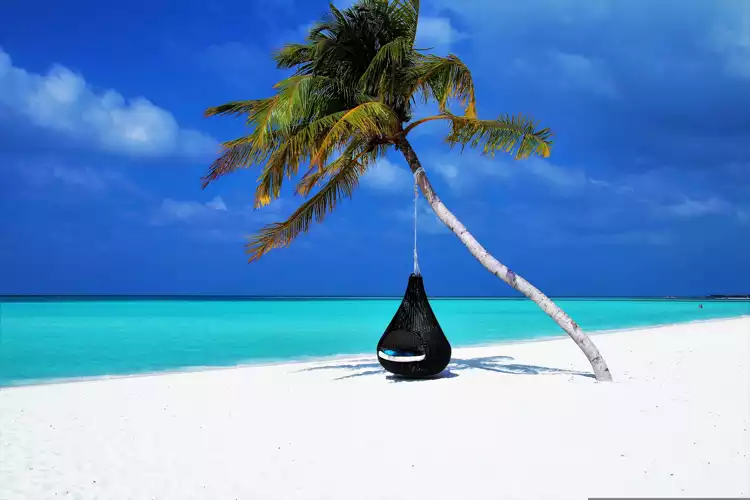
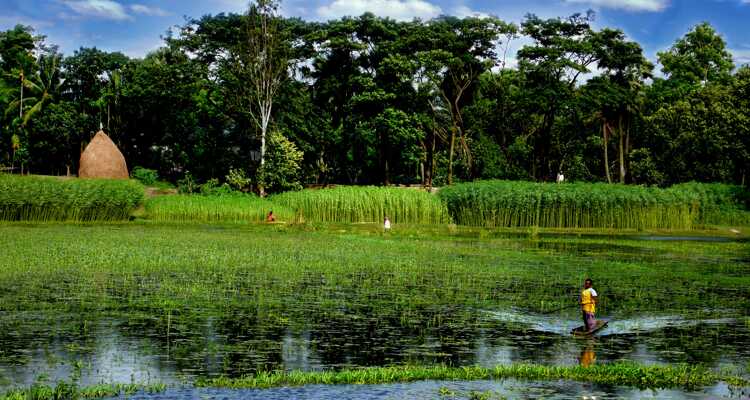
View the full list 👉
🎒 Planning the practical side of your trip?
Get detailed information on transport, daily budgets, internet access, local customs, food, language, and other essentials in the complete Travel Guide.

Get detailed practical information 👉

Get the Travel Guide -

🙋 FAQQuick answers to practical concerns

Trip Planning


Personal tip: I normally search on good rating for atmosphere (for meeting people) and location (for easy exploring). Cleanliness as a bonus.


Travel Essentials

Hepatitis A and B, typhoid, and rabies are recommended vaccinations for traveling to Sri Lanka. Consider Japanese encephalitis if you plan on extended rural stays. Make sure your routine vaccines like measles-mumps-rubella (MMR), diphtheria-tetanus-pertussis, and polio are up to date. Always consult a healthcare provider for personalized advice.


vaccination requirements
When I first started traveling, I often spent part of my first day in a new country hunting for a local SIM card. While this can still be slightly cheaper, it also takes time and planning.

These days, it's much simpler to install an eSIM before leaving home. Once you arrive in Sri Lanka, you can activate it immediately and have mobile data from the moment you land — which is especially useful for ordering transport or navigating away from busy airports.

There are many providers nowadays, and price differences are usually small. I personally go with Airalo, as it offers excellent network coverage throughout the country and strong global coverage, so you can manage multiple countries from a single app.


Get your e-sim for Sri Lanka

Culture & Customs

Dress modestly, especially at religious sites; cover shoulders and knees. Always remove shoes before entering homes or temples. Use your right hand for eating and giving; the left is considered unclean. Public displays of affection are frowned upon; keep it minimal.

For LGBTQ+ travelers, discretion is wise; same-sex relations are legal but not widely accepted. Women should be cautious in rural areas; solo travel is generally safe but avoid isolated spots at night.

Tipping isn’t mandatory but appreciated; 10% is standard. Respect local customs, and you’re good to go.
Trying traditional food is always a great way to experience the culture. Here are some must-try dishes for Sri Lanka.
  • Rice and Curry: This isn’t just one dish but a spread of small dishes featuring various curries. Expect a mix of veggie, meat, and fish curries, all served with rice. It’s a staple across the island and represents the heart of Sri Lankan meals.
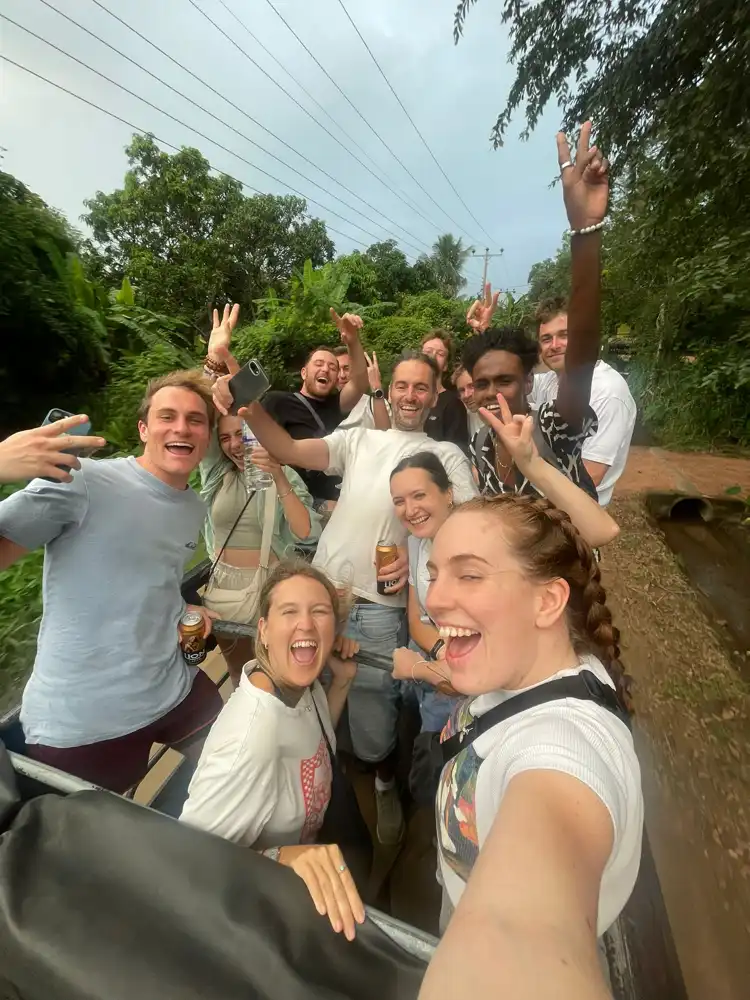
  • Hoppers: These are bowl-shaped pancakes made from fermented rice flour and coconut milk. Often served with a spicy sambal or a fried egg in the center, they’re a favorite for breakfast or dinner.
  • Kottu Roti: Think of it as the ultimate Sri Lankan street food. It’s a stir-fry of shredded flatbread, veggies, eggs, and sometimes meat, all mixed on a hot griddle. The rhythmic sound of chopping is iconic in itself.
  • Pol Sambol: A simple yet spicy coconut relish made with freshly grated coconut, chili, lime, and onion. It’s a side dish that packs a punch and is perfect with rice, bread, or hoppers.
  • Parippu: This lentil curry is a comforting dish made with red lentils, coconut milk, and spices. It’s a staple in Sri Lankan homes and a must-try for its creamy and spicy flavor.
Tap water in Sri Lanka is generally not recommended for tourists to drink, as it may not meet the same safety standards you’re used to. While locals often drink it, it’s safer for travelers to stick to bottled or filtered water to avoid any digestive surprises. Consider carrying a portable water filter or purification tablets if you want to reduce plastic waste.
The main language in Sri Lanka is Sinhala. Backpacking is way more rewarding if you know a bit of the local language, so I'd suggest brushing up on the basics just in case your Sinhala skills have become a bit rusty.

Want to understand locals better?
The complete Travel Guide for Sri Lanka includes 52 essential words and phrases — greetings, thank-yous, ordering food, transport, numbers, and common local expressions you'll actually hear.

Get your local basic phrases 👉

Get the Travel Guide -


In Sri Lanka, English is widely spoken, especially in urban areas and tourist destinations. It serves as a second language for many locals, particularly among the educated population, government officials, and those working in the hospitality and service industries. In cities like Colombo, Kandy, and Galle, you’ll find that most people can communicate effectively in English, making it relatively easy for travelers to navigate.

However, proficiency can vary, particularly in rural areas where Sinhala or Tamil is predominantly spoken. In these regions, you may encounter individuals who have limited English skills. Despite this, many locals are friendly and willing to help, often using gestures or basic phrases to communicate.

Overall, while English is not the official language, its prevalence in education and commerce ensures that travelers can generally find assistance and information without significant language barriers. Learning a few basic phrases in Sinhala or Tamil can enhance your experience and foster goodwill with the locals.

Money & Payments

The local currency of Sri Lanka is LKR (Rs).

When backpacking through Sri Lanka, keep some cash on hand as smaller shops and street vendors often don’t accept cards. ATMs are widespread in cities and larger towns, so you won’t struggle too much to find one, but they can be scarce in rural areas. Also, check if your bank charges withdrawal fees abroad to avoid surprises.

Carrying a mix of USD and Euros can be handy, especially for emergencies, as these are easily exchangeable. However, it’s best to convert most of your money to Sri Lankan Rupees (LKR) upon arrival. Banks offer decent exchange rates, but if you’re in a hurry, authorized money changers in tourist areas are a quick option.

Credit cards are accepted in hotels, some restaurants, and larger shops, but it’s wise not to rely solely on them. Always have enough cash for the basics like local transport, meals, and smaller purchases.

In Sri Lanka, tipping is appreciated but not mandatory. At restaurants, leaving a tip of around 10% is common if a service charge isn’t already included. For porters and taxi drivers, a small tip of 100-200 LKR is often enough to show your appreciation.

🧩 Nearby countriesNearby backpacking alternatives

📸 PhotosTravel photos from Sri Lanka

Take your backpack - Sri Lanka - 0
Take your backpack - Sri Lanka - 1
Take your backpack - Sri Lanka - 2
Take your backpack - Sri Lanka - 3
Take your backpack - Sri Lanka - 4
Take your backpack - Sri Lanka - 5
Take your backpack - Sri Lanka - 6
Take your backpack - Sri Lanka - 7
Take your backpack - Sri Lanka - 8
Take your backpack - Sri Lanka - 9
Take your backpack - Sri Lanka - 10
Take your backpack - Sri Lanka - 11
Take your backpack - Sri Lanka - 12
Take your backpack - Sri Lanka - 13
Take your backpack - Sri Lanka - 14
Take your backpack - Sri Lanka - 15
Take your backpack - Sri Lanka - 16
Take your backpack - Sri Lanka - 17
Take your backpack - Sri Lanka - 18
Take your backpack - Sri Lanka - 19
Take your backpack - Sri Lanka - 20
Take your backpack - Sri Lanka - 21
Take your backpack - Sri Lanka - 22
Take your backpack - Sri Lanka - 23
Take your backpack - Sri Lanka - 24
Take your backpack - Sri Lanka - 25
Take your backpack - Sri Lanka - 26
Take your backpack - Sri Lanka - 27
Take your backpack - Sri Lanka - 28
Take your backpack - Sri Lanka - 29
Take your backpack - Sri Lanka - 30
Take your backpack - Sri Lanka - 31
Take your backpack - Sri Lanka - 32
Take your backpack - Sri Lanka - 33
Take your backpack - Sri Lanka - 34
Take your backpack - Sri Lanka - 35
Take your backpack - Sri Lanka - 36
Take your backpack - Sri Lanka - 37
Take your backpack - Sri Lanka - 38
Take your backpack - Sri Lanka - 39
Take your backpack - Sri Lanka - 40
Take your backpack - Sri Lanka - 41
Take your backpack - Sri Lanka - 42
Take your backpack - Sri Lanka - 43
Take your backpack - Sri Lanka - 44
Take your backpack - Sri Lanka - 45
Take your backpack - Sri Lanka - 46
Take your backpack - Sri Lanka - 47
Take your backpack - Sri Lanka - 48
Take your backpack - Sri Lanka - 49
Take your backpack - Sri Lanka - 50
Take your backpack - Sri Lanka - 51
Take your backpack - Sri Lanka - 52
Take your backpack - Sri Lanka - 53
Take your backpack - Sri Lanka - 54
Take your backpack - Sri Lanka - 55
Take your backpack - Sri Lanka - 56
Take your backpack - Sri Lanka - 57
Take your backpack - Sri Lanka - 58
Take your backpack - Sri Lanka - 59
Photographed by: Johan Kruseman

Things learned while traveling

Little Las Vegas in Sri Lanka

Little Las Vegas in Sri Lanka

Sri Lanka | After a day of whale watching, it felt oddly perfect to end the evening at a party on the roof of an old, abandoned, crumbling building. The cutest part of the whole thing was the “casino” in the back: two school desks pushed together, instantly transformed into a high-stakes gambling table. With printed A4 sheets, you could bet on under or over...
Read more

Failing Brakes in a Tuk-Tuk (Mirissa, Sri Lanka)

Sri Lanka | After an hour of turtle snorkeling, we climbed back into our tuk-tuk for the ride home, still feeling heroic and slightly salty. That’s when we discovered the brakes had quietly opted out of the journey. We came flying up behind the car in front of us, realizing a bit late that slowing down was no longer part of the plan. At the last second, the...
Read more

A Lesson in Sri Lankan Opportunism

Sri Lanka | We ordered a tuk-tuk for 1,300. When it arrived, the driver immediately informed us that the road was closed because of rain, which meant a major detour and, unfortunately, a doubling of the price. Having taken that exact road the day before — easily one of the best roads in Sri Lanka — I suggested that it might still be passable. After a brief ...
Read more
More stories

We 💚 feedbackWhat to know before planning your trip

Instagram sells door-hanging trains and empty coves; reality is elbows on the Ella line, queues at Sigiriya by 7 a.m., and south-coast cafés charging $3–5 for coffee while inland rice-and-curry is $1–2. The payoff is dawn in the tea hills—cold air, wet-leaf scent, kottu knives clacking after dark, temple drums riding the diesel haze. Best surprise: buses outrun trains; ride the train for views, bus for time. Small warning: leeches after rain. Strategic tip: plan by monsoon—Dec–Mar south/west, May–Sep east/north—for calmer seas, cheaper rooms, thinner crowds.

✈️ When did I visit Sri Lanka?
In December 2025 I visited Sri Lanka. While my visit dates back, this guide is continuously refined using feedback from locals and current backpackers (last update: 10 December 2025)

✍️ Help improve this page!
The information on this page is based on my own backpacking experience in Sri Lanka, supplemented with up-to-date research and feedback from other travelers. Travel details can change, so if you notice anything outdated or incomplete, feel free to let me know.


🙋‍♂️ Give feedback

👋 Meet the founderWho’s Behind Take Your Backpack?

Johan, backpacker and founder of TakeYourBackpackHi, I’m Johan (Netherlands 🇳🇱), the creator of TakeYourBackpack. Over the past decade, I’ve backpacked through 80+ countries across six continents, gaining extensive experience with independent travel, long-term trips, and overland routes.

This site is built on a combination of firsthand travel experience and carefully curated insights from other backpackers. Many guides are based on places I’ve personally visited, while others bring together tips, observations, and practical advice shared by trusted travelers I’ve met along the way.

The goal is to provide realistic, experience-driven guidance — not generic itineraries — so you can explore destinations with better context, clearer expectations, and more confidence.

Get full Sri Lanka guide •
Instant download • 129 highlights • Full Offline guide