Trip Planning
The TakeYourBackpack guidebooks are your all-in-one travel companion, featuring the best cities, national parks, hikes, beaches, and unique sites, along with essential tips on when to go, how to get around, exchanging money, and even local phrases to get you started — everything you need for a smooth, unforgettable backpacking adventure.
Stop researching. Start exploring.Discover all 41 highlights,ranked
and organized into practical routes.
Get instant access
Planning a backpacking route through Fiji can be tricky — you need to balance must-see places, travel times, budget, and how long to stay in each destination. Our free personalized Fiji itinerary planner creates a route based on your travel style, trip duration, and interests, so you can spend less time researching and more time exploring.
Personal tip: I normally search on good rating for atmosphere (for meeting people) and location (for easy exploring). Cleanliness as a bonus.
Travel Essentials
No vaccinations are mandatory for most travelers to Fiji, but you should be up to date on routine shots such as measles-mumps-rubella, tetanus and diphtheria. Hepatitis A and typhoid are recommended for most visitors, and hepatitis B is advised for longer stays. A yellow fever certificate is required only if you arrive from a country with yellow fever risk. There is no malaria in Fiji, but dengue occurs, so use mosquito repellent, especially in the wet season.
vaccination requirementsWhen I first started traveling, I often spent part of my first day in a new country hunting for a local SIM card. While this can still be slightly cheaper, it also takes time and planning.
These days, it's much simpler to install an eSIM before leaving home. Once you arrive in Fiji, you can activate it immediately and have mobile data from the moment you land — which is especially useful for ordering transport or navigating away from busy airports.
There are many providers nowadays, and price differences are usually small. I personally go with
Holafly, as it offers excellent network coverage throughout the country and strong global coverage, so you can manage multiple countries from a single app.
HolaFly eSimCulture & Customs
In Fiji, village customs matter most: when visiting a village, bring a bundle of kava root (yaqona) as a sevusevu gift for the chief, and wait to be invited in. Do cover your shoulders and knees with a sulu or sarong, remove your hat and sunglasses inside villages, and take off your shoes before entering a home. Don’t touch anyone’s head, since it’s considered sacred, and don’t point your feet at people when sitting cross-legged on the floor. Sundays are for church and rest in many communities, so avoid loud activities or swimming near villages that day. Women should dress modestly away from resorts, and everyone, including same-sex couples, should keep public displays of affection low-key in rural areas.
Trying traditional food is always a great way to experience the culture. Here are some must-try dishes for Fiji.
- Kokoda: Raw fish, usually walu or mahi-mahi, cured in lime juice and mixed with fresh coconut cream, chili, onion and tomato. It’s Fiji’s answer to ceviche and shows up at family meals, cafés and resorts alike.
- Lovo: Meat, fish, cassava and taro wrapped in banana leaves and slow-cooked in an earth oven over hot stones for a few hours. It’s the centerpiece of weddings, church events and village celebrations, and the smoky flavor is worth hunting down.
- Palusami: Taro leaves folded around thick coconut cream, often with onion or corned beef, then baked until soft and rich. It’s a classic lovo side dish and a staple of Sunday lunch.
- Rourou: Taro leaves simmered in coconut milk into a creamy, spinach-like stew. It’s everyday home cooking, cheap and filling, and usually served with boiled cassava or rice.
- Fiji curry with roti: Indo-Fijian curries of goat, chicken, fish or lentils eaten with fresh roti. Brought by indentured laborers from India in the late 1800s, they’re now a national staple sold in every town for a few dollars.
- Kava (yaqona): A muddy, earthy drink made from pounded pepper plant root that numbs your lips slightly. Sharing a bowl is central to Fijian ceremony and social life, from village welcomes to evening hostel circles.
Tap water in Nadi, Suva and other main towns in Fiji is treated and many locals drink it, but supply can be disrupted or turn murky after heavy rain. On the islands and in rural areas water often comes from rainwater tanks or boreholes, so travelers are advised to stick to bottled, boiled or filtered water. Bottled water is sold everywhere, and many island resorts provide refill stations, so a refillable bottle with a filter cuts both cost and plastic.
The main language in Fiji is
Fijian. Backpacking is way more rewarding if you know a bit of the local language, so I'd suggest brushing up on the basics just in case your Fijian skills have become a bit rusty.
Want to understand locals better?The complete Travel Guide for Fiji includes 52 essential words and phrases — greetings, thank-yous, ordering food, transport, numbers, and common local expressions you'll actually hear.
Get your local basic phrases 👉
Get the Travel Guide - is one of Fiji’s official languages and the language of schools, government and business, so you’ll have no trouble in Suva, Nadi, Denarau and the island resorts. Younger Fijians and hostel staff speak it fluently, usually with a relaxed, friendly lilt. In remote villages and on the outer islands older people may switch to iTaukei (Fijian) or Fiji Hindi among themselves, but most can still manage basic English with you. Learn “bula” (hello) and “vinaka” (thank you), because using them earns instant smiles everywhere.
Money & Payments
The local currency of Fiji is FJD ($).
ATMs are easy to find in Fiji’s towns, including Nadi, Suva, Lautoka, the Coral Coast and Savusavu, and Nadi airport has several in the arrivals hall. Expect a local fee of roughly FJ$5 to 10 per foreign card withdrawal on top of whatever your home bank charges, so take out larger amounts at once. Hotels, larger restaurants, supermarkets and tour operators accept Visa and Mastercard, often with a 2 to 4 percent surcharge, but markets, buses, small shops and village stays are cash only. The Yasawa and most outer islands have no ATMs at all, so withdraw enough Fijian dollars in Nadi before heading out by boat. If you bring foreign cash, US, Australian or New Zealand dollars are the easiest to change, and banks or the exchange counters at Nadi airport give fair, safe rates.
Tipping is not expected in Fiji and is not part of local culture, so you won’t be judged for skipping it at restaurants, taxis or shops. Many resorts and backpacker islands keep a staff Christmas fund box at reception, which is the best way to thank the whole team since the money is shared out at the end of the year. Small cash tips for a great guide or dive crew are appreciated but entirely optional.
v2.webp)

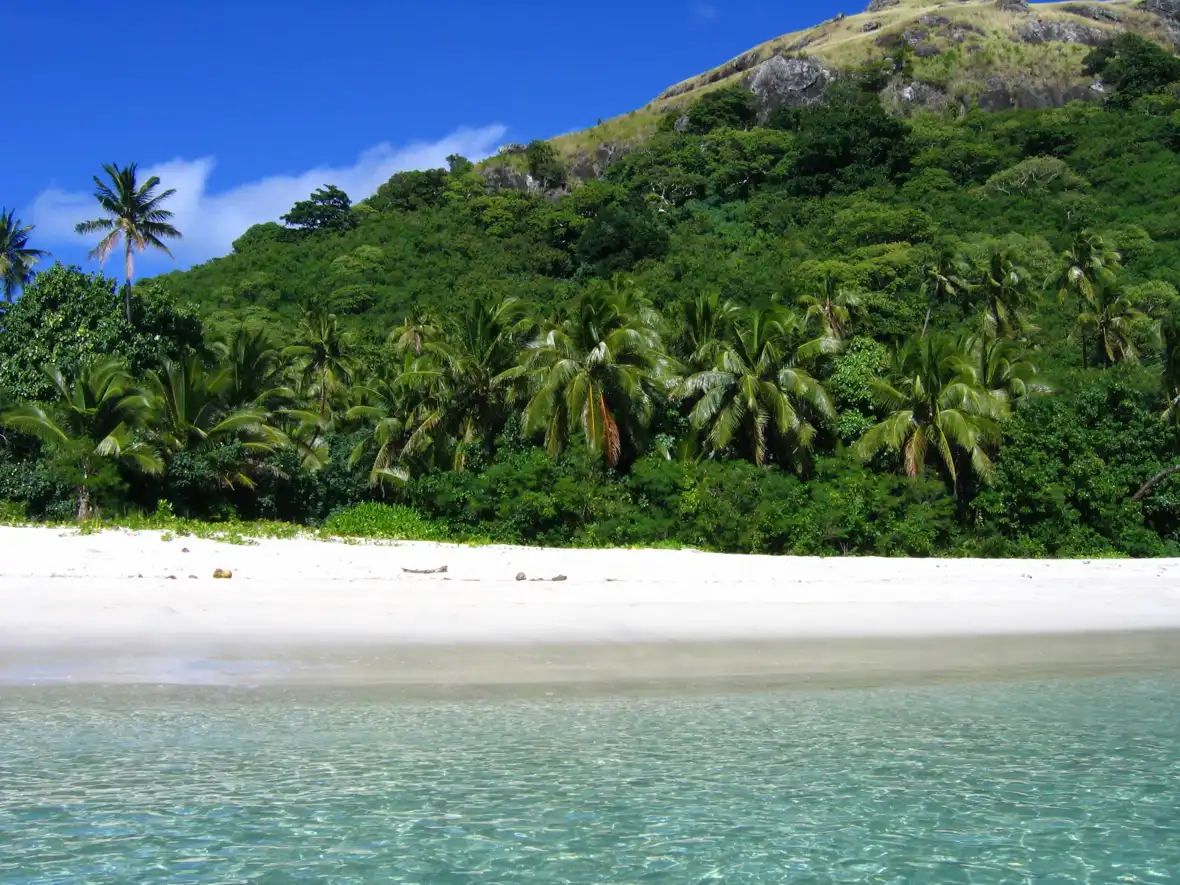
 Best Backpacking
.jpg) Over the years, I've learned the importance of packing minimally. It's so much easier to jump on the back of a truck or squeeze yourself into the last spot of a minibus without that supersized backpack. If you're headed to a warm destination, leave your winter jacket at home; for colder regions, opt for thin thermal underlayers. Instead of packing your entire wardrobe, bring just three sets of clothes, as laundry facilities are available everywhere.
Over the years, I've learned the importance of packing minimally. It's so much easier to jump on the back of a truck or squeeze yourself into the last spot of a minibus without that supersized backpack. If you're headed to a warm destination, leave your winter jacket at home; for colder regions, opt for thin thermal underlayers. Instead of packing your entire wardrobe, bring just three sets of clothes, as laundry facilities are available everywhere.
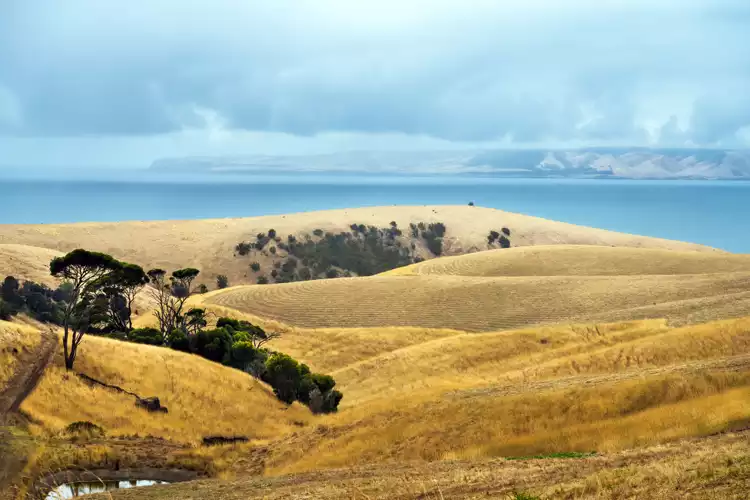

.jpg) Hi, I’m Johan (Netherlands 🇳🇱), the creator of TakeYourBackpack. Over the past 3 decades, I’ve backpacked through 90+ countries across six continents, gaining extensive experience with independent travel, long-term trips, and overland routes.
Hi, I’m Johan (Netherlands 🇳🇱), the creator of TakeYourBackpack. Over the past 3 decades, I’ve backpacked through 90+ countries across six continents, gaining extensive experience with independent travel, long-term trips, and overland routes.