Trip Planning
The TakeYourBackpack guidebooks are your all-in-one travel companion, featuring the best cities, national parks, hikes, beaches, and unique sites, along with essential tips on when to go, how to get around, exchanging money, and even local phrases to get you started — everything you need for a smooth, unforgettable backpacking adventure.
Stop researching. Start exploring.Discover all 97 highlights,ranked
and organized into practical routes.
Get instant access
Planning a backpacking route through Pakistan can be tricky — you need to balance must-see places, travel times, budget, and how long to stay in each destination. Our free personalized Pakistan itinerary planner creates a route based on your travel style, trip duration, and interests, so you can spend less time researching and more time exploring.
Personal tip: I normally search on good rating for atmosphere (for meeting people) and location (for easy exploring). Cleanliness as a bonus.
Travel Essentials
There are no compulsory vaccinations for Pakistan unless you arrive from a country with yellow fever risk, in which case a yellow fever certificate is required. Make sure your routine vaccines are up to date, and talk to a travel clinic about hepatitis A, typhoid and hepatitis B. Because Pakistan is one of the last polio-endemic countries, a polio booster is strongly advised, and visitors staying longer than four weeks may need proof of vaccination when leaving. Rabies vaccination is worth considering for trekking far from clinics, and dengue and malaria are present in the lowlands, so pack insect repellent.
vaccination requirementsWhen I first started traveling, I often spent part of my first day in a new country hunting for a local SIM card. While this can still be slightly cheaper, it also takes time and planning.
These days, it's much simpler to install an eSIM before leaving home. Once you arrive in Pakistan, you can activate it immediately and have mobile data from the moment you land — which is especially useful for ordering transport or navigating away from busy airports.
There are many providers nowadays, and price differences are usually small. I personally go with
Holafly, as it offers excellent network coverage throughout the country and strong global coverage, so you can manage multiple countries from a single app.
HolaFly eSimCulture & Customs
Dress conservatively throughout Pakistan: everyone should cover their shoulders and knees, women should cover their heads with a scarf inside mosques and shrines, and everyone should remove their shoes before entering. Eat, pass food and hand over money with your right hand, and accept offers of tea, as hospitality is a matter of pride, even if refusing politely once before saying yes is normal. Always ask before photographing people, especially women, and never photograph military sites, checkpoints or airports. During Ramadan, avoid eating, drinking or smoking in public during daylight. Public affection between couples, including holding hands, attracts disapproval, and same-sex couples should avoid any displays at all. Alcohol is illegal for Muslims and limited to permit holders, so don’t drink in public. Avoid criticizing religion or the military, and walk around shrines with the respect locals show.
Trying traditional food is always a great way to experience the culture. Here are some must-try dishes for Pakistan.
- Biryani: layered rice cooked with spiced chicken or mutton, potatoes and fried onions. Karachi’s Sindhi version is fiery with plums and chilies, and it is the dish served at nearly every wedding and celebration.
- Nihari: a slow-cooked beef or mutton shank stew simmered overnight and eaten at breakfast with naan, ginger and lime. It began as a morning meal in Mughal Delhi and is now a Sunday ritual in Lahore and Karachi.
- Karahi: chicken or mutton cooked fast in a wok-shaped pan with tomatoes, green chilies and ginger, then ordered by the kilo at roadside restaurants. The highway versions on the road to Peshawar are legendary.
- Chapli kabab: a flat, wide minced-beef patty with pomegranate seeds and coriander, fried in fat. It is the signature dish of Pashtun cooking in Peshawar.
- Haleem: wheat, lentils and shredded meat pounded into a thick, savory porridge, topped with fried onions and lime. It is especially popular during Ramadan and Muharram.
- Saag with makki ki roti: slow-cooked mustard greens with a cornmeal flatbread and a lump of white butter. It is Punjab’s winter village food and tastes best between December and February.
- Chapshuro: a Hunza meat pie of minced yak or beef baked in thin dough. It is the comfort food of the north, sold hot from cafés in Karimabad.
Tap water in Pakistan is not safe to drink, and most urban families boil it or use home filters rather than drinking it straight from the tap. Travelers should stick to sealed bottled water, which costs around PKR 60 to 120 for 1.5 liters, or carry a filter bottle. Mountain streams in Hunza and Baltistan may look pure, but they carry glacial silt and runoff from villages upstream, so filter them before drinking.
The main language in Pakistan is
Punjabi. Backpacking is way more rewarding if you know a bit of the local language, so I'd suggest brushing up on the basics just in case your Punjabi skills have become a bit rusty.
Want to understand locals better?The complete Travel Guide for Pakistan includes 52 essential words and phrases — greetings, thank-yous, ordering food, transport, numbers, and common local expressions you'll actually hear.
Get your local basic phrases 👉
Get the Travel Guide - is an official language in Pakistan, so in Islamabad, Lahore and Karachi you will find signage, menus and hotel staff who handle it comfortably, and university-age Pakistanis and guesthouse owners in Hunza and Skardu often speak it well. Outside cities and among older drivers and shopkeepers, English quickly thins out to a few words. Urdu is the language that helps most everywhere, even in regions where people speak Punjabi, Pashto, Balti or Burushaski at home. Download Urdu for offline use in Google Translate and learn a few phrases like “shukriya” (thank you) and “kitne ka hai?” (how much is it?), which go a long way in bazaars.
Money & Payments
The local currency of Pakistan is PKR (₨).
ATMs are easy to find in Pakistan’s cities and most accept foreign Visa and Mastercard cards, with HBL, MCB, UBL, Meezan and Standard Chartered machines being the most reliable. Expect a per-withdrawal cap of roughly PKR 20,000 to 50,000, and a local fee of around PKR 0 to 1,000 on top of whatever your home bank charges. In the north, machines thin out fast: Gilgit, Skardu and Aliabad or Karimabad in Hunza have a handful that sometimes run dry or go offline, so carry enough cash before heading up the Karakoram Highway or into smaller valleys. Cards work in upscale hotels, malls, supermarkets and chain restaurants in Islamabad, Lahore and Karachi, but guesthouses, dhabas, bazaars, buses and drivers almost always want cash. Bring a backup stash of US dollars (crisp, unmarked, recent-series notes get the best rate, and euros and pounds also change easily) and swap them at banks or licensed exchange companies in places like Islamabad’s Blue Area or Lahore’s Liberty Market rather than with street changers or at the airport counters, which give weaker rates.
Tipping in Pakistan is appreciated but rarely obligatory: leave 5 to 10 percent in sit-down restaurants without a service charge, and round up or add PKR 50 to 100 for rickshaw drivers. Hotel porters and housekeeping usually receive PKR 100 to 300. In the north, guides, porters and jeep drivers expect a tip of around 10 percent of the trip cost, paid at the end.
v2.webp)

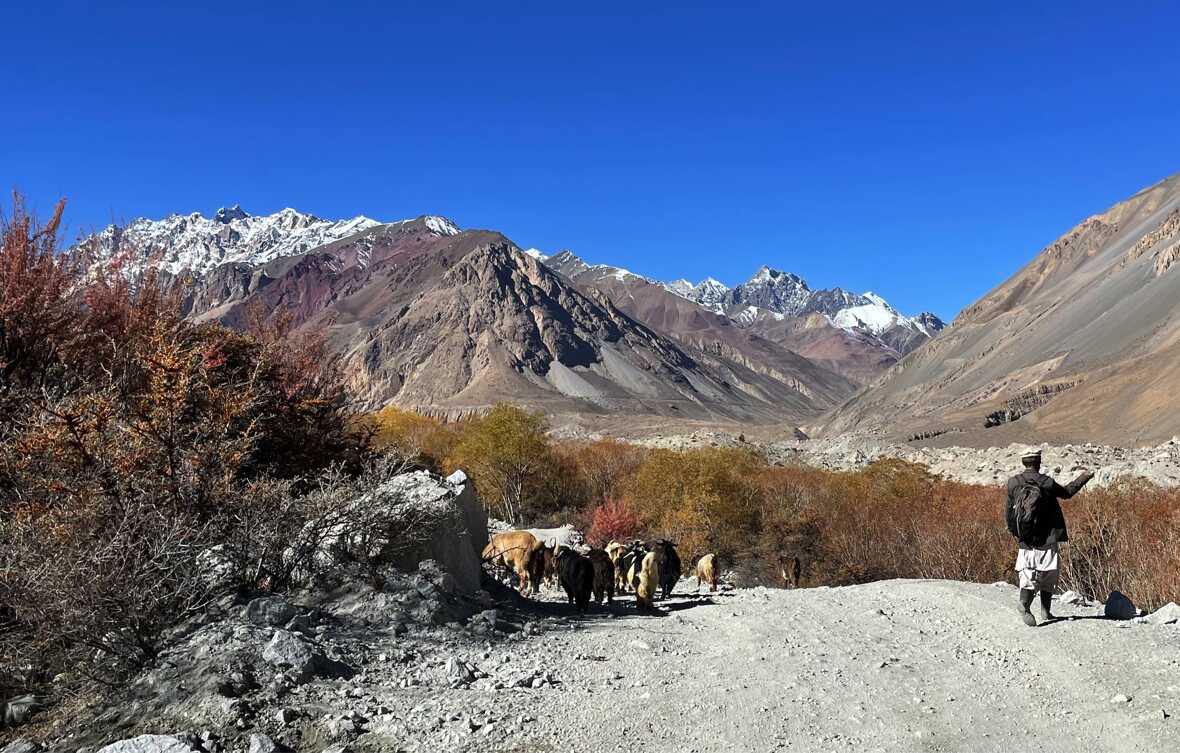
 Best Backpacking
.jpg) Over the years, I've learned the importance of packing minimally. It's so much easier to jump on the back of a truck or squeeze yourself into the last spot of a minibus without that supersized backpack. If you're headed to a warm destination, leave your winter jacket at home; for colder regions, opt for thin thermal underlayers. Instead of packing your entire wardrobe, bring just three sets of clothes, as laundry facilities are available everywhere.
Over the years, I've learned the importance of packing minimally. It's so much easier to jump on the back of a truck or squeeze yourself into the last spot of a minibus without that supersized backpack. If you're headed to a warm destination, leave your winter jacket at home; for colder regions, opt for thin thermal underlayers. Instead of packing your entire wardrobe, bring just three sets of clothes, as laundry facilities are available everywhere.















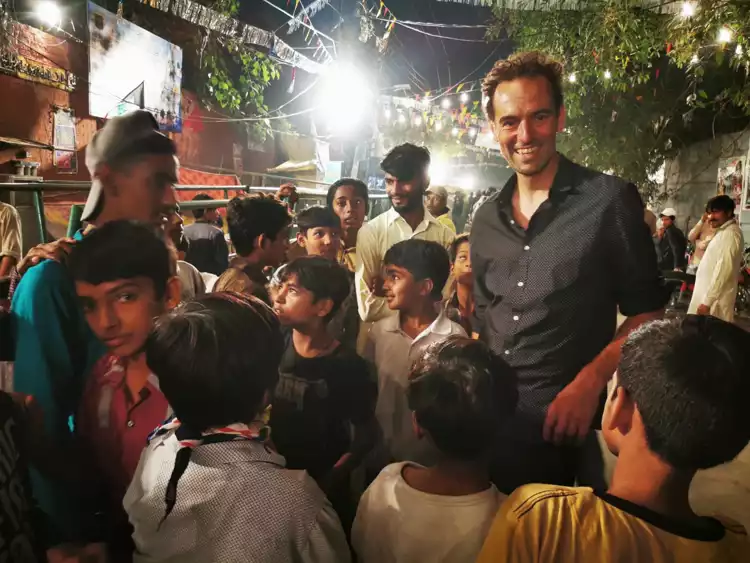


.jpg) Hi, I’m Johan (Netherlands 🇳🇱), the creator of TakeYourBackpack. Over the past 3 decades, I’ve backpacked through 90+ countries across six continents, gaining extensive experience with independent travel, long-term trips, and overland routes.
Hi, I’m Johan (Netherlands 🇳🇱), the creator of TakeYourBackpack. Over the past 3 decades, I’ve backpacked through 90+ countries across six continents, gaining extensive experience with independent travel, long-term trips, and overland routes.