Trip Planning
The TakeYourBackpack guidebooks are your all-in-one travel companion, featuring the best cities, national parks, hikes, beaches, and unique sites, along with essential tips on when to go, how to get around, exchanging money, and even local phrases to get you started — everything you need for a smooth, unforgettable backpacking adventure.
Stop researching. Start exploring.Discover all 97 highlights,ranked
and organized into practical routes.
Get instant access
Planning a backpacking route through Hong Kong can be tricky — you need to balance must-see places, travel times, budget, and how long to stay in each destination. Our free personalized Hong Kong itinerary planner creates a route based on your travel style, trip duration, and interests, so you can spend less time researching and more time exploring.
Personal tip: I normally search on good rating for atmosphere (for meeting people) and location (for easy exploring). Cleanliness as a bonus.
Travel Essentials
No vaccinations are required to enter Hong Kong, unless you arrive from a country with yellow fever risk, in which case a certificate may be requested. Make sure your routine vaccines are up to date (MMR, tetanus-diphtheria and a seasonal flu shot), and many travel clinics also recommend hepatitis A and hepatitis B. Dengue is spread by mosquitoes here in summer and there is no standard vaccine for travelers, so use insect repellent, especially on hiking trails and the outlying islands.
vaccination requirementsWhen I first started traveling, I often spent part of my first day in a new country hunting for a local SIM card. While this can still be slightly cheaper, it also takes time and planning.
These days, it's much simpler to install an eSIM before leaving home. Once you arrive in Hong Kong, you can activate it immediately and have mobile data from the moment you land — which is especially useful for ordering transport or navigating away from busy airports.
There are many providers nowadays, and price differences are usually small. I personally go with
Holafly, as it offers excellent network coverage throughout the country and strong global coverage, so you can manage multiple countries from a single app.
HolaFly eSimCulture & Customs
In Hong Kong, queuing is taken seriously, whether for buses, lifts or the MTR, and you should stand on the right of escalators and let passengers off before boarding. Eating and drinking are banned on MTR trains and in paid areas of stations, with fines of up to HK$2,000. In restaurants, expect to share tables with strangers at busy cha chaan teng diners, and never leave chopsticks standing upright in rice, since it resembles funeral incense. Rinsing your bowl and chopsticks with the tea provided is normal. Don’t give clocks, or anything in sets of four, as gifts, because both are linked to death. Avoid displaying political slogans or symbols in public, which can carry legal risk under the National Security Law. Dress is relaxed and Western, so women face no special clothing expectations outside temples, where covered shoulders are respectful. Same-sex couples are rarely bothered but tend to keep public affection low-key.
Trying traditional food is always a great way to experience the culture. Here are some must-try dishes for Hong Kong.
- Dim sum: This is a morning-to-lunch spread of steamed and fried bites, such as har gow (shrimp dumplings in translucent wrappers), siu mai (pork and shrimp dumplings) and cheung fun (rice noodle rolls). It’s eaten with pots of tea at “yum cha,” the social ritual Hong Kong families build weekends around.
- Siu mei (Cantonese roast meats): Glossy char siu (honey-glazed barbecue pork), crackling-skinned roast pork and roast goose are chopped to order and served over rice. They’re the city’s everyday comfort lunch, and the hanging meats in shop windows are a street-level signature.
- Wonton noodles: Shrimp wontons and springy egg noodles are served in a clear broth made with dried flounder. The bowls are small, so locals often order two. Done well, it’s a benchmark of Cantonese technique.
- Hong Kong milk tea with a pineapple bun: The tea is strong black tea strained through a cloth “silk stocking” and mixed with evaporated milk. The bun has a crackly sugar crust and contains no pineapple at all. Together they are the classic order at cha chaan teng diners, and the tea’s brewing method is listed as intangible cultural heritage.
- Egg tarts: These wobbly custard tarts come in flaky or shortcrust pastry. They’re best eaten warm from a bakery tray and reflect the British influence on local baking.
- Claypot rice: Rice is cooked in a clay pot over a flame with Chinese sausage, chicken or spare ribs, then finished with sweet soy sauce. The crispy rice crust at the bottom is the prize. It’s a winter favorite at street-side restaurants.
- Curry fish balls: Bouncy fish balls on skewers come in a mild curry sauce from street carts and snack windows. They’re the most famous of Hong Kong’s cheap street snacks, usually costing HK$15 to 25 a skewer.
Hong Kong’s tap water meets World Health Organization standards when it leaves the treatment plants, but most locals boil or filter it because of aging pipes and rooftop tanks in older buildings. Travelers can usually drink it in newer hotels and hostels, though many prefer to stick with filtered or boiled water. Free refill stations are common in parks, MTR stations and malls, so a refillable bottle saves money compared with buying bottled water at HK$8 to 15 each.
The main language in Hong Kong is
Cantonese. Backpacking is way more rewarding if you know a bit of the local language, so I'd suggest brushing up on the basics just in case your Cantonese skills have become a bit rusty.
Want to understand locals better?The complete Travel Guide for Hong Kong includes 52 essential words and phrases — greetings, thank-yous, ordering food, transport, numbers, and common local expressions you'll actually hear.
Get your local basic phrases 👉
Get the Travel Guide - is an official language in Hong Kong, and you can get by easily in Central, Tsim Sha Tsui, hotels, hostels, malls and on all transport signage. Younger locals and anyone working in tourism usually speak it well. Older street vendors, dai pai dong cooks and minibus drivers in the New Territories and on the outlying islands may speak little beyond numbers. Cantonese is the language that opens doors (Mandarin helps far less than you’d think), and learning “m goi” (thanks/excuse me) plus keeping Google Translate’s camera mode ready for Chinese-only menus will cover most situations.
Money & Payments
The local currency of Hong Kong is HKD (HK$).
ATMs are easy to find all over Hong Kong, in MTR stations, 7-Elevens and bank branches such as HSBC, Hang Seng and Bank of China, and most accept foreign Visa, Mastercard and UnionPay cards. Local banks usually add a fee of around HK$20 to 50 per withdrawal on top of your home bank’s charge, so take out larger sums less often. Cards and mobile payments such as Apple Pay work in malls, chain restaurants, hotels and most shops, and your Octopus card also pays at convenience stores and fast-food chains. Carry cash for dai pai dong street restaurants, wet markets, small noodle shops, minibuses and some taxis. The Hong Kong dollar is pegged at about HK$7.8 to US$1, and US dollars and euros are both easy to exchange, though you don’t need to bring either if you have a working debit card. For the best rates, use the licensed money changers in Tsim Sha Tsui rather than the airport counters, and compare the posted buy and sell rates before handing over cash.
Tipping in Hong Kong is not expected in most situations, because most sit-down restaurants add a 10% service charge to the bill, and cheaper diners and noodle shops expect nothing extra. In taxis, people usually round up to the nearest dollar or let the driver keep small change. Hotel porters typically get HK$10 to 20 per bag.
v2.webp)

 Best Backpacking
.jpg) Over the years, I've learned the importance of packing minimally. It's so much easier to jump on the back of a truck or squeeze yourself into the last spot of a minibus without that supersized backpack. If you're headed to a warm destination, leave your winter jacket at home; for colder regions, opt for thin thermal underlayers. Instead of packing your entire wardrobe, bring just three sets of clothes, as laundry facilities are available everywhere.
Over the years, I've learned the importance of packing minimally. It's so much easier to jump on the back of a truck or squeeze yourself into the last spot of a minibus without that supersized backpack. If you're headed to a warm destination, leave your winter jacket at home; for colder regions, opt for thin thermal underlayers. Instead of packing your entire wardrobe, bring just three sets of clothes, as laundry facilities are available everywhere.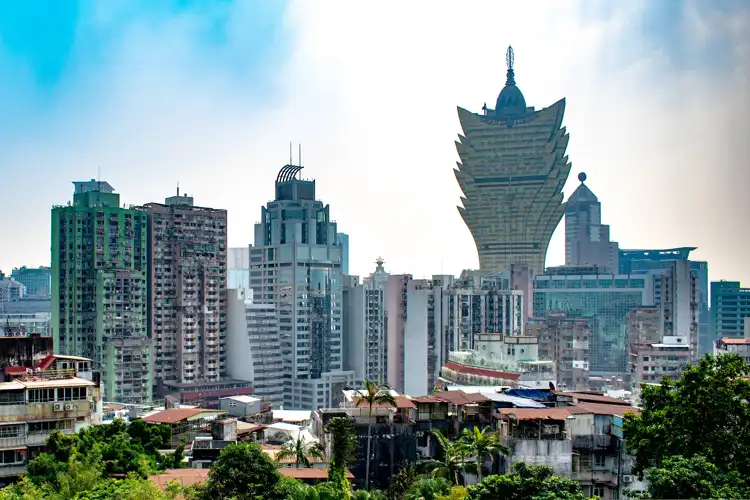

.jpg) Hi, I’m Johan (Netherlands 🇳🇱), the creator of TakeYourBackpack. Over the past 3 decades, I’ve backpacked through 90+ countries across six continents, gaining extensive experience with independent travel, long-term trips, and overland routes.
Hi, I’m Johan (Netherlands 🇳🇱), the creator of TakeYourBackpack. Over the past 3 decades, I’ve backpacked through 90+ countries across six continents, gaining extensive experience with independent travel, long-term trips, and overland routes.