Trip Planning
The TakeYourBackpack guidebooks are your all-in-one travel companion, featuring the best cities, national parks, hikes, beaches, and unique sites, along with essential tips on when to go, how to get around, exchanging money, and even local phrases to get you started — everything you need for a smooth, unforgettable backpacking adventure.
Stop researching. Start exploring.Discover all 89 highlights,ranked
and organized into practical routes.
Get instant access
Planning a backpacking route through Czechia can be tricky — you need to balance must-see places, travel times, budget, and how long to stay in each destination. Our personalized Czechia itinerary planner creates a route based on your travel style, trip duration, and interests, so you can spend less time researching and more time exploring.
Personal tip: I normally search on good rating for atmosphere (for meeting people) and location (for easy exploring). Cleanliness as a bonus.
Travel Essentials
Routine vaccines are key for Czechia. Ensure you’re up-to-date on measles-mumps-rubella (MMR), diphtheria-tetanus-pertussis, varicella (chickenpox), polio, and your yearly flu shot. *Hepatitis A* is recommended since it can spread through contaminated food or water. If you plan on spending a lot of time outdoors or in rural areas, consider *tick-borne encephalitis* vaccination. *Hepatitis B* is advisable if you might have medical treatment or a new partner. *Rabies* is generally not needed unless you’re in contact with animals. Always consult your healthcare provider before traveling.
vaccination requirementsWhen I first started traveling, I often spent part of my first day in a new country hunting for a local SIM card. While this can still be slightly cheaper, it also takes time and planning.
These days, it's much simpler to install an eSIM before leaving home. Once you arrive in Czechia, you can activate it immediately and have mobile data from the moment you land — which is especially useful for ordering transport or navigating away from busy airports.
There are many providers nowadays, and price differences are usually small. I personally go with
Holafly, as it offers excellent network coverage throughout the country and strong global coverage, so you can manage multiple countries from a single app.
HolaFly eSimCulture & Customs
Respect personal space; Czechs value it. When greeting, a firm handshake is common. Punctuality matters, so be on time. Dress modestly when visiting churches. Tipping around 10% in restaurants is appreciated.
Avoid loud behavior in public; it’s frowned upon. Don’t confuse Czechia with Czechoslovakia. LGBTQ+ travelers generally find Czechia welcoming, especially in Prague, but discretion is advised in rural areas. Women should feel safe but stay cautious at night, as in any European city.
Trying traditional food is always a great way to experience the culture. Here are some must-try dishes for Czechia.
- Svíčková: A hearty dish consisting of marinated beef sirloin served with a creamy vegetable sauce, usually accompanied by bread dumplings. It’s a staple at Czech family gatherings, offering a rich taste of Czech culinary tradition.
- Vepřo knedlo zelo: This is roast pork with dumplings and sauerkraut. It’s the ultimate Czech comfort food, showcasing the country’s love for meat and simple, flavorful sides.
- Knedlíky: These are traditional Czech dumplings, often made from bread or potatoes. They are a versatile side dish that pairs well with many main courses, making them a key component of Czech meals.
- Guláš: A Czech version of the Hungarian goulash, it’s a thick stew made with beef, onions, and paprika. Common in pubs, it’s perfect for cold days and goes great with a cold beer.
- Trdelník: A sweet pastry often found at markets and fairs, made by rolling dough on a stick, grilling it, and then coating it with sugar and walnuts. It’s more of a tourist favorite, but undeniably tasty!
Yes, tap water in Czechia is safe to drink and locals do consume it regularly. Travelers can drink it without issues, but if you prefer a different taste or are cautious, bottled or filtered water is easily available and affordable.
The main language in Czechia is
Czech. Backpacking is way more rewarding if you know a bit of the local language, so I'd suggest brushing up on the basics just in case your Czech skills have become a bit rusty.
Want to understand locals better?The complete Travel Guide for Czechia includes 52 essential words and phrases — greetings, thank-yous, ordering food, transport, numbers, and common local expressions you'll actually hear.
Get your local basic phrases 👉
Get the Travel Guide - In Czechia,
English is widely spoken, particularly in urban areas and among younger generations. In Prague, the capital, most people in the hospitality sector, such as hotel staff, restaurant employees, and tour guides, are fluent in English. This makes it relatively easy for English-speaking travelers to navigate the city and access services.
In smaller towns and rural areas, English proficiency may be less common, with older generations often having limited English skills. However, younger Czechs, especially students and professionals, are increasingly learning English, making communication easier than in the past.
Signage in tourist areas is typically bilingual, featuring both Czech and English, which aids in navigation. While it’s helpful to learn a few basic Czech phrases, most visitors can comfortably get by with English. Overall, English is a useful language for travelers in the Czech Republic, enhancing the experience without significant language barriers.
Money & Payments
The local currency of Czechia is CZK (Kč).
When backpacking in Czechia, keep some cash on hand, especially for small towns or local markets. ATMs are widespread in cities, but stick to those inside bank branches to avoid crazy fees. As for currency, the Czech koruna is king—don’t rely on euros or dollars. While cards are widely accepted in urban areas, some smaller places might still be cash-only.
For currency exchange, avoid airport kiosks like the plague. Instead, look for exchange offices in the city with transparent rates and no commission. If you’re stuck, a bank might be your safest bet for a fair rate. Lastly, always choose to be charged in koruna if given the option—dynamic currency conversion is a sneaky money pit.
Tipping in Czechia is appreciated but not obligatory. A tip of around 10% is common in restaurants if the service was good—just round up the bill and hand the cash to the server instead of leaving it on the table. In taxis, rounding up to the nearest 10 or 20 CZK is typical.
v2.webp)
 Best Backpacking
.jpg) Over the years, I've learned the importance of packing minimally. It's so much easier to jump on the back of a truck or squeeze yourself into the last spot of a minibus without that supersized backpack. If you're headed to a warm destination, leave your winter jacket at home; for colder regions, opt for thin thermal underlayers. Instead of packing your entire wardrobe, bring just three sets of clothes, as laundry facilities are available everywhere.
Over the years, I've learned the importance of packing minimally. It's so much easier to jump on the back of a truck or squeeze yourself into the last spot of a minibus without that supersized backpack. If you're headed to a warm destination, leave your winter jacket at home; for colder regions, opt for thin thermal underlayers. Instead of packing your entire wardrobe, bring just three sets of clothes, as laundry facilities are available everywhere.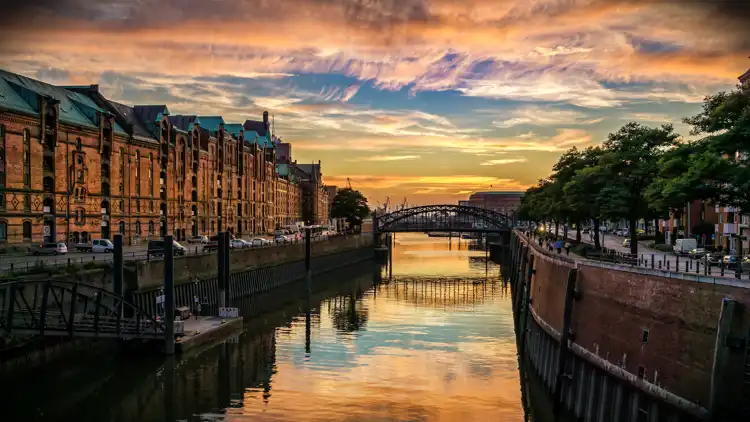


.jpg) Hi, I’m Johan (Netherlands 🇳🇱), the creator of TakeYourBackpack. Over the past decade, I’ve backpacked through 80+ countries across six continents, gaining extensive experience with independent travel, long-term trips, and overland routes.
Hi, I’m Johan (Netherlands 🇳🇱), the creator of TakeYourBackpack. Over the past decade, I’ve backpacked through 80+ countries across six continents, gaining extensive experience with independent travel, long-term trips, and overland routes.