×
Togo 🇹🇬

backpacking Africa Togo 🇹🇬
Move market towns to quiet sandy coastlines.

Explore TanzaniaExplore Tunisia

Backpacking Togo in 2026

A complete guide including when and where to go, costs, transport, itineraries, and practical travel advice.
What a trip here is really like

Backpacking Togo
By Johan Kruseman 🇳🇱 | last update: 16 May, 2026

In Togo, you trade comfort for access. The paved strip thins to red laterite just as the good stuff begins, and you ride moto-taxis and pirogues more than buses. It’s compact but layered, best felt close to the ground.

Lomé hits first: Atlantic salt in the air, charcoal smoke from brochette grills, the hum of the Grand Marché, and a cold beer on a plastic chair as the light slides off the Gulf. East, a pirogue to Togoville brings carved shrines and quiet courtyards where Vodun feels lived-in, not staged. Climb into the Plateaux around Kpalimé and Mont Agou, where butterflies dust the roadside and waterfalls ask for a sweaty, root-grabbing hike before they give you a cool plunge. Push north and the land opens to savanna, Kabye blacksmith hamlets ring with hammer-on-anvil, and Koutammakou’s earthen tower houses stand like guardians in the late sun. Wildlife is shy in Fazao-Malfakassa, but birds and big skies deliver. Heat, checkpoints, slow rides, rough surf—yes; but each delay turns the first calabash of millet beer, the ridge-line view, or the dusk drumbeat into a small victory.

Ghana is smoother and bigger; Benin leans deeper into pageantry; Togo keeps it close, quiet, and personal. Go if you like small-country depth, slow travel, and rewards you have to earn with a little dust and a lot of curiosity.

👉 Get the 📖 Travel Guide of Togo

Lomé & the Gulf of Guinea Coast

Heat off the port; diesel and grilled fish in one breath. Zémidjan motos thread sand and potholes. Easy base—ATMs, embassies, buses north. Earn dusk on the beach: tilapia, piment, a cold Flag, waves punching dark.

Kpalimé & the Plateaux

The road climbs in red dust past cocoa racks and cassava smoke. You sweat through switchbacks, then plunge at Womé or Kpimé. Bush taxi from Lomé in 2–3 hours; best for walkers and moto loops to Mt Kloto.

Lake Togo, Togoville & Aneho (N2 spine)

Cross the lagoon by pirogue—palm creaks, brackish spray, shrines behind courtyards.
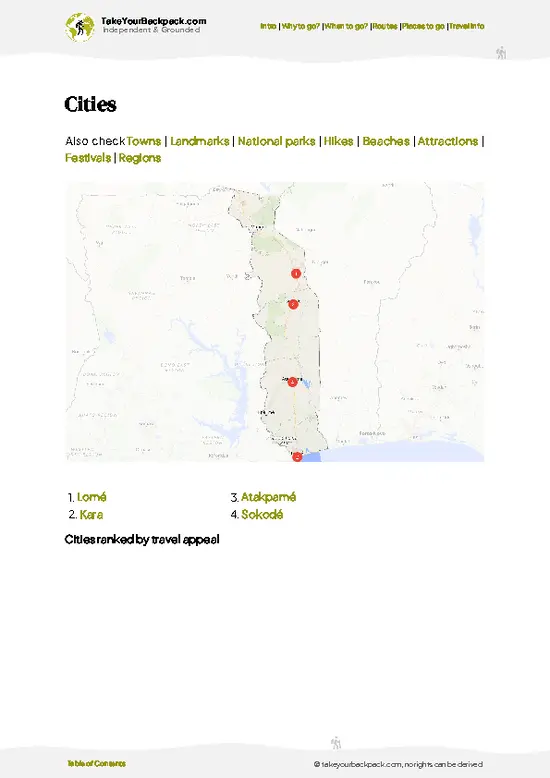
Geography and where places are located
Loading the map 🌍
CLICK TO FILTER
city
town
unique site
national park
hike
beach
attraction
festival
region
SHOW COUNTRY‘S BESTSHOW ALL

Why go?What makes this country worth the trip

Uniqueness

Travel in Togo is red dust and patient lungs. You squeeze into bush taxis, count police checkpoints, and step out with a film of sweat and laterite. Then … read more 👉
Travel in Togo is red dust and patient lungs. You squeeze into bush taxis, count police checkpoints, and step out with a film of sweat and laterite. Then it flips: Lomé’s night air tastes of charcoal fish and limes; palm-wine under mango trees; Vodun drums in Togoville; the spray at Womé near Kpalimé; I watched Batammariba earthen towers glow like embers at dusk.

Low cost

Red dust on your shins, exhaust in your teeth—then a plate of akoumé and pepper sauce sets you straight. Moto-taxis are cheap, bush taxis cheaper if you … read more 👉
Red dust on your shins, exhaust in your teeth—then a plate of akoumé and pepper sauce sets you straight. Moto-taxis are cheap, bush taxis cheaper if you squeeze, and distances are short. Street brochettes, market fruit, basic guesthouses—everything plays nice with a backpacker’s budget. Expect roughly mid-20s to low-30s USD per day, with room for an ice-cold lager by sunset.

Scenery

Togo rewards footwork. You climb red-laterite paths in the Plateaux, sweat stinging, then the ridge opens: forest to the horizon, the Atlantic a silver … read more 👉
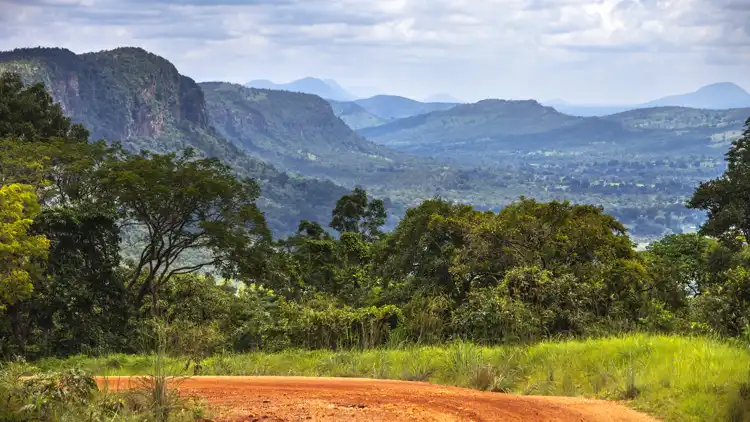
Togo rewards footwork. You climb red-laterite paths in the Plateaux, sweat stinging, then the ridge opens: forest to the horizon, the Atlantic a silver smear. A pirogue skims Lake Togo, paddles knocking, woodsmoke and brine in the air. Up north, baobab savannah and rock caves bake by day; dusk brings wind, dust, and a cold tchouk.
Want the complete picture of Togo?
The offline Travel Guide brings everything together — routes, highlights & planning.

See what's included in the guide 👉

Get the Travel Guide -

⭐ HighlightsHighlights of Togo

  • Akodessewa Fetish Market, Lomé: Sun-baked hides, chalky powders, and the sweet-rot of incense hit first, then the quiet explanations from a vendor who lets you thumb a string of cowries. Your hands will carry the smell of camphor and dust all day. Seek out Bè lagoon stilt bars, Baguida’s fish smokehouses, and dawn landings along Lomé’s east beach.
  • Koutammakou (Land of the Batammariba): Laterite sticks to your calves as you zigzag between mud-brick tata houses, and a child shows the palm-smooth ladder notched into a tower wall. From a flat roof at dusk, goats tinkle below while mountains turn purple. Detour to Tchare’s Kabyé blacksmith forges, the Defile d’Aledjo cliff pass, and the quiet tracks of Sarakawa reserve.
  • Kpalimé Highlands and Mount Agou: The trail threads cocoa groves where cut pods leak sugary sap, and ferns brush your knees until the air thins near the summit masts. Rinse sweat in a cold pool under Womé’s falls; the skin-prickle chill is real. Add Missahoe Forest’s mossy paths
  • read more 👉
  • Akodessewa Fetish Market, Lomé: Sun-baked hides, chalky powders, and the sweet-rot of incense hit first, then the quiet explanations from a vendor who lets you thumb a string of cowries. Your hands will carry the smell of camphor and dust all day. Seek out Bè lagoon stilt bars, Baguida’s fish smokehouses, and dawn landings along Lomé’s east beach.
  • Koutammakou (Land of the Batammariba): Laterite sticks to your calves as you zigzag between mud-brick tata houses, and a child shows the palm-smooth ladder notched into a tower wall. From a flat roof at dusk, goats tinkle below while mountains turn purple. Detour to Tchare’s Kabyé blacksmith forges, the Defile d’Aledjo cliff pass, and the quiet tracks of Sarakawa reserve.
  • Kpalimé Highlands and Mount Agou: The trail threads cocoa groves where cut pods leak sugary sap, and ferns brush your knees until the air thins near the summit masts. Rinse sweat in a cold pool under Womé’s falls; the skin-prickle chill is real. Add Missahoe Forest’s mossy paths and the hillside villages around Kouma-Konda.
  • Togoville and Lake Togo Crossing: The pirogue hums across green water, spray salting your lips; in town, shrines sit in the shade, and the old German church keeps its cool stone smell. A calabash of palm wine tastes slightly smoky. Pair it with Agbodrafo’s Slave House, Aného’s sandbar lanes, and Glidji’s sacred grove.
  • Fazao-Malfakassa National Park: Rutted tracks force slow progress; you earn the forest with scratched shins and shirts glued to your back, then hear hornbills winging over a river bend. On a ridge, harmattan haze turns the valleys bronze. Swing by Bassar’s old iron furnaces, Dankpen hill markets, and Malfakassa’s lesser-used footpaths.
Spotted a mistake or missing a highlight? Contact us.

But Togo offers more...

Discover and compare all of its highlights per category

🧭 RouteHow travelers typically move through the country

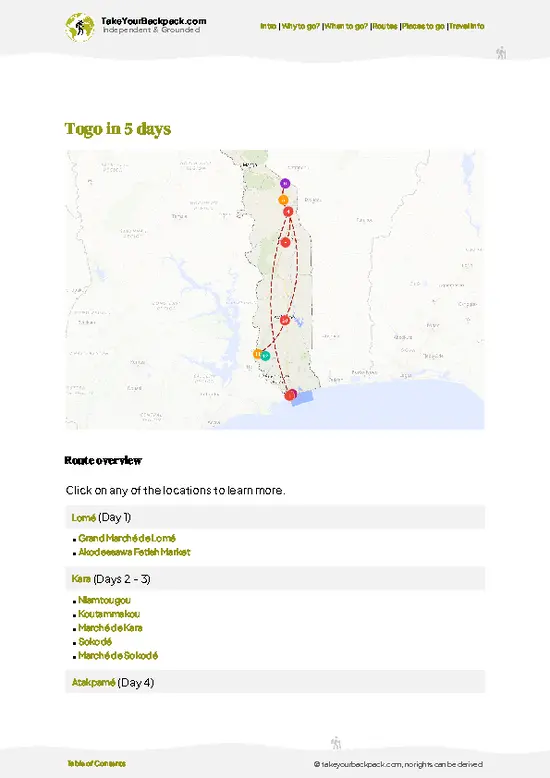
Days 1–2: Lomé & Togoville

Ease in with Lomé’s markets, colonial architecture, and a sunset drink at the beach. On day two, cross Lake Togo to Togoville for a deep dive into voodoo culture and lakeside village life.

Days 3–4: Kpalimé & Mount Agou

Head inland to Kpalimé, Togo’s green heart. Spend a day hiking to Womé Waterfall and, if you’re feeling ambitious, summit Mount Agou—the country’s highest point. The views stretch to Ghana, and the air is thick with the scent of cocoa and coffee. Don’t miss the artisan workshops: Kpalimé is the place to pick up hand-dyed textiles and wood carvings.

Day 5: Sokodé & Fazao-Malfakassa National Park

Break out of the south and head north to Sokodé, Togo’s second city, for a taste of central Togo’s Muslim culture and lively markets. If you’re up for an early start, detour to Fazao-Malfakassa National Park—Togo’s largest protected area—for a guided walk among rolling hills, waterfalls, and, if you’re lucky, a glimpse of antelope or monkeys. This lesser-known … read more 👉

Days 1–2: Lomé & Togoville

Ease in with Lomé’s markets, colonial architecture, and a sunset drink at the beach. On day two, cross Lake Togo to Togoville for a deep dive into voodoo culture and lakeside village life.

Days 3–4: Kpalimé & Mount Agou

Head inland to Kpalimé, Togo’s green heart. Spend a day hiking to Womé Waterfall and, if you’re feeling ambitious, summit Mount Agou—the country’s highest point. The views stretch to Ghana, and the air is thick with the scent of cocoa and coffee. Don’t miss the artisan workshops: Kpalimé is the place to pick up hand-dyed textiles and wood carvings.

Day 5: Sokodé & Fazao-Malfakassa National Park

Break out of the south and head north to Sokodé, Togo’s second city, for a taste of central Togo’s Muslim culture and lively markets. If you’re up for an early start, detour to Fazao-Malfakassa National Park—Togo’s largest protected area—for a guided walk among rolling hills, waterfalls, and, if you’re lucky, a glimpse of antelope or monkeys. This lesser-known park is a breath of fresh air after the urban buzz. My must-do day? The hike up Mount Agou: it’s the moment Togo’s landscapes really open up, and you’ll remember the view long after you’ve left the country.
Planning a different trip length?
This page features the 5-day route. The complete Travel Guide includes flexible 2, 3 & 5-day itineraries to help you shape your own ideal journey, along with cost breakdowns and accommodation tips.

See all available routes 👉

Get the Travel Guide -

🌤️ When to go?Weather, seasons, and timing

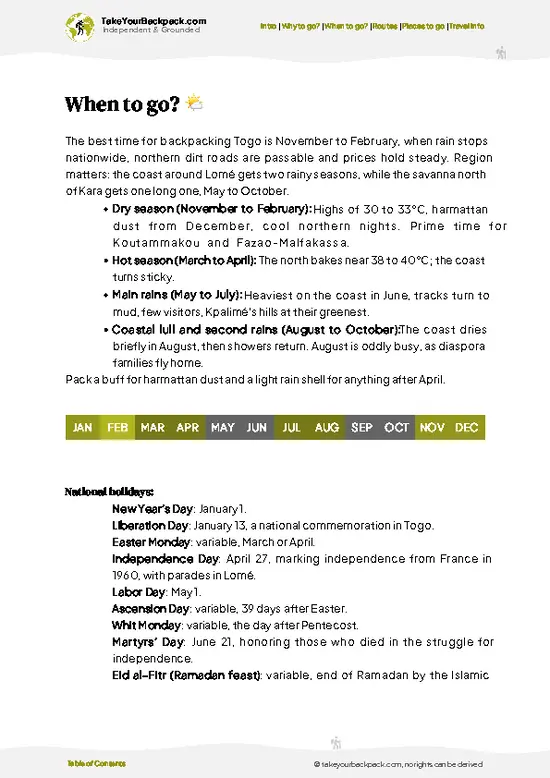
Late November and February are the sweet spot. Roads have hardened after the long rains, waterfalls around Kpalimé still run, and the Harmattan hangs light—softening the sun without sanding your throat. Holiday surges fade, room rates calm, and drivers stop padding fares. Wait too long and the north bakes; go earlier and you’re wading mud. In this window you ride quicker, sleep cooler, and drink that first cold beer in Lomé with the sea breeze cutting the sweat.
  • Dry Peak (Dec-Jan): Crowds and prices climb, taxis pack tight, horizons haze. But trails hold, nights breathe, and grilled fish, smoke, and a big beer make the dust worth it.
  • Shoulder Shift (Nov & Feb): Markets crank up, dust settles, schedules stretch. Waterfalls still speak, beaches open, and you cover distance without bleeding time.
  • Rains/Off-Peak (May-Jul, Sep-Oct): Tin roofs drum, laterite turns to peanut butter. Move at first light, poncho up, keep weight low. Solitude sings at Womé or Tomegbe falls; July pops in Kara for Evala despite showers.

Tactical tip: Line your pack with a trash-compactor bag—dust-proof in Harmattan, watertight when the sky drops.

source: climatestotravel.comJANJanuary: highly recommended for travelingFEBFebruary: excellent for travelingMARMarch: good for travelingAPRApril: good for travelingMAYMay: fair for travelingJUNJune: fair for travelingJULJuly: good for travelingAUGAugust: good for travelingSEPSeptember: fair for travelingOCTOctober: fair for travelingNOVNovember: highly recommended for travelingDECDecember: highly recommended for traveling
Traveling in a specific month?
This page covers the best seasons to visit. For a complete month-by-month breakdown — including weather, crowds, costs, national holidays, and festivals — download the full Travel Guide.

Get the Travel Guide -
!2024-12-16 06.34.19

💰 Costs (as of 2025)Prices, expenses, and money tips

$30-40/day if you sleep in dorms, eat on the street, and ride zems; under $25 inland if you move slow and skip beer.
  • dorm accommodation: 5,000-10,000 XOF in Lomé/Kpalimé, 3,500-6,000 XOF upcountry. Beds are basic: thin foam, a fan that wheezes, sometimes a net that’s more hole than mesh. System tip: show up before dusk, ask for “dortoir” or a “chambre simple sans clim,” confirm “taxe comprise,” and pay cash for a better price; this beats hostel apps and is cheaper than Ghana, roughly on par with Benin outside Cotonou.
  • meals: Supermarket Survival = French imports that drain you fast; yogurt, cereal, and cheese jump 30-50% over local fare. Street food reality = 500-1,500 XOF for pâte with sauce, riz gras, beans-and-gari, or grilled fish by the smoke and the sea breeze; an omelet baguette and instant coffee at dawn runs 300-700 XOF. Cheaper than Ghana’s cities, similar to Benin if you dodge expat cafés.
  • local transport: The cheapest way to unlock the country is zémidjan motos in town (300-700 XOF short hops) plus bush taxis/minibuses from the gare routière (1,500-3,000 XOF for 100-150 km). Go early, pay per seat, and expect diesel breath and dust on your skin. Comparable to Benin, usually
  • read more 👉
$30-40/day if you sleep in dorms, eat on the street, and ride zems; under $25 inland if you move slow and skip beer.
  • dorm accommodation: 5,000-10,000 XOF in Lomé/Kpalimé, 3,500-6,000 XOF upcountry. Beds are basic: thin foam, a fan that wheezes, sometimes a net that’s more hole than mesh. System tip: show up before dusk, ask for “dortoir” or a “chambre simple sans clim,” confirm “taxe comprise,” and pay cash for a better price; this beats hostel apps and is cheaper than Ghana, roughly on par with Benin outside Cotonou.
  • meals: Supermarket Survival = French imports that drain you fast; yogurt, cereal, and cheese jump 30-50% over local fare. Street food reality = 500-1,500 XOF for pâte with sauce, riz gras, beans-and-gari, or grilled fish by the smoke and the sea breeze; an omelet baguette and instant coffee at dawn runs 300-700 XOF. Cheaper than Ghana’s cities, similar to Benin if you dodge expat cafés.
  • local transport: The cheapest way to unlock the country is zémidjan motos in town (300-700 XOF short hops) plus bush taxis/minibuses from the gare routière (1,500-3,000 XOF for 100-150 km). Go early, pay per seat, and expect diesel breath and dust on your skin. Comparable to Benin, usually a notch cheaper than Ghana’s tro-tros.
  • activities: Cost spikes come from guides and wheels. Cocoa/coffee hikes around Kpalimé: 3,000-7,000 XOF for a guide, plus 2,000-4,000 XOF moto hire. Pirogue to Togoville: 1,500-3,000 XOF return. Museums: 500-1,000 XOF. National parks are modestly priced but vehicle hire kills budgets. Cheaper tickets than Ghana; transport costs even out the difference.
  • miscellaneous: Budget leaks: bottled water (600-800 XOF/1.5L), beer (700-1,000 XOF for a big Flag/Castel), ATM fees (2,000-3,500 XOF per pull), late-night zem surcharges, and “just looking” souvenirs. Data is cheap but constant top-ups add up. Keep small bills; round-ups multiply at checkpoints and in the dark.
⚠️ Prices can change and everyone travels differently, so take this as a rough guide. Hope it helps you plan your adventure!

✈️ The ultimate backpacker shortcutTogo Travel Guide

Skip weeks of stressful planning and hit the road with confidence. Our backpacking travel guides are designed specifically for independent travelers who want practical information, realistic itineraries, and honest advice they can actually use on the ground.
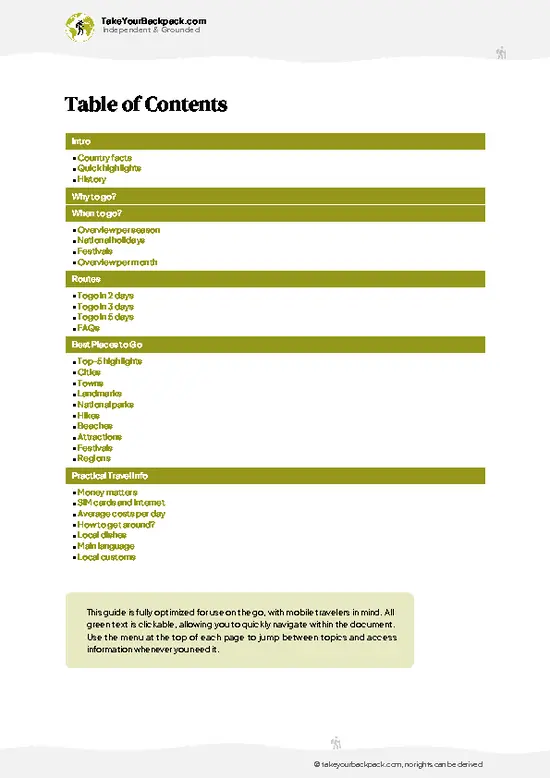
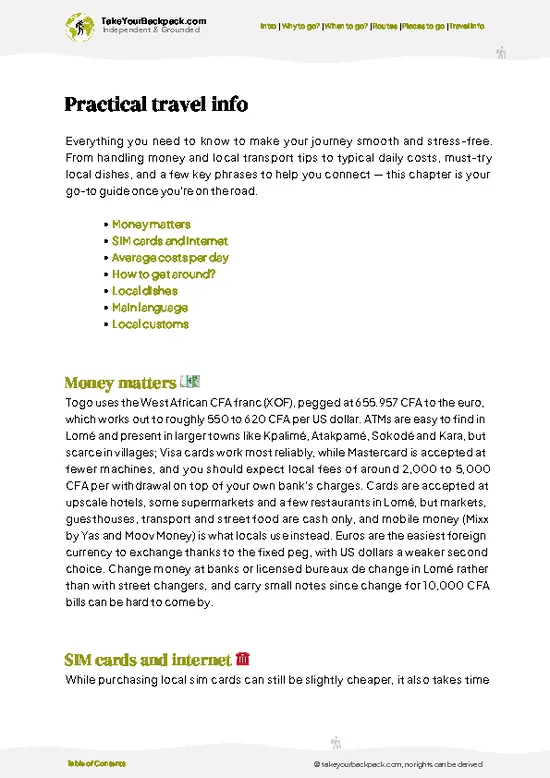
example page 0 from our offline Travel Guide for Togoexample page 1 from our offline Travel Guide for Togoexample page 2 from our offline Travel Guide for Togoexample page 3 from our offline Travel Guide for Togoexample page 4 from our offline Travel Guide for Togo
The guide (195 pages) contains:
2, 3 & 5-day routes paced for real travel
55 ranked highlights with honest advice
Logistics solved: Best areas to stay & transport
Safety: Common local scams to avoid
No Wi-Fi? No problem: Phone-optimized offline PDF
👉 See all 30+ guide features

📅 Plan smarter in minutes, not weeks
Realistic travel times & pacing
Best months per region
Festivals & national holidays
Budget expectations

🗺️ Go to the right places, skip the overrated ones
55 ranked highlights across the country
Hidden gems beyond the tourist trail
Honest pros & cons of destinations
Top hikes, parks & viewpoints
Lesser-known places most travelers miss
Clear “worth it vs skip it” guidance

🛏️ Travel smoothly without rookie mistakes
Best areas to stay
Transport systems explained simply
Local transport tradeoffs
Common scams & safety advice
SIM cards, money & practical tips
What to expect before arrival

🌍 Understand the country, not just visit it
Culture & traditions
52 Essential phrases & customs
Festivals worth planning around
Traveler-friendly historical context
Insights that make places more meaningful

📱 Built for real travel conditions
Fully downloadable PDF
Works completely offline
Optimized for phone use
Useful in remote areas & buses
Everything in one place
Save weeks of stressful planning
Get instant access to the full guide directly. 30-day money-back guarantee.


Sent to your inbox immediately after payment • 100% Secure Checkout
Best Backpacking Travel Advisor 2025 tourism awardBest Backpacking
Travel Advisor
2025
What others say about Take Your Backpack Guides:
⭐⭐⭐⭐⭐
Fantastic, amazing amount of information!
⭐⭐⭐⭐⭐
My goodness this is amazing, it's what I've been looking for hats off too you!
⭐⭐⭐⭐⭐
I think this is absolutely BRILLIANT
⭐⭐⭐⭐
Very complete and informative. It's still missing places, but I gotta to commend you
⭐⭐⭐⭐⭐
This is truly amazing, thank you, can't wait to explore it with my kids!
⭐⭐⭐⭐⭐
Awesome resource, thank you!
⭐⭐⭐⭐⭐
This is amazing! Can't wait to explore the ones I haven't seen
⭐⭐⭐⭐
I love this! Well done, great idea.
⭐⭐⭐⭐⭐
Thanks for taking the time to make this gem!
⭐⭐⭐⭐⭐
This might be the best website I've ever seen.
⭐⭐⭐⭐⭐
Congratulations, and thank you so much for your work; it's incredibly valuable.
⭐⭐⭐⭐
In all seriousness I think you did a great job pointing out the important spots
⭐⭐⭐⭐⭐
10/10 very good
⭐⭐⭐⭐⭐
As someone who's only just starting to visit regularly this is awesome, thank you.
⭐⭐⭐⭐
Thank you very much! I'm going to visit my dad, it's going to be very useful!
⭐⭐⭐⭐⭐
This is really cool! We'll be travelling for the first time and this definitely come in handy.
⭐⭐⭐⭐⭐
You are now our minister of culture, congratulations 👨‍💼
⭐⭐⭐⭐⭐
Just wanted to tell you that this is a pearl! Going to follow your recommendations.
⭐⭐⭐⭐⭐
This is so cool. I'll definitely be using the resource for my travels soon.
⭐⭐⭐⭐⭐
This is very impressive! Good work.
⭐⭐⭐⭐⭐
This is an amazing and informative site. Very well done!

🛏️ Where to stay?Best areas to base yourself

Yes — there are hostels and budget guesthouses across Togo, concentrated in Lomé, the tourist town of Kpalimé and some coastal towns like Aného, with smaller options in regional centers.
In Lomé, Plateau/downtown and Kodjoviakope have the most budget options and put you close to markets, restaurants and transport hubs but they are noisier, busier after dark and carry higher petty‑crime risk.
Suburban areas like and Agoè are cheaper and quieter and sit near beaches and the lagoon but have fewer services and limited night transport; Kpalimé offers many affordable guesthouses for hikers and … read more 👉
Yes — there are hostels and budget guesthouses across Togo, concentrated in Lomé, the tourist town of Kpalimé and some coastal towns like Aného, with smaller options in regional centers.
In Lomé, Plateau/downtown and Kodjoviakope have the most budget options and put you close to markets, restaurants and transport hubs but they are noisier, busier after dark and carry higher petty‑crime risk.
Suburban areas like and Agoè are cheaper and quieter and sit near beaches and the lagoon but have fewer services and limited night transport; Kpalimé offers many affordable guesthouses for hikers and is safer and calmer but requires extra travel to reach coastal highlights.

If you enjoy meeting fellow travelers, consider choosing hostels with high ratings for atmosphere. On the other hand, if you prefer having your own space, a hotel might be a better option.

🚌 Getting aroundHow to travel within the country

Togo moves by intuition, not timetables. The day starts in a gray-blue heat haze, horns tapping, engines idling at curbside ranks until the last seat sells. Money changes hands in small, soft stacks; a woman wedges cassava between legs and door, the driver ties chickens to the roof rack and grins like he’s racing the noon sun. Checkpoints bite minutes. Dust powders your teeth up north; ocean humidity slicks your back in Lomé. You earn the miles here—but when the road opens, the coast flashes silver … read more 👉
Togo moves by intuition, not timetables. The day starts in a gray-blue heat haze, horns tapping, engines idling at curbside ranks until the last seat sells. Money changes hands in small, soft stacks; a woman wedges cassava between legs and door, the driver ties chickens to the roof rack and grins like he’s racing the noon sun. Checkpoints bite minutes. Dust powders your teeth up north; ocean humidity slicks your back in Lomé. You earn the miles here—but when the road opens, the coast flashes silver and the beer at arrival is almost medicinal.
  • Taxi-brousse (shared bush taxi) The Efficiency Trade-off: cheapest per hop and everywhere, but time leaks at departure while they fill every seat and half the trunk. Once rolling, it’s quick and aggressive, then stalls again for police checks and roadside errands.
  • Zémidjan (motorbike taxi) The Social Fabric: greet, name your junction, agree the fare before you swing a leg. Knees tight, bag on your chest, pay at the end. No helmet offered unless you bring one. Night rides are for locals with practice, not your first week.
  • Pirogue on Lac Togo The Geometric Unlock: a wooden glide from Agbodrafo to Togoville cuts hours off the sandy detour. Small bills, steady feet, watch the afternoon gusts. Reeds part, fishermen whistle, and you dock inside the story instead of circling it.
  • Overnight coach on RN1 The Budget Disruptor: one ticket trades a bed night for distance—Lomé to Kara or beyond while Nollywood blares and the AC overperforms. Buy a day ahead, layer up, and wake where breakfast is millet porridge, not a bus yard.

Master tip: be at the main marché rank by first light; dawn departures fill fastest, dodge heat and city choke points, and chain you into onward rides before noon—doubling your range in one day.
Lomé-Tokoin Airport (LFW) is very close to town: roughly 5 km (about 3 miles) from the Deckon/Grand Marché area, which most people consider the city center.

There’s no airport train or dedicated express shuttle as of 2025. Your main public transport options are:
  • Airport taxi (private car) - Easiest door-to-door. Taxis wait outside arrivals. No meters, so agree on the fare before you get in. Typical daytime price to central Lomé: 3,000-7,000 CFA (about US$5-12); late-night or heavy traffic can push it to 4,000-10,000 CFA. Travel time 10-20 minutes depending on traffic.
  • Moto-taxi (zémidjan) - Fast and cheap if you’ve just got a backpack. You’ll find riders outside the terminal or on the main road. Expect 700-1,500 CFA (US$1-2.50) to the center; 10-15 minutes. Ask for a helmet (availability varies) and keep bags secure.
  • Shared city taxi (taxi partagé) - Budget option used by locals. Walk out to the main coastal road by the airport gate (Boulevard du Mono/N2) and flag one heading toward “Deckon” or “Grand Marché.” Fares are per seat, typically 300-600 CFA (US$0.50-1); 20-30 minutes. May require a change depending on where you’re going.
  • City bus (SOTRAL) - Blue public buses run along the coastal road, not directly into the terminal. Walk to the road and look for a bus stopping near “Aéroport.” Fare is usually 200-300 CFA (US$0.35-0.50); 25-35 minutes. Less frequent at night and not ideal with bulky luggage.

Taxi options at a glance: Official/stand taxis are available 24/7 outside arrivals; expect 3,000-7,000 CFA by day, 4,000-10,000 CFA late at night. Rides are negotiated, not metered. There’s no Uber/Bolt in Togo as of 2025, though some hotels offer prearranged pickups (often 6,000-10,000 CFA).

Practical tips:
- Cash only for most options; carry small bills and coins.
- Public transport thins out after about 20:00-21:00, so late arrivals should plan on a taxi.
- Confirm the destination and price before moving; if someone approaches you inside to “help,” it’s fine to say you’ll use the official taxi rank outside.
⚠️ Prices and routes can change, so take this as a rough guide and ask for local advice when you arrive.

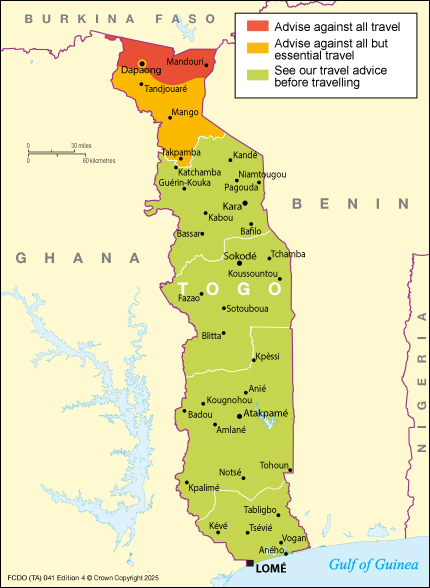
🔒 Safety (risk Level: medium)Common concerns and things to watch out for

Safety for solo travelers, including women and LGBTQ+ individuals
Togo can be relatively safe for solo travelers, including women and LGBTQ+ individuals, but it requires caution. Petty crime, like pickpocketing, is common, especially in crowded areas. Women and LGBTQ+ travelers might face cultural challenges due to conservative views, so dressing modestly and being discreet is advised. Always stay informed about local laws and current events, and connect with locals or expats for real-time safety advice.
safety image

source: www.gov.uk

✈️ VisaWhat travelers should know about visas

Visa requirements for Togo vary by nationality. Most travelers will need a visa, which can be obtained at Togolese embassies or on arrival at the airport. For an eVisa, apply online through Togo’s official eVisa portal.

source: tg.ambafrance.org
⚠️ Visa requirements can change over time, so always check the latest visa requirements with the official embassy or government website before you travel.

🎒 What to pack?What to pack for Togo

Togo’s got a mix of savannah, hills, and a stretch of coastline, so be ready for some variety. It’s hot and humid, especially from March to October, but the evenings can cool off a bit in the hillier areas. When it comes to culture, keep it respectful with modest clothing—long skirts or pants are a safer bet in villages. If you’re planning on visiting any religious sites, cover those shoulders. The rainy season hits from April to October, so a lightweight rain jacket can save your day.

Apart from this country specific advice, I have also crafted a general packing list that should help on any trip. authorOver the years, I've learned the importance of packing minimally. It's so much easier to jump on the back of a truck or squeeze yourself into the last spot of a minibus without that supersized backpack. If you're headed to a warm destination, leave your winter jacket at home; for colder regions, opt for thin thermal underlayers. Instead of packing your entire wardrobe, bring just three sets of clothes, as laundry facilities are available everywhere.
View the full list 👉

✈️ FAQTravel questions about Togo

Trip Planning


Personal tip: I normally search on good rating for atmosphere (for meeting people) and location (for easy exploring). Cleanliness as a bonus.


Travel Essentials

Yellow fever vaccination is mandatory for entering Togo. Recommended vaccinations include hepatitis A, hepatitis B, typhoid, and routine vaccinations like measles-mumps-rubella (MMR) and tetanus. Consider rabies if planning to spend time in remote areas or with animals. Always consult a travel clinic for up-to-date advice.


vaccination requirements
When I first started traveling, I often spent part of my first day in a new country hunting for a local SIM card. While this can still be slightly cheaper, it also takes time and planning.

These days, it's much simpler to install an eSIM before leaving home. Once you arrive in Togo, you can activate it immediately and have mobile data from the moment you land — which is especially useful for ordering transport or navigating away from busy airports.

There are many providers nowadays, and price differences are usually small. I personally go with Airalo, as it offers excellent network coverage throughout the country and strong global coverage, so you can manage multiple countries from a single app.


Get your e-sim for Togo

Culture & Customs

Respect is key in Togo. Always greet with a handshake when meeting someone, and use your right hand for giving and receiving items. Dress modestly, especially in rural areas; women should avoid clothing that exposes too much skin. Public displays of affection are generally frowned upon, especially same-sex affection, as LGBTQ+ rights are not widely recognized. Always ask before taking photos of people. Bargaining is common in markets, so don’t hesitate to negotiate prices. When visiting someone’s home, it’s polite to bring a small gift, like fruit or drinks. Avoid discussing politics or ethnic tensions unless you’re well-informed and in trusted company.
Trying traditional food is always a great way to experience the culture. Here are some must-try dishes for Togo.
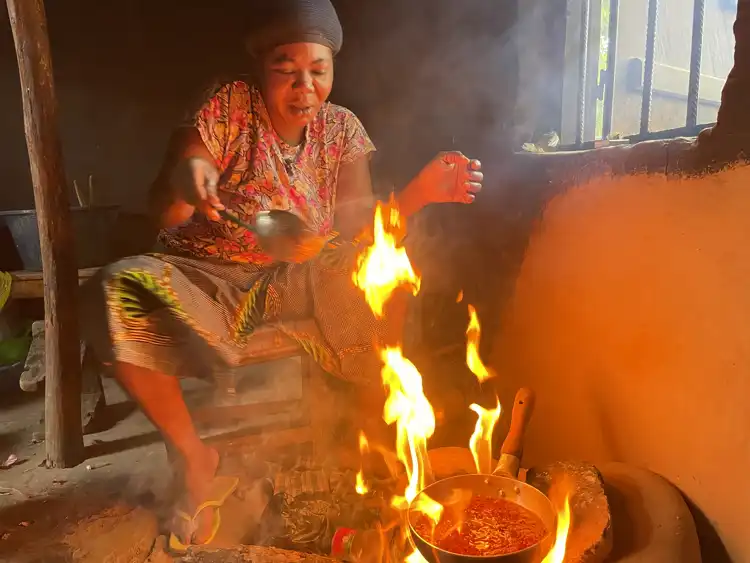
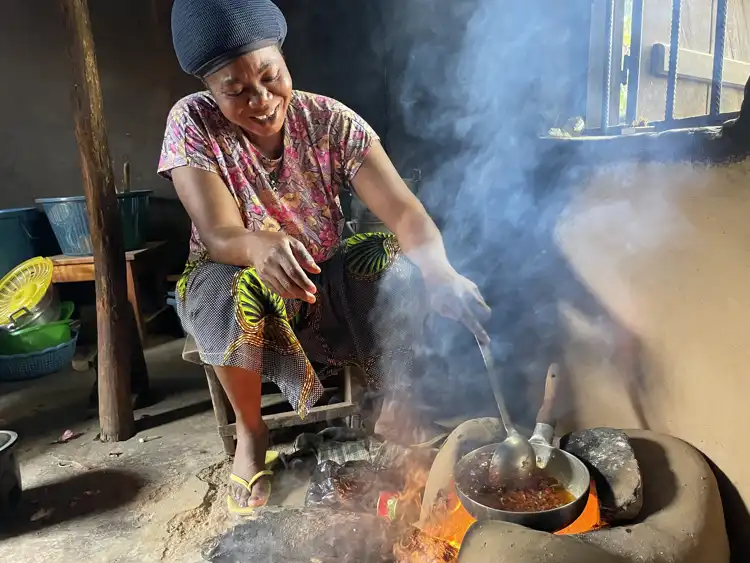
  • Fufu: This is a staple in West African cuisine, and in Togo, it’s often made from yams. It’s a dough-like side dish that’s typically served with a variety of soups or stews. It’s a cultural cornerstone, reflecting the communal aspect of Togolese meals.
  • Pâte: A thick porridge made from corn or millet flour, pâte is another fundamental part of the Togolese diet. It’s usually enjoyed with spicy sauces or vegetable stews, showcasing the local love for bold flavors.
  • Akpan: A fermented drink made from maize, akpan is a popular refreshment. It’s lightly sweet and sour, providing a refreshing contrast to the spicier elements of the local diet, and it’s often enjoyed during social gatherings.
  • Gboma Dessi: This is a spinach-based stew that’s rich with spices and sometimes cooked with meat or fish. It’s a hearty dish that’s beloved for its depth of flavor and is a great way to get a taste of Togolese spice blends.
  • Yassa: Originally from Senegal, Yassa has made its way into Togolese cuisine. It’s a tangy dish made with marinated chicken or fish in a sauce of onions and lemon juice, which balances beautifully with the country’s love for vibrant, spicy food.
Tap water in Togo is generally not considered safe for tourists to drink, although some locals might consume it. It’s advisable to stick to bottled or filtered water to avoid any risk of waterborne illnesses. Always check that bottled water is sealed properly before purchasing.
The main language in Togo is French. Backpacking is way more rewarding if you know a bit of the local language, so I'd suggest brushing up on the basics just in case your French skills have become a bit rusty.

Want to understand locals better?
The complete Travel Guide for Togo includes 52 essential words and phrases — greetings, thank-yous, ordering food, transport, numbers, and common local expressions you'll actually hear.

Get your local basic phrases 👉

Get the Travel Guide -


In Togo, English is not widely spoken, as the official language is French. However, due to the country’s historical ties and increasing globalization, English is gradually becoming more common, especially in urban areas and among the younger population. In larger cities like Lomé, you may find English speakers in hotels, restaurants, and tourist attractions.

Nonetheless, outside of these areas, communication in English can be challenging, as many locals primarily speak French or indigenous languages such as Ewe and Kabye. It’s advisable for travelers to learn basic French phrases to enhance their experience and facilitate interactions with locals.

In summary, while English is spoken to some extent, particularly in tourist-centric environments, proficiency varies significantly, and knowledge of French will greatly benefit travelers in Togo.

Money & Payments

The local currency of Togo is XOF (CFA).

If you’re backpacking through Togo, having a mix of cash and cards is a solid bet. ATMs are available in major cities like Lomé and Sokodé, but they can be hit-or-miss in smaller towns. It’s smart to carry some CFA francs in cash, as smaller vendors and rural areas may not accept cards.

While both euros and U.S. dollars can be exchanged in Togo, euros are generally easier to change. Exchange services are available at banks and some standalone currency exchange offices in cities. Always check rates and fees before swapping your cash.

Credit cards are accepted in some hotels, restaurants, and shops in larger towns, but don’t count on them being widely accepted. Visa is the preferred card, with MasterCard accepted in fewer places.

Tipping in Togo is not a widespread custom, but it’s appreciated for good service. In restaurants, rounding up the bill or giving a couple of extra francs is sufficient. For hotel staff and guides, a small tip of 500 to 1,000 CFA francs is thoughtful.

🧩 Nearby countriesNearby backpacking alternatives

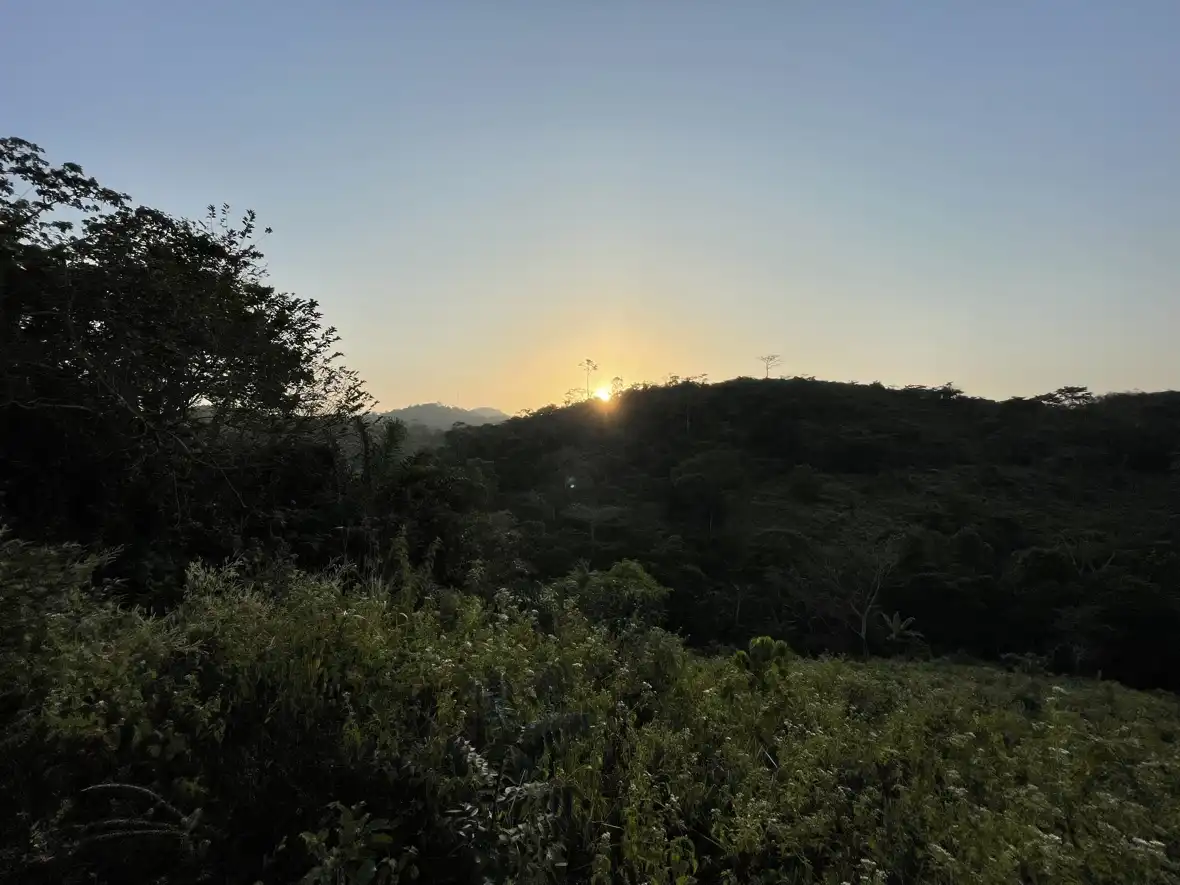
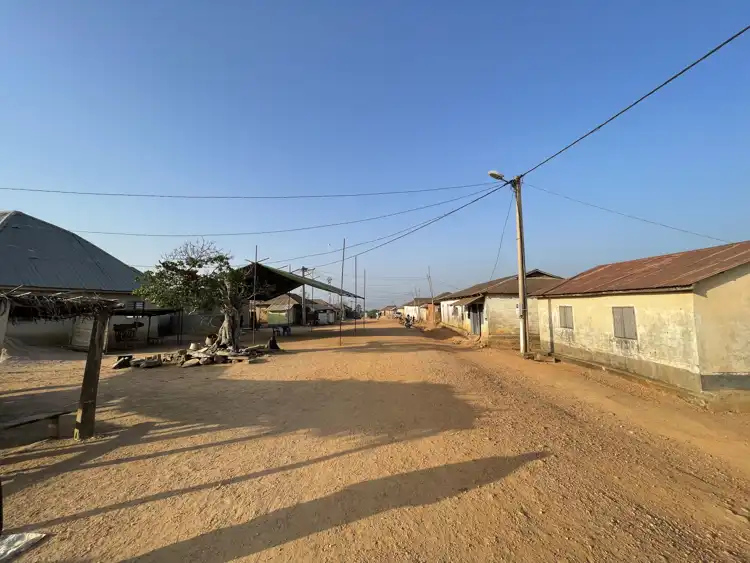
📸 PhotosScenes from around the country

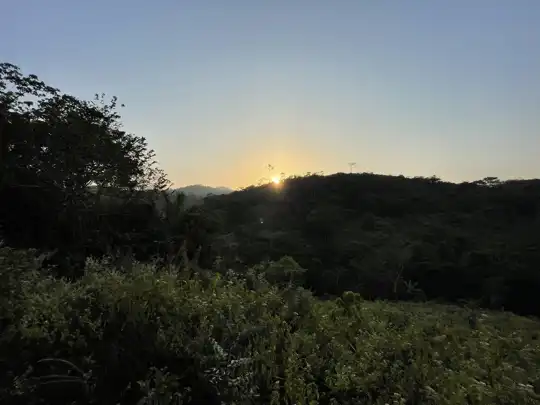
Take your backpack - Togo - 0
Take your backpack - Togo - 1
Take your backpack - Togo - 2
Take your backpack - Togo - 3
Photographed by: Johan Kruseman

We 💚 feedbackKey takeaways from the trip

Togo rewards the patient: red-dust roads, moto fumes, and heat give way to small, high-reward moments—drums from a Vodun shrine in Lomé at dusk, spray on your face at Womé falls, and a cold Flag watching the Gulf darken. The catch is moving around: bush taxis crawl, police checkpoints chew time, and French opens doors you won’t otherwise. It’s best for travelers who like human-scale encounters and don’t need big-ticket wildlife; not ideal if you want sleek infrastructure or a checklist safari.

✍️ Help improve this page!
The information on this page is based on in-depth research, insights shared by experienced travelers, and feedback from the local travel community in Togo. While every effort is made to keep the information accurate and current, conditions can change — so if you spot anything incorrect or outdated, please get in touch.


🙋‍♂️ Give feedback

👋 Meet the founderWho’s Behind Take Your Backpack?

Johan, backpacker and founder of TakeYourBackpackHi, I’m Johan (Netherlands 🇳🇱), the creator of TakeYourBackpack. Over the past decade, I’ve backpacked through 80+ countries across six continents, gaining extensive experience with independent travel, long-term trips, and overland routes.

This site is built on a combination of firsthand travel experience and carefully curated insights from other backpackers. Many guides are based on places I’ve personally visited, while others bring together tips, observations, and practical advice shared by trusted travelers I’ve met along the way.

The goal is to provide realistic, experience-driven guidance — not generic itineraries — so you can explore destinations with better context, clearer expectations, and more confidence.

Get Full Country Guide |
Instant download • 55 highlights • Full Offline guide