Trip Planning
The TakeYourBackpack guidebooks are your all-in-one travel companion, featuring the best cities, national parks, hikes, beaches, and unique sites, along with essential tips on when to go, how to get around, exchanging money, and even local phrases to get you started — everything you need for a smooth, unforgettable backpacking adventure.
Stop researching. Start exploring.Discover all 145 highlights,ranked
and organized into practical routes.
Get instant access
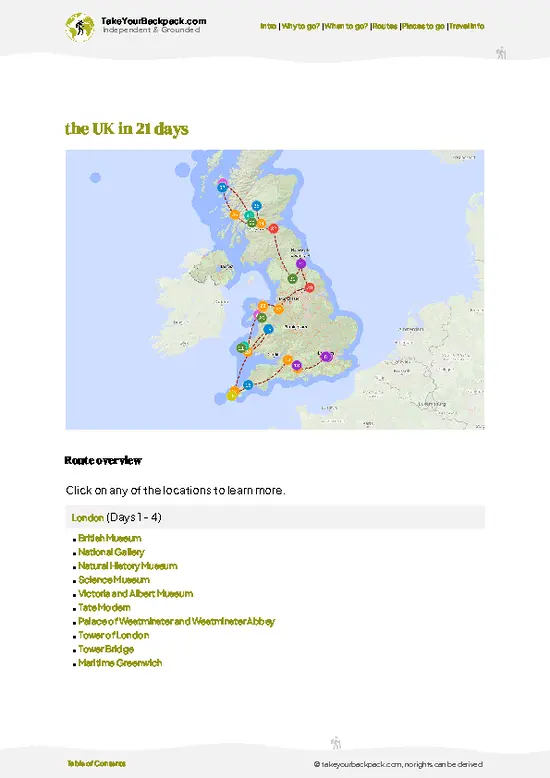
Planning a backpacking route through the UK can be tricky — you need to balance must-see places, travel times, budget, and how long to stay in each destination. Our personalized the UK itinerary planner creates a route based on your travel style, trip duration, and interests, so you can spend less time researching and more time exploring.
Personal tip: I normally search on good rating for atmosphere (for meeting people) and location (for easy exploring). Cleanliness as a bonus.
Travel Essentials
Routine vaccinations are generally sufficient for visiting the United Kingdom. These include:
- Measles, Mumps, and Rubella (MMR)
- Diphtheria, Tetanus, and Pertussis (DTaP)
- Polio
- Chickenpox (Varicella)
- Annual flu shot
Check that these are up to date before you travel. If you have specific health concerns or conditions, consult a healthcare provider.
vaccination requirementsWhen I first started traveling, I often spent part of my first day in a new country hunting for a local SIM card. While this can still be slightly cheaper, it also takes time and planning.
These days, it's much simpler to install an eSIM before leaving home. Once you arrive in the UK, you can activate it immediately and have mobile data from the moment you land — which is especially useful for ordering transport or navigating away from busy airports.
There are many providers nowadays, and price differences are usually small. I personally go with
Holafly, as it offers excellent network coverage throughout the country and strong global coverage, so you can manage multiple countries from a single app.
HolaFly eSimCulture & Customs
Avoid jumping queues; it’s a big no-no in the UK. Punctuality is appreciated, so don’t be late for appointments. When in a pub, order drinks at the bar rather than waiting for table service. Tipping around 10-15% is customary in restaurants if service charges aren’t included. Small talk about the weather is a common icebreaker.
For LGBTQ+ travelers, the UK is generally accepting, especially in big cities like London and Manchester. Women should feel safe traveling alone, but stay aware in unfamiliar areas, especially at night. Avoid political conversations, especially about Brexit, unless you’re sure it’s a welcomed topic.
Trying traditional food is always a great way to experience the culture. Here are some must-try dishes for the UK.
- Fish and Chips: A classic British dish featuring battered and deep-fried fish, usually cod or haddock, served with thick-cut chips. It’s a staple of British seaside towns and a symbol of British cuisine.
- Shepherd’s Pie: A comforting dish made with minced lamb, cooked with vegetables, and topped with a layer of mashed potatoes. It’s a reflection of the UK’s agricultural roots and hearty home-cooked meals.
- Full English Breakfast: A hearty breakfast plate that typically includes eggs, bacon, sausages, black pudding, baked beans, tomatoes, and toast. It’s a cultural icon, often enjoyed as a weekend treat.
- Sunday Roast: A traditional Sunday meal featuring roasted meat (usually beef, chicken, lamb, or pork), served with vegetables, Yorkshire pudding, and gravy. It’s a long-standing family tradition in Britain.
- Scotch Egg: A boiled egg wrapped in sausage meat, coated in breadcrumbs, and deep-fried or baked. Popular as a picnic food or pub snack, it highlights the British knack for hearty, portable meals.
Yes, tap water in the United Kingdom is safe to drink and locals consume it regularly. Travelers can confidently drink tap water, but if you prefer, bottled or filtered water is easily available. If you’re staying in rural areas, it might be worth checking locally, but generally, water quality is high across the UK.
In the United Kingdom,
English is the predominant language, spoken by the vast majority of the population. It serves as the primary means of communication in daily life, education, and business. While regional accents and dialects can vary significantly—from the Cockney of London to the Geordie of Newcastle—English remains the common thread.
In urban areas, especially in cities like London, you may encounter a diverse range of languages spoken due to the multicultural population. However, English proficiency is generally high, and travelers will find that most locals can communicate effectively in English.
In tourist areas, signs, menus, and information are typically available in English, making navigation straightforward for English-speaking visitors. While some may encounter individuals who speak other languages, English speakers will have no trouble finding assistance or engaging in conversations throughout the UK.
Overall, travelers can expect a warm welcome and clear communication, making the UK a comfortable destination for English-speaking tourists.
Money & Payments
The local currency of the UK is GBP (£).
ATMs: The UK is pretty ATM-friendly, and you’ll find them all over cities and towns. Just watch out for fees — they can sneak up on you, especially if you’re using an international card.
Cash: It’s smart to have some cash on you, especially for small purchases or in rural areas where card machines might play hide and seek. No need to carry dollars or euros; stick to pounds.
Card Acceptance: Most places accept debit and credit cards, even pubs and small shops. Contactless payments are the norm, so if your card has that feature, you’re golden.
Currency Exchange: Avoid airport exchange counters; they’re notorious for bad rates. Instead, use local banks or reputable exchange services in the city. Better yet, withdraw directly from ATMs for a decent rate, but remember those pesky fees.
In the United Kingdom, tipping is typically around 10-15% in restaurants if service isn’t included, but it’s not mandatory. For pubs, tipping isn’t expected, though you can offer to buy the bartender a drink. Taxis usually get rounded up to the nearest pound or a 10% tip.
v2.webp)

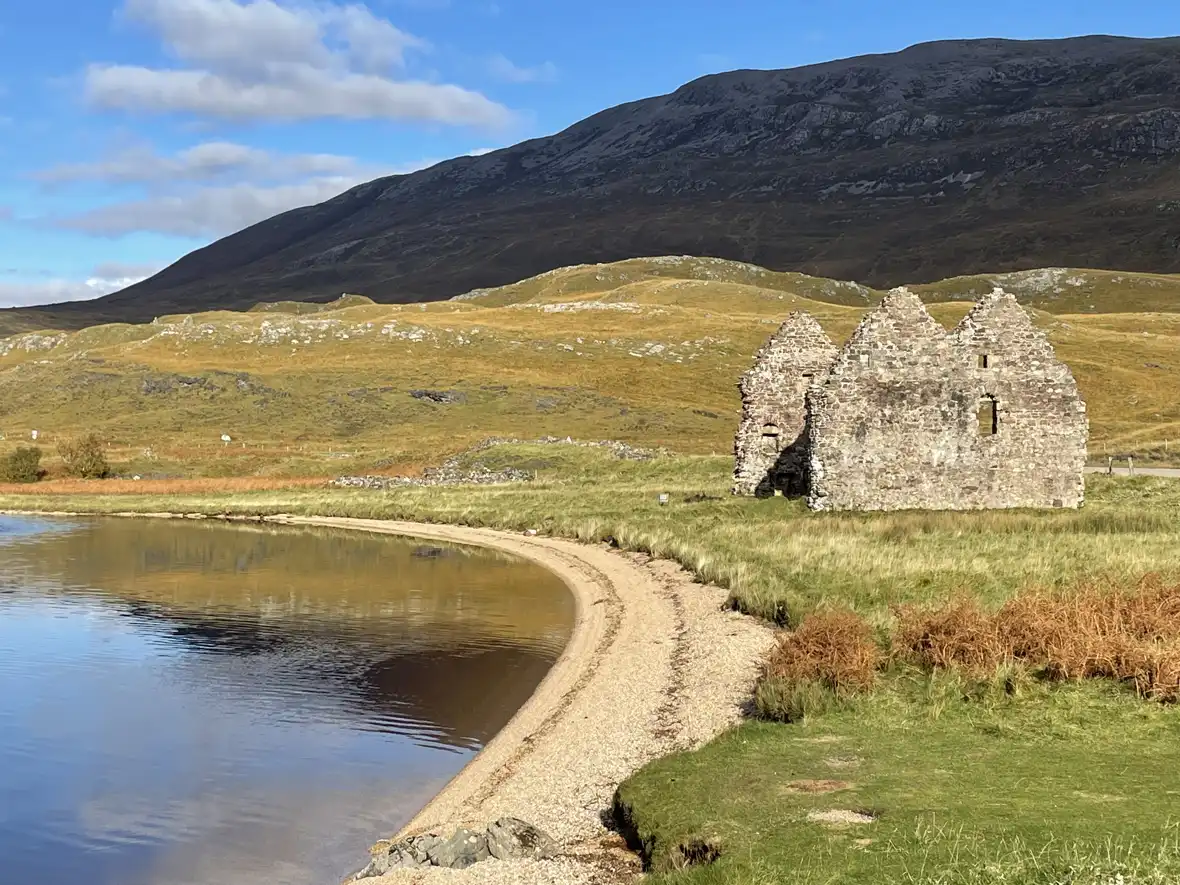
 Best Backpacking
.jpg) Over the years, I've learned the importance of packing minimally. It's so much easier to jump on the back of a truck or squeeze yourself into the last spot of a minibus without that supersized backpack. If you're headed to a warm destination, leave your winter jacket at home; for colder regions, opt for thin thermal underlayers. Instead of packing your entire wardrobe, bring just three sets of clothes, as laundry facilities are available everywhere.
Over the years, I've learned the importance of packing minimally. It's so much easier to jump on the back of a truck or squeeze yourself into the last spot of a minibus without that supersized backpack. If you're headed to a warm destination, leave your winter jacket at home; for colder regions, opt for thin thermal underlayers. Instead of packing your entire wardrobe, bring just three sets of clothes, as laundry facilities are available everywhere.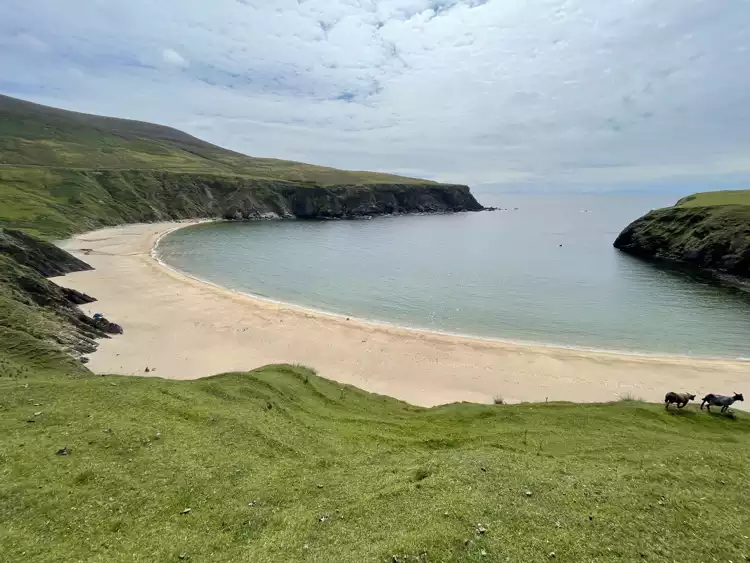

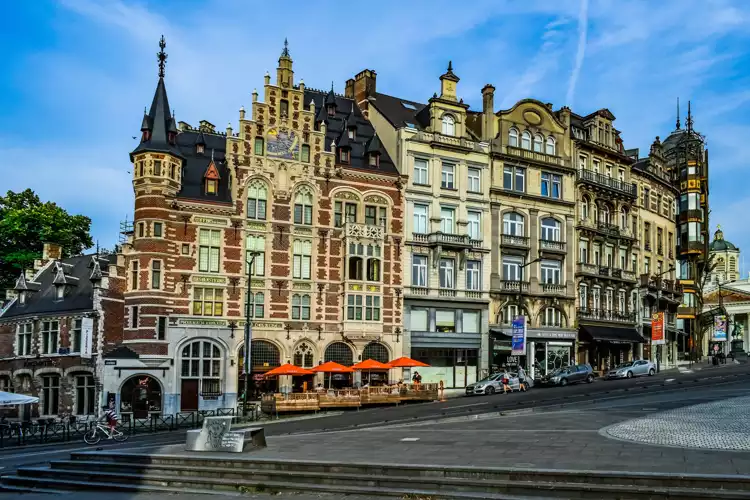
.jpg) Hi, I’m Johan (Netherlands 🇳🇱), the creator of TakeYourBackpack. Over the past decade, I’ve backpacked through 80+ countries across six continents, gaining extensive experience with independent travel, long-term trips, and overland routes.
Hi, I’m Johan (Netherlands 🇳🇱), the creator of TakeYourBackpack. Over the past decade, I’ve backpacked through 80+ countries across six continents, gaining extensive experience with independent travel, long-term trips, and overland routes.