×
Slovakia 🇸🇰

backpacking Europe Slovakia 🇸🇰Hike mountains rising remarkably close to cities.

Explore SerbiaExplore Slovenia

Backpacking Slovakia in 2026

A complete guide including when and where to go, costs, transport, itineraries, and practical travel advice.
An overview of visiting Slovakia

Backpacking Slovakia
By Johan Kruseman 🇳🇱 | Updated June 4, 2026

You step off a regional train into a quiet village square where the bakery smells of poppyseed and the bus comes when it comes. Things work, just not loudly. Slovakia rewards the traveler who matches its tempo and looks closely.

The country’s pull is exact: granite Tatras throwing shadows over cold tarns, ladders rattling in the gorges of Slovak Paradise, Spiš and Orava keeping watch from their ridges, painted wooden churches in the northeast, caves breathing out chill air, and Bratislava giving you river light, hilltop walks, and a good glass without ceremony. Prices are fair, trails are well marked, and the rhythm is human-sized. The fine print is manageable: some high Tatra routes close in spring, huts often take cash only, rescues are billed so get mountain-rescue insurance, and Sunday buses thin out. Plan for that, carry small bills, and the payoff is outsized—quieter paths, unhurried meals, and real conversations that stick.

Compared with Poland the Tatras feel calmer; with Austria, less polished and far cheaper; with the Czech Republic, fewer pub crawls and more ridge walks; with Hungary, less urban show and more mountains. Go if you like strong hikes, serious history, small pleasures, and letting your budget and energy land where it counts.

👉 Get the 📖 Travel Guide of Slovakia

Bratislava & the Little Carpathians

Base yourself here if you want a quick win on logistics. Trains from Vienna drop you into a compact core, trams cover the rest, and a 24–72 h transit ticket keeps costs predictable. Eat outside the old-town ring to dodge menu inflation. Devín Castle is a cheap bus ride (29) and the wine villages (Svätý Jur, Pezinok, Modra) reward slow afternoons. Mondays mean museum shutters. Summer weekends feel student-light; weekdays carry more local life. Easy urban miles, low effort, good for first-timers.

High Tatras + Spiš/Slovak Paradise (Poprad rail spine)

Use the mainline to Poprad-Tatry, then the Tatranská električka links Štrbské Pleso–Starý Smokovec–Tatranská Lomnica on a predictable 30–60 min rhythm. This is for hikers who manage weather and time: storms build by noon, cable cars cost real money, huts can be cash-only, and some valleys close seasonally. In Slovenský raj, ladders and chains mean wet boots and slow queues; start early and wear grip. Some canyons are one‑way. A small park entry fee applies. Mountain rescue coverage is worth the few euros.

Low Tatras & Liptov

Train to Liptovský Mikuláš, bus up Demänovská Dolina. The Ďumbier–Chopok ridge is exposed and windy; lift schedules decide whether your quads or your wallet pay for the descent. Caves (Liberty, Ice) run fixed tours; bring cash and layers. Jasná is pricier in ski weeks and parking bites, but shoulder season gives space. Thermal pools help recover if you overcooked the ridge. Suits hikers who like longer days without alpine technicals.

Banská Štiavnica & Central Highlands

Reachable via Zvolen by bus; slower, but worth the switch if you like history with legwork. Cobbles and steep lanes punish flimsy shoes. Mining museums keep tight hours; plan before beer. The forested caldera and old water reservoirs (tajchy) give quiet walks and swims. Summer events spike rates; winter ice makes descents tricky. Best for slow travelers who enjoy one good hill a day.

Košice & the Eastern Edge

Eastern rail hub with easy walking once you arrive. Evenings are sociable and student-heavy; mornings are for day trips. Slovak Karst caves (Jasovská, Domica) run on timetables; weekend buses thin out, so pad margins. Tokaj cellars often want appointments and a driver. Flights can be early or late; don’t gamble on tight transfers. Good base for city energy with rural forays.
Map of Slovakia
Loading the map 🌍
CLICK TO FILTER
city
town
village
unique site
national park
hike
beach
attraction
festival
region
SHOW COUNTRY’S BESTSHOW ALL
film
0
0
0a
Spiš Castle
film
1
1
1a
Banská Štiavnica Old Castle and New Castle complex
film
2
2
2a
Bratislava Castle
film
3
3
3a
Čičmany Painted Village Architectural Reserve
film
4
4
4a
Devin Castle
film
5
5
5a
Andy Warhol Museum of Modern Art
film
6
6
6a
Liptovská Mara
film
7
7
7a
Bratislava
Dušan Remiš
film
8
8
8a
Kosice
film
9
9
9a
High Tatras
Tom Cz.
film
10
10
10a
Slovak Paradise
Seb Top
film
11
11
11a
Low Tatras
Lukas Oliva
film
12
12
12a
Mala Fatra
Romana Zahradnikova
film
13
13
13a
Velka Fatra
Krzysztof Bułka
film
14
14
14a
Poloniny Trail
film
15
15
15a
Kysuce Beskydy Trail
film
16
16
16a
Tatras
Richard Snapper
film
17
17
17a
Slovak Paradise
Seb Top
film
18
18
18a
Low Tatras
film
19
19
19a
Pieniny
Piotr Wąsowski
film
20
20
20a
Malá Fatra
film
21
21
21a
Veľká Fatra
film
22
22
22a
Slovak Karst
Jana Pánková
film
23
23
23a
Muránska planina
film
24
24
24a
Poloniny
film
25
25
25a
Jasna
film
26
26
26a
Banska Stiavnica
Randolfo Santos
film
27
27
27a
Bardejov
film
28
28
28a
Bojnice
film
29
29
29a
Kezmarok
film
30
30
30a
Poprad
Michal Kontrik
film
31
31
31a
Kremnica
Fi Ja
film
32
32
32a
Banska Bystrica
Nadezda Jansikova
film
33
33
33a
Presov
film
34
34
34a
Trnava
film
35
35
35a
Bojnice Castle
Lukáš Fojtík
film
36
36
36a
Orava Castle
Mikica Jovanovic
film
37
37
37a
Dobsinska Ice Cave
Dobšinská ľadová Jaskyňa
film
38
38
38a
Trencin Castle
Trenčiansky Hrad
film
39
39
39a
Strecno Castle
Hrad Strečno
film
40
40
40a
Hronsek Wooden Church
Radovan Dziak
film
41
41
41a
Saris Castle
Ladislav Babuščák
film
42
42
42a
Vlkolinec
film
43
43
43a
Cerveny Klastor
Vladimír
film
44
44
44a
Tatranska Lomnica

Why go?Why Slovakia is worth visiting

Backpackers

Slovakia rewards backpackers who want real mountains, historic towns, and change left in their pocket. Costs sit well under Austria and Germany, roughly … read more 👉
Slovakia rewards backpackers who want real mountains, historic towns, and change left in their pocket. Costs sit well under Austria and Germany, roughly on par with Czechia outside Prague. Trains and buses are cheap and reach trailheads; the Tatras have color‑marked paths and staffed huts that won’t drain you like the Alps. Carry some cash for villages; cards are fine in cities. Buy mountain‑rescue insurance before alpine routes—without it, mishaps are pricey. Note the High Tatras’ upper trails close Nov–mid‑June. Hostels skew friendly rather than rowdy, so you actually sleep and move early.

Architecture

Slovakia rewards architecture hunters with density: medieval Bardejov, mining-era Banská Štiavnica, the vast ruin of Spiš Castle, and blunt modern icons—Most … read more 👉
Slovakia rewards architecture hunters with density: medieval Bardejov, mining-era Banská Štiavnica, the vast ruin of Spiš Castle, and blunt modern icons—Most SNP (the “UFO” bridge) and the inverted‑pyramid radio HQ—in the same week. The catch is timing. Many interiors shut Mondays, winter hours shrink, and last entry often stops 30–45 minutes before closing. Wooden churches are active parishes: carry cash for the keeper; photography may cost extra. Some castles split towers on separate tickets. Expect uphill cobbles, scaffolds in restoration season, and sparse signage—bring boots, small bills, and patience for stairs.

Low cost

Slovakia stretches a backpacker euro farther than most of Europe. Dorms, regional trains, and hearty weekday “denné menu” keep a lean day around €35–50, … read more 👉
Slovakia stretches a backpacker euro farther than most of Europe. Dorms, regional trains, and hearty weekday “denné menu” keep a lean day around €35–50, leaving room for a beer and a museum. Hiking is free; skip cable cars and you save the single biggest mountain expense. Use regional trains/buses over premium services to avoid reservation surcharges. Expect a small city tax on beds, often paid in cash. Many mountain huts and rural buses are also cash-first. Sunday transport thins out—don’t strand yourself and pay for a taxi. Spend on boots, not gondolas; the trails deliver.
Want the complete picture of Slovakia?
The offline Travel Guide brings everything together — routes, highlights & planning.

See what's included in the guide 👉

Get the Travel Guide -

⭐ HighlightsThe places that define a trip here

  • High Tatras (Vysoké Tatry): Granite under your palm bites cold even in July, and the resin smell off the spruce belt follows you as you gain the ridge. Weather flips fast; trails above huts close seasonally, and hut payments skew cash. Buy the Tatra electric railway day pass and start at dawn to dodge noon storms and crowds; mountain-rescue insurance is cheap, not optional. Off-the-map: Monkova dolina, Veľká Svišťovka, and the long pull to Kôprovský štít.
  • Spiš Castle (Spišský hrad): Wind whips across the limestone crown and pushes grit into your teeth while you stare over half of eastern Slovakia. The climb from the parking lot is honest, the sun unforgiving, and signage sparse—carry water and time your visit late day. Mondays can be dead outside summer; parking is a separate fee and card terminals hiccup. Off-the-map: Žehra’s frescoed church, Spišská Kapitula, and the Dreveník travertine fields.
  • Bratislava Old Town & Castle: Tram brakes squeal, the Danube breathes diesel and river-cool,
read more 👉
  • High Tatras (Vysoké Tatry): Granite under your palm bites cold even in July, and the resin smell off the spruce belt follows you as you gain the ridge. Weather flips fast; trails above huts close seasonally, and hut payments skew cash. Buy the Tatra electric railway day pass and start at dawn to dodge noon storms and crowds; mountain-rescue insurance is cheap, not optional. Off-the-map: Monkova dolina, Veľká Svišťovka, and the long pull to Kôprovský štít.
  • Spiš Castle (Spišský hrad): Wind whips across the limestone crown and pushes grit into your teeth while you stare over half of eastern Slovakia. The climb from the parking lot is honest, the sun unforgiving, and signage sparse—carry water and time your visit late day. Mondays can be dead outside summer; parking is a separate fee and card terminals hiccup. Off-the-map: Žehra’s frescoed church, Spišská Kapitula, and the Dreveník travertine fields.
  • Bratislava Old Town & Castle: Tram brakes squeal, the Danube breathes diesel and river-cool, and cobbles telegraph through thin soles. Validate bus tickets before you ride, skip street taxis, and remember: castle grounds are free, the museum isn’t, and many galleries go dark on Mondays. Eat away from the main squares and refuse “dynamic currency” at ATMs and card terminals. Off-the-map: Sad Janka Kráľa park, Devínska Kobyla lookout tower, and Rača’s vineyard lanes.
  • Slovak Paradise (Slovenský raj): The iron ladder is wet and cold; your boots squeak on logs while water thunders three meters away. Routes like Suchá Belá are one-way and cash-only at the gate; ladders bottleneck by 9 a.m., and closures follow heavy rain. Gloves help, big packs don’t, and grippy shoes beat pride. Off-the-map: Piecky and Veľký Sokol gorges, plus the Tomasovský výhľad cliff.
  • Banská Štiavnica: In the mining drift the air hits 12°C and your helmet knocks damp timber; up top, steep lanes smell of stone and woodsmoke. Museum mine tours run on fixed slots and Slovak-first—arrive early for an English guide and bring a jacket. Parking zones are policed, and cafés shut early midweek. Off-the-map: Sitno summit, Banský Studenec twin lakes, and the Calvary hillside at dawn.
Spotted a mistake or missing a highlight? Contact us.

But Slovakia offers more...

Discover and compare all of its highlights per category

🧭 RoutesHow to structure a trip

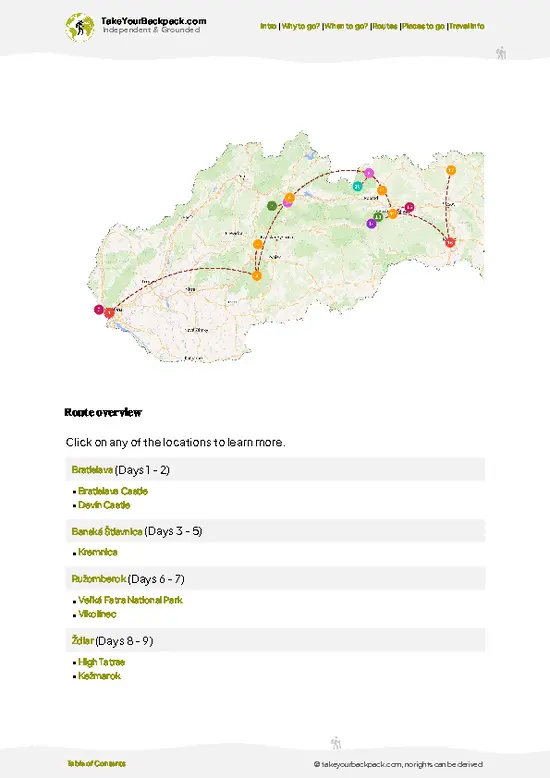
The 5-Day High Tatras & Medieval Town Sprint

The Vibe: A mountain-first escape that keeps you in one region, trading big city nights for alpine trails and a single historic town finale. Expect active days, simple train and bus hops, and just enough culture to frame the peaks you’re hiking beneath.
The Highlights:
  • Base in Poprad with easy access to the High Tatras.
  • Multiple hiking days in the High Tatras and Tatras National Park.
  • A closing wander through the medieval streets of Levoca.

The 10-Day Central Slovakia Castles & Ridges Route

The Vibe: A balanced loop through central Slovakia that mixes mining towns, castle complexes, and two different mountain ranges without ever feeling rushed. You’ll move mostly by train and regional buses, settling into each base long enough to feel the local rhythm.
The Highlights:
  • Slow exploration of Banska Stiavnica and its Old and New Castle complex.
  • Three days of hiking and lift-assisted viewpoints around Jasna and the Low Tatras National Park.
  • Lakeside downtime
read more 👉

The 5-Day High Tatras & Medieval Town Sprint

The Vibe: A mountain-first escape that keeps you in one region, trading big city nights for alpine trails and a single historic town finale. Expect active days, simple train and bus hops, and just enough culture to frame the peaks you’re hiking beneath.
The Highlights:
  • Base in Poprad with easy access to the High Tatras.
  • Multiple hiking days in the High Tatras and Tatras National Park.
  • A closing wander through the medieval streets of Levoca.

The 10-Day Central Slovakia Castles & Ridges Route

The Vibe: A balanced loop through central Slovakia that mixes mining towns, castle complexes, and two different mountain ranges without ever feeling rushed. You’ll move mostly by train and regional buses, settling into each base long enough to feel the local rhythm.
The Highlights:
  • Slow exploration of Banska Stiavnica and its Old and New Castle complex.
  • Three days of hiking and lift-assisted viewpoints around Jasna and the Low Tatras National Park.
  • Lakeside downtime at Liptovská Mara and evenings in Liptovsky Mikulas.
  • Traditional wooden architecture in Vlkolinec and the Mala Fatra area.

The 15-Day Grand Slovakia Capitals-to-Castles Circuit

The Vibe: A full-country arc from Bratislava’s café-lined streets to Danube castles, central spa towns, and both Low and High Tatras, capped with medieval strongholds and gorges in the east. It’s adventurous but measured, using trains and buses to string together the country’s greatest hits with a few quieter detours.
The Highlights:
  • Time in Bratislava with side trips to Bratislava Castle and Devin Castle.
  • Fairytale Bojnice Castle and central towns like Banska Bystrica and Banska Stiavnica.
  • Mountain days in Jasna’s Low Tatras and Poprad’s High Tatras hubs.
  • Eastern highlights including Spisska Nova Ves, Spiš Castle, Levoca, and Slovak Paradise National Park with Dobšinská Ice Cave.
🌍 Want a ready-to-use travel plan for Slovakia?
The overview above compares different route options based on your travel time and style. The complete Travel Guide breaks each itinerary down in detail, including maps, stops, highlights, and transport information.

Explore all route details 👉

Get the Travel Guide -

🌤️ When to go?Best time to visit Slovakia

The sweet spot for Slovakia backpacking is mid-June and September. By mid-June, High-Tatra trails reopen after the winter closure, snow retreats, and buses line up with trailheads; prices haven’t hit school-holiday levels. September keeps everything open but sheds summer thunderstorms and family crowds, so rooms drop and trains calm. You still get long days for ridge traverses, cool nights for sleep, and harvest energy in lowlands, without October’s creeping closures. This is the window that protects your budget and legs while preserving full access.
  • Peak Summer (Jul-Aug): The grind: full buses to Štrbské Pleso, queue-like trailheads, and “season” pricing in the Tatras and Slovak Paradise. The high: every route open, hut stoves humming, berry-lined ridges at dusk. Start early to dodge storms and crowds; commit to sunrise ascents and you win the mountain back.
  • Shoulder Momentum (mid-Jun & Sep): Snow pulls back, huts post hours, buses extend, then school resumes and lines dissolve. Trails firm up, thunderstorms ease, and rooms undercut summer rates, especially midweek. You move faster, link ranges (Fatra to Tatry) without heat drag, and still catch alpine lakes and clear ridge views.
  • Winter Low (Nov-Mar): The interior mood rules: quiet valleys, frost-stilled forest, towns leaning into thermal baths and soup. High-Tatra trails above huts are closed Nov-mid-Jun; avalanche risk lingers elsewhere. Survival hack: carry microspikes and aim south-facing, lower ridges (Little Carpathians, Slovak Karst) when the cold bites.

For September weekends in the Tatras, reserve huts about two weeks ahead; midweek stays are usually walk-ins if you reach them early.

source: climatestotravel.comJANJanuary: below average for travelingFEBFebruary: below average for travelingMARMarch: fair for travelingAPRApril: fair for travelingMAYMay: fair for travelingJUNJune: highly recommended for travelingJULJuly: good for travelingAUGAugust: good for travelingSEPSeptember: excellent for travelingOCTOctober: good for travelingNOVNovember: below average for travelingDECDecember: below average for traveling
📅 Traveling in a specific month?
Get a full month-by-month breakdown of weather, crowds, costs, festivals, and seasonal highlights in the complete travel guide.

Get full details when to go 👉

Get the Travel Guide -
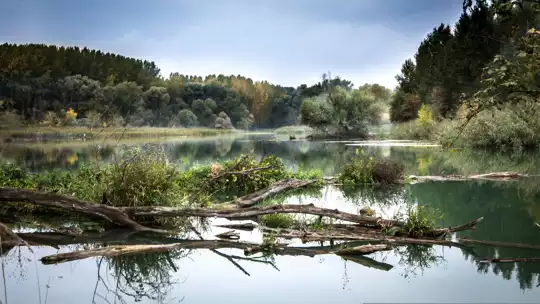
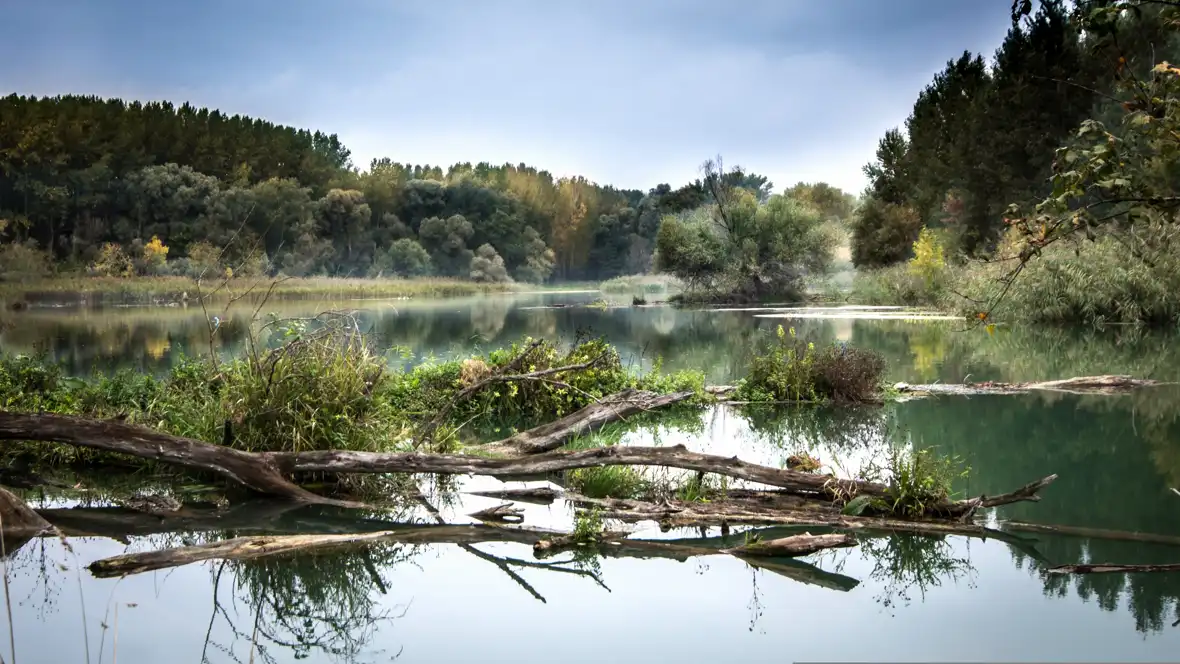
slovakia - pixabay - river-977476

💰 Costs (as of 2025)Prices, expenses, and money tips

€40-55 per day if you’re disciplined: dorm bed, supermarket-first meals with one hot bite, regional trains/buses, and one paid activity.
  • dorm accommodation: €12-20 in smaller towns; €18-30 in Bratislava most of the year, €25-35 on summer weekends. Expect a city tax of €1-3 per night, often collected in cash at check-in. System tip: in July-August, university dorms open to travelers and undercut hostels; book early and bring a towel to dodge rental fees. Tatras mountain huts can look “cheap,” but many push half-board—do the math before committing.
  • meals: Supermarket Survival: breakfast from a bakery counter, fruit, yogurt, and a deli roll keeps you at €6-10/day if your hostel kitchen exists and you actually use it. Street food reality: Old Town kebab/burger €5-8; daily lunch menus (denné menu) outside the tourist core run €6-9 and are the best value hot meal. Beer is €2-3 in cities, €1.50-2 in small towns. Cheaper than Austria by a mile, a touch pricier than Poland, roughly on par with Czech towns outside Prague.
  • local transport: Regional trains and buses are the cheapest unlock. Validate every city ticket; inspectors don’t bluff. City 24h passes hover around the price of two singles and
read more 👉
€40-55 per day if you’re disciplined: dorm bed, supermarket-first meals with one hot bite, regional trains/buses, and one paid activity.
  • dorm accommodation: €12-20 in smaller towns; €18-30 in Bratislava most of the year, €25-35 on summer weekends. Expect a city tax of €1-3 per night, often collected in cash at check-in. System tip: in July-August, university dorms open to travelers and undercut hostels; book early and bring a towel to dodge rental fees. Tatras mountain huts can look “cheap,” but many push half-board—do the math before committing.
  • meals: Supermarket Survival: breakfast from a bakery counter, fruit, yogurt, and a deli roll keeps you at €6-10/day if your hostel kitchen exists and you actually use it. Street food reality: Old Town kebab/burger €5-8; daily lunch menus (denné menu) outside the tourist core run €6-9 and are the best value hot meal. Beer is €2-3 in cities, €1.50-2 in small towns. Cheaper than Austria by a mile, a touch pricier than Poland, roughly on par with Czech towns outside Prague.
  • local transport: Regional trains and buses are the cheapest unlock. Validate every city ticket; inspectors don’t bluff. City 24h passes hover around the price of two singles and remove guesswork. Intercity rails: book Bratislava-Košice early for €9-15; walk-up can double. In the Tatras, the electric railway day ticket is the stress-free mover between trailheads. Luggage on regional buses may cost €0.50-1. Use app-based rides in Bratislava; street taxis pad meters. Overall cheaper than Austria, similar to Czech regionals, slightly above Poland.
  • activities: The big hitters are lifts, spas, and marquee caves. Tatras cable cars range from €20-55 return depending on the peak; aquaparks/thermal complexes ask €20-35 for a day; caves run €8-12 plus parking. Castles and open-air museums are sane (usually €5-15). National parks are free, but trailhead parking isn’t (€3-10). If you hike, buy mountain rescue insurance (€1-3/day) to avoid a ruinous bill—Slovakia charges for rescues. Free walking tours exist; tip what you’d pay for a mediocre museum.
  • miscellaneous: Budget leaks: ATM conversion screens—always charge in euros, not your home currency. Paid toilets in stations (€0.50). Bottle/can deposits (€0.15) are refunded if you return them. Some rural spots and mountain huts are cash-only; carry a cushion. SIM/data is pricier than Poland; an eSIM or regional plan beats kiosk upsells. Student discounts often require local/EU student status; don’t assume. Slovakia uses the euro, so crossing from Czechia/Poland adds FX friction you won’t have from Austria or Germany. Tap water is fine—stop buying bottles.
⚠️ Prices can change and everyone travels differently, so take this as a rough guide. Hope it helps you plan your adventure!

✈️ The backpacker research shortcutSlovakia Travel Guide

An offline-friendly backpacking guide with optimized travel routes, ranked highlights, transport advice, and the best areas to stay.
example page 0 from our offline Travel Guide for Slovakiaexample page 1 from our offline Travel Guide for Slovakiaexample page 2 from our offline Travel Guide for Slovakiaexample page 3 from our offline Travel Guide for Slovakiaexample page 4 from our offline Travel Guide for Slovakiaexample page 5 from our offline Travel Guide for Slovakiaexample page 6 from our offline Travel Guide for Slovakiaexample page 7 from our offline Travel Guide for Slovakia
The digital guide (301 pages) contains:
77 highlights, ranked by travel appeal
Optimized 5, 10 & 15-day travel routes
Cities, national parks, beaches, historical sites, ...
How to get around
Offline-friendly for travel without Wi-Fi
👉 Click to see all 30+ guide features

📅 Plan smarter in minutes, not weeks
Month by month travel advice
Festivals & national holidays
Budget expectations

🗺️ Go to the right places, skip the overrated ones
Honest pros & cons of destinations
Top hikes, parks & viewpoints
Lesser-known places most travelers miss
Clear “worth it vs skip it” guidance

🛏️ Travel smoothly without rookie mistakes
Best areas to stay
Transport systems explained simply
Common scams & safety advice
SIM cards, money & practical tips

🌍 Understand the country, not just visit it
Culture & traditions
52 Essential phrases & customs
Festivals worth planning around
Traveler-friendly historical context
Insights that make places more meaningful

📱 Built for real travel conditions
Fully downloadable PDF
Works completely offline
Optimized for phone use
Useful in remote areas & buses
Everything in one place
Save weeks of stressful planning
Get instant access to the full guide directly. 30-day money-back guarantee.


Sent to your inbox immediately after payment • 100% Secure Checkout
Best Backpacking Travel Advisor 2025 tourism awardBest Backpacking
Travel Advisor
2025
What others say about Take Your Backpack Guides:
⭐⭐⭐⭐⭐
Fantastic, amazing amount of information!
⭐⭐⭐⭐⭐
My goodness this is amazing, it's what I've been looking for hats off too you!
⭐⭐⭐⭐⭐
I think this is absolutely BRILLIANT
⭐⭐⭐⭐
Very complete and informative. It's still missing places, but I gotta to commend you
⭐⭐⭐⭐⭐
This is truly amazing, thank you, can't wait to explore it with my kids!
⭐⭐⭐⭐⭐
Awesome resource, thank you!
⭐⭐⭐⭐⭐
This is amazing! Can't wait to explore the ones I haven't seen
⭐⭐⭐⭐
I love this! Well done, great idea.
⭐⭐⭐⭐⭐
Thanks for taking the time to make this gem!
⭐⭐⭐⭐⭐
This might be the best website I've ever seen.
⭐⭐⭐⭐⭐
Congratulations, and thank you so much for your work; it's incredibly valuable.
⭐⭐⭐⭐
In all seriousness I think you did a great job pointing out the important spots
⭐⭐⭐⭐⭐
10/10 very good
⭐⭐⭐⭐⭐
As someone who's only just starting to visit regularly this is awesome, thank you.
⭐⭐⭐⭐
Thank you very much! I'm going to visit my dad, it's going to be very useful!
⭐⭐⭐⭐⭐
This is really cool! We'll be travelling for the first time and this definitely come in handy.
⭐⭐⭐⭐⭐
You are now our minister of culture, congratulations 👨‍💼
⭐⭐⭐⭐⭐
Just wanted to tell you that this is a pearl! Going to follow your recommendations.
⭐⭐⭐⭐⭐
This is so cool. I'll definitely be using the resource for my travels soon.
⭐⭐⭐⭐⭐
This is very impressive! Good work.
⭐⭐⭐⭐⭐
This is an amazing and informative site. Very well done!

🛏️ Where to stay?Accommodation types and options

Yes — hostels and budget accommodation are widely available across Slovakia in major cities, mountain villages and university towns; look especially in Bratislava Old Town and Petržalka, Košice city centre, High Tatras hotspots like Tatranská Lomnica, Starý Smokovec and Štrbské Pleso, plus university towns such as Žilina and Banská Bystrica.
Old Towns give best access to sights and nightlife but cost more; Petržalka and station-front areas are cheaper but less walkable; High Tatras villages sit closest to trails and are budget-friendly off-season but are seasonal and sometimes basic; university … read more 👉
Yes — hostels and budget accommodation are widely available across Slovakia in major cities, mountain villages and university towns; look especially in Bratislava Old Town and Petržalka, Košice city centre, High Tatras hotspots like Tatranská Lomnica, Starý Smokovec and Štrbské Pleso, plus university towns such as Žilina and Banská Bystrica.
Old Towns give best access to sights and nightlife but cost more; Petržalka and station-front areas are cheaper but less walkable; High Tatras villages sit closest to trails and are budget-friendly off-season but are seasonal and sometimes basic; university towns deliver steady low-cost options and usually quieter nights.

If you enjoy meeting fellow travelers, consider choosing hostels with high ratings for atmosphere. On the other hand, if you prefer having your own space, a hotel might be a better option.

🚌 Getting aroundWhat moving around is really like

Slovakia moves by timetable and habit. Trains keep a steady beat, buses flex around school bells and factory shifts, and Sundays go quiet early. If you ride the rhythm—catch the morning flow, respect the last departure—you glide. Fight it, and you burn daylight waiting under a tin shelter with the wind off the hills.
  • Trains (ZSSK) The Efficiency Trade-off: InterCity on the west-east spine is the time saver—fast, reserved seats, a small supplement, fewer stops. Express and regional trains cost less
read more 👉
Slovakia moves by timetable and habit. Trains keep a steady beat, buses flex around school bells and factory shifts, and Sundays go quiet early. If you ride the rhythm—catch the morning flow, respect the last departure—you glide. Fight it, and you burn daylight waiting under a tin shelter with the wind off the hills.
  • Trains (ZSSK) The Efficiency Trade-off: InterCity on the west-east spine is the time saver—fast, reserved seats, a small supplement, fewer stops. Express and regional trains cost less and let you hop on with no reservation, but add 30-90 minutes across the country and drift more on tight connections. Seat tags above the windows tell you if a place is booked. Doors need the green light and a firm button push. Carry a buffer; the timetable is honest, but not Swiss.
  • Regional Buses (SAD) The Geometric Unlock: Buses stitch the gaps trains ignore—valleys in Orava, trailheads in Slovak Paradise, villages tucked off the main line. They run for commuters, not you, so midday gaps are real and Sunday service thins to bone. Buy from the driver with small cash, expect a coin or two for luggage, wave assertively at the stop or they may roll by. Timetables use letter codes for school days and holidays; those codes matter more than the minute hand.
  • City Trams and Buses (MHD) The Social Fabric: You validate the moment you board. No validation means a fine, and inspectors work in plain clothes, especially in Bratislava and Košice. People queue at the doors, keep voices low, and give up seats without drama. Backpacks off in the crush. Drivers do not hold for runners; doors shut when they shut. Short timed tickets are cheap and enough for most hops, but night lines thin out; plan your last ride before the pubs empty.
  • Long-Distance Coaches (RegioJet, FlixBus, Leo Express) The Budget Disruptor: On key corridors these undercut rail, often by half if you buy early. Wi-Fi and a reserved seat are standard; the catch is highway traffic and oddball terminals on city edges. Luggage fees and dynamic pricing nibble at savings if you book late. Night runs can replace a hostel night, but winter on the D1 means slow miles; do not stack a tight connection after a dawn arrival.

Master tactical tip: Build your route on the Bratislava-Žilina-Poprad-Košice rail spine, then fan out by regional bus for the last 10-30 km, always planning your day backward from the final bus home so you never pay for a stranded taxi.
Distance: Bratislava Airport (BTS) is about 9 km (5.6 miles) from the city center.

Public transport (quick, cheap, and frequent)
  • Bus 61 (daytime) — Runs from “Letisko” (airport) to Hlavná stanica (Main Railway Station), with easy transfers to trams for the Old Town.

    Time: 25-40 minutes to the center, depending on traffic and your transfer.

    Cost: A 60-minute city ticket (zones 100+101) is about €1.60; a 30-minute ticket (about €1.20) can be enough if your trip and transfer are quick.

    Frequency: Every 7-10 minutes most of the day, less often late evening.
  • Night bus N61 — Covers the same corridor overnight when regular lines pause.

    Time: 25-40 minutes.

    Cost: Same city ticket as above (time-based).

    Frequency: Typically every 30 minutes through the night.
  • Bus 96 (alternative) — Heads to Petržalka (south of the center). Useful if you’re staying there; otherwise Bus 61 is better for the Old Town/train station.

    Time: 25-40 minutes (center requires a transfer).

    Cost: Same city ticket (zones 100+101).

Where to buy/validate tickets
  • Ticket machines are right by the airport bus stop; most accept cards. You can also buy onboard with a contactless bank card at the validator.
  • Tickets are time-based and cover transfers within their validity (30 or 60 minutes are the common choices for this trip). Validate paper tickets as you board; for contactless, tap on when boarding.
  • If you plan several rides the same day, a 24-hour city ticket is good value (roughly €4-€5).

Taxi and ride-hailing

Time: 15-25 minutes, traffic permitting.

Cost: App rides (Bolt/Uber/HOPIN) typically €12-€20 to the Old Town; the airport taxi rank can be higher, around €20-€30. Pre-booking or using an app usually gets the best price.
⚠️ Prices and routes can change, so take this as a rough guide and ask for local advice when you arrive.

🔒 Safety (risk Level: low)Staying safe while traveling

Safety for solo travelers, including women and LGBTQ+ individuals
Slovakia is generally safe for solo travelers, including women and LGBTQ+ individuals. Most urban areas like Bratislava are open-minded, but rural areas may be more conservative, so exercise discretion. Public transportation is reliable and safe, but always keep an eye on your belongings to avoid petty theft. While the LGBTQ+ scene isn’t as prominent as in other European countries, being discreet can help ensure a smooth experience.


Full official government travel advisory (live updates)
View details 👉

✈️ VisaDo you need a visa to visit?

Most travelers from the EU, US, Canada, Australia, and New Zealand don’t need a visa for stays up to 90 days in Slovakia. If you’re not from one of these regions, check the Slovak embassy’s website for specific visa requirements and application procedures. Always verify current regulations, as they can change.
⚠️ Visa requirements can change over time, so always check the latest visa requirements with the official embassy or government website before you travel.

🎒 What to pack?What to wear and bring

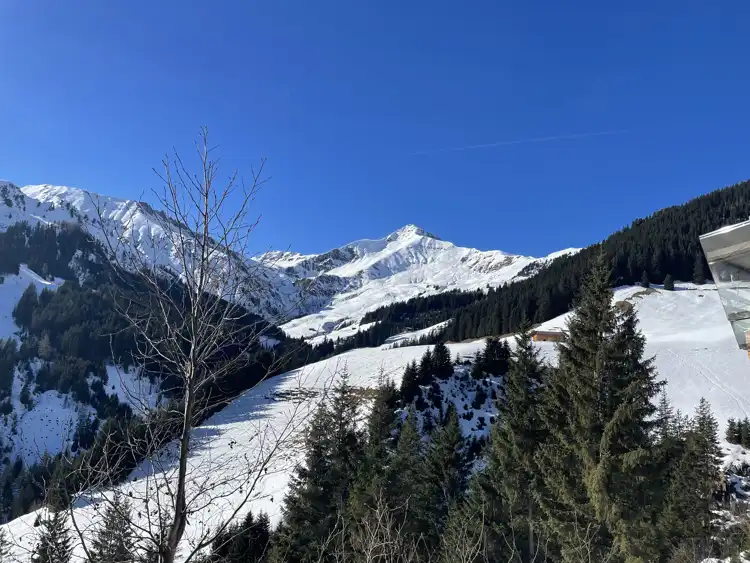
Keep in mind Slovakia’s pretty diverse climate and terrain when you’re packing. Winters can get super chilly, especially in the Tatras, so layers are your best buddy. Summers are usually warm, but rain’s a frequent guest, so a lightweight rain jacket is a smart addition. If you’re planning on hiking, which is a must, sturdy boots are essential for those rocky trails. While Slovakia is pretty relaxed about clothing, remember that some churches and religious sites might expect modest attire, so pack accordingly if you plan to visit those.

Apart from this country specific advice, I have also crafted a general packing list that should help on any trip. authorOver the years, I've learned the importance of packing minimally. It's so much easier to jump on the back of a truck or squeeze yourself into the last spot of a minibus without that supersized backpack. If you're headed to a warm destination, leave your winter jacket at home; for colder regions, opt for thin thermal underlayers. Instead of packing your entire wardrobe, bring just three sets of clothes, as laundry facilities are available everywhere.
View the full list 👉
🎒 Planning the practical side of your trip?
Get detailed information on transport, daily budgets, internet access, local customs, food, language, and other essentials in the complete Travel Guide.

Get detailed practical information 👉

Get the Travel Guide -

🙋 FAQCommon questions before visiting

Trip Planning


Personal tip: I normally search on good rating for atmosphere (for meeting people) and location (for easy exploring). Cleanliness as a bonus.


Travel Essentials

Hepatitis A and B vaccines are recommended for travelers to Slovakia. Make sure your routine vaccines (MMR, DPT, Varicella, Polio) are up to date. Consider a rabies vaccine if you’ll be in contact with animals or spending a lot of time outdoors. Tick-borne encephalitis is worth considering if you’ll be hiking or camping, especially in forested areas. Always consult with a healthcare provider before traveling.


vaccination requirements
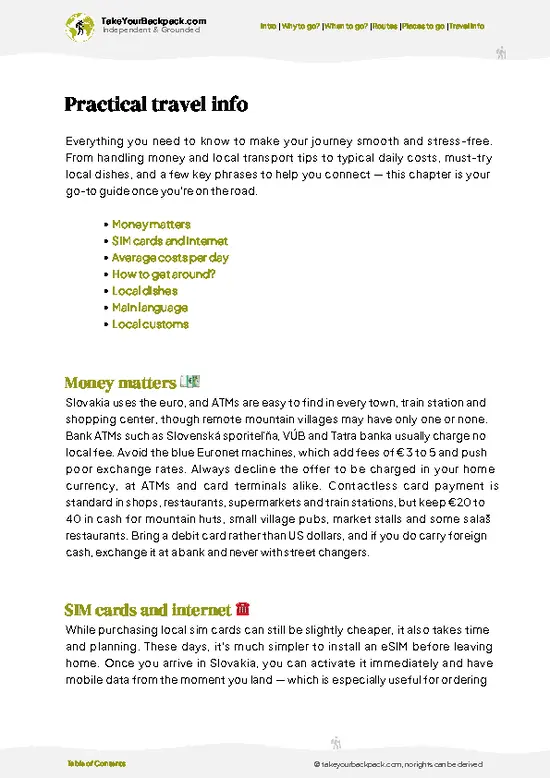
When I first started traveling, I often spent part of my first day in a new country hunting for a local SIM card. While this can still be slightly cheaper, it also takes time and planning.

These days, it's much simpler to install an eSIM before leaving home. Once you arrive in Slovakia, you can activate it immediately and have mobile data from the moment you land — which is especially useful for ordering transport or navigating away from busy airports.

There are many providers nowadays, and price differences are usually small. I personally go with Airalo, as it offers excellent network coverage throughout the country and strong global coverage, so you can manage multiple countries from a single app.


Get your e-sim for Slovakia

Culture & Customs

Respect personal space and greet with a firm handshake. Slovaks appreciate punctuality, so be on time. Dress modestly, especially when visiting churches. When entering someone’s home, remove your shoes unless told otherwise. Public displays of affection are generally accepted but keep it low-key outside urban areas.

For LGBTQ+ travelers, Slovakia is relatively conservative, so discretion is advised, especially in rural areas. Women generally travel safely, but it’s wise to stay in well-lit areas at night. Avoid discussing politics or religion unless you’re familiar with the local context. Tipping around 10% in restaurants is customary.
Trying traditional food is always a great way to experience the culture. Here are some must-try dishes for Slovakia.
  • Bryndzové halušky: These are potato dumplings covered in a creamy sheep cheese sauce and topped with crispy bacon bits. It’s a hearty and comforting dish, often considered Slovakia’s national dish, reflecting the country’s love for simple, yet rich flavors.
  • Kapor na Štedrý večer: Traditionally served on Christmas Eve, this dish features carp, typically breaded and fried. It’s a staple in Slovak holiday feasts and reflects the country’s religious and cultural traditions.
  • Kapustnica: This is a sauerkraut soup with sausages, mushrooms, and sometimes dried plums. It’s a must-try for a taste of Slovak winter comfort food, often enjoyed during festive periods.
  • Lokše: Thin potato pancakes that are either savory, filled with duck meat or liver, or sweet, with poppy seeds or jam. They’re a versatile and beloved street food, showcasing the adaptability of Slovak cuisine.
  • Zemiakové placky: Crispy potato pancakes that are a common and beloved snack. They’re a testament to the Slovak affinity for potatoes, showing up in a crunchy, delicious form that pairs well with sour cream or garlic.
Tap water in Slovakia is generally safe to drink, and locals drink it regularly. Tourists can usually drink it too, but if you’re cautious, bottled or filtered water is an easy alternative. In rural areas, double-check or stick to bottled water just to be safe.
The main language in Slovakia is Slovak. Backpacking is way more rewarding if you know a bit of the local language, so I'd suggest brushing up on the basics just in case your Slovak skills have become a bit rusty.

Want to understand locals better?
The complete Travel Guide for Slovakia includes 52 essential words and phrases — greetings, thank-yous, ordering food, transport, numbers, and common local expressions you'll actually hear.

Get your local basic phrases 👉

Get the Travel Guide -


In Slovakia, English proficiency varies by region and demographic. In urban areas like Bratislava, the capital, and other larger cities, many younger people, especially those in the service industry, speak English quite well. This is particularly true among students, professionals, and those working in tourism, where English is often a requirement.

In rural areas, however, English may not be as commonly spoken, and interactions might be more challenging, especially with older generations who may not have had the opportunity to learn the language. In these regions, basic phrases in Slovak can be helpful, as locals may not be as comfortable communicating in English.

Overall, while English is widely understood in many parts of Slovakia, travelers may find varying levels of proficiency depending on the location and context. It’s advisable to approach conversations with patience and a willingness to use a translation app or learn a few Slovak phrases to enhance communication.

Money & Payments

The local currency of Slovakia is EUR (€).

ATMs are widely available in Slovakia, even in smaller towns, so you won’t have much trouble accessing cash. Most machines will offer instructions in English. It’s best to withdraw euros since that’s the local currency; avoid USD as they won’t do you much good here.

Carrying a bit of cash is wise as some smaller shops and rural areas may not accept cards. However, cards are generally accepted in bigger cities and tourist hotspots. If you do need to exchange money, stick to banks or official exchange offices, and steer clear of airport exchanges due to poor rates.

To avoid fees, check with your bank about international withdrawal charges before you go. Also, Slovakia is pretty card-friendly, but having some euros in your pocket can save you a headache in a pinch.

In Slovakia, tipping isn’t mandatory but appreciated, typically around 5-10% for good service in restaurants and cafes. Round up taxi fares or leave small change for bartenders. Locals may simply round up the bill rather than calculating a precise percentage.

🧩 Nearby countriesOther countries to combine with Slovakia

We 💚 feedbackThe bottom line on traveling here

Slovakia pays back effort. Trains are cheap but slow; buses plug the gaps. Validate city tickets—inspectors work quietly and fines sting. Carry cash for huts and village pubs, and expect museums to shut on Mondays. Start mountain days early; storms build after lunch, and mountain rescue isn’t free, so have coverage. English thins outside cities, but people are kind if you try. Strategic tip: base in one region and run day loops. You’ll save transfers, eat better, and actually see more.

✍️ Help improve this page!
The information on this page is based on in-depth research, insights shared by experienced travelers, and feedback from the local travel community in Slovakia. While every effort is made to keep the information accurate and current, conditions can change — so if you spot anything incorrect or outdated, please get in touch.


🙋‍♂️ Give feedback

👋 Meet the founderWho’s Behind Take Your Backpack?

Johan, backpacker and founder of TakeYourBackpackHi, I’m Johan (Netherlands 🇳🇱), the creator of TakeYourBackpack. Over the past decade, I’ve backpacked through 80+ countries across six continents, gaining extensive experience with independent travel, long-term trips, and overland routes.

This site is built on a combination of firsthand travel experience and carefully curated insights from other backpackers. Many guides are based on places I’ve personally visited, while others bring together tips, observations, and practical advice shared by trusted travelers I’ve met along the way.

The goal is to provide realistic, experience-driven guidance — not generic itineraries — so you can explore destinations with better context, clearer expectations, and more confidence.

Get full Slovakia guide •
Instant download • 77 highlights • Full Offline guide