×
Indonesia 🇮🇩

backpacking Asia Indonesia 🇮🇩Island-hop endlessly through wildly varied cultures and landscapes.

Explore IndiaExplore Iran

Backpacking Indonesia in 2026

A complete guide including when and where to go, costs, transport, itineraries, and practical travel advice.
Traveling in Indonesia: what to expect

Backpacking Indonesia
By Johan Kruseman 🇳🇱 | Updated June 3, 2026

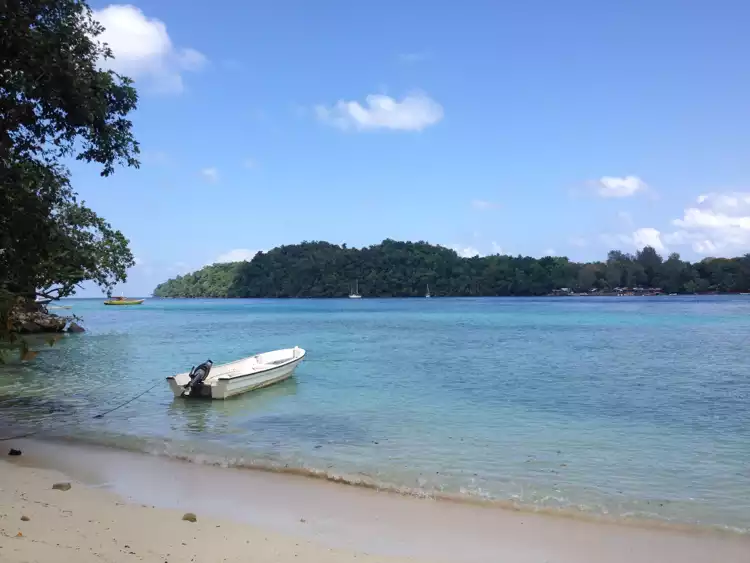
Ride the public boat from Jakarta’s Muara Angke to Pulau Pari and camp on sugar‑fine sand for less than your airport coffee. It’s the capital’s easiest escape to clear water and grilled fish on paper plates—no resort markup, just sea breeze and a rented tent. More importantly, it teaches Indonesia’s rhythm: ferries, patience, and simple rewards earned with small effort.

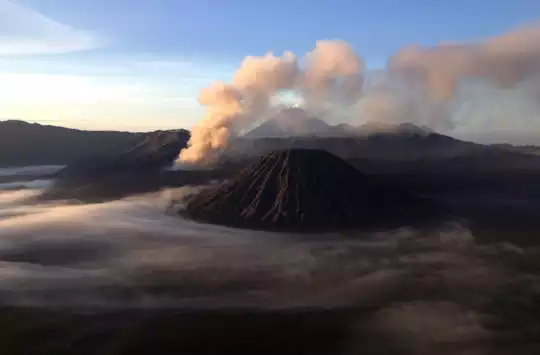
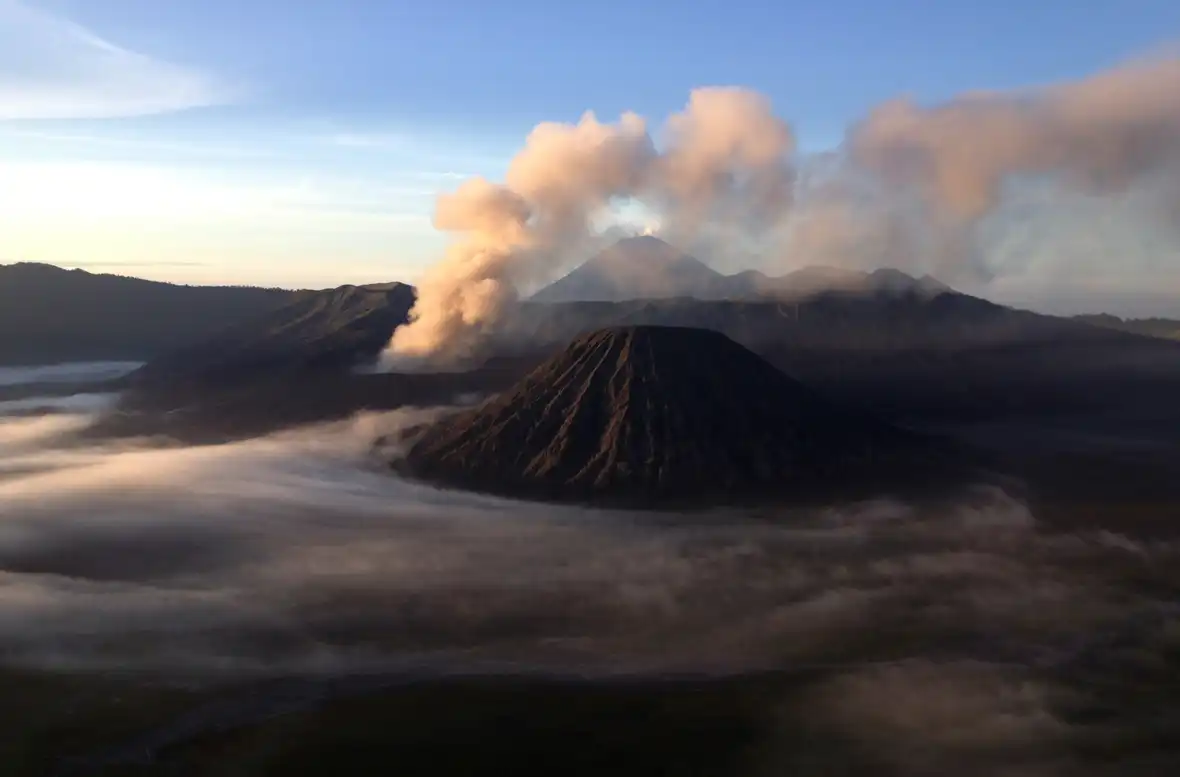
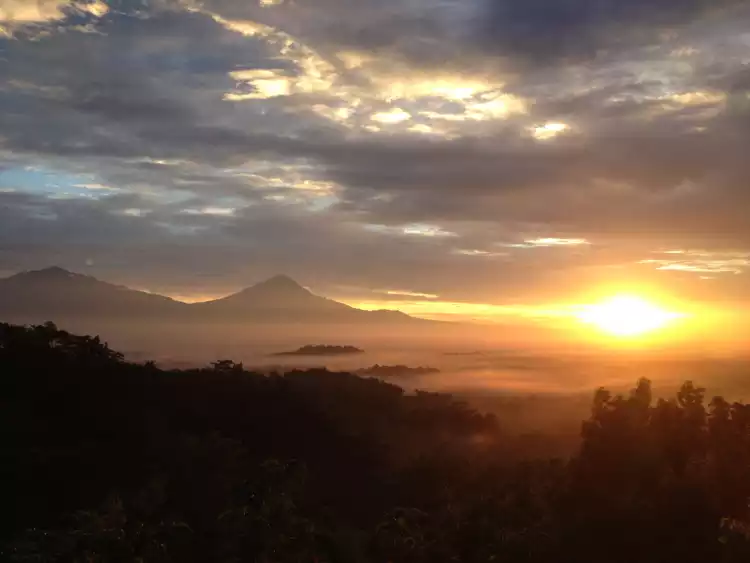
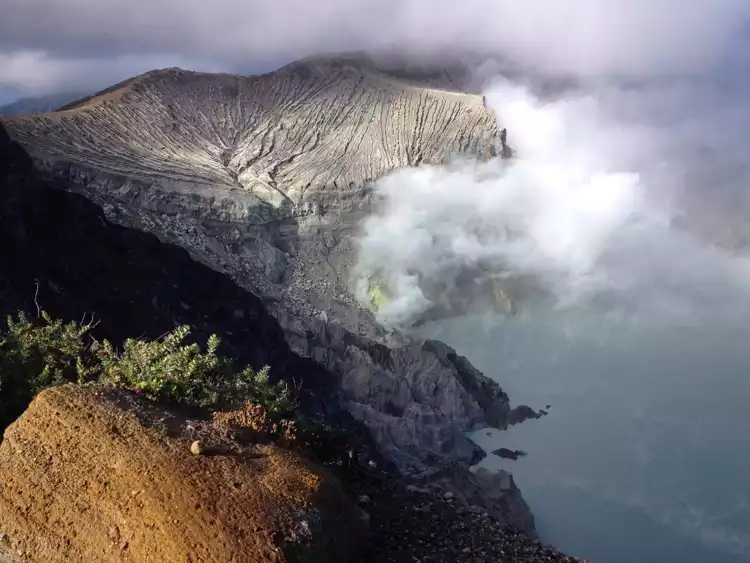
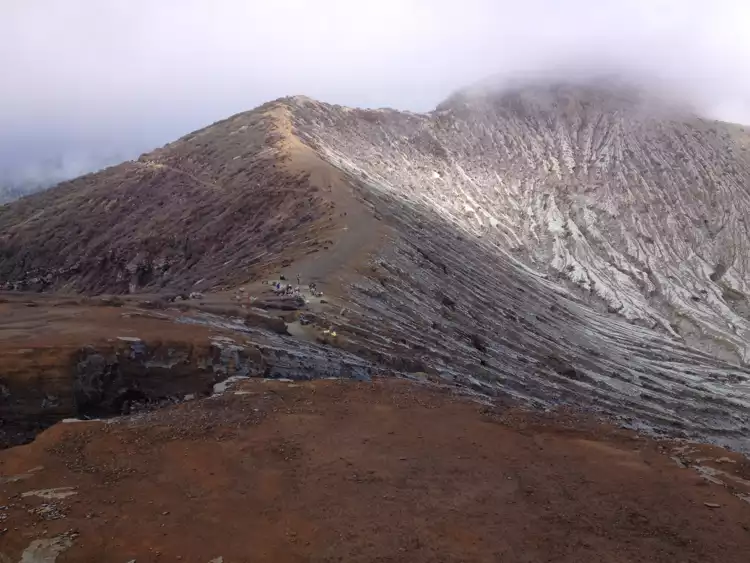
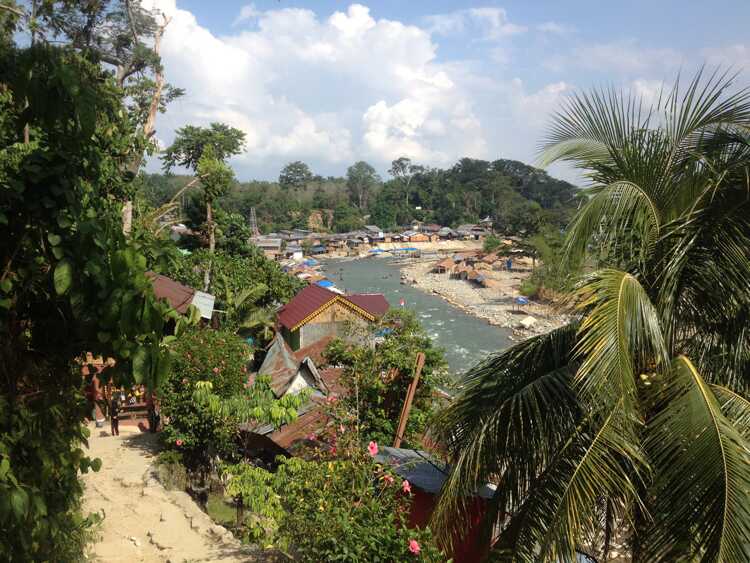
Travel here works best when you move with intent. Beat the sunrise to watch Mt. Bromo’s caldera glow, then ride a motorbike past clove trees to Ijen’s electric crater; trade the crowd’s tripod forest for a side ridge and you’ll hear the volcano breathe. In Yogyakarta, skip staged dinners and follow the clang of real gamelan into a neighborhood pendopo; batik smells like warm wax and time slows under shadow-puppet light. On Sumatra’s edge at Bukit Lawang, a humid climb puts you eye‑level with orangutans—your legs will complain, your grin won’t. In Flores, warungs ladle smoky ikan bakar and sambal that wakes your bones before you jump with manta rays off Komodo; on Sulawesi, buffalo bells and soaring tongkonan roofs turn a market day in Tana Toraja into living heritage. Java hums at prayer, clove smoke and kretek mingle with the hiss of street woks, and every ferry deck becomes a classroom in how this archipelago connects.

Yes, Bali’s surf towns gouge prices and scooter traffic crawls; temple fees stack up, dawn tours crowd viewpoints, plastic sometimes rides the tide, and delays stretch a “three-hour” hop into an all-day shuffle. But here, friction polishes the experience. Early alarms sharpen the light; the long boat teaches patience; choosing alley warungs over big-name cafés saves cash and starts conversations. The miles you earn make the country feel like yours.

Compared with Thailand’s polished tourist circuit, Malaysia’s tidy infrastructure, or the Philippines’ English-easy island hops, Indonesia asks more of your legs and your planning—and pays you back with deeper texture and wilder variety. … read more 👉
Ride the public boat from Jakarta’s Muara Angke to Pulau Pari and camp on sugar‑fine sand for less than your airport coffee. It’s the capital’s easiest escape to clear water and grilled fish on paper plates—no resort markup, just sea breeze and a rented tent. More importantly, it teaches Indonesia’s rhythm: ferries, patience, and simple rewards earned with small effort.

Travel here works best when you move with intent. Beat the sunrise to watch Mt. Bromo’s caldera glow, then ride a motorbike past clove trees to Ijen’s electric crater; trade the crowd’s tripod forest for a side ridge and you’ll hear the volcano breathe. In Yogyakarta, skip staged dinners and follow the clang of real gamelan into a neighborhood pendopo; batik smells like warm wax and time slows under shadow-puppet light. On Sumatra’s edge at Bukit Lawang, a humid climb puts you eye‑level with orangutans—your legs will complain, your grin won’t. In Flores, warungs ladle smoky ikan bakar and sambal that wakes your bones before you jump with manta rays off Komodo; on Sulawesi, buffalo bells and soaring tongkonan roofs turn a market day in Tana Toraja into living heritage. Java hums at prayer, clove smoke and kretek mingle with the hiss of street woks, and every ferry deck becomes a classroom in how this archipelago connects.

Yes, Bali’s surf towns gouge prices and scooter traffic crawls; temple fees stack up, dawn tours crowd viewpoints, plastic sometimes rides the tide, and delays stretch a “three-hour” hop into an all-day shuffle. But here, friction polishes the experience. Early alarms sharpen the light; the long boat teaches patience; choosing alley warungs over big-name cafés saves cash and starts conversations. The miles you earn make the country feel like yours.

Compared with Thailand’s polished tourist circuit, Malaysia’s tidy infrastructure, or the Philippines’ English-easy island hops, Indonesia asks more of your legs and your planning—and pays you back with deeper texture and wilder variety. Come if you’re the backpacker who likes to move, to sweat for big views, to trade convenience for character, and to let a ferry timetable—not an app—set the day.

👉 Get the 📖 Travel Guide of Indonesia

Java: The Rail-and-Volcano Spine (Jakarta–Yogyakarta–Bromo–Ijen–Bali ferry)

The feed shows Bromo at sunrise with a crowd. The real win is a headlamp hike onto a side ridge and a quiet hour watching the caldera breathe. Start in Jakarta or fly to Yogyakarta; trains are straightforward and cheap, 7–8 hours between major cities with assigned seats and AC. Yogya rewards walkers and eaters—alley workshops, batik courtyards, street carts where the good stuff sells out by 9 p.m. Push east: midnight jeep to Bromo, then a 2 a.m. climb through sulfur at Ijen. Drop to Banyuwangi and take the 30–60 minute ferry to Bali. This spine suits first-timers who like structure and can wake before dawn.

Bali: Basecamp, not a Shortcut

Instagram sells swings and villas; the truth is mid-day gridlock and prices 20–40% higher than Java. Beat it by moving early, choosing one base, and respecting the rhythms of ceremony. Ubud north gives you rice terrace walks and craft compounds; Amed or Pemuteran give quiet coast dives and empty roads at sunrise; Canggu is social but clogged—own that choice. Ride a scooter or you’ll bleed time and cash on taxis. Carry a sarong for temples, step aside for processions, eat at family warungs. Bali pays back slower travelers, remote workers, and anyone who trades three rushed day trips for one deep week.

Lombok & The Gilis: Surf, Summit, Slow Boats

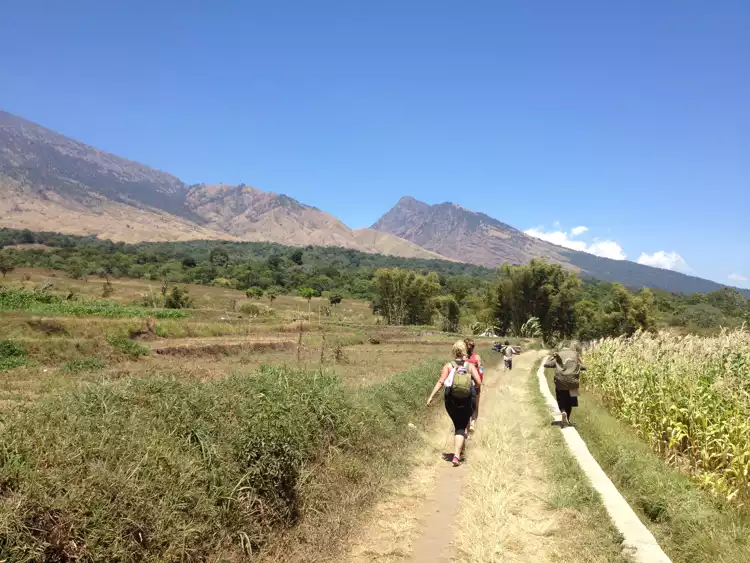
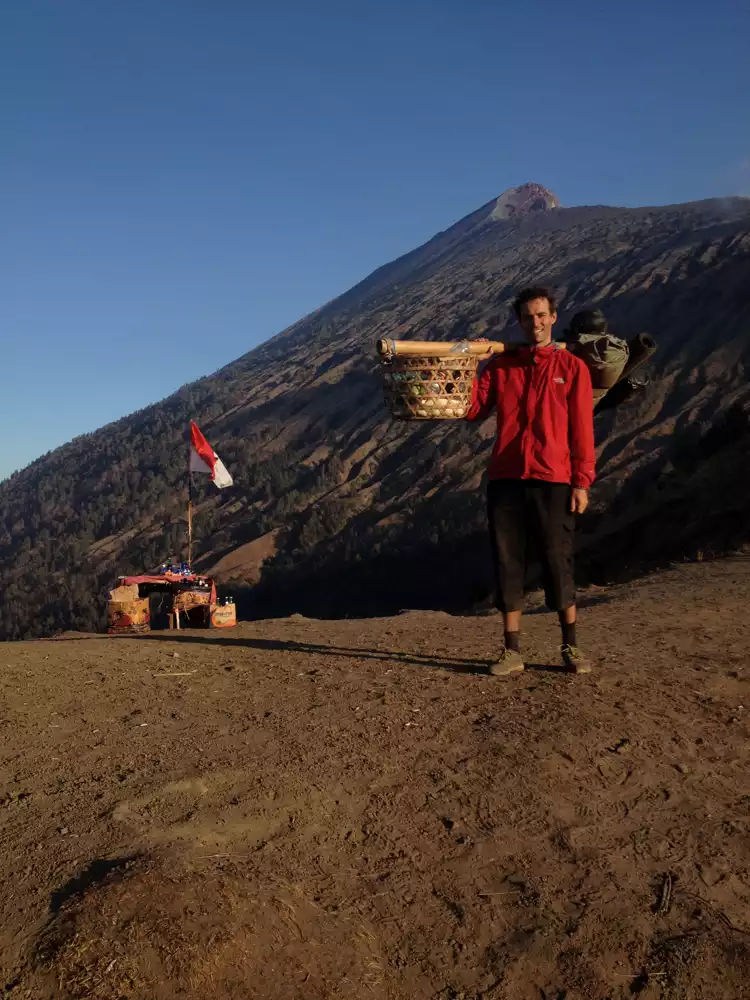
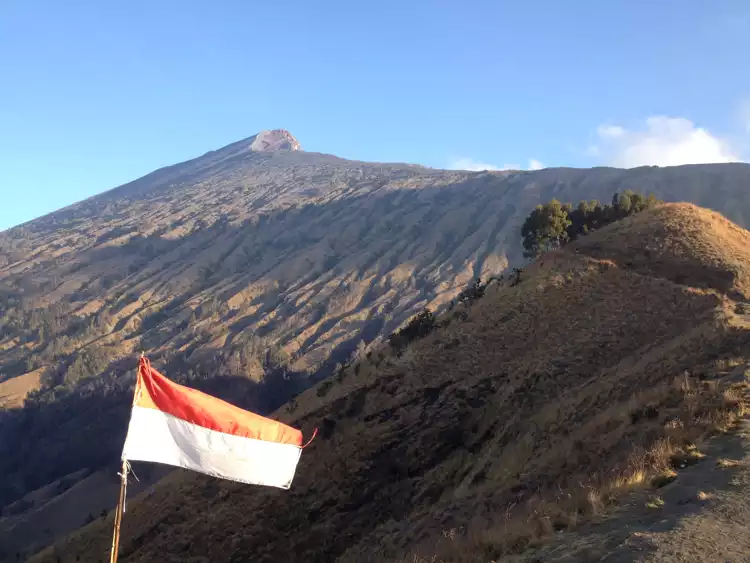
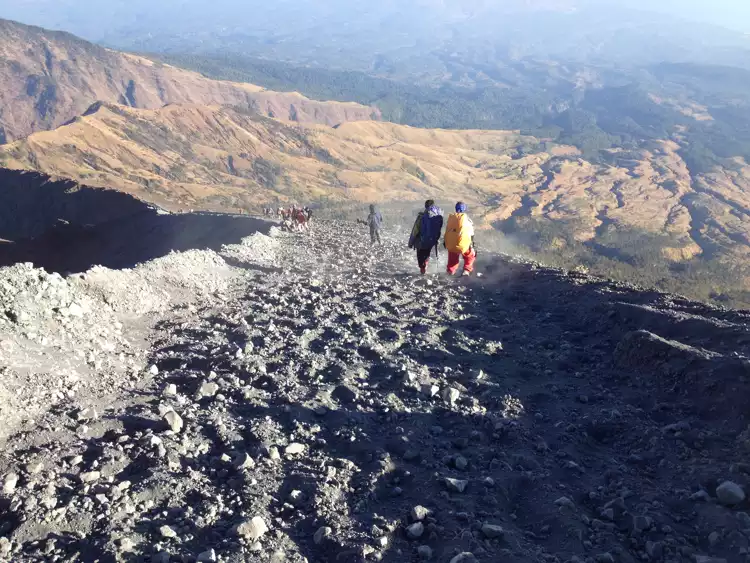
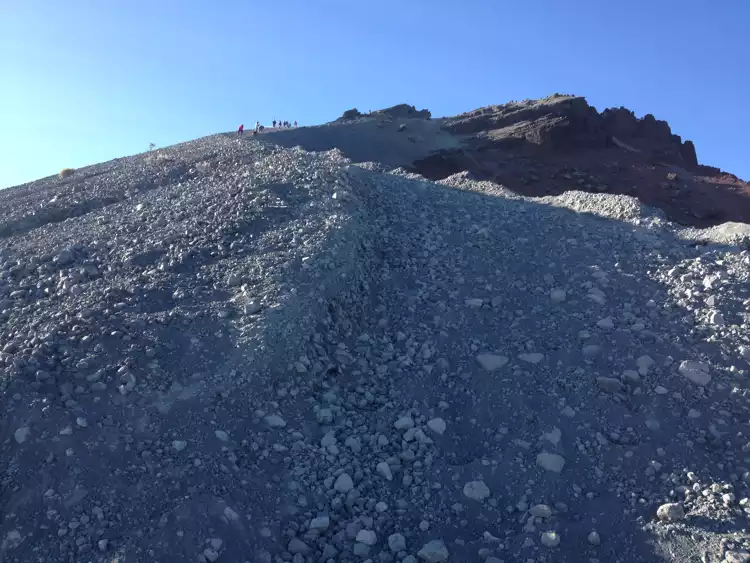
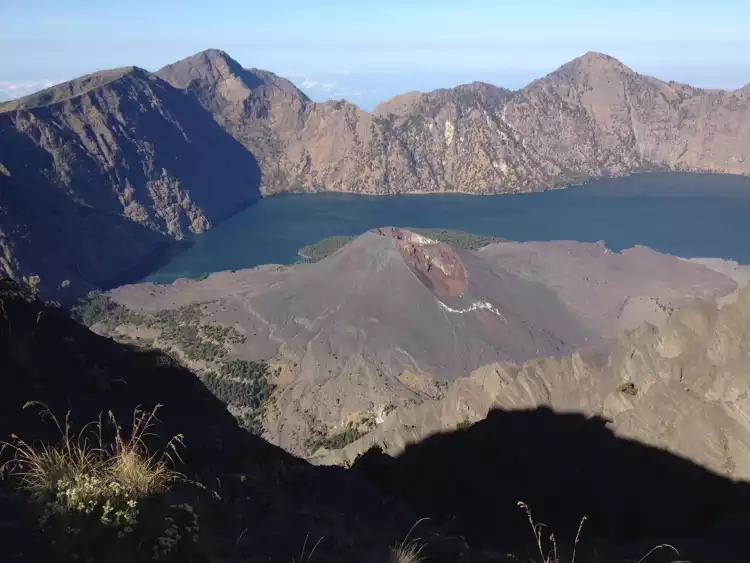
Lombok moves on village time and mosque calls. Dress modestly off the beach, smile often, and you’re in. South Lombok serves reef breaks without Bali crowds; the Rinjani trek is a lung-burner with cold nights, guided only, not cheap but worth the legs. The Gilis run on foot and bicycle—Trawangan parties, Air chats, Meno dozes. Fast boats from Bali cancel when swells hit; the public ferry Padangbai–Lembar (4–6 hours) is the reliable backbone. Cash matters on smaller islands; ATMs aren’t everywhere. This run rewards surfers, hikers, and divers who accept boat schedules and carry patience with their fins.

Flores & Komodo: One Road, Big Payoff

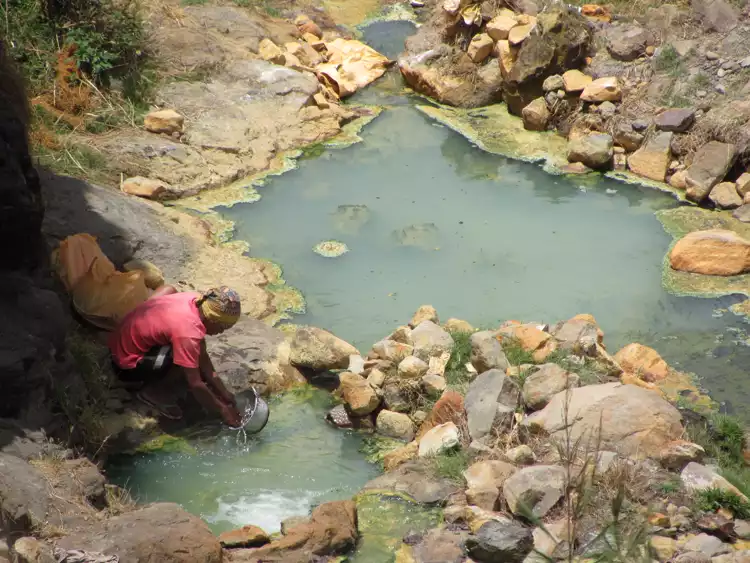
Labuan Bajo is busy and pricier, and park fees for Komodo sting. Skip the midday flotilla: sleep on a wooden boat, hit manta cleaning stations at dawn, walk with dragons on Rinca as the first ranger unlocks the gate. Then take the Trans-Flores road east—switchbacks, slow trucks, and grand scenery you earn curve by curve. Bajawa’s hot springs, megalith villages, and smoky coffee; Moni for a pre-dawn push to Kelimutu’s crater lakes. Shared cars beat buses; rides are 6–10 hours and worth it. This route suits patient travelers who can stomach swells and motion and value real conversations over easy miles.

North Sumatra: Orangutans to Volcano Lakes (Medan–Bukit Lawang–Berastagi–Lake Toba)

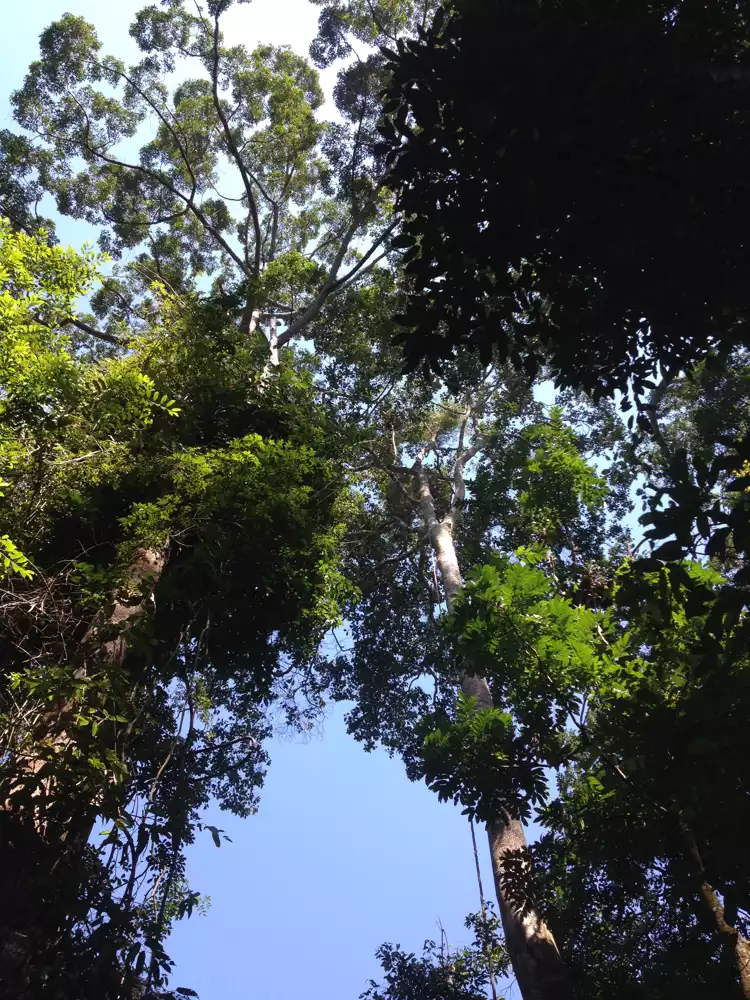
The glossy take is a selfie with an orangutan; the honest way is a sweaty jungle walk with guides who don’t bait or touch. Bukit Lawang packs out near the trailhead—keep walking and the crowd fades. Shift to Berastagi for a sulfur-crusted stomp up Sibayak at dawn, then ride shared cars to Lake Toba. Samosir Island runs on slow pedals, Batak music, and smoky lake fish. Medan is your hub; minivans run 4–6 hours on bumpy roads with assertive drivers. Rooms stay affordable, food is hearty. This spine favors travelers who trade polish for substance and can roll with long, imperfect transit.
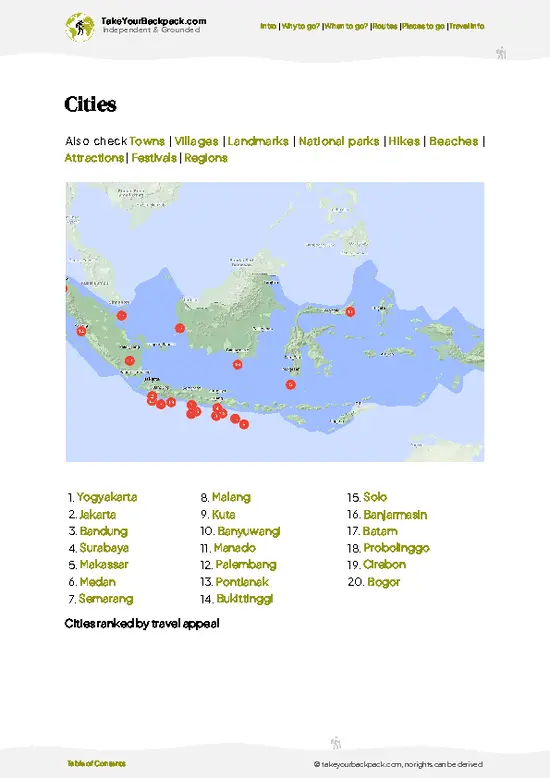
Geography and where places are located
Loading the map 🌍
CLICK TO FILTER
city
town
unique site
national park
hike
beach
attraction
festival
region
SHOW COUNTRY’S BESTSHOW ALL
film
0
0
0a
Nihiwatu Beach
film
1
1
1a
Karimunjawa Islands
film
2
2
2a
Tanjung Bira Beach
film
3
3
3a
Pantai Ora
film
4
4
4a
Pulau Weh
film
5
5
5a
Soge Beach
film
6
6
6a
Jakarta
film
7
7
7a
Malang
film
8
8
8a
Mount Bromo
film
9
9
9a
Ijen Crater
film
10
10
10a
Gunung Merbabu
film
11
11
11a
Komodo
film
12
12
12a
Bromo Tengger Semeru
film
13
13
13a
Tanjung Puting
film
14
14
14a
Kelimutu
film
15
15
15a
Raja Ampat Islands
film
16
16
16a
Gili Islands
film
17
17
17a
Papua
film
18
18
18a
West Papua
film
19
19
19a
Fakfak
film
20
20
20a
Borobodur
Pixabay
film
21
21
21a
Lake Toba
film
22
22
22a
Labuan Cermin Lake
film
23
23
23a
Sikidang Crater

Why go?What draws travelers here

Scenery

Indonesia’s postcards lie by omission. Sunrise decks clog with tripods, parking fees stack up, and the … read more 👉
Indonesia’s postcards lie by omission. Sunrise decks clog with tripods, parking fees stack up, and the “easy” views on Bali cost like Southern Europe in high season while Komodo boats can eat a Java week’s budget in two days. Go anyway. The real magic lands when you move your legs and earn the view.

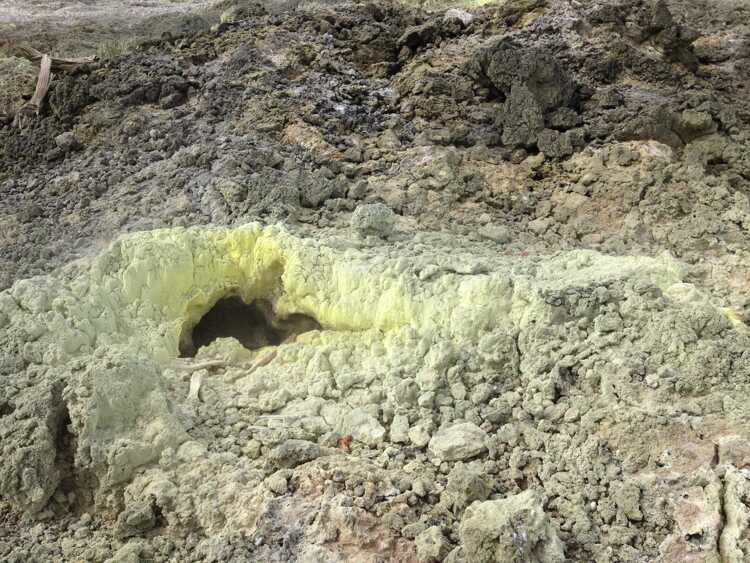
Start before dawn and climb. Bromo’s ridge grinds your calves, then the caldera opens like a living machine—sand seas, rumble, smoke. Ijen’s sulfur stings your throat and eyes, but the crater lake glows otherworldly once the wind shifts. Pro tip: bring a real respirator, not the tourist cloth mask, and go on a weekday to thin the line into the crater.

Jomblang’s cave drops you by rope into a cathedral of light; time it for the late morning beam. Lake Toba rewards the night bus with cool air, pine, and quiet shoreline miles beyond any resort strip. Baluran’s parched savannah and skittish deer feel like a budget safari if you roll in at first light.

Walk one ridge past any railing. Rent the scooter. Take the long ferry. The crowds fade; the view stops posing and starts breathing.

People

Forget the postcard grin. In Indonesia, people don’t perform niceness—they close the distance. Kids … read more 👉
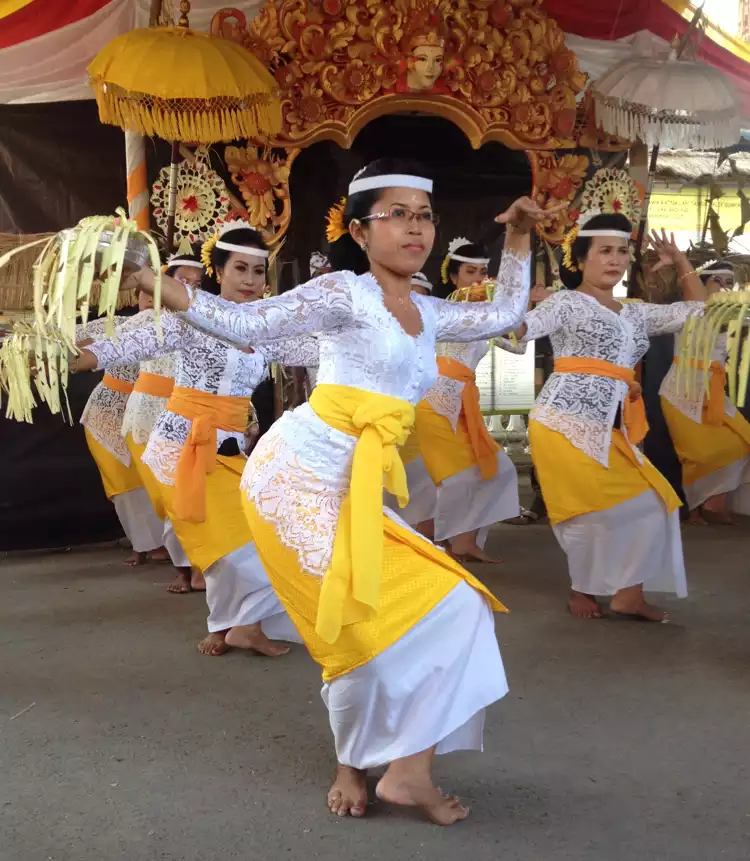
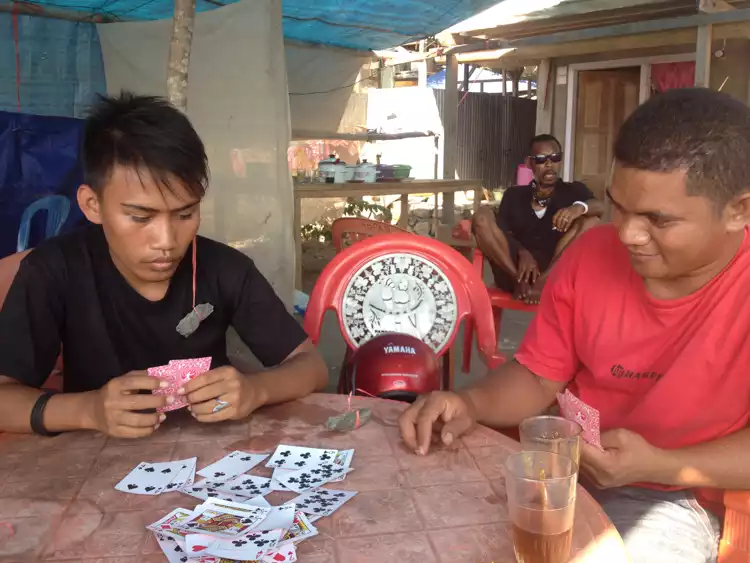
Forget the postcard grin. In Indonesia, people don’t perform niceness—they close the distance. Kids yell “halo, mister!” from a swarm of scooters; an auntie at a warung waves you onto a plastic stool before you’ve decided what to eat. You’ll be asked where you’re from twenty times in a morning. That’s not a hustle; it’s curiosity looking you in the eye.

Crowds press, schedules slip. The real cost is your time. Pay it gladly. Chats stretch into sweet tea, then kretek smoke, then a plate of something you can’t pronounce. Laughter lands fast, often at your sweat-soaked shirt. Laugh with them and doors open.

Pro-tip: lead with “permisi,” “terima kasih,” and titles—Pak/Bu for older folks, Mas/Mbak for younger. Use your right hand. Shoes off at thresholds. At a small eatery, ask, “Rekomendasi Ibu apa?” and let the cook choose.

I once thumbed a ride on Flores and got folded into a village wedding—sarong, dance, grilled fish, the works. I offered to help wash dishes; they handed me an uncle’s chair.

Best places to meet people: dawn markets, ferry decks, volleyball courts at dusk, roadside coffee shacks. Skip the stage-managed stuff. Sit, sip, and let the conversation run.

Wildlife

Come for dragons; stay for the sweat, leeches, and the Wallace Line doing its weird magic. Indonesia … read more 👉
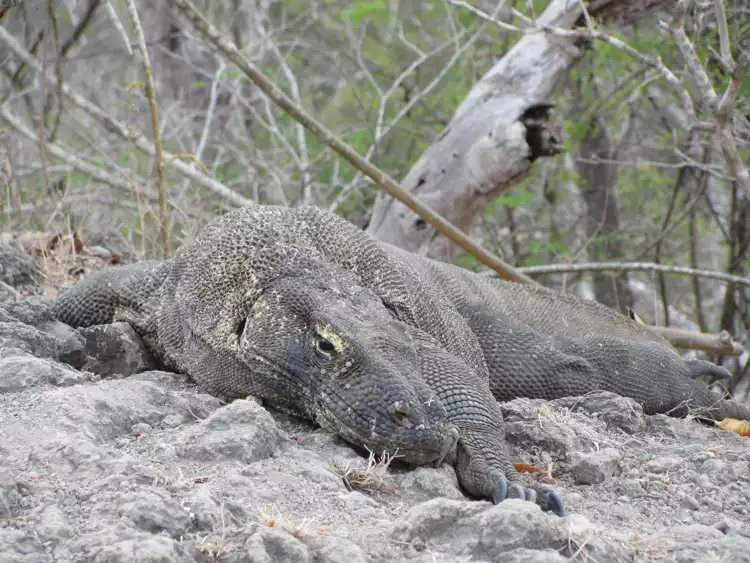
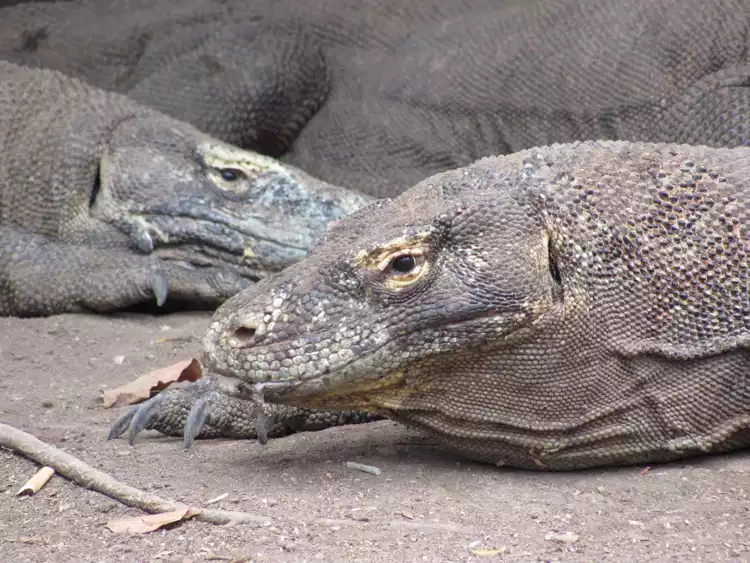
Come for dragons; stay for the sweat, leeches, and the Wallace Line doing its weird magic. Indonesia isn’t a zoo you drive through. It’s work. Komodo day trips cram boats and stack fees; dragons nap like bored dogs by noon. Raja Ampat is gorgeous but costs roughly 2–3x Bali per day once permits and boat transfers pile up. Go anyway. The payoff lives in the margins.

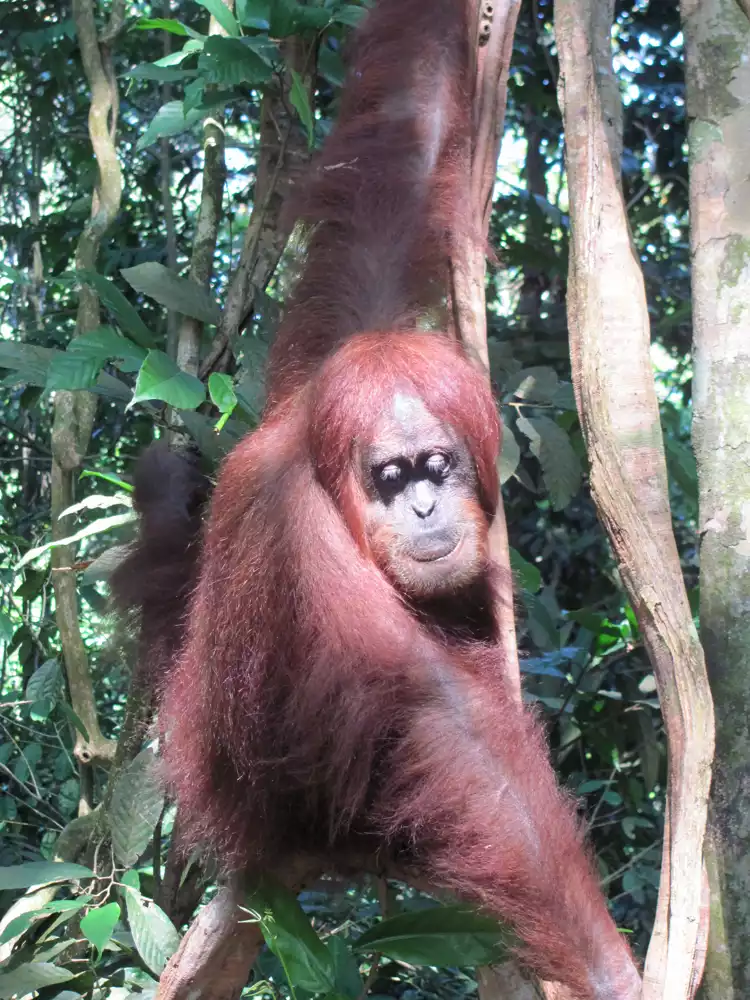
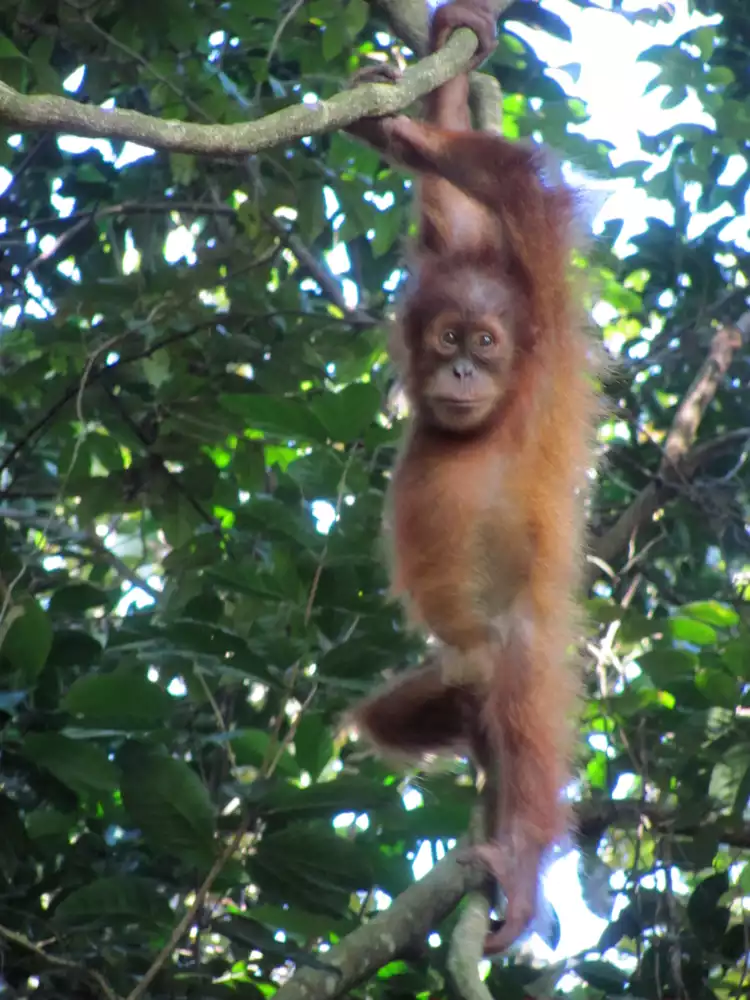
At dawn in Gunung Leuser, gibbons whoop like sirens and the forest revs. I’ve stood in ankle-deep mud for an hour, then watched a female orangutan ghost through a strangler fig with her kid clinging on—no feeding platform, no crowd, just breath held. In Kalimantan, a slow klotok creeps the blackwater and proboscis monkeys explode from mangroves at sunset.

Pro tip: pick Rinca over Komodo Island for a quieter dragon walk, and move fast—first ranger slot, earliest boat. For Sulawesi, Tangkoko is small but fierce; carry a red-filtered headlamp and sit still for tarsiers. Divers, time Manta Ridge in Raja Ampat for slack tide; even on a budget homestay, share boat fuel and bring your own reef-safe sunscreen. The animals don’t pose. They appear when you’ve earned it.

Backpackers

Indonesia earns its backpacker stripes the hard way. You’ll dodge Bali traffic, queue behind tripods … read more 👉
Indonesia earns its backpacker stripes the hard way. You’ll dodge Bali traffic, queue behind tripods at swings, and pay more for a cappuccino in Canggu than a full meal at a Javanese warung. That’s the Instagram tax. Pay it if you must, then get moving.

The pay-off starts when you travel under your own steam. Scoot inland and the air cools, the roads roughen, and breakfast comes wrapped in banana leaf—rice, sambal, a sliver of fish—for the price of a bus snack in Europe. Java’s trains give you clean seats and a window on endless rice fields; ferries put you on deck with truckers and grandmas, all sharing sweet tea and stories. I’ve slept on a Pelni’s open deck under a milky sky, woke to flying fish, then rolled my mat and followed porters into a market that smelled like cloves and diesel.

Pro tip: at Bromo, skip the dawn jeep circus at Penanjakan and walk to the crater rim mid-morning—quiet wind, ash underfoot, no shouting. Learn ten words of Bahasa and buy from Padang counters by pointing; your plate fills and your day gets easier.

Architecture

Skip the glossy gate shots. At Lempuyang you’ll queue for a mirror-trick photo; at Borobudur the premium … read more 👉
Skip the glossy gate shots. At Lempuyang you’ll queue for a mirror-trick photo; at Borobudur the premium sunrise slots bite harder than three local lunches; Prambanan bleeds tour buses by 9 a.m. Indonesia still rewards the hustler. Move fast, go early, and chase the craft, not the hashtag.

The payoff sits in the details: Majapahit red-brick portals at Trowulan that glow like kiln fire at dusk; the Yogyakarta kraton’s peeling blues and brass hinges; Toraja carpenters carving buffalo horns into rooflines that actually frame a family’s story; Minangkabau houses in West Sumatra throwing those wild horned eaves against rice terraces; Banda Neira’s Dutch forts and nutmeg mansions creaking with sea salt; Wae Rebo’s conical homes holding heat like clay ovens; Jakarta’s Istiqlal Mosque facing the Cathedral across a park, two ideas in conversation, not conflict.

Pro-tip: beat Kota Tua, Jakarta at 6 a.m.—sweep past Lawang Sewu in Semarang as it opens—no bridal shoots, just light and echoes. I carry thin socks for noon stone at Prambanan, and a tiny flashlight for Taman Sari’s damp tunnels. Go when the air still smells like last night’s rain, and the architecture tells you why it was built.

Beach life

Instagram sells beanbags and sunset cocktails; Indonesia makes you earn the salt. Bali’s famous strips … read more 👉
Instagram sells beanbags and sunset cocktails; Indonesia makes you earn the salt. Bali’s famous strips pack up by noon, scooters grind, and beach clubs push minimum spends that buy you one lounger and a headache. Pay it if you want the scene. Or chase the real magic: early alarms, long ferries, and legs covered in dust.

At first light in Amed, fishermen slide out and the reef sits a fin-kick off the beach. You can roll from warung coffee to turtles in five minutes. Pro tip: snorkel before 9 a.m.—boats haven’t stirred the water and the drop-off is all yours.

Nusa Penida rewards grit. The currents rip like a river; go with a licensed guide and ride the manta drifts, then bail before day-trippers clog the roads. On Lombok’s south coast, break the city habit: rent a scooter, rattle past cattle, and surf Selong Belanak’s soft peaks while beginners learn down the beach. Reef booties beat sea urchins.

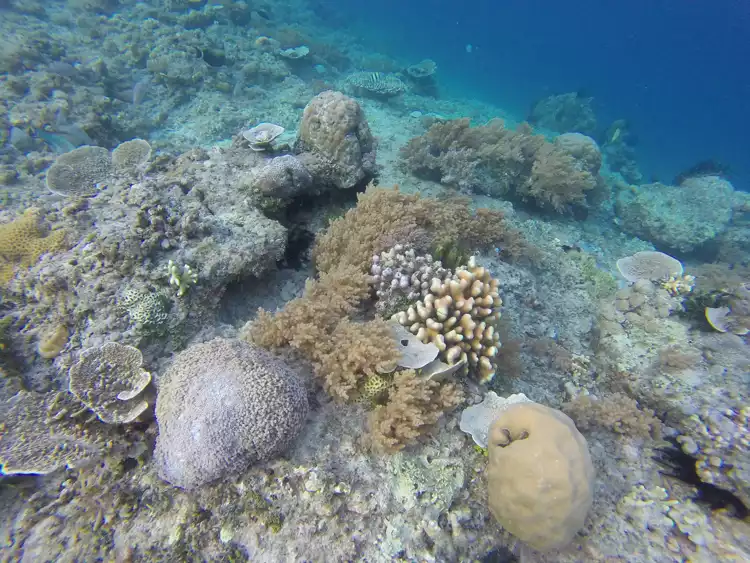
If you’ve got the budget, Raja Ampat’s park fees and boat fuel sting, but the payback is brutal in the best way—house-reef snorkels off a homestay jetty that feel like a moving aquarium. Bring cash, patience, and a tide chart. The coast will meet you halfway.

Food

Skip the smoothie bowls and staged “Bali brunch.” Indonesia rewards the hunt: smoke from a sate cart … read more 👉
Skip the smoothie bowls and staged “Bali brunch.” Indonesia rewards the hunt: smoke from a sate cart clings to your clothes, sambal stings your lips, and a plastic stool becomes a throne if the broth is right. Crowds and markups hit hard in Ubud and Canggu, but the meals that matter live in warungs where the menu is a glass case and the bill equals bus-fare.

Learn the codes. In a Padang restaurant, they flood the table with plates; you pay only for what you touch. Yogyakarta’s gudeg sleeps overnight in teak and sugar until jackfruit turns to toffee. Makassar’s coto hums with marrow and spice. Lombok’s ayam taliwang kicks like a mule; chase it with plecing kangkung. Bali’s babi guling crackles, but the queue decides if it’s worth it.

Pro tip: hit morning markets 5–7 a.m. when turnover is furious; carry 10–20k notes and ask for setengah porsi to sample more. I chase smoke—followed a hawker’s charcoal trail in Solo and ended up crouched on a curb with mechanics, spooning soto so clean it reset my day.

Low cost

Indonesia still lets a backpacker live big on a lean daily average that, in Western Europe, barely buys … read more 👉
Indonesia still lets a backpacker live big on a lean daily average that, in Western Europe, barely buys lunch. The trap is Bali beach-club prices, booze taxes, and park fees that punch above their weight. Skip the cocktail culture and the “Western brunch” circuit. Eat where the builders and drivers eat.

Warungs keep you fed for pocket change: nasi campur, Padang spreads where you pay by the spoonful, endless rice and sambal. Family-run losmen include breakfast and local intel. Economy trains across Java run clean and on time. Ferries lumber between islands for the price of a snack back home. Gojek and Grab lock in honest fares; weekly motorbike rentals undercut day rates and unlock entire coasts.

Pro tip: overnight buses and ferries double as accommodation. Another: buy a SIM at an official shop once, then ride promos. Alcohol torches budgets; coffee doesn’t. I crossed Flores on tempeh, kopi tubruk, and homestays, and my spend spike came only on a snorkel boat and a park ticket—fair trade for manta rays.

You earn the savings by moving like a local. Do that, and your wallet stops bleeding and starts coasting.

Uniqueness

Indonesia isn’t the Bali feed you’ve been sold. Bali traffic crawls, Bromo’s sunrise can feel like a … read more 👉
Indonesia isn’t the Bali feed you’ve been sold. Bali traffic crawls, Bromo’s sunrise can feel like a parking lot in the sky, and Komodo day boats price for tour groups. Eastward, costs rise not because hotels are fancy, but because fuel, ferries, and time stack up like surf sets. Pay it. The payoff lives in the gaps.

Take the slow ferry and feel the archipelago breathing—clove smoke, diesel, kids sharing ramen on deck as volcanoes slide by. I’ve walked the Cemoro Lawang rim before dawn and heard only wind and sand, the jeeps still idling below. On Alor I hit reefs where my bubbles were the only noise; a village kid pointed me to the entry like it was nothing.

Pro tip: learn thirty words of Bahasa and carry a sarong. Doors open, prices soften, ceremonies invite you in. Another: skip Bukit King Kong’s crowd; walk Mentigen ridge from Cemoro Lawang with a headlamp and your own thermos.

Ride Sumbawa’s backbone and count more water buffalo than cars. Watch Toraja funeral drums roll through mist. In Ketambe, gibbons call you out of your hammock. The magic isn’t posed—it’s earned, one ferry, one warung, one muddy detour at a time.
Want the complete picture of Indonesia?
The offline Travel Guide brings everything together — routes, highlights & planning.

See what's included in the guide 👉

Get the Travel Guide -

⭐ HighlightsKey places and experiences

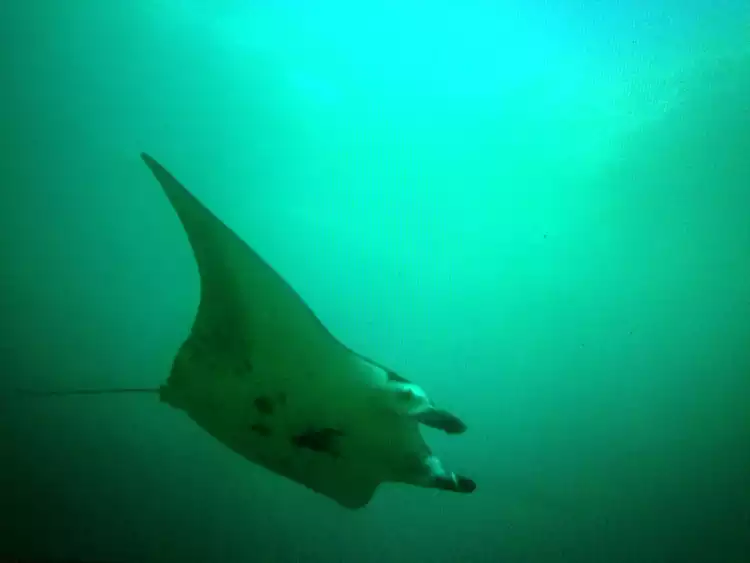
  • Raja Ampat: The postcard promises empty lagoons; the truth is boat fuel and park fees add up fast, and the Piaynemo lookout can feel like a queue on a staircase. Push past that. Sleep at a homestay on stilts, ride a longboat at dawn, and drop into water so clear you watch schools scatter like iron filings in a magnet’s pull. The current grabs your ribs and shoves you along a wall ablaze with soft coral, your ears ticking with the reef’s crackle. Salt dries white on your cheekbones, diesel clings to your shirt, and a manta ghosts in from the blue like a zeppelin.
  • Bromo-Tengger-Semeru National Park: Sunrise here isn’t romantic; it’s tripods, jeeps, and a ticket that costs more than most volcano viewpoints in Java. Beat the scrum by skipping the platform and moving your legs—drop early onto the Sea of Sand and walk as the sky pales. The volcano’s throat rumbles like an idling jet, fine ash grits between your teeth, and sulfur bites the back of your nose. Horse bells clink out on the flats.
read more 👉
  • Raja Ampat: The postcard promises empty lagoons; the truth is boat fuel and park fees add up fast, and the Piaynemo lookout can feel like a queue on a staircase. Push past that. Sleep at a homestay on stilts, ride a longboat at dawn, and drop into water so clear you watch schools scatter like iron filings in a magnet’s pull. The current grabs your ribs and shoves you along a wall ablaze with soft coral, your ears ticking with the reef’s crackle. Salt dries white on your cheekbones, diesel clings to your shirt, and a manta ghosts in from the blue like a zeppelin.
  • Bromo-Tengger-Semeru National Park: Sunrise here isn’t romantic; it’s tripods, jeeps, and a ticket that costs more than most volcano viewpoints in Java. Beat the scrum by skipping the platform and moving your legs—drop early onto the Sea of Sand and walk as the sky pales. The volcano’s throat rumbles like an idling jet, fine ash grits between your teeth, and sulfur bites the back of your nose. Horse bells clink out on the flats. When the light finally hits, Semeru coughs a dark puff on the horizon, and you’ve earned it with dust on your boots instead of exhaust in your lungs.
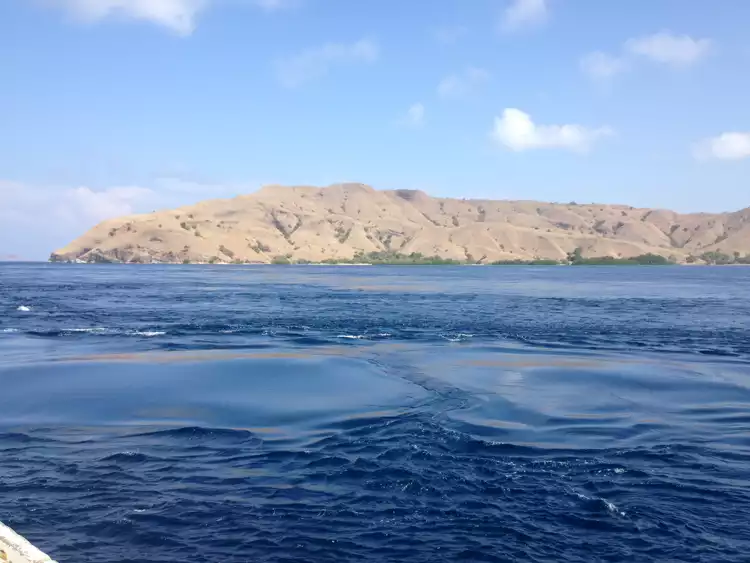
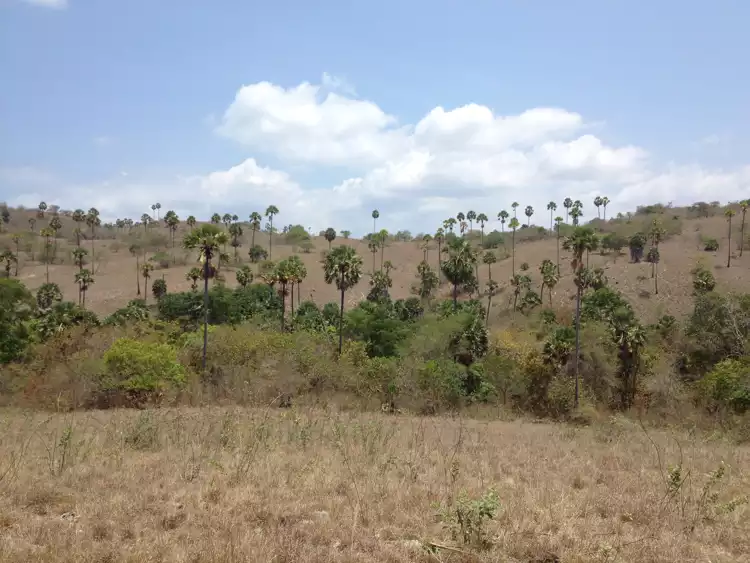
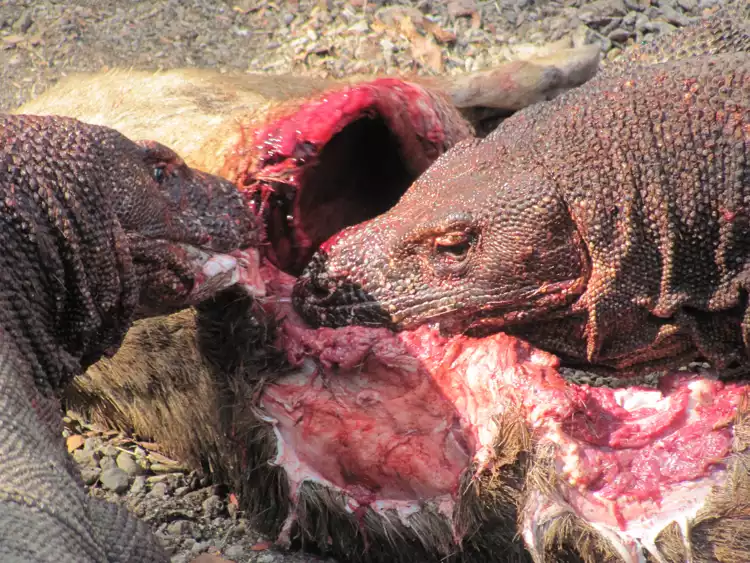
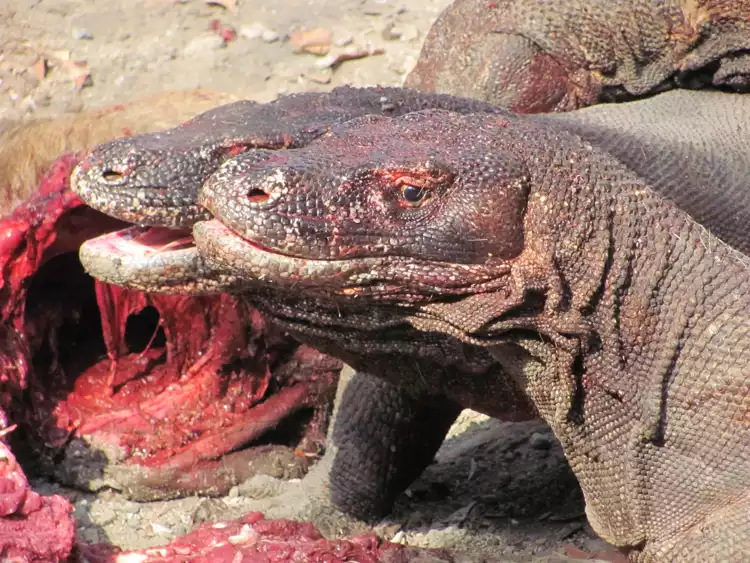
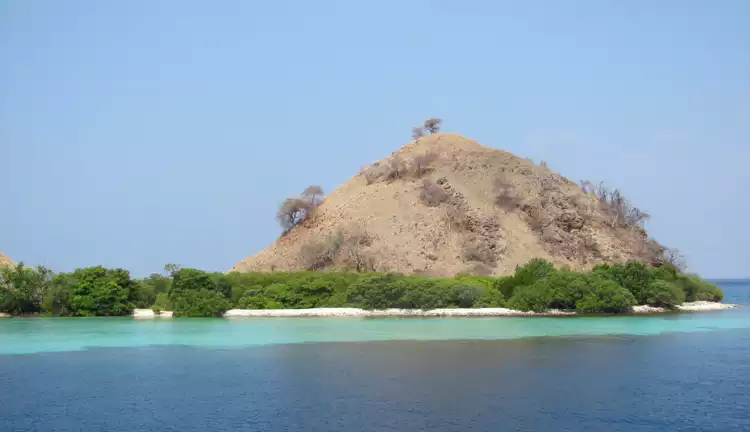
  • Komodo National Park: Day boats run a conveyor belt—Padar viewpoint, dragon walk, pink beach—plus layered conservation fees that make the wallet wince compared to other islands. Go anyway, but sleep aboard and leave before the flotilla. Drift Batu Bolong when the tide is right and the sea turns into a moving sidewalk of fish, your hands buzzing with plankton and your mask filling with your own grin. Dragons aren’t props; rangers keep distance, and their breath carries the iron stink of carrion. Eat on deck, feel the trade wind flatten your hair, and watch a sky you forgot could hold that many stars.
  • Tana Toraja, Sulawesi: This isn’t a museum; funerals are real, and you’re a guest, not a spectator, so bring a small contribution and humility. Getting in takes time—long bus rides or a hop from Makassar—and rooms run basic compared to Bali. The payoff lands heavy and human: gong beats thump through your chest, clove smoke hangs sweet-sour in cool mountain air, and buffalo horns climb the front of timber houses like a ledger of pride. Guides don’t sell you a show; they read family histories from grave cliffs and carved balconies. By dusk, mist threads the rice terraces and roosters still haven’t called it quits.
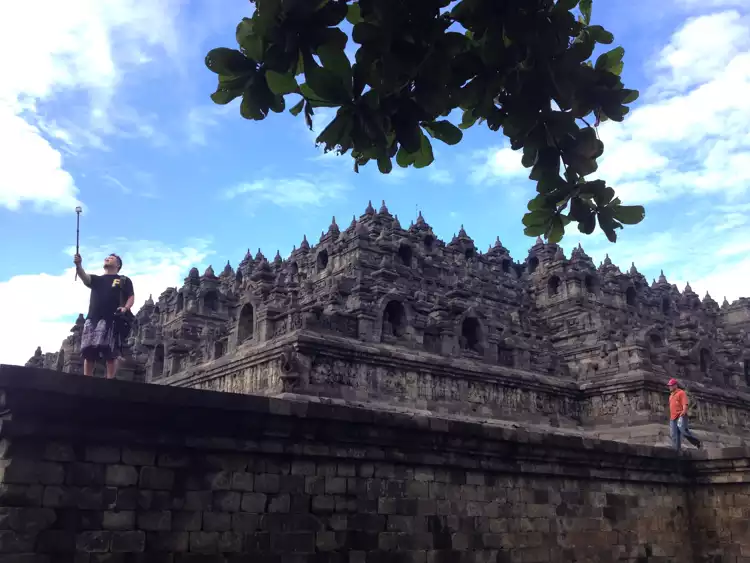
  • Borobudur & Prambanan, Yogyakarta: The sunrise slot costs more than a week of street food and funnels you into managed viewpoints with shoe covers and guards keeping you moving. Save your money and walk late afternoon instead; tourists thin, shadows sharpen the reliefs, and the pilgrim story in stone finally slows down enough to meet you. Basalt stays cool under your palm, incense drifts from a nearby shrine, and gamelan floats across fields like breath. Prambanan after dark humbles with floodlit spires and bats flitting across the moon. Off the map: Alor’s ripping channels, Wae Rebo’s ridge-top village, and the Togeans’ jellyfish lake; my personal favorite is a pre-dawn walk alone across Bromo’s sand sea while the jeeps idle on the rim.
Spotted a mistake or missing a highlight? Contact us.

But Indonesia offers more...

Discover and compare all of its highlights per category

🧭 RoutesLogical itineraries covering the highlights

The 14-Day Java & Bali Classic

The vibe: Two weeks of temples, volcano views, and rice fields with enough downtime for coffee, street food, and sunsets instead of airport lounges. You’ll stick to Java and Bali, moving mostly by train, car, and one short flight to keep things focused and relaxed.
The Highlights:
  • Sunrise at Borobudur and the temple trio of Yogyakarta.
  • Volcanic landscapes around Bromo Tengger Semeru National Park.
  • Ubud’s jungle temples, holy springs, and nearby lakes.
  • Cliffside sunsets at Tanah Lot and Uluwatu with beach time in South Bali.

The 21-Day Java-Bali-Lombok Explorer

The vibe: Three weeks that blend big-city energy, classic temples, crater lakes, and island-hopping, with a rhythm that alternates early-morning adventures and lazy coastal evenings. You’ll ride trains across Java, fly between islands, and use ferries and fast boats to reach beaches and smaller islands.
The Highlights:
  • Jakarta’s museums and old town paired with West Java’s highland craters.
  • The full Yogyakarta
read more 👉

The 14-Day Java & Bali Classic

The vibe: Two weeks of temples, volcano views, and rice fields with enough downtime for coffee, street food, and sunsets instead of airport lounges. You’ll stick to Java and Bali, moving mostly by train, car, and one short flight to keep things focused and relaxed.
The Highlights:
  • Sunrise at Borobudur and the temple trio of Yogyakarta.
  • Volcanic landscapes around Bromo Tengger Semeru National Park.
  • Ubud’s jungle temples, holy springs, and nearby lakes.
  • Cliffside sunsets at Tanah Lot and Uluwatu with beach time in South Bali.

The 21-Day Java-Bali-Lombok Explorer

The vibe: Three weeks that blend big-city energy, classic temples, crater lakes, and island-hopping, with a rhythm that alternates early-morning adventures and lazy coastal evenings. You’ll ride trains across Java, fly between islands, and use ferries and fast boats to reach beaches and smaller islands.
The Highlights:
  • Jakarta’s museums and old town paired with West Java’s highland craters.
  • The full Yogyakarta circuit: Borobudur, Prambanan, and palace life.
  • Sunrise at Bromo and the turquoise lake of Ijen Crater.
  • Ubud’s temple-and-rice-field days followed by Bali’s south coast and a taste of the Gili Islands from Lombok.

The 30-Day Indonesia Grand Circuit

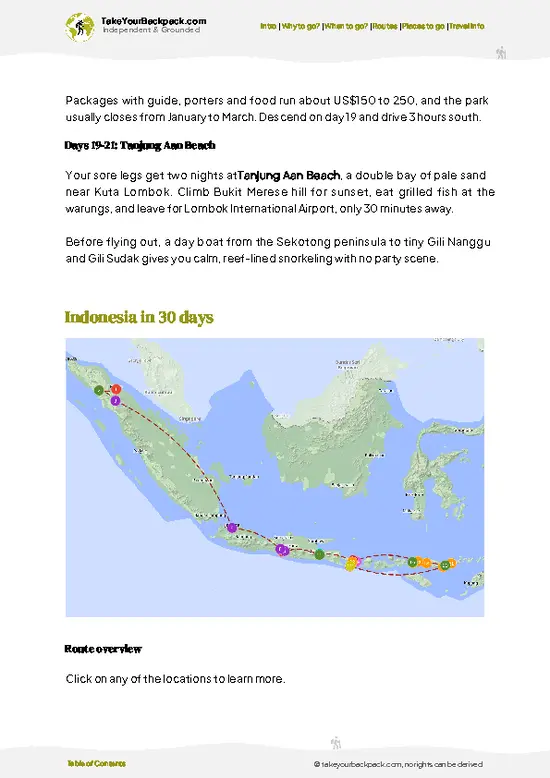
The vibe: A month-long deep dive that strings together cities, temples, volcano treks, and remote islands for travelers who want to really live inside Indonesia for a while. You’ll mix trains, domestic flights, ferries, and boats, with built-in rest days in coastal towns and islands to keep the journey sustainable.
The Highlights:
  • Jakarta and Bandung as your launchpad into Java’s culture and crater landscapes.
  • Central Java’s temple belt plus East Java’s volcano trilogy: Bromo, Ijen, and views of Semeru.
  • Ubud, North Bali lakes, South Bali beaches, and a serious volcano option on Gunung Agung.
  • Lombok’s Mount Rinjani region, the Gili Islands, and a finale in Flores and Komodo National Park with dragons and Pink Beach.
🌍 Want a ready-to-use travel plan for Indonesia?
The overview above compares different route options based on your travel time and style. The complete Travel Guide breaks each itinerary down in detail, including maps, stops, highlights, and transport information.

Explore all route details 👉

Get the Travel Guide -

🌤️ When to go?Best time to visit Indonesia

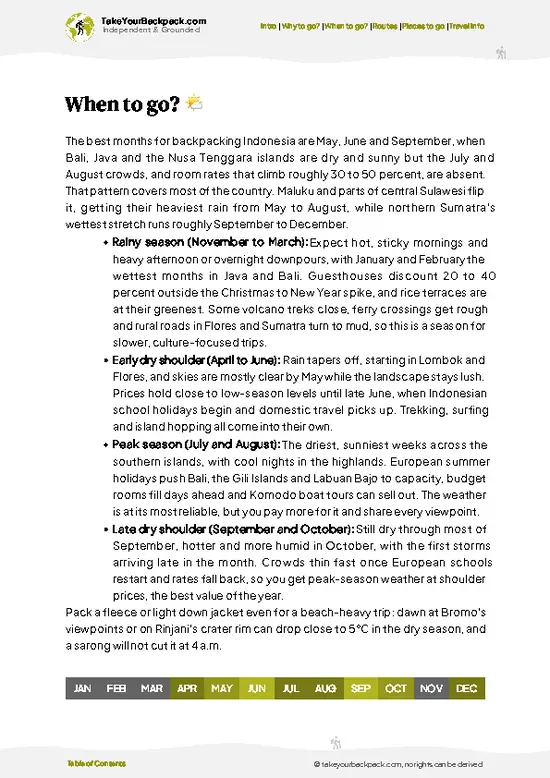
Late May through June, then September into early October, is the sweet spot for backpacking Indonesia. The logic is simple: monsoon mud fades, volcano trails set firm, and inter-island ferries hit their stride before the July-August price surge and the Christmas choke. Mornings run clear on Java and Bali, reefs east of Lombok calm enough for budget boats, and the air still carries moisture so rice terraces glow instead of baking brown. Guesthouses answer with real prices instead of “high season” shrugs; trains and long-distance buses have seats without the lottery. Waterfalls still move, but not so much that every path is a slide. You cover ground faster, spend less, and still smell clove smoke and wet earth at dawn on a crater rim. The caveat: skip the big domestic holiday migration if it falls inside this window; everything else tilts in your favor.
  • Crowd/Heat Peak (Jul-Aug + late Dec): You grind for the good stuff. Fast boats to Nusa islands overbook, sunrise queues knot on Batur, and room rates jump by a head and a half. But the trade is real: bone-dry ridgelines on Bromo, glassy dawn surf on the Bukit, high-viz reef days around the Gilis. If you commit to pre-dawn starts and late lunches, you thread the crush and earn those long, windless sunsets that make the heat worth carrying.
  • Early Dry Shoulder (May-June): The country shifts gears. Tarps come down, paint dries on warung signs, ferries keep to daylight runs, and guides answer texts again. Trails harden, scooters stop fishtailing, and rice fields pop neon right beside the road. You move—train, bemo, ferry—in a clean rhythm, bargaining without groveling, landing volcano summits with clear mornings and empty shelters.
  • Monsoon/Off-Peak (Nov-Mar): The interior voice gets loud. Rain drums on tin roofs, jungle breathes, and towns slow to a human pace. Boats cancel and you learn patience; temples drip and belong to you and the caretakers. Heat presses, but the solitude pays. Survival hack: carry a cheap umbrella instead of a sweatbox rain jacket—shade in sun, airflow in rain, and your daypack stays dry.
  • Late Dry Shoulder (Sep-early Oct): Dust rises in eastern islands, paddies fade gold, and crowds thin fast after school breaks. Prices soften, transport runs on time, and dive ops still hum. Haze can creep in on Sumatra/Borneo; chase coasts with sea breeze and lean into dawn starts. Waterfalls shrink, but long crossings calm, and you get empty guesthouse verandas and early nights that actually restore you.

Personal tip: in the shoulder months, I book domestic flights about 12-14 days out (stretch it to 4-6 weeks for July-August) and let ferries and rooms stay flexible.

source: climatestotravel.comJANJanuary: fair for travelingFEBFebruary: fair for travelingMARMarch: fair for travelingAPRApril: good for travelingMAYMay: highly recommended for travelingJUNJune: excellent for travelingJULJuly: good for travelingAUGAugust: good for travelingSEPSeptember: excellent for travelingOCTOctober: highly recommended for travelingNOVNovember: fair for travelingDECDecember: good for traveling
📅 Traveling in a specific month?
Get a full month-by-month breakdown of weather, crowds, costs, festivals, and seasonal highlights in the complete travel guide.

Get full details when to go 👉

Get the Travel Guide -
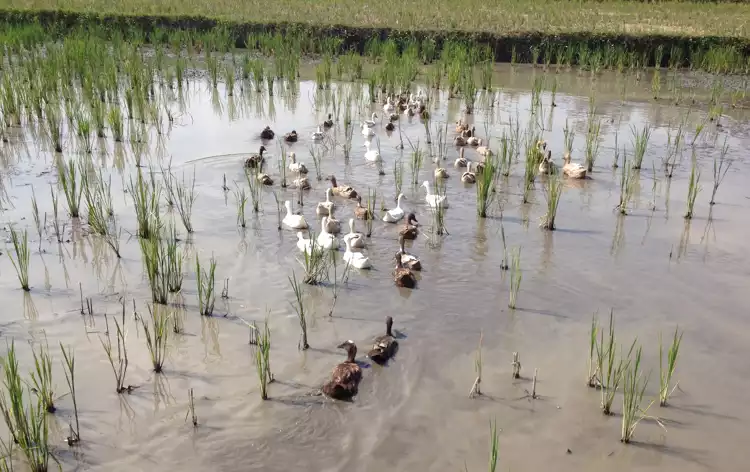
!2016-02-17 05.48.33rotateda50

💰 Costs (as of 2025)How expensive it really is

Count on $28-40 per day if you move smart; Bali beach towns and boats can yank you to $35-50.
  • dorm accommodation: Rp80k-150k ($5-10) on Java/Sumatra, Rp120k-220k ($8-15) in Bali/Lombok; remote islands creep higher. Prices jump on surf coasts and during holidays. AC, curtains, and lockers usually included; towels and breakfast are not a given. System tip: book the first night online to lock the bed, then extend in cash for a weekly rate (often 10-20% off) and verify tax/service are included before you pay.
  • meals: Supermarket Survival: bread + peanut butter + bananas + instant noodles runs Rp20k-40k per “meal,” but it’s calories, not joy. Street food reality: nasi goreng Rp15k-25k, mie ayam Rp12k-20k, nasi padang by weight Rp20k-40k, kopi tubruk Rp5k-10k; it’s cheaper and faster than DIY. Bali’s glossy cafés charge Thailand prices (Rp35k-60k coffees), while warungs undercut Vietnam by a hair. Buy 1.5L water for Rp5k-7k or refill jugs; I stopped hemorrhaging cash the day I quit café breakfasts.
  • local transport: The country unlocks with scooters (Rp60k-100k/day; fuel ~Rp10k-13k/L), economy trains on Java (Rp50k-150k for big hops), and slow-cheap ferries between islands. Grab/Gojek mopeds
read more 👉
Count on $28-40 per day if you move smart; Bali beach towns and boats can yank you to $35-50.
  • dorm accommodation: Rp80k-150k ($5-10) on Java/Sumatra, Rp120k-220k ($8-15) in Bali/Lombok; remote islands creep higher. Prices jump on surf coasts and during holidays. AC, curtains, and lockers usually included; towels and breakfast are not a given. System tip: book the first night online to lock the bed, then extend in cash for a weekly rate (often 10-20% off) and verify tax/service are included before you pay.
  • meals: Supermarket Survival: bread + peanut butter + bananas + instant noodles runs Rp20k-40k per “meal,” but it’s calories, not joy. Street food reality: nasi goreng Rp15k-25k, mie ayam Rp12k-20k, nasi padang by weight Rp20k-40k, kopi tubruk Rp5k-10k; it’s cheaper and faster than DIY. Bali’s glossy cafés charge Thailand prices (Rp35k-60k coffees), while warungs undercut Vietnam by a hair. Buy 1.5L water for Rp5k-7k or refill jugs; I stopped hemorrhaging cash the day I quit café breakfasts.
  • local transport: The country unlocks with scooters (Rp60k-100k/day; fuel ~Rp10k-13k/L), economy trains on Java (Rp50k-150k for big hops), and slow-cheap ferries between islands. Grab/Gojek mopeds are the silver bullet for short city hops. Tourist shuttles exist, but cost 2-3x local options. Carry an international license and a helmet; I once paid more in a roadside “fine” near Kuta than for the scooter itself. For long hauls, night trains beat buses for sanity per rupiah.
  • activities: Big drivers: volcano runs (Bromo/Ijen tours Rp350k-700k; gas mask rental Rp25k-50k), temple fees (Borobudur/Prambanan hit harder than Thailand’s wats), surf lessons (Rp250k-400k), snorkel trips Rp250k-500k. Diving swings wildly: Komodo liveaboards and Raja Ampat sit in a different price galaxy, while fun dives around Bali are mid-range for Southeast Asia. Self-guided hikes are usually free; national parks and boats are where budgets bend.
  • miscellaneous: Budget leaks: ATM fees (Rp25k-50k per pull, plus your bank’s cut), bar/service tax in Bali (add 15-21% at checkout), laundry Rp10k-20k/kg, sunscreen priced like perfume, and Bintang that’s cheap in shops (Rp35k-60k) but not in bars (Rp50k-80k). SIMs: Rp80k-150k gets plenty of data; Telkomsel reaches the villages that pretty maps pretend are covered. Parking is small but constant (Rp2k-5k). Compared to Malaysia, alcohol hurts more; compared to the Philippines, transport costs less if you avoid flights. I carry a sarong to dodge temple rental fees and beach markups.
⚠️ Prices can change and everyone travels differently, so take this as a rough guide. Hope it helps you plan your adventure!

✈️ The backpacker research shortcutIndonesia Travel Guide

An offline-friendly backpacking guide with optimized travel routes, ranked highlights, transport advice, and the best areas to stay.
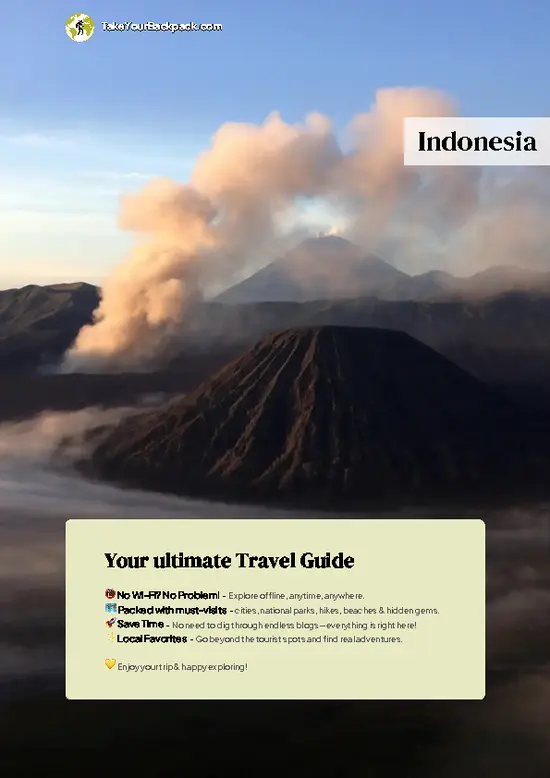
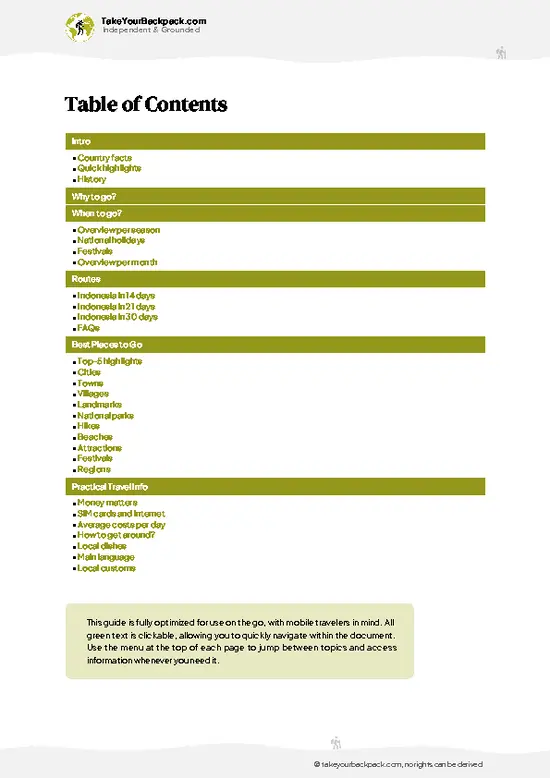
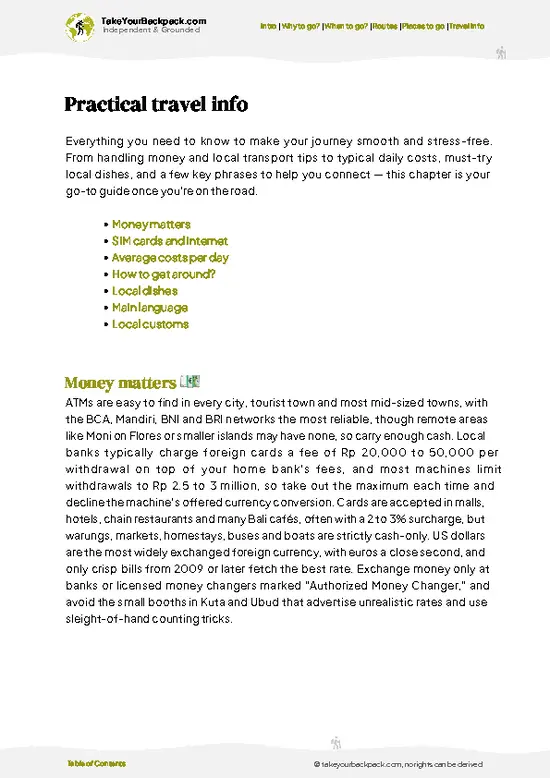
example page 0 from our offline Travel Guide for Indonesiaexample page 1 from our offline Travel Guide for Indonesiaexample page 2 from our offline Travel Guide for Indonesiaexample page 3 from our offline Travel Guide for Indonesiaexample page 4 from our offline Travel Guide for Indonesiaexample page 5 from our offline Travel Guide for Indonesiaexample page 6 from our offline Travel Guide for Indonesiaexample page 7 from our offline Travel Guide for Indonesia
The digital guide (550 pages) contains:
155 highlights, ranked by travel appeal
Optimized 14, 21 & 30-day travel routes
Cities, national parks, beaches, historical sites, ...
How to get around
Offline-friendly for travel without Wi-Fi
👉 Click to see all 30+ guide features

📅 Plan smarter in minutes, not weeks
Month by month travel advice
Festivals & national holidays
Budget expectations

🗺️ Go to the right places, skip the overrated ones
Honest pros & cons of destinations
Top hikes, parks & viewpoints
Lesser-known places most travelers miss
Clear “worth it vs skip it” guidance

🛏️ Travel smoothly without rookie mistakes
Best areas to stay
Transport systems explained simply
Common scams & safety advice
SIM cards, money & practical tips

🌍 Understand the country, not just visit it
Culture & traditions
52 Essential phrases & customs
Festivals worth planning around
Traveler-friendly historical context
Insights that make places more meaningful

📱 Built for real travel conditions
Fully downloadable PDF
Works completely offline
Optimized for phone use
Useful in remote areas & buses
Everything in one place
Save weeks of stressful planning
Get instant access to the full guide directly. 30-day money-back guarantee.


Sent to your inbox immediately after payment • 100% Secure Checkout
Best Backpacking Travel Advisor 2025 tourism awardBest Backpacking
Travel Advisor
2025
What others say about Take Your Backpack Guides:
⭐⭐⭐⭐⭐
Fantastic, amazing amount of information!
⭐⭐⭐⭐⭐
My goodness this is amazing, it's what I've been looking for hats off too you!
⭐⭐⭐⭐⭐
I think this is absolutely BRILLIANT
⭐⭐⭐⭐
Very complete and informative. It's still missing places, but I gotta to commend you
⭐⭐⭐⭐⭐
This is truly amazing, thank you, can't wait to explore it with my kids!
⭐⭐⭐⭐⭐
Awesome resource, thank you!
⭐⭐⭐⭐⭐
This is amazing! Can't wait to explore the ones I haven't seen
⭐⭐⭐⭐
I love this! Well done, great idea.
⭐⭐⭐⭐⭐
Thanks for taking the time to make this gem!
⭐⭐⭐⭐⭐
This might be the best website I've ever seen.
⭐⭐⭐⭐⭐
Congratulations, and thank you so much for your work; it's incredibly valuable.
⭐⭐⭐⭐
In all seriousness I think you did a great job pointing out the important spots
⭐⭐⭐⭐⭐
10/10 very good
⭐⭐⭐⭐⭐
As someone who's only just starting to visit regularly this is awesome, thank you.
⭐⭐⭐⭐
Thank you very much! I'm going to visit my dad, it's going to be very useful!
⭐⭐⭐⭐⭐
This is really cool! We'll be travelling for the first time and this definitely come in handy.
⭐⭐⭐⭐⭐
You are now our minister of culture, congratulations 👨‍💼
⭐⭐⭐⭐⭐
Just wanted to tell you that this is a pearl! Going to follow your recommendations.
⭐⭐⭐⭐⭐
This is so cool. I'll definitely be using the resource for my travels soon.
⭐⭐⭐⭐⭐
This is very impressive! Good work.
⭐⭐⭐⭐⭐
This is an amazing and informative site. Very well done!

🛏️ Where to stay?Choosing the right base for your trip

Yes — hostels and budget guesthouses are widespread across Indonesia, especially in Bali, Yogyakarta, Jakarta, the Gili Islands, Lombok and Labuan Bajo.
In Bali search Kuta (very cheap and beach-close but crowded/noisy), Seminyak (more amenities, slightly pricier), Canggu (surf cafes, chilled vibe but farther from major transport) and Ubud (quiet, cultural and inland so extra travel time to beaches); Yogyakarta’s Malioboro and Prawirotaman put you close to temples and street food but can be busy at night; Jakarta’s Kemang and Menteng offer nightlife and transport links but suffer heavy traffic … read more 👉
Yes — hostels and budget guesthouses are widespread across Indonesia, especially in Bali, Yogyakarta, Jakarta, the Gili Islands, Lombok and Labuan Bajo.
In Bali search Kuta (very cheap and beach-close but crowded/noisy), Seminyak (more amenities, slightly pricier), Canggu (surf cafes, chilled vibe but farther from major transport) and Ubud (quiet, cultural and inland so extra travel time to beaches); Yogyakarta’s Malioboro and Prawirotaman put you close to temples and street food but can be busy at night; Jakarta’s Kemang and Menteng offer nightlife and transport links but suffer heavy traffic and are less walkable; the Gili Islands have abundant dorms with Gili Trawangan as the party hub and Gili Air quieter for diving; Lombok Kuta is a budget surf base and Labuan Bajo has dorms for Komodo trips though prices spike in peak season.

If you enjoy meeting fellow travelers, consider choosing hostels with high ratings for atmosphere. On the other hand, if you prefer having your own space, a hotel might be a better option.

🚌 Getting aroundWhat moving around is really like

Indonesia moves like surf: set patterns under a skin of chaos. Java’s trains hit their marks; buses and ferries drift by weather, prayer breaks, and traffic that turns six lanes into eight. Apps glue the gaps. You won’t conquer it with a rigid timetable. You ride the pulse—early starts, quick pivots, small bills, and a sense for when to sit tight and when to jump.
  • KAI Intercity Trains (Java) The Efficiency Trade-off: door-to-door they beat budget flights once you count airport rides and baggage games,
read more 👉
Indonesia moves like surf: set patterns under a skin of chaos. Java’s trains hit their marks; buses and ferries drift by weather, prayer breaks, and traffic that turns six lanes into eight. Apps glue the gaps. You won’t conquer it with a rigid timetable. You ride the pulse—early starts, quick pivots, small bills, and a sense for when to sit tight and when to jump.
  • KAI Intercity Trains (Java) The Efficiency Trade-off: door-to-door they beat budget flights once you count airport rides and baggage games, and they shrug off holiday gridlock better than buses. Economy cars are cheap, assigned, and air-conditioned like a meat locker—bring a layer. Seats face each other; you’ll make eye contact. Power outlets exist on newer sets; food carts pass, but I pack my own. Book ahead around Eid or weekends, accept that trains mostly serve Java (and a sliver of Sumatra), and use dawn departures to punch clear of the day’s heat and chaos.
  • App Ojek (Gojek/Grab motorbike) The Social Fabric: this is how cities actually move. Price is set; no haggling. Drop a pin at a landmark, message clearly, helmet on, knees in. Rain spikes surge and slows riders; hand the driver a poncho if you carry one and tip a little when they thread you through a soaked standstill. Don’t backseat-navigate unless safety demands it. Small talk comes fast—where you’re from, where you’re going—answer kindly, five-star if they got you there cleanly, and hop off without blocking traffic.
  • ASDP Ferries & Pelni Ships The Geometric Unlock: water is the grid. Short ferries stitch Java-Bali-Lombok like city buses; long Pelni runs leap whole island chains for the cost of a hostel and time. Buy tickets at the official window, ignore “helpers,” and keep every stub; they’ll stamp you through gates like checkpoints. Decks get gritty; lash your bag, claim shade, and bring snacks and a sarong. Swell and ceremonies shift schedules, so never stack two crossings in one day.
  • Night Buses & Travel Minivans The Budget Disruptor: this is how you erase a hostel night and skip airports. Big operators on Java-Bali and “travel” vans on Flores pick up curbside, include ferry segments, and dump you near where you actually need to be. Half a flight, sometimes faster door-to-door, but pay with cramped knees, arctic AC, and dangdut at 2 a.m. Avoid the last row, stash valuables on you, pin your drop-off, and be ready to ojek the last kilometer when they abandon the terminal for the ring road.

Master tip: Move at first light and anchor the long leg to a fixed schedule (train on Java, first ferry elsewhere), then stitch the final miles with app ojeks—this rhythm beats traffic, trims transfers, and keeps you ahead of the crowds and costs.
Distance: Soekarno-Hatta International Airport (CGK) is about 28-30 km (17-19 miles) from central Jakarta (Monas/Gambir/Sudirman area).

Main ways to get into the city
  • Airport train (KA Bandara) - Take the free Skytrain between terminals to “Airport Station,” then the KA Bandara to BNI City (Dukuh Atas) and Manggarai.

    Time: about 40-50 minutes to BNI City, 50-60 minutes to Manggarai (plus transfer time to your final stop).

    Cost: around IDR 70,000. Promotions sometimes reduce this.

    Frequency: roughly every 20-30 minutes, from early morning to late evening.
  • DAMRI airport buses - Direct buses to central spots like Gambir Station, Blok M, and Rawamangun.

    Time: typically 60-90 minutes off-peak; 90-120+ minutes in heavy traffic.

    Cost: about IDR 50,000-80,000 per person (to Gambir is usually around IDR 70,000).

    Buy tickets at official DAMRI counters in each terminal; buses run every 30-60 minutes depending on route and time of day.
  • Ride-hailing (Grab, Gojek) - Order a car to the designated airport pickup zones shown in the app.

    Time: 45-90 minutes depending on traffic and your destination.

    Cost: usually IDR 120,000-220,000, plus tolls (~IDR 20,000-30,000) and an airport pickup fee. Prices surge at peak times.

Taxis: Use licensed companies from the official taxi queue (Blue Bird is the reliable meter option; Silver Bird is premium). Expect around IDR 180,000-300,000 to central Jakarta including tolls and fees, and 45-90 minutes depending on traffic.

Notes: Jakarta traffic can swing widely by time of day. The train is the most time-predictable option if you’re staying near Dukuh Atas/Sudirman or can easily transfer (MRT/LRT/TransJakarta links are right by BNI City). For late-night arrivals when buses and trains thin out, taxis and ride-hailing are the practical choices.
⚠️ Prices and routes can change, so take this as a rough guide and ask for local advice when you arrive.

🔒 Safety (risk Level: medium)Common concerns and things to watch out for

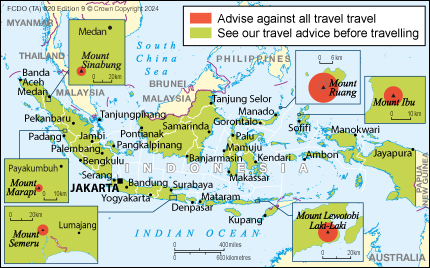
Safety for solo travelers, including women and LGBTQ+ individuals
Indonesia is generally safe for solo travelers, including women and LGBTQ+ individuals, but exercising common sense and caution is wise. Urban areas like Jakarta and Bali are more open-minded, but rural regions can be conservative. Dress modestly, especially in less touristy areas, and avoid overt displays of affection to respect local customs. Always stay updated on current events and local laws to ensure a smooth journey.


Full official government travel advisory (live updates)
View details 👉
safety image

source: www.gov.uk

✈️ VisaDo you need a visa to visit?

It depends on your nationality. Many travelers can enter Indonesia without a visa for up to 30 days, but if you need one, you can apply for a Visa on Arrival at the airport. For a longer stay, consider applying for a B211A visa through an Indonesian embassy or consulate before your trip.

source: kemlu.go.id
⚠️ Visa requirements can change over time, so always check the latest visa requirements with the official embassy or government website before you travel.

🎒 What to pack?Packing essentials for the trip

Visiting Indonesia means you’re diving into a mix of steamy jungles, iconic beaches, and bustling cities, so pack for hot and humid weather with a touch of tropical rain. Think layers for varying mountain climates, especially if you’re trekking around places like Mount Bromo or in the highlands. For cultural spots like temples, pack some *modest* clothing—covering shoulders and knees is the way to go. Quick-drying clothes will be your best friend, and don’t forget a *sarong* for spontaneous temple visits. Enjoy the wild variety, but keep it respectful with your attire.

Apart from this country specific advice, I have also crafted a general packing list that should help on any trip. authorOver the years, I've learned the importance of packing minimally. It's so much easier to jump on the back of a truck or squeeze yourself into the last spot of a minibus without that supersized backpack. If you're headed to a warm destination, leave your winter jacket at home; for colder regions, opt for thin thermal underlayers. Instead of packing your entire wardrobe, bring just three sets of clothes, as laundry facilities are available everywhere.
View the full list 👉
🎒 Planning the practical side of your trip?
Get detailed information on transport, daily budgets, internet access, local customs, food, language, and other essentials in the complete Travel Guide.

Get detailed practical information 👉

Get the Travel Guide -

🙋 FAQThings travelers often ask

Trip Planning


Personal tip: I normally search on good rating for atmosphere (for meeting people) and location (for easy exploring). Cleanliness as a bonus.


Travel Essentials

Hepatitis A and Typhoid vaccines are recommended for Indonesia travelers. Consider Hepatitis B and Japanese Encephalitis if you’re planning extended stays or rural visits. Rabies is optional but wise if you’ll be around animals. Ensure routine vaccines (measles, mumps, rubella, diphtheria, tetanus, and pertussis) are up-to-date. Malaria prophylaxis varies by region, so check local areas. Always consult a healthcare professional for personalized advice.


vaccination requirements
When I first started traveling, I often spent part of my first day in a new country hunting for a local SIM card. While this can still be slightly cheaper, it also takes time and planning.

These days, it's much simpler to install an eSIM before leaving home. Once you arrive in Indonesia, you can activate it immediately and have mobile data from the moment you land — which is especially useful for ordering transport or navigating away from busy airports.

There are many providers nowadays, and price differences are usually small. I personally go with Airalo, as it offers excellent network coverage throughout the country and strong global coverage, so you can manage multiple countries from a single app.


Get your e-sim for Indonesia

Culture & Customs

Dress modestly, especially when visiting religious sites; cover shoulders and knees. Remove shoes when entering homes or temples. Use your right hand for eating and giving or receiving items. Public displays of affection are frowned upon.

For LGBTQ+ travelers, discretion is advised outside urban areas. Women should be prepared for some male attention, particularly in rural spots, but a firm, polite decline usually suffices. Avoid discussing sensitive topics like politics or religion. Always ask for permission before taking photos of people.
Trying traditional food is always a great way to experience the culture. Here are some must-try dishes for Indonesia.
  • Nasi Goreng: Indonesia’s take on fried rice, usually made with kecap manis (sweet soy sauce), shallots, garlic, and sometimes shrimp or chicken. Often topped with a fried egg. It’s a staple comfort food and a go-to meal for locals and travelers alike.
  • Rendang: A slow-cooked beef dish simmered in coconut milk and spices. Originally from West Sumatra, it’s known for its rich, spicy flavor. Rendang is often served on special occasions and is considered a dish of pride due to the time and effort it requires.
  • Sate: Skewered and grilled meat, typically served with a thick peanut sauce. It’s a street food favorite, with variations found across the country, each region adding its twist to the marinade and sauce.
  • Gado-Gado: A salad of slightly boiled vegetables and hard-boiled eggs, served with peanut sauce dressing. Often described as Indonesia’s salad, it’s a healthier option that’s both filling and flavorful.
  • Soto: A traditional soup mainly composed of broth, meat, and vegetables. With numerous regional variations, it’s a dish that showcases the diversity of Indonesian flavors. Soto Ayam (chicken) is particularly popular.
  • Bakso: Meatballs served in a beef broth, often with noodles or rice vermicelli. A favorite street food, it’s loved for its warm, comforting nature, making it perfect for a quick, satisfying meal.
Tap water in Indonesia isn’t safe to drink for tourists, and most locals don’t drink it straight either. Stick to bottled or filtered water to avoid any stomach issues. You’ll find bottled water easily available and cheap at most shops.
The main language in Indonesia is Bahasa Indonesia. Backpacking is way more rewarding if you know a bit of the local language, so I'd suggest brushing up on the basics just in case your Bahasa Indonesia skills have become a bit rusty.

Want to understand locals better?
The complete Travel Guide for Indonesia includes 52 essential words and phrases — greetings, thank-yous, ordering food, transport, numbers, and common local expressions you'll actually hear.

Get your local basic phrases 👉

Get the Travel Guide -


In Indonesia, English proficiency varies significantly by region and demographic. In major cities like Jakarta and Bali, you’ll find a higher number of English speakers, especially among younger people, professionals, and those in the tourism sector. Many hotels, restaurants, and tourist attractions offer English-speaking staff, making it easier for travelers to navigate.

However, in rural areas and smaller towns, English may be less commonly spoken. Locals might understand basic phrases, but communication can be challenging without some knowledge of Bahasa Indonesia, the national language. Learning a few key phrases in Bahasa can enhance your experience and help bridge any language gaps.

Overall, while English is not universally spoken, you can generally find enough English speakers in tourist hotspots to get by. Being patient and using gestures can also help in situations where language barriers arise.

Money & Payments

The local currency of Indonesia is IDR (Rp).

ATMs: You’ll find ATMs in most towns and cities in Indonesia, but they’re not as common in rural areas or on some smaller islands. Always have a backup plan if you’re heading off the beaten path. Make sure your card is activated for international use, and inform your bank about your travel plans to avoid any awkward blocks.

Carry Cash: It’s smart to carry some cash, especially for smaller purchases, local markets, and in places where card machines are nonexistent. Indonesian Rupiah can fluctuate, so keep an eye on the exchange rate before you go. Big cities are card-friendly, but cash is king in rural areas.

Dollars or Euros: U.S. Dollars and Euros are widely accepted for exchange, but they’re not used for transactions. Keep them crisp and in good condition; locals can be picky about the state of your bills. Don’t rely on them too much, though; always have Rupiah for day-to-day expenses.

Card Acceptance: Major cities and tourist hotspots will accept credit cards, but always have cash as a backup. Small vendors rarely accept cards, and outside tourist zones, cash is your best bet. Visa and Mastercard are most commonly accepted — Amex, not so much.

Exchange Tips: Stick to legitimate exchange counters — avoid street exchangers no matter how tempting the rate seems. Airports are convenient, but the rates are often less favorable. In towns, reputable money changers will have clear signage and usually offer better rates than banks.

Tipping in Indonesia isn’t obligatory but is appreciated. In restaurants, a tip of 5-10% is common if a service charge isn’t included. For taxi drivers and hotel staff, rounding up the fare or giving small amounts like IDR 5,000-10,000 is considered generous.

🧩 Nearby countriesSimilar backpacking destinations

Observations and takeaways

Bali, more than Australian surf dudes and beer pong

Bali, more than Australian surf dudes and beer pong

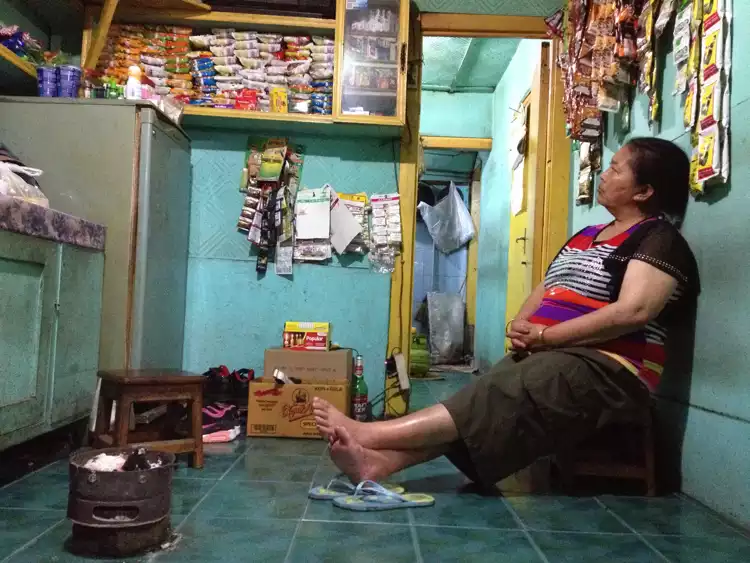
Indonesia | Indonesia started with a culture shock, but then it felt like returning to the Western world. I arrived in Kuta, Bali, which is like Scheveningen for Australians. But even the Germans were abundant here. There was nothing else to do but play beer pong for two nights. Something in me told me that there must be more Indonesian culture to discover tha...
Read more
Climbing the non-forgiving Rinjani volcano

Climbing the non-forgiving Rinjani volcano

Indonesia | Indonesia, without claiming this is a unique poetic discovery, I would call the land of islands and volcanoes. From Gili Air, a small paradise island perfect for snorkeling, cocktails, and tuna steak, Mount Rinjani, a continuously smoking, sometimes active volcano, beckoned. One day, I looked from my beach chair at this mighty volcano, and the next...
Read more
How a non sea-worthy wreck still brought us to the Komodo Islands

How a non sea-worthy wreck still brought us to the Komodo Islands

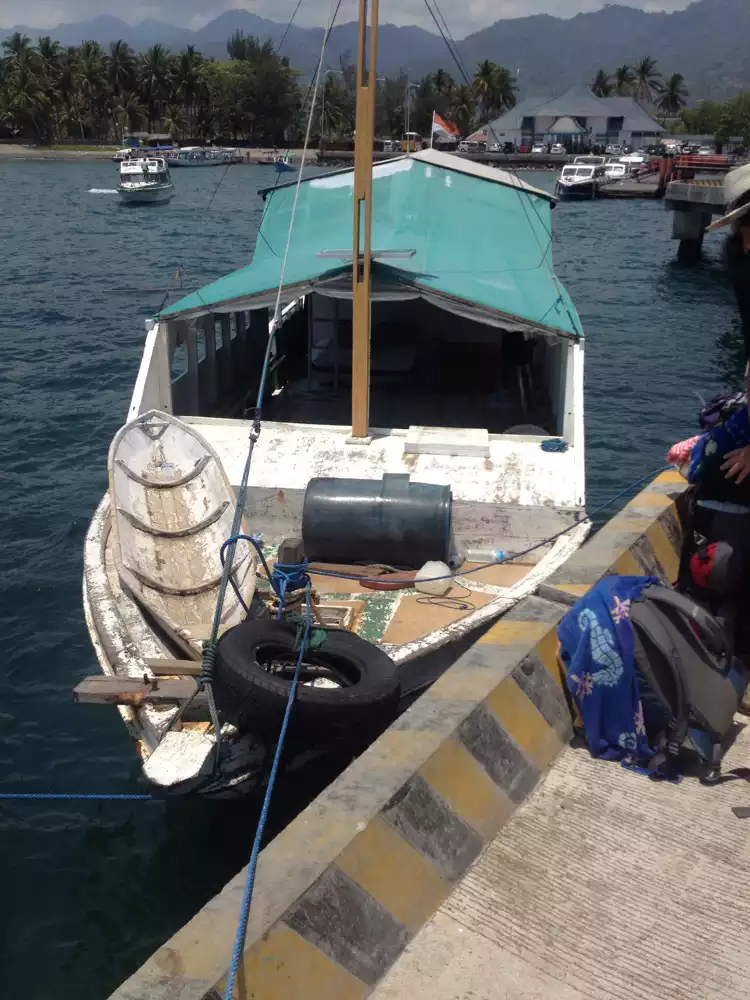
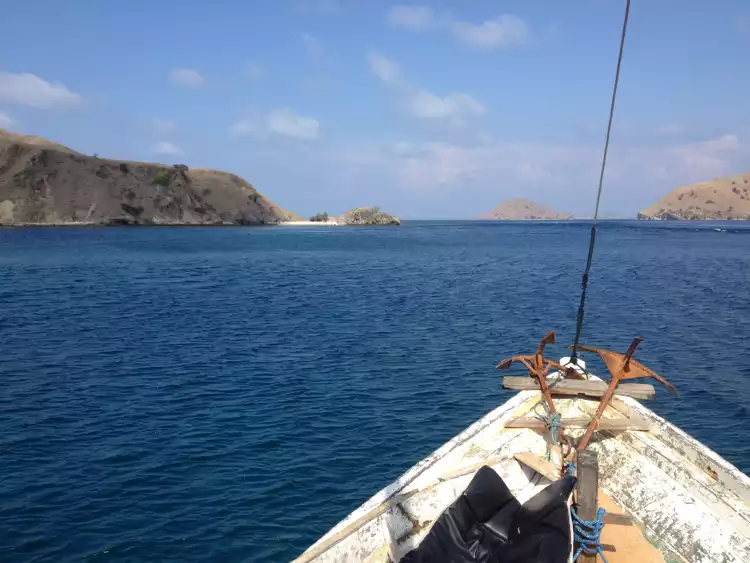
Indonesia | Everyone was silent. Totally stunned. Early in the morning, we, a group of thirty people, stared at a rundown wooden shack. It floated, so you could call it a boat. Sometimes we looked enviously at the boat from the other group. Theirs had everything you‘d call a boat, or so we wanted to believe. Ours floated. The lifeboat, supposed to fit four out...
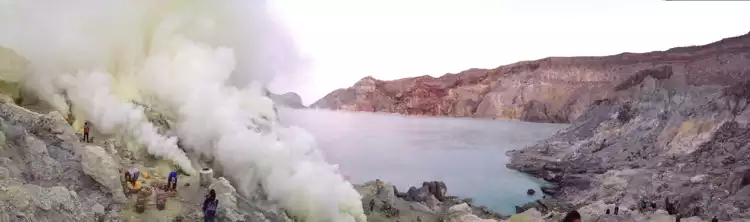
Read more

Why I needed to ask a guy to become a Flores citizen to extend my own visa

Indonesia | I believe there‘s no meal in the world that can attract as much attention after a while as pizza made with local ingredients. And by pizza, I mean the kind only Italians can make. Usually, there‘s no Italian around at that moment, let alone the right original Italian ingredients. But this time we got lucky. We found an Italian guy, complete with a ...
Read more
Don’t try and climb a waterfall – learnt it the hard way

Don’t try and climb a waterfall – learnt it the hard way

Indonesia | After all the effort to extend my visa for another month, today marked the first day of these hard-fought extra thirty days in Indonesia. It would also be the last day I‘d see anything of Indonesia other than the inside of a hostel or hospital. While walking to a waterfall, I slipped, twisted, and fell several meters down. Just as abruptly as I ha...
Read more
Needing some negotiation skills to just enter the bus

Needing some negotiation skills to just enter the bus

Indonesia | I‘d been to some islands in Indonesia before, but this was my first time stepping onto Sumatra, the northwest one. You‘d think I‘d strut in like a pro, all “I got this,” but nope, my Sumatra newbie vibes were in full force when I landed in Binjai. I was on a mission to reach Bukkit Lawang, which, by the way, is like a 2-0 score against me already, ...
Read more

Losing a wallet made me some new friends

Indonesia | Now, heading over to Banda Aceh, I find myself back in Binjai. But guess what? Binjai‘s showing its totally opposite side today. I‘m at a restaurant, just chatting away with this guy for like half an hour. And then, boom, he‘s suddenly gotta dash. I figure I‘ll follow suit, so I ask for the bill, only to find out the guy paid for my whole meal! Cou...
Read more
Why there is beer hidden in the ocean?

Why there is beer hidden in the ocean?

Indonesia | So, I‘m on Pulau Weh, taking a breather. Chillin‘ on a coral-white beach, enjoying tiramisu by a cobalt-blue sea, Eva, the boss lady at the restaurant, spills some tea. She tells me about these fancy cruise ships that roll in and change life for the islanders for a day. Next morning, bam, a 5-star cruise ship docks, 1,000 passengers flood the place...
Read more

Intense story from a Tsunami survivor…

Indonesia | My buddy from the sunset hangout last night gives me a lift to the airport (an hour on the back of his motorbike). Along the way, he tells me about losing two sisters and how he had to flee the tsunami. At first, he saw folks panicking, telling him to run. But he didn‘t get it. Then he saw people soaked or covered in mud. Together, we hit up the ts...
Read more
More stories

We 💚 feedbackThe bottom line on traveling here

Indonesia sells the glossy swing shots; it delivers traffic, queues, and costs that creep. Bali’s south charges like any mid-range beach town now. Komodo isn’t a bargain once boat fuel and park fees stack up. Domestic flights add baggage fees and delays. Pay the toll. Then move.

The magic hits in motion: predawn scooter runs through cool rice air, a smoky warung breakfast before the call to prayer, ferry decks at sunrise with volcanoes in silhouette, kids yelling “halo mister,” an old man inviting you to sit for clove coffee, badminton under street lamps, river baths after a jungle slog. On Flores the road coils forever and every bend brings another roadside grill charring fish over coconut husk. The vibe is gentle but steady—ritual, sweat, and jokes.

Small warning: currents bite hard; coral cuts get nasty; plastic blows in after storms. Carry a sarong and use it.

Strategic tip: pick two islands and go deep; everything gets better when you stop hopping.

✈️ When did I visit Indonesia?
As part of my 1.5 year travel around the world trip, I visited Indonesia twice (and it was worth it. First in September 2015 and a bit later again in January and February 2016. While my visit dates back, this guide is continuously refined using feedback from locals and current backpackers (last update: 2 January 2025)

✍️ Help improve this page!
The information on this page is based on my own backpacking experience in Indonesia, supplemented with up-to-date research and feedback from other travelers. Travel details can change, so if you notice anything outdated or incomplete, feel free to let me know.


🙋‍♂️ Give feedback

👋 Meet the founderWho’s Behind Take Your Backpack?

Johan, backpacker and founder of TakeYourBackpackHi, I’m Johan (Netherlands 🇳🇱), the creator of TakeYourBackpack. Over the past decade, I’ve backpacked through 80+ countries across six continents, gaining extensive experience with independent travel, long-term trips, and overland routes.

This site is built on a combination of firsthand travel experience and carefully curated insights from other backpackers. Many guides are based on places I’ve personally visited, while others bring together tips, observations, and practical advice shared by trusted travelers I’ve met along the way.

The goal is to provide realistic, experience-driven guidance — not generic itineraries — so you can explore destinations with better context, clearer expectations, and more confidence.

Get full Indonesia guide •
Instant download • 155 highlights • Full Offline guide