Trip Planning
The TakeYourBackpack guidebooks are your all-in-one travel companion, featuring the best cities, national parks, hikes, beaches, and unique sites, along with essential tips on when to go, how to get around, exchanging money, and even local phrases to get you started — everything you need for a smooth, unforgettable backpacking adventure.
Stop researching. Start exploring.Discover all 107 highlights,ranked
and organized into practical routes.
Get instant access
Planning a backpacking route through Myanmar can be tricky — you need to balance must-see places, travel times, budget, and how long to stay in each destination. Our personalized Myanmar itinerary planner creates a route based on your travel style, trip duration, and interests, so you can spend less time researching and more time exploring.
Personal tip: I normally search on good rating for atmosphere (for meeting people) and location (for easy exploring). Cleanliness as a bonus.
Travel Essentials
Hepatitis A and B, typhoid, and tetanus vaccines are recommended for Myanmar. Consider rabies if you plan on being around animals a lot. Malaria is a risk in some regions, so check if antimalarials are needed based on your itinerary. For COVID-19, ensure you’re up-to-date as per global guidelines. Always consult a healthcare professional for personalized advice.
vaccination requirementsWhen I first started traveling, I often spent part of my first day in a new country hunting for a local SIM card. While this can still be slightly cheaper, it also takes time and planning.
These days, it's much simpler to install an eSIM before leaving home. Once you arrive in Myanmar, you can activate it immediately and have mobile data from the moment you land — which is especially useful for ordering transport or navigating away from busy airports.
There are many providers nowadays, and price differences are usually small. I personally go with
Holafly, as it offers excellent network coverage throughout the country and strong global coverage, so you can manage multiple countries from a single app.
HolaFly eSimCulture & Customs
Respect is crucial in Myanmar. Always dress conservatively, especially in religious sites—cover shoulders and knees. Remove shoes and socks before entering pagodas and religious buildings. Use your right hand or both hands when giving or receiving items, as the left hand is considered unclean. Avoid touching anyone on the head, as it’s sacred, and don’t point feet at people or religious objects.
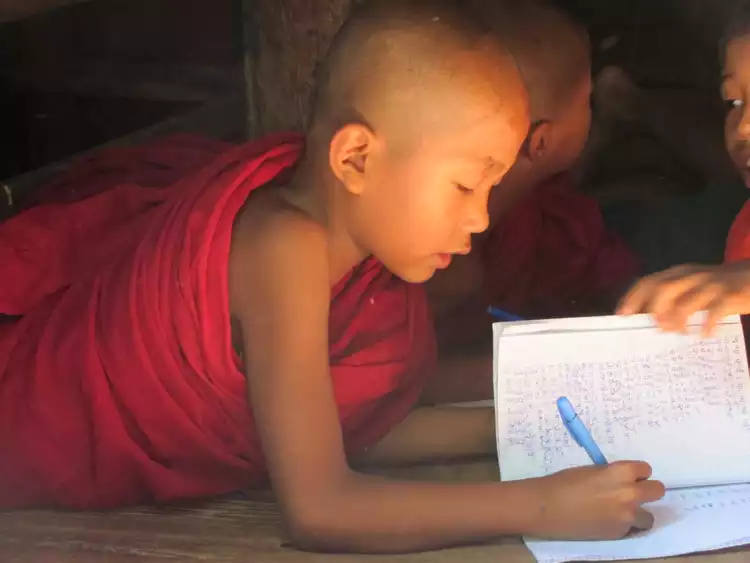
For LGBTQ+ travelers, discretion is advised; public displays of affection are generally frowned upon for all couples. Women should be cautious when traveling alone at night and avoid isolated areas. Always ask permission before taking photos of people, especially monks, and be mindful of local sentiments.
Trying traditional food is always a great way to experience the culture. Here are some must-try dishes for Myanmar.
- Mohinga: This is the unofficial national dish of Myanmar. It’s a rice noodle and fish soup usually eaten for breakfast. The broth is fragrant with lemongrass, ginger, and garlic, making it a comforting start to the day.
- Tea Leaf Salad (Lahpet Thoke): Fermented tea leaves mixed with peanuts, sesame seeds, and crispy garlic. It’s a unique salad that offers a taste of Myanmar’s love for tea, both as a drink and an edible centerpiece.
- Shan Noodles: Originating from the Shan State, this dish features rice noodles served with a flavorful meat sauce, usually chicken or pork. It’s a staple in Myanmar cuisine and loved for its simplicity and taste.
- Curry: Myanmar curries are less spicy than their Thai counterparts and often served with a variety of side dishes. Try the beef or chicken curry for a rich, aromatic experience that highlights local spices.
- Nan Gyi Thoke: A thick rice noodle salad mixed with chicken curry and garnished with boiled egg and lime. It’s a dry noodle dish that’s a favorite for its hearty and satisfying flavors.
Tap water in Myanmar is generally not safe for tourists to drink, and even locals often avoid it, opting for boiled or filtered water instead. It’s recommended to stick to bottled water, which is widely available, or use a reliable water filter if you’re looking to reduce plastic use. Always ensure the seal on bottled water is intact before purchasing.
The main language in Myanmar is
မြန်မာဘာသာ. Backpacking is way more rewarding if you know a bit of the local language, so I'd suggest brushing up on the basics just in case your မြန်မာဘာသာ skills have become a bit rusty.
Want to understand locals better?The complete Travel Guide for Myanmar includes 52 essential words and phrases — greetings, thank-yous, ordering food, transport, numbers, and common local expressions you'll actually hear.
Get your local basic phrases 👉
Get the Travel Guide - In Myanmar,
English is spoken to varying degrees, primarily in urban areas and tourist destinations. In cities like Yangon and Mandalay, many younger people, especially those in the hospitality industry, have a good command of English. Hotels, restaurants, and tour operators often employ English-speaking staff to cater to international visitors.
However, outside major tourist spots, English proficiency diminishes significantly. In rural areas, communication may be challenging, as many locals speak little to no English. In these regions, it can be helpful to learn a few basic Burmese phrases or use translation apps to facilitate interactions.
Overall, while you can navigate most tourist areas with English, having some knowledge of the local language can enhance your experience and help foster connections with locals.
Money & Payments
The local currency of Myanmar is MMK (K).
In Myanmar, ATMs are more common in urban areas now, but they can still be unreliable. It’s wise to carry enough cash for a few days, especially if you’re heading to more remote spots. Local currency, the kyat, is what you’ll use most, but keep some crisp, unmarked USD for emergencies or high-value purchases. Euros are less commonly accepted.
When it comes to plastic, card acceptance is improving but still limited, especially outside of Yangon and Mandalay. Always check if your accommodation or restaurant takes cards before you sit down. For exchanging money, stick to banks or authorized exchange counters for the best rates. Avoid street money changers, as their rates often come with a side of sketchiness. And remember, your USD bills should be in mint condition; any marks or tears, and they’ll be politely declined.
Tipping in Myanmar isn’t obligatory, but it’s appreciated due to low wages, especially in service sectors. In restaurants, leaving around 5-10% is kind, while porters and hotel staff often expect a small tip of about 1,000-2,000 MMK. For guides and drivers, consider tipping more generously, around 5,000-10,000 MMK, as a gesture of appreciation.
v2.webp)

 Best Backpacking
.jpg) Over the years, I've learned the importance of packing minimally. It's so much easier to jump on the back of a truck or squeeze yourself into the last spot of a minibus without that supersized backpack. If you're headed to a warm destination, leave your winter jacket at home; for colder regions, opt for thin thermal underlayers. Instead of packing your entire wardrobe, bring just three sets of clothes, as laundry facilities are available everywhere.
Over the years, I've learned the importance of packing minimally. It's so much easier to jump on the back of a truck or squeeze yourself into the last spot of a minibus without that supersized backpack. If you're headed to a warm destination, leave your winter jacket at home; for colder regions, opt for thin thermal underlayers. Instead of packing your entire wardrobe, bring just three sets of clothes, as laundry facilities are available everywhere.




















.jpg) Hi, I’m Johan (Netherlands 🇳🇱), the creator of TakeYourBackpack. Over the past decade, I’ve backpacked through 80+ countries across six continents, gaining extensive experience with independent travel, long-term trips, and overland routes.
Hi, I’m Johan (Netherlands 🇳🇱), the creator of TakeYourBackpack. Over the past decade, I’ve backpacked through 80+ countries across six continents, gaining extensive experience with independent travel, long-term trips, and overland routes.