Trip Planning
The TakeYourBackpack guidebooks are your all-in-one travel companion, featuring the best cities, national parks, hikes, beaches, and unique sites, along with essential tips on when to go, how to get around, exchanging money, and even local phrases to get you started — everything you need for a smooth, unforgettable backpacking adventure.
Stop researching. Start exploring.Discover all 35 highlights,ranked
and organized into practical routes.
Get instant access
Planning a backpacking route through St. Lucia can be tricky — you need to balance must-see places, travel times, budget, and how long to stay in each destination. Our free personalized St. Lucia itinerary planner creates a route based on your travel style, trip duration, and interests, so you can spend less time researching and more time exploring.
Personal tip: I normally search on good rating for atmosphere (for meeting people) and location (for easy exploring). Cleanliness as a bonus.
Travel Essentials
Routine vaccinations like MMR, DTP, and varicella are recommended. Consider getting Hepatitis A and Hepatitis B vaccines. If coming from a yellow fever risk area, a yellow fever vaccine is required. Typhoid vaccine is advisable if you plan to venture off the beaten path or eat street food. Rabies vaccine is optional unless you plan to engage in activities with high exposure to animals. Always check with a healthcare provider for the most current advice.
vaccination requirementsWhen I first started traveling, I often spent part of my first day in a new country hunting for a local SIM card. While this can still be slightly cheaper, it also takes time and planning.
These days, it's much simpler to install an eSIM before leaving home. Once you arrive in St. Lucia, you can activate it immediately and have mobile data from the moment you land — which is especially useful for ordering transport or navigating away from busy airports.
There are many providers nowadays, and price differences are usually small. I personally go with
Holafly, as it offers excellent network coverage throughout the country and strong global coverage, so you can manage multiple countries from a single app.
HolaFly eSimCulture & Customs
Saint Lucia is laid-back but values respect and politeness. Dress modestly, especially in rural areas and local events; avoid beachwear outside the beach. Greet with a smile or a handshake, and use formal titles like Mr. or Mrs.
Avoid discussing politics unless you’re well-informed, and steer clear of criticizing the country. Public displays of affection are generally frowned upon, especially for LGBTQ+ individuals, as societal attitudes can be conservative. Women should be cautious when traveling alone at night; stick to well-lit areas and trusted transportation. Always ask before photographing locals, as it’s polite and respectful.
Trying traditional food is always a great way to experience the culture. Here are some must-try dishes for St. Lucia.
- Green Fig and Saltfish: This is the national dish of Saint Lucia, featuring boiled green bananas (locally called ”figs”) served with saltfish, typically cod. It’s a staple for breakfast and a symbol of the island’s mix of African, European, and indigenous influences.
- Callaloo Soup: A hearty soup made from callaloo leaves, often likened to spinach, cooked with coconut milk, spices, and sometimes crab or other meats. It’s a must-try for anyone wanting a taste of local Creole flavors.
- Bouyon: A rich, flavorful stew usually made with meats like chicken or pork, combined with ground provisions like yams and sweet potatoes. This dish is a go-to comfort food, especially during cooler weather or family gatherings.
- Bake and Saltfish: A popular street food, this consists of fried dough (the ”bake”) filled with seasoned saltfish. It’s a quick, tasty option perfect for breakfast or a snack while exploring the island.
- Accra: These are deep-fried fritters made from salted fish and seasoned batter. Accras are often enjoyed as appetizers or snacks and are perfect for sampling the island’s love for spicy, savory treats.
Tap water in Saint Lucia is generally safe for locals, but tourists are advised to stick to bottled or filtered water to avoid any potential stomach issues. Bottled water is affordable and widely available, so it’s a convenient option for travelers.
English is the official language of Saint Lucia, making it widely spoken throughout the island. Visitors will find that most locals, including those in the tourism industry, are fluent in English, facilitating easy communication for travelers. In addition to standard English, many Saint Lucians also speak a local Creole known as Kwéyòl, which incorporates elements of French and African languages. While some locals may use Kwéyòl in casual settings, English remains the primary language for business, education, and official matters.
Tourists can confidently navigate the island, as signs, menus, and informational materials are predominantly in English. Whether dining at a restaurant, shopping, or asking for directions, travelers will generally encounter friendly locals who are eager to assist and engage in conversation. Overall, the prevalence of English in Saint Lucia makes it an accessible destination for English-speaking travelers.
Money & Payments
The local currency of St. Lucia is XCD ($).
ATMs: You’ll find ATMs in major areas like Castries and Soufrière, but they can be scarce in rural spots. Plan on withdrawing enough cash when you’re in town to avoid getting stuck. Most ATMs accept Visa and MasterCard.
Cash vs. Cards: Cash is king in Saint Lucia, especially in smaller towns and local markets. Major hotels and restaurants generally accept cards, but don’t rely on them everywhere. Carrying cash is essential.
Currencies: The official currency is the Eastern Caribbean Dollar (XCD), but US dollars are widely accepted. Euros, not so much. If you have USD, you’re in luck; otherwise, exchange your euros if possible before you arrive.
Exchange: You can exchange money at banks and some hotels, though rates vary. Avoid exchanging money at the airport, as the rates are usually worse. Local banks like Bank of Saint Lucia offer decent rates. Always keep some small bills handy for local transport and street vendors.
Tipping in Saint Lucia is generally appreciated but not mandatory. A service charge of 10% is often included in hotel and restaurant bills, but leaving an extra 5-10% is a kind gesture if the service was exceptional. For taxis and tour guides, rounding up the fare or adding a small tip is customary.
v2.webp)


 Best Backpacking
.jpg) Over the years, I've learned the importance of packing minimally. It's so much easier to jump on the back of a truck or squeeze yourself into the last spot of a minibus without that supersized backpack. If you're headed to a warm destination, leave your winter jacket at home; for colder regions, opt for thin thermal underlayers. Instead of packing your entire wardrobe, bring just three sets of clothes, as laundry facilities are available everywhere.
Over the years, I've learned the importance of packing minimally. It's so much easier to jump on the back of a truck or squeeze yourself into the last spot of a minibus without that supersized backpack. If you're headed to a warm destination, leave your winter jacket at home; for colder regions, opt for thin thermal underlayers. Instead of packing your entire wardrobe, bring just three sets of clothes, as laundry facilities are available everywhere.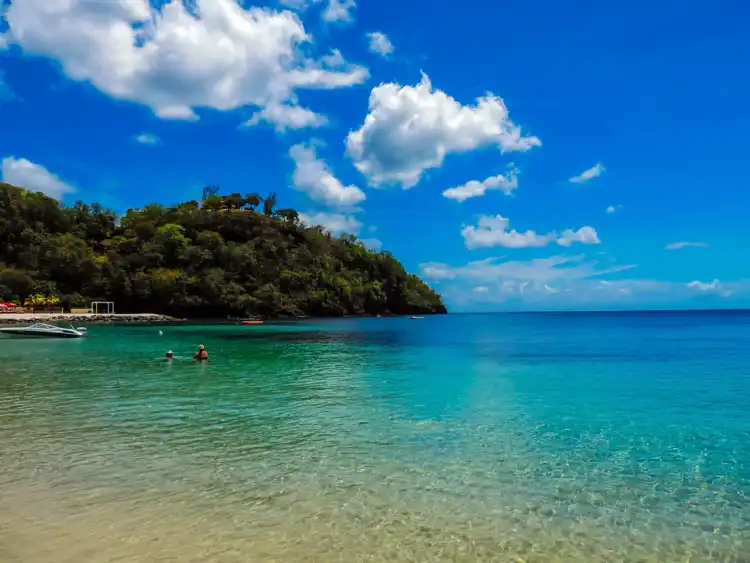

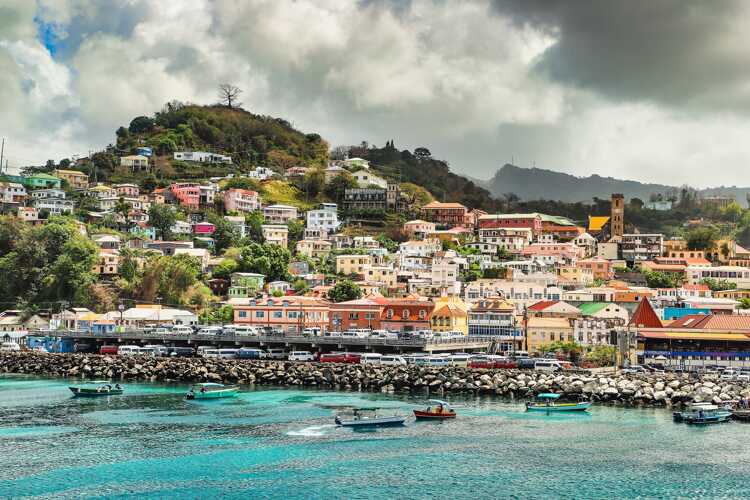
.jpg) Hi, I’m Johan (Netherlands 🇳🇱), the creator of TakeYourBackpack. Over the past decade, I’ve backpacked through 80+ countries across six continents, gaining extensive experience with independent travel, long-term trips, and overland routes.
Hi, I’m Johan (Netherlands 🇳🇱), the creator of TakeYourBackpack. Over the past decade, I’ve backpacked through 80+ countries across six continents, gaining extensive experience with independent travel, long-term trips, and overland routes.