Trip Planning
The TakeYourBackpack guidebooks are your all-in-one travel companion, featuring the best cities, national parks, hikes, beaches, and unique sites, along with essential tips on when to go, how to get around, exchanging money, and even local phrases to get you started — everything you need for a smooth, unforgettable backpacking adventure.
Stop researching. Start exploring.Discover all 86 highlights,ranked
and organized into practical routes.
Get instant access
Planning a backpacking route through Hungary can be tricky — you need to balance must-see places, travel times, budget, and how long to stay in each destination. Our free personalized Hungary itinerary planner creates a route based on your travel style, trip duration, and interests, so you can spend less time researching and more time exploring.
Personal tip: I normally search on good rating for atmosphere (for meeting people) and location (for easy exploring). Cleanliness as a bonus.
Travel Essentials
No vaccinations are required to visit Hungary, but make sure your routine shots are current, including measles-mumps-rubella, tetanus-diphtheria and the seasonal flu. Hepatitis A and B are sometimes recommended for longer stays. If you plan to hike or camp in forests, consider the tick-borne encephalitis vaccine, since infected ticks are present from spring to autumn, and check yourself for ticks after walks in wooded areas.
vaccination requirementsWhen I first started traveling, I often spent part of my first day in a new country hunting for a local SIM card. While this can still be slightly cheaper, it also takes time and planning.
These days, it's much simpler to install an eSIM before leaving home. Once you arrive in Hungary, you can activate it immediately and have mobile data from the moment you land — which is especially useful for ordering transport or navigating away from busy airports.
There are many providers nowadays, and price differences are usually small. I personally go with
Holafly, as it offers excellent network coverage throughout the country and strong global coverage, so you can manage multiple countries from a single app.
HolaFly eSimCulture & Customs
Hungarians are reserved at first and value punctuality, so arrive on time for tours, dinners and appointments. Do take your shoes off when entering someone’s home, bring flowers in odd numbers (but avoid chrysanthemums, which are for funerals) and look people in the eye when you toast. Don’t clink beer glasses, a habit many locals still skip because of the legend that Austrians celebrated the execution of the 1848 revolutionaries this way; wine and pálinka glasses are fine to clink. Cover your shoulders and knees in churches and keep voices down in thermal baths, where loud groups get stares. Avoid joking about the Trianon Treaty or comparing Hungary to its neighbors, which remain sensitive topics. Women face no specific etiquette rules, while LGBTQ+ travelers will find open acceptance in Budapest’s nightlife but more conservative attitudes in the countryside.
Trying traditional food is always a great way to experience the culture. Here are some must-try dishes for Hungary.
- Gulyás (Goulash): A brothy soup of beef, potatoes, carrots and paprika, originally cooked in kettles by Great Plain herdsmen. It is Hungary’s calling card, eaten as a hearty starter rather than the thick stew many visitors expect.
- Pörkölt: The thick paprika-and-onion stew that foreigners usually call goulash, made with beef, pork or lamb and served with nokedli (small egg dumplings). It is everyday home cooking at its most typical.
- Csirkepaprikás (Chicken Paprikash): Chicken simmered in paprika sauce finished with sour cream, again with nokedli. It shows off the sweet, rich side of Hungarian paprika.
- Halászlé (Fisherman’s Soup): A fiery red river-fish soup of carp or catfish, with Szeged and Baja styles fiercely debated. It is the traditional Christmas Eve dinner for many families.
- Töltött káposzta (Stuffed Cabbage): Cabbage leaves wrapped around pork and rice, slow-cooked over sauerkraut and topped with sour cream. It dominates winter tables and holiday feasts.
- Lángos: Deep-fried dough smeared with garlic, sour cream and grated cheese. It is the beach food of Lake Balaton and the classic market snack.
- Kürtőskalács (Chimney Cake): Sweet dough spun around a spit, roasted over coals and rolled in sugar, cinnamon or walnuts. Its roots lie with the Hungarian Székely communities of Transylvania.
- Dobos torta: A sponge cake layered with chocolate buttercream under a hard caramel top, created by Budapest confectioner József C. Dobos in the 1880s and still a café-culture staple.
Tap water in Hungary is safe to drink and meets EU standards, and locals drink it straight from the tap throughout the country. Tourists can refill a reusable bottle without worry, though some people dislike the slightly mineral or chlorinated taste in certain towns. Bottled water is only a matter of preference, and in restaurants you can ask for “csapvíz” (tap water), which is usually free or very cheap.
The main language in Hungary is
Hungarian. Backpacking is way more rewarding if you know a bit of the local language, so I'd suggest brushing up on the basics just in case your Hungarian skills have become a bit rusty.
Want to understand locals better?The complete Travel Guide for Hungary includes 52 essential words and phrases — greetings, thank-yous, ordering food, transport, numbers, and common local expressions you'll actually hear.
Get your local basic phrases 👉
Get the Travel Guide - In Budapest and the main tourist hubs of Hungary,
English gets you through hotels, restaurants and ticket desks without much effort, and hostel staff and people under about 40 usually speak it well. In smaller towns and rural villages it thins out fast, and older people there are more likely to know German, which is the most useful second language, especially in the west near Austria. Download Hungarian for offline use in Google Translate and learn “köszönöm” (thank you) and “egészségedre” (cheers), which earn warm smiles every time.
Money & Payments
The local currency of Hungary is HUF (Ft).
Hungary uses the forint (HUF) rather than the euro, and ATMs are easy to find in every town, with bank machines from OTP, K&H or Erste usually charging nothing to about 1,500 HUF per withdrawal on top of your own bank’s fees. Avoid the blue and yellow Euronet machines clustered around tourist areas, which add high fees and push poor conversion rates, and always decline the offer to be charged in your home currency. Cards and contactless payments work almost everywhere in Budapest, including public transport, supermarkets and most restaurants, but keep some cash for market stalls, small village shops, lángos stands and public toilets. Some tourist businesses accept euros, though at weak rates, so there is no need to bring US dollars or euros beyond an emergency reserve. If you do exchange cash, skip the airport counters and Váci utca, and use the competitive exchange offices in central Budapest that display a clear buy and sell rate with no commission.
Tipping in Hungary is expected in sit-down restaurants at around 10 to 15 percent, but first check the bill for a “szervizdíj” (service charge), which many Budapest venues add automatically at 10 to 15 percent. Tell the server the total you want to pay while handing over cash or card, since saying “thank you” as you hand over money can mean they keep the change. Round up for taxis and hairdressers, and leave a few hundred forints for bar staff or bath attendants.
v2.webp)
 Best Backpacking
.jpg) Over the years, I've learned the importance of packing minimally. It's so much easier to jump on the back of a truck or squeeze yourself into the last spot of a minibus without that supersized backpack. If you're headed to a warm destination, leave your winter jacket at home; for colder regions, opt for thin thermal underlayers. Instead of packing your entire wardrobe, bring just three sets of clothes, as laundry facilities are available everywhere.
Over the years, I've learned the importance of packing minimally. It's so much easier to jump on the back of a truck or squeeze yourself into the last spot of a minibus without that supersized backpack. If you're headed to a warm destination, leave your winter jacket at home; for colder regions, opt for thin thermal underlayers. Instead of packing your entire wardrobe, bring just three sets of clothes, as laundry facilities are available everywhere.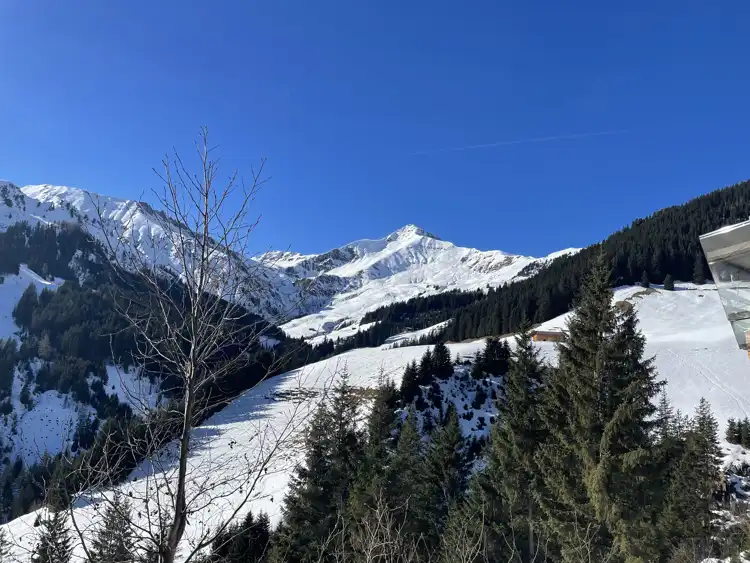


.jpg) Hi, I’m Johan (Netherlands 🇳🇱), the creator of TakeYourBackpack. Over the past 3 decades, I’ve backpacked through 90+ countries across six continents, gaining extensive experience with independent travel, long-term trips, and overland routes.
Hi, I’m Johan (Netherlands 🇳🇱), the creator of TakeYourBackpack. Over the past 3 decades, I’ve backpacked through 90+ countries across six continents, gaining extensive experience with independent travel, long-term trips, and overland routes.