×
Sweden 🇸🇪

backpacking Europe Sweden 🇸🇪Travel quietly through forests and island archipelagos.

Explore SvalbardExplore Switzerland

Backpacking Sweden in 2026

A complete guide including when and where to go, costs, transport, itineraries, and practical travel advice.
A first look at the country

Backpacking Sweden
By Johan Kruseman 🇳🇱 | Updated June 13, 2026

Sweden’s real expense isn’t alcohol—it’s time: long distances and short winter daylight limit how much you can do. Stockholm to Abisko is a full day by train, and archipelago ferries run on their own clock. Plan around light and transit and the country’s calm, well-run pace makes sense.

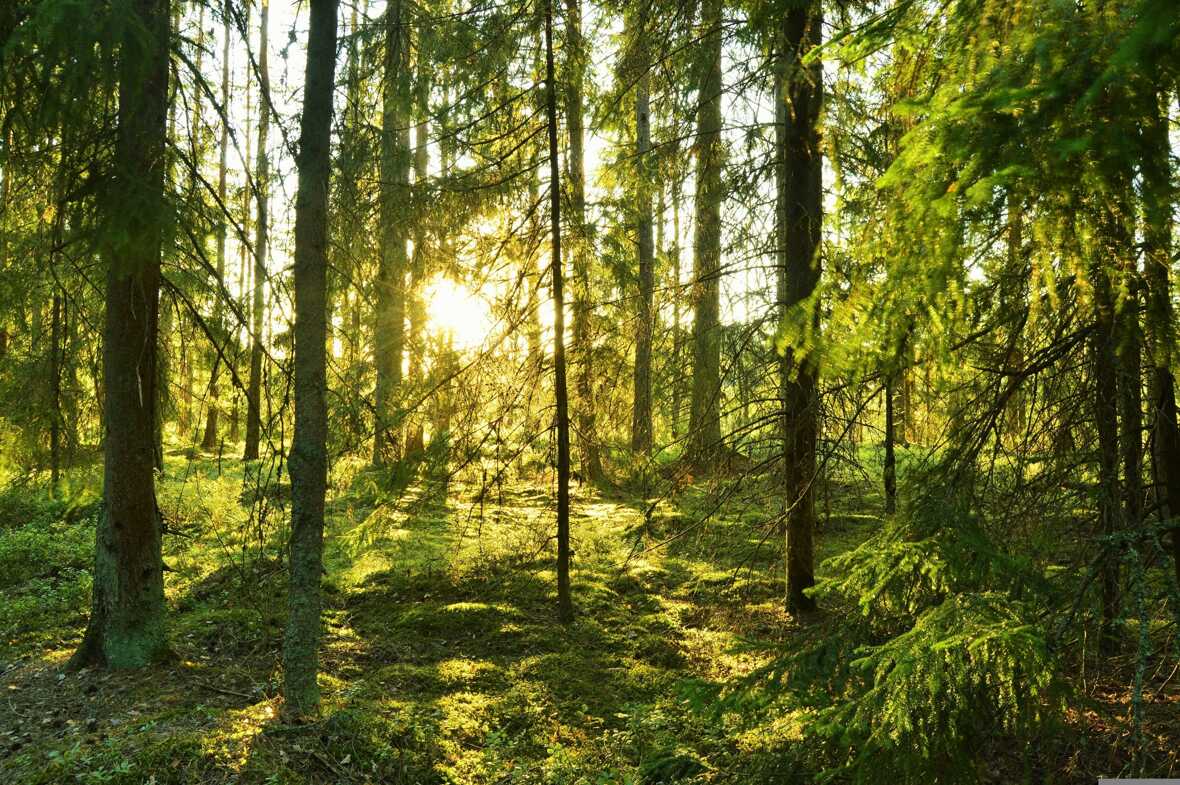
Come for deep forests, clear lakes, and a city–nature rhythm built for breathing. Stockholm pairs island-hopping with sharp design; Gothenburg serves seafood and harbor grit; Malmö adds global food and bikes. Allemansrätten lets you camp by a lake, then ride the night train north for midnight sun or aurora on the Kungsleden, with Sámi culture along the way. Yes, alcohol is pricey, Systembolaget closes early, and Lapland’s mosquitoes bite; but a headnet, layers, and patience turn frictions into sharper quiet—fika, cold swims, pine hush.

Norway is showier and pricier; Denmark is easier and tamer; Finland goes deeper on saunas and silence. Sweden sits in the middle: big nature, dependable logistics, real cities. Go if you value order, room to roam, and days that reward moving deliberately.

👉 Get the 📖 Travel Guide of Sweden

Stockholm & the Archipelago

Base yourself here if you want Sweden’s culture with low logistical risk. Arlanda is the main gateway; commuter trains are cheaper than the airport express but slower. City transit is clean and predictable, ferries run a tight clock. The archipelago is the high-value add: early boats, cold swims, quiet rock slabs. Trade-offs: dining and bars land pricey, but you save time and stress. Comfort is high; spontaneity drops in peak summer when boats fill, so book or queue early.

Gothenburg & Bohuslän Coast

A working-port mood and student pockets keep it relaxed. Fast trains from Stockholm and Copenhagen make it the easiest second stop. The payoff is on the granite coast north of town: bus-ferry chains to car-free islands, sea kayaking, long evening light. Trade-offs: weather flips fast and wind bites; seafood trips punish the wallet. Time cost rises once you leave the tram network, but crowd levels drop with every transfer.

Skåne (Malmö–Lund–Österlen)

Flat, farmed, bikeable. Copenhagen airport plus a short train lets you skip domestic flights. Malmö and Lund are compact and affordable by Swedish standards; Österlen’s farm cafes and beaches stretch out and reward a car or patient bus hopping. Trade-offs: cheap access and easy cycling, but distances are deceptive and summer buses thin out at night. Comfort is high if you keep plans loose.

Dalarna & Lake Siljan

Folk traditions meet forests and lakes. Trains to Falun or Mora are straightforward; after that, a car makes it smoother. Cabins, saunas, easy paddling, and cross-country trails in winter. Trade-offs: slower pace, lower daily costs outside resorts, but June mosquitoes and limited off-peak buses. Time buys calm here; rush it and you miss the point.

Swedish Lapland (Abisko–Kiruna spine)

Night train or flight north, then you’re on the Malmbanan rail and hut-to-hut trails. Big distances, real weather. Summer offers midnight sun and boggy, insect-heavy valleys; winter brings aurora and cold that punishes sloppy gear. Trade-offs: time-heavy and comfort-light, with hut fees and logistics adding up. The reward is space and silence you earn by carrying your load.
Map of Sweden
Loading the map 🌍
CLICK TO FILTER
cities
towns
villages
landmarks
national parks
hikes
beaches
attractions
festivals
regions
SHOW COUNTRY’S BESTSHOW ALL

Why go?What draws travelers here

People

Swedes are courteous, direct, and slow to open. Time buys warmth: give it a second coffee, a shared trail under Allemansrätten, or a full sauna cycle … read more 👉
Swedes are courteous, direct, and slow to open. Time buys warmth: give it a second coffee, a shared trail under Allemansrätten, or a full sauna cycle and you’ll see the dry humor and real help come out. Money buys fairness, not favor—pay your share, tap to pay, and you’re fine. Comfort is the trade: respect silence on trains, queue with patience, shoes off in homes, and don’t force small talk. Pro tip: linger at a neighborhood konditori around 10 a.m. for fika; I’ve had more genuine chats over cardamom buns than anywhere else.

Mountains

Sweden’s mountains reward effort: long trails, big sky, and real solitude above the Arctic Circle. The Kungsleden is waymarked with STF huts every 10–20 … read more 👉
Sweden’s mountains reward effort: long trails, big sky, and real solitude above the Arctic Circle. The Kungsleden is waymarked with STF huts every 10–20 km; go hut-to-hut for comfort (and cost) or wild camp free under Allemansrätten if you’ll carry the weight. Midnight sun stretches your days; July mosquitoes are brutal—bring a head net. Kebnekaise is doable from Nikkaluokta; pay for the Ladtjojaure boat to save 6 km, or walk and keep your kronor. I’ve sat out a whiteout at Kebnekaise Fjällstation—one buffer day is worth it. Pro tip: night trains to Abisko save a hotel night.

Wildlife

Sweden rewards patient wildlife chasers: moose move at dusk in Värmland and Dalarna, beavers ripple forest lakes, brown bears shadow berry slopes in Hälsingland, … read more 👉
Sweden rewards patient wildlife chasers: moose move at dusk in Värmland and Dalarna, beavers ripple forest lakes, brown bears shadow berry slopes in Hälsingland, and sea eagles haunt the archipelago. You trade time and comfort for real sightings. Long light helps, but mosquitoes and cold bog water test you; a licensed hide costs money but buys hours of quiet encounters. I’ve had bears pad past at 3 a.m. near Järvsö—worth the cramped bench. Pro tip: ride the night train north, carry a bug headnet, and use ethical local guides who know tracks, wind, and landowners.
Want the complete picture of Sweden?
The offline Travel Guide brings everything together — routes, highlights & planning.

See what's included in the guide 👉

Get the Travel Guide -

⭐ HighlightsWhat not to miss along the way

  • Stockholm Archipelago: Leave the palace domes behind and the water turns to a maze of pines, red boathouses, and bare rock. The Waxholmsbolaget ferries rumble, salt and diesel in the air, deck boards cold under your palm. Time vs money: public boats are cheap but slow; private RIBs cut hours at near-hotel prices. Comfort drops outside—wind bites, sun bakes—but the outer islands repay with silence.
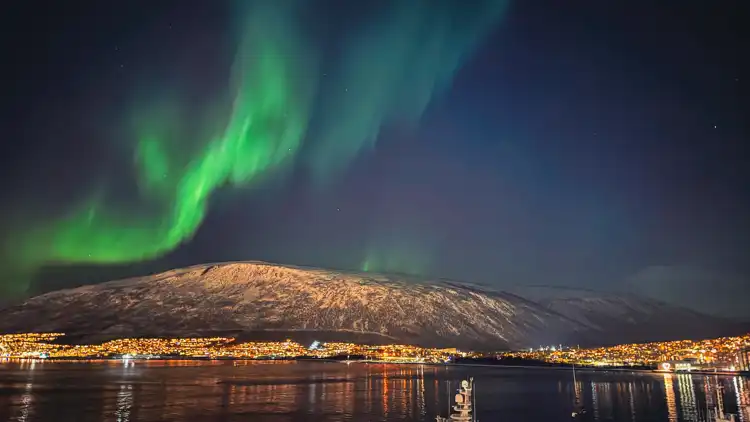
  • Abisko National Park & Aurora: A wide valley under a dry, clear sky, with Lake Torneträsk like steel. At -20°C the snow squeaks and your eyelashes frost in minutes; sauna smoke from the STF station clings to your coat while green curtains drift overhead. Time: the overnight train is long but budget-friendly; flying to Kiruna is faster, then train or bus. Comfort cost is brutal cold and limited dining; reward is clear nights and space.
  • The High Coast (Höga Kusten) & Skuleskogen: Land still rising from the sea, red cliffs and crooked pines, and the slit of Slåttdalsskrevan like a stone hallway. Blueberries
read more 👉
  • Stockholm Archipelago: Leave the palace domes behind and the water turns to a maze of pines, red boathouses, and bare rock. The Waxholmsbolaget ferries rumble, salt and diesel in the air, deck boards cold under your palm. Time vs money: public boats are cheap but slow; private RIBs cut hours at near-hotel prices. Comfort drops outside—wind bites, sun bakes—but the outer islands repay with silence.
  • Abisko National Park & Aurora: A wide valley under a dry, clear sky, with Lake Torneträsk like steel. At -20°C the snow squeaks and your eyelashes frost in minutes; sauna smoke from the STF station clings to your coat while green curtains drift overhead. Time: the overnight train is long but budget-friendly; flying to Kiruna is faster, then train or bus. Comfort cost is brutal cold and limited dining; reward is clear nights and space.
  • The High Coast (Höga Kusten) & Skuleskogen: Land still rising from the sea, red cliffs and crooked pines, and the slit of Slåttdalsskrevan like a stone hallway. Blueberries stain your fingers; boards bounce over bog. Time: public buses are sparse—car saves hours. Money stays modest with cabins and simple camps. Comfort loss is roots, climbs, and mosquitoes; sunset from Skuleberget pays back.
  • Visby and Gotland: Medieval walls, lime-dust alleys, and wind that smells of salt. On Fårö the sea stacks warm your back while kites tug at the sky; the ferry hull thuds through chop. Time vs money: a 3-hour ferry is cheaper than a 40-minute flight. Comfort trade: summer crowds and cobbles; shoulder season eases both and bike rental drops.
  • Gothenburg’s Southern Archipelago: Car-free islands of smooth granite and heather, reached by tram to Saltholmen and a ferry on the same ticket. Gulls heckle while you peel a shrimp sandwich with numb fingers, salt drying on your lips. Time is light—an easy day—but weather taxes comfort; bring layers. Money stays low if you self-cater on a rock. For off-the-map days, aim for Tiveden’s boulder mazes, Fulufjället’s Njupeskär after rain, or the Jokkmokk Winter Market; my personal favorite is pre-dawn alone in Slåttdalsskrevan, coffee steaming and no sound but wind in the pines.
Spotted a mistake or missing a highlight? Contact us.

But Sweden offers more...

Discover and compare all of its highlights per category

🧭 RoutesPlanning a route that makes sense

The 5-Day Stockholm & Archipelago Taster

The Vibe: A relaxed city-based escape that mixes royal history, waterfront museums, and easy nature without ever changing hotels. You’ll live like a temporary local in Stockholm while day-tripping to palaces, open-air museums, and harbor viewpoints.
The Highlights:
  • Wandering the lanes and squares of Gamla Stan’s historic core.
  • Standing beneath the massive 17th-century warship at the Vasa Museum.
  • Stepping through centuries of Swedish life at Skansen and Nordiska museet.
  • Boating out to Drottningholm Palace for gardens, water views, and a slower pace.

The 10-Day Cities, Castles & West Coast Route

The Vibe: A balanced loop through Sweden’s key southern cities with a finale on the Bohuslän coast, moving at a comfortable pace by train and ferry. You’ll blend royal Stockholm, laid-back university towns, and salty harbor villages into one smooth arc.
The Highlights:
  • Exploring Stockholm’s old town, royal palace, and island museums.
  • Sampling southern city life between
read more 👉

The 5-Day Stockholm & Archipelago Taster

The Vibe: A relaxed city-based escape that mixes royal history, waterfront museums, and easy nature without ever changing hotels. You’ll live like a temporary local in Stockholm while day-tripping to palaces, open-air museums, and harbor viewpoints.
The Highlights:
  • Wandering the lanes and squares of Gamla Stan’s historic core.
  • Standing beneath the massive 17th-century warship at the Vasa Museum.
  • Stepping through centuries of Swedish life at Skansen and Nordiska museet.
  • Boating out to Drottningholm Palace for gardens, water views, and a slower pace.

The 10-Day Cities, Castles & West Coast Route

The Vibe: A balanced loop through Sweden’s key southern cities with a finale on the Bohuslän coast, moving at a comfortable pace by train and ferry. You’ll blend royal Stockholm, laid-back university towns, and salty harbor villages into one smooth arc.
The Highlights:
  • Exploring Stockholm’s old town, royal palace, and island museums.
  • Sampling southern city life between Malmö’s waterfront and Lund’s cobbled university streets.
  • Riding trams and chasing culture in Gothenburg, from art museums to amusement parks.
  • Unwinding in Bohuslän’s fishing villages like Fjällbacka and fortress-topped Marstrand.

The 15-Day Wild North to Island South Journey

The Vibe: A full-country adventure that starts in Arctic Lapland and ends on Baltic beaches, mixing serious landscapes with just enough city comfort. You’ll hike, ride trains, and hop ferries through mountains, forests, and medieval towns at a steady, immersive pace.
The Highlights:
  • Experiencing Kiruna and the Icehotel Jukkasjärvi as your gateway to Sweden’s far north.
  • Walking sections of Kungsleden, Padjelantaleden, and the Höga Kusten Trail through the Laponian Area and high coast.
  • Resetting in Stockholm with Gamla Stan, the Vasa Museum, Skansen, and nearby Tyresta National Park.
  • Closing out the trip on Gotland with Visby’s medieval walls and the long sands of Sudersand or Tofta Beach.
🌍 Want a ready-to-use travel plan for Sweden?
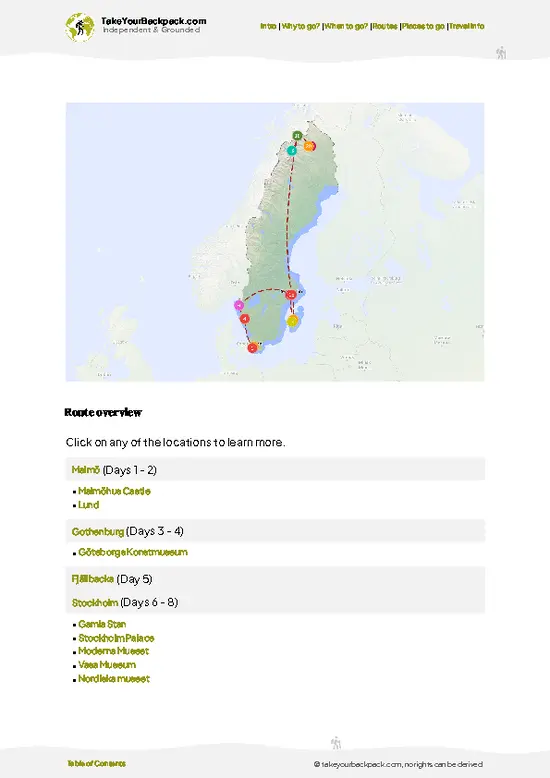
The overview above compares different route options based on your travel time and style. The complete Travel Guide breaks each itinerary down in detail, including maps, stops, highlights, and transport information.

Explore all route details 👉

Get the Travel Guide -

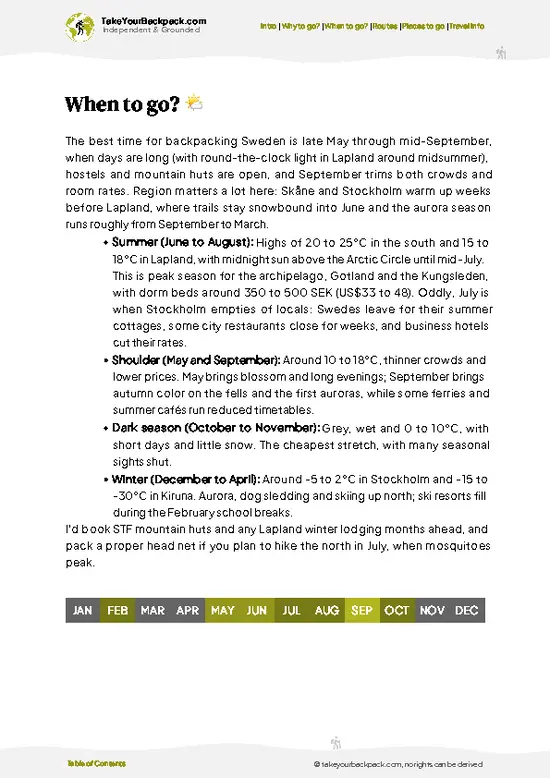
🌤️ When to go?Best time to visit Sweden

Early September is the cleanest win across Sweden: kids are back in school, fares and bed rates ease, daylight is still long enough to move, and the mosquitoes in the north collapse with the first frosts. Trails are drier, water levels calmer, and the mountain huts are still operating for a few weeks. If you’re staying south of the high fells, late May to mid-June works too: spring pricing, fresh ferries on the archipelago routes, long evenings. But Lapland still holds snow and swollen creeks then, so save the far north for July-September. The logic is simple: you give up a little heat and buzzy nightlife for cheaper transport, fewer queues, and better trail rhythm.
  • Peak Summer (late June-August): You pay in money and patience. Full trains, booked huts, archipelago ferries jammed, and July bugs in Lapland. The payoff is real: midnight sun ridge walks, warm lake swims, every service open.
  • Early Summer Shoulder (late May-mid June): Sweden wakes—ferries add sailings, patios spill chairs, trails dry in the south. Cheaper beds, looser schedules. Watch the Midsummer week: rural stays book out and prices jump.
  • Deep Winter Off-Peak (December-March): Quiet streets, blue dusk, empty trails. Cold tests your systems but buys solitude and aurora. Survival hack: pack microspikes—black ice turns city hills and trailheads into traps.
  • Autumn Shoulder (September-early October): Russet tundra, thin crowds, fair prices. Huts in the north start closing mid-September; hit Kungsleden early. Anomaly: February up north is suddenly busy for aurora and the Icehotel.

Personal tip: for September Lapland, grab night-train berths 2-3 months out—cheap compartments vanish first.

source: climatestotravel.comJANJanuary: fair for travelingFEBFebruary: good for travelingMARMarch: fair for travelingAPRApril: fair for travelingMAYMay: highly recommended for travelingJUNJune: highly recommended for travelingJULJuly: good for travelingAUGAugust: good for travelingSEPSeptember: excellent for travelingOCTOctober: good for travelingNOVNovember: fair for travelingDECDecember: fair for traveling
📅 Traveling in a specific month?
Get a full month-by-month breakdown of weather, crowds, costs, festivals, and seasonal highlights in the complete travel guide.

Get full details when to go 👉

Get the Travel Guide -
sweden - pixabay - solar-2285763

💰 Costs (as of 2025)Prices, expenses, and money tips

Plan on 900-1,200 SEK per day if you sleep in dorms, cook most meals, and keep transport slow; add 400-700 SEK if you eat out and stack paid sights.
  • dorm accommodation: City dorms run 250-450 SEK (weekends/summer higher), mountain huts 400-700 SEK for a bunk. Expect a 60-120 SEK linen fee and “no sleeping bags” rules—bring a light sheet set. System tip: book early and join STF (Swedish Tourist Association) if heading into the north; their member rates and hut network shave real money over 2-3 nights. Compared to Norway/Denmark, beds are slightly cheaper; pricier than Baltic states and Poland.
  • meals: Supermarket Survival: breakfast + picnic lunch + cooked pasta/stew dinner runs 120-200 SEK/day from ICA/Coop/Lidl. Tap water is good and free; look for “påtår” (free coffee refill) in modest cafes. Street food reality: hot dogs are cheap, but most “fast” options (kebab/pizza/Thai) are 90-130 SEK, and sit-down “dagens lunch” is the value play at 110-150 SEK with salad/coffee included. Dinner à la carte jumps to 160-300 SEK. Sweden is kinder than Norway, a hair cheaper than Denmark, and clearly more than Germany/Poland.
  • local transport: Cheapest way to unlock distance is buses or advance-purchase
read more 👉
Plan on 900-1,200 SEK per day if you sleep in dorms, cook most meals, and keep transport slow; add 400-700 SEK if you eat out and stack paid sights.
  • dorm accommodation: City dorms run 250-450 SEK (weekends/summer higher), mountain huts 400-700 SEK for a bunk. Expect a 60-120 SEK linen fee and “no sleeping bags” rules—bring a light sheet set. System tip: book early and join STF (Swedish Tourist Association) if heading into the north; their member rates and hut network shave real money over 2-3 nights. Compared to Norway/Denmark, beds are slightly cheaper; pricier than Baltic states and Poland.
  • meals: Supermarket Survival: breakfast + picnic lunch + cooked pasta/stew dinner runs 120-200 SEK/day from ICA/Coop/Lidl. Tap water is good and free; look for “påtår” (free coffee refill) in modest cafes. Street food reality: hot dogs are cheap, but most “fast” options (kebab/pizza/Thai) are 90-130 SEK, and sit-down “dagens lunch” is the value play at 110-150 SEK with salad/coffee included. Dinner à la carte jumps to 160-300 SEK. Sweden is kinder than Norway, a hair cheaper than Denmark, and clearly more than Germany/Poland.
  • local transport: Cheapest way to unlock distance is buses or advance-purchase second-class train tickets (SJ, MTRX on the Stockholm-Gothenburg run); same-day trains hurt the wallet. Night trains to the north save a hostel night. In cities, 24/72-hour passes pay off at ~3-4 rides/day; otherwise tap single fares. Regional “reskassa” cards cut per-ride costs if you’ll day-trip. Buses beat trains on price; Sweden undercuts Norway, roughly matches Denmark, and is costlier than the Baltics. I’ve done Stockholm-Kiruna by sleeper—arrive with a full day and intact budget.
  • activities: Nature is free thanks to allemansrätten. Cost drivers are museums (120-200 SEK; ABBA-scale outliers higher), archipelago ferries, kayaking (hourly adds up), ski passes, and guided Lapland stuff (dog-sleds, aurora tours) which spike fast. City passes only make sense if you hit 3+ big sights in one day. Sweden’s paid outdoors are cheaper than Norway, similar to Denmark, and heavier than Finland/Baltics.
  • miscellaneous: Budget leaks: alcohol (bar beer 80-110 SEK; buy at Systembolaget or skip), fika creep (coffee + bun 60-90 SEK, multipled daily), linen fees, luggage storage (lockers 60-120 SEK), paid toilets in transit hubs (10-20 SEK), hostel laundry (40-80 SEK per load), convenience store markups, and foreign card fees in a near-cashless country. Carry a bottle, cook twice a day, eat lunch out, and watch “small treats”—they sink Swedish budgets faster than big-ticket sights.
⚠️ Prices can change and everyone travels differently, so take this as a rough guide. Hope it helps you plan your adventure!

✈️ The backpacker research shortcutSweden Travel Guide

An offline-friendly backpacking guide with optimized travel routes, ranked highlights, transport advice, and the best areas to stay.
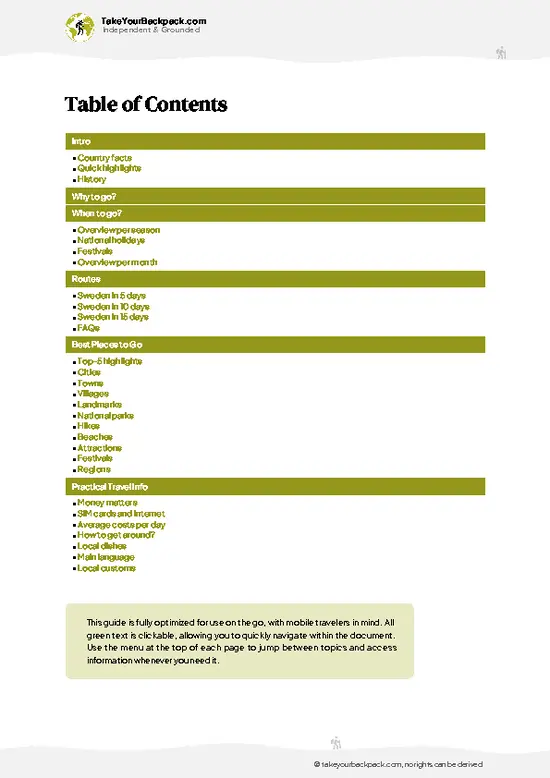
example page 0 from our offline Travel Guide for Swedenexample page 1 from our offline Travel Guide for Swedenexample page 2 from our offline Travel Guide for Swedenexample page 3 from our offline Travel Guide for Swedenexample page 4 from our offline Travel Guide for Swedenexample page 5 from our offline Travel Guide for Swedenexample page 6 from our offline Travel Guide for Swedenexample page 7 from our offline Travel Guide for Sweden
The digital guide (449 pages) contains:
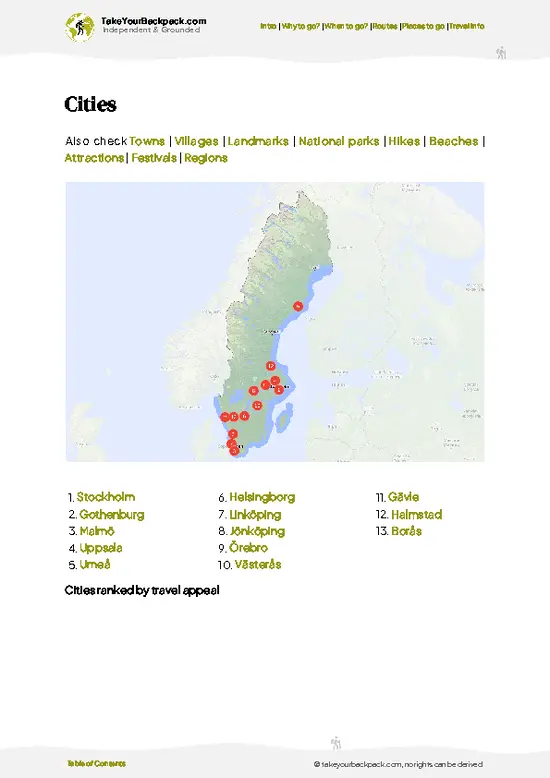
119 highlights, ranked by travel appeal
Optimized 5, 10 & 15-day travel routes
Cities, national parks, beaches, historical sites, ...
How to get around
Offline-friendly for travel without Wi-Fi
👉 Click to see all 30+ guide features

📅 Plan smarter in minutes, not weeks
Month by month travel advice
Festivals & national holidays
Budget expectations

🗺️ Go to the right places, skip the overrated ones
Honest pros & cons of destinations
Top hikes, parks & viewpoints
Lesser-known places most travelers miss
Clear “worth it vs skip it” guidance

🛏️ Travel smoothly without rookie mistakes
Best areas to stay
Transport systems explained simply
Common scams & safety advice
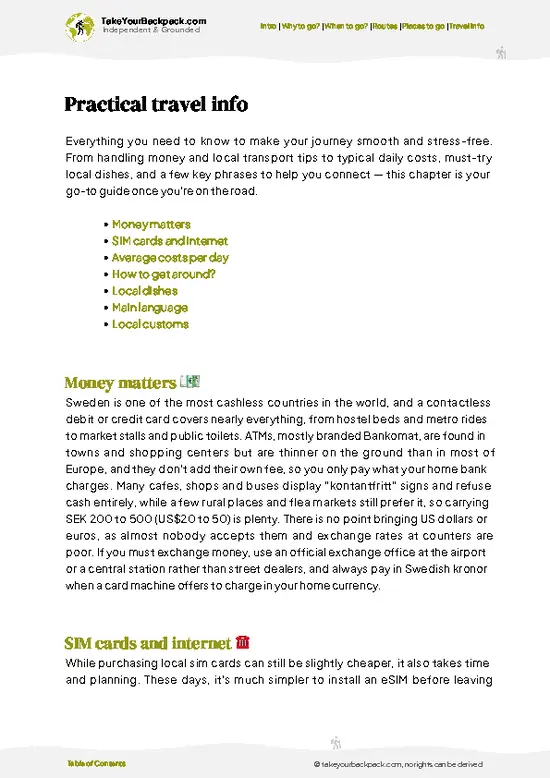
SIM cards, money & practical tips

🌍 Understand the country, not just visit it
Culture & traditions
52 Essential phrases & customs
Festivals worth planning around
Traveler-friendly historical context
Insights that make places more meaningful

📱 Built for real travel conditions
Fully downloadable PDF
Works completely offline
Optimized for phone use
Useful in remote areas & buses
Everything in one place
Save weeks of stressful planning
Get instant access to the full guide directly. 30-day money-back guarantee.


Sent to your inbox immediately after payment • 100% Secure Checkout
Best Backpacking Travel Advisor 2025 tourism awardBest Backpacking
Travel Advisor
2025
What others say about Take Your Backpack Guides:
⭐⭐⭐⭐⭐
Fantastic, amazing amount of information!
⭐⭐⭐⭐⭐
My goodness this is amazing, it's what I've been looking for hats off too you!
⭐⭐⭐⭐⭐
I think this is absolutely BRILLIANT
⭐⭐⭐⭐
Very complete and informative. It's still missing places, but I gotta to commend you
⭐⭐⭐⭐⭐
This is truly amazing, thank you, can't wait to explore it with my kids!
⭐⭐⭐⭐⭐
Awesome resource, thank you!
⭐⭐⭐⭐⭐
This is amazing! Can't wait to explore the ones I haven't seen
⭐⭐⭐⭐
I love this! Well done, great idea.
⭐⭐⭐⭐⭐
Thanks for taking the time to make this gem!
⭐⭐⭐⭐⭐
This might be the best website I've ever seen.
⭐⭐⭐⭐⭐
Congratulations, and thank you so much for your work; it's incredibly valuable.
⭐⭐⭐⭐
In all seriousness I think you did a great job pointing out the important spots
⭐⭐⭐⭐⭐
10/10 very good
⭐⭐⭐⭐⭐
As someone who's only just starting to visit regularly this is awesome, thank you.
⭐⭐⭐⭐
Thank you very much! I'm going to visit my dad, it's going to be very useful!
⭐⭐⭐⭐⭐
This is really cool! We'll be travelling for the first time and this definitely come in handy.
⭐⭐⭐⭐⭐
You are now our minister of culture, congratulations 👨‍💼
⭐⭐⭐⭐⭐
Just wanted to tell you that this is a pearl! Going to follow your recommendations.
⭐⭐⭐⭐⭐
This is so cool. I'll definitely be using the resource for my travels soon.
⭐⭐⭐⭐⭐
This is very impressive! Good work.
⭐⭐⭐⭐⭐
This is an amazing and informative site. Very well done!

🛏️ Where to stay?Areas travelers tend to prefer

Yes — hostels and budget accommodation are common across Sweden, concentrated in major cities and tourist regions; expect higher prices and full occupancy in Stockholm and during summer, so book early to avoid limited options.
Stockholm’s best choices cluster in Central/Norrmalm (excellent transport and sights, busy and pricier), Södermalm (good nightlife and cafés, can be noisy), Vasastan (residential, quieter and often cheaper) and Gamla Stan (super-central for attractions but tourist premium), while Gothenburg’s City Centre, Haga and Linné balance tram access, cafés and nightlife with varying … read more 👉
Yes — hostels and budget accommodation are common across Sweden, concentrated in major cities and tourist regions; expect higher prices and full occupancy in Stockholm and during summer, so book early to avoid limited options.
Stockholm’s best choices cluster in Central/Norrmalm (excellent transport and sights, busy and pricier), Södermalm (good nightlife and cafés, can be noisy), Vasastan (residential, quieter and often cheaper) and Gamla Stan (super-central for attractions but tourist premium), while Gothenburg’s City Centre, Haga and Linné balance tram access, cafés and nightlife with varying crowd levels, and Malmö’s Malmö C, Möllevången and Västra Hamnen trade centrality and seaside walks for seasonal noise and price swings.
Pick central areas for transit and evening options, choose quieter neighborhoods for sleep and lower rates, confirm dorm type, locker and kitchen policies before booking, and expect basic but functional facilities rather than privacy or luxury.

If you enjoy meeting fellow travelers, consider choosing hostels with high ratings for atmosphere. On the other hand, if you prefer having your own space, a hotel might be a better option.

🚌 Getting aroundHow to travel within the country

Sweden moves on rhythm, not rush. Trains close their doors when the clock says so. Platforms are calm, buses pull out cleanly, silence carries farther than you expect. The trap is distance: cities sit far apart and the north runs on thin schedules. Miss a connection in Norrland and you wait in pine-scented quiet. Prices swing like airfare—cheap early, punishing late. Winter humbles everything, but redundancy exists: another train, a slower bus, a ferry if you’re near water. Learn the zones, pack … read more 👉
Sweden moves on rhythm, not rush. Trains close their doors when the clock says so. Platforms are calm, buses pull out cleanly, silence carries farther than you expect. The trap is distance: cities sit far apart and the north runs on thin schedules. Miss a connection in Norrland and you wait in pine-scented quiet. Prices swing like airfare—cheap early, punishing late. Winter humbles everything, but redundancy exists: another train, a slower bus, a ferry if you’re near water. Learn the zones, pack your patience, and you’ll ride the current instead of fighting it.
  • SJ Intercity & Night Trains Fast between the big three—Stockholm, Gothenburg, Malmö—and the only sane way to cover the long spine north. Speed costs if you buy late; dynamic fares reward commitment. Night trains to Åre, Östersund, Luleå, Kiruna, even Narvik, save a hostel night but comfort tracks your budget: seat is cheap and upright, couchette humane, sleeper restful. Café is pricey, power outlets are common, Wi-Fi drifts. Winter adds minutes north of Sundsvall; time padding beats tight transfers.
  • Stockholm Tunnelbana & Local Buses Quiet is the rule. Queue with space, stand right on escalators, backpacks off before boarding, move deep into the carriage. Don’t block doors; they bite back. Give the priority seat without drama. Eating is tolerated if tidy. Validate with contactless or the local card; cash rarely flies. Inspections are calm but unforgiving—no excuses, just a fine. Late nights are safe but subdued; respect the hush and you glide through the city faster than any taxi in traffic.
  • Archipelago & Urban Ferries Water is the shortcut maps hide. In Stockholm, ferries stitch Södermalm, Djurgården, and the inner archipelago; in Gothenburg, Västtrafik boats jump the southern islands where cars aren’t welcome. Some rides sit inside regular zone tickets, others (Waxholmsbolaget) price per distance. Decks are windy, queues spike on sunny days, and weather calls the shots. Bikes sometimes cost extra; roll early. If you’re island-hopping on a budget, ferries turn dead ends into loops.
  • Long-Distance Buses (Vy/FlixBus) The cheap counterpunch to rail. Slower by a chunk, but half the price when trains surge. Overnight runs cut lodging costs; bring layers and earplugs. Terminals can be highway-adjacent rather than central, so account for the last kilometer. Wi-Fi and outlets exist until the countryside swallows them. Drivers keep tight breaks; be back on time or you watch your pack roll away without you.

Master tip: Lock one long leg as an overnight train, then stitch the rest with regional day tickets and a single bus hop; you spend darkness on movement and spend daylight on the places you came for.
Stockholm Arlanda Airport (ARN) is about 40 km (25 mi) north of the city center (Stockholm Central/T-Centralen). Here are the main ways in:
  • Arlanda Express (non-stop train) — 18-20 min. Typical cost: 299-370 SEK one way (adult; cheaper with advance deals, youth/duo offers). Trains every 10-15 min. Fastest and easiest.
  • SL Commuter Train (Pendeltåg) via “Arlanda C” — about 38-40 min to Stockholm City Station. Typical cost: ~170-180 SEK total (SL single fare ~40-45 SEK + Arlanda station supplement 130 SEK). 4-6 trains/hour most of the day. Pay with the SL app/contactless and the gate will charge the supplement.
  • SJ Regional/long-distance trains — 18-20 min to Stockholm Central. Typical cost: roughly 120-220 SEK depending on departure and availability (the Arlanda station fee is included). Less frequent than Arlanda Express; check the SJ app/site.
  • Flygbussarna airport coaches (to Cityterminalen next to Central Station) — 45-50 min in normal traffic. Typical cost: ~139-159 SEK online (a bit more if bought on board). Buses every 10-20 min.
  • Cheapest SL option: Bus 583 to Märsta + commuter train — 60-75 min. Typical cost: one SL fare only (~40-45 SEK), no Arlanda station supplement. Good if you’re on a tight budget; requires a simple change at Märsta station.

Taxi: 35-50 min depending on traffic. Most companies offer fixed-price rides to central Stockholm; expect roughly 600-800 SEK. Always confirm the fixed fare before you get in. Card payments are standard. Uber/Bolt also operate and price similarly off-peak.

Notes: Times assume normal conditions. You can buy Arlanda Express tickets at machines or online; SL tickets via the SL app or by tapping a contactless bank card at gates/readers. This FAQ refers to Arlanda (ARN); if you’re flying to Bromma or Skavsta, the options and times differ.
⚠️ Prices and routes can change, so take this as a rough guide and ask for local advice when you arrive.

🔒 Safety (risk Level: low)What first-time visitors should know

Safety for solo travelers, including women and LGBTQ+ individuals
Yes, Sweden is generally safe for solo travelers, including women and LGBTQ+ individuals. The country is known for its progressive views and low crime rates, though it’s always smart to stay aware of your surroundings, especially in crowded areas. Public transport is reliable, and most locals speak English, making navigation easier. Remember, like anywhere, it’s wise to keep your belongings secure and avoid poorly lit areas at night.


Full official government travel advisory (live updates)
View details 👉

✈️ VisaVisa requirements for Sweden

Whether you need a visa to visit Sweden depends on your nationality. Citizens from the EU, EEA, and several other countries can enter visa-free for up to 90 days. If a visa is required, apply through the nearest Swedish embassy or consulate and check the official Swedish Migration Agency website for details.

source: swedenabroad.se
⚠️ Visa requirements can change over time, so always check the latest visa requirements with the official embassy or government website before you travel.

🎒 What to pack?What to wear and bring

Packing for Sweden? Keep it simple but smart. The weather can be a bit of a mixed bag, especially if you’re heading to different parts of the country. Summers are mild but can surprise you with some rain, while winters are seriously cold and snowy, especially up north. Layering is key, so think about pieces you can mix and match. Swedes are pretty laid-back about fashion, but they do appreciate neatness—nothing too flashy or scruffy. If you’re planning to enjoy the outdoors, remember that the terrain can vary from city streets to rugged hikes in the mountains.

Apart from this country specific advice, I have also crafted a general packing list that should help on any trip. authorOver the years, I've learned the importance of packing minimally. It's so much easier to jump on the back of a truck or squeeze yourself into the last spot of a minibus without that supersized backpack. If you're headed to a warm destination, leave your winter jacket at home; for colder regions, opt for thin thermal underlayers. Instead of packing your entire wardrobe, bring just three sets of clothes, as laundry facilities are available everywhere.
View the full list 👉
🎒 Planning the practical side of your trip?
Get detailed information on transport, daily budgets, internet access, local customs, food, language, and other essentials in the complete Travel Guide.

Get detailed practical information 👉

Get the Travel Guide -

🙋 FAQFrequently asked questions

Trip Planning


Personal tip: I normally search on good rating for atmosphere (for meeting people) and location (for easy exploring). Cleanliness as a bonus.


Travel Essentials

You generally don’t need special vaccinations for Sweden. However, ensure your routine vaccines are up to date:

- Tetanus
- Measles-Mumps-Rubella (MMR)
- Hepatitis B

If you’re planning outdoor activities in forests, consider the TBE (Tick-borne encephalitis) vaccine. Check with your healthcare provider for personal recommendations.


vaccination requirements
When I first started traveling, I often spent part of my first day in a new country hunting for a local SIM card. While this can still be slightly cheaper, it also takes time and planning.

These days, it's much simpler to install an eSIM before leaving home. Once you arrive in Sweden, you can activate it immediately and have mobile data from the moment you land — which is especially useful for ordering transport or navigating away from busy airports.

There are many providers nowadays, and price differences are usually small. I personally go with Airalo, as it offers excellent network coverage throughout the country and strong global coverage, so you can manage multiple countries from a single app.


Get your e-sim for Sweden

Culture & Customs

Respect personal space and silence—Swedes value both. **Punctuality** is a must; being late is seen as disrespectful. When visiting someone’s home, bring a small gift like flowers or chocolates. **Remove shoes** indoors unless told otherwise. Avoid discussing wealth and steer clear of personal questions unless you’re close. Sweden is very **LGBTQ+ friendly**, with extensive legal protections and social acceptance, so feel comfortable being yourself. Women can expect equality and safety, but as always, stay aware of your surroundings. Swedes appreciate sustainability, so be mindful of recycling and public transport use.
Trying traditional food is always a great way to experience the culture. Here are some must-try dishes for Sweden.
  • Köttbullar: These are Swedish meatballs, usually made from a mix of pork and beef. They’re typically served with creamy gravy, mashed potatoes, lingonberry jam, and pickled cucumber. It’s a classic comfort food that’s been a staple in Swedish households for generations.
  • Gravlax: A must-try for seafood lovers, this dish features salmon cured with a mix of salt, sugar, and dill. Often served with mustard sauce and bread, it’s a staple of Swedish cuisine, especially popular during festive occasions.
  • Raggmunk: These are Swedish potato pancakes, crispy on the outside and soft on the inside. They’re usually served with fried pork and lingonberry sauce, offering a perfect balance of savory and sweet flavors.
  • Surströmming: Not for the faint-hearted, this is fermented herring known for its strong odor. It’s a traditional northern Swedish dish, often eaten outdoors with thin flatbreads, potatoes, and onions. It’s an acquired taste but a true cultural experience.
  • Smörgåsbord: This is more of a dining concept than a single dish, featuring a spread of various hot and cold dishes. It’s a buffet-style meal that showcases the diversity of Swedish cuisine, typically including fish, cold cuts, salads, and cheeses.
Yes, the tap water in Sweden is safe to drink and locals drink it regularly. It’s recommended for tourists as well, so no need to spend money on bottled water. If you prefer, bring a reusable bottle with a filter, but honestly, it’s not necessary.
The main language in Sweden is Swedish. Backpacking is way more rewarding if you know a bit of the local language, so I'd suggest brushing up on the basics just in case your Swedish skills have become a bit rusty.

Want to understand locals better?
The complete Travel Guide for Sweden includes 52 essential words and phrases — greetings, thank-yous, ordering food, transport, numbers, and common local expressions you'll actually hear.

Get your local basic phrases 👉

Get the Travel Guide -


In Sweden, English is widely spoken and understood, making it one of the most English-proficient countries in the world. Approximately 86% of Swedes are fluent in English, thanks to a strong emphasis on language education in schools and exposure to English-language media, such as movies, music, and television.

In urban areas, particularly in cities like Stockholm, Gothenburg, and Malmö, you’ll find that most people, including younger generations and those in the service industry, can communicate effectively in English. Signs, menus, and information are often available in both Swedish and English, facilitating easier navigation for travelers.

While the proficiency may vary in rural areas, many Swedes still have a good grasp of English, especially among the younger population. Overall, travelers can expect minimal language barriers and will likely find it easy to converse, seek assistance, and enjoy their stay in Sweden.

Money & Payments

The local currency of Sweden is SEK (kr).

ATMs & Cash: ATMs are everywhere in Sweden, even in smaller towns. They usually offer the best exchange rates. You’ll find them in airports, train stations, and even some supermarkets. But go easy on cash withdrawals—most places are card-friendly.

Carry Cash? You really don’t need to carry much cash. Sweden is almost cashless. Cards are accepted nearly everywhere, even for small purchases like a coffee or a bus ticket.

Dollars or Euros? Leave the dollars and euros at home. They’re not accepted, and you’ll get hit with lousy conversion rates if you try to exchange them on the spot.

Card Acceptance: Visa and MasterCard are widely accepted, but American Express might give you some trouble in smaller establishments. Always have a backup card just in case.

Exchanging Money: If you do need to exchange cash, avoid doing it at the airport—they charge hefty fees. Look for Forex offices in city centers, or better yet, just withdraw from an ATM.

Tipping in Sweden isn’t mandatory, but it’s appreciated. In restaurants, rounding up the bill or leaving about 5-10% is common. For taxis and other services, rounding up to the nearest convenient amount is typical.

🧩 Nearby countriesSimilar backpacking destinations

We 💚 feedbackFinal notes for travelers

Sweden runs on calm order and small pleasures: fika, city swims, the legal right to roam. Best surprise: wind shelters and fire pits in the woods, free if you bring fuel and pack out. Trade-offs: pay high restaurant prices (compared to Spain) or cook from supermarkets; take fast trains or lose hours on buses; ride a night train north to save a hotel. Card-first, booze only at Systembolaget with short hours. Best for hikers, cyclists, families who plan. Hard for club-chasers and eat-out-every-meal budgets, plus mosquitoes in July.

✈️ When did I visit Sweden?
Having played floorball (famous sport in Sweden, known as innebandy) for many years, I have visited Sweden many times too in the years between 1999 and 2012. While my visit dates back, this guide is continuously refined using feedback from locals and current backpackers (last update: 10 September 2025)

✍️ Help improve this page!
The information on this page is based on my own backpacking experience in Sweden, supplemented with up-to-date research and feedback from other travelers. Travel details can change, so if you notice anything outdated or incomplete, feel free to let me know.


🙋‍♂️ Give feedback

👋 Meet the founderWho’s Behind Take Your Backpack?

Johan, backpacker and founder of TakeYourBackpackHi, I’m Johan (Netherlands 🇳🇱), the creator of TakeYourBackpack. Over the past decade, I’ve backpacked through 80+ countries across six continents, gaining extensive experience with independent travel, long-term trips, and overland routes.

This site is built on a combination of firsthand travel experience and carefully curated insights from other backpackers. Many guides are based on places I’ve personally visited, while others bring together tips, observations, and practical advice shared by trusted travelers I’ve met along the way.

The goal is to provide realistic, experience-driven guidance — not generic itineraries — so you can explore destinations with better context, clearer expectations, and more confidence.

Get full Sweden guide •
Instant download • 119 highlights • Full Offline guide