×
India 🇮🇳

backpacking Asia India 🇮🇳Move constantly through intense contrasts of scale and life.

Explore Hong KongExplore Indonesia

Backpacking India in 2026

A complete guide including when and where to go, costs, transport, itineraries, and practical travel advice.
A first look at the country

Backpacking India
By Johan Kruseman 🇳🇱 | Updated June 7, 2026

On arrival, lock in three non‑negotiables: time is elastic, small change is leverage, and unless a price is printed, you negotiate. This isn’t cynicism; it’s the operating system. Accept it and the country shifts from chaos to choreography.

India’s draw is scale and soul: temple bells and train whistles, cardamom steam and monsoon dust, centuries of artistry wrapped around street-level improvisation. You chase dawn on a Ladakh ridge while prayer flags snap in the wind, then ride a night train that turns into a rolling neighborhood of chai, bunk gossip, and samosas passed down the aisle. Forts in Rajasthan read like stone memoirs; a Ganges sunrise in Varanasi feels like the world catching its breath; a backwater canoe in Kerala slides past coconut shade and slow-cooked curries; a tiger in Kanha is a whisper in tall grass that spikes your pulse for days. Mumbai throws flavor like confetti, Munnar smells like tea and rain, Hampi looks like a myth you can touch. Challenges exist: heat that melts resolve by noon, vendors who test your boundaries, stomachs that object to bravado, and train quotas that punish last‑minute plans. You counter by booking long-hauls early, grabbing a local SIM at the airport, carrying a filter bottle and oral rehydration, taking big sights at dawn, and treating “commission shops” as entertainment rather than obligation. Each small solve earns you better conversations, fair prices, and the quiet corners everyone else rushes past. I once missed a train and followed the brass band from a wedding instead; it was the better journey.

Compared with Nepal’s measured mountain rhythm, India is louder and broader, swapping pure peaks for everything-at-once. Sri Lanka is gentler and compact; Bhutan is curated and pricey; Pakistan’s north is epic but logistically heavier; Bangladesh offers big-hearted warmth with lighter infrastructure. India is for travelers who want maximal return on curiosity per day, who can trade precision for presence and find humor … read more 👉
On arrival, lock in three non‑negotiables: time is elastic, small change is leverage, and unless a price is printed, you negotiate. This isn’t cynicism; it’s the operating system. Accept it and the country shifts from chaos to choreography.

India’s draw is scale and soul: temple bells and train whistles, cardamom steam and monsoon dust, centuries of artistry wrapped around street-level improvisation. You chase dawn on a Ladakh ridge while prayer flags snap in the wind, then ride a night train that turns into a rolling neighborhood of chai, bunk gossip, and samosas passed down the aisle. Forts in Rajasthan read like stone memoirs; a Ganges sunrise in Varanasi feels like the world catching its breath; a backwater canoe in Kerala slides past coconut shade and slow-cooked curries; a tiger in Kanha is a whisper in tall grass that spikes your pulse for days. Mumbai throws flavor like confetti, Munnar smells like tea and rain, Hampi looks like a myth you can touch. Challenges exist: heat that melts resolve by noon, vendors who test your boundaries, stomachs that object to bravado, and train quotas that punish last‑minute plans. You counter by booking long-hauls early, grabbing a local SIM at the airport, carrying a filter bottle and oral rehydration, taking big sights at dawn, and treating “commission shops” as entertainment rather than obligation. Each small solve earns you better conversations, fair prices, and the quiet corners everyone else rushes past. I once missed a train and followed the brass band from a wedding instead; it was the better journey.

Compared with Nepal’s measured mountain rhythm, India is louder and broader, swapping pure peaks for everything-at-once. Sri Lanka is gentler and compact; Bhutan is curated and pricey; Pakistan’s north is epic but logistically heavier; Bangladesh offers big-hearted warmth with lighter infrastructure. India is for travelers who want maximal return on curiosity per day, who can trade precision for presence and find humor in the shuffle. If you like your trips tidy, look elsewhere; if you like them alive, start here.

👉 Get the 📖 Travel Guide of India

Golden Triangle (Delhi–Agra–Jaipur)

Do this if you want big wins with minimal transit drama. Fast trains and new expressways link the three, so you can stack the Taj, Mughal forts, and lived-in markets without wasting days on buses. Book trains in 3A/CC to dodge waitlists and touts; use Ola/Uber in Delhi and Jaipur, and pre-paid auto stands in Agra to avoid “government shop” detours. Taj Mahal is closed Fridays and sunrise lines move faster than the tour buses; Red Fort shuts Mondays. Heat is real March–June; pay for AC rooms here, save elsewhere. First-timers and time-poor travelers get the most out of this loop.

Rajasthan Desert Arc (Jodhpur–Jaisalmer–Udaipur)

This rewards people who slow down and let the desert set the pace. Overnight trains and reliable state buses connect the trio; each city is walkable once you’re inside the old quarters. Pick family-run havelis inside the walls to skip rickshaw shakedowns. Camel safaris: choose small outfits, insist on actual desert camping (not roadside “resorts”), and confirm water, sleeping gear, and return times in writing. Winter nights bite; bring a real layer. Summer midday is a furnace; sightsee early, nap, then climb rooftops at dusk. Photographers and history nerds win here; shoppers should bargain hard or skip the marble-inlay and “antiques” entirely.

Manali–Leh High Road (Himachal to Ladakh)

Rugged and remote, with altitude as the toll. The spine is the highway itself, open roughly June–September, with HRTC buses and shared SUVs running in grueling, breathtaking stretches. Sleep low at Keylong/Jispa on the way up; do not sprint straight to Leh unless you enjoy headaches and wasted days. Cash matters; ATMs fail and card machines sulk. Fuel up at Tandi and top off whenever you can. In Leh, taxis run on fixed union rates—budget like you would for Europe, not rural India. Inner Line Permits are routine for Nubra and Pangong; build a buffer day for paperwork and weather. Trekkers, riders, and altitude junkies get the payoff.

Kerala & the Western Ghats (Kochi–Munnar–Alleppey–Wayanad)

Humid, green, and efficient if you play the routes right. Base in Ernakulam/Kochi for rail links, then bus or hired car up to tea country. Backwaters are where budgets die; skip the all-inclusive houseboat and rent a small shikara by the hour, then sleep ashore where rooms are cheaper and quieter. Monsoon hits hard; plan indoor time and keep electronics bagged. Alcohol is sold in state shops with occasional dry days; don’t count on a beer at every beach shack. AC rooms are worth it here; laundry never dries. Food is fast, cheap, and excellent—eat where the steel plates cycle constantly. Couples, families, and food-first travelers thrive.

Tamil Nadu Temple Belt (Chennai–Mahabalipuram–Pondicherry–Madurai–Rameswaram)

For architecture, ritual, and discipline. Trains are frequent and on time; buses fill the gaps. Temples open early, close mid-day, and restart at dusk—arrive at dawn to beat heat and lines. Dress codes are enforced; shoulders and knees covered avoids guard lectures and “shawl rental” fees. Floors get scorching; carry socks for long corridors. Photography is often restricted inside sanctums; don’t argue with volunteers. “Special darshan” tickets cost a few dollars and can save hours—money better spent than any guide pitch. English and Hindi help less here; learn basic Tamil courtesies. Heat is brutal March–May; plan siestas and night walks. Patience and curiosity pay out big.
Geography and where places are located
Loading the map 🌍
CLICK TO FILTER
city
town
village
unique site
national park
hike
beach
attraction
festival
region
SHOW COUNTRY’S BESTSHOW ALL
film
0
0
0a
Delhi
Pixabay
film
1
1
1a
Mumbai
Pixabay
film
2
2
2a
Tarsar Marsar Trek
film
3
3
3a
Kudremukh Trek
film
4
4
4a
Chembra Peak Trek
film
5
5
5a
Ranthambore
Pixabay
film
6
6
6a
Sundarbans
Pixabay
film
7
7
7a
Jaisalmer
film
8
8
8a
McLeod Ganj
film
9
9
9a
Kodaikanal
film
10
10
10a
Taj Mahal
film
11
11
11a
Golden Temple
Pixabay

Why go?Reasons people choose to visit

Mountains

India rewards hikers who respect its scale. In one trip you can cross Ladakh’s wind-burned passes, climb … read more 👉
India rewards hikers who respect its scale. In one trip you can cross Ladakh’s wind-burned passes, climb through Sikkim’s rhododendron belts toward Kanchenjunga, and wake in Uttarakhand meadows that explode with first light. The payoff is real; the gotchas are too, and dodging them saves your legs and your budget.

Build two buffer days—landslides happen. Aim post-monsoon (Sep–Oct) for Himachal, Uttarakhand, Sikkim; save July–Aug for Ladakh. India is not Nepal: beyond a few day hikes (Triund, Kedarkantha), you’ll camp or use homestays—budget for mandatory guides on some routes (Goecha La), forest entry fees, and mules priced per kilo. Carry cash; ATMs thin out fast.

Permits aren’t drama if you prep: Inner Line for Ladakh, Protected Area for Sikkim; passport copies and spare photos shave hours. Pro tip: leech socks in the Western Ghats during rains—cheap insurance.

I’ve stood on the 4 a.m. ridge at Sandakphu and watched Everest, Lhotse, Makalu, and Kanchenjunga line up in hard, clean air. That’s what you’re protecting your energy for.

Architecture

India rewards architecture hunters who can handle heat, lines, and the occasional rule that makes no … read more 👉
India rewards architecture hunters who can handle heat, lines, and the occasional rule that makes no sense until you’re inside the courtyard. You get rock-cut audacity at Ellora, mathematical calm at Humayun’s Tomb, gopurams that look like living mountains in Madurai, desert geometry in Jaisalmer, and modernist swagger in Chandigarh and Kahn’s IIM Ahmedabad—all in one loop.

Budget guardrail: foreigner ticket prices run higher; plan for it and buy ASI e‑tickets to skip queues. Tripods are often banned or taxed; drones are a hard no near monuments. Temples mean shoes off and sometimes no leather; carry thin socks or you’ll learn how hot stone gets in April.

Pro tip: see Hampi at dawn by bicycle, when the boulders glow and you have Vijayanagara colonnades to yourself. I do Humayun’s at opening bell, then sit under a neem tree and watch the light pull the red sandstone into focus. Taj is closed to tourists on Fridays; don’t burn a day getting that wrong. In Jaipur, skip the elephant rides to Amber and take the shared jeep; cheaper, faster, and you’re not complicit.

Food

India feeds you if you show up smart. The country’s kitchen runs from smoke-stained tandoors in Old … read more 👉
India feeds you if you show up smart. The country’s kitchen runs from smoke-stained tandoors in Old Delhi to coconut-slick breakfasts in Tamil Nadu, from charcoal kebabs in Lucknow to pepper-cracked fish curry in Kerala. It’s loud, cheap by global standards, and deeply regional, so every train ride tastes different.

Guard your gut and your rupees. Eat where the line is long and the wok never rests. Hot off the flame beats anything sitting under glass. Skip ice, raw salads, and sketchy chutneys; ask for “thoda kam mirchi” if you want the heat dialed down. I carry ORS packets and hand sanitizer; that’s saved more days than any medicine.

Pro tip: hit Chandni Chowk at 7 a.m. for jalebi at Jalebi Wala, then roll to Karim’s for kebabs before crowds pile in. In Chennai, chase fluffy idlis and filter coffee at sunrise; morning turnover means fresh batter. In Mumbai, Dadar vada pav is a fist-sized lesson in speed and value. Don’t over-order—portions run big, and sauces are bottomless. Street vendors don’t expect tips; round up and move on. Save your splurge for one serious biryani in Hyderabad. It’s worth it.

Uniqueness

India pays off if you respect its friction. The reward isn’t just temples; it’s the chai-wallah who … read more 👉
India pays off if you respect its friction. The reward isn’t just temples; it’s the chai-wallah who remembers your order, the drumline that hijacks a lane, the monastery where the wind does half the chanting.

Protect your energy. Pick one region and move slow. Distances lie; a “200 km” bus can eat a day. Trains are your backbone—book 3AC sleeper weeks ahead; Tatkal opens the day before and vanishes in minutes. Night buses save a room but cost recovery time on bad roads.

Protect your budget. Foreign monument fees are real; decide which forts and museums you’ll actually study, not sprint through. Festivals spike prices; either book well ahead or pivot to the next district.

Protect your gut. Eat where the line is long and the oil is hot. Peel your fruit. Carry ORS and a filter bottle; water costs add up. Don’t bank on mobile payments; carry small notes, ATMs run dry outside cities.

Permits exist (Arunachal, Nagaland, parts of Sikkim). Bring passport photos, patience. Pro tip: prepaid taxi counters at airports and major stations save you from “special price” welcomes.

I earned my best day sharing a jeep across Spiti: thin air, thin road, fat silence. Worth every slow mile I didn’t waste elsewhere.

Low cost

India rewards the traveler who works for it. Slow down, eat where workers eat, ride trains instead of … read more 👉
India rewards the traveler who works for it. Slow down, eat where workers eat, ride trains instead of planes, and your daily spend stays in the low-to-mid double digits (USD). Keep it simple and you can push the low end without feeling deprived.

Where the savings live: thalis in canteens, dosa joints near bus stands, and station chai that’s hot, safe, and cheap because turnover is relentless. Overnight sleeper-class trains move you across states and replace a hotel night—book a lower berth, chain your bag, sleep hard. Buses are even cheaper, but only worth it for short hops.

Avoid the gotchas that bleed a budget. Big sights use dual pricing; add camera fees and lockers to your mental total. ATMs charge per pull—withdraw more, less often, and carry small bills for rickshaws. Ask for “all-in price” at hotels; taxes and “service” appear at checkout. Prepaid auto stands beat street haggles. Bring a filter bottle or UV pen and stop buying plastic water.

Personal win: in Tamil Nadu, I lived on crisp dosas and overnight trains for a week and spent less than I would on one Friday night out back home.

Scenery

India is a heavyweight for scenery: big-shouldered Himalaya, white salt flats, rainforest and cave country, … read more 👉
India is a heavyweight for scenery: big-shouldered Himalaya, white salt flats, rainforest and cave country, boulder-strewn badlands, and even a live volcano far out at sea. You earn the good stuff here, and it pays. Dawn on Ladakh’s high lakes (Tso Moriri, Pangong) feels otherworldly, but altitude punishes bravado—spend two nights in Leh first, hydrate, then go. I learned that the hard way with a skull-splitting headache and a wasted day.

Western Ghats trails turn to emerald in the monsoon; so do the leeches. Powder your socks with salt or carry a small bottle of Dettol—cheap, effective, and it saves your sanity. Meghalaya’s caves are the real deal: hire a local caver, bring a headlamp that isn’t your phone, and skip cotton—it stays cold and wet.

Grasslands? Velavadar and Tal Chhapar glow gold at dusk, but budget for compulsory jeeps and camera fees; that’s the hidden cost of “cheap” safaris. The Rann of Kutch is best under a full moon—start pre-dawn, carry your permit and cash for checkpoints. Offshore, Barren Island’s volcano is a boat game; divers get the best seat. Leave the drone—permissions are strict and fines are real.

Backpackers

India is built for backpackers if you play it smart. Beds are cheap, food is cheaper, and the train … read more 👉
India is built for backpackers if you play it smart. Beds are cheap, food is cheaper, and the train network lets you cross half a continent for the price of a western taxi ride. Night trains are your best friend: book 3AC for clean sheets and AC, or SL if money is tight—bring a sheet and a small chain to lock your bag to the berth. That’s the difference between sleeping and babysitting.

Pro tip: Hampi pays back every rupee. Rent a scooter, catch sunrise on Hemakuta Hill, then eat a 100–150 INR thali that keeps you moving till dusk. Varanasi at dawn is worth the chaos; bargain calmly for a boat (100–200 INR), then sit quiet and let the ghats do the work.

The gotchas are predictable. Tuk-tuk “closed today” tricks—ignore, walk 50 meters, price halves. Use Uber/Ola in cities. ATMs: pull the max to dodge per-transaction fees, but carry small notes for tea and buses. Eat where the line is long and turnover is fast. Water: sealed bottle, listen for the click. Buy your SIM at an Airtel/Jio store with your passport; kiosks waste time. Budget buffer days—monsoon delays happen. Do this, and your money fuels moments, not friction.

Beach life

India’s beaches aren’t cookie-cutter postcards. They’re characters. Goa throws the all-nighter: bass … read more 👉
India’s beaches aren’t cookie-cutter postcards. They’re characters. Goa throws the all-nighter: bass at Anjuna, sundowners at Vagator, sunrise swims at Agonda. Kerala slows the heart rate: Varkala’s cliff path, Kovalam’s warm rollers, fish curry that actually tastes of the sea. When you’re ready to see real reef, the Andamans and Lakshadweep deliver glass-clear water, proper snorkeling, and dive sites that don’t feel trampled.

Here’s the straight math. West coast works November to March; monsoon surf and currents will eat your time and money. Christmas–New Year in Goa? Prices jump, taxis double, and the best shacks hold tables for big spenders. Pro tip: come the week after New Year—same weather, half the chaos. Another: book your dive days early in Havelock; ferries slip, boats fill, and you don’t want to burn a bluebird morning hunting a slot.

I learned the hard way to choose my base by intent: North Goa for nightlife and jet skis; South Goa or Gokarna for sleep and long swims; Andaman for skills—buoyancy dialed, coral respected, and no standing on anything alive. Bring a rash guard, cash for shacks, and patience for hawkers—then spend your energy where it pays.

Wildlife

India is a heavyweight for wildlife: wild tigers, Asiatic lions, one-horned rhinos, elephants, and birds … read more 👉
India is a heavyweight for wildlife: wild tigers, Asiatic lions, one-horned rhinos, elephants, and birds by the thousands—on a budget that’s leaner than most African safaris if you plan right. Pick your target and match the park: tigers—Kanha, Tadoba, Bandhavgarh; lions—Gir; rhinos—Kaziranga; leopards on open rock—Bera; elephants and dholes—Nagarhole/Kabini. Book permits early and stack at least 4–6 drives; one lucky sighting can’t be scheduled. Big gotcha: many core zones shut in the monsoon (roughly Jul–Sep), and “buffer” zones are rarely worth crossing India for. You’ll pay separate fees for the jeep, the seats, and often your camera lens; a private Gypsy costs more than a shared canter but is worth it for positioning. Pro tip: stay near the exact gate of your booked zone—Ranthambore’s traffic can burn an hour each way if you sleep in the wrong area. Mornings bite cold even in “hot” India; I’ve worn a beanie in Kanha and a dust mask in Bandhavgarh. Skip elephant rides, carry soft colors, and let the guide drive—chasing roars ruins sightings for everyone.
Want the complete picture of India?
The offline Travel Guide brings everything together — routes, highlights & planning.

See what's included in the guide 👉

Get the Travel Guide -

⭐ HighlightsUnmissable destinations

  • Varanasi Ghats at Dawn: The river breathes before sunrise—bells, low chants, smoke from sandalwood pyres drifting into your clothes. Hire a shared wooden boat from Assi before first light; it’s calmer and usually a third the price of the hard-sell motorboats near Dashashwamedh. Don’t photograph cremations; it’s not edgy, it’s disrespectful, and you’ll get chased off. Keep small notes for chai and tips, and wear sandals you don’t love—you’ll step on wet stone slick with river grit. Evenings pack hard for the aarti; guard your pockets and watch for fake “official guide” badges that look convincing in the half-dark.
  • Hampi’s Ruins and Boulders: Rust-red granite, palmyra shadows, ruins stitched between boulder hills that glow like coals at sunset. Start before the sun gets mean; after 10 a.m., the heat chews through your energy and your will to explore. Cross the river early—last ferries can stop without notice and the detour is long. Rent a simple bike and carry water; distances look short
read more 👉
  • Varanasi Ghats at Dawn: The river breathes before sunrise—bells, low chants, smoke from sandalwood pyres drifting into your clothes. Hire a shared wooden boat from Assi before first light; it’s calmer and usually a third the price of the hard-sell motorboats near Dashashwamedh. Don’t photograph cremations; it’s not edgy, it’s disrespectful, and you’ll get chased off. Keep small notes for chai and tips, and wear sandals you don’t love—you’ll step on wet stone slick with river grit. Evenings pack hard for the aarti; guard your pockets and watch for fake “official guide” badges that look convincing in the half-dark.
  • Hampi’s Ruins and Boulders: Rust-red granite, palmyra shadows, ruins stitched between boulder hills that glow like coals at sunset. Start before the sun gets mean; after 10 a.m., the heat chews through your energy and your will to explore. Cross the river early—last ferries can stop without notice and the detour is long. Rent a simple bike and carry water; distances look short on the map and feel endless under a white sky. At Vitthala Temple, skip the queue for the “perfect photo” and listen—the stone corridors trap your footsteps with a low, dry echo. Monkeys will unzip your bag faster than you can say “banana.”
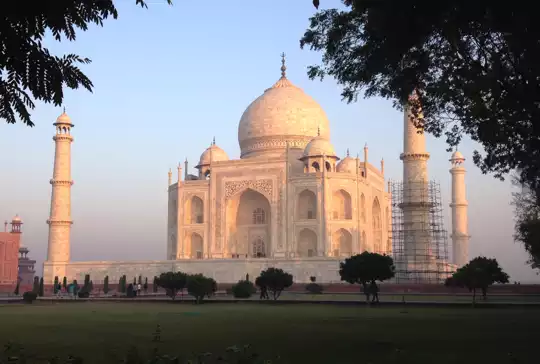
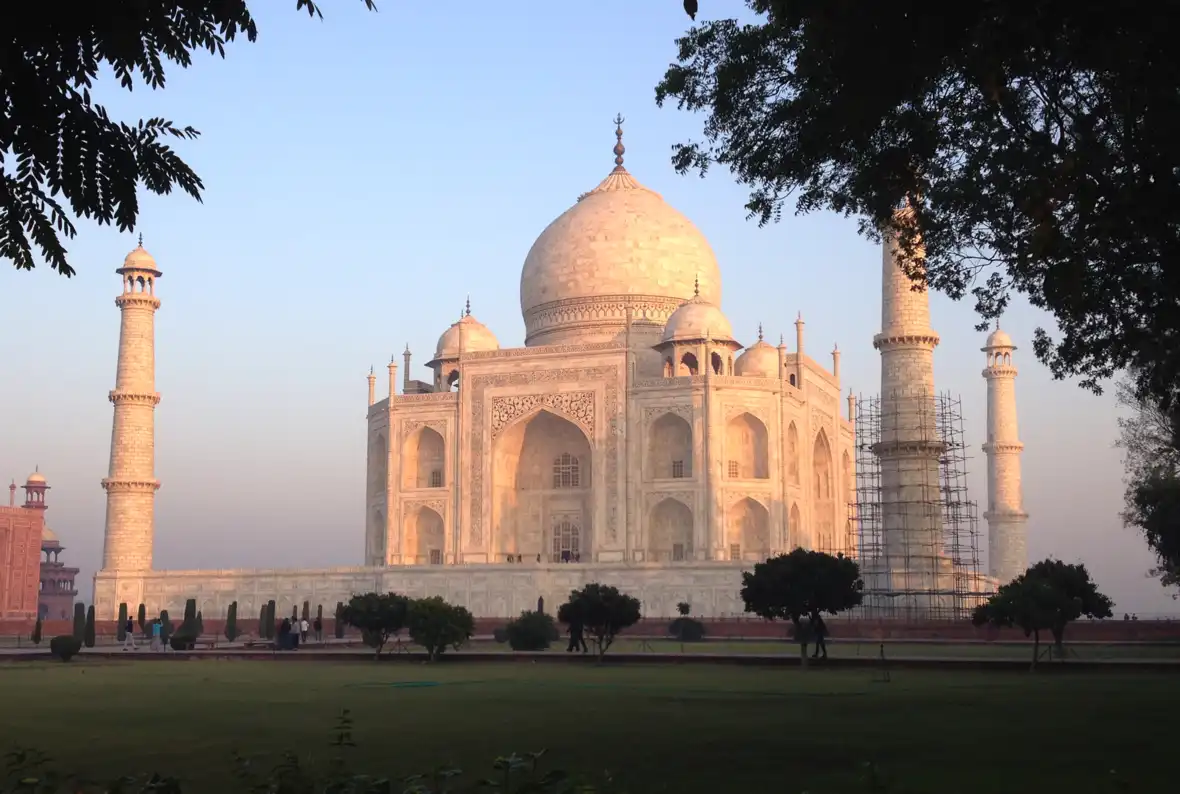
  • Taj Mahal, Agra: Marble that drinks the first light and hands it back, softer. Arrive 45 minutes before gates open; the difference between front-row quiet and tour-bus chaos is that small. Closed on Fridays—don’t learn that the hard way at 5 a.m. Keep your bag minimal; food, tripods, and anything that looks like a drone will get you turned around. Shoe covers come with the foreign ticket; use them or go barefoot and feel the marble cold under your arches. Guides swarm at both gates; if you hire one, agree the route and duration upfront or you’ll speed-walk through history. Mehtab Bagh gives a cheaper sunset view across the river.
  • Ladakh’s Monasteries and High Passes: The air is thinner than your excuses, and the mountains don’t care—you acclimatize or you sit down and wheeze. Land in Leh and give yourself 48 hours of slow walking, water, and no alcohol; skip this and you’ll pay for it on Khardung La. Permits are required for Nubra and Pangong; handle paperwork in town before you chase the horizon. Buses are rare and weather doesn’t read your itinerary; keep a spare day. Bring cash—ATMs sulk in storms. Prayer flags snap like whipcracks, butter tea leaves a slick on your tongue, and the wind will peel the moisture from your lips in one hour flat.
  • Kerala Backwaters, Alleppey: Canals like green hallways, kingfishers strafing the water, and the slow creak of oars that puts the day on mute. Skip the oversized diesel houseboats unless you want fumes, markup, and a fixed menu of views; a small shikara or canoe buys you silence and back lanes for a fraction of the price. Start early to dodge midday glare and bring repellent—mosquitoes aren’t shy. Ask how trash and greywater are handled; you’re paying for the environment, not just the ride. You’ll smell wood smoke, curry leaves frying for breakfast, and the brackish edge of the lagoon. For quieter edges, consider Spiti’s high monasteries, Dholavira’s Harappan ruins, or Assam’s Majuli island; my personal favorite is Spiti for the way silence rings like a bell at dusk.
Spotted a mistake or missing a highlight? Contact us.

But India offers more...

Discover and compare all of its highlights per category

🧭 RoutesLogical itineraries covering the highlights

The 14-Day North India Classics Route

The vibe: A focused, no-rush introduction to North India’s greatest hits—perfect for first-timers who want depth over distance, with trains and a couple of short hops rather than constant bus marathons. You’ll move from imperial capitals to riverfront spirituality, getting a tight but rich snapshot of the country’s history and soul.
The Highlights:
  • Old and New Delhi, including the Red Fort area and Qutub Minar Complex.
  • Agra’s Taj Mahal and Agra Fort, plus a side trip to Fatehpur Sikri.
  • Jaipur’s Amer Fort, City Palace, and Hawa Mahal in the heart of Rajasthan.
  • Varanasi’s ghats and Ganges rituals at sunrise and sunset.

The 21-Day Desert & Himalaya Loop

The vibe: A medium-paced loop that layers Mughal monuments, Rajasthan’s desert cities, and a soft landing in the Himalayan foothills, ideal for travelers who want variety without racing across the entire country. Expect a mix of classic train journeys, one or two flights, and scenic road legs linking forts, markets, … read more 👉

The 14-Day North India Classics Route

The vibe: A focused, no-rush introduction to North India’s greatest hits—perfect for first-timers who want depth over distance, with trains and a couple of short hops rather than constant bus marathons. You’ll move from imperial capitals to riverfront spirituality, getting a tight but rich snapshot of the country’s history and soul.
The Highlights:
  • Old and New Delhi, including the Red Fort area and Qutub Minar Complex.
  • Agra’s Taj Mahal and Agra Fort, plus a side trip to Fatehpur Sikri.
  • Jaipur’s Amer Fort, City Palace, and Hawa Mahal in the heart of Rajasthan.
  • Varanasi’s ghats and Ganges rituals at sunrise and sunset.

The 21-Day Desert & Himalaya Loop

The vibe: A medium-paced loop that layers Mughal monuments, Rajasthan’s desert cities, and a soft landing in the Himalayan foothills, ideal for travelers who want variety without racing across the entire country. Expect a mix of classic train journeys, one or two flights, and scenic road legs linking forts, markets, and mountain river towns.
The Highlights:
  • Delhi and Agra for the Taj Mahal, Agra Fort, and early days of empire.
  • Jaipur’s Amer Fort, City Palace, and bazaars, with a spiritual detour to Ajmer.
  • Jodhpur’s Mehrangarh Fort and the blue old city streets.
  • Jaisalmer’s living fort and desert edge, followed by Ganges-side downtime in Rishikesh.

The 30-Day Grand North-South India Journey

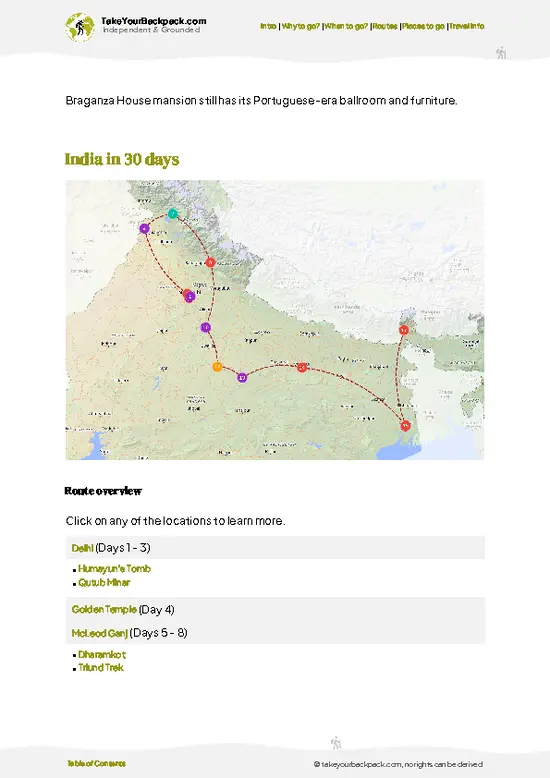
The vibe: A full-month arc from Mughal capitals and desert citadels to Himalayan trails, tropical backwaters, and green southern hills—built for travelers who want to see India’s contrasts without turning the trip into an endurance test. You’ll string together trains, a few key flights, and scenic road trips to experience cities, villages, rivers, mountains, and coast in one continuous story.
The Highlights:
  • Delhi and Agra’s imperial core, then deep Rajasthan with Jaipur, Pushkar, Jodhpur, and Jaisalmer.
  • Himalayan time in Rishikesh plus trekking in the Himachal Pradesh and the Himalayas region around Hampta Pass.
  • Historic Kochi and slow-life days on the Kerala Backwaters from Alleppey.
  • Mysore’s palace culture and cool Western Ghats escapes around Chikmagalur and nearby trails.
🌍 Want a ready-to-use travel plan for India?
The overview above compares different route options based on your travel time and style. The complete Travel Guide breaks each itinerary down in detail, including maps, stops, highlights, and transport information.

Explore all route details 👉

Get the Travel Guide -

🌤️ When to go?Choosing the right months to travel

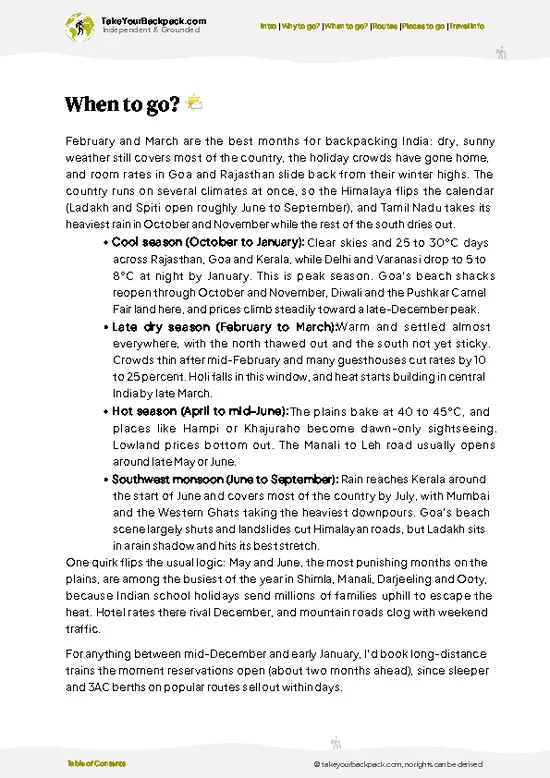
The sweet spot for backpacking India is mid-February to mid-March, with a secondary window of late September to late October if you dodge the Diwali week. Here’s why: winter holiday inflation has deflated by February, trains and decent guesthouses have space again, the north’s killer fog eases, Rajasthan is warm without frying you, Kerala’s backwaters aren’t a steam room yet, and low-altitude hikes in the Himalaya start to reopen. Wildlife parks are still open and sightings improve as water sources shrink, without the furnace of April. The post-monsoon shoulder (late Sep-Oct) gives you clean air, green hills, full waterfalls, and prices that haven’t climbed to December levels—just avoid festival spikes that fill beds and jack fares.
  • Peak (Dec-Jan on the plains; May-June in hill stations): You’ll fight for rooms, pay holiday rates, and queue for everything. Go anyway if you want winter’s crisp Varanasi dawn—oars slicing the Ganges while ash settles on cold water—or that blue, high-clarity air in Himachal. In summer, the hills and Manali-Shimla toy train turn into a moving crowd, but cool nights and deodar forests can reset a fried brain. You earn the high by absorbing the grind; budget for it or skip it.
  • Shoulder (Feb-Mar and late Sep-Oct): India loosens its jaw. Trains release berths, shop shutters rise, trekking tea houses sweep out damp mats, beach shacks repaint and reopen. You move faster with fewer negotiations. This is where kilometers stretch cheaper and your patience lasts longer. Crowd anomaly: October is deceptively busy around Durga Puja/Diwali, especially in Kolkata and Rajasthan—book those weeks or slide your dates.
  • Monsoon/Extreme (Jun-Sep, plus the furnace of Apr-May): The country turns inward. Rice fields glow, lanes smell of wet earth, and you get long, empty museum rooms and quiet ghats. Rains wash roads; landslides clip Himalayan buses; coastal ferries pause. Survival hack: travel at first light when storms stall, stash a roll-top dry bag for your pack liner, wear quick-dry synthetics, and sip ORS salts; in the pre-monsoon heat, start before sunrise, nap at noon behind thick walls, and ride AC sleeper trains instead of buses.
  • High-Altitude Window (Ladakh/Zanskar Jul-Aug): While the rest of India steams, the trans-Himalaya opens. It’s a magnet—expect scarce beds in Leh and surge-priced taxis—but the payoff is walking past prayer flags cracking in thin air and moon-yellow rivers under big skies. Book jeeps and permits early or you hemorrhage time in queues.

My tactical move: for any intercity overnighter during shoulder months, I lock a 3A/SL berth two to four weeks out—before Tatkal day—so I keep my cash and my sleep instead of paying surcharges and riding a folding seat.

source: climatestotravel.comJANJanuary: good for travelingFEBFebruary: excellent for travelingMARMarch: excellent for travelingAPRApril: fair for travelingMAYMay: fair for travelingJUNJune: fair for travelingJULJuly: good for travelingAUGAugust: good for travelingSEPSeptember: good for travelingOCTOctober: highly recommended for travelingNOVNovember: good for travelingDECDecember: good for traveling
📅 Traveling in a specific month?
Get a full month-by-month breakdown of weather, crowds, costs, festivals, and seasonal highlights in the complete travel guide.

Get full details when to go 👉

Get the Travel Guide -
!2015-12-15 07.31.12

💰 Costs (as of 2025)What things cost day to day

₹1,600-₹3,000 ($20-$36) per day covers a tight but sane India run—dorm bed, three real meals, local moves, and one paid sight when it’s worth it.
  • dorm accommodation: ₹350-₹700 in smaller cities; ₹500-₹1,000 in big metros; ₹900-₹1,600 in Goa/hill-station peak season. Non-AC rooms are 20-40% cheaper outside the coast. System tip: South India often uses “24-hour checkout” (you leave at the same time you arrived), which can double your value; in the north, default is noon checkout. Expect GST on posted rates and upsells for “AC” or “towel.” Compared to Nepal and Sri Lanka, dorms are cheaper in India most of the year but spike hard on holidays—book night one, then walk and negotiate.
  • meals: Supermarket Survival looks cheap but isn’t efficient—packaged snacks and bread cost more per calorie than a veg thali. Street food reality: chai ₹10-20, samosa/poori ₹15-40, veg thali ₹80-150, non-veg ₹150-300, mid-range sit-down ₹250-500. Eat where turnover is constant and oil is fresh. Avoid fruit shakes with tap ice. Refill water from hotel RO or filtered stands (₹5-10/liter) and carry a bottle; bottled water every time will bleed you. India beats Sri Lanka on food costs and edges Nepal in cities; Bangladesh
read more 👉
₹1,600-₹3,000 ($20-$36) per day covers a tight but sane India run—dorm bed, three real meals, local moves, and one paid sight when it’s worth it.
  • dorm accommodation: ₹350-₹700 in smaller cities; ₹500-₹1,000 in big metros; ₹900-₹1,600 in Goa/hill-station peak season. Non-AC rooms are 20-40% cheaper outside the coast. System tip: South India often uses “24-hour checkout” (you leave at the same time you arrived), which can double your value; in the north, default is noon checkout. Expect GST on posted rates and upsells for “AC” or “towel.” Compared to Nepal and Sri Lanka, dorms are cheaper in India most of the year but spike hard on holidays—book night one, then walk and negotiate.
  • meals: Supermarket Survival looks cheap but isn’t efficient—packaged snacks and bread cost more per calorie than a veg thali. Street food reality: chai ₹10-20, samosa/poori ₹15-40, veg thali ₹80-150, non-veg ₹150-300, mid-range sit-down ₹250-500. Eat where turnover is constant and oil is fresh. Avoid fruit shakes with tap ice. Refill water from hotel RO or filtered stands (₹5-10/liter) and carry a bottle; bottled water every time will bleed you. India beats Sri Lanka on food costs and edges Nepal in cities; Bangladesh and Pakistan are similar for basics but less variety.
  • local transport: Indian Railways Sleeper Class is the country unlock—roughly ₹0.6-1.2/km; an 800 km overnight often lands ₹350-₹600 and replaces a hostel night. Book ahead; Tatkal rush adds a surcharge that hurts. Unreserved is chaos—fine for 1-2 hours only. State buses are cheap (₹1-2/km) but slower; city buses ₹10-30; metro day passes ₹100-200; autos: insist on the meter or use app rides. I’ve slept on a ₹380 bunk, woke to chai at dawn, and saved both money and time. Compared to Southeast Asia, long hops are cheaper here if you accept grit; planes only win on deep sale.
  • activities: Temples are free or symbolic. The wallet hits are monuments with foreigner pricing (think ₹300-₹1,300), palace complexes with add-on camera fees, and national park safaris (₹2,000-₹5,000 per seat per ride). Yoga courses and ashrams run by the week, not the day—budget accordingly. Boats (Varanasi/Kerala) are cheap if shared, pricey private. India’s headline sights usually cost more than Nepal/Pakistan but much less than Sri Lanka’s big-ticket forts and parks.
  • miscellaneous: Budget leaks: ATM fees ₹200-500 per withdrawal; decline “dynamic currency conversion.” SIM + data is a bargain (₹200-400 for heavy data), but activation “service” fees appear—say no. Laundry ₹150-300/kg if you hand it over, far less if you bucket-wash. Restaurant 10% “service charge” plus 5% GST on food and 12-18% on rooms—read the bill. Alcohol is taxed hard; one beer can equal two thalis. Keep a stash of ₹10 coins for shoe-keeping, porters, and chai—the grease that prevents bigger hassles. Overall, India leaks less than Thailand’s bar scene and slightly more than Nepal’s slower pace if you skip booze.
⚠️ Prices can change and everyone travels differently, so take this as a rough guide. Hope it helps you plan your adventure!

✈️ The backpacker research shortcutIndia Travel Guide

An offline-friendly backpacking guide with optimized travel routes, ranked highlights, transport advice, and the best areas to stay.
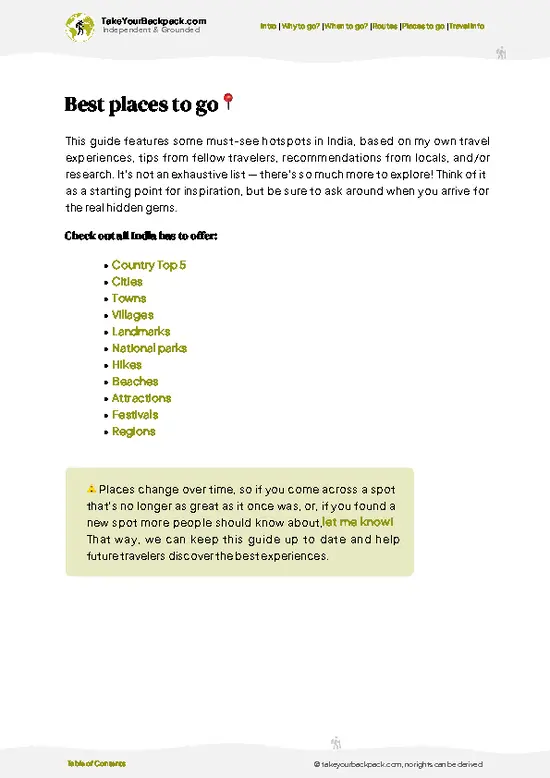
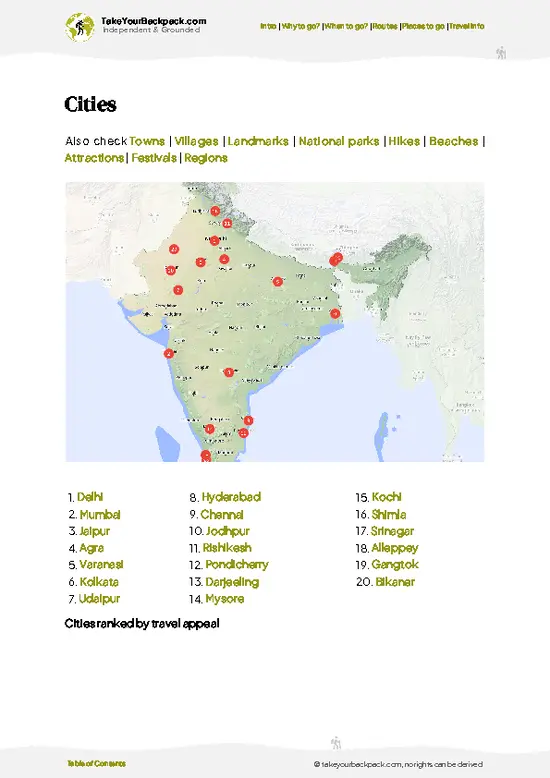
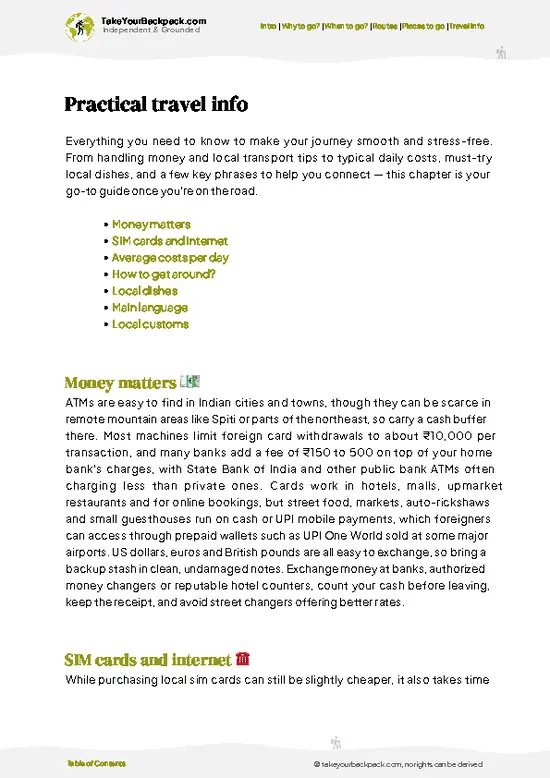
example page 0 from our offline Travel Guide for Indiaexample page 1 from our offline Travel Guide for Indiaexample page 2 from our offline Travel Guide for Indiaexample page 3 from our offline Travel Guide for Indiaexample page 4 from our offline Travel Guide for Indiaexample page 5 from our offline Travel Guide for Indiaexample page 6 from our offline Travel Guide for Indiaexample page 7 from our offline Travel Guide for India
The digital guide (520 pages) contains:
164 highlights, ranked by travel appeal
Optimized 14, 21 & 30-day travel routes
Cities, national parks, beaches, historical sites, ...
How to get around
Offline-friendly for travel without Wi-Fi
👉 Click to see all 30+ guide features

📅 Plan smarter in minutes, not weeks
Month by month travel advice
Festivals & national holidays
Budget expectations

🗺️ Go to the right places, skip the overrated ones
Honest pros & cons of destinations
Top hikes, parks & viewpoints
Lesser-known places most travelers miss
Clear “worth it vs skip it” guidance

🛏️ Travel smoothly without rookie mistakes
Best areas to stay
Transport systems explained simply
Common scams & safety advice
SIM cards, money & practical tips

🌍 Understand the country, not just visit it
Culture & traditions
52 Essential phrases & customs
Festivals worth planning around
Traveler-friendly historical context
Insights that make places more meaningful

📱 Built for real travel conditions
Fully downloadable PDF
Works completely offline
Optimized for phone use
Useful in remote areas & buses
Everything in one place
Save weeks of stressful planning
Get instant access to the full guide directly. 30-day money-back guarantee.


Sent to your inbox immediately after payment • 100% Secure Checkout
Best Backpacking Travel Advisor 2025 tourism awardBest Backpacking
Travel Advisor
2025
What others say about Take Your Backpack Guides:
⭐⭐⭐⭐⭐
Fantastic, amazing amount of information!
⭐⭐⭐⭐⭐
My goodness this is amazing, it's what I've been looking for hats off too you!
⭐⭐⭐⭐⭐
I think this is absolutely BRILLIANT
⭐⭐⭐⭐
Very complete and informative. It's still missing places, but I gotta to commend you
⭐⭐⭐⭐⭐
This is truly amazing, thank you, can't wait to explore it with my kids!
⭐⭐⭐⭐⭐
Awesome resource, thank you!
⭐⭐⭐⭐⭐
This is amazing! Can't wait to explore the ones I haven't seen
⭐⭐⭐⭐
I love this! Well done, great idea.
⭐⭐⭐⭐⭐
Thanks for taking the time to make this gem!
⭐⭐⭐⭐⭐
This might be the best website I've ever seen.
⭐⭐⭐⭐⭐
Congratulations, and thank you so much for your work; it's incredibly valuable.
⭐⭐⭐⭐
In all seriousness I think you did a great job pointing out the important spots
⭐⭐⭐⭐⭐
10/10 very good
⭐⭐⭐⭐⭐
As someone who's only just starting to visit regularly this is awesome, thank you.
⭐⭐⭐⭐
Thank you very much! I'm going to visit my dad, it's going to be very useful!
⭐⭐⭐⭐⭐
This is really cool! We'll be travelling for the first time and this definitely come in handy.
⭐⭐⭐⭐⭐
You are now our minister of culture, congratulations 👨‍💼
⭐⭐⭐⭐⭐
Just wanted to tell you that this is a pearl! Going to follow your recommendations.
⭐⭐⭐⭐⭐
This is so cool. I'll definitely be using the resource for my travels soon.
⭐⭐⭐⭐⭐
This is very impressive! Good work.
⭐⭐⭐⭐⭐
This is an amazing and informative site. Very well done!

🛏️ Where to stay?Best areas to base yourself

Yes — hostels and budget accommodation in India are widespread, concentrated in backpacker hubs like Delhi (Paharganj, Hauz Khas), Mumbai (Colaba, Bandra), Goa (Anjuna/Arambol, Calangute), Jaipur (Old City), Varanasi (Ghats), Rishikesh (Laxman Jhula), Manali (Old Manali) and Hampi (Hampi Bazaar).

Paharganj is very cheap and next to the main station but chaotic and dusty; Hauz Khas is safer with nightlife and pricier; Colaba puts you by major sights and transport but has fewer low-cost beds and higher rates while Bandra offers nightlife and cafes at a premium; Anjuna/Arambol have the biggest hostel … read more 👉
Yes — hostels and budget accommodation in India are widespread, concentrated in backpacker hubs like Delhi (Paharganj, Hauz Khas), Mumbai (Colaba, Bandra), Goa (Anjuna/Arambol, Calangute), Jaipur (Old City), Varanasi (Ghats), Rishikesh (Laxman Jhula), Manali (Old Manali) and Hampi (Hampi Bazaar).

Paharganj is very cheap and next to the main station but chaotic and dusty; Hauz Khas is safer with nightlife and pricier; Colaba puts you by major sights and transport but has fewer low-cost beds and higher rates while Bandra offers nightlife and cafes at a premium; Anjuna/Arambol have the biggest hostel scene and beach parties but get noisy and seasonal, Calangute is crowded and touristy; Old City Jaipur is ideal for forts and markets but busy and hot; Varanasi ghats give unmatched river access and ritual atmosphere but are noisy with basic facilities; Rishikesh near Laxman Jhula is quiet, yoga-focused and alcohol-restricted; Old Manali is the trekking base with lively nightlife in season; Hampi Bazaar is cheap and peaceful but very limited in services.

If you enjoy meeting fellow travelers, consider choosing hostels with high ratings for atmosphere. On the other hand, if you prefer having your own space, a hotel might be a better option.

🚌 Getting aroundWhat moving around is really like

India runs on rhythm, not rigidity. The schedule is printed, but the real clock is crowd flow, chai breaks, and a driver’s willingness to thread a bus through a gap you didn’t think existed. You hurry, then you wait, then everything happens at once. The trick is to lean into the current without losing your pack or your temper. Time padding exists; so do sudden cancellations. The reward for patience is distance covered cheaply, while the day-trippers overpay for speed and still arrive late.
  • Indian
read more 👉
India runs on rhythm, not rigidity. The schedule is printed, but the real clock is crowd flow, chai breaks, and a driver’s willingness to thread a bus through a gap you didn’t think existed. You hurry, then you wait, then everything happens at once. The trick is to lean into the current without losing your pack or your temper. Time padding exists; so do sudden cancellations. The reward for patience is distance covered cheaply, while the day-trippers overpay for speed and still arrive late.
  • Indian Railways (Intercity) The Efficiency Trade-off: Trains are the backbone—cheap per kilometer and comfortable if you book right—but they demand planning. Sleeper Class (SL) is the best value; it’s noisy and bright but honest. AC 3-tier buys you sheets and fewer stares at triple the price. Tatkal last-minute tickets cost more and vanish in minutes. Delays happen, but you still beat the bus on long hauls. Lock your pack to the berth, keep small bills for platform snacks, and expect platform changes without apology. Overnight rides save a night’s rent; that is your real gain.
  • Auto-Rickshaw & Shared Auto The Social Fabric: This is where you learn the rules people actually follow. At stations, use the prepaid booth or walk a block to cut the “foreigner rate.” In most cities, meters exist but are ignored; state the price calmly before moving and keep exact change ready. Shared autos run fixed corridors for coins-on-the-hood money—slide in, squeeze up, and pay when you hop off. Front middle seat is a thing; three across happens. Night rates climb. Never accept “cheap shop, sir”—that detour funds commissions, not fuel. Keep your bag inside the cabin, not on the edge.
  • State Buses & Hill Jeeps The Geometric Unlock: Trains dodge the mountains and desert edges; buses and shared Sumos go straight in. Ordinary state buses are slow but unstoppable; you buy from the conductor, stash your bag overhead or on the roof, and sit where you can. In the hills, take the earliest departure to outrun landslides and roadblocks. Motion sickness pills earn their keep on hairpins. Last buses leave shockingly early; miss it and you sleep where you are. Private touts love to “rescue” you—find the depot, not the loudest voice.
  • Overnight Sleeper Bus The Budget Disruptor: When trains are waitlisted or routes are awkward, a non-AC sleeper flips the script. You ride horizontal, skip a hostel night, and land near where trains don’t go. Downsides: narrow berths, hard braking, random 3 a.m. tea stops, and ring-road drop-offs that cost extra to reach the center. Lower berths bounce less; bring a sheet and earplugs. Festival weeks spike prices; so does Friday. Still, it fills gaps the rail map refuses to solve.

Master tip: Anchor your long legs to overnight trains on trunk lines, then leap the final 50-150 km at dawn on state buses—one pattern, fewer headaches, maximum miles per rupee.
Indira Gandhi International Airport (DEL) sits about 16 km (10 miles) southwest of Connaught Place (the city center). Depending on traffic and which terminal you use, the actual road distance varies slightly.

Main ways to get into the city
  • Airport Express Metro (Orange Line) - from Terminal 3/2

    Fastest and most reliable. Board at “IGI Airport” station (connected to T3; shuttle/walkways from T2) and ride to New Delhi Station (for Connaught Place/Rajiv Chowk interchange).

    Time: about 16-20 minutes on the train (add a few minutes for walking/waiting).

    Cost: roughly ₹50-60 to New Delhi Station.
  • Regular Delhi Metro - from Terminal 1 (Magenta Line)

    From “Terminal 1-IGI Airport” station, take the Magenta Line to Hauz Khas and change to the Yellow Line for Rajiv Chowk/New Delhi.

    Time: about 35-50 minutes, depending on connection times.

    Cost: typically ₹40-60 for the full trip.
  • Airport Buses (DTC/Cluster AC buses)

    Budget option with space for luggage; services run from T3 towards Connaught Place, New Delhi Railway Station, and Kashmere Gate (frequencies vary by time of day).

    Time: about 60-90+ minutes, traffic-dependent.

    Cost: usually ₹50-100 per person.
  • Taxis and ride-hailing

    Prepaid taxi counters are inside arrivals; app cabs (Uber/Ola) pick up at designated zones. Door-to-door and best with heavy luggage or late-night arrivals.

    Time: about 30-60+ minutes, depending on traffic.

    Cost: roughly ₹400-900 to Connaught Place/New Delhi area; night surcharges and surge pricing can push it higher.

Tips: If you want the fewest variables, the Airport Express Metro to New Delhi Station is the easiest. For Terminal 1, the Magenta + Yellow Line combo is straightforward and cheap. Buses are the most economical but slow. Carry small cash for buses; for the metro you can use tokens, QR tickets, or a travel card.
⚠️ Prices and routes can change, so take this as a rough guide and ask for local advice when you arrive.

🔒 Safety (risk Level: medium)Staying safe while traveling

Safety for solo travelers, including women and LGBTQ+ individuals
Traveling solo in India can be safe with the right precautions. Women should dress conservatively and avoid isolated areas at night, while LGBTQ+ travelers should be discreet in rural or conservative areas. Stick to well-reviewed accommodations, use trusted transportation, and connect with local or online travel communities for updates. Always trust your instincts and stay aware of your surroundings.


Full official government travel advisory (live updates)
View details 👉

✈️ VisaDo you need a visa to visit?

Most travelers need a visa to visit India. You can apply for an e-Visa online through the official Indian e-Visa website. Check the website for eligibility and ensure your passport has at least six months’ validity.

source: indianvisaonline.gov.in
⚠️ Visa requirements can change over time, so always check the latest visa requirements with the official embassy or government website before you travel.

🎒 What to pack?A practical packing list

India’s a wild mix of climates and terrains, so pack smart. Expect hot and humid conditions in the south and along the coasts, but be ready for cooler temps in the north, especially if you’re heading to the mountains or in winter. If you’re visiting during the monsoon season (June to September), a waterproof layer is a must. When it comes to clothing, modesty is key, especially for women—cover shoulders and knees to respect cultural norms, and pack a scarf or shawl for visiting temples. Lightweight, breathable fabrics will be your best friends in the heat, and keep in mind that some regions can get chilly at night, so throw in a light jacket or sweater.

Apart from this country specific advice, I have also crafted a general packing list that should help on any trip. authorOver the years, I've learned the importance of packing minimally. It's so much easier to jump on the back of a truck or squeeze yourself into the last spot of a minibus without that supersized backpack. If you're headed to a warm destination, leave your winter jacket at home; for colder regions, opt for thin thermal underlayers. Instead of packing your entire wardrobe, bring just three sets of clothes, as laundry facilities are available everywhere.
View the full list 👉
🎒 Planning the practical side of your trip?
Get detailed information on transport, daily budgets, internet access, local customs, food, language, and other essentials in the complete Travel Guide.

Get detailed practical information 👉

Get the Travel Guide -

🙋 FAQQuick answers to practical concerns

Trip Planning


Personal tip: I normally search on good rating for atmosphere (for meeting people) and location (for easy exploring). Cleanliness as a bonus.


Travel Essentials

Hepatitis A and B vaccines are recommended for most travelers to India. Typhoid vaccine is advised, especially if you plan to visit rural areas or eat street food. Consider a rabies vaccine if you’ll be interacting with animals or exploring remote locations. Japanese encephalitis is recommended if you plan to stay for an extended period in rural areas. Routine vaccines like MMR (measles, mumps, rubella), DPT (diphtheria, pertussis, tetanus), and polio should be up to date. Always consult with a healthcare provider for personal advice.


vaccination requirements
When I first started traveling, I often spent part of my first day in a new country hunting for a local SIM card. While this can still be slightly cheaper, it also takes time and planning.

These days, it's much simpler to install an eSIM before leaving home. Once you arrive in India, you can activate it immediately and have mobile data from the moment you land — which is especially useful for ordering transport or navigating away from busy airports.

There are many providers nowadays, and price differences are usually small. I personally go with Airalo, as it offers excellent network coverage throughout the country and strong global coverage, so you can manage multiple countries from a single app.


Get your e-sim for India

Culture & Customs

Touching with the left hand is considered unclean, so try to use your right hand for eating or handing over items. Remove shoes when entering homes or temples. Dress conservatively; women should cover shoulders and knees. Public displays of affection are frowned upon. For LGBTQ+ travelers, public openness about sexuality is not common; be discreet for safety. Women should avoid traveling alone at night and consider using women-only areas on public transport. Always negotiate taxi fares in advance or use metered options.
Trying traditional food is always a great way to experience the culture. Here are some must-try dishes for India.
  • Biryani: A fragrant rice dish cooked with aromatic spices and either chicken, mutton, or vegetables. Originating from Mughal kitchens, it’s a festival on a plate, celebrated for its rich, layered flavors.
  • Butter Chicken: Also known as Murgh Makhani, this dish features tender chicken pieces simmered in a creamy tomato sauce. It’s a staple in Indian cuisine, bridging the gap between traditional tastes and global appeal.
  • Masala Dosa: A thin, crispy pancake made from fermented rice and lentil batter, filled with spicy mashed potatoes. Hailing from South India, it’s a breakfast favorite that’s both filling and flavorful.
  • Chole Bhature: A spicy, tangy chickpea curry served with deep-fried bread. Popular in North India, it’s a hearty dish that’s perfect for those who love bold flavors.
  • Rogan Josh: A staple of Kashmiri cuisine, this aromatic lamb curry is slow-cooked with a blend of spices and yogurt. It’s known for its rich color and deep, warming flavors.
  • Pani Puri: A street food classic, these are hollow, crispy puris filled with spicy, tangy water, potatoes, and chickpeas. It’s an explosion of flavors and a must-try for any foodie.
  • Paneer Tikka: Cubes of paneer (cottage cheese) marinated in spices and grilled to perfection. It’s a popular vegetarian dish that showcases the versatility of Indian spices.
  • Most locals in India drink tap water, but it’s not recommended for tourists due to varying water quality standards. Stick to bottled or filtered water to avoid the risk of stomach issues. Always check that bottled water is sealed before purchasing.
    The main language in India is Hindi. Backpacking is way more rewarding if you know a bit of the local language, so I'd suggest brushing up on the basics just in case your Hindi skills have become a bit rusty.

    Want to understand locals better?
    The complete Travel Guide for India includes 52 essential words and phrases — greetings, thank-yous, ordering food, transport, numbers, and common local expressions you'll actually hear.

    Get your local basic phrases 👉

    Get the Travel Guide -


    English is widely spoken in India, serving as an associate official language alongside Hindi. It is commonly used in urban areas, major cities, and among educated populations. In metropolitan regions like Mumbai, Delhi, and Bangalore, English is prevalent in business, education, and media, making communication relatively easy for travelers.

    In rural areas, however, proficiency in English may decline, with local languages taking precedence. Many Indians, especially those in the hospitality and tourism sectors, can communicate effectively in English, catering to the needs of international visitors.

    While most people can understand basic English, accents and regional variations may pose challenges. Travelers may encounter varying levels of fluency, but overall, English serves as a useful bridge for communication across diverse linguistic landscapes in India.

    In summary, English is a valuable tool for navigating India, especially in urban settings, though it’s beneficial to learn a few phrases in local languages to enhance interactions and show respect for the culture.

    Money & Payments

    The local currency of India is INR (₹).

    If you’re backpacking in India, here’s the lowdown on money matters. ATMs are pretty widespread in cities and towns, but rural areas might leave you high and dry. Always have some cash stashed away for emergencies. Indian Rupees (INR) are the go-to, and while dollars and euros are handy for initial exchanges, you’ll want local currency for day-to-day expenses.

    Cards are becoming more accepted in urban centers, especially in restaurants and hotels, but cash is still king for local markets and small vendors. When exchanging money, avoid airport booths if you can—terrible rates and fees. Opt for a local bank or a reputable exchange service in town. A quick tip: keep an eye on your bank charges for international ATM withdrawals; they can add up quickly. A little planning goes a long way in keeping your trip budget-friendly.

    Tipping in India isn’t obligatory but appreciated. In restaurants, leaving around 5-10% of the bill is common if a service charge isn’t included. For smaller services like porters or housekeepers, a tip of 20-50 INR is usually sufficient.

    🧩 Nearby countriesSimilar backpacking destinations

    📸 PhotosWhat it looks like on the ground

    Take your backpack - India - 0
    Take your backpack - India - 1
    Take your backpack - India - 2
    Take your backpack - India - 3
    Take your backpack - India - 4
    Take your backpack - India - 5
    Take your backpack - India - 6
    Take your backpack - India - 7
    Take your backpack - India - 8
    Take your backpack - India - 9
    Take your backpack - India - 10
    Take your backpack - India - 11
    Take your backpack - India - 12
    Take your backpack - India - 13
    Take your backpack - India - 14
    Take your backpack - India - 15
    Take your backpack - India - 16
    Take your backpack - India - 17
    Take your backpack - India - 18
    Take your backpack - India - 19
    Take your backpack - India - 20
    Take your backpack - India - 21
    Take your backpack - India - 22
    Take your backpack - India - 23
    Take your backpack - India - 24
    Take your backpack - India - 25
    Take your backpack - India - 26
    Take your backpack - India - 27
    Take your backpack - India - 28
    Take your backpack - India - 29
    Take your backpack - India - 30
    Photographed by: Johan Kruseman

    Experiences from time spent here

    Ultimate chaos, burning bodies for €400 a piece

    Ultimate chaos, burning bodies for €400 a piece

    India | After four weeks on crutches and two weeks in a cast, I was finally free. The doctor said I needed six months of recovery time, but when I asked if I could continue my world trip during that time, he could only mutter a surprised “yes”. A day later, I had my visa and ticket for India, and a week later, I was on the plane. I couldn‘t wait to exchang...
    Read more
    Fooled twice in a row by Baba

    Fooled twice in a row by Baba

    India | That evening, I met Baba further down the Ganges. He had visibly never washed his hair, wore a long robe, and claimed to be holy. I dared to doubt that and poked his shoulder twice to debunk it. He laughed and invited me to his house. We followed the Ganges, and a few minutes later, he said, “we’re here.” ‘Funny’ enough, he was homeless, and his ‘h...
    Read more
    Sharing burgers with somebody traveling by a raft

    Sharing burgers with somebody traveling by a raft

    India | In the context of extraordinary travelers, the Pole I met that same evening certainly deserves an honorable mention. He always brings clothes, a tent and a paddle as luggage. He then builds a raft, usually from an old door and four large jerry cans, and floats down the river. In India, he wanted to raft the Ganges for a week. With him and a few of...
    Read more
    Buying a train ticket in just 1.5h and getting to the station in a lawn mower

    Buying a train ticket in just 1.5h and getting to the station in a lawn mower

    India | Varanasi was an extremely intense start to what would prove to be an extremely intense country. It was time for the next destination: Agra. There is a direct train. No one could tell me where the buses went from and which route they took, so the train quickly became the only option. However, the train also had its challenges. Used to arriving at th...
    Read more
    A strange man in my bed

    A strange man in my bed

    India | In Agra, the city of the Taj Mahal, we checked into a hostel less than five hundred meters from the Taj Mahal. At least, that was our goal, but the person who was supposed to check us in was in a coma. The cleaner tapped his shoulder, shouted, screamed, shook him, and eventually kicked him, but the man remained in a coma. A little later, someone el...
    Read more
    Two visits to the holy Taj Mahal and a 9 hour train ride for the price of 7

    Two visits to the holy Taj Mahal and a 9 hour train ride for the price of 7

    India | Finally, the day had come: the Taj Mahal. An indescribably beautiful “building” made even more unique by the story surrounding it. The emperor was so in love with his third wife that he had the Taj Mahal built around her tomb. When he decided to build an identical but black Taj Mahal on the other side of the river for himself, his son imprisoned hi...
    Read more
    Staying alive on boiled potatoes, tea and joints

    Staying alive on boiled potatoes, tea and joints

    India | A bus and a horse-drawn carriage later, I met someone who called himself Alibaba. He had been eating only boiled potatoes for 39 years, drank only tea, and smoked only joints in his house carved into a rock. Every evening, he fed the peacocks. I have no idea how long the list of extremely extraordinary people will become, but India seems to have a ...
    Read more
    Becoming an honorable guest on an Indian wedding

    Becoming an honorable guest on an Indian wedding

    India | In the next city, Jodhpur, I stumbled upon a wedding taking place in the middle of the street. I was invited, and soon I, or rather my height and skin color, became the guest of honor and had to walk alongside the groom and take photos of everyone with my iPhone (by now, I had learned not to ask why in this country)....
    Read more
    Meeting a fortune-teller for one hour in an empty bus

    Meeting a fortune-teller for one hour in an empty bus

    India | In Rajasthan, the province I was in, there are many fantastically interesting places. The next one was Jaisalmer, and at the bus station in Jodhpur, I found a willing man to show me the bus to Jaisalmer. He took me to an empty bus, and he sat next to me in the bus. Since I had never seen an empty bus going somewhere that same day, I asked when it w...
    Read more
    Making a hostel reservation for 15 cents and sleeping in the desert

    Making a hostel reservation for 15 cents and sleeping in the desert

    India | Jaisalmer won the prize for the cheapest hostel of my entire trip with an overnight stay for one euro. I should have made a 15% deposit on Hostelworld to secure my arrival with these 15 cents. After confirming that I understood that I wouldn‘t get the 15 cents back if I didn‘t show up, the reservation was made. Traveling is taking risks! However, I...
    Read more
    Christmas in a Hindu country, almost turning India into a second North Korea

    Christmas in a Hindu country, almost turning India into a second North Korea

    India | Christmas Eve was on the agenda. I had no idea how to celebrate it in a predominantly Hindu country. But with a few others, we found a local fireworks shop that sold the most gigantic firework packages. We decided to keep it simple and bought a package for five euros. However, these rockets exploded so loudly that you could feel the explosion in y...
    Read more
    Closing the curtains too early caused a visit by the police

    Closing the curtains too early caused a visit by the police

    India | That evening, we decided to finish Christmas Eve in style with lots of beer and beer pong (oh, and a quick fried chicken as a Christmas meal). When the first beer popped open, the hostel owner quickly closed all the curtains. She explained that except for 5-star hotels, no one in this city had an alcohol license because it had become unaffordable. ...
    Read more
    Dancing skeletons and horny chickens

    Dancing skeletons and horny chickens

    India | Christmas Day turned out to be just as special. We visited a local festival where we saw people dressed as skeletons or horny chickens dancing together. After many similar local dances, we tried to get a tuk-tuk back to the city. We quickly found one, and the driver quoted a price that was close to the local price, unfortunately with a reason: the ...
    Read more
    A local bus ride from Goa to Hampi taking two days

    A local bus ride from Goa to Hampi taking two days

    India | In Goa, the top tourist destination, it was not difficult to find a direct non-stop air-conditioned tourist bus to one of the highlights of the Lonely Planet, Hampi. However, immediately after New Year‘s, these buses were expensive and full, so we were left with only local transportation, which was the opposite in both respects: six transfers, incl...
    Read more
    Buying fruit to get the directions to the secret lake

    Buying fruit to get the directions to the secret lake

    India | Hampi was both the final destination of this trip and of my journey in India. It was a fantastic village where we would zoom around on mopeds during the day, which would lose in terms of speed to a lawnmower, and gather with all the backpackers from the village on a series of rocks for sunset, joints, and hippie music in the evening. On one of thos...
    Read more
    Lady boys trying to earn money by singing off-key

    Lady boys trying to earn money by singing off-key

    India | After a mandatory night in an insignificant big city that didn‘t even get a tiny section in the Lonely Planet, we could continue our journey the next day by train. Halfway through the few hours journey, a random man stood blowing his whistle as we passed by. Apparently, he blows his whistle for every passing train. I couldn‘t help but think of how ...
    Read more
    More stories

    We 💚 feedbackIs India worth visiting?

    India pays out more experience per day and per rupee than almost anywhere. Dawn chants on the ghats in Varanasi, a thali that resets your idea of “cheap,” an overnight train that drops you at the foot of the Himalaya or in a temple town buzzing at 4 a.m.—the density is the point.

    The tax: friction. Noise, heat, waits, and the occasional stomach revolt. Trains fill fast; book ahead or surrender to the waitlist. Haggle or you’ll bleed small bills to rickshaws. SIMs and tickets involve lines and stamps. You will need buffer days.

    Best for travelers who can roll with ambiguity, eat cautiously but bravely, and find humor in a missed connection. If you can keep your cool when plans bend, India rewards you twice over. Not ideal for folks who need quiet, tight schedules, spotless bathrooms, or big personal space. If your energy is finite, spend it on the good stuff—temples, hills, chai—by accepting the rest as the price of admission.

    ✈️ When did I visit India?
    As part of my 1.5 year travel around the world trip, I visited India in December 2015. Since then, this guide is regularly updated based on feedback from locals and recent backpackers (last update: 5 January 2025)

    ✍️ Help improve this page!
    The information on this page is based on my own backpacking experience in India, supplemented with up-to-date research and feedback from other travelers. Travel details can change, so if you notice anything outdated or incomplete, feel free to let me know.


    🙋‍♂️ Give feedback

    👋 Meet the founderWho’s Behind Take Your Backpack?

    Johan, backpacker and founder of TakeYourBackpackHi, I’m Johan (Netherlands 🇳🇱), the creator of TakeYourBackpack. Over the past decade, I’ve backpacked through 80+ countries across six continents, gaining extensive experience with independent travel, long-term trips, and overland routes.

    This site is built on a combination of firsthand travel experience and carefully curated insights from other backpackers. Many guides are based on places I’ve personally visited, while others bring together tips, observations, and practical advice shared by trusted travelers I’ve met along the way.

    The goal is to provide realistic, experience-driven guidance — not generic itineraries — so you can explore destinations with better context, clearer expectations, and more confidence.

    Get full India guide •
    Instant download • 164 highlights • Full Offline guide