×
Syria 🇸🇾

backpacking Asia Syria 🇸🇾Trace ancient routes through resilient cultural landscapes.

Explore Sri LankaExplore Taiwan

Backpacking Syria in 2026

A complete guide including when and where to go, costs, transport, itineraries, and practical travel advice.
Traveling in Syria: what to expect

Backpacking Syria
By Johan Kruseman 🇳🇱 | Updated June 7, 2026

Most unprepared travelers lose time and money on visas, checkpoints, and a stubborn cash-only system. Rules can shift by governorate, cards usually fail, and road timings ignore your itinerary. That friction is also the quiet gatekeeper, which is why Syria still feels intimate rather than packaged.

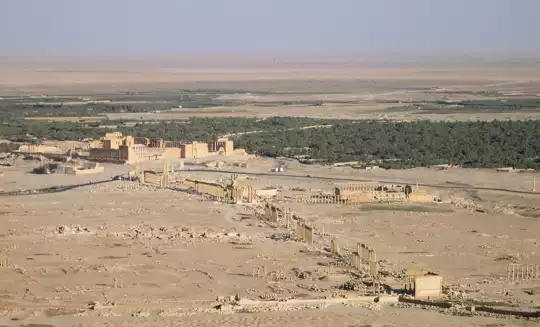
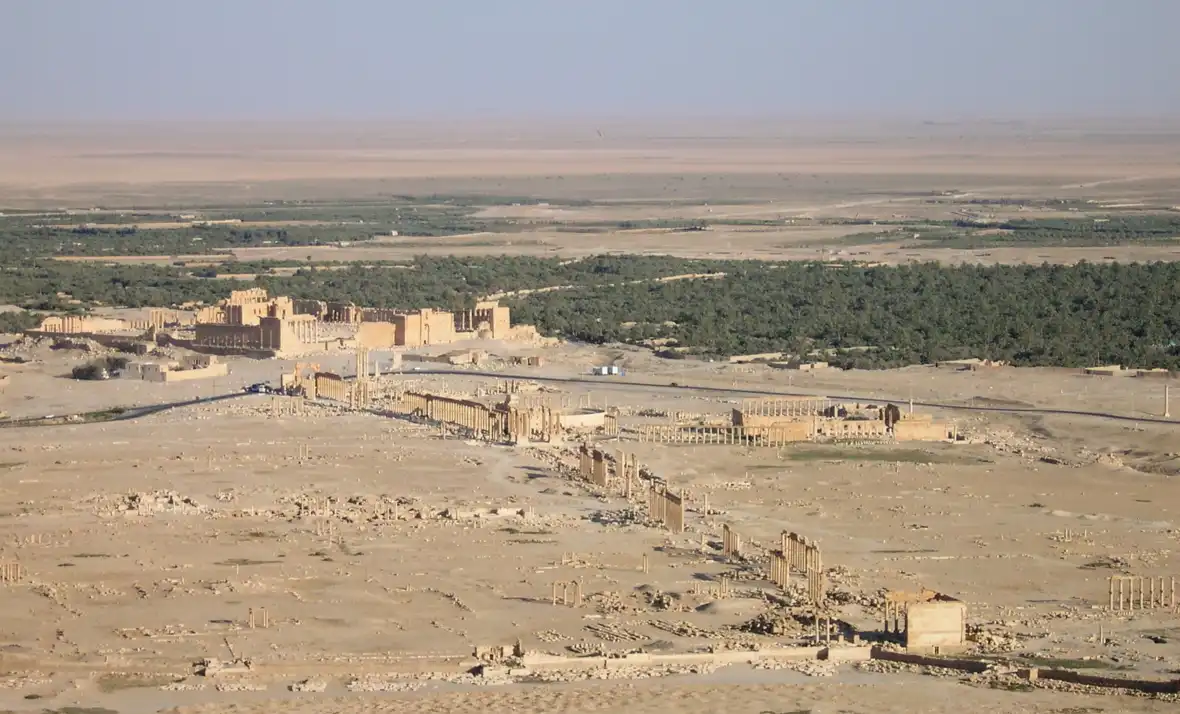
I go for the living past: the blue-shadow alleys of Damascus, the cool marble hush of the Umayyad Mosque, a shopkeeper pressing tea into your hand. Aleppo’s Citadel still clenches the skyline, Bosra’s black theater carries a whisper, and Krak des Chevaliers rides its ridge. Out east, desert light catches Palmyra’s scars and columns at once; along the coast, pine and fig mix with salt. Yes, you’ll juggle permits, long drives, patchy power, and the odd dead phone—but the reward is space, sincerity, and history that looks you in the eye.

Compared with Lebanon’s café ease, Jordan’s polished circuit, and Turkey’s smooth logistics, Syria trades comfort for depth. Go if you prize dense history and street-level warmth over convenience—and don’t mind earning your best days.

👉 Get the 📖 Travel Guide of Syria

Damascus

The capital is where you can walk the payoff. Sleep inside or just outside the Old City and your days run on foot: Umayyad Mosque at first light, spice alleys before the tour buses. Power cuts are normal; charge during café stops. Cash only. Buy a local SIM at an official shop with your passport and patience. Taxis jump in price during fuel droughts—use your legs at night and keep the camera down near ministries and checkpoints.

Aleppo

Come for the Citadel’s weight and what’s left of the souk’s craft energy, not a clean skyline. Expect scaffolding, dead-ends, and dust. Base within a 15‑minute walk of the Citadel or you’ll bleed money on rides. The M5 run from Hama/Homs is long and checkpoint-heavy—copies of your passport, snacks, and low expectations on timing help. Rewards patient photographers and food obsessives.

Coast & Western Castles (Latakia–Tartus spine)

The coastal highway is the easy day-to-day: frequent minibuses, sea breeze, and quick strikes inland to Saladin Castle and Krak des Chevaliers via the Homs Gap. Family-heavy beaches; outside private clubs, keep swimwear conservative. Castle days are stair marathons—water up. Prices run higher than inland, but fish delivers and alcohol is available. Police presence is visible; avoid aiming lenses at ports or bases.

Palmyra & the Desert

When accessible, it’s a hard, hot push with big emotional torque. Access fluctuates; you may need permits and sometimes an escort. Have a fallback day in Homs if you’re turned around. Go with a known driver and stay on paved ground—mines exist. Bring excess water, sun cover, and cash; fuel costs make fares jump.

Northeast Jazira (Qamishli–Hasakah)

Flat horizons, silo towns, and layered authorities. Checkpoints change uniforms; keep documents handy and your photos away from bridges and oil sites. Buses are thin; a domestic flight can save days and stress. Stays are basic, food is hearty, conversation is frank. This rewards travelers mapping systems and society more than postcard chasers.
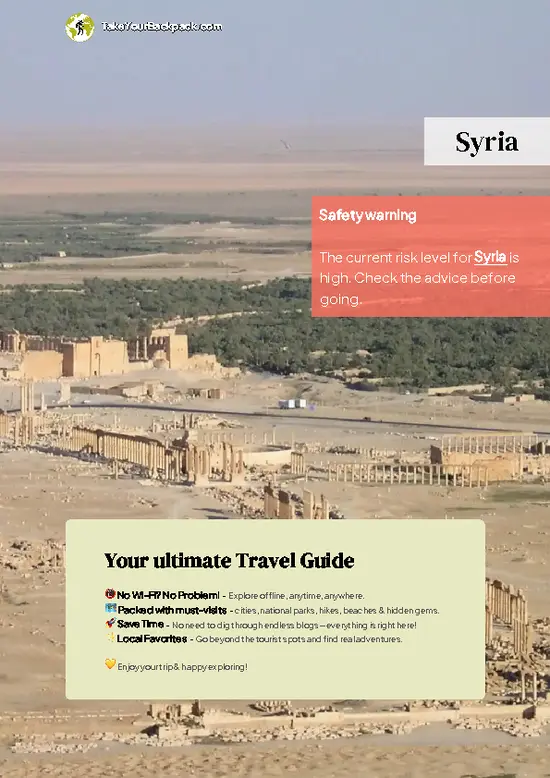
Safety warning

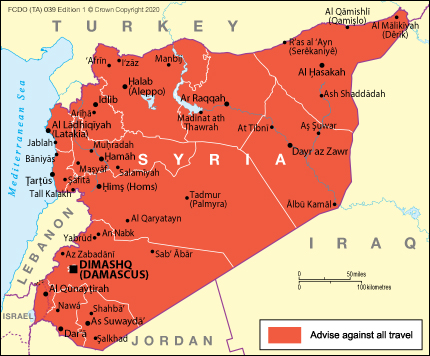
The current risk level for Syria is high. Check the advice before going.
Get your Syria guide
90 ranked highlights, routes & tips, works offline (347 pages)
Seeing the layout at a glance
Loading the map 🌍
CLICK TO FILTER
city
town
unique site
national park
hike
beach
attraction
festival
region
SHOW COUNTRY’S BESTSHOW ALL
film
0
0
0a
Mount Hermon Trail
film
1
1
1a
Jabal al-Druze Reserve
film
2
2
2a
Jabal al-Sheikh Reserve
film
3
3
3a
Al-Lajat Nature Reserve
film
4
4
4a
Orontes River
film
5
5
5a
Quneitra

Why go?What sets this destination apart

People

Syrians meet you with curiosity, jokes, and plates you didn’t ask for. You’ll be pulled into chairs, handed tea, and grilled—name, country, family—then … read more 👉
Syrians meet you with curiosity, jokes, and plates you didn’t ask for. You’ll be pulled into chairs, handed tea, and grilled—name, country, family—then laughed with, not at. Generosity can eat your day, and your waistband. Plan for it. You’ll lose the bill fight; return with fruit. I’ve been adopted from a bus stop to a cousin’s lunch and didn’t escape for three hours; worth every story, but not if you’ve got a hard deadline. Pro-tip: carry small bills, learn yislamu and sahtein, and let the best conversations happen in corner falafel shops and servees taxis.

Low cost

Syria is where a backpacker’s budget finally exhales. Outside of fixed visa/transport bites, a normal day lands around a low double‑digit average, cheaper … read more 👉
Syria is where a backpacker’s budget finally exhales. Outside of fixed visa/transport bites, a normal day lands around a low double‑digit average, cheaper than Jordan or Lebanon and usually under Turkey if you eat local. Street stalls, bakeries, and cafeteria plates do the heavy lifting. Shared “service” taxis and intercity microbuses keep moves cheap; avoid private hires unless you must. Bring crisp foreign cash—cards won’t run—and change at licensed exchangers. Pro tip: confirm generator hours at guesthouses to dodge surprise power fees. I once ate Aleppo dry on manakish and tea and still sat below that daily mark.

Uniqueness

Syria isn’t “easy.” That’s the point. Fewer tourists, more room to feel the bones of history—Damascus alleys at dawn, the wind across Apamea’s mile-long … read more 👉
Syria isn’t “easy.” That’s the point. Fewer tourists, more room to feel the bones of history—Damascus alleys at dawn, the wind across Apamea’s mile-long colonnade, the bruised grandeur of Krak des Chevaliers. People will invite you for tea; the scars are visible and the hospitality is real.

Pro tip: it’s cash land—crisp USD/EUR, small notes; ATMs are unreliable. Permits and checkpoints eat time, so start early and over-plan drives. I let my guesthouse line up a local fixer and it saved hours. Dress modestly, avoid politics, and say yes to slow moments—they’re the payoff.
Want the complete picture of Syria?
The offline Travel Guide brings everything together — routes, highlights & planning.

See what's included in the guide 👉

Get the Travel Guide -

⭐ HighlightsUnmissable destinations

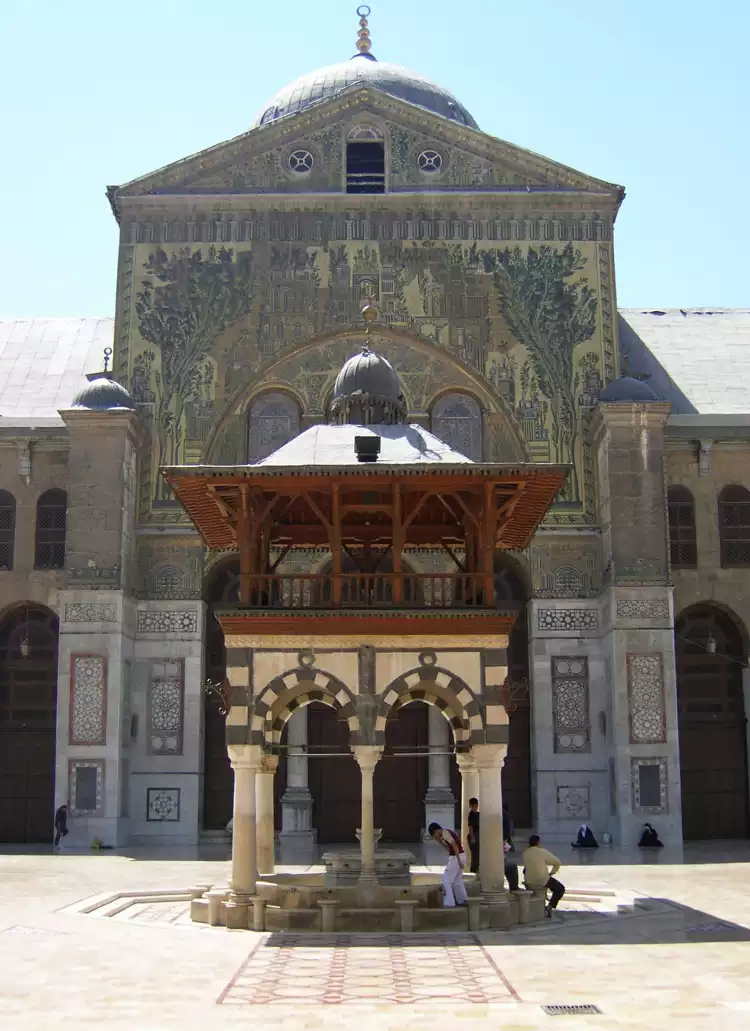
  • Old City of Damascus & Umayyad Mosque: The alleys breathe cardamom and brass polish, then open into a blinding marble sea where the mosque’s courtyard mirrors the sky. Go early; touts fade and the pigeons own the air. Modest dress is non-negotiable, shoes off, and bring a light scarf bag—attendants expect a small tip. Keep small notes; no one breaks big bills, and “free tours” aren’t free. Proof you were there: cold stone under bare soles and muezzin echo rolling your ribcage.
  • Aleppo Citadel: A fortress on a man-made hill, scarred but proud, with a gate that swallows you through angled corridors built to slow invaders. Parts close without notice; don’t gamble daylight—arrive early with your passport for checkpoints. Skip soap sellers at the gate; better prices inside the souq’s repaired lanes. Proof you were there: chalky limestone dust on your palms from the battlements and wind stinging your eyes.
  • Krak des Chevaliers: Walls like a parked battleship above thyme slopes and goat bells. Shared
read more 👉
  • Old City of Damascus & Umayyad Mosque: The alleys breathe cardamom and brass polish, then open into a blinding marble sea where the mosque’s courtyard mirrors the sky. Go early; touts fade and the pigeons own the air. Modest dress is non-negotiable, shoes off, and bring a light scarf bag—attendants expect a small tip. Keep small notes; no one breaks big bills, and “free tours” aren’t free. Proof you were there: cold stone under bare soles and muezzin echo rolling your ribcage.
  • Aleppo Citadel: A fortress on a man-made hill, scarred but proud, with a gate that swallows you through angled corridors built to slow invaders. Parts close without notice; don’t gamble daylight—arrive early with your passport for checkpoints. Skip soap sellers at the gate; better prices inside the souq’s repaired lanes. Proof you were there: chalky limestone dust on your palms from the battlements and wind stinging your eyes.
  • Krak des Chevaliers: Walls like a parked battleship above thyme slopes and goat bells. Shared vans to Al-Husn save cash; taxis from Homs make you pay for the view twice. Few railings, slick spiral stairs—good shoes and a headlamp beat bravado. Vendors thin out midday, so carry water and something salty. Proof you were there: knees brushing cool hewn stone as you corkscrew up a tower.
  • Maaloula: A cliff-hugging village where Aramaic prayers still ride the air, blue doors chipped by mountain wind. Monasteries (Mar Taqla, Mar Sarkis) prefer quiet respect—covered shoulders, no flash, and keep donations modest and direct. Weekend crowds jam the gorge; go early and leave by daylight. Proof you were there: beeswax and incense in your clothes and the sugary sting of monastery tea.
  • Bosra’s Roman Theater: Black basalt seats swallow heat and voices; clap once and your echo takes a lap. Tickets are cash; the guards won’t make change and won’t smile at cameras pointed near checkpoints. Hat, water, and patience—midday here cooks judgment. Proof you were there: warm basalt printing your thighs and fine grit between your teeth. Off-the-map worth the effort: the Dead Cities at Serjilla, the cliff monastery of Deir Mar Musa, and Apamea’s endless colonnade; personal favorite—first light alone in the Umayyad Mosque courtyard.
Spotted a mistake or missing a highlight? Contact us.

But Syria offers more...

Discover and compare all of its highlights per category

🧭 RoutesHow travelers typically move through the country

The 5-Day Damascus & Maaloula Focus

The Vibe: A slow-burn city immersion with one mountain-flavored day trip, perfect if you want depth over distance and prefer walking and short taxi rides to long road days.
The Highlights:
  • Soaking up Old City life around the Umayyad Mosque of Damascus and nearby historic lanes.
  • Exploring Ottoman-era elegance at Azm Palace and Khan As’ad Pasha.
  • Visiting the National Museum of Damascus to frame the country’s wider story.
  • Escaping to the cliffside monasteries and gorges of Maaloula for a contrasting day in the hills.

The 10-Day Castles, Capital & Coast Loop

The Vibe: A balanced overland loop linking the capital, Crusader strongholds, and the Mediterranean, ideal if you like a mix of history, road-tripping, and beach downtime at a moderate pace.
The Highlights:
  • Three grounded days in Damascus to explore mosques, khans, and museums without rushing.
  • Mountain interludes in Maaloula and Zabadani for cooler air and slower evenings.
  • Walking the ramparts of Crac des
read more 👉

The 5-Day Damascus & Maaloula Focus

The Vibe: A slow-burn city immersion with one mountain-flavored day trip, perfect if you want depth over distance and prefer walking and short taxi rides to long road days.
The Highlights:
  • Soaking up Old City life around the Umayyad Mosque of Damascus and nearby historic lanes.
  • Exploring Ottoman-era elegance at Azm Palace and Khan As’ad Pasha.
  • Visiting the National Museum of Damascus to frame the country’s wider story.
  • Escaping to the cliffside monasteries and gorges of Maaloula for a contrasting day in the hills.

The 10-Day Castles, Capital & Coast Loop

The Vibe: A balanced overland loop linking the capital, Crusader strongholds, and the Mediterranean, ideal if you like a mix of history, road-tripping, and beach downtime at a moderate pace.
The Highlights:
  • Three grounded days in Damascus to explore mosques, khans, and museums without rushing.
  • Mountain interludes in Maaloula and Zabadani for cooler air and slower evenings.
  • Walking the ramparts of Crac des Chevaliers (and Qala’at al-Hosn) from a base in Homs.
  • Unwinding on Lattakia Beach and day-tripping to Saladin Castle from Latakia.

The 15-Day Syria Grand Circuit

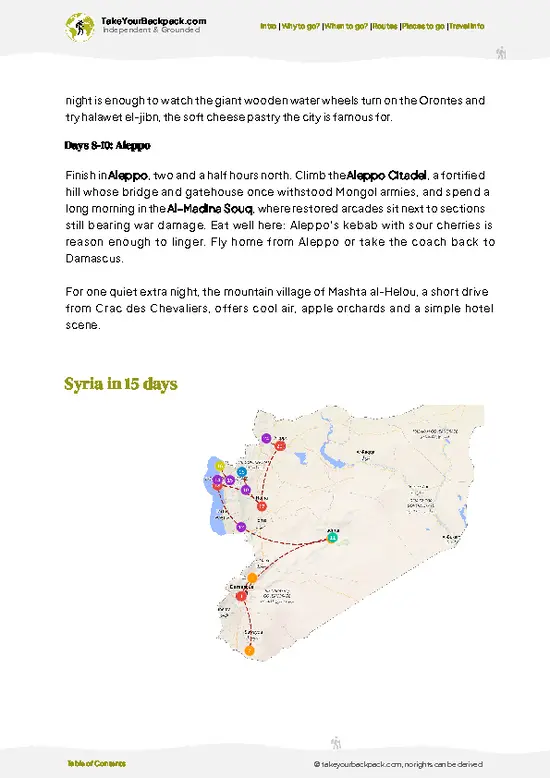
The Vibe: A full-spectrum journey for committed travelers who want to see Syria’s big names and quieter corners, from Roman theaters and desert oases to highland reserves and coastal evenings, using steady overland hops.
The Highlights:
  • Layered city time in both Damascus and Aleppo, anchored by the Umayyad Mosque of Damascus and Aleppo Citadel.
  • Southern and highland explorations around Bosra, the Roman Theatre of Bosra, and the Jabal al-Druze Reserve near Al-Suwayda.
  • Desert days in Palmyra and along the Palmyra Oasis Trail, tracing the old caravan routes.
  • Rural history on the Dead Cities Trail, green river valleys along the Orontes River, and a final reset on Lattakia Beach at Latakia.
🌍 Want a ready-to-use travel plan for Syria?
The overview above compares different route options based on your travel time and style. The complete Travel Guide breaks each itinerary down in detail, including maps, stops, highlights, and transport information.

Explore all route details 👉

Get the Travel Guide -

🌤️ When to go?Best time to visit Syria

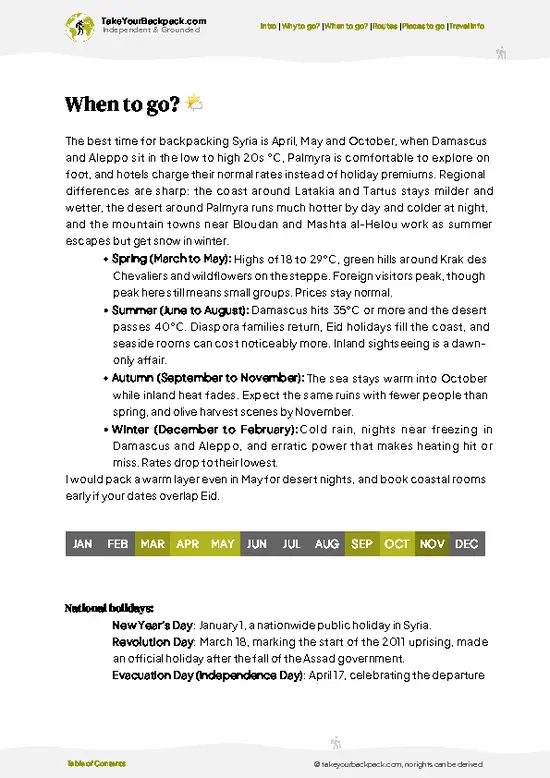
The real sweet spot is April-May and late September-October. Spring arrives after the winter rains, so hills carry a thin green, dust stays down, and desert heat hasn’t flipped the furnace switch. Autumn is dry and steady: shirtsleeve days, blanket nights, and coast humidity that doesn’t cling to your neck. Domestic travel eases after summer, so bus seats and basic rooms stop playing hard to get, and prices drift down without the half-closed feel of deep winter. You’ll spend less on water and AC, more time walking streets instead of hiding from the sun, and you won’t fight holiday shutdowns every other day.
  • Summer Heat Peak: June-August is a grind—trains and buses run, but heat taxes you and drivers tack on “AC” or fuel excuses; coastal towns and big cities swell at night. The payoff is long light, late street life, sea swims, and stone citadels radiating warmth after sunset. Bring salt tabs or pay pharmacy prices.
  • Spring Shoulder: March-May shakes awake—shutters roll up, fruit trucks hit roundabouts, and long-distance routes grow predictable. Fields pop, evenings are social, and guesthouses cut deals. Watch for Eid weeks: buses sell out and opening hours wobble.
  • Winter Off-Peak: November-February turns inward—rain on old stone, quiet alleys, and museums to yourself. Many rooms are unheated; diesel heaters are extra when fuel’s tight. Survival hack: a light puffy and a silk liner turn a cold bed into a workable one, and you move at midday when the chill eases.

Personal tip: In the shoulder months, lock your first night a week out and snag intercity bus tickets the day before; everything else, keep flexible so weather and closures don’t own your itinerary.

source: climatestotravel.comJANJanuary: fair for travelingFEBFebruary: fair for travelingMARMarch: highly recommended for travelingAPRApril: excellent for travelingMAYMay: excellent for travelingJUNJune: fair for travelingJULJuly: fair for travelingAUGAugust: fair for travelingSEPSeptember: highly recommended for travelingOCTOctober: excellent for travelingNOVNovember: good for travelingDECDecember: fair for traveling
📅 Traveling in a specific month?
Get a full month-by-month breakdown of weather, crowds, costs, festivals, and seasonal highlights in the complete travel guide.

Get full details when to go 👉

Get the Travel Guide -
2004-08-13 15-42-37

💰 Costs (as of 2025)Travel costs in Syria

$35-55 per day if you move like a local—shared beds, street food, minibuses—with sudden spikes the day you need a fixer, permit, or a private car.
  • dorm accommodation: $8-15 for a bunk in Damascus/Aleppo; outside major cities you’ll more often find simple guesthouses at $15-25 for a basic private. Expect power cuts and thin mattresses. System tip: ask for the price “per bed” in Syrian pounds and pay in local currency; if someone quotes you in dollars at a magical rate, walk. Compared to Lebanon or Jordan, beds run half the price, but quality swings harder. I’ve slept in a “dorm” that was literally three steel bunks in a storage room—bring earplugs and a sleep sheet.
  • meals: Supermarket Survival: bread, olives, tomatoes, labneh, and fruit keep you full for $3-5/day and travel well on buses. Street food reality: falafel, foul, shawarma, and trays of rice-and-stew for $1-3 a hit; coffee is cheap and everywhere. Sit-down restaurants aimed at foreigners multiply the bill fast. Relative value: cheaper than Turkey for snacks and about a third of Lebanon/Jordan for the same plate. I default to bakeries in the morning and one hot street meal late—steady energy, no drama.
  • local transport: City buses
read more 👉
$35-55 per day if you move like a local—shared beds, street food, minibuses—with sudden spikes the day you need a fixer, permit, or a private car.
  • dorm accommodation: $8-15 for a bunk in Damascus/Aleppo; outside major cities you’ll more often find simple guesthouses at $15-25 for a basic private. Expect power cuts and thin mattresses. System tip: ask for the price “per bed” in Syrian pounds and pay in local currency; if someone quotes you in dollars at a magical rate, walk. Compared to Lebanon or Jordan, beds run half the price, but quality swings harder. I’ve slept in a “dorm” that was literally three steel bunks in a storage room—bring earplugs and a sleep sheet.
  • meals: Supermarket Survival: bread, olives, tomatoes, labneh, and fruit keep you full for $3-5/day and travel well on buses. Street food reality: falafel, foul, shawarma, and trays of rice-and-stew for $1-3 a hit; coffee is cheap and everywhere. Sit-down restaurants aimed at foreigners multiply the bill fast. Relative value: cheaper than Turkey for snacks and about a third of Lebanon/Jordan for the same plate. I default to bakeries in the morning and one hot street meal late—steady energy, no drama.
  • local transport: City buses and “servees” minibuses are pocket change and run until late; intercity coaches and shared minivans are the cheapest way to unlock the country, with fares that undercut taxis by a mile. Trains exist in theory; don’t plan around them. Private taxis cost as much as your entire day’s budget, and checkpoints add waiting fees. Compared to neighbors, per-kilometer costs are lower than Turkey and far lower than Jordan, but buffer time is the real price. Pack light, sit by a window, and keep your passport handy to avoid delays.
  • activities: Museum and fortress entries are modest; the killers are permits, compulsory guides in sensitive areas, and hiring a driver to clear checkpoints. A day with a fixer/driver can equal three frugal days of travel. Krak des Chevaliers is reasonable; Palmyra turns pricey if you need paperwork and an escort. Relative value: site fees are kinder than Jordan by a landslide, but logistics can erase the savings.
  • miscellaneous: Budget leaks: SIM registration fees, bottled water on hot days, laundry when power is out, terrible exchange rates when you pay in USD, and “special access” add-ons. Bring hard cash, change at reputable exchangers, and carry small notes to dodge round-ups. ATMs are unreliable; foreign cards often fail. I keep photocopies of my passport to hand hotels so I don’t pay for surprise prints. Compared with neighbors, day-to-day nickels are cheaper, but one bad money exchange or taxi can torch a week’s savings.
⚠️ Prices can change and everyone travels differently, so take this as a rough guide. Hope it helps you plan your adventure!

✈️ The backpacker research shortcutSyria Travel Guide

An offline-friendly backpacking guide with optimized travel routes, ranked highlights, transport advice, and the best areas to stay.
example page 0 from our offline Travel Guide for Syriaexample page 1 from our offline Travel Guide for Syriaexample page 2 from our offline Travel Guide for Syriaexample page 3 from our offline Travel Guide for Syriaexample page 4 from our offline Travel Guide for Syriaexample page 5 from our offline Travel Guide for Syriaexample page 6 from our offline Travel Guide for Syriaexample page 7 from our offline Travel Guide for Syria
The digital guide (347 pages) contains:
90 highlights, ranked by travel appeal
Optimized 5, 10 & 15-day travel routes
Cities, national parks, beaches, historical sites, ...
How to get around
Offline-friendly for travel without Wi-Fi
👉 Click to see all 30+ guide features

📅 Plan smarter in minutes, not weeks
Month by month travel advice
Festivals & national holidays
Budget expectations

🗺️ Go to the right places, skip the overrated ones
Honest pros & cons of destinations
Top hikes, parks & viewpoints
Lesser-known places most travelers miss
Clear “worth it vs skip it” guidance

🛏️ Travel smoothly without rookie mistakes
Best areas to stay
Transport systems explained simply
Common scams & safety advice
SIM cards, money & practical tips

🌍 Understand the country, not just visit it
Culture & traditions
52 Essential phrases & customs
Festivals worth planning around
Traveler-friendly historical context
Insights that make places more meaningful

📱 Built for real travel conditions
Fully downloadable PDF
Works completely offline
Optimized for phone use
Useful in remote areas & buses
Everything in one place
Save weeks of stressful planning
Get instant access to the full guide directly. 30-day money-back guarantee.


Sent to your inbox immediately after payment • 100% Secure Checkout
Best Backpacking Travel Advisor 2025 tourism awardBest Backpacking
Travel Advisor
2025
What others say about Take Your Backpack Guides:
⭐⭐⭐⭐⭐
Fantastic, amazing amount of information!
⭐⭐⭐⭐⭐
My goodness this is amazing, it's what I've been looking for hats off too you!
⭐⭐⭐⭐⭐
I think this is absolutely BRILLIANT
⭐⭐⭐⭐
Very complete and informative. It's still missing places, but I gotta to commend you
⭐⭐⭐⭐⭐
This is truly amazing, thank you, can't wait to explore it with my kids!
⭐⭐⭐⭐⭐
Awesome resource, thank you!
⭐⭐⭐⭐⭐
This is amazing! Can't wait to explore the ones I haven't seen
⭐⭐⭐⭐
I love this! Well done, great idea.
⭐⭐⭐⭐⭐
Thanks for taking the time to make this gem!
⭐⭐⭐⭐⭐
This might be the best website I've ever seen.
⭐⭐⭐⭐⭐
Congratulations, and thank you so much for your work; it's incredibly valuable.
⭐⭐⭐⭐
In all seriousness I think you did a great job pointing out the important spots
⭐⭐⭐⭐⭐
10/10 very good
⭐⭐⭐⭐⭐
As someone who's only just starting to visit regularly this is awesome, thank you.
⭐⭐⭐⭐
Thank you very much! I'm going to visit my dad, it's going to be very useful!
⭐⭐⭐⭐⭐
This is really cool! We'll be travelling for the first time and this definitely come in handy.
⭐⭐⭐⭐⭐
You are now our minister of culture, congratulations 👨‍💼
⭐⭐⭐⭐⭐
Just wanted to tell you that this is a pearl! Going to follow your recommendations.
⭐⭐⭐⭐⭐
This is so cool. I'll definitely be using the resource for my travels soon.
⭐⭐⭐⭐⭐
This is very impressive! Good work.
⭐⭐⭐⭐⭐
This is an amazing and informative site. Very well done!

🛏️ Where to stay?Where to stay in Syria

Yes — there are some hostels and budget guesthouses in Syria’s main cities, but overall availability is limited and standards vary widely because of infrastructure damage, checkpoints and shifting security restrictions.

Most budget options cluster in central areas: Damascus (Old City and adjacent modern districts — closest to major sights and transport but subject to checkpoints and occasional restrictions), Aleppo (Old City and commercial neighborhoods — convenient for the citadel and souks but parts remain damaged and access can be unpredictable), and the coastal city of Latakia or provincial … read more 👉
Yes — there are some hostels and budget guesthouses in Syria’s main cities, but overall availability is limited and standards vary widely because of infrastructure damage, checkpoints and shifting security restrictions.

Most budget options cluster in central areas: Damascus (Old City and adjacent modern districts — closest to major sights and transport but subject to checkpoints and occasional restrictions), Aleppo (Old City and commercial neighborhoods — convenient for the citadel and souks but parts remain damaged and access can be unpredictable), and the coastal city of Latakia or provincial centers (quieter, cheaper guesthouses near the corniche or main square but with fewer tourist services and limited nightlife).

If you enjoy meeting fellow travelers, consider choosing hostels with high ratings for atmosphere. On the other hand, if you prefer having your own space, a hotel might be a better option.

🚌 Getting aroundGetting around Syria

Syria moves on patience and intuition. Schedules exist, but departures bend to when seats fill, checkpoints clear, and a driver finishes his tea. Expect long pauses, then sudden movement. You learn to read the chaos: where the conductor is shouting, which minibus is half-full, which counter sells the real tickets versus the guy hustling you for a tip. Cash is king, small notes are grease, and your passport needs to be reachable without a scene. If you waste energy fighting the drift, the system … read more 👉
Syria moves on patience and intuition. Schedules exist, but departures bend to when seats fill, checkpoints clear, and a driver finishes his tea. Expect long pauses, then sudden movement. You learn to read the chaos: where the conductor is shouting, which minibus is half-full, which counter sells the real tickets versus the guy hustling you for a tip. Cash is king, small notes are grease, and your passport needs to be reachable without a scene. If you waste energy fighting the drift, the system will drain you. If you ride it, doors open.
  • Shared taxis (servees) The speed play between cities. They leave when four seats sell, shoot point-to-point with fewer stops than coaches, and usually beat buses by an hour on mid-range routes. You pay more than a bus but far less than a private hire. Go early; cars fill fastest before noon. Big packs may cost a token or force you to buy the fifth seat—cheaper than losing an hour. Sitbelt on if it exists; road discipline varies.
  • Microbuses This is the social classroom. Routes are semi-fixed, fares are low, and the etiquette is simple: board fast, pass your money forward, take your change without drama. Keep your bag off the aisle. Offer your seat to elders. Call your stop clearly and politely. No one needs your playlist at full volume and no one appreciates photos inside. Exact change keeps the mood calm; 50s and 100s move better than big notes.
  • Intercity coaches The cheap, steady churn—and the night move that saves a bed. Big buses undercut almost everything on price and run more predictably than they look. Buy at the station window, not the loudest tout. Expect a quick bag check, icy AC, and bathroom breaks that come when they come. Stash layers and snacks within reach; your pack rides below. An overnight run, when offered, protects your budget and your daylight.
  • Split private taxi for side trips The geometric answer when buses skim the highway and skip the good stuff. Three travelers, one taxi, a flat price agreed up front with waiting time baked in—now castles, hill monasteries, and coastal valleys become day-trippable without burning hours on awkward transfers. Use official stands, confirm the route on paper, and pay at the end. Fuel queues and checkpoints add time; you’re buying access, not precision.

Master tip: Start at first light and ride momentum—always take the first thing moving to the next hub, even if it’s not perfect; by midday you’ll have options, by late afternoon you’ll have none.
Distance The airport sits about 30 km (19 miles) southeast of central Damascus.

Main public transport options (updated 2025)
  • Airport shuttle minibus (when operating): Look for the airport bus/minibus outside Arrivals; services usually run to Baramkeh or Al-Somariyah bus stations in the city. Expect 45-70 minutes depending on checkpoints and traffic. Typical fare 20,000-40,000 SYP per person (roughly US$2-4). Cash only; departures often align with flight arrivals and aren’t on a strict schedule.
  • Shared microbuses (“servees”): These are white vans that depart when full and may run from the airport area to central hubs like Baramkeh/Al-Somariyah. Similar travel time (45-70 minutes). Typical fare 25,000-50,000 SYP per seat (about US$3-5). Services can be patchy late at night; ask airport staff or fellow passengers where the next one is loading.
  • Hotel/private transfer: Many hotels or local agencies can pre-book a driver to meet you in Arrivals. Travel time 35-60 minutes. Expect around US$25-50 depending on time of day and exact drop-off.

Taxi
Official airport taxis queue outside Arrivals and/or can be booked at the taxi desk. Into central Damascus (Old City, Sha’alan, Abu Rummaneh, etc.) the usual range is about US$20-40 (or the equivalent in SYP at the day’s rate). The ride takes 30-60 minutes. Confirm the price before you get in; a modest night surcharge is common.

Good to know
  • Road checks and traffic can add time; late evenings are usually quicker.
  • Services and fares fluctuate with fuel availability and the exchange rate; carry small USD notes or SYP cash. Cards and ride-hailing apps (Uber/Careem) are not available.
  • Operational status of the airport and shuttles can change; if timing is tight, a pre-booked car or the airport taxi is the most reliable option.
⚠️ Prices and routes can change, so take this as a rough guide and ask for local advice when you arrive.

🔒 Safety (risk Level: high)Common concerns and things to watch out for

Safety for solo travelers, including women and LGBTQ+ individuals
Traveling in Syria can be challenging and risky due to ongoing safety concerns, including conflict and instability. Solo travelers, particularly women and LGBTQ+ individuals, might face additional difficulties and cultural challenges. It’s crucial to stay informed about current conditions and follow travel advisories from your government. If you decide to go, prioritize safety by connecting with locals through trusted networks and keeping a low profile.


Full official government travel advisory (live updates)
View details 👉
safety image

source: www.gov.uk

✈️ VisaVisa requirements for Syria

Yes, you need a visa to visit Syria. Apply for a Syrian visa at the nearest Syrian embassy or consulate, and ensure you have all required documents like a passport valid for at least six months and a passport-sized photo. Processing times can vary, so apply well in advance.
⚠️ Visa requirements can change over time, so always check the latest visa requirements with the official embassy or government website before you travel.

🎒 What to pack?What to wear and bring

Syria’s climate can be a bit of a rollercoaster, with hot, dry summers and chilly winters, especially in the desert and mountainous areas. When packing, keep in mind the cultural norm for modest clothing—loose-fitting clothes that cover your arms and legs will not only help you blend in but also keep you cool and protect you from the sun. In cities like Damascus and Aleppo, you’ll find a mix of traditional and modern vibes, so having a versatile wardrobe is key. Also, remember that some religious sites require conservative attire, so pack accordingly.

Apart from this country specific advice, I have also crafted a general packing list that should help on any trip. authorOver the years, I've learned the importance of packing minimally. It's so much easier to jump on the back of a truck or squeeze yourself into the last spot of a minibus without that supersized backpack. If you're headed to a warm destination, leave your winter jacket at home; for colder regions, opt for thin thermal underlayers. Instead of packing your entire wardrobe, bring just three sets of clothes, as laundry facilities are available everywhere.
View the full list 👉
🎒 Planning the practical side of your trip?
Get detailed information on transport, daily budgets, internet access, local customs, food, language, and other essentials in the complete Travel Guide.

Get detailed practical information 👉

Get the Travel Guide -

🙋 FAQThings travelers often ask

Trip Planning


Personal tip: I normally search on good rating for atmosphere (for meeting people) and location (for easy exploring). Cleanliness as a bonus.


Travel Essentials

Hepatitis A and Hepatitis B vaccinations are recommended for travelers to Syria. Consider typhoid if you’re planning to eat street food or visit rural areas. Ensure your routine vaccinations, like measles-mumps-rubella (MMR) and tetanus-diphtheria-pertussis, are up to date.

Consult a healthcare provider for advice tailored to your specific needs.


vaccination requirements
When I first started traveling, I often spent part of my first day in a new country hunting for a local SIM card. While this can still be slightly cheaper, it also takes time and planning.

These days, it's much simpler to install an eSIM before leaving home. Once you arrive in Syria, you can activate it immediately and have mobile data from the moment you land — which is especially useful for ordering transport or navigating away from busy airports.

There are many providers nowadays, and price differences are usually small. I personally go with Airalo, as it offers excellent network coverage throughout the country and strong global coverage, so you can manage multiple countries from a single app.


Get your e-sim for Syria

Culture & Customs

Avoid discussing politics or religion as these can be sensitive topics. Dress modestly; women should cover shoulders and knees. Always remove shoes when entering a home or mosque. Use your right hand for eating and passing items, as the left is considered unclean. Public displays of affection are frowned upon. LGBTQ+ travelers face significant risks; homosexuality is illegal and can lead to severe punishment. Be respectful when photographing people; ask for permission first.
Trying traditional food is always a great way to experience the culture. Here are some must-try dishes for Syria.
  • Kibbeh: Often called Syria’s national dish, kibbeh is a mix of bulgur wheat and minced meat, usually lamb or beef. It can be served raw, fried, or baked, and it’s a staple at any Syrian gathering.
  • Fatteh: A comforting breakfast or brunch dish, fatteh combines layers of toasted pita bread, chickpeas, and yogurt, often topped with pine nuts. It’s a hearty meal that showcases the region’s love for combining textures.
  • Shawarma: While popular across the Middle East, Syrian shawarma is known for its unique blend of spices and slow-cooked meat, usually lamb or chicken. It’s a street food favorite, wrapped in flatbread with veggies and tahini sauce.
  • Yalanji: These vine leaves stuffed with rice, pine nuts, and herbs are a vegetarian delight. Yalanji is often served as a mezze, providing a taste of the region’s rich culinary traditions.
  • Mahshi: Vegetables like zucchini, eggplant, and peppers are stuffed with a mixture of rice, meat, and spices. It’s a comfort food that brings the family together, especially during holidays and celebrations.
Tap water in Syria is generally not recommended for tourists due to inconsistent water quality and potential contamination issues. While locals may drink it, it’s safer for travelers to stick with bottled or properly filtered water to avoid any risk. Always ensure that bottled water is sealed before purchase.
The main language in Syria is Arabic. Backpacking is way more rewarding if you know a bit of the local language, so I'd suggest brushing up on the basics just in case your Arabic skills have become a bit rusty.

Want to understand locals better?
The complete Travel Guide for Syria includes 52 essential words and phrases — greetings, thank-yous, ordering food, transport, numbers, and common local expressions you'll actually hear.

Get your local basic phrases 👉

Get the Travel Guide -


In Syria, English is not widely spoken, especially in rural areas. However, in major cities like Damascus and Aleppo, you may find English speakers, particularly among the younger population, university students, and professionals in tourism and hospitality sectors. Many signs in urban areas are also bilingual, featuring both Arabic and English, which can aid navigation for English-speaking travelers.

In educational institutions, English is taught as a second language, but proficiency levels can vary significantly. While some individuals may be fluent or conversational, others may have limited abilities. In tourist areas, staff at hotels, restaurants, and attractions are more likely to speak English to accommodate foreign visitors.

Overall, while you can find English speakers in Syria, especially in urban centers, it is advisable to learn a few basic Arabic phrases or use translation apps to enhance communication and enrich your travel experience.

Money & Payments

The local currency of Syria is SYP (£).

Traveling in Syria as a backpacker can be a bit of a financial balancing act. ATMs are scarce, especially outside major cities like Damascus or Aleppo, and international cards often won’t work. It’s best to carry cash, and U.S. dollars are generally preferred over euros. Bring crisp, new bills, as old or damaged ones might get rejected.

For exchanging money, head to licensed exchange offices rather than relying on street changers. Rates are usually better, and it’s a safer bet. Credit cards aren’t widely accepted, so don’t count on them for everyday expenses. Keep your cash in multiple, secure places to avoid any mishaps.

In Syria, tipping is appreciated but not obligatory. A small tip of around 10% is usually enough in restaurants, while rounding up taxi fares is common. Keep some smaller bills handy for informal services like porters or street vendors.

🧩 Nearby countriesSimilar backpacking destinations

📸 PhotosWhat it looks like on the ground

Take your backpack - Syria - 0
Take your backpack - Syria - 1
Take your backpack - Syria - 2
Take your backpack - Syria - 3
Take your backpack - Syria - 4
Take your backpack - Syria - 5
Take your backpack - Syria - 6
Take your backpack - Syria - 7
Take your backpack - Syria - 8
Take your backpack - Syria - 9
Take your backpack - Syria - 10
Take your backpack - Syria - 11
Take your backpack - Syria - 12
Take your backpack - Syria - 13
Take your backpack - Syria - 14
Take your backpack - Syria - 15
Take your backpack - Syria - 16
Take your backpack - Syria - 17
Photographed by: Johan Kruseman

We 💚 feedbackFinal notes for travelers

Syria feels heavy but human—the tea keeps coming, strangers overfeed you, and Damascus’ old stones still hum after dark. The best surprise: how far a modest budget goes on food and taxis, if you base in Damascus and day-trip smart. The gotcha: cash-only, volatile rates, and power cuts; ATMs are decoration. Bring clean USD/EUR, pick lodgings with a generator, and keep your phone boring—no checkpoint photos, ever. Strategic tip: secure one trusted driver/fixer; permits, routes, and sanity suddenly get easy.

✈️ When did I visit Syria?
As part of my trip to Jordan in August 2004, I also visited Syria, which sadly changed for the worse soon afterwards. While my visit dates back, this guide is continuously refined using feedback from locals and current backpackers (last update: 22 July 2025)

✍️ Help improve this page!
The information on this page is based on my own backpacking experience in Syria, supplemented with up-to-date research and feedback from other travelers. Travel details can change, so if you notice anything outdated or incomplete, feel free to let me know.


🙋‍♂️ Give feedback

👋 Meet the founderWho’s Behind Take Your Backpack?

Johan, backpacker and founder of TakeYourBackpackHi, I’m Johan (Netherlands 🇳🇱), the creator of TakeYourBackpack. Over the past decade, I’ve backpacked through 80+ countries across six continents, gaining extensive experience with independent travel, long-term trips, and overland routes.

This site is built on a combination of firsthand travel experience and carefully curated insights from other backpackers. Many guides are based on places I’ve personally visited, while others bring together tips, observations, and practical advice shared by trusted travelers I’ve met along the way.

The goal is to provide realistic, experience-driven guidance — not generic itineraries — so you can explore destinations with better context, clearer expectations, and more confidence.

Get full Syria guide •
Instant download • 90 highlights • Full Offline guide