Trip Planning
The TakeYourBackpack guidebooks are your all-in-one travel companion, featuring the best cities, national parks, hikes, beaches, and unique sites, along with essential tips on when to go, how to get around, exchanging money, and even local phrases to get you started — everything you need for a smooth, unforgettable backpacking adventure.
Stop researching. Start exploring.Discover all 41 highlights,ranked
and organized into practical routes.
Get instant access
Planning a backpacking route through French Polynesia can be tricky — you need to balance must-see places, travel times, budget, and how long to stay in each destination. Our free personalized French Polynesia itinerary planner creates a route based on your travel style, trip duration, and interests, so you can spend less time researching and more time exploring.
Personal tip: I normally search on good rating for atmosphere (for meeting people) and location (for easy exploring). Cleanliness as a bonus.
Travel Essentials
No vaccinations are required for most visitors to French Polynesia, although a yellow fever certificate is required if you arrive from a country with yellow fever risk. Make sure routine shots (measles-mumps-rubella, tetanus-diphtheria) are current, and hepatitis A and typhoid are commonly recommended, plus hepatitis B for longer stays. Dengue circulates on the islands and there is no routine vaccine for travelers, so mosquito repellent and long sleeves at dawn and dusk are your main protection.
vaccination requirementsWhen I first started traveling, I often spent part of my first day in a new country hunting for a local SIM card. While this can still be slightly cheaper, it also takes time and planning.
These days, it's much simpler to install an eSIM before leaving home. Once you arrive in French Polynesia, you can activate it immediately and have mobile data from the moment you land — which is especially useful for ordering transport or navigating away from busy airports.
There are many providers nowadays, and price differences are usually small. I personally go with
Holafly, as it offers excellent network coverage throughout the country and strong global coverage, so you can manage multiple countries from a single app.
HolaFly eSimCulture & Customs
In French Polynesia, take your shoes off before entering someone’s home, and dress modestly in villages, shops and churches, saving swimwear for the beach. Sunday is for church and family, so keep noise down near churches and expect most businesses to close. Treat marae (ancient stone temple sites) with respect: don’t climb on the platforms, move stones or take anything away. Almost all land, including beaches and coconut palms, belongs to a family, so ask before crossing property, picking fruit or pitching a tent. Ask permission before photographing people, especially elders and children. Topless sunbathing is accepted at some resorts but frowned upon on public beaches near villages. Women and LGBTQ+ travelers face no specific restrictions, and public displays of affection are fine in moderation for any couple.
Trying traditional food is always a great way to experience the culture. Here are some must-try dishes for French Polynesia.
- Poisson cru (i’a ota): Raw tuna cubed and marinated in lime juice, then folded with coconut milk, cucumber, tomato and onion. It’s the unofficial national dish, on the menu everywhere from food trucks to family tables.
- Ma’a Tahiti: The traditional Sunday feast cooked for hours in an ahima’a, an underground oven of hot stones covered with banana leaves. Pork, fish, breadfruit, taro and sweet potato come out smoky and tender, and the meal is a social event for extended families.
- Fafa: Chicken or pork stewed with young taro leaves and coconut milk, similar in texture to creamy spinach. It’s a staple of the ma’a Tahiti spread and of home cooking.
- Po’e: A dense, sticky pudding made from banana, papaya, pumpkin or taro mixed with starch, baked and topped with warm coconut milk. It’s a festive dessert at feasts and markets.
- Chao mein: Stir-fried noodles with vegetables and meat, a legacy of the Chinese community that settled here in the 1800s. It’s a favorite at the roulottes (food trucks) on the Papeete waterfront.
- Firi firi: Twisted coconut doughnuts eaten for breakfast with coffee, especially on Sunday mornings at markets and roadside stalls.
- Fāfaru: Fish soaked in fermented seawater, famous for its pungent smell. It’s an acquired taste and a point of pride for traditional cooks.
Tap water in Papeete and on Bora Bora is treated and generally safe, and many locals on Tahiti drink it without a second thought. On smaller islands and atolls the supply often comes from rainwater tanks or untreated sources, so ask your host before drinking it. Bottled water is sold everywhere but adds up quickly, so a filter bottle is the cheaper and lower-waste way to stay hydrated on the outer islands.
The main language in French Polynesia is
French. Backpacking is way more rewarding if you know a bit of the local language, so I'd suggest brushing up on the basics just in case your French skills have become a bit rusty.
Want to understand locals better?The complete Travel Guide for French Polynesia includes 52 essential words and phrases — greetings, thank-yous, ordering food, transport, numbers, and common local expressions you'll actually hear.
Get your local basic phrases 👉
Get the Travel Guide - is spoken well in the tourist hubs of French Polynesia, mainly at resorts, dive shops and the bigger guesthouses on Tahiti, Moorea and Bora Bora. Younger people and guesthouse owners usually manage conversational English, though French is what you hear day to day. On the Tuamotu atolls, the Austral Islands and in Marquesan villages, English drops off fast. French helps most by far, so download an offline French pack in a translation app and learn a few Tahitian words like “ia ora na” (hello) and “māuruuru” (thank you), which always earn a smile.
Money & Payments
The local currency of French Polynesia is XPF (₣).
ATMs are easy to find in Papeete and on Moorea, Bora Bora, Raiatea and Huahine, but many Tuamotu atolls and smaller islands have one machine or none at all, so withdraw enough Pacific francs (XPF) before heading out. Local ATMs rarely add their own charge, but expect your home bank to take a foreign transaction fee of a few percent plus a flat fee per withdrawal, so pulling out larger amounts less often saves money. Visa and Mastercard are accepted at hotels, supermarkets, dive centers and larger restaurants, while roulottes, markets, small family guesthouses and many island shops want cash. Euros are the best foreign currency to bring because the franc is pegged to the euro at a fixed rate of about 119 XPF per euro, while US dollars are accepted for exchange but at a less favorable rate. Exchange money at banks or the bureau at Faa’a airport, and avoid informal street exchanges.
Tipping is not part of the culture in French Polynesia, and locals don’t expect it in restaurants, taxis or guesthouses since service is built into prices. Leaving a little extra for outstanding service, such as a great dive guide or a host who went out of their way, is appreciated but never required. In upscale resorts and on organized tours, a tip of about 5 to 10 percent has become more common because of international visitors.
v2.webp)

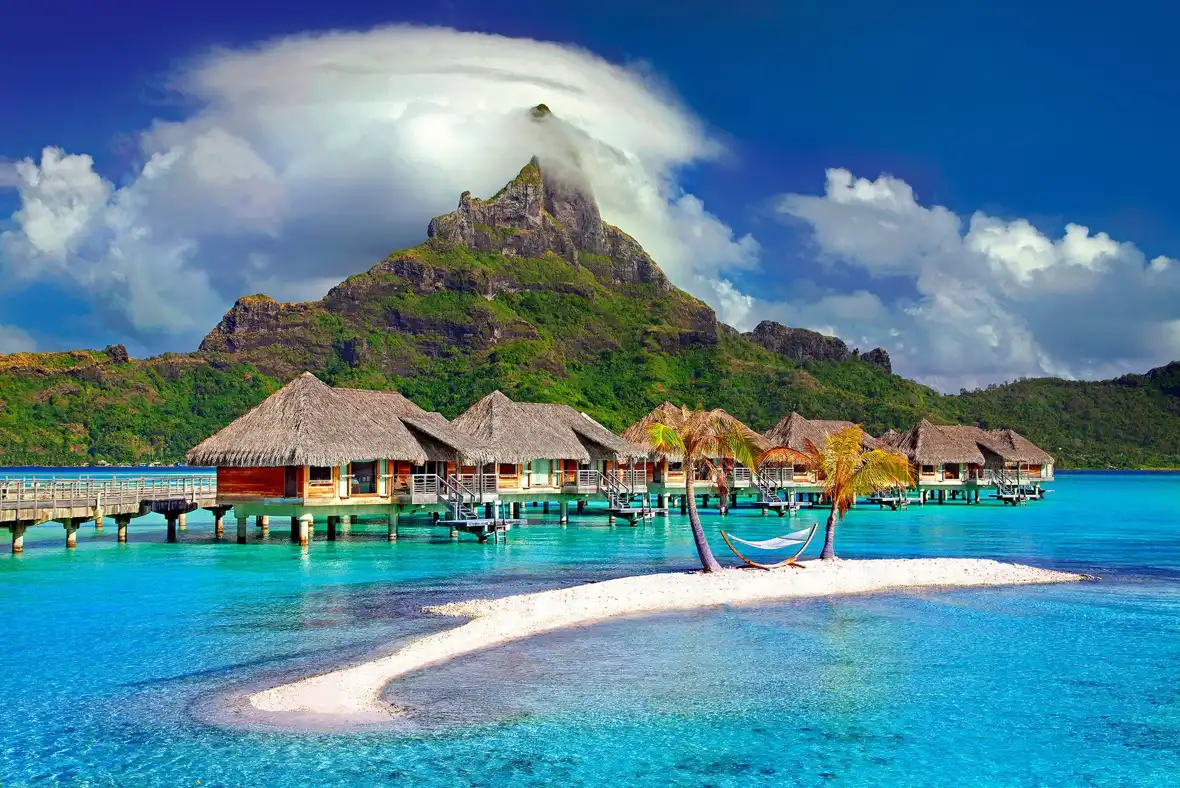
 Best Backpacking
.jpg) Over the years, I've learned the importance of packing minimally. It's so much easier to jump on the back of a truck or squeeze yourself into the last spot of a minibus without that supersized backpack. If you're headed to a warm destination, leave your winter jacket at home; for colder regions, opt for thin thermal underlayers. Instead of packing your entire wardrobe, bring just three sets of clothes, as laundry facilities are available everywhere.
Over the years, I've learned the importance of packing minimally. It's so much easier to jump on the back of a truck or squeeze yourself into the last spot of a minibus without that supersized backpack. If you're headed to a warm destination, leave your winter jacket at home; for colder regions, opt for thin thermal underlayers. Instead of packing your entire wardrobe, bring just three sets of clothes, as laundry facilities are available everywhere.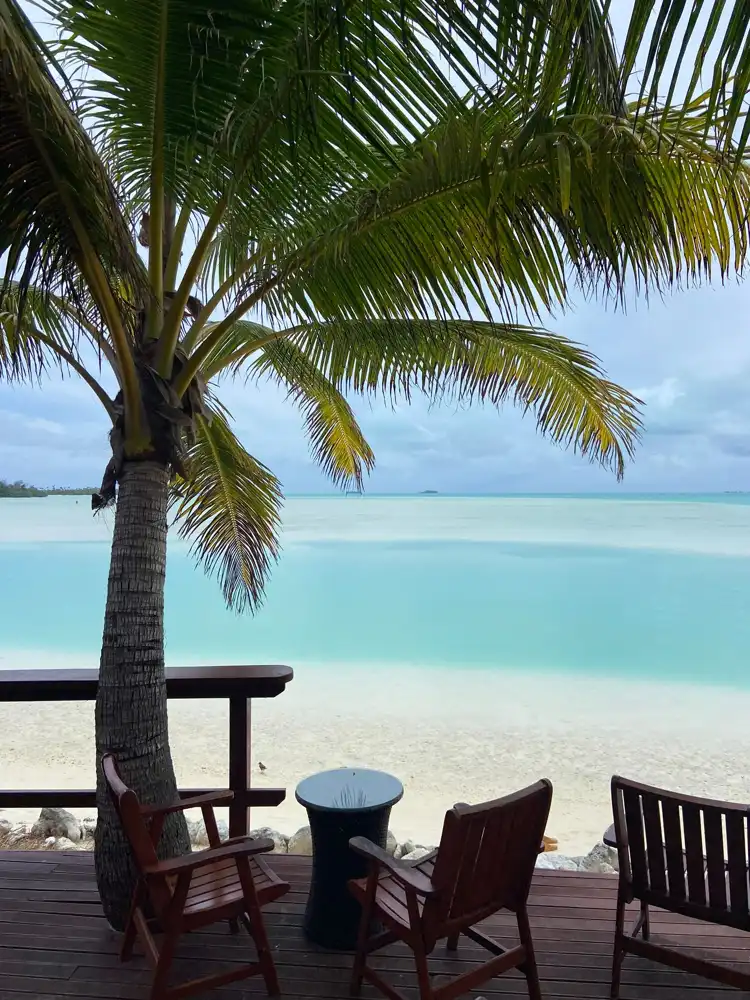
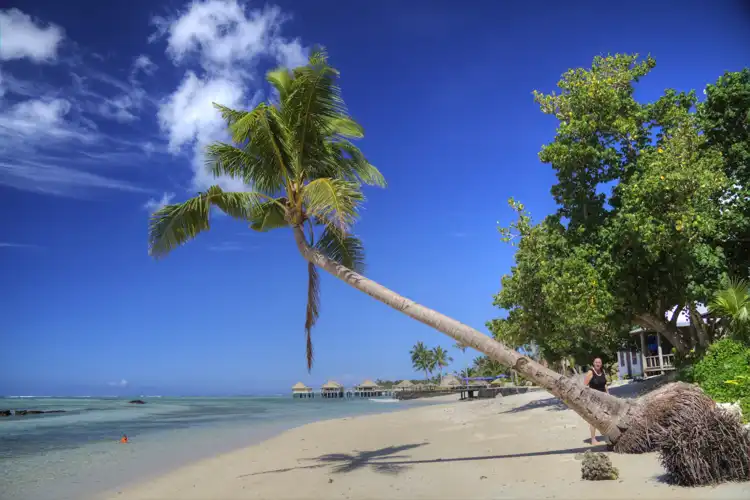

.jpg) Hi, I’m Johan (Netherlands 🇳🇱), the creator of TakeYourBackpack. Over the past 3 decades, I’ve backpacked through 90+ countries across six continents, gaining extensive experience with independent travel, long-term trips, and overland routes.
Hi, I’m Johan (Netherlands 🇳🇱), the creator of TakeYourBackpack. Over the past 3 decades, I’ve backpacked through 90+ countries across six continents, gaining extensive experience with independent travel, long-term trips, and overland routes.