×
New Zealand 🇳🇿

backpacking Oceania New Zealand 🇳🇿Drive cinematic landscapes changing dramatically every hour.

Explore New CaledoniaExplore Palau

Backpacking New Zealand in 2026

A complete guide including when and where to go, costs, transport, itineraries, and practical travel advice.
An overview of visiting New Zealand

Backpacking New Zealand
By Johan Kruseman 🇳🇱 | Updated June 1, 2026

You think New Zealand is an easy loop of movie cliffs and bungee cords; it’s actually a finely tuned system where weather, Māori protocol, and long, empty roads set the tempo. The map looks small, but fjords, alps, and coastlines twist time. Once you read the rhythms—four seasons in a day, a pōwhiri on a marae, a flat white before the pass—you start moving like a local.

You come for a country that stacks drama efficiently: the Southern Alps vaulting over paddocks, Fiordland’s black-water silence, Tongariro’s volcanoes, Rotorua’s steam and story, Waitomo’s galaxies of glowworms, and whales that cruise past Kaikōura like they own the timetable. Culture isn’t an exhibit; it’s the spine—carvings that talk, haka that shiver your ribcage, manaakitanga that turns strangers into hosts. Tramping huts and the DOC network make wilderness feel navigable; Great Walks like the Routeburn and Kepler are built for mere mortals with big lungs and a good rain shell. Challenges exist—sideways rain, sandflies that punch above their weight, single-lane bridges, strict biosecurity, prices that make you choose—but they’re the toll for the hush on a ridgeline, the pod of dolphins pacing your kayak, the late sun turning Aoraki to rose. Solve the puzzle—pack layers, slow down, respect tikanga—and the country keeps opening.

Australia brings outback scale and heat; New Zealand trades bulk for concentrated variety, flipping from surf to snowline to vineyard in one careful drive. The Pacific Islands do hammock time; Aotearoa does momentum with meaning. Go if you like your beauty earned, your plans flexible, and your stories stitched from trail grit, sea spray, and conversations that last longer than the coffee.

👉 Get the 📖 Travel Guide of New Zealand

Queenstown – Wānaka – Fiordland (Southern Alps spine)

This corridor runs on one idea: pick a base, strike early, and ride weather windows. Queenstown is the air hub and nightlife magnet; Wānaka is the calmer, cheaper-feeling staging ground with faster exits to hikes. For Fiordland, Te Anau is the only sane launch point. Book huts and Milford/Routeburn transport first, then fill days around them. Drive Milford Road at dawn to beat tour buses, carry real rain layers, and keep one flex day. Rewards planners who like big days, early alarms, and hot pies at the end.

West Coast Glaciers (Hokitika – Franz – Fox – Haast)

One road, one pace. SH6 is slow, wet, and full of one‑lane bridges—and that’s the advantage. Weather resets crowds. Base two nights in Franz or Fox, not both, and treat glacier time as a tide: go when the ceiling lifts, do something low when it dumps. Guided ice trips are the only way onto the glacier; valley walks are the free option. Fuel up whenever you pass a town. Suits patient travelers who can pivot plans without sulking and actually like moody rainforest.

Rotorua – Taupō – Tongariro (Central Plateau)

This is the North Island’s action grid: geothermal parks, lakes, and one big alpine day. Use Rotorua for culture and short hits; sleep in Taupō for cheaper rooms and direct shuttles to the Tongariro Alpine Crossing. The trick is sequencing: pick the best weather day for the Crossing first, pre‑book a 6–7 a.m. shuttle, and keep the rest flexible—hot pools, bike trails, cheap lakeland walks. Family‑friendly, beginner‑friendly, but still rewarding if you chase dawn starts and avoid weekends.

Northland & Bay of Islands (SH1 to the warm edge)

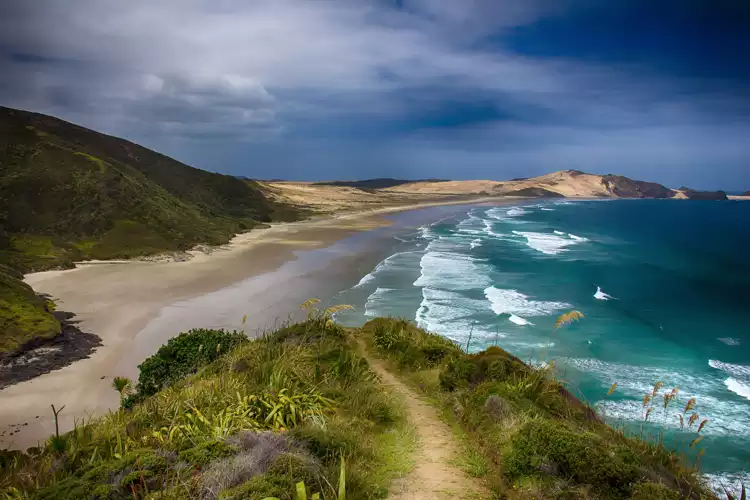
This is a long, slow ribbon of coast where distance is measured in corners, not kilometers. Drive north with one overnight stop to stay sane. Most rental contracts ban 90 Mile Beach; take a bus to Cape Reinga and let someone else chew their brakes on the sand. Base in Paihia or Russell, use water taxis for island time, and sleep at DOC camps if you carry a tent. Best for heat seekers, swimmers, and anyone who likes their days barefoot and unhurried.

Cook Strait Corridor: Wellington – Picton – Marlborough – Abel Tasman

The ferry is the spine; everything else hangs off it. Use Wellington to reset—museums, gear shops, laundry—then book a mid‑day crossing to dodge dawn chaos. Foot passenger plus shuttle is often faster than taking a car. In Picton, pick wine (Marlborough by bike), coast (Queen Charlotte Track with bag transfers), or beaches (Abel Tasman via water taxis and pre‑booked huts/camps). Smart move: stage in Nelson for cheaper beds and groceries, then strike early for trailheads.
A visual overview of the country
Loading the map 🌍
CLICK TO FILTER
city
town
village
unique site
national park
hike
beach
attraction
festival
region
SHOW COUNTRY’S BESTSHOW ALL
film
0
0
0a
Hobbiton Movie Set
film
1
1
1a
Waitomo Glowworm Caves Visitor Experience
film
2
2
2a
Wai-O-Tapu Thermal Wonderland
film
3
3
3a
Aoraki Mackenzie International Dark Sky Reserve Stargazing Exper
film
4
4
4a
Museum of New Zealand Te Papa Tongarewa
film
5
5
5a
Zealandia Te Māra a Tāne
film
6
6
6a
Sky Tower Auckland
film
7
7
7a
Auckland War Memorial Museum
film
8
8
8a
International Antarctic Centre
film
9
9
9a
Auckland Art Gallery Toi o Tāmaki
film
10
10
10a
Cathedral Cove
Brian Baird
film
11
11
11a
Hot Water Beach
film
12
12
12a
Mount Maunganui Main Beach
film
13
13
13a
Ninety Mile Beach
Fanny L.
film
14
14
14a
Ohope Beach
film
15
15
15a
Karekare Beach
Dominic Franso
film
16
16
16a
Castlepoint Beach
Christine Woollett
film
17
17
17a
Auckland
film
18
18
18a
Wellington
Tom Huthwaite
film
19
19
19a
Milford Track
Unsplash
film
20
20
20a
Tongariro Alpine Crossing
Unsplash
film
21
21
21a
Routeburn Track
Unsplash
film
22
22
22a
Abel Tasman Coast Track
Around The World
film
23
23
23a
Kepler Track
Unsplash
film
24
24
24a
Queen Charlotte Track
film
25
25
25a
Te Araroa Trail
iStockphoto
film
26
26
26a
Aoraki - Mount Cook Village Walks
Unsplash
film
27
27
27a
Whanganui Journey
film
28
28
28a
Fiordland
Pixabay
film
29
29
29a
Aoraki Mount Cook
Pixabay
film
30
30
30a
Abel Tasman
Paul De Croes
film
31
31
31a
Tongariro
Thais Vigantzky
film
32
32
32a
Mount Aspiring
李李志郁
film
33
33
33a
Paparoa
film
34
34
34a
Rakiura
Tom Wiedemayer
film
35
35
35a
Tawharanui Regional Park
Paul De Croes
film
36
36
36a
Southern Island
film
37
37
37a
Bay of Islands
Kandukuri Pavan Kumar
film
38
38
38a
Coromandel Peninsula
Lovsywovsyyummygirl
film
39
39
39a
Wanaka
film
40
40
40a
Blenheim
film
41
41
41a
Thames
film
42
42
42a
Rotorua
Angelo Pompeo
film
43
43
43a
Mount Taranaki
Rick Shen
film
44
44
44a
Okarito Lagoon
Pete Archibald
film
45
45
45a
Kaikoura
film
46
46
46a
Milford Sound

Why go?What makes this country worth the trip

Scenery

New Zealand pays off if you read the map and the weather, not the brochures. Two long islands sit in … read more 👉
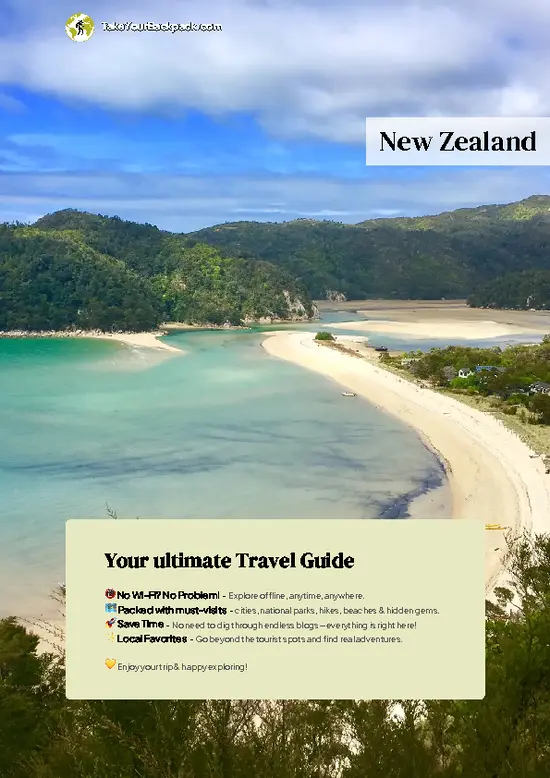
New Zealand pays off if you read the map and the weather, not the brochures. Two long islands sit in the Roaring Forties, so the west drinks the rain and explodes with waterfalls after a front, while the east dries out into clean, hard light. That’s your cue: chase Fiordland right after a storm, then pivot to the Mackenzie Basin two days later for glacier-blue lakes (rock flour makes that milky turquoise) and razor-clear nights. The volcanic spine threads it all—Tongariro’s ridges, Rotorua’s steam—close enough to loop in a week.

Pro tip: sea stacks and tide pools like Motukiekie only shine at low tide and small swell; walk away if the ocean says no. Glowworms pop brightest in silence; I waited out the buses at Waitomo and the ceiling lit like a planetarium. Sunrise east, sunset west. Sandflies always.

Mountains

New Zealand rewards mountain walkers who like systems. The Department of Conservation ties valleys to … read more 👉
New Zealand rewards mountain walkers who like systems. The Department of Conservation ties valleys to ridges with marked routes and huts, so you can move light and sleep dry while chasing short weather windows. Great Walks give you the on-ramp; the real payoff is the side-trip above the bushline—Conical Hill off the Routeburn, the Luxmore ridge on the Kepler, or the quick, honest climb to Mueller Hut for a face-full of Aoraki’s ice.

The trick is timing. Westerlies soak Fiordland, then skies clear faster on the leeward side (Wanaka, Mackenzie). Use a wet day to reposition; hike high the morning after a front. Pro tip: treat sunrise as summit time—down before afternoon gusts. I still hear kea heckling my lunch on the Kepler; worth it, because the ridge was mine while the buses were still idling.

Backpackers

New Zealand works for backpackers because the country is built like a modular game board. Dense trail … read more 👉
New Zealand works for backpackers because the country is built like a modular game board. Dense trail network. DOC huts instead of heavy tents. Hostels with real kitchens. i-SITEs that still book things without attitude. The loop is simple: hike, hostel, rideshare or bus, repeat. Because huts are everywhere, you carry lighter, move farther, and spend on food instead of gear; get a DOC hut ticket/bookings and follow the orange triangles like breadcrumbs. Because weather swings, base yourself in twin hubs (Nelson/Abel Tasman, Wanaka/Queenstown) and swap hikes with the forecast instead of burning days in transit. Costs stack fast, so you win them: cook from Pak’nSave, split petrol, hunt camper relocations. Pro tip: I’ve scored last-minute Mueller Hut beds by walking into the Aoraki/Mt Cook visitor centre at 8 a.m.—cancellations drop right after breakfast.

Beach life

New Zealand’s beach system is simple once you see the pattern: two coasts, two moods. The Tasman pounds … read more 👉
New Zealand’s beach system is simple once you see the pattern: two coasts, two moods. The Tasman pounds the west with swell; the Pacific keeps the east clearer. That’s why surfing lives at Raglan and Piha, while snorkeling and diving shine at Goat Island (Leigh) and the Poor Knights (Tutukaka). Work the wind: mornings are glassy before the sea breeze—snorkel early, save the surf and pub crawl for late. Tides run the show. Hot Water Beach only works two hours either side of low tide (bring a shovel). Cathedral Cove’s caves feel safe at mid-to-low. After rain, runoff kills visibility; I once wasted a day at Goat Island—wait 48 hours. UV here bites fast: rash shirt, SPF 50, hat. For beach nightlife, Mount Maunganui or Paihia hit the sweet spot after sunset swims.
Want the complete picture of New Zealand?
The offline Travel Guide brings everything together — routes, highlights & planning.

See what's included in the guide 👉

Get the Travel Guide -

⭐ HighlightsStandout locations across the country

  • Tongariro Alpine Crossing: The track reads like a manual of volcanic logic—start in scrub, climb into a red crater, then tiptoe past turquoise pools that smell faintly of match heads. The payoff comes if you beat the weather and the buses: take the first shuttle from National Park or Whakapapa because winds build by late morning and cloud swallows the views from Red Crater down. It’s a one-way trail with parking limits, so book transport both ways, carry 3 liters (no streams), and accept that scree will pour into your shoes on the Emerald Lakes descent.
  • Milford Sound / Piopiotahi: Sheer rock faces run a kilometer straight out of black water; rain doesn’t ruin it, it multiplies waterfalls until the cliffs look like they’re leaking. Drive in from Te Anau fueled and early, because the Homer Tunnel can bottleneck and tour coaches peak from 10 to 2. Pick the day’s first or last cruise for quiet decks and sharper reflections, wear a hard shell so you can stand in the bow and take the glacial
read more 👉
  • Tongariro Alpine Crossing: The track reads like a manual of volcanic logic—start in scrub, climb into a red crater, then tiptoe past turquoise pools that smell faintly of match heads. The payoff comes if you beat the weather and the buses: take the first shuttle from National Park or Whakapapa because winds build by late morning and cloud swallows the views from Red Crater down. It’s a one-way trail with parking limits, so book transport both ways, carry 3 liters (no streams), and accept that scree will pour into your shoes on the Emerald Lakes descent.
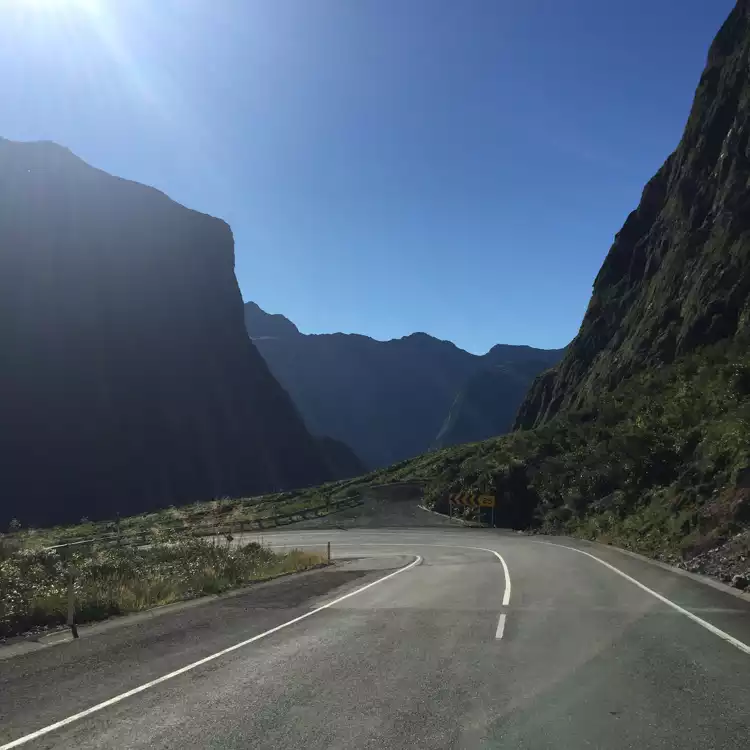
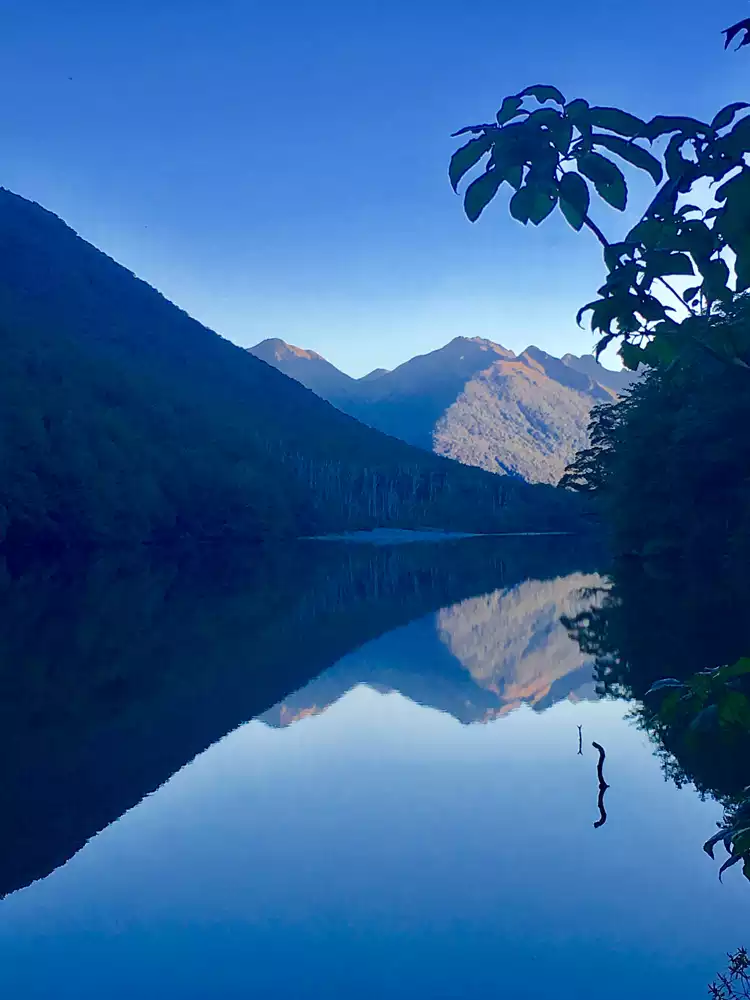
  • Milford Sound / Piopiotahi: Sheer rock faces run a kilometer straight out of black water; rain doesn’t ruin it, it multiplies waterfalls until the cliffs look like they’re leaking. Drive in from Te Anau fueled and early, because the Homer Tunnel can bottleneck and tour coaches peak from 10 to 2. Pick the day’s first or last cruise for quiet decks and sharper reflections, wear a hard shell so you can stand in the bow and take the glacial spray full in the face, while sandflies test any skin you forgot to cover at the dock.
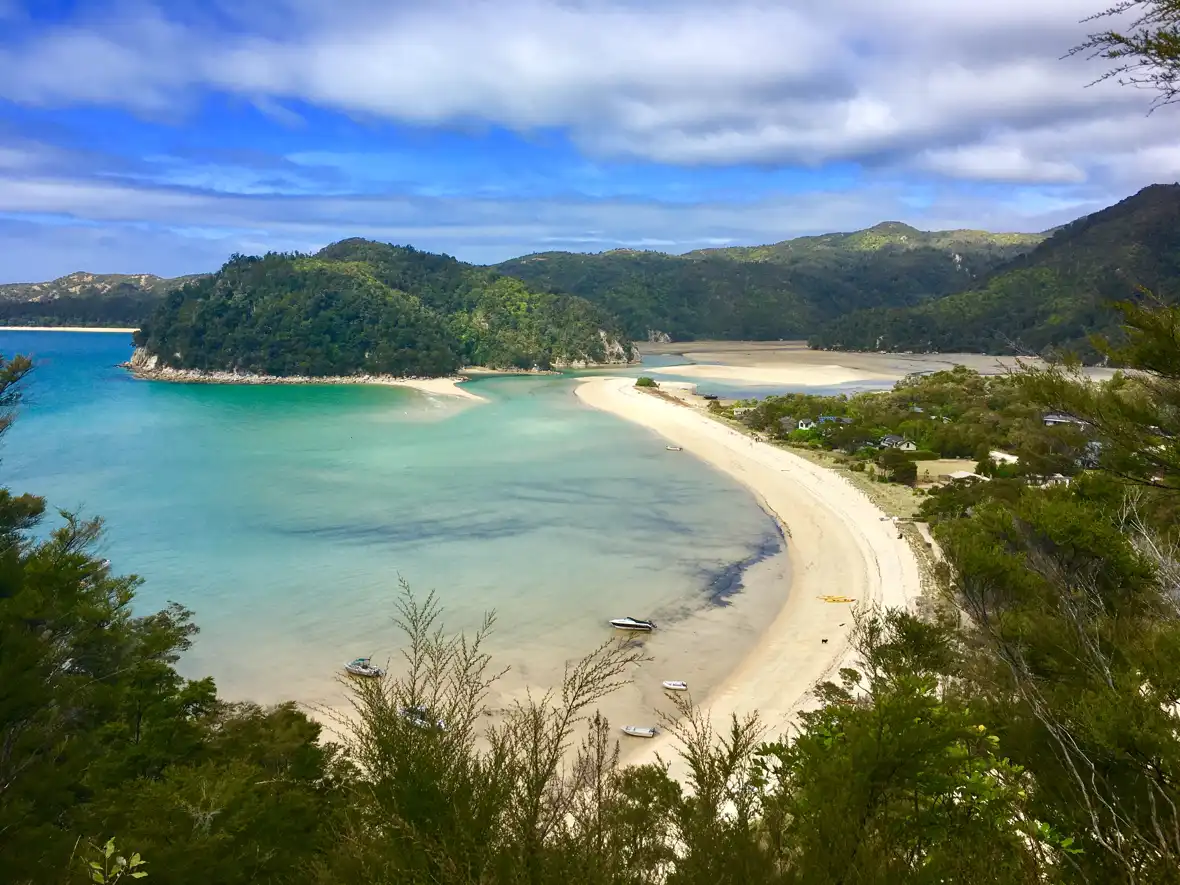
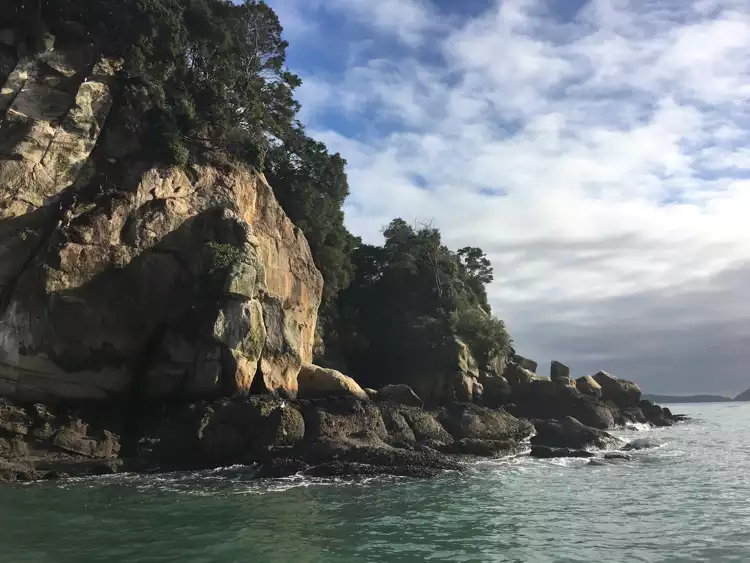
  • Abel Tasman Coast Track: Golden coves, warm water, and a rhythm set by tides and water taxis—treat it like a puzzle you can rearrange. Book a taxi from Marahau or Kaiteriteri to leapfrog crowds, then walk back with the sun at your shoulder and time your Awaroa Inlet crossing within 90 minutes of low tide. Camps and huts are reserved, so lock them in, keep your pack light, and accept that sunscreen and salt will crust your forearms while a cheeky weka eyes your lunch at Anchorage.
  • Aoraki/Mount Cook National Park: Big mountains with small-entry barriers—boardwalks pull you through moraine to Hooker Lake where icebergs knock against each other like crockery. The trick is wind: katabatic gusts ramp up after midday, so start at dawn from White Horse Hill (the car park fills by 10) and get your photos before the peaks hide. If you’ve got legs, Sealy Tarns is a staircase to a balcony view; bring a windproof and expect glacial silt to dust your boots when the valley breathes out.
  • Kaikōura Coast and Whales: Ocean trench meets shore, which is why sperm whales hunt here and albatross skim so close you hear the feathered hiss. Book the earliest sailing for calmer seas before the nor’wester kicks, take motion-sickness meds an hour ahead, and layer up so diesel and salt spray on your lips feel like part of the ticket. After the boat, walk the peninsula at low tide for fur seals hauled out on kelp-glossed rock; keep 10 meters and your lunch unless you want a lesson in teeth. If you want off-the-map, try the Oparara Arches near Karamea, the deep-green Whirinaki Forest, or the gravel tracks to Mavora Lakes; my personal favorite is Aoraki flushing pink from the first Hooker Valley bridge before the wind wakes.
Spotted a mistake or missing a highlight? Contact us.

But New Zealand offers more...

Discover and compare all of its highlights per category

🧭 RoutesHow travelers typically move through the country

The 7-Day North Island Coast & Craters Loop

The Vibe: A relaxed, one-region sampler that trades long drives for quality time on beaches, geothermal walks, and one big volcanic hike, perfect if you want impact without exhaustion. You’ll road-trip out of Auckland into the Coromandel and central plateau, using a simple loop that keeps logistics easy.
The Highlights:
  • City-to-surf contrast between Auckland and the wild black sands of Piha.
  • Iconic coastal scenery and hot pools at Cathedral Cove and Hot Water Beach on the Coromandel Peninsula.
  • Geothermal color and steam at Wai-O-Tapu near Rotorua.
  • A full day on the Tongariro Alpine Crossing in Tongariro National Park.

The 14-Day North-South Essentials Adventure

The Vibe: A balanced two-week journey that stitches together film sets, glowworm caves, geothermal hotspots, and alpine fiords at a steady, comfortable pace. You’ll mix buses, short flights, and a few scenic drives to connect the North Island’s volcanic core with the South Island’s big mountain … read more 👉

The 7-Day North Island Coast & Craters Loop

The Vibe: A relaxed, one-region sampler that trades long drives for quality time on beaches, geothermal walks, and one big volcanic hike, perfect if you want impact without exhaustion. You’ll road-trip out of Auckland into the Coromandel and central plateau, using a simple loop that keeps logistics easy.
The Highlights:
  • City-to-surf contrast between Auckland and the wild black sands of Piha.
  • Iconic coastal scenery and hot pools at Cathedral Cove and Hot Water Beach on the Coromandel Peninsula.
  • Geothermal color and steam at Wai-O-Tapu near Rotorua.
  • A full day on the Tongariro Alpine Crossing in Tongariro National Park.

The 14-Day North-South Essentials Adventure

The Vibe: A balanced two-week journey that stitches together film sets, glowworm caves, geothermal hotspots, and alpine fiords at a steady, comfortable pace. You’ll mix buses, short flights, and a few scenic drives to connect the North Island’s volcanic core with the South Island’s big mountain drama.
The Highlights:
  • Exploring Auckland before stepping into Middle-earth at the Hobbiton Movie Set.
  • Drifting under glowworm constellations in the Waitomo Glowworm Caves.
  • Geothermal and cultural immersion around Rotorua, Wai-O-Tapu, and Taupo.
  • Finishing with Queenstown and a cruise into Fiordland National Park’s Milford Sound.

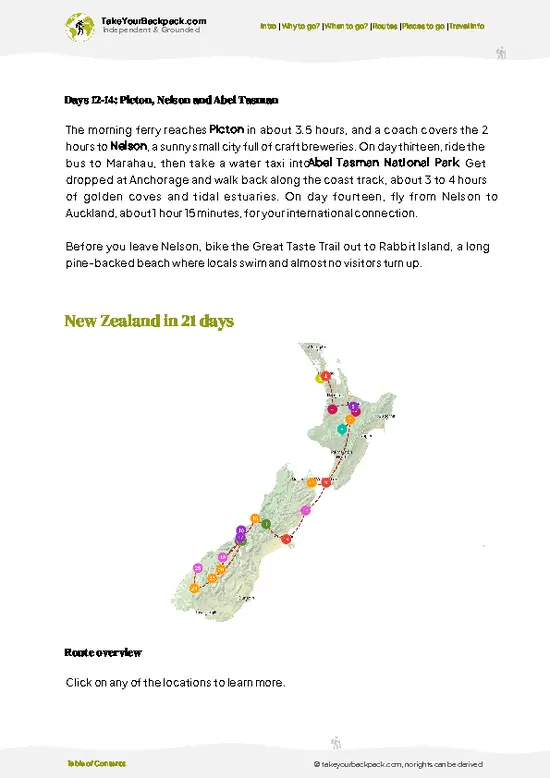
The 21-Day Full Aotearoa Explorer

The Vibe: A three-week deep dive that loops both islands, layering famous sights with quieter national parks, coastal detours, and small towns for travelers who want to feel the country, not just see it. You’ll combine a couple of domestic flights with classic ferry crossings and road-trip sections along the coasts and through the Alps.
The Highlights:
  • From Auckland’s harbor and west coast black-sand beaches to the coves of the Coromandel Peninsula.
  • Volcanic heartlands around Rotorua, Taupo, and Tongariro National Park.
  • Top-of-the-South time in Nelson with Abel Tasman and Kahurangi National Parks.
  • The wild west coast run through Hokitika, Franz Josef Glacier, and Okarito Lagoon, ending in Wanaka, Queenstown, and Fiordland National Park.
🌍 Want a ready-to-use travel plan for New Zealand?
The overview above compares different route options based on your travel time and style. The complete Travel Guide breaks each itinerary down in detail, including maps, stops, highlights, and transport information.

Explore all route details 👉

Get the Travel Guide -

🌤️ When to go?A month-by-month overview

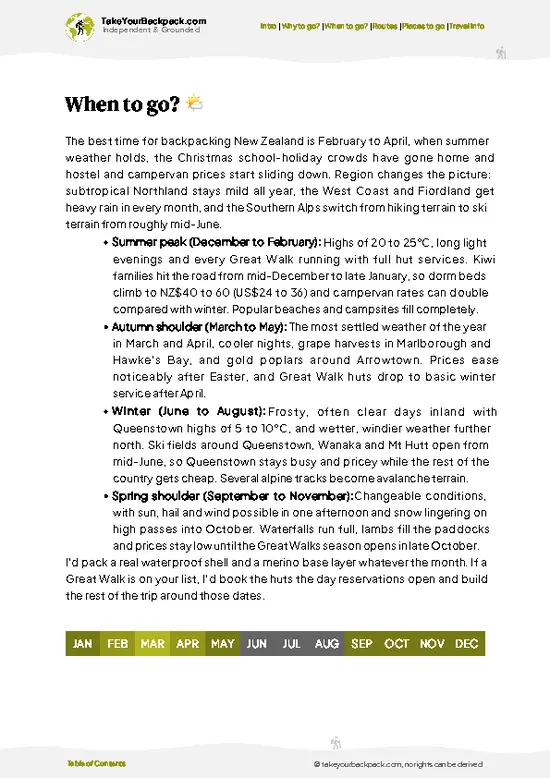
Late February through March is the sweet spot for backpacking New Zealand. The logic is simple: the post-school-holiday exhale empties popular tracks, rental and ferry prices slide off their summer spike, and the weather stabilizes under late-summer high pressure. Rivers run lower and clearer, stream crossings shrink from dicey to doable, and muddy alpine trails dry into fast travel. Daylight is still generous, but mornings cool just enough to knock heat fatigue down a notch. Great Walk huts remain in “in-season” pricing, but suddenly they’re attainable without weeks of contingency; outside those marquee routes, huts and camps open up and you can move on instinct instead of a reservation grid.
  • Peak Summer (Dec-late Jan): The grind is real—hostel dorms sell out, campervan rates climb, and trailheads like Tongariro jam by sunrise. The high is also real: long, bright days let you stack kilometers, alpine rock dries quickly, and a late swim in Abel Tasman feels earned. Pay in planning and patience; cash it out in daylight and energy.
  • Autumn Shoulder (late Feb-Apr): The country shifts down a gear. Buses breathe, queues thin, and you glide—gear dries on the pack, hut wardens have time to chat, and you can snag last-minute ferry space. Costs ease just enough to add a detour. Same landscapes, less friction, and your schedule starts dictating the trip instead of the crowd.
  • Winter Quiet (Jun-Aug): Towns go still, huts echo, and the hills turn inward. Tracks at elevation ice over and days get short, but lowland loops reward with solitude and crisp, clear air. Survival hack: line your pack with a trash-compactor bag—when cold rain blows sideways in Fiordland, that liner saves your sleeping kit and the day.

Book Great Walks the minute their season opens; for the late-Feb-Mar shoulder, lock transport two weeks out and spend the savings on a warmer midlayer you’ll use every dawn.

source: climatestotravel.comJANJanuary: good for travelingFEBFebruary: highly recommended for travelingMARMarch: excellent for travelingAPRApril: highly recommended for travelingMAYMay: good for travelingJUNJune: fair for travelingJULJuly: fair for travelingAUGAugust: fair for travelingSEPSeptember: good for travelingOCTOctober: good for travelingNOVNovember: good for travelingDECDecember: good for traveling
📅 Traveling in a specific month?
Get a full month-by-month breakdown of weather, crowds, costs, festivals, and seasonal highlights in the complete travel guide.

Get full details when to go 👉

Get the Travel Guide -
!2017-03-18 23.36.29

💰 Costs (as of 2025)What things cost day to day

Expect NZ$80-120 per day if you cook, use buses/rideshares, and keep paid thrills to “one big thing” per week.
  • dorm accommodation: NZ$30-60 per night (Auckland/Queenstown at the top end in summer). System tip: book midweek and look for weekly rates that quietly drop beds to NZ$25-35/night; in small towns, call directly—owners often undercut the booking sites. Bring a sleep mask and accept 8-12 bed dorms to stay under NZ$40. Relative value: a bit cheaper than Australia’s east coast, far pricier than Southeast Asia. I’ve also swapped two hours of cleaning for a bed; “work-for-accommodation” is common and legit.
  • meals: Supermarket Survival: NZ$10-18/day if you cook—oats + bananas, pasta + veg, rotisserie chicken split over two meals. Hit Pak’nSave and chase “reduced to clear” yellow stickers after 6 pm. Street food reality: there isn’t much; food trucks and takeaways run NZ$12-18, café mains NZ$20-28, coffee NZ$5-6. Relative value: eating out is near Australia-level; cooking slashes costs by half. I carry a spice sachet kit; turning hostel noodles edible keeps morale high and budget intact.
  • local transport: Cheapest unlock: rideshares and car relocations (often NZ$1/day plus fuel) beat everything
read more 👉
Expect NZ$80-120 per day if you cook, use buses/rideshares, and keep paid thrills to “one big thing” per week.
  • dorm accommodation: NZ$30-60 per night (Auckland/Queenstown at the top end in summer). System tip: book midweek and look for weekly rates that quietly drop beds to NZ$25-35/night; in small towns, call directly—owners often undercut the booking sites. Bring a sleep mask and accept 8-12 bed dorms to stay under NZ$40. Relative value: a bit cheaper than Australia’s east coast, far pricier than Southeast Asia. I’ve also swapped two hours of cleaning for a bed; “work-for-accommodation” is common and legit.
  • meals: Supermarket Survival: NZ$10-18/day if you cook—oats + bananas, pasta + veg, rotisserie chicken split over two meals. Hit Pak’nSave and chase “reduced to clear” yellow stickers after 6 pm. Street food reality: there isn’t much; food trucks and takeaways run NZ$12-18, café mains NZ$20-28, coffee NZ$5-6. Relative value: eating out is near Australia-level; cooking slashes costs by half. I carry a spice sachet kit; turning hostel noodles edible keeps morale high and budget intact.
  • local transport: Cheapest unlock: rideshares and car relocations (often NZ$1/day plus fuel) beat everything if you’re flexible. Intercity-style buses with advance deals keep long hops in the NZ$25-60 band; passes save 20-40% if you’re doing multiple routes. Self-drive splits well: a small car burns ~7L/100 km; at NZ$2.60-3.00/L that’s ~NZ$20 per 100 km, or NZ$5 each with four people. Ferry with a car is costly; fly between islands and rent/ride on the other side to dodge it. City cards (AT HOP/Snapper/Bee) trim urban fares. Relative value: fuel is similar to Australia; long-distance buses cost more than Southeast Asia but are reliable.
  • activities: Major cost drivers: bungy NZ$200-250, skydive NZ$300-400, glacier heli-hike NZ$600+, Milford cruise NZ$80-180 (more with transfers). Great Walk huts can rival dorm prices; day hikes on DOC land are free and world-class. Museums often donation/low-fee; hot pools NZ$20-40. Strategy: pick one hero activity, fill the rest with free trails and beaches, and use last-minute deal windows in Queenstown/Rotorua when weather is iffy. Relative value: adrenaline is pricier than most of Asia and on par with Australia.
  • miscellaneous: Budget leaks: bar pints NZ$10-12 (buy supermarket beer/wine instead), laundry NZ$4-6 per wash/dry, paid hostel Wi-Fi still pops up, sunscreen/repellent are steep, credit card surcharges 1.5-2.5% (use debit/EFTPOS), ATM fees, Auckland tolls, and parking tickets that ruin a week. SIM with data: NZ$20-40; public libraries often have free Wi-Fi. Supermarket fuel dockets shave 6-10c/L—stack on Tuesday discounts. Relative value: leakier than Southeast Asia, slightly tighter than Australia if you dodge bars. My fix: carry a bottle, cook twice a day, and never pay for water or Wi-Fi unless cornered.
⚠️ Prices can change and everyone travels differently, so take this as a rough guide. Hope it helps you plan your adventure!

✈️ The backpacker research shortcutNew Zealand Travel Guide

An offline-friendly backpacking guide with optimized travel routes, ranked highlights, transport advice, and the best areas to stay.
example page 0 from our offline Travel Guide for New Zealandexample page 1 from our offline Travel Guide for New Zealandexample page 2 from our offline Travel Guide for New Zealandexample page 3 from our offline Travel Guide for New Zealandexample page 4 from our offline Travel Guide for New Zealandexample page 5 from our offline Travel Guide for New Zealandexample page 6 from our offline Travel Guide for New Zealandexample page 7 from our offline Travel Guide for New Zealand
The digital guide (412 pages) contains:
113 highlights, ranked by travel appeal
Optimized 7, 14 & 21-day travel routes
Cities, national parks, beaches, historical sites, ...
How to get around
Offline-friendly for travel without Wi-Fi
👉 Click to see all 30+ guide features

📅 Plan smarter in minutes, not weeks
Month by month travel advice
Festivals & national holidays
Budget expectations

🗺️ Go to the right places, skip the overrated ones
Honest pros & cons of destinations
Top hikes, parks & viewpoints
Lesser-known places most travelers miss
Clear “worth it vs skip it” guidance

🛏️ Travel smoothly without rookie mistakes
Best areas to stay
Transport systems explained simply
Common scams & safety advice
SIM cards, money & practical tips

🌍 Understand the country, not just visit it
Culture & traditions
Local customs
Festivals worth planning around
Traveler-friendly historical context
Insights that make places more meaningful

📱 Built for real travel conditions
Fully downloadable PDF
Works completely offline
Optimized for phone use
Useful in remote areas & buses
Everything in one place
Save weeks of stressful planning
Get instant access to the full guide directly. 30-day money-back guarantee.


Sent to your inbox immediately after payment • 100% Secure Checkout
Best Backpacking Travel Advisor 2025 tourism awardBest Backpacking
Travel Advisor
2025
What others say about Take Your Backpack Guides:
⭐⭐⭐⭐⭐
Fantastic, amazing amount of information!
⭐⭐⭐⭐⭐
My goodness this is amazing, it's what I've been looking for hats off too you!
⭐⭐⭐⭐⭐
I think this is absolutely BRILLIANT
⭐⭐⭐⭐
Very complete and informative. It's still missing places, but I gotta to commend you
⭐⭐⭐⭐⭐
This is truly amazing, thank you, can't wait to explore it with my kids!
⭐⭐⭐⭐⭐
Awesome resource, thank you!
⭐⭐⭐⭐⭐
This is amazing! Can't wait to explore the ones I haven't seen
⭐⭐⭐⭐
I love this! Well done, great idea.
⭐⭐⭐⭐⭐
Thanks for taking the time to make this gem!
⭐⭐⭐⭐⭐
This might be the best website I've ever seen.
⭐⭐⭐⭐⭐
Congratulations, and thank you so much for your work; it's incredibly valuable.
⭐⭐⭐⭐
In all seriousness I think you did a great job pointing out the important spots
⭐⭐⭐⭐⭐
10/10 very good
⭐⭐⭐⭐⭐
As someone who's only just starting to visit regularly this is awesome, thank you.
⭐⭐⭐⭐
Thank you very much! I'm going to visit my dad, it's going to be very useful!
⭐⭐⭐⭐⭐
This is really cool! We'll be travelling for the first time and this definitely come in handy.
⭐⭐⭐⭐⭐
You are now our minister of culture, congratulations 👨‍💼
⭐⭐⭐⭐⭐
Just wanted to tell you that this is a pearl! Going to follow your recommendations.
⭐⭐⭐⭐⭐
This is so cool. I'll definitely be using the resource for my travels soon.
⭐⭐⭐⭐⭐
This is very impressive! Good work.
⭐⭐⭐⭐⭐
This is an amazing and informative site. Very well done!

🛏️ Where to stay?Best areas to base yourself

Yes — reliable hostels and budget accommodation are widely available across New Zealand, concentrated in Auckland CBD and Ponsonby, Wellington CBD and Cuba Street, Christchurch central and Riccarton, Queenstown and Wanaka, plus Dunedin CBD and Te Anau.
Auckland and Wellington offer best transport links and nightlife but are busier and often pricier; Christchurch and Riccarton are budget-friendly, quieter and well connected by buses; Queenstown and Wanaka are ideal for adventure and social hostels but fill fast and cost more; Dunedin and Te Anau are quieter, cheaper and excellent for nature access … read more 👉
Yes — reliable hostels and budget accommodation are widely available across New Zealand, concentrated in Auckland CBD and Ponsonby, Wellington CBD and Cuba Street, Christchurch central and Riccarton, Queenstown and Wanaka, plus Dunedin CBD and Te Anau.
Auckland and Wellington offer best transport links and nightlife but are busier and often pricier; Christchurch and Riccarton are budget-friendly, quieter and well connected by buses; Queenstown and Wanaka are ideal for adventure and social hostels but fill fast and cost more; Dunedin and Te Anau are quieter, cheaper and excellent for nature access but have fewer late‑night options.

If you enjoy meeting fellow travelers, consider choosing hostels with high ratings for atmosphere. On the other hand, if you prefer having your own space, a hotel might be a better option.

🚌 Getting aroundGetting around New Zealand

New Zealand runs on two-lane logic and weather math. Timetables exist, but landslides, farm traffic, and a strict ferry clock bend them. You win by chaining fixed anchors (ferry times, first buses) and leaving slack between them. Think “flow state with buffers”: book the big moves early, keep the small ones flexible, and you’ll surf the country instead of chasing it.
  • Intercity buses The Efficiency Trade-off: This is the backbone for budget hops between towns. It’s cheaper than flying, but the speed
read more 👉
New Zealand runs on two-lane logic and weather math. Timetables exist, but landslides, farm traffic, and a strict ferry clock bend them. You win by chaining fixed anchors (ferry times, first buses) and leaving slack between them. Think “flow state with buffers”: book the big moves early, keep the small ones flexible, and you’ll surf the country instead of chasing it.
  • Intercity buses The Efficiency Trade-off: This is the backbone for budget hops between towns. It’s cheaper than flying, but the speed penalty is real because every twist of SH1 and every tea stop gets its say. Early morning departures run truer, traffic-wise; mid-afternoon legs absorb the day’s delays. Book a week or two ahead and fares drop sharply; same-day prices spike. Grab a front seat if you get carsick—South Island alpine sections are serpentine. Stops are often a curb by the i-SITE, not a station, so arrive early to be visible when the coach pulls in and waves through.
  • City buses The Social Fabric: Expect tap cards (AT HOP in Auckland, Snapper in Wellington, Metrocard in Christchurch) and a quiet, queue-up-and-file-on vibe. Signal the driver with a hand when your bus approaches; don’t make them guess. Tag on at the front, tag off or you’ll get hit with the max fare. Backpacks go at your feet, not the aisle. A quick “cheers, driver” is standard when you hop off. Nights and Sundays thin out; the “last bus” can be earlier than you think, so set an alarm—missing it turns a $3 ride into a $30 walk-share.
  • Water taxis in Abel Tasman The Geometric Unlock: Boats reach coves trails can’t efficiently stitch together. Use them to create a clean one-way hike: taxi to Bark Bay or Awaroa at high tide, walk south with the tides in your favor, get picked up at Anchorage. Book the day prior; weather calls are final. You’ll load at the beach—shoes off, drybag your kit, and keep your ticket handy for beach pickup where there’s no signage beyond a boat name shouted on the wind.
  • Car relocations and rideshares The Budget Disruptor: Companies need vehicles shifted between Auckland, Wellington, Christchurch, and Queenstown; you get them for $1-$10/day with tight deadlines, limited mileage, and a big insurance excess. Ferry sometimes included, sometimes not—read the fine print. Depots keep office hours, so don’t plan a 6 a.m. pickup. If the windows don’t match, fill gaps with Facebook rideshares: chip in fuel, pack light, be five minutes early at highway service stations, and you’ll beat bus prices on long hauls.

Master tip: Build your route around a midweek Cook Strait crossing, then chain early-morning buses on either side and keep 24 hours of slack; that single hinge absorbs weather, landslides, and ferry queues so the rest of the trip clicks into place.
Distance: Wellington Airport (WLG) is about 8 km (5 miles) from the city center.

Main public transport options (2025):
  • Airport Express (AX) bus - Direct Metlink service between Wellington Airport and the CBD/Wellington Railway Station. Runs every 10-20 minutes most of the day.

    Time: 25-35 minutes, depending on traffic.

    Cost: About NZ$7.50 with a Snapper card; around NZ$9 cash. Pay on board; follow airport signs to “Buses.”
  • Regular Metlink buses (cheapest, short walk) - Walk 10-15 minutes from the terminal to Miramar/Broadway or nearby stops, then take Route 2 toward the city (via Hataitai/Courtenay Place to the CBD).

    Time: 30-45 minutes total (walk + bus).

    Cost: Typically NZ$3-NZ$6 with Snapper (cash slightly more), depending on zones and transfer. Buses are frequent throughout the day.

Shuttles: Shared shuttle vans (e.g., Super Shuttle) operate from the arrivals forecourt.

Time: 25-40 minutes.

Cost: Usually NZ$20-NZ$35 per person for a shared ride to the CBD; private/charter options from about NZ$50-NZ$70.

Taxis and rideshare: Taxis queue outside arrivals; Uber/Ola/DiDi use the airport’s designated pickup area.

Time: 15-25 minutes off-peak; 25-40 minutes in rush hour.

Cost: Taxis typically NZ$35-NZ$55 to the CBD; rideshare often NZ$25-NZ$45, varying with demand and time of day.

Tips: Snapper cards (for Metlink) are the easiest way to pay and can be bought/top-upped at airport shops or in the city. Traffic can spike around 7-9 a.m. and 4-6:30 p.m., so allow extra time if you’re catching a train or ferry from the CBD.
⚠️ Prices and routes can change, so take this as a rough guide and ask for local advice when you arrive.

🔒 Safety (risk Level: low)What first-time visitors should know

Safety for solo travelers, including women and LGBTQ+ individuals
Yes, New Zealand is generally safe for solo travelers, including women and LGBTQ+ individuals. The country has a low crime rate, and locals are known for their friendly and open-minded attitude. While enjoying the stunning landscapes, it’s wise to follow basic safety precautions like keeping an eye on your belongings and staying aware of your surroundings. For LGBTQ+ travelers, New Zealand is quite progressive, with strong anti-discrimination laws and a welcoming atmosphere.


Full official government travel advisory (live updates)
View details 👉

✈️ VisaEntry requirements and paperwork

Most travelers need an NZeTA (New Zealand Electronic Travel Authority) to visit New Zealand. Apply online via the official Immigration New Zealand website or use their mobile app; it’s quicker than a visa and usually processed in a few days. Check if your nationality qualifies for the NZeTA or if you need a full visitor visa.

source: immigration.govt.nz
⚠️ Visa requirements can change over time, so always check the latest visa requirements with the official embassy or government website before you travel.

🎒 What to pack?A practical packing list

If you’re heading to New Zealand, be ready for some of the most diverse climates and terrains you’ll ever experience. From the snowy peaks of the Southern Alps to the sunny beaches of the Coromandel, you’ll need to pack for a bit of everything. The weather can change faster than you can say ”kiwi,” so layers are your best friend. Don’t skimp on a good waterproof jacket—rain can pop up anytime, especially on the South Island. While Kiwis are pretty laid-back, it’s good to have something a bit nicer for city nights out or if you plan on exploring any of the snazzier spots in Auckland or Wellington.

Apart from this country specific advice, I have also crafted a general packing list that should help on any trip. authorOver the years, I've learned the importance of packing minimally. It's so much easier to jump on the back of a truck or squeeze yourself into the last spot of a minibus without that supersized backpack. If you're headed to a warm destination, leave your winter jacket at home; for colder regions, opt for thin thermal underlayers. Instead of packing your entire wardrobe, bring just three sets of clothes, as laundry facilities are available everywhere.
View the full list 👉
🎒 Planning the practical side of your trip?
Get detailed information on transport, daily budgets, internet access, local customs, food, language, and other essentials in the complete Travel Guide.

Get detailed practical information 👉

Get the Travel Guide -

🙋 FAQTravel questions about New Zealand

Trip Planning


Personal tip: I normally search on good rating for atmosphere (for meeting people) and location (for easy exploring). Cleanliness as a bonus.


Travel Essentials

Routine vaccinations are recommended for New Zealand travel, like measles-mumps-rubella (MMR) and diphtheria-tetanus-pertussis (DTP). Hepatitis A and B shots are advisable if you’re planning to spend time in rural areas or eating street food. If you’ve got an adventurous agenda, consider a flu vaccine, especially in winter. No special vaccinations are mandatory, but check local updates before you go.


vaccination requirements
When I first started traveling, I often spent part of my first day in a new country hunting for a local SIM card. While this can still be slightly cheaper, it also takes time and planning.

These days, it's much simpler to install an eSIM before leaving home. Once you arrive in New Zealand, you can activate it immediately and have mobile data from the moment you land — which is especially useful for ordering transport or navigating away from busy airports.

There are many providers nowadays, and price differences are usually small. I personally go with Airalo, as it offers excellent network coverage throughout the country and strong global coverage, so you can manage multiple countries from a single app.


Get your e-sim for New Zealand

Culture & Customs

Respect Maori culture; attend a *powhiri* (welcome ceremony) if invited. Remove shoes before entering homes. Use ”please” and ”thank you” often; Kiwis appreciate politeness. Avoid sitting on tables, as it’s considered disrespectful. LGBTQ+ travelers generally face no issues; New Zealand is LGBTQ+ friendly. For women, hitchhiking is common but stay aware; trust your instincts. Don’t compare New Zealand to Australia; they’re sensitive about it. Always follow *Leave No Trace* principles when exploring nature.
Trying traditional food is always a great way to experience the culture. Here are some must-try dishes for New Zealand.
  • Hāngi: A traditional Māori method of cooking using heated rocks buried in a pit oven. It’s usually reserved for special occasions and gives meat and root vegetables a distinct smoky flavor. Experiencing a hāngi is a cultural deep-dive into Māori traditions.
  • Pavlova: A meringue-based dessert with a crispy crust and soft inside, often topped with whipped cream and fresh fruit. There’s a friendly debate with Australia over its origins, but regardless, it’s a staple at Kiwi celebrations.
  • Fish and Chips: While not unique to New Zealand, the local twist with fresh, locally caught fish makes it a must-try. Best enjoyed wrapped in paper on a beach, it’s a quintessential Kiwi experience.
  • Lamb: New Zealand is famous for its high-quality lamb. Grilled or roasted, it’s often accompanied by mint sauce and seasonal vegetables. It’s a go-to for a classic Kiwi meal.
  • Kumara: This sweet potato is a staple in many New Zealand dishes. Often roasted or included in a hāngi, it’s a versatile and beloved part of the local diet.
Yes, tap water in New Zealand is generally safe to drink and locals do drink it. It’s usually fine for tourists too, but if you’re heading to remote areas or smaller towns, you might want to stick to bottled or filtered water just to be cautious. Always check for any local advisories or boil orders if you’re unsure.
English is the predominant language spoken in New Zealand, making it easy for travelers to communicate and navigate the country. Approximately 95% of the population speaks English, and it is the primary language used in government, education, and media. While New Zealand English has its unique accent and some local slang, visitors will find that most New Zealanders are friendly and willing to help with any language barriers.

In addition to English, Māori, the language of the indigenous Māori people, is also an official language and is increasingly incorporated into everyday life, place names, and public signage. Some locals may speak Māori, but English remains the common mode of communication.

Overall, travelers will feel comfortable using English throughout New Zealand, whether in urban centers like Auckland and Wellington or in more remote areas. The widespread proficiency in English, combined with the welcoming nature of New Zealanders, ensures a smooth and enjoyable experience for English-speaking visitors.

Money & Payments

The local currency of New Zealand is NZD ($).

ATM Access: ATMs are pretty widespread in New Zealand, even in smaller towns. However, some remote areas might not have one, so plan ahead if you’re heading to the sticks.

Cash vs. Cards: Cards are widely accepted, but it’s always smart to carry a bit of cash for small purchases or in case you hit a card minimum. NZD is the way to go; save your dollars or euros for another trip.

Card Acceptance: Most places take Visa and Mastercard. American Express is hit or miss, especially in smaller establishments.

Currency Exchange: Exchange rates at airports can be a rip-off. Use them only as a last resort. Banks and dedicated currency exchange offices in cities offer better rates. Or even better, just withdraw NZD from an ATM using your debit card as fees can be lower than exchange services.

Tipping in New Zealand isn’t mandatory and isn’t as common as in other countries. Service charges are typically included in the bill, but if you receive exceptional service, leaving a tip of about 10% is appreciated. In casual dining or cafes, rounding up the bill is a nice gesture.

🧩 Nearby countriesNearby backpacking alternatives

📸 PhotosMoments captured along the way

Take your backpack - New Zealand - 0
Take your backpack - New Zealand - 1
Take your backpack - New Zealand - 2
Take your backpack - New Zealand - 3
Take your backpack - New Zealand - 4
Take your backpack - New Zealand - 5
Take your backpack - New Zealand - 6
Take your backpack - New Zealand - 7
Take your backpack - New Zealand - 8
Take your backpack - New Zealand - 9
Take your backpack - New Zealand - 10
Take your backpack - New Zealand - 11
Photographed by: Johan Kruseman

We 💚 feedbackWhat to know before planning your trip

New Zealand pays you back if you think like a logistics nerd. Distances look short on a map, but two‑lane reality is slow; leave early, leapfrog the tour buses, and hit trailheads at dawn or late when parking frees and the light behaves. Small downside: sandflies mob ankles on the West Coast—long socks and a cheap, oily repellent end the drama. Anchor the trip around supermarket towns (Pak’nSave over New World), cook most meals, and use fuel dockets to shave cents per liter; your budget breathes. Best strategic move: pick two regions and run hub‑and‑loop circuits, not the whole country; with weather buffers you can chase clear windows, slip onto non‑booked huts, and trade FOMO for time on trail.

✈️ When did I visit New Zealand?
All the way back in high school I have been visiting the Northern Island of New Zealand (1993). Originally written after my visit, this guide has been kept up to date with input from locals and recent travelers (last update: 9 March 2025)

✍️ Help improve this page!
The information on this page is based on my own backpacking experience in New Zealand, supplemented with up-to-date research and feedback from other travelers. Travel details can change, so if you notice anything outdated or incomplete, feel free to let me know.


🙋‍♂️ Give feedback

👋 Meet the founderWho’s Behind Take Your Backpack?

Johan, backpacker and founder of TakeYourBackpackHi, I’m Johan (Netherlands 🇳🇱), the creator of TakeYourBackpack. Over the past decade, I’ve backpacked through 80+ countries across six continents, gaining extensive experience with independent travel, long-term trips, and overland routes.

This site is built on a combination of firsthand travel experience and carefully curated insights from other backpackers. Many guides are based on places I’ve personally visited, while others bring together tips, observations, and practical advice shared by trusted travelers I’ve met along the way.

The goal is to provide realistic, experience-driven guidance — not generic itineraries — so you can explore destinations with better context, clearer expectations, and more confidence.

Get full country guide •
Instant download • 113 highlights • Full Offline guide