Trip Planning
The TakeYourBackpack guidebooks are your all-in-one travel companion, featuring the best cities, national parks, hikes, beaches, and unique sites, along with essential tips on when to go, how to get around, exchanging money, and even local phrases to get you started — everything you need for a smooth, unforgettable backpacking adventure.
Stop researching. Start exploring.Discover all 67 highlights,ranked
and organized into practical routes.
Get instant access
Planning a backpacking route through Mongolia can be tricky — you need to balance must-see places, travel times, budget, and how long to stay in each destination. Our free personalized Mongolia itinerary planner creates a route based on your travel style, trip duration, and interests, so you can spend less time researching and more time exploring.
Personal tip: I normally search on good rating for atmosphere (for meeting people) and location (for easy exploring). Cleanliness as a bonus.
Travel Essentials
No vaccinations are required to enter Mongolia unless you arrive from a country with yellow fever risk, in which case a yellow fever certificate is needed. Make sure routine vaccines (MMR, tetanus, diphtheria, polio) are current, and hepatitis A and typhoid are recommended because of variable food and water hygiene. Consider hepatitis B, rabies (due to free-roaming dogs and remote locations far from treatment) and tick-borne encephalitis if you’ll hike or camp in the northern forests in spring or summer.
vaccination requirementsWhen I first started traveling, I often spent part of my first day in a new country hunting for a local SIM card. While this can still be slightly cheaper, it also takes time and planning.
These days, it's much simpler to install an eSIM before leaving home. Once you arrive in Mongolia, you can activate it immediately and have mobile data from the moment you land — which is especially useful for ordering transport or navigating away from busy airports.
There are many providers nowadays, and price differences are usually small. I personally go with
Holafly, as it offers excellent network coverage throughout the country and strong global coverage, so you can manage multiple countries from a single app.
HolaFly eSimCulture & Customs
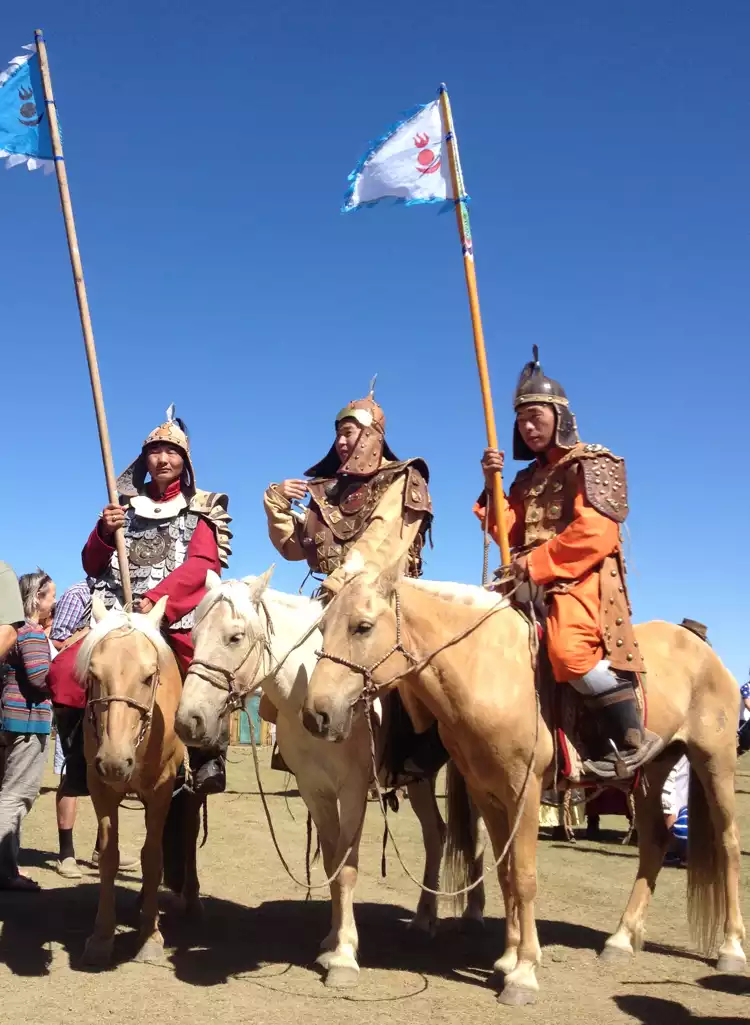
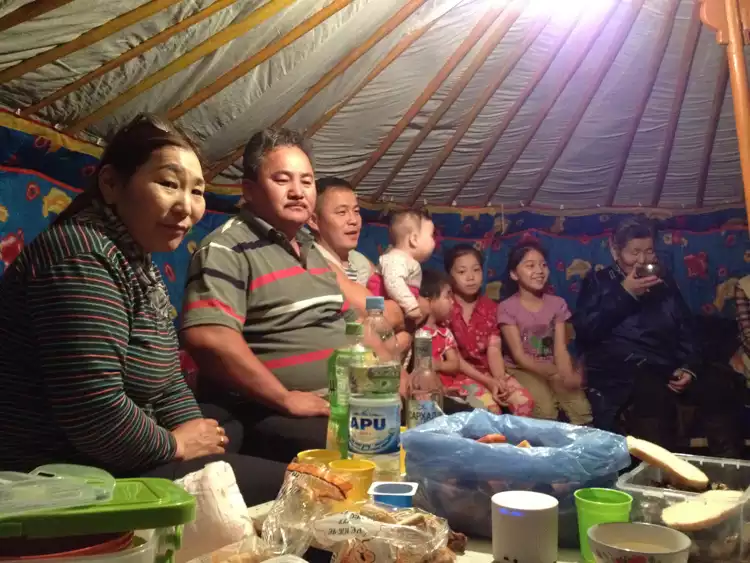
Hospitality runs deep in Mongolia, and a few customs go a long way in a ger. Do accept tea, food and drinks with your right hand (supported at the elbow by your left), take at least a small sip or taste of whatever is offered, and move clockwise once inside. Don’t step on or sit on the threshold, lean on the central support pillars, point your feet at the stove or family altar, or whistle indoors. If you accidentally touch someone’s foot with yours, shake their hand right away to smooth it over. Never touch a person’s hat or head, don’t throw rubbish into the fire, and dress modestly at monasteries. Women may occasionally encounter drunken unwanted attention in the capital, and foreign men seen with Mongolian women have sometimes faced hostility from nationalist groups; LGBTQ+ travelers are best keeping affection private.
Trying traditional food is always a great way to experience the culture. Here are some must-try dishes for Mongolia.
- Buuz: Steamed dumplings stuffed with minced mutton or beef, onion and garlic. They’re the everyday comfort food of Mongolia and the centerpiece of Tsagaan Sar, when families fold them by the thousand.
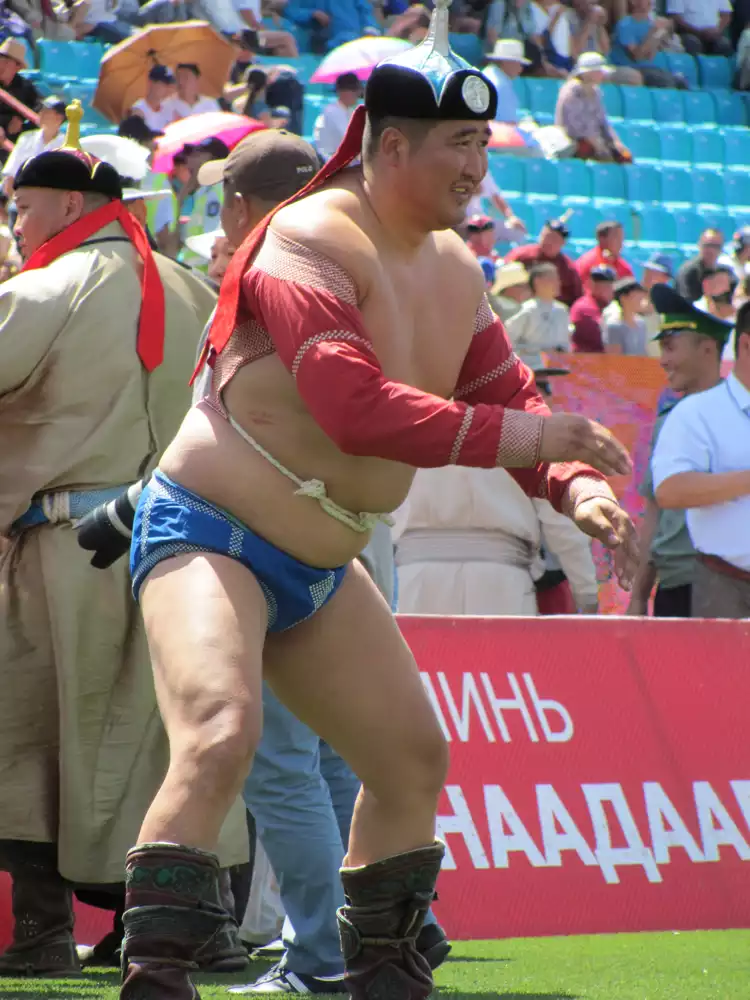
- Khuushuur: Flat, deep-fried pastries filled with chopped mutton. Sold hot at roadside stops and in huge numbers during Naadam, they’re the country’s favorite fast food.
- Tsuivan: Hand-cut noodles stir-fried with mutton, carrots and cabbage. Cheap, filling and found in almost every guanz (canteen), it’s what most Mongolians eat for a weekday lunch.
- Khorkhog: Mutton cooked in a sealed milk can with vegetables and fire-heated stones. A countryside feast for guests, and the hot stones are passed from hand to hand because they’re believed to be good for health.
- Boodog: Goat or marmot cooked from the inside out by stuffing hot stones into the body and searing the skin with a blowtorch. It’s a nomadic technique reserved for special occasions.
- Süütei tsai: Salty milk tea, sometimes with butter or millet added. Every ger visit starts with a bowl, and refusing it is a missed connection with your hosts.
- Airag: Fermented mare’s milk, mildly alcoholic and sour. Made in summer, it’s a symbol of hospitality and nomadic life.
Tap water in Ulaanbaatar, Mongolia, is treated, but old pipes mean most locals boil it before drinking, and travelers are advised not to drink it straight from the tap. Stick to bottled water, which is cheap and sold everywhere, or carry a filter or purification tablets. In the countryside, always treat well, river and lake water before drinking.
The main language in Mongolia is
Mongolian. Backpacking is way more rewarding if you know a bit of the local language, so I'd suggest brushing up on the basics just in case your Mongolian skills have become a bit rusty.
Want to understand locals better?The complete Travel Guide for Mongolia includes 52 essential words and phrases — greetings, thank-yous, ordering food, transport, numbers, and common local expressions you'll actually hear.
Get your local basic phrases 👉
Get the Travel Guide - in Mongolia is limited: you’ll manage in Ulaanbaatar hostels, tour offices and newer cafés, where younger staff often speak it well. Outside the capital, and especially among herding families, expect very little beyond a few words. Russian is the most useful second language, particularly with people over 45 and many drivers. Download Mongolian for offline use in Google Translate and learn to read the Cyrillic alphabet, which makes bus signs and menus far easier.
Money & Payments
The local currency of Mongolia is MNT₮.
ATMs are easy to find in Ulaanbaatar and in most provincial (aimag) centers in Mongolia, with Khan Bank, Golomt Bank, TDB and XacBank accepting foreign Visa and Mastercard cards. Expect a local fee of about MNT 2,000 to 6,000 (under US$2) per withdrawal on top of your own bank’s charges, so take out larger amounts at once. Cards work in most hotels, supermarkets, restaurants and tour offices in the capital, but rural shops, guesthouses, ger stays, drivers and markets are almost entirely cash. Withdraw enough tögrög before leaving Ulaanbaatar, since village ATMs can be empty or offline. Bring some clean, recent US dollar notes as a backup, as they exchange easily (euros work too, at slightly worse rates). Change money at banks or licensed exchange offices in central Ulaanbaatar, never with street changers.
Tipping isn’t a traditional part of Mongolian culture, but it’s increasingly appreciated in Mongolia’s tourist trade. In Ulaanbaatar’s sit-down restaurants, rounding up or leaving about 10% is common unless a service charge is already on the bill. Drivers and guides on multi-day countryside trips are customarily tipped, roughly MNT 15,000 to 35,000 (US$4 to 10) per day from the group.
v2.webp)
 Best Backpacking
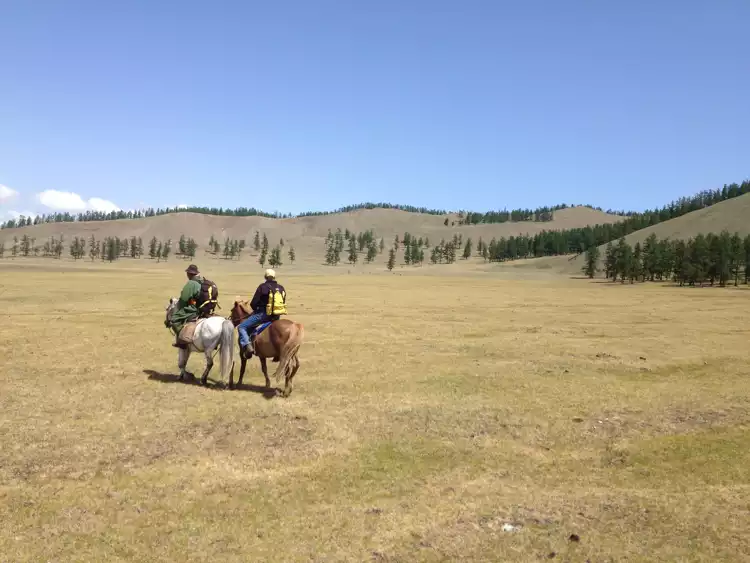
.jpg) Over the years, I've learned the importance of packing minimally. It's so much easier to jump on the back of a truck or squeeze yourself into the last spot of a minibus without that supersized backpack. If you're headed to a warm destination, leave your winter jacket at home; for colder regions, opt for thin thermal underlayers. Instead of packing your entire wardrobe, bring just three sets of clothes, as laundry facilities are available everywhere.
Over the years, I've learned the importance of packing minimally. It's so much easier to jump on the back of a truck or squeeze yourself into the last spot of a minibus without that supersized backpack. If you're headed to a warm destination, leave your winter jacket at home; for colder regions, opt for thin thermal underlayers. Instead of packing your entire wardrobe, bring just three sets of clothes, as laundry facilities are available everywhere.








.jpg) Hi, I’m Johan (Netherlands 🇳🇱), the creator of TakeYourBackpack. Over the past 3 decades, I’ve backpacked through 90+ countries across six continents, gaining extensive experience with independent travel, long-term trips, and overland routes.
Hi, I’m Johan (Netherlands 🇳🇱), the creator of TakeYourBackpack. Over the past 3 decades, I’ve backpacked through 90+ countries across six continents, gaining extensive experience with independent travel, long-term trips, and overland routes.