×
Philippines 🇵🇭

backpacking Asia Philippines 🇵🇭Island-hop endlessly through water-shaped daily life.

Explore PalestineExplore Qatar

Backpacking Philippines in 2026

A complete guide including when and where to go, costs, transport, itineraries, and practical travel advice.
A first look at the country

Backpacking Philippines
By Johan Kruseman 🇳🇱 | Updated June 1, 2026

In the Philippines, distance is measured in hours, not miles. Seven thousand islands means ferries, weather, and “almost on time” flights set the tempo. Lean into it and you’ll find the patient, playful heartbeat that runs the country.

This is a sea-first nation where limestone karsts blade out of teal water, reefs hum with color, and every village seems to have a basketball hoop and a karaoke machine. One day you’re freediving through the sardine wall in Moalboal or surfing Cloud 9 in Siargao; the next you’re paddling glassy lagoons in Palawan, trekking Batad’s hand-carved rice terraces, or watching Mayon draw a perfect cone against a pink sky. I carry cash, book the earliest flights, and buy a local SIM at the airport—that’s the quiet math that buys you empty coves at sunrise and a boodle-fight lunch you didn’t plan on. Heat, sudden typhoons, a rooster sounding off at 4 a.m., an ATM that ran dry, or a ferry canceled an hour before boarding—they’ll tap your patience. But when a tricycle driver detours to a fiesta so you can eat lechon with his cousins, or you share rum with a boat crew under a sky the size of a stadium, the delays turn into the story.

Thailand is smoother, Vietnam is a road-trip and noodle symphony, Indonesia leans temple-and-volcano epic. The Philippines is for water people and community seekers—divers, surfers, island-hoppers—and anyone willing to trade a bit of efficiency for big-hearted days you earn, not buy.

👉 Get the 📖 Travel Guide of Philippines

Palawan North: El Nido–Coron Spine

If you want the high-reward island stuff and can stomach some logistics, run the El Nido–Coron spine. Fly into either end; the van from Puerto Princesa is cheaper but it’s six hours of bends and horn-happy drivers. The fast ferry between El Nido and Coron takes about four hours; book the earliest sailing to dodge afternoon chop. Day tours cost more here than anywhere else in the country, but you’re paying to thread lagoons and lakes that tour boats queue for. Hack it by going private late morning; most groups eat lunch at the same time, leaving the water quiet. Expedition boats (2–3 days) cost more but replace hotel shuffles with campfires and glassy coves at sunrise. ATMs exist but fail often; carry cash. This rewards planners who don’t mind boats, variable weather, and a few blackouts in exchange for out-there water time.

Cebu Core + Bohol Hop

Time-poor, value-hungry? Base off Cebu. It’s the air hub, with buses fanning to waterfalls and reefs and fast ferries to Bohol in two hours. Moalboal is scooter-easy: sardine run off the beach, turtles on the reef, and canyoneering at Kawasan if you start by 6 a.m. to beat helmeted conga lines. Skip Oslob’s whale shark circus; spend that time on Apo Island via Dumaguete if you’ve got a spare day. Bohol is clean routing: Panglao for sleep, Chocolate Hills at sunrise, Loboc River late afternoon when the tour buses turn back. Costs are mid-range and predictable, roads are good, and you can stack wins without burning days. It’s the efficient build-your-own-adventure track.

Siargao

Surf island with a slow heartbeat. Fly in (often via Cebu), rent a semi-auto scooter, and base south of General Luna market so you can sleep but still walk to food. Cloud 9 is for watching and dawn photos; beginners get better reps at Jacking Horse or Guiuan with the right tide. Do Sugba Lagoon the second slot of the day to skip day-trippers; Sohoton Cove is worth the long boat if the weather is steady. Power and ATMs hiccup, so pick a place with a generator and carry cash. Social scene is friendly but chill. You sacrifice speed and certainty, and you get days that slide by in bare feet.

Northern Luzon: Cordillera (Banaue–Sagada)

Cool air, stone steps, and slow buses. Overnight from Manila to Banaue, jeepney to Batad, then a steep, sweaty 40-minute drop to the amphitheater terraces. Sagada adds cave scrambles and pine trails; nights go quiet by 10. Rooms are basic, hot water is negotiable, and the Wi‑Fi won’t save you. Money-wise it’s cheap; time-wise it eats three to four days minimum. This is for hikers and culture nerds who’d rather earn a sunrise than queue for one.

Boracay (Aklan)

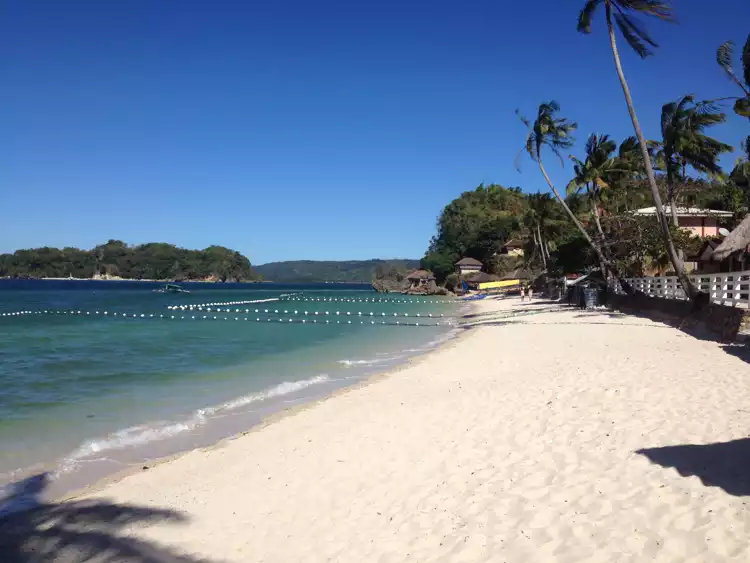
The easiest beach win when you’ve got more money than time. Fly to Caticlan, not Kalibo—saving two hours of vans is worth the fare. Station 3 for sleep, Station 1 for space, Station 2 if you want noise. Walk the beach at dawn before sales pitches wake up; sunsets are better from a beer on the sand than from an overpriced sail. Rules are strict, which keeps the water clean; prices match Manila for beds and meals. You trade authenticity for zero friction and a smooth, sandy reset.
Map of Philippines
Loading the map 🌍
CLICK TO FILTER
city
town
unique site
national park
hike
beach
attraction
festival
region
SHOW COUNTRY’S BESTSHOW ALL
film
0
0
0a
Alona Beach
film
1
1
1a
El Nido
film
2
2
2a
Kalanggaman Island
film
3
3
3a
Dahican Beach
film
4
4
4a
Panglao
film
5
5
5a
Dumaguete
film
6
6
6a
Legazpi
film
7
7
7a
Banaue Rice Terraces
film
8
8
8a
Mt. Guiting-Guiting
film
9
9
9a
Mt. Batulao
film
10
10
10a
Mt. Dulang-Dulang
film
11
11
11a
Mt. Kitanglad
film
12
12
12a
Balinsasayao Twin Lakes Natural Park
film
13
13
13a
Mount Kalatungan Range Natural Park
film
14
14
14a
Batanes’ Sabtang Island
film
15
15
15a
Rice Terraces of the Philippine Cordilleras
film
16
16
16a
Surigao del Norte region
film
17
17
17a
Sulu Archipelago
film
18
18
18a
Vigan
film
19
19
19a
Kawasan Falls
film
20
20
20a
Sogod Bay

Why go?What draws travelers here

People

Expect humor first, help second. You’ll be teased, fed, and given directions before you can unfold a … read more 👉
Expect humor first, help second. You’ll be teased, fed, and given directions before you can unfold a map. Trade-offs are simple: give time, surrender a bit of comfort, spend small, and the doors swing open.

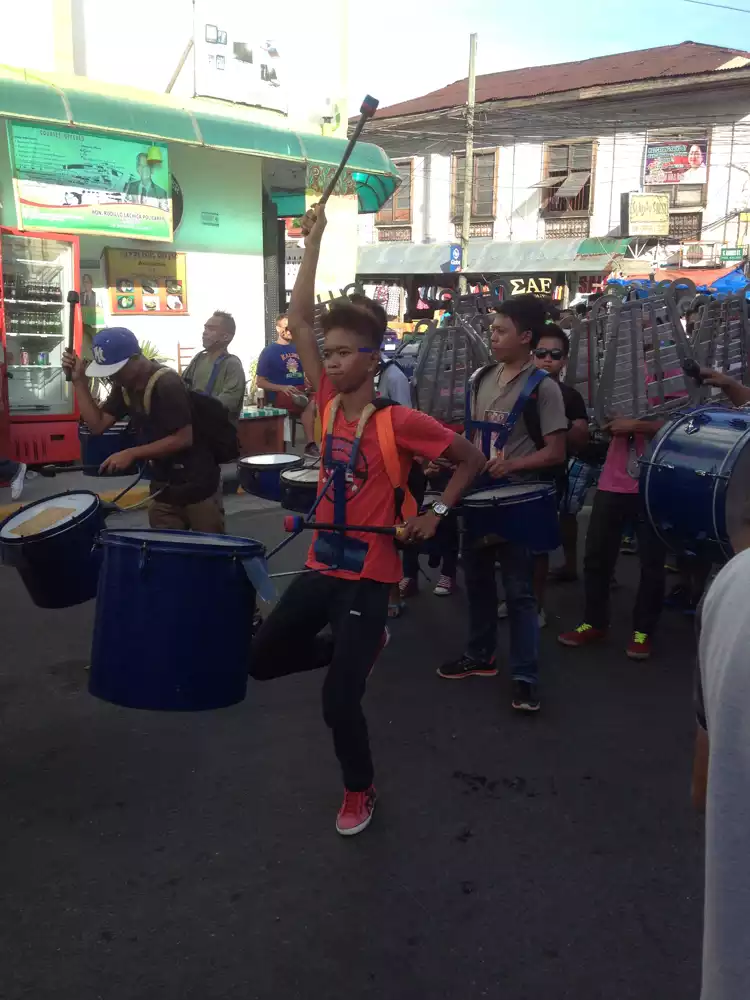
Time: linger at a sari-sari bench at dusk. You’ll lose an hour, gain a nickname and an invite. Comfort: ride the jeepney instead of a taxi; knees tight, jokes free. Money: buy a round of Red Horse or halo-halo and you’re in; a $2 karaoke credit turns into five duets.

Pro-tips:
- Learn “po/opo” and call people “ate/kuya.” It oils every interaction.
- Show up at the barangay basketball court at 5 pm. Offer to rebound.
- Hit the palengke before 7 am; vendors slip extra calamansi when you smile.
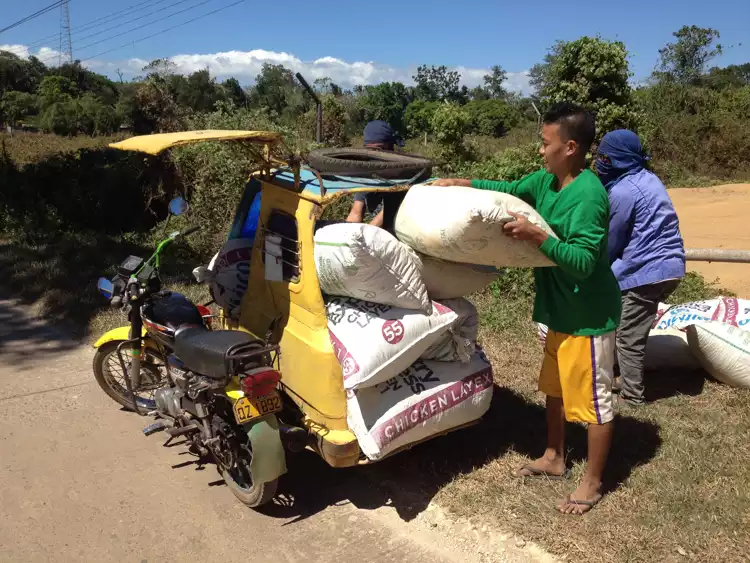
I once got stranded; a tricycle driver called his cousin and refused payment. Bring small bills to repay with snacks.

Backpackers

The Philippines rewards broke-but-game travelers. English is widespread, beers are cheap, and the transport … read more 👉
The Philippines rewards broke-but-game travelers. English is widespread, beers are cheap, and the transport web—ferries, jeepneys, trikes—lets you drift between islands without bleeding cash. The trade is simple: time vs pesos vs comfort. Pay for a fastcraft and sit in AC, or ride the slow ferry, nap on a bunk, and call it a free hotel night.

Pro tip: On the 2GO night ferry Batangas–Coron, book economy, bring a fleece and earplugs, and you’ll wake up with more budget than pride—but with a head start on the islands. I skip El Nido’s rush and base in Port Barton: slower boats, patchy power, real savings. In Moalboal, sunrise sardine run costs nothing if you’ve got a mask. Siargao? Rent a scooter, commit to a homestay for three nights, and watch the rate drop.

Beach life

Philippine beach life rewards the ones who play the trade-offs right. 7,000-plus islands means coral … read more 👉
Philippine beach life rewards the ones who play the trade-offs right. 7,000-plus islands means coral walls in the morning, powder sand by noon, street beers by sunset—and a ferry or prop plane in between. Dive Malapascua’s dawn threshers, free-dive Moalboal’s sardine cloud from shore, wreck-hunt in Coron, then go loud on Boracay’s White Beach if you want a night shift.

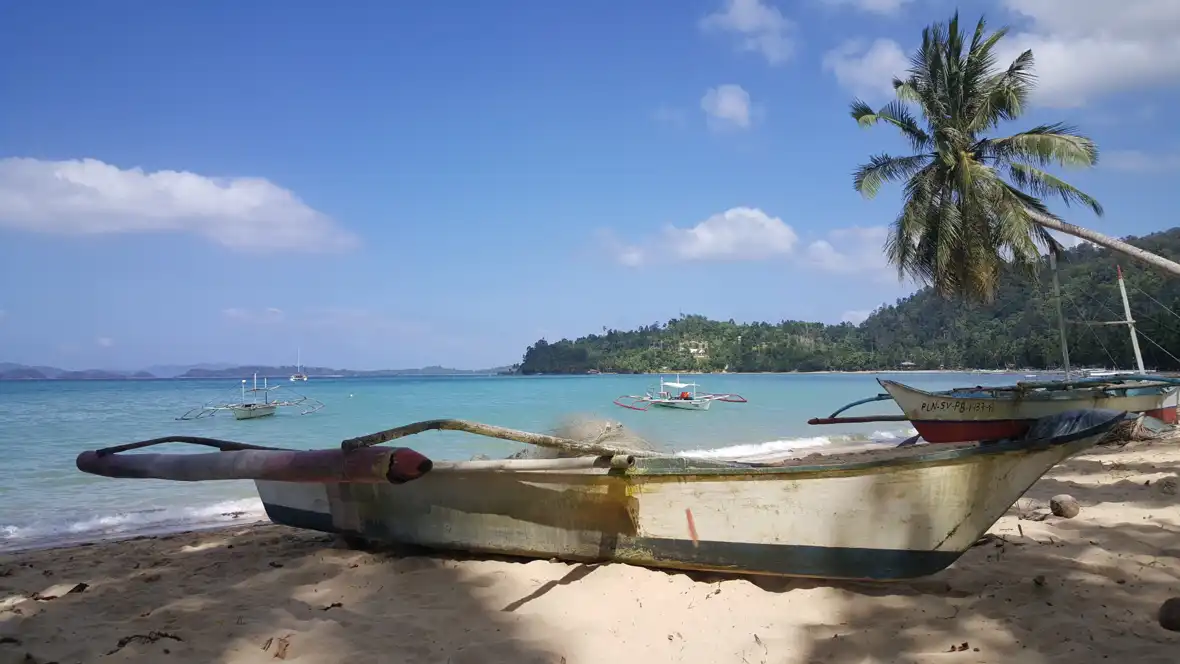
Time vs money vs comfort is literal: flights save days, ferries save pesos, bangkas soak you but reach wild coves. Pro tip: take the first island-hop out of El Nido or Coron; for one hour you’ll have the lagoons before the flotilla. Pro tip: keep cash for marine fees and rent a scooter—Siargao’s tide pools, Apo Island’s turtles, and Bohol’s quiet coves open up when you control the clock.

Scenery

If you’re willing to trade smooth edges for big payoffs, the Philippines will spoil you. Here’s the … read more 👉
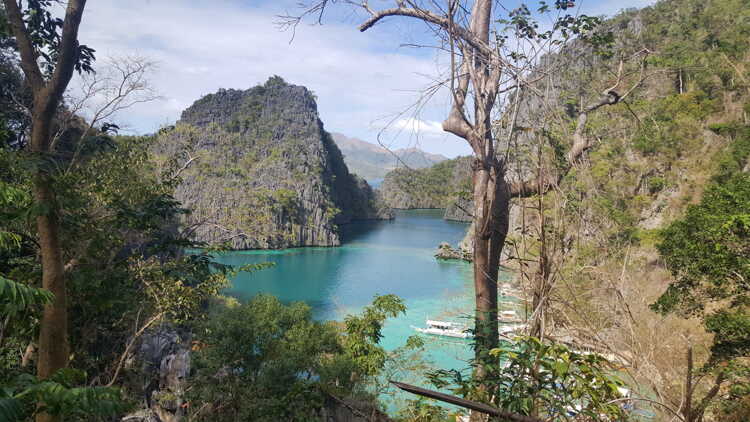
If you’re willing to trade smooth edges for big payoffs, the Philippines will spoil you. Here’s the play: beat the crowds and the tide clocks. In Coron, take the first bangka to Kayangan Lake (or split a private boat for roughly 3,000–4,500 PHP); you’ll get mirror-flat water before the flotillas arrive. Sleep in Batad instead of day-tripping; the last uphill hour with your pack hurts, but sunrise fog curling off the rice terraces is the money shot. For Pinatubo, a shared 4x4 at dawn is cheaper but bone-rattling; you pay in spine for that emerald crater. Sagada’s Sumaguing Cave? Wear sandals you don’t love, bring a headlamp, and start after lunch when the tour buses peel off. Pro tip: carry cash and a dry bag—out here, ATMs and calm seas are optional.

Low cost

Backpacking the Philippines stretches your money because the baseline is honest and simple: carinderia … read more 👉
Backpacking the Philippines stretches your money because the baseline is honest and simple: carinderia plates, jeepneys, and island ferries. Most backpackers live well here on a daily average that would barely cover a dorm bed in Western Europe. Trade-offs are clear. Take slow ferries and non-AC buses to save big; you’ll pay in time, sticky shirts, and rooster alarms, but you’ll land on beaches the tour vans skip.

Pro tip: book an overnight ferry, second-class bunk. You save a night’s lodging, grab a sunrise arrival, and if you board early you can claim a quiet corner away from the karaoke speaker. Eat where workers eat—market stalls by 11:30 a.m. when the ulam is fresh. Refill water at convenience-store dispensers. Keep the savings for the high-value stuff: reefs, canyons, and those long banka rides to empty coves.

Mountains

The Philippines pays out big if you trade sleep and certainty for altitude and weather swings. Pine … read more 👉
The Philippines pays out big if you trade sleep and certainty for altitude and weather swings. Pine ridges in the Cordilleras, volcano spines in the Visayas, and knife-edges like Guiting-Guiting all deliver when you hit the timing right. I’ve shivered through a 2 a.m. start on Mt. Pulag and walked into a sea of clouds at sunrise—worth the numb fingers.

Pro tip: dry season (roughly Nov–May), midweek, first jeepney out. Night bus Manila–Baguio saves a hotel; rent cold gear in Baguio for Pulag to avoid hauling it. Many peaks require guides and permits; you’re buying safety and access, not hand-holding—budget for it. If you’re short on time, Mt. Ulap or Ugo are clean day or 2-day plays; if you want teeth, G2 and Apo demand three days and real legs. Leeches in rainy months—bring gaiters and salt.

Wildlife

The Philippines pays out in wildlife if you respect the clock and the sea. Dawn at Corella, Bohol: the … read more 👉
The Philippines pays out in wildlife if you respect the clock and the sea. Dawn at Corella, Bohol: the tarsiers are awake, the tour buses aren’t; step softly, no flash, and you’ll watch those saucer eyes pivot like radar. Trade sleep for it. For whale sharks, skip Oslob’s feeding circus; fly or bus to Donsol Jan–May, book a small banca, and hand-paddle at first launch; it’s slower, cheaper than a resort package, and you earn the minute when a bus-size shadow slides past your mask. Apo Island turtles show up after 3 p.m., when day-trippers leave; I stash gear in Dauin, hop the last boat, and get the reef to myself. New moon fireflies on Iwahig River feel unreal; carry cash, long sleeves, and a rashguard—jellyfish don’t care about your plans.

Food

If you travel for food, the Philippines pays you back in flavor and stories. Vinegar-bright breakfasts, … read more 👉
If you travel for food, the Philippines pays you back in flavor and stories. Vinegar-bright breakfasts, smoke from a roadside grill, coconut-rich stews, and a national habit of building your own sawsawan—calamansi, soy, vinegar, chilies—so every bite lands exactly where you want it. You don’t book; you roam. Carinderias serve adobo, laing, and pancit for about half what the mall chains ask, and the best lechon in Cebu is gone by 2 p.m.

Pro tip: hit the wet market by 7:30 a.m.—eat tapsilog standing up, then grab puto and brewed barako from the stall with the longest line.

I learned in Iloilo that batchoy is a 10 a.m. move, not dinner. In Bacolod, ask for extra chicken oil on your inasal. And always say “extra calamansi, sili.” That’s the unlock.

Uniqueness

The Philippines pays you in empty reefs and village karaoke, but it taxes you in transfers. With 7,000 … read more 👉
The Philippines pays you in empty reefs and village karaoke, but it taxes you in transfers. With 7,000 islands, this is a sea country, not a bus loop. Time: boats leave when full or when the wind says so. Build buffers or you’ll sleep in a port canteen. Money: ferries are cheap; skipping the queue with a private banca costs, but buys access. Comfort: wet landings, salt-sticky skin, generators cutting out at midnight. The payoff is real.

Pro tip: take overnight ferries—aircon bunk, earplugs, and you’ve bought a bed plus 12 hours of movement for the price of a hostel.

I once paid a fisherman in San Jose at 4 a.m.; we hit Apo Reef at sunrise and had the corals to ourselves until the liveaboards showed. Same logic for Romblon and Donsol—slower, richer.
Want the complete picture of Philippines?
The offline Travel Guide brings everything together — routes, highlights & planning.

See what's included in the guide 👉

Get the Travel Guide -

⭐ HighlightsWhat not to miss along the way

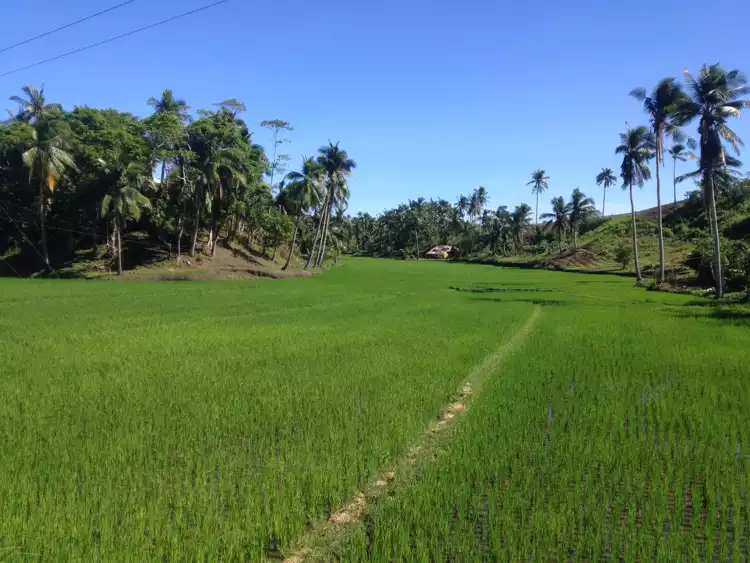
  • Batad Rice Terraces, Ifugao: You buy time with sore calves here—night bus to Banaue, jeepney to the Batad saddle, then 45 minutes on stone steps that feel hand-cut for your knees. Money stays low (homestays with cold bucket showers; a guide for the amphitheater and Tappiya Falls), but comfort is traded for woodsmoke rooms and dawn roosters that don’t care. Start hiking by 7 am to beat heat and day-trippers; bring cash because ATMs blink out. Proof you made it: algae-slick stones under your palms and the faint tang of fermenting tinawon rice on the air.
  • Malapascua Thresher Shark Dives, Cebu: Time means alarms at 4:15, a dark shuffle to the boat, and a 30-minute banca slap to Monad Shoal; pay more than a typical island dive, and accept a neoprene-cold back and salt-chapped lips. The reward is clean: silver threshers slide out of the blue, tails carving arcs like scythes at first light. Book the first slot, stay near Bounty Beach so you can walk to the boats, and carry enough cash for extra
read more 👉
  • Batad Rice Terraces, Ifugao: You buy time with sore calves here—night bus to Banaue, jeepney to the Batad saddle, then 45 minutes on stone steps that feel hand-cut for your knees. Money stays low (homestays with cold bucket showers; a guide for the amphitheater and Tappiya Falls), but comfort is traded for woodsmoke rooms and dawn roosters that don’t care. Start hiking by 7 am to beat heat and day-trippers; bring cash because ATMs blink out. Proof you made it: algae-slick stones under your palms and the faint tang of fermenting tinawon rice on the air.
  • Malapascua Thresher Shark Dives, Cebu: Time means alarms at 4:15, a dark shuffle to the boat, and a 30-minute banca slap to Monad Shoal; pay more than a typical island dive, and accept a neoprene-cold back and salt-chapped lips. The reward is clean: silver threshers slide out of the blue, tails carving arcs like scythes at first light. Book the first slot, stay near Bounty Beach so you can walk to the boats, and carry enough cash for extra tanks and Nitrox. Proof you were there: the metallic taste of the reg and the hiss of your own bubbles when the reef falls silent.
  • El Nido’s Limestone Lagoons, Palawan: You’ll spend either money (fly in, charter a small banca) or time (five to six hours by van from Puerto Princesa), and comfort is sun exposure, boat benches, and jellyfish nips. The hack is timing: hit Big/Small Lagoon at opening or after 3 pm when the parade retreats; a fisherman from Corong-Corong will take you if you ask the night before. Kayak and environmental fees pile up—worth it when the cliff walls swallow the engine noise. Proof: salt crust on your forearms, the thrum of a single-cylinder engine echoing off karst, and smoke from grilling fish clinging to your shirt.
  • Mount Pulag, Benguet: Don’t underestimate the cold; this is a place where money can’t buy warmth if you packed a beach hoodie. Time cost is two days door-to-door from Baguio with permits, guides, and a jeep to the ranger station; fees add up but less than a fancy island hop. Choose a weekday Ambangeg trail to dodge tent cities; 2 am summit push is standard. Proof: frost crackling under trail runners, grass whipping your shins, and barako coffee steaming in a tin cup while the ridgelines peel open.
  • Siargao, Surigao del Norte: You trade predictability for weather here; storms shuffle the deck, so build slack days and you’ll win. Money stretches if you eat carinderia lunches and save café splurges for coffee; rent a motorbike and you’ll cut tricycle fees and time wasted waiting. Comfort costs are reef kisses and rooster alarms; dawn at Cloud 9 beats the lesson crowds. Proof: surf wax grit on your palms, coconut smoke from drying copra drifting across the road, and the hollow thump of sets under the boardwalk; off the map, aim for Calayan’s Sibang Cove, Romblon’s Bonbon sandbar, and Palawan’s Balabac—my personal fix is Romblon for the squeak of that sand on a spring low.
Spotted a mistake or missing a highlight? Contact us.

But Philippines offers more...

Discover and compare all of its highlights per category

🧭 RoutesLogical itineraries covering the highlights

The 7-Day Palawan Island Escape

The Vibe: One-region focus with a chilled pace, perfect if you want maximum beach-and-lagoon time with minimal logistics and just a couple of overland transfers. You’ll fly into Palawan, hop between Puerto Princesa, El Nido, and Nacpan Beach, and let the week feel like a long exhale.
The Highlights:
  • Boat exploration of Puerto Princesa Subterranean River National Park
  • Island-hopping through El Nido’s Bacuit Bay
  • Slow, sandy days on Nacpan Beach
  • Seafood dinners and sunset walks in a single, cohesive region

The 14-Day Culture, Highlands & Islands Circuit

The Vibe: A balanced two-week loop that stitches together Manila’s history, cool mountain air, and classic Visayan islands without turning every day into a transfer day. You’ll mix buses, flights, and ferries, but always with enough nights in each stop to actually settle in.
The Highlights:
  • Colonial walls and museums around Intramuros and Rizal Park
  • Cool-climate escape to Baguio and sunrise views from Mt. Pulag
  • Reef life
read more 👉

The 7-Day Palawan Island Escape

The Vibe: One-region focus with a chilled pace, perfect if you want maximum beach-and-lagoon time with minimal logistics and just a couple of overland transfers. You’ll fly into Palawan, hop between Puerto Princesa, El Nido, and Nacpan Beach, and let the week feel like a long exhale.
The Highlights:
  • Boat exploration of Puerto Princesa Subterranean River National Park
  • Island-hopping through El Nido’s Bacuit Bay
  • Slow, sandy days on Nacpan Beach
  • Seafood dinners and sunset walks in a single, cohesive region

The 14-Day Culture, Highlands & Islands Circuit

The Vibe: A balanced two-week loop that stitches together Manila’s history, cool mountain air, and classic Visayan islands without turning every day into a transfer day. You’ll mix buses, flights, and ferries, but always with enough nights in each stop to actually settle in.
The Highlights:
  • Colonial walls and museums around Intramuros and Rizal Park
  • Cool-climate escape to Baguio and sunrise views from Mt. Pulag
  • Reef life and waterfalls around Cebu, Moalboal, and Kawasan Falls
  • Chocolate Hills, Bilar Man-Made Forest, and beach time on Bohol and Panglao

The 21-Day Grand Philippines Traverse

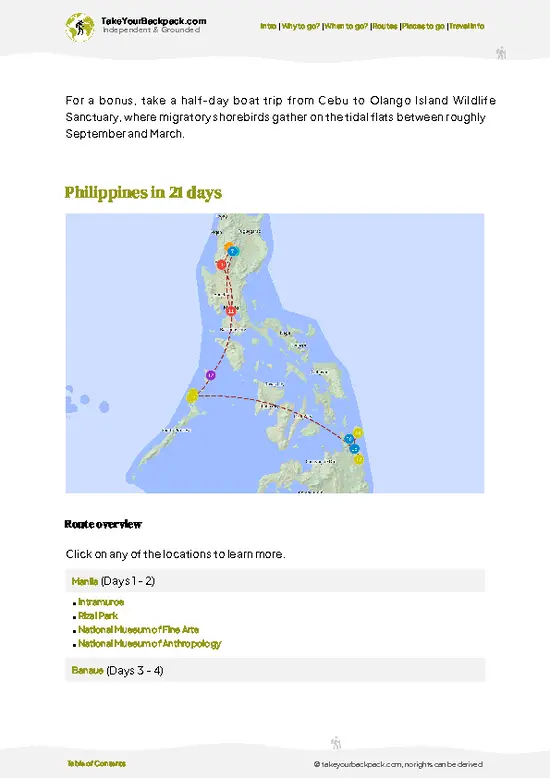
The Vibe: A three-week deep dive that links Luzon’s rice terraces and mountain towns with Visayan reefs and Palawan’s island drama, aimed at travelers who want the full arc of the country in one go. You’ll travel by bus, van, ferry, and plane, but with a steady rhythm that alternates big moves with multi-night stays.
The Highlights:
  • Historic Manila paired with Baguio, Sagada, and the Banaue Rice Terraces
  • Cloud-sea sunrise around Mt. Pulag in Mount Pulag National Park
  • Urban Cebu energy, Moalboal’s marine life, and Kawasan Falls adventures
  • Chocolate Hills and Panglao beaches followed by a Palawan finale in Puerto Princesa, El Nido, and Nacpan Beach
🌍 Want a ready-to-use travel plan for Philippines?
The overview above compares different route options based on your travel time and style. The complete Travel Guide breaks each itinerary down in detail, including maps, stops, highlights, and transport information.

Explore all route details 👉

Get the Travel Guide -

🌤️ When to go?When to go for the best experience

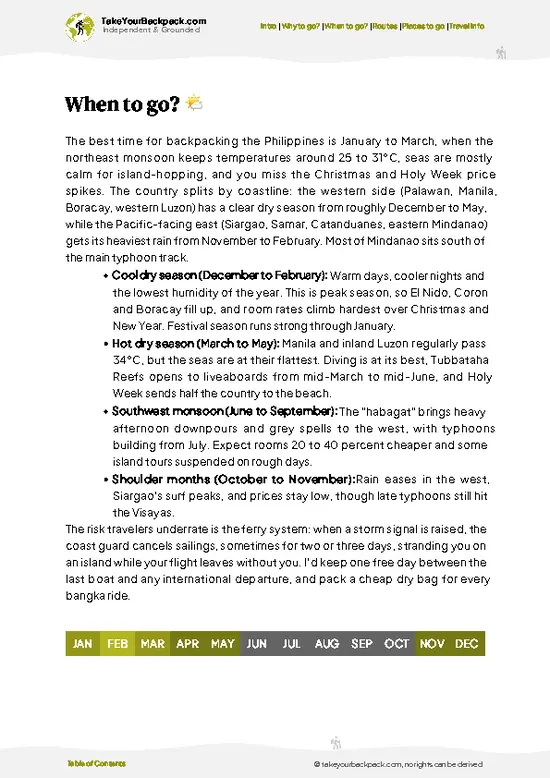
Late January to early March is the sweet spot. The typhoon roulette has mostly ended, the northeast trade winds take the edge off the heat, and seas settle enough that bangka crossings (Coron-El Nido, Bohol island-hops) feel brisk instead of sketchy. Holiday prices deflate after the New Year surge, but you’re still in the dry window, so trails aren’t a mud slog and dive visibility is clean. Beds are available without begging, domestic fares calm down, and the country hasn’t tipped into the blistering summer stampede. Watch for festival weekend spikes (Sinulog, Dinagyang, Chinese New Year), but between them you get clear mornings, manageable humidity, and locals back at normal rhythm. That’s when the Philippines lets you move fast without paying through the nose.
  • The Crowd/Heat Peak (March-May): You sweat for it. Prices jump compared to January, ferries and buses sell out around Holy Week, and midday heat turns concrete into a griddle. But the payoff is real: glassy lagoons in Palawan, long light for island-hopping, mangoes at their sweetest, and party energy in every beach town. Bring cash where ATMs die under holiday load; expect power cuts during scorchers and plan siestas like a local.
  • The Transition/Shoulder (Late Nov-Mid Dec): The country exhales. Rains back off, shopkeepers repaint boats, roads dry, and rates are still soft. Waterfalls run, rice terraces reflect, and you can walk onto hostels without theatrics. Seas on the Pacific side can still be rough under the last amihan bursts, so build a buffer day for any long ferry and keep hops short and west-facing.
  • The Off-Peak/Monsoon (July-Oct): Quieter bars, brooding skies, green hills steaming after squalls. Transport thins, and the Coast Guard will cancel a boat on swell alone even if the sun’s out—people forget that. Survival play: move less and go early. Base on big islands with land routes (Cebu, Bohol, Luzon loops), take dawn buses before convection builds, and keep electronics double-bagged inside a tiny roll-top dry bag.

I book domestic flights about six weeks out in that late Jan-Mar lane and always leave one blank day between any flight-ferry connection.

source: climatestotravel.comJANJanuary: highly recommended for travelingFEBFebruary: excellent for travelingMARMarch: highly recommended for travelingAPRApril: good for travelingMAYMay: good for travelingJUNJune: fair for travelingJULJuly: fair for travelingAUGAugust: fair for travelingSEPSeptember: fair for travelingOCTOctober: fair for travelingNOVNovember: good for travelingDECDecember: good for traveling
📅 Traveling in a specific month?
Get a full month-by-month breakdown of weather, crowds, costs, festivals, and seasonal highlights in the complete travel guide.

Get full details when to go 👉

Get the Travel Guide -
!20160123 130429

💰 Costs (as of 2025)Travel costs in Philippines

Budget travelers land around 1,800-2,400 PHP ($32-43) per day if they move slow; add boats or dives and you’ll hit 3,000+.
  • dorm accommodation: 350-700 PHP in smaller towns; 600-900 PHP in hotspots like El Nido, Siargao, Coron; 1,000+ in peak surf/Christmas. Fan dorms are cheaper but mean sweat and mosquitoes when power cuts hit. AC dorms cost more but sleep better after humid night ferries. Relative to Vietnam/Thailand, beds are similar or a touch higher in tourist zones. System tip: arrive Sunday-Wednesday, walk two blocks inland from the beach road, ask for a fan dorm and pay cash—consistent 20-30% off. I shaved 200 PHP/night in El Nido by moving one street back.
  • meals: Supermarket Survival: bread, eggs, canned tuna, instant noodles—200-300 PHP/day if you actually cook, but most hostel kitchens are ornamental and you lose time shopping. Street food reality: carinderias (rice + ulam) 70-120 PHP per dish, BBQ sticks 10-20, Jollibee sets 100-150, fruit shakes 80-120. Hit carinderias at 11:00 when trays are fresh; late afternoon is leftovers. Compared to Thailand/Vietnam, everyday eats run higher and veg options are thinner, but beer is cheap (60-100 PHP). Refill water jugs instead of
read more 👉
Budget travelers land around 1,800-2,400 PHP ($32-43) per day if they move slow; add boats or dives and you’ll hit 3,000+.
  • dorm accommodation: 350-700 PHP in smaller towns; 600-900 PHP in hotspots like El Nido, Siargao, Coron; 1,000+ in peak surf/Christmas. Fan dorms are cheaper but mean sweat and mosquitoes when power cuts hit. AC dorms cost more but sleep better after humid night ferries. Relative to Vietnam/Thailand, beds are similar or a touch higher in tourist zones. System tip: arrive Sunday-Wednesday, walk two blocks inland from the beach road, ask for a fan dorm and pay cash—consistent 20-30% off. I shaved 200 PHP/night in El Nido by moving one street back.
  • meals: Supermarket Survival: bread, eggs, canned tuna, instant noodles—200-300 PHP/day if you actually cook, but most hostel kitchens are ornamental and you lose time shopping. Street food reality: carinderias (rice + ulam) 70-120 PHP per dish, BBQ sticks 10-20, Jollibee sets 100-150, fruit shakes 80-120. Hit carinderias at 11:00 when trays are fresh; late afternoon is leftovers. Compared to Thailand/Vietnam, everyday eats run higher and veg options are thinner, but beer is cheap (60-100 PHP). Refill water jugs instead of buying bottles.
  • local transport: Cheapest unlock = jeepneys + provincial buses + scooters + the occasional night ferry. Jeepneys are 15-25 PHP for short hops; buses 150-400 PHP for multi-hour runs; scooter rentals 350-500 PHP/day + ~100 PHP in fuel for a solid loop; inter-island ferries 300-1,200 PHP depending on distance/class. Overnight ferries save a bed night but cost you time; bring a jacket for the AC blast. Promo flights can undercut ferries if booked early, but baggage fees wreck the deal. Walk 50-100 meters past the pier to catch shared tricycles at local rates; in cities, Grab avoids “special price” haggling.
  • activities: Boats and tanks drain wallets. Group island-hopping: El Nido/Coron 1,200-2,000 PHP + environmental fees. Diving: 1,800-2,500 PHP per fun dive (gear often extra), courses much more. Canyoneering (Kawasan) 1,500-2,000. Surf lesson in Siargao 500-800/hour. DIY beats packaged tours: split a boat with travelers you meet at 9:30-10:00 after operators realize seats are empty. In Coron I built a custom loop post-10:00 and paid half of the morning ask. Compared to mainland SEA, anything with a boat is pricier; hiking is cheap.
  • miscellaneous: Budget Leaks: ATM fees (250-350 PHP per pull) and low limits—withdraw max, fewer hits. Port/airport terminal fees pop up (20-200 PHP). Reef fees and “environmental” stamps repeat across islands. Tricycles from ports quote tourist rates; walk out and flag a shared one. Sunscreen and dry bags cost island prices—bring them. Laundry 50-80 PHP/kg. Compared to Malaysia/Thailand, leakage is worse because islands = more terminals, more small fees. Carry small bills, a filter bottle, and your own mask/snorkel to stop the drip.
⚠️ Prices can change and everyone travels differently, so take this as a rough guide. Hope it helps you plan your adventure!

✈️ The backpacker research shortcutPhilippines Travel Guide

An offline-friendly backpacking guide with optimized travel routes, ranked highlights, transport advice, and the best areas to stay.
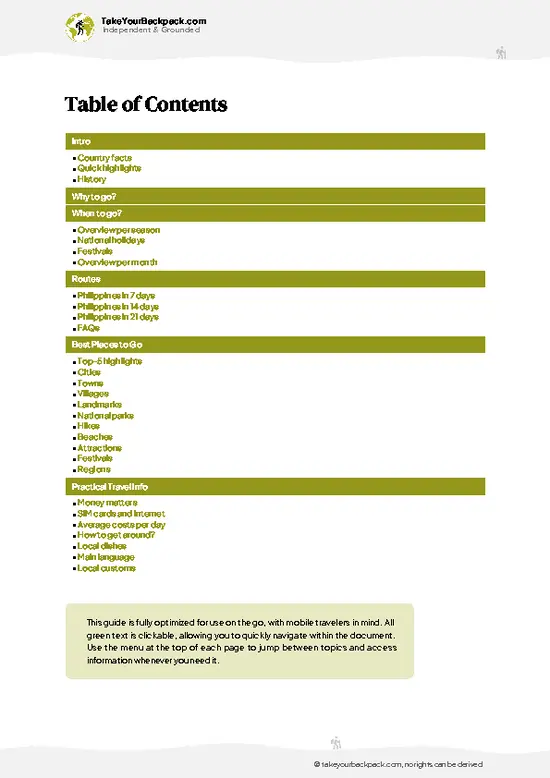
example page 0 from our offline Travel Guide for Philippinesexample page 1 from our offline Travel Guide for Philippinesexample page 2 from our offline Travel Guide for Philippinesexample page 3 from our offline Travel Guide for Philippinesexample page 4 from our offline Travel Guide for Philippinesexample page 5 from our offline Travel Guide for Philippinesexample page 6 from our offline Travel Guide for Philippinesexample page 7 from our offline Travel Guide for Philippines
The digital guide (505 pages) contains:
144 highlights, ranked by travel appeal
Optimized 7, 14 & 21-day travel routes
Cities, national parks, beaches, historical sites, ...
How to get around
Offline-friendly for travel without Wi-Fi
👉 Click to see all 30+ guide features

📅 Plan smarter in minutes, not weeks
Month by month travel advice
Festivals & national holidays
Budget expectations

🗺️ Go to the right places, skip the overrated ones
Honest pros & cons of destinations
Top hikes, parks & viewpoints
Lesser-known places most travelers miss
Clear “worth it vs skip it” guidance

🛏️ Travel smoothly without rookie mistakes
Best areas to stay
Transport systems explained simply
Common scams & safety advice
SIM cards, money & practical tips

🌍 Understand the country, not just visit it
Culture & traditions
52 Essential phrases & customs
Festivals worth planning around
Traveler-friendly historical context
Insights that make places more meaningful

📱 Built for real travel conditions
Fully downloadable PDF
Works completely offline
Optimized for phone use
Useful in remote areas & buses
Everything in one place
Save weeks of stressful planning
Get instant access to the full guide directly. 30-day money-back guarantee.


Sent to your inbox immediately after payment • 100% Secure Checkout
Best Backpacking Travel Advisor 2025 tourism awardBest Backpacking
Travel Advisor
2025
What others say about Take Your Backpack Guides:
⭐⭐⭐⭐⭐
Fantastic, amazing amount of information!
⭐⭐⭐⭐⭐
My goodness this is amazing, it's what I've been looking for hats off too you!
⭐⭐⭐⭐⭐
I think this is absolutely BRILLIANT
⭐⭐⭐⭐
Very complete and informative. It's still missing places, but I gotta to commend you
⭐⭐⭐⭐⭐
This is truly amazing, thank you, can't wait to explore it with my kids!
⭐⭐⭐⭐⭐
Awesome resource, thank you!
⭐⭐⭐⭐⭐
This is amazing! Can't wait to explore the ones I haven't seen
⭐⭐⭐⭐
I love this! Well done, great idea.
⭐⭐⭐⭐⭐
Thanks for taking the time to make this gem!
⭐⭐⭐⭐⭐
This might be the best website I've ever seen.
⭐⭐⭐⭐⭐
Congratulations, and thank you so much for your work; it's incredibly valuable.
⭐⭐⭐⭐
In all seriousness I think you did a great job pointing out the important spots
⭐⭐⭐⭐⭐
10/10 very good
⭐⭐⭐⭐⭐
As someone who's only just starting to visit regularly this is awesome, thank you.
⭐⭐⭐⭐
Thank you very much! I'm going to visit my dad, it's going to be very useful!
⭐⭐⭐⭐⭐
This is really cool! We'll be travelling for the first time and this definitely come in handy.
⭐⭐⭐⭐⭐
You are now our minister of culture, congratulations 👨‍💼
⭐⭐⭐⭐⭐
Just wanted to tell you that this is a pearl! Going to follow your recommendations.
⭐⭐⭐⭐⭐
This is so cool. I'll definitely be using the resource for my travels soon.
⭐⭐⭐⭐⭐
This is very impressive! Good work.
⭐⭐⭐⭐⭐
This is an amazing and informative site. Very well done!

🛏️ Where to stay?Where to stay in Philippines

Yes — hostels and budget guesthouses are widespread across the Philippines, concentrated in Manila (Ermita/Malate) and Makati, Cebu (Fuente Osmeña/IT Park), Boracay (Station 2), El Nido, Coron, Siargao (General Luna) and Panglao/Tagbilaran in Bohol, which cover the main transport hubs and island gateways you’ll use.
Ermita/Malate offers cheap transport and nightlife but is noisy and touristy; Makati is safer with better transit and higher prices; Cebu city gives fast ferries and budget eats though parts feel busy at night; Boracay Station 2 is best for beaches and nightlife but crowded and pricier … read more 👉
Yes — hostels and budget guesthouses are widespread across the Philippines, concentrated in Manila (Ermita/Malate) and Makati, Cebu (Fuente Osmeña/IT Park), Boracay (Station 2), El Nido, Coron, Siargao (General Luna) and Panglao/Tagbilaran in Bohol, which cover the main transport hubs and island gateways you’ll use.
Ermita/Malate offers cheap transport and nightlife but is noisy and touristy; Makati is safer with better transit and higher prices; Cebu city gives fast ferries and budget eats though parts feel busy at night; Boracay Station 2 is best for beaches and nightlife but crowded and pricier (Stations 1/3 are quieter); El Nido and Coron are ideal for island-hopping with social hostels but have limited late-night services and seasonal crowds; Siargao’s General Luna is the surf-and-party hub with laid-back safety but high-season congestion; Panglao/Tagbilaran suit budget divers and quieter nights while requiring more planning for inter-island travel.

If you enjoy meeting fellow travelers, consider choosing hostels with high ratings for atmosphere. On the other hand, if you prefer having your own space, a hotel might be a better option.

🚌 Getting aroundHow to travel within the country

The Philippines runs on tide tables and patience. Schedules exist, but the real clock is the crowd: jeepneys leave when full, vans bolt when the driver’s satisfied, ferries sail if the Coast Guard nods, and buses crawl until sunrise frees the road. If you move early, carry small bills, and accept that “five minutes” means “after one more passenger,” you’ll ride the flow instead of fighting it.
  • Provincial buses and UV Express vans — This is where pesos buy distance. Buses are cheap and predictable
read more 👉
The Philippines runs on tide tables and patience. Schedules exist, but the real clock is the crowd: jeepneys leave when full, vans bolt when the driver’s satisfied, ferries sail if the Coast Guard nods, and buses crawl until sunrise frees the road. If you move early, carry small bills, and accept that “five minutes” means “after one more passenger,” you’ll ride the flow instead of fighting it.
  • Provincial buses and UV Express vans — This is where pesos buy distance. Buses are cheap and predictable in coverage, not in minutes: fares are modest, comfort ranges from hard-seat “regular” to icy-cold “deluxe,” and you pay with time—think 6-10 hours for mountain runs and 2-5 hours for coast hops. Vans are the illegal shortcut to speed: 20-30% faster on the same route, same price or slightly more, but knees-to-chest cramped and driven like a deadline. Night buses save a hostel night and dodge traffic; bring a jacket for the meat-locker AC and stash earplugs for karaoke rest stops. Eat before boarding, because roadside breaks cluster when you’re least hungry.
  • Jeepneys — This is the social contract on wheels. Climb in the back, slide down the bench, keep your bag in front not on the aisle, and pass fares hand-to-hand while saying “bayad po” with your destination. Small bills win friends; coins move like a conveyor belt to the driver. When you’re close, tap the ceiling or say “para po” early so the driver can stop safely. Give your seat to elders and pregnant riders without ceremony. Expect loud music, breeze instead of AC, and zero personal space. It’s cheap because everyone shares the squeeze; you buy time with patience and attention.
  • RORO and fast ferries — Water unlocks the archipelago geometry. Buses hit water and stop; ferries keep your route alive. Slow ROROs are the rock-bottom option, trading hours for savings and flexibility with motorbikes or onward buses aboard. Fast ferries cost more but stitch hubs—Cebu-Bohol, Dumaguete-Siquijor, Batangas-Mindoro—in a morning. Ports add small terminal fees and bag tags; weather can cancel everything with one Coast Guard announcement. Book on-site, keep a buffer day during monsoon swings, and carry a light layer—open decks get windy after sundown.
  • Motorbike rental and habal-habal — The budget breaker of tours is the budget maker of freedom. A day’s rental (roughly ₱400-₱800) replaces three tricycle rides and every “private tour” you don’t need. Fuel is cheap; helmets are law; police checkpoints want your license, not your story. In hills and islands—Siquijor loops, Bohol interiors, Mindanao mountain roads—two wheels reach waterfalls and trailheads no van touches. Top up whenever you see roadside bottles, avoid night rides, and treat rain like marbles on concrete. If you don’t ride, hire a habal-habal for the last brutal kilometers rather than paying a full tour markup.

My one master play: move while others sleep—overnight bus or ferry, then the first jeepney or van at dawn—so you arrive at the next island or town with a full day ahead, no traffic, and fares still at local price before the heat and the queues wake up.
NAIA (Manila’s main airport) sits about 6-10 km (4-6 miles) from the usual “city center” areas: around 6-8 km to Makati CBD and about 9-10 km to Manila’s historic core (Ermita/Intramuros). Traffic can swing your travel time a lot.

Main public transport options
  • Airport P2P bus (UBE Express) — Direct coaches from all terminals to Makati (Glorietta), BGC (Market! Market!/SM Aura), Manila (Robinsons Place/Ermita), Ortigas, and other hubs.

    Time: ~30-60 min off-peak; 60-90+ min in rush hour.

    Cost: PHP 150-200 per person, route-dependent.

    Good to know: Runs daily from morning to late evening; intervals vary (roughly every 20-60 min). Buy tickets at the UBE desk or on board; contactless or cash accepted on most routes.
  • City bus/jeepney + LRT-1 or MRT-3 — From any terminal, take the Airport Loop jeepney or a city bus to Pasay Rotonda (Taft Ave/MRT-3) or Baclaran (LRT-1), then train onward: MRT-3 to Ayala (Makati) or LRT-1 to Central/United Nations (Manila).

    Time: ~45-90 min door to door.

    Cost: ~PHP 30-60 total (jeepney/bus PHP 15-25 + train PHP 15-35).

    Good to know: No direct train to the airport yet; you’re piecing together two short hops. Carry small bills/coins for fares.
  • EDSA Carousel bus (from Terminal 3) — Walk via the Runway Manila footbridge to Newport City/NAIA T3 Busway stop, then ride the EDSA Carousel to Ayala (Makati), Ortigas, etc.

    Time: ~40-70 min to Makati, longer at peak.

    Cost: ~PHP 15-35 depending on distance.

    Good to know: Handy if you land at T3 and want a cheap, straightforward ride up EDSA.

Taxis and ride-hailing
  • Airport metered taxis (yellow): Typically PHP 300-600 to Makati or Ermita, more with heavy traffic. Metered; you can ask to use the NAIA Expressway/Skyway for speed—tolls (about PHP 45-100) are added to your bill.
  • Coupon/fixed-rate taxis: Pay at the official counter; usually PHP 600-900 for central areas. Easiest with luggage or late at night.
  • Grab (ride-hailing): Pick up at marked bays at each terminal. Usual range PHP 350-800 to Makati/Manila; varies with demand and time of day.

Quick tips
- Peak traffic (weekday 7-10 am and 4-8 pm) can double travel times; if you’re on a schedule, the P2P bus or a taxi via Skyway helps.
- Only use official airport taxi queues or the Grab app; skip touts.
- Most buses/jeepneys take cash; keep small change handy.
- Services and fares above are current as of 2025 but can change—check the latest UBE Express schedule and Grab estimate when you land.
⚠️ Prices and routes can change, so take this as a rough guide and ask for local advice when you arrive.

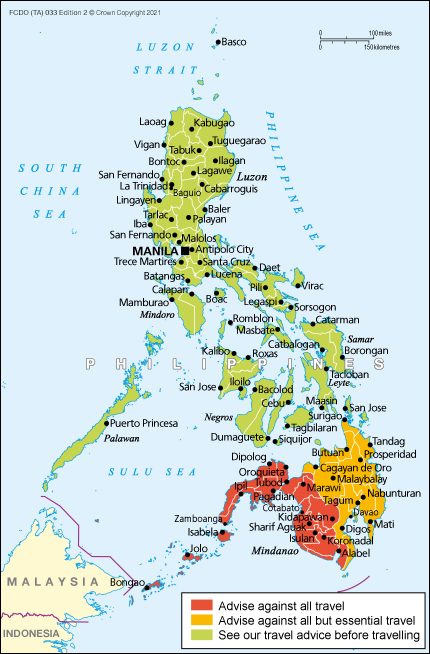
🔒 Safety (risk Level: medium)Staying safe while traveling

Safety for solo travelers, including women and LGBTQ+ individuals
The Philippines can be considered safe for solo travelers, including women and LGBTQ+ individuals, but it’s crucial to stay aware of your surroundings and exercise caution, especially in less touristy areas. While urban centers like Manila and Cebu are generally more LGBTQ+ friendly, rural areas may be more conservative. Always research your destinations, stay in well-reviewed accommodations, and keep emergency contacts handy. Avoid displaying valuables and be cautious when using public transport at night.


Full official government travel advisory (live updates)
View details 👉
safety image

source: www.gov.uk

✈️ VisaEntry requirements and paperwork

Most travelers can enter the Philippines visa-free for up to 30 days. If you need a visa, apply online through the Philippine Visa Information Portal or visit your nearest Philippine consulate. Always check the latest entry requirements, as they can change.
⚠️ Visa requirements can change over time, so always check the latest visa requirements with the official embassy or government website before you travel.

🎒 What to pack?What to wear and bring

Packing for the Philippines? Remember, it’s hot and humid most of the year, so light, breathable clothing is your best friend. But don’t forget a layer for those air-conditioned buses. If you’re hitting the beaches, a sarong is handy for modesty, especially in more conservative areas. For any temple visits, cover those shoulders and knees to show respect. And since it’s a paradise of mountains, jungles, and beaches, pack versatile footwear that can handle a bit of everything. Lastly, always have a waterproof bag or cover ready for those sudden downpours during the rainy season!

Apart from this country specific advice, I have also crafted a general packing list that should help on any trip. authorOver the years, I've learned the importance of packing minimally. It's so much easier to jump on the back of a truck or squeeze yourself into the last spot of a minibus without that supersized backpack. If you're headed to a warm destination, leave your winter jacket at home; for colder regions, opt for thin thermal underlayers. Instead of packing your entire wardrobe, bring just three sets of clothes, as laundry facilities are available everywhere.
View the full list 👉
🎒 Planning the practical side of your trip?
Get detailed information on transport, daily budgets, internet access, local customs, food, language, and other essentials in the complete Travel Guide.

Get detailed practical information 👉

Get the Travel Guide -

🙋 FAQTravel questions about Philippines

Trip Planning


Personal tip: I normally search on good rating for atmosphere (for meeting people) and location (for easy exploring). Cleanliness as a bonus.


Travel Essentials

Hepatitis A and B vaccines are recommended for all travelers to the Philippines. Typhoid vaccine is advised if you plan to visit rural areas or eat street food. Consider a rabies vaccine if you’ll be in remote areas or interacting with animals. Japanese encephalitis is suggested if you’re staying over a month, especially in rural areas. Routine vaccinations like MMR, varicella, polio, and your yearly flu shot should be up to date. Always check the latest health advisories before you go.


vaccination requirements
When I first started traveling, I often spent part of my first day in a new country hunting for a local SIM card. While this can still be slightly cheaper, it also takes time and planning.

These days, it's much simpler to install an eSIM before leaving home. Once you arrive in Philippines, you can activate it immediately and have mobile data from the moment you land — which is especially useful for ordering transport or navigating away from busy airports.

There are many providers nowadays, and price differences are usually small. I personally go with Airalo, as it offers excellent network coverage throughout the country and strong global coverage, so you can manage multiple countries from a single app.


Get your e-sim for Philippines

Culture & Customs

Respect elders by using ”po” and ”opo” when speaking. A smile and a nod go a long way. Dress modestly, especially in rural areas and religious sites. Public displays of affection should be minimal; this applies to all couples. It’s generally safe for LGBTQ+ travelers, but discretion is wise outside major cities. Avoid discussing politics and religion unless you’re invited to share. Always remove shoes when entering homes. If invited to a meal, try a bit of everything offered. Remember, personal space is less of a thing, so don’t be surprised if it feels crowded.
Trying traditional food is always a great way to experience the culture. Here are some must-try dishes for Philippines.
  • Adobo: Often considered the unofficial national dish, Adobo is meat (usually chicken or pork) marinated in vinegar, soy sauce, garlic, and spices, then simmered to perfection. It’s a staple in Filipino households, celebrated for its savory and slightly tangy flavor.
  • Sinigang: A sour tamarind-based soup, typically cooked with pork, shrimp, or fish, alongside a medley of vegetables. Its tangy and refreshing taste makes it a comforting dish that reflects the Filipino love for bold and balanced flavors.
  • Lechon: Whole roasted pig, famed for its crispy skin and juicy meat. Often the centerpiece at celebrations and gatherings, Lechon is a symbol of Filipino hospitality and festivity.
  • Pancit: Noodle dishes that vary by region, but commonly include stir-fried noodles with vegetables, meat, and a squeeze of calamansi. It’s a go-to dish for birthdays and celebrations, symbolizing long life and prosperity.
  • Kare-Kare: A rich, peanut-based oxtail stew, often served with a side of shrimp paste. It’s a comfort food that showcases Filipino culinary creativity in combining different textures and flavors.
  • Halo-Halo: A colorful dessert made of shaved ice, evaporated milk, and a variety of sweet ingredients like fruits, beans, and jellies. Perfect for cooling down in the tropical heat, it’s a sweet representation of the country’s diverse culinary influences.
  • Balut: A fertilized duck egg with a developing embryo inside, boiled and eaten from the shell. Often seen as a daring food adventure, it’s a traditional street food that offers a unique taste of local culture.
Tap water in the Philippines isn’t recommended for tourists; locals often avoid it too. Stick to bottled or filtered water to be safe. You can easily find bottled water everywhere, and many hotels or hostels offer filtered water stations.
The main language in Philippines is Filipino. Backpacking is way more rewarding if you know a bit of the local language, so I'd suggest brushing up on the basics just in case your Filipino skills have become a bit rusty.

Want to understand locals better?
The complete Travel Guide for Philippines includes 52 essential words and phrases — greetings, thank-yous, ordering food, transport, numbers, and common local expressions you'll actually hear.

Get your local basic phrases 👉

Get the Travel Guide -


English is widely spoken in the Philippines and serves as one of the official languages alongside Filipino. The country has a high English proficiency rate, with many Filipinos being fluent or conversational in the language. English is the medium of instruction in schools and is commonly used in government, media, and business, making it accessible to both locals and tourists.

In urban areas and tourist destinations, such as Manila, Cebu, and Boracay, you’ll find that most people, especially in hospitality and service sectors, can communicate effectively in English. Even in rural regions, while proficiency may vary, many locals can understand basic English, particularly younger generations who have received formal education.

However, it’s always appreciated if visitors learn a few basic Filipino phrases, as this can enhance interactions and show respect for the local culture. Overall, travelers can expect minimal language barriers when navigating the Philippines, making it a relatively easy destination for English-speaking tourists.

Money & Payments

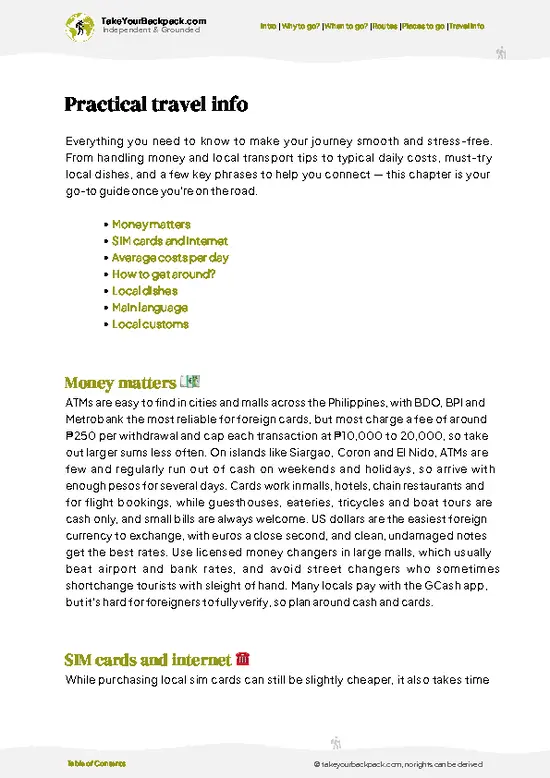
The local currency of Philippines is PHP (₱).

When backpacking in the Philippines, it’s smart to have a mix of cash and cards. ATMs are widely available in urban areas, but they can be scarce in rural spots and small islands. Always carry some cash, especially in pesos, since smaller vendors and transport options often don’t accept cards.

For better exchange rates, bring U.S. dollars rather than euros. Dollars are more commonly accepted for exchange and typically get a better rate. You can exchange money at banks or official currency exchange outlets in cities. Avoid airports if you can, as they usually offer worse rates.

Credit and debit card acceptance is increasing, but don’t count on it in local eateries or shops outside major cities. Always check if there’s an extra charge for card transactions, as some places add a fee. Lastly, let your bank know about your travel plans to prevent any card usage issues while you’re abroad.

Tipping in the Philippines isn’t mandatory but is appreciated, especially in touristy areas. In restaurants, a 10% tip is customary if service charge isn’t included. For taxis and small services, rounding up the fare or leaving small change is common.

🧩 Nearby countriesSimilar backpacking destinations

📸 PhotosA visual impression of the trip

Take your backpack - Philippines - 0
Take your backpack - Philippines - 1
Take your backpack - Philippines - 2
Take your backpack - Philippines - 3
Take your backpack - Philippines - 4
Take your backpack - Philippines - 5
Take your backpack - Philippines - 6
Take your backpack - Philippines - 7
Take your backpack - Philippines - 8
Take your backpack - Philippines - 9
Take your backpack - Philippines - 10
Take your backpack - Philippines - 11
Take your backpack - Philippines - 12
Take your backpack - Philippines - 13
Take your backpack - Philippines - 14
Take your backpack - Philippines - 15
Take your backpack - Philippines - 16
Take your backpack - Philippines - 17
Take your backpack - Philippines - 18
Take your backpack - Philippines - 19
Take your backpack - Philippines - 20
Take your backpack - Philippines - 21
Take your backpack - Philippines - 22
Take your backpack - Philippines - 23
Take your backpack - Philippines - 24
Photographed by: Johan Kruseman

We 💚 feedbackThe bottom line on traveling here

Go for the water: fish‑tank reefs, limestone mazes, and island days that feel earned. The payoff is highest when you trade comfort for time—dawn boats, salt skin, and a dry bag strapped to everything you own. Real drawback: logistics creep. Ferries slip, flights reshuffle, ATMs run dry, and a 30 km hop eats half a day. Solve it with buffers, first departures, and the occasional private bangka or motorbike when the clock matters.

Safety‑wise: on the backpacker circuit (Luzon–Visayas–Palawan), it’s mostly courteous, English‑speaking, and watch‑your‑bag normal. The bigger hazard is weather. Typhoons and squalls aren’t trip‑enders if you season smart and pivot islands; the lee side often serves glassy water while the wind pounds the other.

✈️ When did I visit Philippines?
Philippines being one of my favorites, due to the people and their mentality. I visited it first in 2010 and came back in January 2016 as part of my 1.5 year world trip. Since then, this guide is regularly updated based on feedback from locals and recent backpackers (last update: 31 October 2025)

✍️ Help improve this page!
The information on this page is based on my own backpacking experience in Philippines, supplemented with up-to-date research and feedback from other travelers. Travel details can change, so if you notice anything outdated or incomplete, feel free to let me know.


🙋‍♂️ Give feedback

👋 Meet the founderWho’s Behind Take Your Backpack?

Johan, backpacker and founder of TakeYourBackpackHi, I’m Johan (Netherlands 🇳🇱), the creator of TakeYourBackpack. Over the past decade, I’ve backpacked through 80+ countries across six continents, gaining extensive experience with independent travel, long-term trips, and overland routes.

This site is built on a combination of firsthand travel experience and carefully curated insights from other backpackers. Many guides are based on places I’ve personally visited, while others bring together tips, observations, and practical advice shared by trusted travelers I’ve met along the way.

The goal is to provide realistic, experience-driven guidance — not generic itineraries — so you can explore destinations with better context, clearer expectations, and more confidence.

Get full country guide •
Instant download • 144 highlights • Full Offline guide