Trip Planning
The TakeYourBackpack guidebooks are your all-in-one travel companion, featuring the best cities, national parks, hikes, beaches, and unique sites, along with essential tips on when to go, how to get around, exchanging money, and even local phrases to get you started — everything you need for a smooth, unforgettable backpacking adventure.
Stop researching. Start exploring.Discover all 85 highlights,ranked
and organized into practical routes.
Get instant access
Planning a backpacking route through Belgium can be tricky — you need to balance must-see places, travel times, budget, and how long to stay in each destination. Our free personalized Belgium itinerary planner creates a route based on your travel style, trip duration, and interests, so you can spend less time researching and more time exploring.
Personal tip: I normally search on good rating for atmosphere (for meeting people) and location (for easy exploring). Cleanliness as a bonus.
Travel Essentials
No vaccinations are required to enter Belgium. Make sure your routine vaccinations (measles-mumps-rubella, tetanus-diphtheria, polio and the yearly flu shot) are up to date, and consider hepatitis A and B as general travel protection. If you plan long hikes in the Ardennes forests, use insect repellent and check yourself for ticks, which can carry Lyme disease.
vaccination requirementsWhen I first started traveling, I often spent part of my first day in a new country hunting for a local SIM card. While this can still be slightly cheaper, it also takes time and planning.
These days, it's much simpler to install an eSIM before leaving home. Once you arrive in Belgium, you can activate it immediately and have mobile data from the moment you land — which is especially useful for ordering transport or navigating away from busy airports.
There are many providers nowadays, and price differences are usually small. I personally go with
Holafly, as it offers excellent network coverage throughout the country and strong global coverage, so you can manage multiple countries from a single app.
HolaFly eSimCulture & Customs
Belgians value politeness, punctuality and a certain reserve, so arrive on time, keep your voice down on trains and in restaurants, and wait to be seated in sit-down places. Do respect the country’s language divide: never assume a Fleming speaks French or call Belgians French or Dutch, and avoid joking about regional politics. Do let bartenders serve each beer in its own branded glass, and sip slowly, since many Belgian ales run 8 to 11 percent alcohol. Don’t stroll in marked bike lanes, especially in Flanders, and don’t expect shops in smaller towns to open on Sundays. Splitting the bill is normal among friends. Belgium is socially liberal, and same-sex couples and women traveling alone can generally behave as they would at home in the cities, while smaller rural towns are more conservative but rarely hostile.
Trying traditional food is always a great way to experience the culture. Here are some must-try dishes for Belgium.
- Moules-frites: A steaming pot of mussels cooked with white wine, celery and onions (or in many variations), served with fries on the side. It is the dish most Belgians would name as their national meal, best eaten from roughly September to April when the mussels from Zeeland are in season.
- Frites with sauce: Thick-cut fries double-fried in beef fat or oil, served in a paper cone from a frituur (frietkot) with mayonnaise, andalouse or samurai sauce. Belgians consider fries a national institution, and the local snack stand is a social fixture in every town.
- Carbonade flamande (stoofvlees): Beef slowly stewed in dark Belgian beer with onions, brown sugar and a slice of bread spread with mustard to thicken it. It is the classic Flemish comfort food, almost always served with fries.
- Waterzooi: A creamy stew of chicken or fish with leeks, carrots and potatoes, originally from Ghent. It shows the gentler, broth-based side of Flemish home cooking.
- Chicons au gratin (witloof in de oven): Belgian endives wrapped in ham and baked under a cheese béchamel sauce. Endive was first cultivated around Brussels in the 19th century, which makes this a proudly homegrown dish.
- Stoemp: Mashed potatoes mixed with vegetables such as carrots, leeks or spinach, usually topped with sausage or bacon. It is a cheap, hearty staple of Brussels bistros.
- Liège waffle: A dense, chewy waffle made from brioche-like dough studded with pearl sugar that caramelizes on the iron. Eaten plain and warm from street stands, it is the waffle locals actually snack on.
Tap water in Belgium is safe to drink and strictly regulated, and it is fine for travelers to refill a bottle from the tap. Many locals still buy bottled mineral water out of habit or taste preference, since the water can be quite hard in some regions. Restaurants usually charge for bottled water and are not obliged to serve tap water for free, so carry your own refillable bottle.
Belgium has 3 official languages: Dutch, French and German.
English is widely spoken in Belgium, especially in Brussels, Antwerp, Ghent and Bruges, where most hotel, restaurant and museum staff switch to it easily. Younger Belgians and hostel staff across the country usually speak it very well, partly because films and TV are shown in original version with subtitles. In rural Wallonia and smaller towns in the south, English becomes patchier, and French is the language that helps most there (Dutch speakers in Flanders are generally comfortable in English anyway). Learn a few polite basics such as bonjour, merci and dank u, and keep an offline translation app downloaded for menus in the Ardennes.
Money & Payments
The local currency of Belgium is EUR (€).
Belgium uses the euro, and ATMs (often marked Bancontact) are easy to find in cities, train stations and most towns, though bank mergers have reduced their number in some villages. Bank ATMs usually charge no local fee, but your home bank may add its own foreign transaction cost, and private Euronet machines in tourist areas charge high fees and push poor dynamic conversion rates, so always choose to be charged in euros. Cards and contactless payments are accepted almost everywhere, including supermarkets, museums, trains and most restaurants, and businesses are legally required to offer an electronic payment option. Some small frietkots, market stalls and old-school cafés still prefer cash or only take the local Bancontact card, so keep €20 to 30 on you. There is no need to bring US dollars; withdraw euros on arrival or bring a few from home, and if you must exchange cash, use a bank rather than airport or Grand-Place exchange booths.
Tipping in Belgium is appreciated but not expected, because service charges and VAT are already included in restaurant and bar prices. Locals usually round up the bill or leave 5 to 10 percent for very good table service, and simply round up taxi fares. In cafés and bars, leaving small change is plenty.
v2.webp)
 Best Backpacking
.jpg) Over the years, I've learned the importance of packing minimally. It's so much easier to jump on the back of a truck or squeeze yourself into the last spot of a minibus without that supersized backpack. If you're headed to a warm destination, leave your winter jacket at home; for colder regions, opt for thin thermal underlayers. Instead of packing your entire wardrobe, bring just three sets of clothes, as laundry facilities are available everywhere.
Over the years, I've learned the importance of packing minimally. It's so much easier to jump on the back of a truck or squeeze yourself into the last spot of a minibus without that supersized backpack. If you're headed to a warm destination, leave your winter jacket at home; for colder regions, opt for thin thermal underlayers. Instead of packing your entire wardrobe, bring just three sets of clothes, as laundry facilities are available everywhere.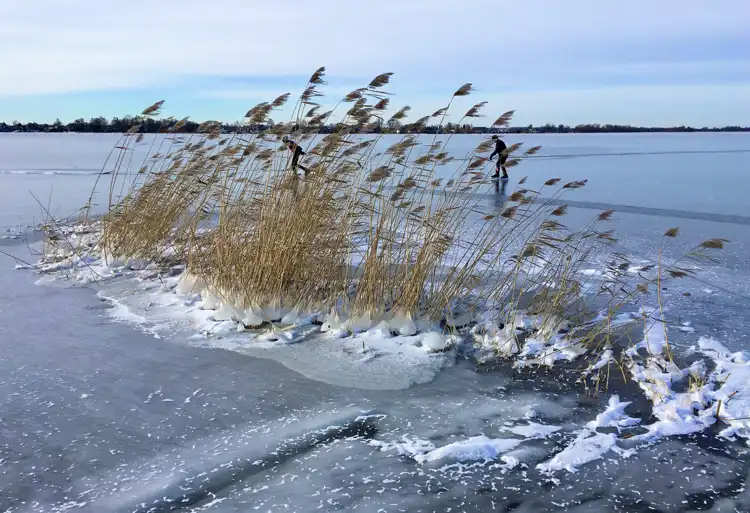





.jpg) Hi, I’m Johan (Netherlands 🇳🇱), the creator of TakeYourBackpack. Over the past 3 decades, I’ve backpacked through 90+ countries across six continents, gaining extensive experience with independent travel, long-term trips, and overland routes.
Hi, I’m Johan (Netherlands 🇳🇱), the creator of TakeYourBackpack. Over the past 3 decades, I’ve backpacked through 90+ countries across six continents, gaining extensive experience with independent travel, long-term trips, and overland routes.