×
Norway 🇳🇴

backpacking Europe Norway 🇳🇴
Ride ferries through dramatic fjords and islands.

Explore North MacedoniaExplore Poland

Backpacking Norway in 2026

A complete guide including when and where to go, costs, transport, itineraries, and practical travel advice.
A first look at the country

Backpacking Norway
By Johan Kruseman 🇳🇱 | last update: 14 May, 2026

Norway forces an early choice: pay more to stitch vast distances quickly, or spend time to ride the long road and keep costs down. The good stuff sits far apart along a torn coastline and high plateaus. Ferries set the tempo, weather edits your plan, and that friction is the country’s truth.

You come for fjords that feel like rock cathedrals, midnight sun that keeps you outside past hunger, and ridgelines in Jotunheimen that scrape your breath clean; for Sámi reindeer on pale tundra, the tar-and-salt smell of Lofoten fish racks, and the low thrum of waterfalls in your bones. The Hurtigruten coasts by red boathouses like a moving postcard, stave churches hold their shadowed carvings, and a quiet sauna raft on the Oslofjord steams in drizzle. Prices will bite, rain will pin you, and “short” drives can take six hours with two ferries. But when cloud splits and a fjord flashes silver, when a hut hands you soup and brown cheese after a wet pass, the effort deepens the joy—I once burned a day in a ferry queue and still count it as gold for the porpoises and hot coffee in cold air.

Sweden brings easier miles and forest-lake calm; Denmark is compact and cozy with bikes and bakeries; Finland hums with sauna smoke and Lapland sky. Norway is for travelers who’ll trade nightlife for long light, and who measure value in salt spray, switchbacks, wildlife, and sore calves—first-timers with patience and veterans chasing edge-of-map days.

👉 Get the 📖 Travel Guide of Norway

Oslo & the Oslofjord

If you want a soft landing with real Norway under your feet by lunch, start here. Trains from the airport are painless, ferries hop to the green islands on a single transit card, and harbor saunas steam in the cold air while the city hums with students and office workers. It rewards travelers who value time over spectacle: hit a lakeside forest trail by tram, then picnic from Rema 1000 instead of paying restaurant prices. Evenings are for quay beers and street-level galleries, not checkpoints. Minimal transit fatigue, maximal context.

Bergen with the Sognefjord spine (Bergen Line–Flåm–fjord boat–bus)

This is the efficient fjord sampler if you work the timetable. The Bergen Line climbs to Myrdal, the Flåm railway drops you into a gorge that smells of wet rock and wood sap, and boats slide the Sognefjord while bus links close the loop via Voss. Comfort is good, crowds are real, and costs spike on packaged tickets—book legs separately if you can handle logistics. Early departures mean calmer decks and more wildlife. Best for first-timers who want high yield without renting a car.

Stavanger & Ryfylke (Preikestolen/Kjerag)

Here you trade calories and knees for granite drama. Shuttles run to Preikestolen; it’s a short, stepped grind with slick rock after rain. Kjerag is longer, steeper, and wind can shove you sideways; seasonal buses are limited, so a car buys freedom and warm seats. Start at dawn to beat tour groups and afternoon gusts. Shoulder season hurts less on the wallet and the nerves. For hikers comfortable with exposure and variable weather.

Lofoten & Vesterålen (E10 road spine)

Remote, salty, and slow by design. You reach it by a late ferry from Bodø or a hop to Leknes/Svolvær, then crawl the two-lane E10 past cod racks that smell like the harbor itself. A car is almost mandatory; buses exist but kill daylight. Rorbuer cabins are pricey; camping and grocery dinners keep you solvent. Photographers and climbers thrive on long golden hours and quick squalls. Expect time sink, wind-chapped cheeks, and small-village quiet.

Tromsø & the Lyngen Alps

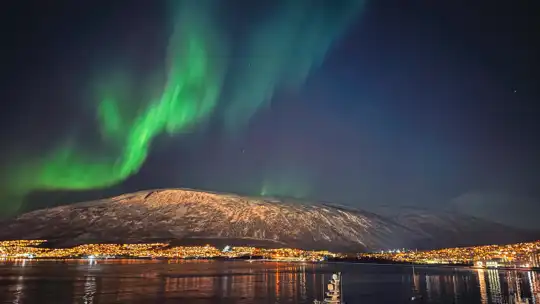
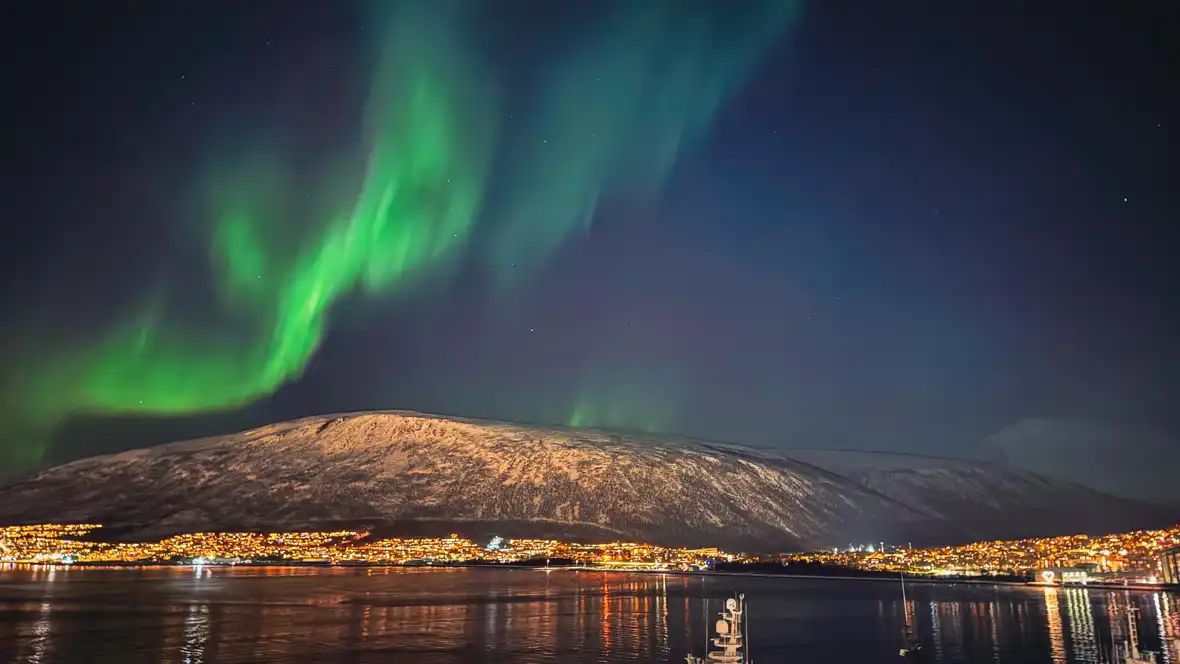
Winter here rewards patience and layers. Short days, long nights, and aurora that shows only after you’ve left town lights and stood in the cold with a thermos. Tours cost more but cut uncertainty; DIY needs a car with studs and a map of cloud breaks. Buses and a ferry knit Tromsø to Lyngen, where ski tourers climb straight from sea to snow in spring. Student bars keep spirits up; the real payoff is sky and silence.
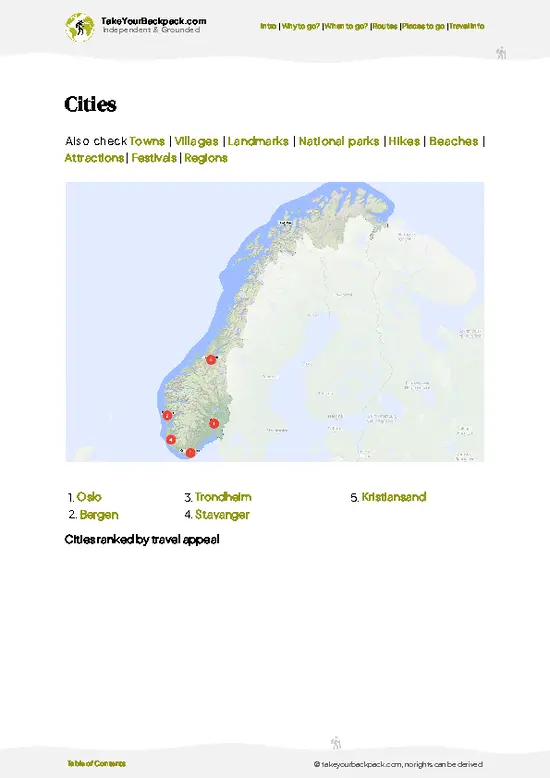
Seeing the layout at a glance
Loading the map 🌍
CLICK TO FILTER
city
town
village
unique site
national park
hike
beach
attraction
festival
region
SHOW COUNTRY‘S BESTSHOW ALL
film
0
0
0a
Nidaros Cathedral
film
1
1
1a
Vigeland Sculpture Park
film
2
2
2a
Arctic Cathedral
film
3
3
3a
Oslo Opera House
Pixabay
film
4
4
4a
Norwegian Museum of Cultural History
film
5
5
5a
Bergenhus Fortress
film
6
6
6a
Lofotr Viking Museum
film
7
7
7a
Haukland Beach
Karin Thaler
film
8
8
8a
Uttakleiv
film
9
9
9a
Kvalvika Beach
Vladimír Černý
film
10
10
10a
Ramberg Beach
G. R.
film
11
11
11a
Jæren
film
12
12
12a
Sola Beach
Lukasz Rosinski
film
13
13
13a
Paradisbukta
film
14
14
14a
Oslo
Unsplash
film
15
15
15a
Bergen
Muhammad Shakil
film
16
16
16a
Kristiansand
film
17
17
17a
Trolltunga
Unsplash
film
18
18
18a
Preikestolen
Oleksandr Bashyn
film
19
19
19a
Besseggen
Deniss R
film
20
20
20a
Romsdalseggen Ridge
film
21
21
21a
Kjeragbolten
Marina R
film
22
22
22a
Dronningruta
film
23
23
23a
Molden Mountain
film
24
24
24a
Skjomen
film
25
25
25a
Jotunheimen
Nataliia Nikolaieva
film
26
26
26a
Lofotodden
film
27
27
27a
Jostedalsbreen
Sandra Smolná
film
28
28
28a
Hardangervidda
Irene Vik
film
29
29
29a
Dovrefjell-Sunndalsfjella
film
30
30
30a
Folgefonna
film
31
31
31a
Breheimen
film
32
32
32a
Saltfjellet-Svartisen
film
33
33
33a
Børgefjell
film
34
34
34a
Femundsmarka
film
35
35
35a
Blåfjella-Skjækerfjella
film
36
36
36a
Sognefjord
Pixabay
film
37
37
37a
Sognefjellet
Ulrike Holtzsch
film
38
38
38a
Fjord Norway
Fjord Norway
film
39
39
39a
Lofoten Islands
Hans Jürgen Becker
film
40
40
40a
Vesterålen
film
41
41
41a
Senja
Brynjar Larssen
film
42
42
42a
Tromsø
film
43
43
43a
Alesund
Vladimir Sarac
film
44
44
44a
Røros
film
45
45
45a
Alta
film
46
46
46a
Fredrikstad
film
47
47
47a
Rjukan
film
48
48
48a
Harstad
film
49
49
49a
Geirangerfjord
Evo
film
50
50
50a
Nærøyfjord
Simone Wunderlich
film
51
51
51a
Lysefjord
Tzwen
film
52
52
52a
Galdhøpiggen
film
53
53
53a
Vøringsfossen
Žvejybinis Almanachas
film
54
54
54a
Henningsvær
Julio Fernandez Casanova
film
55
55
55a
Balestrand
Håvar Mæland

Why go?What draws travelers here

Scenery

Norway pays you in light and scale. Fjords shear up like wet slate, glaciers glow milk-blue, pine and seaweed mix in the air. You earn it: 80 km/h roads … read more 👉
Norway pays you in light and scale. Fjords shear up like wet slate, glaciers glow milk-blue, pine and seaweed mix in the air. You earn it: 80 km/h roads that turn 200 km into half a day, ferries that eat both time and kroner, weather that soaks your socks twice. But when cloud breaks, the whole valley exhales.

Pro-tip: start big hikes late in summer—9 pm on Preikestolen gave me warm rock, silence, and a pink fjord. If money’s tight, skip hotels and use DNT huts; woodsmoke, bunkrooms, and trails at the door beat polished lobbies.

Mountains

Norway pays you in granite ridgelines, glacier-polished slabs, and cold blue lakes. In June the light hangs near midnight; you can climb after dinner … read more 👉
Norway pays you in granite ridgelines, glacier-polished slabs, and cold blue lakes. In June the light hangs near midnight; you can climb after dinner while gulls wheel below and sheep bells carry. The price is real: long approaches, weather that turns fast, and a place where one burger can equal two bus fares. Trade Time for empty trails and long golden hours; spend Money on ferries and a DNT key; surrender Comfort to rain, bog, and scree. Pro tip: carry light spikes in early summer. Best payoff: Romsdalseggen at 6 a.m., cloud sea tearing open by nine.

Wildlife

Norway rewards patience with real animal encounters. In Dovrefjell, musk ox loom out of wind and heather; keep 200 meters and a telephoto, or you’ll test … read more 👉
Norway rewards patience with real animal encounters. In Dovrefjell, musk ox loom out of wind and heather; keep 200 meters and a telephoto, or you’ll test a medevac. Lofoten and Vesterålen deliver sea eagles and sperm whales; I shivered in a RIB off Andenes, diesel and salt in the air, and the flukes were worth the numb hands. Svalbard is the headline—polar bears, walrus—but it burns time and money; mainland gives plenty. Puffins crowd Runde in June; go at dusk, soft light and fewer boats. Pro tip: pick guides who cancel for weather, not ones who push—you’re paying for judgment.
Want the complete picture of Norway?
The offline Travel Guide brings everything together — routes, highlights & planning.

See what's included in the guide 👉

Get the Travel Guide -

⭐ HighlightsWhat not to miss along the way

  • Trolltunga, Hardanger: The rock shelf floats above blue Ringedalsvatnet like a dare; granite dust grits your palms when you crawl to the edge and the wind licks sweat salt from your lip. You pay with an 8-12 hour hike and a knee-rattling descent. Parking and shuttle buses add up. Start before dawn to dodge the midday photo queue and the afternoon weather swerve.
  • Lofoten Islands, Reine-Kvalvika loop: Midnight sun turns the sea copper, cod racks breathe a clean, oily tang, and gulls heckle from the harbor. The price is time and logistics: a long reach by plane-ferry-bus or car, and accommodation that runs higher than the mainland. Comfort dips with narrow roads and sudden squalls, but a hot shower in a rorbu and a quiet beach at 11 p.m. repay the effort.
  • Geirangerfjord & Skageflå Farm: Ferry wake slaps black rock while the Seven Sisters throw mist that tastes faintly of minerals; the abandoned farm perches impossibly above the fall-line. Expect a full day: ferry in, steep switchbacks up, ferry
  • read more 👉
  • Trolltunga, Hardanger: The rock shelf floats above blue Ringedalsvatnet like a dare; granite dust grits your palms when you crawl to the edge and the wind licks sweat salt from your lip. You pay with an 8-12 hour hike and a knee-rattling descent. Parking and shuttle buses add up. Start before dawn to dodge the midday photo queue and the afternoon weather swerve.
  • Lofoten Islands, Reine-Kvalvika loop: Midnight sun turns the sea copper, cod racks breathe a clean, oily tang, and gulls heckle from the harbor. The price is time and logistics: a long reach by plane-ferry-bus or car, and accommodation that runs higher than the mainland. Comfort dips with narrow roads and sudden squalls, but a hot shower in a rorbu and a quiet beach at 11 p.m. repay the effort.
  • Geirangerfjord & Skageflå Farm: Ferry wake slaps black rock while the Seven Sisters throw mist that tastes faintly of minerals; the abandoned farm perches impossibly above the fall-line. Expect a full day: ferry in, steep switchbacks up, ferry or trail out. Tickets aren’t cheap, and the path turns slick after rain. Bring poles and a shell—spray and diesel fug follow you lower in the gorge.
  • Tromsø Northern Lights chase: Snow squeaks like dry cork under your boots; frost furs your lashes as green bands start to move behind a dark ridge. The trade is patience and cold: several late nights to stack the odds, standing still at -10°C while your guide reads clouds. Tours, thermal suits, and fuel cost money. Reward peaks when silence deepens and your breath shows in the camera beam.
  • Besseggen Ridge, Jotunheimen: On the arête, slate clinks underfoot and wind knives in from Bessvatnet while Gjende glows glacier-turquoise below—two lakes, two moods. Time cost: ferry to Memurubu plus 6-8 hours back. Money: ferry and hut meals aren’t budget. Comfort: airy exposure and a short scramble that needs hands. For off-the-map grit: Senja’s Segla at dawn, the old road to Lysebotn’s hairpins, Finnmarksvidda’s big-sky tundra; personal favorite—Romsdalseggen in crisp September light.
Spotted a mistake or missing a highlight? Contact us.

But Norway offers more...

Discover and compare all of its highlights per category

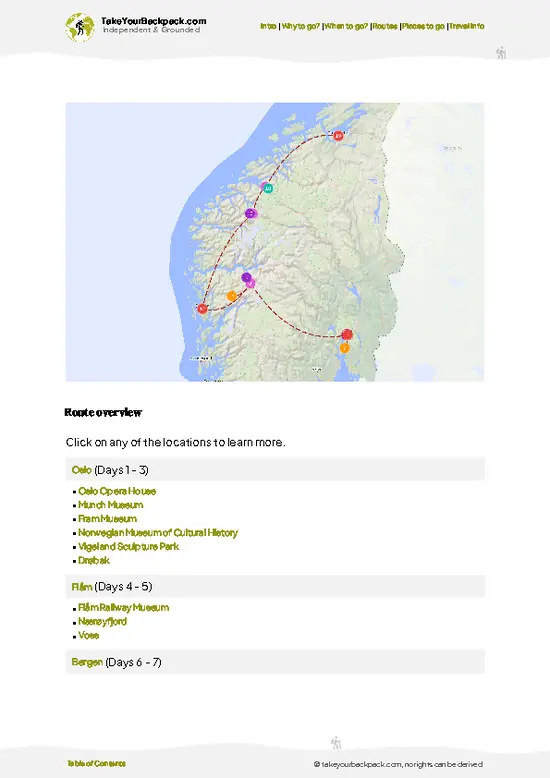
🧭 RouteHow to structure a trip

Days 1–2: Oslo

Begin in Oslo, where you can dig deep into Norway’s culture—museums, parks, and a waterfront that’s made for lingering. The city’s green spaces and modern design make it a soft landing.

Days 3–4: Lillehammer & Gudbrandsdalen

Take the train north to Lillehammer, famous for the Winter Olympics but even better for its open-air folk museum and lakeside walks. Gudbrandsdalen valley is classic Norwegian countryside—think stave churches and rolling farmland.

Days 5–6: Ålesund & Geirangerfjord

Travel northwest to Ålesund, then out to Geirangerfjord. The ferry ride here is pure theater: waterfalls, eagles, and cliffs that look like they were carved for a fantasy novel. Hike to Skageflå farm or just let the landscape do the talking.

Days 7–8: Trollstigen & Åndalsnes

Drive or bus the hair-raising Trollstigen road to Åndalsnes, a mecca for hikers. The Romsdalseggen ridge hike is a rite of passage—panoramas that make you feel like you’ve earned every view.

Days 9–10: Bergen & Fjord Country

Head … read more 👉

Days 1–2: Oslo

Begin in Oslo, where you can dig deep into Norway’s culture—museums, parks, and a waterfront that’s made for lingering. The city’s green spaces and modern design make it a soft landing.

Days 3–4: Lillehammer & Gudbrandsdalen

Take the train north to Lillehammer, famous for the Winter Olympics but even better for its open-air folk museum and lakeside walks. Gudbrandsdalen valley is classic Norwegian countryside—think stave churches and rolling farmland.

Days 5–6: Ålesund & Geirangerfjord

Travel northwest to Ålesund, then out to Geirangerfjord. The ferry ride here is pure theater: waterfalls, eagles, and cliffs that look like they were carved for a fantasy novel. Hike to Skageflå farm or just let the landscape do the talking.

Days 7–8: Trollstigen & Åndalsnes

Drive or bus the hair-raising Trollstigen road to Åndalsnes, a mecca for hikers. The Romsdalseggen ridge hike is a rite of passage—panoramas that make you feel like you’ve earned every view.

Days 9–10: Bergen & Fjord Country

Head south to Bergen, Norway’s most atmospheric city. Use it as a launchpad for a deep dive into Sognefjord or Hardangerfjord—kayak, hike, or just eat your way through the city’s bakeries.

Days 11–12: Flåm & Aurlandsfjord

Take the Flåmsbana railway to Flåm, then slow down. Bike the Rallarvegen, kayak the glassy fjord, or just watch the clouds roll over the mountains.

Days 13–14: Lofoten Islands

Fly north to the Lofoten Islands, where fishing villages cling to jagged peaks and the light feels otherworldly. Hike to Kvalvika Beach, eat stockfish, and watch the midnight sun (or northern lights, depending on the season).

Day 15: Senja (Lesser Known Highlight)

Finish on Senja, an island that feels like Lofoten’s wild cousin—fewer crowds, just as much drama. The drive along the National Tourist Route is a highlight in itself, with cliffs plunging into turquoise water and tiny villages that feel lost in time. If you do one thing on this trip, make it the Romsdalseggen hike near Åndalsnes—there’s nothing like standing on that ridge with the whole of western Norway at your feet.
Planning a different trip length?
This page features the 15-day route. The complete Travel Guide includes flexible 5, 10 & 15-day itineraries to help you shape your own ideal journey, along with cost breakdowns and accommodation tips.

See all available routes 👉

Get the Travel Guide -

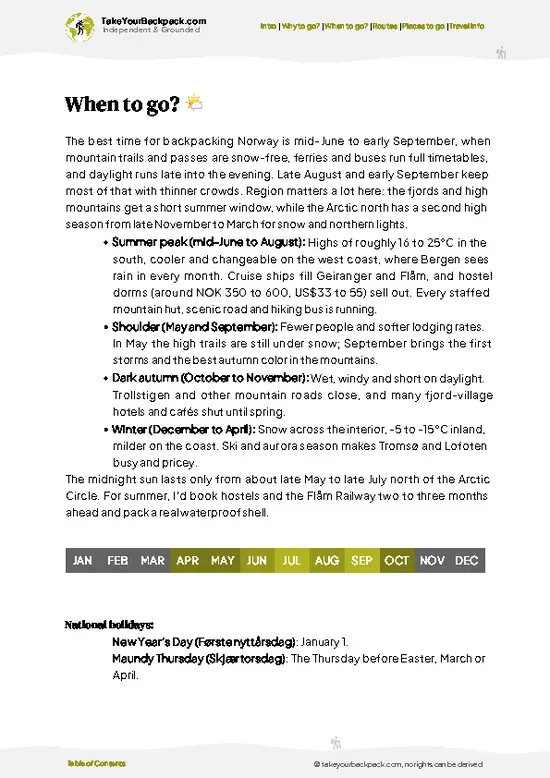
🌤️ When to go?Best time to visit Norway

Late August to mid-September is the sweet spot. Days are still long enough for a full ridge, but July’s fever has broken. The snowpack has pulled back; trails firm, bogs dry out. Ferries keep summer hours; huts are staffed. Cool nights hush the mosquitoes. Prices ease, and you can finally hear the river. The coast smells of kelp and diesel; birch leaves begin to bronze. You earn the light, and at sunset the fjords go copper.
  • High Summer Peak (July-early Aug): The country runs loud. Queues for ferries, full bunks, prices at their sharpest. But climb at 11 p.m. above the Arctic Circle and walk in amber daylight that won’t quit; that glow wipes out the grind.
  • Autumn Shoulder (late Aug-Sept): Crowds thin, buses breathe, costs soften. Huts still ladle stew; boats still churn wakes. Birch turns honey, weather shifts but rarely bites. Move far, then sit with warm bread and quiet. This is the safe unguided window for Trolltunga.
  • Winter/Off-Peak (Nov-Mar): Deep blue noon, snow hiss, towns wrapped in woodsmoke. You own the trail and the silence. Survival hack: carry microspikes; Norwegian ice turns sidewalks and trailheads into traps. Aurora and stormlight repay the effort.

I book the Oslo-Bergen train and my first DNT hut about a month ahead for late August, and let the forecast dictate everything else.

source: climatestotravel.comJANJanuary: fair for travelingFEBFebruary: fair for travelingMARMarch: fair for travelingAPRApril: good for travelingMAYMay: good for travelingJUNJune: highly recommended for travelingJULJuly: excellent for travelingAUGAugust: highly recommended for travelingSEPSeptember: excellent for travelingOCTOctober: good for travelingNOVNovember: fair for travelingDECDecember: fair for traveling
Traveling in a specific month?
This page covers the best seasons to visit. For a complete month-by-month breakdown — including weather, crowds, costs, national holidays, and festivals — download the full Travel Guide.

Get the Travel Guide -
Norway 2026-01-14 at 17.25.48

💰 Costs (as of 2026)How expensive it really is

Plan on 900-1,200 NOK per day if you sleep in dorms, self-cater, and travel slow.
  • dorm accommodation: 350-700 NOK/night in cities (Oslo, Bergen), 300-500 in smaller towns, and 500-800 in fjord hotspots in summer. Beds are clean, kitchens matter, and sleeping bags are often not allowed. System tip: bring a fitted sheet and pillowcase to dodge 70-120 NOK linen fees, and target weeknights; Friday-Saturday spikes are real. If you’re two or more, check basic campground cabins (hytter) — 800-1,200 NOK total with a hotplate; split, that beats many dorms.
  • meals: Supermarket Survival: Rema 1000/Kiwi store brands make a day’s food 120-200 NOK — oats and berries for breakfast, matpakke sandwiches for the bus, pasta or fishcakes at night. Street food reality: kebab or burger 120-200 NOK, bakery pastry 35-60, a sit-down main 220-350, draft beer 90-120 (30-40 in a shop). Water is excellent from the tap; skip bottles. Relative value: pricier than Sweden by ~20-30%, slightly above Denmark; similar to Iceland for eating out but groceries here can be kinder. I carried a plastic tub of sardines and flatbread and ate on a pier while gulls argued over a trawler’s leftovers — cheap, salty, perfect.
  • local transport:
  • read more 👉
Plan on 900-1,200 NOK per day if you sleep in dorms, self-cater, and travel slow.
  • dorm accommodation: 350-700 NOK/night in cities (Oslo, Bergen), 300-500 in smaller towns, and 500-800 in fjord hotspots in summer. Beds are clean, kitchens matter, and sleeping bags are often not allowed. System tip: bring a fitted sheet and pillowcase to dodge 70-120 NOK linen fees, and target weeknights; Friday-Saturday spikes are real. If you’re two or more, check basic campground cabins (hytter) — 800-1,200 NOK total with a hotplate; split, that beats many dorms.
  • meals: Supermarket Survival: Rema 1000/Kiwi store brands make a day’s food 120-200 NOK — oats and berries for breakfast, matpakke sandwiches for the bus, pasta or fishcakes at night. Street food reality: kebab or burger 120-200 NOK, bakery pastry 35-60, a sit-down main 220-350, draft beer 90-120 (30-40 in a shop). Water is excellent from the tap; skip bottles. Relative value: pricier than Sweden by ~20-30%, slightly above Denmark; similar to Iceland for eating out but groceries here can be kinder. I carried a plastic tub of sardines and flatbread and ate on a pier while gulls argued over a trawler’s leftovers — cheap, salty, perfect.
  • local transport: Cheapest nationwide unlock: early-bird long-distance buses and Vy “Minipris” trains (common 249-399 NOK if booked ahead). Night trains with a seat save a hostel night and deliver you to cold dawn light and pine pitch at the platform. City passes (e.g., Oslo 24h) beat singles if you ride 3+ times. Ferries are affordable on foot but punish cars. Hitchhiking works outside cities if you can trade time for kroner. Car rental only pays with 3-4 people to split tolls, fuel, and ferries; otherwise it drains you.
  • activities: Cost drivers: fjord cruises 400-800 NOK, Flåm Railway ~600-700, glacier walks 900-1,500, cable cars 400-600, museums 120-180, saunas 150-250, kayak rentals 350-600. Relative value: national parks and trail access are free and world-class; pay for one “big swing” you really want and earn the rest on your boots. Skip packaged “Norway in a Nutshell” and DIY the same routes by regular train, bus, and ferry.
  • miscellaneous: Budget leaks: linen rental, coin laundry (40-60 per wash), station lockers (80-120), Sunday grocery closures pushing you into pricey kiosks, and bar alcohol. SIM/eSIM data beats roaming. Some camp showers need 10-20 NOK coins. I buy a gas-station refill mug early in the trip; hot coffee in cold drizzle turns a wait at a windswept ferry quay from misery into a view.
⚠️ Prices can change and everyone travels differently, so take this as a rough guide. Hope it helps you plan your adventure!

✈️ The ultimate backpacker shortcutNorway Travel Guide

Skip weeks of stressful planning and hit the road with confidence. Our backpacking travel guides are designed specifically for independent travelers who want practical information, realistic itineraries, and honest advice they can actually use on the ground.
example page 0 from our offline Travel Guide for Norwayexample page 1 from our offline Travel Guide for Norwayexample page 2 from our offline Travel Guide for Norwayexample page 3 from our offline Travel Guide for Norwayexample page 4 from our offline Travel Guide for Norway
The guide (267 pages) contains:
5, 10 & 15-day routes paced for real travel
103 ranked highlights with honest advice
Logistics solved: Best areas to stay & transport
Safety: Common local scams to avoid
No Wi-Fi? No problem: Phone-optimized offline PDF
👉 See all 30+ guide features

📅 Plan smarter in minutes, not weeks
Realistic travel times & pacing
Best months per region
Festivals & national holidays
Budget expectations

🗺️ Go to the right places, skip the overrated ones
103 ranked highlights across the country
Hidden gems beyond the tourist trail
Honest pros & cons of destinations
Top hikes, parks & viewpoints
Lesser-known places most travelers miss
Clear “worth it vs skip it” guidance

🛏️ Travel smoothly without rookie mistakes
Best areas to stay
Transport systems explained simply
Local transport tradeoffs
Common scams & safety advice
SIM cards, money & practical tips
What to expect before arrival

🌍 Understand the country, not just visit it
Culture & traditions
52 Essential phrases & customs
Festivals worth planning around
Traveler-friendly historical context
Insights that make places more meaningful

📱 Built for real travel conditions
Fully downloadable PDF
Works completely offline
Optimized for phone use
Useful in remote areas & buses
Everything in one place
Save weeks of stressful planning
Get instant access to the full guide directly. 30-day money-back guarantee.


Sent to your inbox immediately after payment • 100% Secure Checkout
Best Backpacking Travel Advisor 2025 tourism awardBest Backpacking
Travel Advisor
2025
What others say about Take Your Backpack Guides:
⭐⭐⭐⭐⭐
Fantastic, amazing amount of information!
⭐⭐⭐⭐⭐
My goodness this is amazing, it's what I've been looking for hats off too you!
⭐⭐⭐⭐⭐
I think this is absolutely BRILLIANT
⭐⭐⭐⭐
Very complete and informative. It's still missing places, but I gotta to commend you
⭐⭐⭐⭐⭐
This is truly amazing, thank you, can't wait to explore it with my kids!
⭐⭐⭐⭐⭐
Awesome resource, thank you!
⭐⭐⭐⭐⭐
This is amazing! Can't wait to explore the ones I haven't seen
⭐⭐⭐⭐
I love this! Well done, great idea.
⭐⭐⭐⭐⭐
Thanks for taking the time to make this gem!
⭐⭐⭐⭐⭐
This might be the best website I've ever seen.
⭐⭐⭐⭐⭐
Congratulations, and thank you so much for your work; it's incredibly valuable.
⭐⭐⭐⭐
In all seriousness I think you did a great job pointing out the important spots
⭐⭐⭐⭐⭐
10/10 very good
⭐⭐⭐⭐⭐
As someone who's only just starting to visit regularly this is awesome, thank you.
⭐⭐⭐⭐
Thank you very much! I'm going to visit my dad, it's going to be very useful!
⭐⭐⭐⭐⭐
This is really cool! We'll be travelling for the first time and this definitely come in handy.
⭐⭐⭐⭐⭐
You are now our minister of culture, congratulations 👨‍💼
⭐⭐⭐⭐⭐
Just wanted to tell you that this is a pearl! Going to follow your recommendations.
⭐⭐⭐⭐⭐
This is so cool. I'll definitely be using the resource for my travels soon.
⭐⭐⭐⭐⭐
This is very impressive! Good work.
⭐⭐⭐⭐⭐
This is an amazing and informative site. Very well done!

🛏️ Where to stay?Accommodation types and options

Yes. Hostels and other budget accommodation are available across Norway, but expect higher nightly rates than in many parts of Europe and limited availability during peak summer and Northern Lights season, so book early and factor transport costs into your budget.
In major cities most options cluster in central neighborhoods: Oslo — Sentrum for transport and sights (convenient but pricier and busy), Grünerløkka for nightlife and cafés (youthful and lively, a bit farther from some tourist routes), Majorstuen for cheaper metro links to trails and museums (quiet but more residential).
Bergen’s … read more 👉
Yes. Hostels and other budget accommodation are available across Norway, but expect higher nightly rates than in many parts of Europe and limited availability during peak summer and Northern Lights season, so book early and factor transport costs into your budget.
In major cities most options cluster in central neighborhoods: Oslo — Sentrum for transport and sights (convenient but pricier and busy), Grünerløkka for nightlife and cafés (youthful and lively, a bit farther from some tourist routes), Majorstuen for cheaper metro links to trails and museums (quiet but more residential).
Bergen’s city centre gives immediate access to sights and ferries (tourist-crowded and more expensive), Tromsø’s city centre is best for aurora tours and walking (compact but can be noisy in high season), Trondheim’s Midtbyen is compact and safe with limited late-night options, Stavanger’s city centre/old town offers ferry and hiking access yet fills fast in summer, and Lofoten hubs like Svolvær or Leknes are scenic with very limited budget beds — reserve well ahead.

If you enjoy meeting fellow travelers, consider choosing hostels with high ratings for atmosphere. On the other hand, if you prefer having your own space, a hotel might be a better option.

🚌 Getting aroundHow to travel within the country

Norway moves in disciplined pulses. LED boards glow in the blue morning, air smelling of de-icer and wet wool, drivers giving a two-finger wave, doors sighing shut at the minute. Then the land steps in. A crosswind slaps the fjord, snow drifts on a pass, and the clock bends. The flow is engineered order braided around weather and rock: make your plan tight, but keep a pocket of slack. When it works, it hums. When it doesn’t, you wait with coffee steam in your face and a clean conscience because … read more 👉
Norway moves in disciplined pulses. LED boards glow in the blue morning, air smelling of de-icer and wet wool, drivers giving a two-finger wave, doors sighing shut at the minute. Then the land steps in. A crosswind slaps the fjord, snow drifts on a pass, and the clock bends. The flow is engineered order braided around weather and rock: make your plan tight, but keep a pocket of slack. When it works, it hums. When it doesn’t, you wait with coffee steam in your face and a clean conscience because this country treats safety like a religion.
  • Trains (Vy + regional) The speed-to-cost trade-off is naked here. Oslo-Bergen runs in about seven hours with big-window payoff, yet last-minute fares can bite harder than buses; buy early “mini” fares and it becomes the smartest line through the mountains. Night sleepers prune a hostel night and land you downtown at dawn. Winter can stall the high plateau, so build a buffer if a flight sits at the other end. Bring snacks; the café car is warm but pricey. Seats are assigned only when you pay for it, power outlets are common, and the silence cars mean silence.
  • Local buses and trams This is the social fabric: quiet, efficient, polite. People queue in straight, invisible lines, step back for strollers, and never put boots on seats. Tap in with the app or contactless; cash is a relic. Speak softly, headphones on, backpack low. At stops the air smells like snow and diesel; drivers will hold a beat if a connecting tram is rolling up, but not for your sprint from two blocks away. Night buses are calmer than most cities, but rowdy voices draw the whole carriage’s eyes.
  • Ferries and express boats (hurtigbåt) Water unlocks geometry roads can’t touch. Fjord villages, island chains, peninsulas that would take half a day by switchbacks—fifteen minutes of salt spray and you’re there. Foot passengers board like a bus; tickets often integrate with county transport, but wind can cancel with a flat, non-negotiable no. Waiting rooms smell of coffee and wet rope; decks are icy, views are the point. Layer up, hold the rail, and expect timetables that pulse rather than flow.
  • Long-distance buses (NOR-WAY, Vy express, Lavprisekspressen) The budget disruptor. Slower than trains by a notch, but early-book fares undercut them, and overnight runs fold lodging into transport. They dive into towns the rails skip, pull into petrol stations for rest breaks, and wobble on hairpins the way only a seasoned driver can. Wi-Fi and sockets exist but fade in valleys; luggage rules are generous with the usual two-bag norm. Snow means cautious delays, never bravado.

My master move: chain a night bus or sleeper train with a midday ferry, buying both early, and leave your daylight for the one jaw-drop segment you’ll remember; you cross the country in two purposeful strokes with your budget and energy intact.
Oslo Airport (OSL, Gardermoen) sits about 47 km (29 miles) north of Oslo Central Station (Oslo S). Here are the simplest ways into the city:
  • Flytoget (Airport Express Train) — Fastest

    Time: 19-22 minutes to Oslo S, departures every 10 minutes most of the day.

    Cost: typically about 240-270 NOK one way (adult).

    Notes: Gates are right after arrivals; tap a bank card/phone at the barrier or buy at the orange machines. Look for trains marked “Flytoget/Oslo S.”
  • Vy regional/commuter trains — Cheaper

    Time: 23-30 minutes to Oslo S, usually every 10-30 minutes.

    Cost: typically about 120-140 NOK one way (adult).

    Notes: Same station area under the terminal, different branding (green “Vy”). Buy in the Vy or Entur app, or at the green machines. No gates; tickets are checked onboard.
  • Airport bus (Flybussen) — Useful if your hotel isn’t by a train stop

    Time: 45-70 minutes depending on traffic and route.

    Cost: roughly 220-300 NOK one way (adult), online prebuy is often cheaper.

    Notes: Runs to several Oslo neighborhoods (not just the central station). Check routes and stops on Flybussen’s site before you choose this.

Taxi/e-hailing

Time: 40-60+ minutes, traffic dependent.

Cost: usually 800-1,200 NOK to central Oslo. Most companies offer fixed airport rates (ask at the taxi desks in arrivals) and accept cards. Uber/Bolt also operate with licensed taxis; prices are similar.

Tips:

• Both train options go straight to Oslo S in the center. Flytoget is faster; Vy is the budget pick.

• Contactless cards and phones work almost everywhere. Kids, students, and seniors often get discounts (check operator websites for current rules).

• Late at night and early morning, frequencies drop but there’s still train service most hours; always check the day’s timetable before you fly.
⚠️ Prices and routes can change, so take this as a rough guide and ask for local advice when you arrive.

🔒 Safety (risk Level: low)Staying safe while traveling

Safety for solo travelers, including women and LGBTQ+ individuals
Yes, Norway is generally safe for solo travelers, including women and LGBTQ+ individuals. Crime rates are low, and Norwegians are known for being open-minded and respectful. Public transport is reliable and well-policed, making it easy to explore even off-the-beaten-path areas. Always stay aware of your surroundings, especially in busy tourist spots, but overall, it’s a friendly and welcoming destination.


Full official government travel advisory (live updates)
View details 👉

✈️ VisaWhat travelers should know about visas

Visa requirements for Norway depend on your nationality. Citizens of the EU/EEA, the US, Canada, and several other countries can enter visa-free for up to 90 days. If you’re from a country that requires a visa, apply through the Norwegian Directorate of Immigration’s website or contact your nearest Norwegian embassy or consulate for guidance.

source: udi.no
⚠️ Visa requirements can change over time, so always check the latest visa requirements with the official embassy or government website before you travel.

🎒 What to pack?What you'll need while traveling

Norway’s weather can be a wild card, so pack for all seasons. Summers are mild, but evenings can get chilly, especially in the mountains. Winters are cold and snowy, perfect for snow sports, but you’ll need to layer up. The terrain is a mix of fjords, forests, and peaks, so bring sturdy footwear. Norwegians dress casually, but having a neat outfit for city nights won’t hurt. Always be ready for rain—it’s a regular guest, especially in coastal areas.

Apart from this country specific advice, I have also crafted a general packing list that should help on any trip. authorOver the years, I've learned the importance of packing minimally. It's so much easier to jump on the back of a truck or squeeze yourself into the last spot of a minibus without that supersized backpack. If you're headed to a warm destination, leave your winter jacket at home; for colder regions, opt for thin thermal underlayers. Instead of packing your entire wardrobe, bring just three sets of clothes, as laundry facilities are available everywhere.

View the full list 👉

✈️ FAQCommon questions before visiting

Trip Planning


Personal tip: I normally search on good rating for atmosphere (for meeting people) and location (for easy exploring). Cleanliness as a bonus.


Travel Essentials

Norway doesn’t have specific vaccination requirements for travelers. However, ensure routine vaccinations are up-to-date, like MMR (measles, mumps, rubella) and DPT (diphtheria, pertussis, tetanus). Consider a flu shot, especially if traveling in winter. If you plan outdoor activities, a tick-borne encephalitis vaccine might be worth considering. Always check current travel advisories for the latest info.


vaccination requirements
When I first started traveling, I often spent part of my first day in a new country hunting for a local SIM card. While this can still be slightly cheaper, it also takes time and planning.

These days, it's much simpler to install an eSIM before leaving home. Once you arrive in Norway, you can activate it immediately and have mobile data from the moment you land — which is especially useful for ordering transport or navigating away from busy airports.

There are many providers nowadays, and price differences are usually small. I personally go with Airalo, as it offers excellent network coverage throughout the country and strong global coverage, so you can manage multiple countries from a single app.


Get your e-sim for Norway

Culture & Customs

Norwegians value personal space and quiet. It’s polite to keep noise levels down, especially on public transport. Always remove shoes when entering someone’s home. Punctuality is crucial—arrive on time for any appointment or social event.

For LGBTQ+ travelers, Norway is generally welcoming and progressive. Public displays of affection won’t usually raise eyebrows. Women can travel safely alone, but it’s wise to take the usual precautions when out at night.

Do respect nature and follow ”Allemannsretten” — the right to roam, but leave no trace. Don’t forget that tipping is not expected; service charges are usually included in bills.
Trying traditional food is always a great way to experience the culture. Here are some must-try dishes for Norway.
  • Fårikål: A traditional lamb and cabbage stew, often considered Norway’s national dish. It’s simple, hearty, and typically enjoyed during the autumn. This dish is cherished for its comforting flavors and cultural roots in traditional Norwegian cooking.
  • Rakfisk: Fermented fish, usually trout, that’s been salted and left to ferment for a few months. It’s an acquired taste, but it’s an essential part of Norwegian food culture, especially in the lead-up to Christmas.
  • Brunost: A brown, caramelized whey cheese that’s more sweet than savory. It’s a staple on Norwegian breakfast tables and is unique to the region, making it a must-try for travelers.
  • Kjøttkaker: Norwegian meatballs made from minced meat, often served with potatoes, peas, and gravy. These are a comforting home-cooked meal with a taste of everyday Norwegian life.
  • Lutefisk: Dried fish (usually cod) rehydrated in a lye solution before cooking. It’s a traditional dish served during the Christmas season, known for its unique preparation and texture.
Yes, the tap water in Norway is safe to drink, and locals drink it without a second thought. It’s recommended for tourists as well, so no need to spend extra on bottled water. Just bring a reusable bottle, and you’ll be good to go.
The main language in Norway is Norwegian. Backpacking is way more rewarding if you know a bit of the local language, so I'd suggest brushing up on the basics just in case your Norwegian skills have become a bit rusty.

Want to understand locals better?
The complete Travel Guide for Norway includes 52 essential words and phrases — greetings, thank-yous, ordering food, transport, numbers, and common local expressions you'll actually hear.

Get your local basic phrases 👉

Get the Travel Guide -


English is widely spoken in Norway, making it relatively easy for travelers to communicate. Most Norwegians are proficient in English, with many speaking it fluently. This is largely due to the country’s strong emphasis on English education in schools, as well as the influence of English-language media, such as films, music, and television.

In urban areas and popular tourist destinations, you will find that most people, including service staff in hotels, restaurants, and shops, can converse comfortably in English. Even in more rural regions, many Norwegians, especially the younger generation, have a good command of the language.

While English is commonly understood, it’s always appreciated when visitors make an effort to learn a few basic Norwegian phrases. Overall, travelers can expect minimal language barriers, allowing for a more enjoyable and seamless experience exploring Norway’s stunning landscapes and rich culture.

Money & Payments

The local currency of Norway is NOK (kr).

ATM Access: You’re covered pretty much everywhere, even in remote areas. Just make sure your card’s got international access. Look for ATMs with “Minibank” on them.

Cash vs. Card: Cards are king in Norway. Even small purchases like a coffee or a bus ticket can be paid with a card. Carry a small amount of cash for emergencies or tiny vendors that might not take cards, but don’t overdo it.

Currency: Forget dollars or euros; Norwegian kroner (NOK) is what you need. Most places won’t accept anything else.

Card Acceptance: Visa and Mastercard are widely accepted. Amex and Diners Club, not so much. A contactless card will make your life easier.

Exchanging Money: Skip the exchange counters at airports—rates aren’t great. If you need to exchange cash, head to a bank in town. Better yet, just withdraw NOK from an ATM.

Norway’s tipping culture is pretty relaxed; it’s not expected but appreciated. If you receive exceptional service in restaurants, rounding up the bill or leaving a 5-10% tip is nice. Taxis don’t require tipping, but you can round up the fare if you want.

🧩 Nearby countriesNearby backpacking alternatives

📸 PhotosTravel photos from Norway

Take your backpack - Norway - 0
Take your backpack - Norway - 1
Photographed by: Johan Kruseman

We 💚 feedbackIs Norway worth visiting?

Norway rewards the stubborn. Save money by riding the long buses and public ferries; pay for speed if you must, but the slow routes give you that pewter light on water and the whiff of kelp at the quay. Comfort lives in DNT huts; tents save cash but mean wet socks and 3 a.m. wind. Beer hurts the wallet; tap water is glacier-clean. The arc ahead: quieter electric fjords, better waymarked trails, and more bookable huts—less guesswork, same raw payoff.

✈️ When did I visit Norway?
Having played floorball, a sport large in the nordic countries, I have visited Norway as well a couple of times from 1999 to 2008. Originally written after my visit, this guide has been kept up to date with input from locals and recent travelers (last update: 16 April 2026)

✍️ Help improve this page!
The information on this page is based on my own backpacking experience in Norway, supplemented with up-to-date research and feedback from other travelers. Travel details can change, so if you notice anything outdated or incomplete, feel free to let me know.


🙋‍♂️ Give feedback

👋 Meet the founderWho’s Behind Take Your Backpack?

Johan, backpacker and founder of TakeYourBackpackHi, I’m Johan (Netherlands 🇳🇱), the creator of TakeYourBackpack. Over the past decade, I’ve backpacked through 80+ countries across six continents, gaining extensive experience with independent travel, long-term trips, and overland routes.

This site is built on a combination of firsthand travel experience and carefully curated insights from other backpackers. Many guides are based on places I’ve personally visited, while others bring together tips, observations, and practical advice shared by trusted travelers I’ve met along the way.

The goal is to provide realistic, experience-driven guidance — not generic itineraries — so you can explore destinations with better context, clearer expectations, and more confidence.

Get Full Country Guide |
Instant download • 103 highlights • Full Offline guide