Trip Planning
The TakeYourBackpack guidebooks are your all-in-one travel companion, featuring the best cities, national parks, hikes, beaches, and unique sites, along with essential tips on when to go, how to get around, exchanging money, and even local phrases to get you started — everything you need for a smooth, unforgettable backpacking adventure.
Stop researching. Start exploring.Discover all 86 highlights,ranked
and organized into practical routes.
Get instant access
Planning a backpacking route through Papua New Guinea can be tricky — you need to balance must-see places, travel times, budget, and how long to stay in each destination. Our personalized Papua New Guinea itinerary planner creates a route based on your travel style, trip duration, and interests, so you can spend less time researching and more time exploring.
Personal tip: I normally search on good rating for atmosphere (for meeting people) and location (for easy exploring). Cleanliness as a bonus.
Travel Essentials
Hepatitis A and B, typhoid, and routine vaccines (like MMR and DTP) are recommended. Consider a rabies vaccine if you plan for outdoor activities or animal interaction. Malaria prophylaxis is crucial, and a yellow fever vaccine is needed if you’re coming from a yellow fever endemic country. Always check with a healthcare provider for the latest advice.
vaccination requirementsWhen I first started traveling, I often spent part of my first day in a new country hunting for a local SIM card. While this can still be slightly cheaper, it also takes time and planning.
These days, it's much simpler to install an eSIM before leaving home. Once you arrive in Papua New Guinea, you can activate it immediately and have mobile data from the moment you land — which is especially useful for ordering transport or navigating away from busy airports.
There are many providers nowadays, and price differences are usually small. I personally go with
Holafly, as it offers excellent network coverage throughout the country and strong global coverage, so you can manage multiple countries from a single app.
HolaFly eSimCulture & Customs
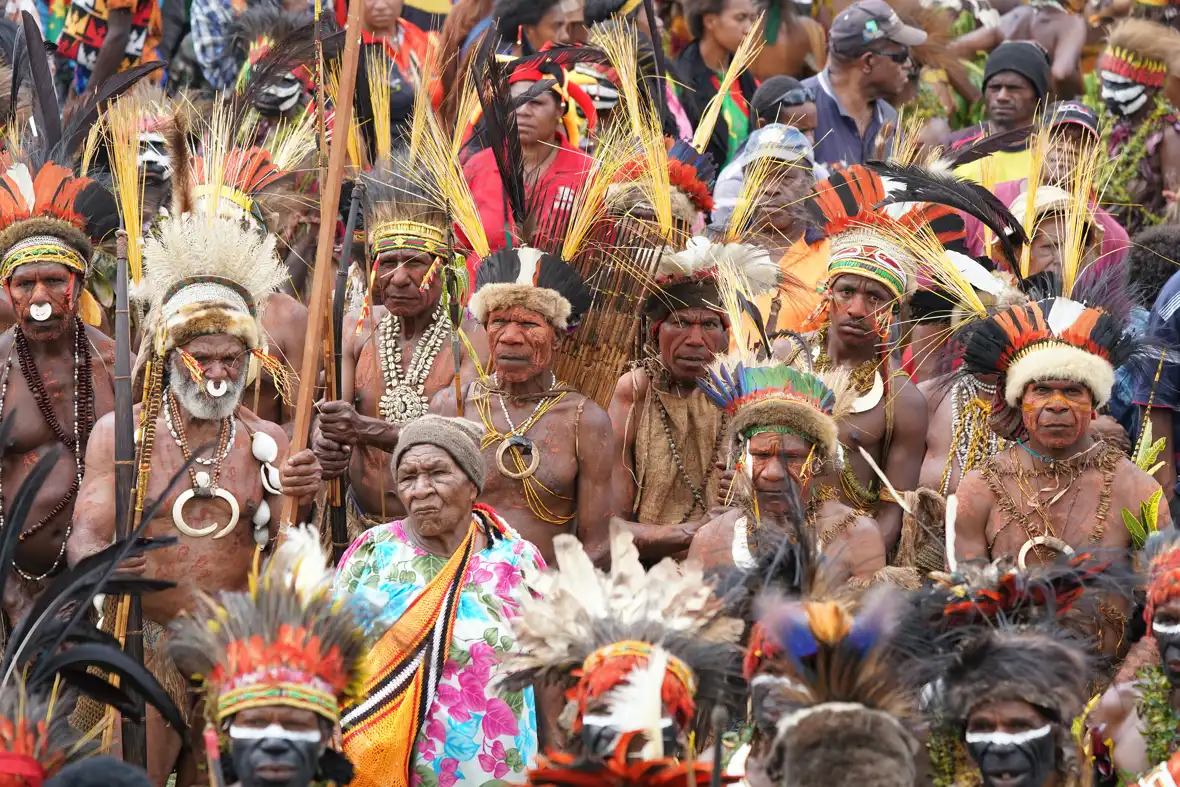
Respect local traditions by dressing modestly, especially in rural areas. Always ask permission before taking photos of people or sacred sites. Avoid public displays of affection; they’re frowned upon and can cause offense, especially for same-sex couples. Women should be cautious when traveling alone; local customs can be conservative. It’s polite to bring small gifts when visiting a village, like food or school supplies. Always greet with a handshake and a smile. Avoid discussing politics or sensitive topics. Showing genuine interest in local cultures goes a long way.
Trying traditional food is always a great way to experience the culture. Here are some must-try dishes for Papua New Guinea.
- Mumu: A traditional dish that’s cooked in an earth oven, mumu is a hearty mix of pork, sweet potatoes, rice, and greens. It’s a big part of celebrations and gatherings, so it’s not just about the food, but the community vibe around it.
- Kaukau: This is basically sweet potato, but it’s a staple here and used in a lot of meals. Given the terrain of PNG, sweet potatoes grow well and are a crucial part of the diet.
- Sago: Made from the sago palm, this starchy staple is a bit like a pancake or dumpling, often served with meat or fish. It’s especially important in coastal and river communities.
- Kokoda Fish: This is the PNG version of ceviche, made with raw fish marinated in lime and coconut cream. It’s refreshing and a must-try for seafood lovers.
- Chicken Pot: A comforting dish of chicken stewed with coconut milk and vegetables, it’s a common household recipe and reflects the tropical flavors of the region.
Tap water in Papua New Guinea isn’t considered safe for tourists to drink due to potential contamination issues. Locals might drink it, but it’s not recommended for visitors. Stick to bottled or filtered water to be on the safe side.
The main language in Papua New Guinea is
Tok Pisin. Backpacking is way more rewarding if you know a bit of the local language, so I'd suggest brushing up on the basics just in case your Tok Pisin skills have become a bit rusty.
Want to understand locals better?The complete Travel Guide for Papua New Guinea includes 52 essential words and phrases — greetings, thank-yous, ordering food, transport, numbers, and common local expressions you'll actually hear.
Get your local basic phrases 👉
Get the Travel Guide - In Papua New Guinea (PNG),
English is one of the official languages, alongside Tok Pisin and Hiri Motu. While English is widely used in government, education, and formal settings, the proficiency level among the general population varies significantly. In urban areas and among educated individuals, English is more commonly spoken and understood. However, in rural regions, where many people speak local languages or Tok Pisin, English proficiency may be limited.
Many Papua New Guineans are multilingual, often fluent in their native languages, Tok Pisin, and varying levels of English. Tourists may find that in larger cities like Port Moresby, English is commonly spoken in hotels, restaurants, and tourist attractions. However, in more remote areas, it’s advisable to learn some basic phrases in Tok Pisin or rely on a local guide.
Overall, while English is present and used, travelers should be prepared for varying levels of fluency and consider alternative communication methods to enhance their experience in PNG.
Money & Payments
The local currency of Papua New Guinea is PGK (Kina).
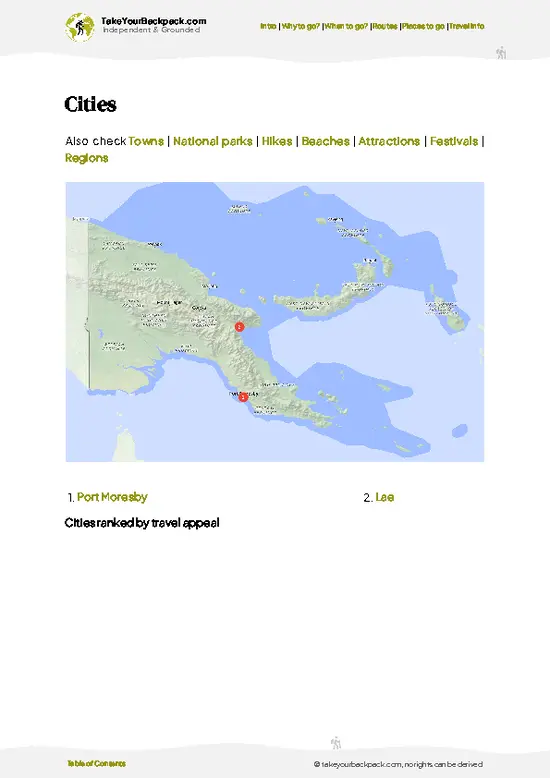
When backpacking in Papua New Guinea, cash is king. ATMs are mainly found in cities like Port Moresby and Lae, but they can be unreliable, so don’t count on them exclusively. Carry enough cash to cover expenses in remote areas where ATMs are scarce or nonexistent.
Bring Australian dollars as they are widely accepted and often preferred over other foreign currencies. Euros and USD might work in bigger cities, but rates aren’t always favorable. For exchanging money, stick to banks or authorized exchange bureaus in urban centers to avoid scams.
Credit cards aren’t widely accepted, especially outside major hotels and stores in big cities, so don’t rely on them for everyday purchases. Always have some small bills on hand for markets, local transport, and eateries. Keep your cash secure and split it between different places on your person or backpack.
Tipping is not a common practice in Papua New Guinea and is generally not expected. Most locals don’t tip, and service workers don’t rely on tips as part of their income. If you receive exceptional service and want to show appreciation, rounding up the bill or leaving a small amount is sufficient.
v2.webp)
 Best Backpacking
.jpg) Over the years, I've learned the importance of packing minimally. It's so much easier to jump on the back of a truck or squeeze yourself into the last spot of a minibus without that supersized backpack. If you're headed to a warm destination, leave your winter jacket at home; for colder regions, opt for thin thermal underlayers. Instead of packing your entire wardrobe, bring just three sets of clothes, as laundry facilities are available everywhere.
Over the years, I've learned the importance of packing minimally. It's so much easier to jump on the back of a truck or squeeze yourself into the last spot of a minibus without that supersized backpack. If you're headed to a warm destination, leave your winter jacket at home; for colder regions, opt for thin thermal underlayers. Instead of packing your entire wardrobe, bring just three sets of clothes, as laundry facilities are available everywhere.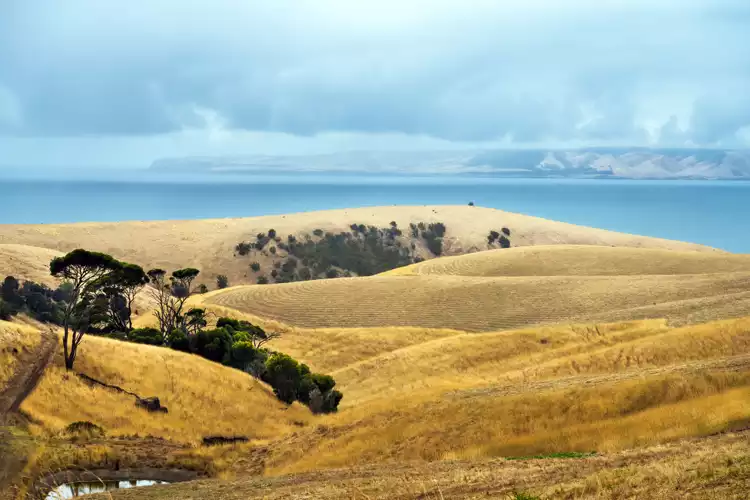


.jpg) Hi, I’m Johan (Netherlands 🇳🇱), the creator of TakeYourBackpack. Over the past decade, I’ve backpacked through 80+ countries across six continents, gaining extensive experience with independent travel, long-term trips, and overland routes.
Hi, I’m Johan (Netherlands 🇳🇱), the creator of TakeYourBackpack. Over the past decade, I’ve backpacked through 80+ countries across six continents, gaining extensive experience with independent travel, long-term trips, and overland routes.