Trip Planning
The TakeYourBackpack guidebooks are your all-in-one travel companion, featuring the best cities, national parks, hikes, beaches, and unique sites, along with essential tips on when to go, how to get around, exchanging money, and even local phrases to get you started — everything you need for a smooth, unforgettable backpacking adventure.
Stop researching. Start exploring.Discover all 35 highlights,ranked
and organized into practical routes.
Get instant access
Planning a backpacking route through United States Virgin Islands can be tricky — you need to balance must-see places, travel times, budget, and how long to stay in each destination. Our free personalized United States Virgin Islands itinerary planner creates a route based on your travel style, trip duration, and interests, so you can spend less time researching and more time exploring.
Personal tip: I normally search on good rating for atmosphere (for meeting people) and location (for easy exploring). Cleanliness as a bonus.
Travel Essentials
No vaccinations are required to enter the US Virgin Islands, but you should be up to date on routine shots such as MMR, tetanus-diphtheria and the seasonal flu vaccine. Hepatitis A and hepatitis B vaccines are commonly recommended for travelers. Dengue is present on the islands and there is no travel vaccine for it, so use mosquito repellent, especially around dawn and dusk and during the wetter months.
vaccination requirementsWhen I first started traveling, I often spent part of my first day in a new country hunting for a local SIM card. While this can still be slightly cheaper, it also takes time and planning.
These days, it's much simpler to install an eSIM before leaving home. Once you arrive in United States Virgin Islands, you can activate it immediately and have mobile data from the moment you land — which is especially useful for ordering transport or navigating away from busy airports.
There are many providers nowadays, and price differences are usually small. I personally go with
Holafly, as it offers excellent network coverage throughout the country and strong global coverage, so you can manage multiple countries from a single app.
HolaFly eSimCulture & Customs
Courtesy and patience matter a lot in the US Virgin Islands, and service moves at a slower pace than on the mainland, so pushing for speed tends to backfire. Do cover up when you leave the beach: walking through town or into shops in swimwear or shirtless is considered disrespectful. Do ask before photographing people, especially vendors and elders. Don’t touch or stand on coral, don’t feed wildlife, and follow the national park rules on St. John, where about 60 percent of the island is protected land. Don’t describe the islands as simply “America”, because locals have a distinct Caribbean identity and a strong sense of their Danish-colonial and African heritage. Churches expect modest dress, with covered shoulders and knees. Women and LGBTQ+ travelers face no specific rules, but keeping public affection low-key outside tourist zones avoids unwanted attention.
Trying traditional food is always a great way to experience the culture. Here are some must-try dishes for United States Virgin Islands.
- Fish and fungi: the territory’s signature plate. Fungi (pronounced “foon-gee”) is a cornmeal and okra mash, served with stewed or boiled fish, usually snapper, in a light tomato and onion gravy. It descends from West African cooking and is the dish most locals name as truly Virgin Islander.
- Kallaloo: a thick stew of local greens, okra, salted meat and seafood. It is traditionally cooked for Old Year’s Night and is believed to bring good luck.
- Pate: fried pastry turnovers (pronounced “pah-tay”) stuffed with spiced beef, saltfish, chicken or conch. They are the go-to cheap snack from roadside vendors and food trucks, and are everywhere during Carnival.
- Johnnycakes: puffy fried dough, slightly sweet. They come with almost everything, from saltfish breakfasts to fried fish lunches.
- Saltfish and dumb bread: sautéed salted cod with peppers and onions, eaten with a dense, round bread. It is a classic St. Croix breakfast.
- Goat water: a peppery, brothy goat stew. It is popular at festivals, rum shacks and family gatherings.
- Red grout: a tapioca and guava pudding, a legacy of Danish colonial rule. It is traditionally made for Transfer Day and other holidays.
- Maubi: a fermented drink brewed from tree bark, spices and sugar. Its flavor is bitter-sweet, it is sold in reused bottles by local vendors, and many locals call it a tonic.
Tap water in the US Virgin Islands comes from desalination plants and household rainwater cisterns, and its quality varies from building to building. Many locals drink bottled or filtered water, and St. Croix has had public-supply contamination advisories in recent years. Travelers should stick to bottled or filtered water for drinking, and a refillable bottle with a filter cuts down on plastic waste.
English is the official language of the US Virgin Islands and is spoken everywhere, from Charlotte Amalie and Cruz Bay to the smallest village on St. Croix. Among themselves, many locals use Virgin Islands Creole, which is fast and full of local vocabulary. If you miss something, just ask the person to repeat it. Spanish is useful on St. Croix, home to a large Puerto Rican community, but you won’t need any language other than English to get by.
Money & Payments
The local currency of United States Virgin Islands is USD ($).
The US Virgin Islands use the US dollar, and ATMs are easy to find in Charlotte Amalie, Red Hook, Christiansted and at the airports, mostly run by Banco Popular, FirstBank and Oriental Bank. Expect a local fee of about US$3 to 5 per withdrawal on top of whatever your home bank charges. On St. John, ATMs are clustered in Cruz Bay and sometimes run dry on busy weekends. Cards are accepted at hotels, most restaurants, supermarkets and car rental desks. You need cash for safari taxis, VITRAN buses, many regular taxis, food trucks, beach vendors and rum shacks. Bring US dollars rather than euros, which are not accepted anywhere, and if you must change foreign currency, use a bank branch in Charlotte Amalie or Christiansted, since there are few exchange bureaus.
Tipping in the US Virgin Islands follows mainland US norms, with 15 to 20 percent expected at sit-down restaurants and US$1 to 2 per drink at bars. Many restaurants add a 10 to 18 percent service charge automatically, so check your bill before tipping on top of it. Taxi drivers usually get 10 to 15 percent, and housekeeping around US$3 to 5 a night.
v2.webp)

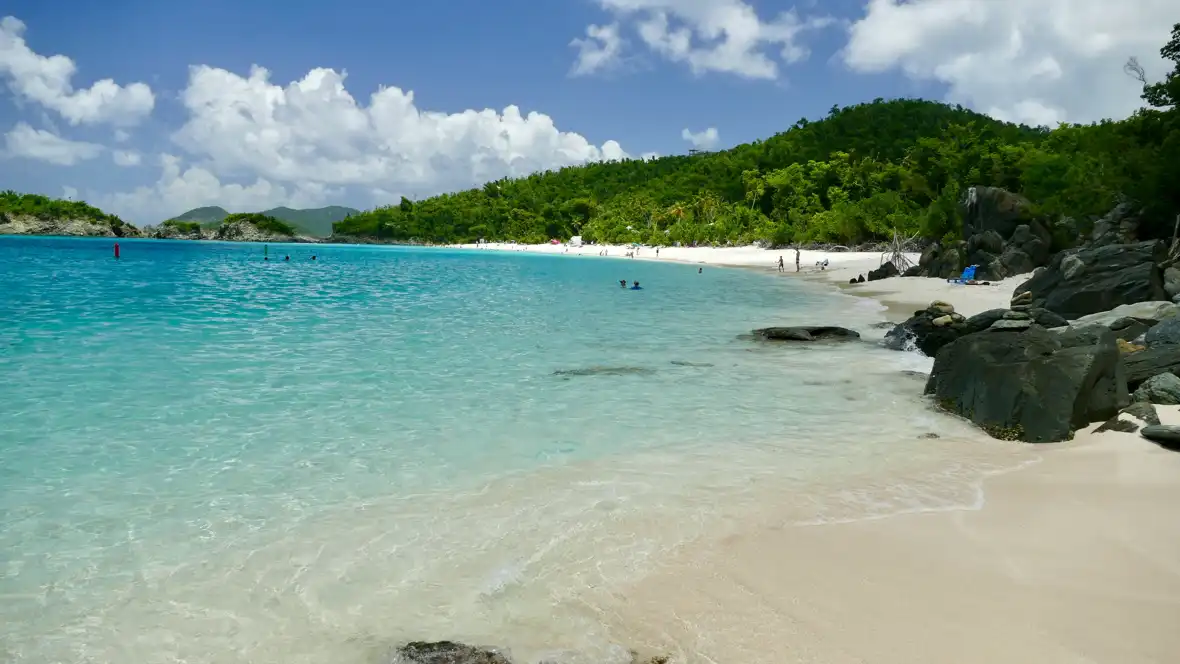
 Best Backpacking
.jpg) Over the years, I've learned the importance of packing minimally. It's so much easier to jump on the back of a truck or squeeze yourself into the last spot of a minibus without that supersized backpack. If you're headed to a warm destination, leave your winter jacket at home; for colder regions, opt for thin thermal underlayers. Instead of packing your entire wardrobe, bring just three sets of clothes, as laundry facilities are available everywhere.
Over the years, I've learned the importance of packing minimally. It's so much easier to jump on the back of a truck or squeeze yourself into the last spot of a minibus without that supersized backpack. If you're headed to a warm destination, leave your winter jacket at home; for colder regions, opt for thin thermal underlayers. Instead of packing your entire wardrobe, bring just three sets of clothes, as laundry facilities are available everywhere.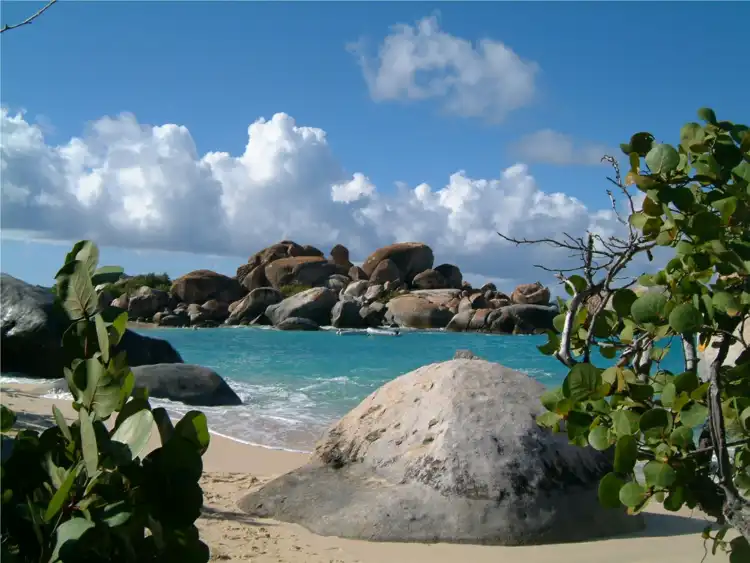


.jpg) Hi, I’m Johan (Netherlands 🇳🇱), the creator of TakeYourBackpack. Over the past 3 decades, I’ve backpacked through 90+ countries across six continents, gaining extensive experience with independent travel, long-term trips, and overland routes.
Hi, I’m Johan (Netherlands 🇳🇱), the creator of TakeYourBackpack. Over the past 3 decades, I’ve backpacked through 90+ countries across six continents, gaining extensive experience with independent travel, long-term trips, and overland routes.