Trip Planning
The TakeYourBackpack guidebooks are your all-in-one travel companion, featuring the best cities, national parks, hikes, beaches, and unique sites, along with essential tips on when to go, how to get around, exchanging money, and even local phrases to get you started — everything you need for a smooth, unforgettable backpacking adventure.
Stop researching. Start exploring.Discover all 76 highlights,ranked
and organized into practical routes.
Get instant access
Planning a backpacking route through Cyprus can be tricky — you need to balance must-see places, travel times, budget, and how long to stay in each destination. Our free personalized Cyprus itinerary planner creates a route based on your travel style, trip duration, and interests, so you can spend less time researching and more time exploring.
Personal tip: I normally search on good rating for atmosphere (for meeting people) and location (for easy exploring). Cleanliness as a bonus.
Travel Essentials
No vaccinations are required to enter Cyprus, and there is no yellow fever certificate requirement. Make sure your routine vaccines (measles-mumps-rubella, tetanus-diphtheria, polio) are up to date, and many travel clinics also recommend hepatitis A, and hepatitis B for longer stays. Check with a travel health clinic 4 to 6 weeks before your trip for advice based on your own health history.
vaccination requirementsWhen I first started traveling, I often spent part of my first day in a new country hunting for a local SIM card. While this can still be slightly cheaper, it also takes time and planning.
These days, it's much simpler to install an eSIM before leaving home. Once you arrive in Cyprus, you can activate it immediately and have mobile data from the moment you land — which is especially useful for ordering transport or navigating away from busy airports.
There are many providers nowadays, and price differences are usually small. I personally go with
Holafly, as it offers excellent network coverage throughout the country and strong global coverage, so you can manage multiple countries from a single app.
HolaFly eSimCulture & Customs
Cypriots take hospitality seriously, so if someone offers you coffee, fruit or a sweet, accept at least a little, as refusing outright can come across as cold. Dress modestly when visiting churches and monasteries, with shoulders and knees covered, and keep beachwear for the beach rather than village streets. Topless sunbathing is uncommon on most beaches, so follow what locals are doing. The island’s division is a sensitive subject on both sides, so listen more than you speak, avoid taking sides, and use neutral terms like “the north” rather than political labels. Never photograph military installations, soldiers or the buffer zone, as signs prohibiting it are strictly enforced. Respect the quiet early-afternoon hours in villages, and don’t rush a meal, since lingering for hours over meze is normal. Women rarely face specific issues, and same-sex couples will find cities accepting but rural areas more traditional, so keep public affection low-key there.
Trying traditional food is always a great way to experience the culture. Here are some must-try dishes for Cyprus.
- Halloumi: A firm sheep and goat milk cheese that grills without melting, served squeaky and golden with watermelon in summer or tucked into bread. It is Cyprus’s best-known export and carries EU protected status.
- Souvla: Big chunks of pork or lamb slow-turned on a long skewer over charcoal for hours. It is the centerpiece of Sunday family gatherings and of every Easter feast on the island.
- Sheftalia: Minced pork and lamb sausages wrapped in caul fat, charcoal-grilled and stuffed into pita with salad and lemon. It is the classic Cypriot street food and a cheap, filling lunch.
- Kleftiko: Lamb baked slowly with potatoes, oregano and bay leaf, traditionally sealed in a clay oven. The name comes from the klephts, outlaws said to have cooked stolen meat in sealed pits so the smoke would not give them away.
- Meze: A parade of 15 to 30 small plates, from tahini, talattouri and olives through to grilled meats or fish. Ordering a full meze is how Cypriots eat together, so arrive hungry and pace yourself.
- Koupepia: Vine leaves stuffed with rice, minced meat, tomato and mint, simmered in lemony broth. It is a home-cooking staple that village tavernas often do best.
- Loukoumades: Small deep-fried dough balls soaked in honey syrup, sold hot from street stalls and at festivals. They are the island’s favorite fairground sweet.
Tap water in the Republic of Cyprus is treated and meets EU safety standards, so it is generally safe to drink, although much of it comes from desalination and can taste flat or heavily chlorinated. Many locals still prefer bottled water for taste, and in older buildings or the north bottled or filtered water is the better choice. Carrying a refillable bottle with a filter lets you drink tap water anywhere on the island while cutting down on plastic.
The main language in Cyprus is
Greek. Backpacking is way more rewarding if you know a bit of the local language, so I'd suggest brushing up on the basics just in case your Greek skills have become a bit rusty.
Want to understand locals better?The complete Travel Guide for Cyprus includes 52 essential words and phrases — greetings, thank-yous, ordering food, transport, numbers, and common local expressions you'll actually hear.
Get your local basic phrases 👉
Get the Travel Guide - is spoken almost everywhere in the Republic of Cyprus, a legacy of British rule that ended in 1960. In Nicosia, Limassol, Paphos and the beach towns you can handle buses, menus, pharmacies and hostels in English without a second thought, and younger Cypriots tend to be fluent. In mountain villages older people may speak little English, and in the north Turkish takes over outside tourist businesses. Greek helps most in the Republic, so learn kalimera (good morning) and efcharistó (thank you), and download Google Translate with offline Greek and Turkish packs.
Money & Payments
The local currency of Cyprus is EUR (€).
The Republic of Cyprus uses the euro, and ATMs are easy to find in every town and at Larnaca and Paphos airports, though rural villages may have just one machine or none. Local bank ATMs often add a fee of around €2 to 5 per withdrawal on foreign cards, while standalone Euronet-type machines near tourist strips tend to charge more, and you should always decline dynamic currency conversion and pay in euros. Cards and contactless payments are accepted in most shops, supermarkets, hotels and restaurants, but small village tavernas, kiosks, market stalls and bus drivers often want cash. There is no reason to bring US dollars, so arrive with a little euro cash or simply withdraw on arrival. The north officially uses the Turkish lira, though euros are widely accepted there, and the safest places to exchange money on either side are banks and licensed exchange offices rather than street touts.
Tipping in Cyprus is appreciated but not obligatory, and around 10% is customary in sit-down restaurants when service is good and not already included on the bill. For taxis, rounding up to the nearest euro is enough, and leaving €1 to 2 a night for housekeeping in hotels is a kind gesture. At bars and cafés, leaving the small change is standard practice.
v2.webp)

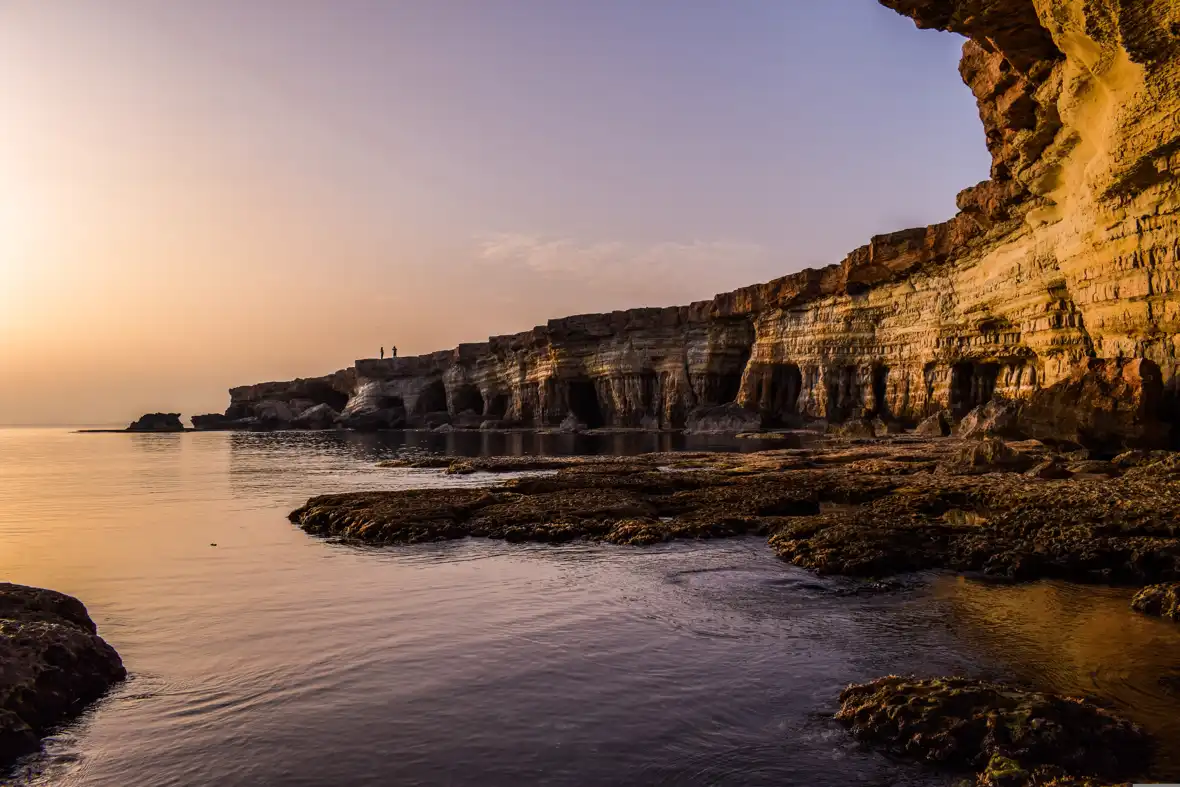
 Best Backpacking
.jpg) Over the years, I've learned the importance of packing minimally. It's so much easier to jump on the back of a truck or squeeze yourself into the last spot of a minibus without that supersized backpack. If you're headed to a warm destination, leave your winter jacket at home; for colder regions, opt for thin thermal underlayers. Instead of packing your entire wardrobe, bring just three sets of clothes, as laundry facilities are available everywhere.
Over the years, I've learned the importance of packing minimally. It's so much easier to jump on the back of a truck or squeeze yourself into the last spot of a minibus without that supersized backpack. If you're headed to a warm destination, leave your winter jacket at home; for colder regions, opt for thin thermal underlayers. Instead of packing your entire wardrobe, bring just three sets of clothes, as laundry facilities are available everywhere.
.jpg) Hi, I’m Johan (Netherlands 🇳🇱), the creator of TakeYourBackpack. Over the past 3 decades, I’ve backpacked through 90+ countries across six continents, gaining extensive experience with independent travel, long-term trips, and overland routes.
Hi, I’m Johan (Netherlands 🇳🇱), the creator of TakeYourBackpack. Over the past 3 decades, I’ve backpacked through 90+ countries across six continents, gaining extensive experience with independent travel, long-term trips, and overland routes.