×
Turkmenistan 🇹🇲

backpacking Asia Turkmenistan 🇹🇲Cross surreal highways through vast empty deserts.

Explore TürkiyeExplore UAE

Backpacking Turkmenistan in 2026

A complete guide including when and where to go, costs, transport, itineraries, and practical travel advice.
A first look at the country

Backpacking Turkmenistan
By Johan Kruseman 🇳🇱 | Updated May 31, 2026

Turkmenistan does not do casual travel. Visas, permits, and often a guide are standard, and movement can feel choreographed. That control shapes your days as much as the desert itself.

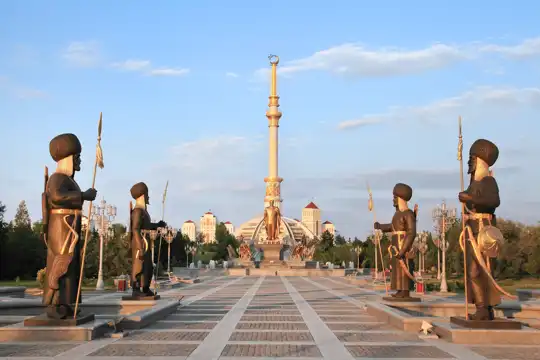
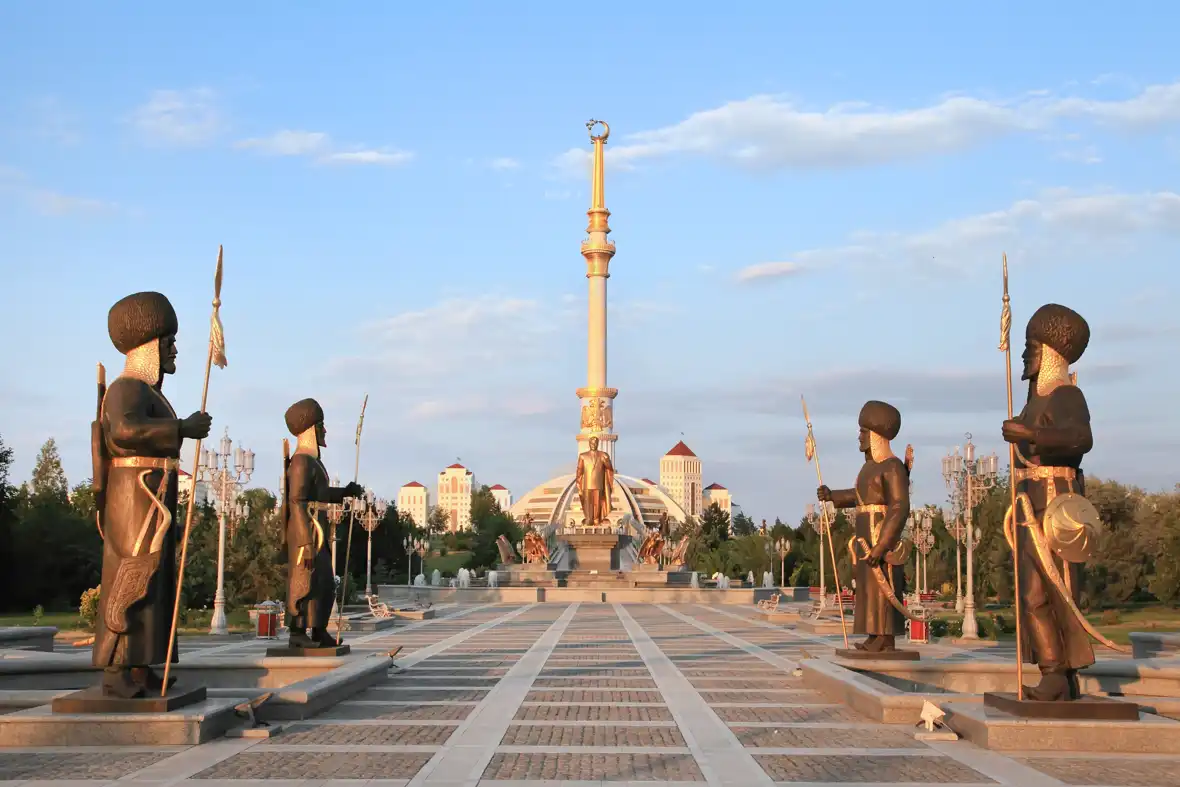
What you get in return: Ashgabat’s white‑marble avenues and oversized monuments; the Darvaza gas crater burning in the Karakum; and Silk Road anchors—Merv, Konye‑Urgench, Nisa—often with no one around. Add the metallic sheen of Akhal‑Teke horses, the geometry of deep red carpets at Altyn Asyr Bazaar, and the wind‑cut cliffs of Yangykala. Challenges: paperwork, photo limits near official buildings, a cash‑based economy, heat, and long hauls. The friction strips noise, so desert stars, quiet tea, and the crater’s low roar land harder.

Compared with Uzbekistan’s polished sites and easy trains, or Kazakhstan’s big‑sky openness and freer logistics, Turkmenistan is stranger, slower, and more controlled. It’s for travelers who like archaeology and deserts, who value space over convenience, and who are willing to play by rules to earn a deeper read of Central Asia.

Ashgabat + Kopet Dag foothills

Base here if you want structure and day-trip reach. The city is orderly, cash-heavy, and patrolled; keep cameras pointed at monuments, not ministries. Taxis rule; agree a price before doors close. Day trips: Kow Ata (warm underground lake, bring sandals and a headlamp) and Nokhur (mountain village, rough roads). Best for travelers who can navigate light bureaucracy, read a room, and use the city as a staging ground.

Karakum Desert spine: Ashgabat–Darvaza–Dashoguz

This is the classic desert run with the Darvaza gas crater as the payoff. It’s a night mission: arrive at dusk, camp upwind, stay well back from the rim. 4WD only; two spares, 10–15 liters of water per person, and a working compressor. Signal is patchy, winds can bite, winter freezes hard. Continue north to Dashoguz for an efficient Uzbekistan hop, or loop back to Ashgabat. Rewards self-reliant campers and overlanders.

Mary + Ancient Merv (M37 rail/road)

Easy logistics on the country’s main spine: overnight train or long bus to Mary, then hire a taxi to Merv’s scattered ruins. Start at first light; there’s no shade, little signage, and distances add up fast. Bring sun protection and a simple site plan. Good for history-minded travelers who can tolerate heat and fill the gaps with imagination. From Mary, continuing east to Turkmenabat keeps connections simple.

Dashoguz + Konye-Urgench

Practical for in/out with Uzbekistan. Cross at Shavat, overnight in Dashoguz, and run a half-day circuit to the monuments. Flat terrain, big skies, and winter winds that cut—dress like you mean it. Transport is straightforward with taxis and marshrutkas. Suits transit travelers chasing solid ruins without burning time.

Turkmenbashi, Balkanabat + Yangykala Canyons

Fly or endure the long rail to Turkmenbashi, then 4WD via Balkanabat to Yangykala. No services, no shade, serious drop-offs—keep vehicles well back from cliff edges. Camp only with extra water and a driver who knows the tracks. The Caspian ferry is a gamble; only attempt with spare days. Rewards landscape hunters who accept logistical friction.
A visual overview of the country
Loading the map 🌍
CLICK TO FILTER
city
town
unique site
national park
hike
beach
attraction
festival
region
SHOW COUNTRY’S BESTSHOW ALL

Why go?What sets this destination apart

Uniqueness

Turkmenistan feels off-map by design. Entry hinges on a letter of invitation and, outside transit visas, you’ll move with a guide; the trade-off is access. Ashgabat’s white marble, spotless boulevards, and oversized monuments … read more 👉
Turkmenistan feels off-map by design. Entry hinges on a letter of invitation and, outside transit visas, you’ll move with a guide; the trade-off is access. Ashgabat’s white marble, spotless boulevards, and oversized monuments are eerie in their emptiness. The Karakum delivers hard miles and big payoffs: Darvaza’s fire pit at night, wind, stars, silence. Ancient Merv and Konye-Urgench sprawl with almost no visitors. Cash rules; bring clean USD, ATMs unreliable. Internet is filtered; local SIMs work. Summer heat punishes—start early. Shared taxis beat buses; domestic flights save time. Photograph cautiously near officials. Keep hotel registration slips.

Low cost

Once you’re in, Turkmenistan treats a backpacker’s budget kindly. Fuel is subsidized, so shared taxis are cheap and frequent; trains are basic but very low-cost; bazaars and chaikhanas keep you fed on plov and shashlik for pocket … read more 👉
Once you’re in, Turkmenistan treats a backpacker’s budget kindly. Fuel is subsidized, so shared taxis are cheap and frequent; trains are basic but very low-cost; bazaars and chaikhanas keep you fed on plov and shashlik for pocket change. Outside Ashgabat, plain provincial hotels are negotiable and good value; pay in local cash. Carry a filter to skip bottled water, and ride early to snag seats. On a shoestring, figure roughly $30–40 a day, a bit higher in the capital. Big caveat: visa fees and guided itineraries can dwarf daily spend—plan those separately.
Want the complete picture of Turkmenistan?
The offline Travel Guide brings everything together — routes, highlights & planning.

See what's included in the guide 👉

Get the Travel Guide -

⭐ HighlightsStandout locations across the country

  • Darvaza Gas Crater: A bowl of fire in the Karakum, the Darvaza Gas Crater turns dusk into an ember-red night. Stand downwind and you feel the heat lick your shins while the desert wind feeds the low, steady roar. The air smells like burnt matchheads; later your clothes carry it, proof you stood at the lip.
  • Ancient Merv: Ancient Merv stretches as quiet earthworks and mausoleums under a vast sky near Mary. Walk the crumbled walls and you taste powder-fine dust on your teeth; inside Sultan Sanjar’s dome, a whisper floats back with a hollow softness. The past isn’t polished here—just sun, wind, and time doing their slow work.
  • Kunya-Urgench: Kunya-Urgench scatters its holy architecture across open steppe, modest and powerful. The Kutlug-Timur Minaret lifts like a brick needle; you press your palm to its patterned face and it’s cool even in noon heat. Between mausoleums, dry grass rattles and the horizon feels far—Central Asia without a museum rope.
  • Yangykala Canyon: Yangykala Canyon arrives as
read more 👉
  • Darvaza Gas Crater: A bowl of fire in the Karakum, the Darvaza Gas Crater turns dusk into an ember-red night. Stand downwind and you feel the heat lick your shins while the desert wind feeds the low, steady roar. The air smells like burnt matchheads; later your clothes carry it, proof you stood at the lip.
  • Ancient Merv: Ancient Merv stretches as quiet earthworks and mausoleums under a vast sky near Mary. Walk the crumbled walls and you taste powder-fine dust on your teeth; inside Sultan Sanjar’s dome, a whisper floats back with a hollow softness. The past isn’t polished here—just sun, wind, and time doing their slow work.
  • Kunya-Urgench: Kunya-Urgench scatters its holy architecture across open steppe, modest and powerful. The Kutlug-Timur Minaret lifts like a brick needle; you press your palm to its patterned face and it’s cool even in noon heat. Between mausoleums, dry grass rattles and the horizon feels far—Central Asia without a museum rope.
  • Yangykala Canyon: Yangykala Canyon arrives as layered cliffs striped white, pink, and rust, empty of noise except wind. Edges are raw; chalky rock crumbles under boot soles and leaves pale dust on your hands after a scramble. Late light carves shadowed ribs across the amphitheaters and the desert swallows your voice.
  • Kow Ata Underground Lake: Kow Ata (Bakharden) drops you down wet steps into a warm, sulfuric underground lake. Humidity hits like a wall, glasses fog, and the water wraps your skin at bath temperature while bats tick the dark above. If you linger, your towel will smell faintly of eggs for hours after. For deeper cuts: Dekhistan’s skeletal columns in the western desert, Nokhur’s mountain cemetery with horned goat skulls, and Koytendag’s Hojapil dinosaur tracks and canyons.
Spotted a mistake or missing a highlight? Contact us.

But Turkmenistan offers more...

Discover and compare all of its highlights per category

🧭 RoutesHow travelers typically move through the country

The 5-Day Ashgabat & Merv Core Route

The vibe: A focused, history-heavy sprint that keeps you mostly between Ashgabat and Mary, trading long drives for deep time at ruins and museums. Ideal if you want a strong sense of Turkmenistan’s story without committing to the full desert and canyon circuit.
The highlights:
  • Marble-and-gold monument walks in Ashgabat’s government quarter
  • Parthian-era ruins at Nisa paired with the colossal Turkmenbashi Ruhy Mosque
  • Silk Road sprawl at the Ancient City of Merv near Mary
  • National-level museums and carpet culture in the capital

The 10-Day Desert & Silk Road Traverse

The vibe: A balanced loop that links Ashgabat’s spectacle with the Karakum Desert and the Amu Darya corridor, using a mix of 4x4 tracks and city bases. Designed for travelers who want both the Door to Hell and the quieter rhythm of provincial cities.
The highlights:
  • Capital monuments and museums in Ashgabat plus a taste of the Kopet Dag Mountains
  • Overnight at the Darvaza Gas Crater amid the sands of the
read more 👉

The 5-Day Ashgabat & Merv Core Route

The vibe: A focused, history-heavy sprint that keeps you mostly between Ashgabat and Mary, trading long drives for deep time at ruins and museums. Ideal if you want a strong sense of Turkmenistan’s story without committing to the full desert and canyon circuit.
The highlights:
  • Marble-and-gold monument walks in Ashgabat’s government quarter
  • Parthian-era ruins at Nisa paired with the colossal Turkmenbashi Ruhy Mosque
  • Silk Road sprawl at the Ancient City of Merv near Mary
  • National-level museums and carpet culture in the capital

The 10-Day Desert & Silk Road Traverse

The vibe: A balanced loop that links Ashgabat’s spectacle with the Karakum Desert and the Amu Darya corridor, using a mix of 4x4 tracks and city bases. Designed for travelers who want both the Door to Hell and the quieter rhythm of provincial cities.
The highlights:
  • Capital monuments and museums in Ashgabat plus a taste of the Kopet Dag Mountains
  • Overnight at the Darvaza Gas Crater amid the sands of the Karakum Desert
  • Khorezm heritage at Kunya-Urgench and its mausoleums near Dashoguz
  • Everyday life and river landscapes around Turkmenabat and Farap

The 15-Day Grand Turkmenistan Circuit

The vibe: A full-country odyssey that stitches together capital, desert, canyon, coast, and Silk Road cities at a steady, immersive pace. Best for travelers who want to see how Turkmenistan’s wild landscapes and layered history fit together over two weeks.
The highlights:
  • Multi-day exploration of Ashgabat, Nisa, Gokdepe, and major museums
  • Extended Karakum Desert time with Darvaza, Repetek, and remote tracks
  • Caspian coast downtime at Avaza and Turkmenbashi plus a 4x4 trip to Yangykala Canyon
  • Deep dives into Merv near Mary and the northern ruins around Kunya-Urgench and Dashoguz
🌍 Want a ready-to-use travel plan for Turkmenistan?
The overview above compares different route options based on your travel time and style. The complete Travel Guide breaks each itinerary down in detail, including maps, stops, highlights, and transport information.

Explore all route details 👉

Get the Travel Guide -

🌤️ When to go?Best time to visit Turkmenistan

Late September to mid-October is the cleanest win. Summer’s furnace has bled off, but the steppe’s winter winds haven’t started biting. Days stay warm for desert transfers; nights cool enough that Darvaza and canyon camps feel right. Kopet Dag trails are dry, roads steady, markets heavy with harvest. With tourism thin and conferences over, drivers bargain and mid-range rooms stop charging “A/C tax.” Transport runs on a normal cadence without holiday hiccups. April-May is a close second if you thread gaps between spring dust storms.
  • Heat Peak (Jun-Aug): Expect higher rates for solid A/C, siesta closures, and sluggish buses—you earn every kilometer. The payoff hits at night: Karakum under a hard sky, Darvaza roaring, warm wind. Overlooked risk: abrasive dust wrecks eyes; wear wraparound glasses.
  • Autumn Shoulder (late Sep-Oct): Heat loosens, shops extend hours, drivers hustle, shared taxis fill fast. Mountains open, sand settles, long walks finally happen. Negotiating improves as demand thins. Overlooked risk: unsignposted “official events” can close sites or roads—carry a spare day.
  • Winter Off-Peak (Nov-Mar): The land goes quiet: pale light on the Karakum, frost in the Kopet Dag, empty galleries. You travel inward. Survival hack: beat wind—shell, neck gaiter, hot tea, camp behind low dunes. Caspian gales can freeze ferry schedules.

For the shoulder window, secure your LOI and any permit zones about a month ahead, then book drivers late to leverage soft demand.

source: climatestotravel.comJANJanuary: fair for travelingFEBFebruary: fair for travelingMARMarch: fair for travelingAPRApril: highly recommended for travelingMAYMay: highly recommended for travelingJUNJune: fair for travelingJULJuly: fair for travelingAUGAugust: fair for travelingSEPSeptember: highly recommended for travelingOCTOctober: excellent for travelingNOVNovember: fair for travelingDECDecember: fair for traveling
📅 Traveling in a specific month?
Get a full month-by-month breakdown of weather, crowds, costs, festivals, and seasonal highlights in the complete travel guide.

Get full details when to go 👉

Get the Travel Guide -
Turkmenistan - istockphoto

💰 Costs (as of 2025)Typical budget expectations

Plan on $35-55 per day if you move by train, eat simple, and find real hostels; on a guided/mandatory-tour setup, budget $120+.
  • dorm accommodation: $10-20 per bed in the few true hostels (Ashgabat/Mary/Turkmenbashi); scarce elsewhere, so expect $30-60+ for basic state hotels. Cheaper than Kazakhstan’s cities, but pricier and thinner on the ground than Uzbekistan. System tip: only licensed places can register your stay—make sure they do it nightly and keep every slip; immigration checks them on exit.
  • meals: Supermarket Survival: bread, cheese, tomatoes, fruit, instant noodles, kefir—$3-6/day if you self-cater. Street food reality: chaykhana plates (plov, lagman, shashlik) run $2-4 outside central Ashgabat; capital sit-down spots jump to $8-15. Slightly pricier than Uzbekistan/Tajikistan in the capital, otherwise comparable. Tea is cheap; coffee is not. Ask for prices in manat and avoid places that quote only in USD.
  • local transport: The unlock is the train: platskartny (open-sleeper) between Ashgabat, Mary, Turkmenabat, Turkmenbashi is dirt-cheap ($2-8) and reliable; buy at stations with passport. Marshrutkas are cents within cities; shared taxis bridge gaps for $3-10 intercity—agree in
read more 👉
Plan on $35-55 per day if you move by train, eat simple, and find real hostels; on a guided/mandatory-tour setup, budget $120+.
  • dorm accommodation: $10-20 per bed in the few true hostels (Ashgabat/Mary/Turkmenbashi); scarce elsewhere, so expect $30-60+ for basic state hotels. Cheaper than Kazakhstan’s cities, but pricier and thinner on the ground than Uzbekistan. System tip: only licensed places can register your stay—make sure they do it nightly and keep every slip; immigration checks them on exit.
  • meals: Supermarket Survival: bread, cheese, tomatoes, fruit, instant noodles, kefir—$3-6/day if you self-cater. Street food reality: chaykhana plates (plov, lagman, shashlik) run $2-4 outside central Ashgabat; capital sit-down spots jump to $8-15. Slightly pricier than Uzbekistan/Tajikistan in the capital, otherwise comparable. Tea is cheap; coffee is not. Ask for prices in manat and avoid places that quote only in USD.
  • local transport: The unlock is the train: platskartny (open-sleeper) between Ashgabat, Mary, Turkmenabat, Turkmenbashi is dirt-cheap ($2-8) and reliable; buy at stations with passport. Marshrutkas are cents within cities; shared taxis bridge gaps for $3-10 intercity—agree in manat before doors close. Domestic flights can be very cheap ($10-25) if bought at the counter and save a desert day. Cheaper than Kazakhstan; roughly on par with Uzbekistan.
  • activities: The cost driver is Darvaza (gas crater): a 4x4 from Ashgabat runs $80-150 per car; cut it by sharing or going by shared taxi to Derweze, then hiring a local jeep for the last stretch. Major ruins (Merv, Nisa, Kunya-Urgench) are $2-5; museums $2-6; occasional camera fees add $1-3. Permits for border/coastal zones and any compulsory guide requirements are what blow the budget, not entry tickets.
  • miscellaneous: Budget Leaks: nightly tourism/registration taxes (~$2) usually added to your bill; visa and border processing fees bite ($10-25). ATMs/foreign cards are unreliable—carry clean USD; bank exchanges can be slow with mediocre rates. Hotel laundry $5-8; paid Wi-Fi and per-hour internet still a thing. Taxis in Ashgabat inflate night prices by 5-10x—set a manat fare first or walk. Relative to neighbors: more nickel-and-diming than Uzbekistan, still cheaper day-to-day than Kazakhstan’s big cities.
⚠️ Prices can change and everyone travels differently, so take this as a rough guide. Hope it helps you plan your adventure!

✈️ The backpacker research shortcutTurkmenistan Travel Guide

An offline-friendly backpacking guide with optimized travel routes, ranked highlights, transport advice, and the best areas to stay.
example page 0 from our offline Travel Guide for Turkmenistanexample page 1 from our offline Travel Guide for Turkmenistanexample page 2 from our offline Travel Guide for Turkmenistanexample page 3 from our offline Travel Guide for Turkmenistanexample page 4 from our offline Travel Guide for Turkmenistanexample page 5 from our offline Travel Guide for Turkmenistanexample page 6 from our offline Travel Guide for Turkmenistanexample page 7 from our offline Travel Guide for Turkmenistan
The digital guide (295 pages) contains:
73 highlights, ranked by travel appeal
Optimized 5, 10 & 15-day travel routes
Cities, national parks, beaches, historical sites, ...
How to get around
Offline-friendly for travel without Wi-Fi
👉 Click to see all 30+ guide features

📅 Plan smarter in minutes, not weeks
Month by month travel advice
Festivals & national holidays
Budget expectations

🗺️ Go to the right places, skip the overrated ones
Honest pros & cons of destinations
Top hikes, parks & viewpoints
Lesser-known places most travelers miss
Clear “worth it vs skip it” guidance

🛏️ Travel smoothly without rookie mistakes
Best areas to stay
Transport systems explained simply
Common scams & safety advice
SIM cards, money & practical tips

🌍 Understand the country, not just visit it
Culture & traditions
52 Essential phrases & customs
Festivals worth planning around
Traveler-friendly historical context
Insights that make places more meaningful

📱 Built for real travel conditions
Fully downloadable PDF
Works completely offline
Optimized for phone use
Useful in remote areas & buses
Everything in one place
Save weeks of stressful planning
Get instant access to the full guide directly. 30-day money-back guarantee.


Sent to your inbox immediately after payment • 100% Secure Checkout
Best Backpacking Travel Advisor 2025 tourism awardBest Backpacking
Travel Advisor
2025
What others say about Take Your Backpack Guides:
⭐⭐⭐⭐⭐
Fantastic, amazing amount of information!
⭐⭐⭐⭐⭐
My goodness this is amazing, it's what I've been looking for hats off too you!
⭐⭐⭐⭐⭐
I think this is absolutely BRILLIANT
⭐⭐⭐⭐
Very complete and informative. It's still missing places, but I gotta to commend you
⭐⭐⭐⭐⭐
This is truly amazing, thank you, can't wait to explore it with my kids!
⭐⭐⭐⭐⭐
Awesome resource, thank you!
⭐⭐⭐⭐⭐
This is amazing! Can't wait to explore the ones I haven't seen
⭐⭐⭐⭐
I love this! Well done, great idea.
⭐⭐⭐⭐⭐
Thanks for taking the time to make this gem!
⭐⭐⭐⭐⭐
This might be the best website I've ever seen.
⭐⭐⭐⭐⭐
Congratulations, and thank you so much for your work; it's incredibly valuable.
⭐⭐⭐⭐
In all seriousness I think you did a great job pointing out the important spots
⭐⭐⭐⭐⭐
10/10 very good
⭐⭐⭐⭐⭐
As someone who's only just starting to visit regularly this is awesome, thank you.
⭐⭐⭐⭐
Thank you very much! I'm going to visit my dad, it's going to be very useful!
⭐⭐⭐⭐⭐
This is really cool! We'll be travelling for the first time and this definitely come in handy.
⭐⭐⭐⭐⭐
You are now our minister of culture, congratulations 👨‍💼
⭐⭐⭐⭐⭐
Just wanted to tell you that this is a pearl! Going to follow your recommendations.
⭐⭐⭐⭐⭐
This is so cool. I'll definitely be using the resource for my travels soon.
⭐⭐⭐⭐⭐
This is very impressive! Good work.
⭐⭐⭐⭐⭐
This is an amazing and informative site. Very well done!

🛏️ Where to stay?Choosing the right base for your trip

Hostels are rare in Turkmenistan; budget accommodation is mainly small guesthouses and lower-tier state hotels rather than conventional backpacker hostels, concentrated in Ashgabat and regional centers like Mary, Turkmenbashi and Dashoguz.
In Ashgabat the most options sit in the city center (close to monuments and museums, modest nightlife, generally pricier), around the main bazaar/transport hubs (cheapest and practical for onward travel but noisy and crowded), and near the airport (quiet and convenient for arrivals/departures but far from sights).
Many guesthouses cannot or will not handle … read more 👉
Hostels are rare in Turkmenistan; budget accommodation is mainly small guesthouses and lower-tier state hotels rather than conventional backpacker hostels, concentrated in Ashgabat and regional centers like Mary, Turkmenbashi and Dashoguz.
In Ashgabat the most options sit in the city center (close to monuments and museums, modest nightlife, generally pricier), around the main bazaar/transport hubs (cheapest and practical for onward travel but noisy and crowded), and near the airport (quiet and convenient for arrivals/departures but far from sights).
Many guesthouses cannot or will not handle mandatory foreigner registration, so choose places that explicitly offer registration or use a registered budget hotel to avoid fines or refused check-in; expect limited amenities, few English speakers, and the need to pre-book during peak periods.

If you enjoy meeting fellow travelers, consider choosing hostels with high ratings for atmosphere. On the other hand, if you prefer having your own space, a hotel might be a better option.

🚌 Getting aroundWhat moving around is really like

Turkmenistan moves on two tempos: state-fixed and human-flex. Flights and trains pretend to run on schedule; roads run on the law of “leave when full.” Checkpoints slow the pulse without stopping it. Cash settles everything. Read the queue, not the clock.
  • Domestic flights (Turkmenistan Airlines) The Efficiency Trade-off: fastest way to cross the Karakum, usually cheaper than a long intercity taxi and often rivaling a sleeper train once you value a lost day. Buy at the airport ticket desk with your
read more 👉
Turkmenistan moves on two tempos: state-fixed and human-flex. Flights and trains pretend to run on schedule; roads run on the law of “leave when full.” Checkpoints slow the pulse without stopping it. Cash settles everything. Read the queue, not the clock.
  • Domestic flights (Turkmenistan Airlines) The Efficiency Trade-off: fastest way to cross the Karakum, usually cheaper than a long intercity taxi and often rivaling a sleeper train once you value a lost day. Buy at the airport ticket desk with your passport; names must match. Show 90 minutes early, expect baggage checks and no-nonsense security. Plan for sudden retimings rather than outright cancellations; morning flights are the safest bet. Hand luggage rules can be strict. On landing, airports are small and exits quick, so you gain real hours over the desert highway.
  • Shared taxis The Social Fabric: the default between cities. Stands sit by main bazaars and bus stations; cars leave when all seats sell. Price is per seat, not per car—front seat costs more; paying for empty seats buys instant departure. State your destination, hold up fingers for seats, and confirm the fare out loud. Cash only, small bills. Seatbelts are a suggestion, music is not. At checkpoints, stay quiet and let the driver talk. Foreign faces raise the price; smile and keep the number you heard locals accept. Dawn departures fill fastest and drive fastest.
  • Long-distance trains The Budget Disruptor: the overnight across the country that doubles as your hotel. Buy platzkart (open sleeper) for the best value; kupe is quieter but pricier. You need your passport at the ticket window; tickets are date- and seat-specific. Board with time to spare; samovar hot water is free, noodles and tea fix your calorie plan. Trains are slow but predictable, landing you downtown-with-rested-legs instead of highway-mauled. For Darvaza access, ride to Içoguz at night, hop off pre-dawn, and flag a 4x4 on the M37 rather than overpaying for a city tour.
  • City buses and marshrutkas The Geometric Unlock: they stitch the last mile—bazaars, train depots, suburbs, and sites like Nisa—on routes taxis ignore unless you pay. Numbers matter; learn yours or say the landmark and watch nods. Pay onboard or pass coins forward; change returns via strangers without drama. Offer seats to elders and women with kids. You can ask for a drop anywhere along the line; just signal decisively a bit early. Dirt cheap, frequent, and the only thing still moving when you’re far from a taxi stand.

Master tactical tip: Cross the country by pairing modes—morning flight east or west to erase the desert, then return by overnight train to save a hotel and dodge daylight checkpoints; buy both tickets on day one with your passport, and hit shared taxis only for short last-mile hops at dawn when cars fill fast and prices stay honest.
Distance: Ashgabat International Airport (ASB) is about 7 km (4.3 miles) from the city center.

City bus: Standard city buses run from the stop just outside Arrivals into central Ashgabat (toward the railway station/Independence Avenue). Look for buses signed for the center; route numbers can vary by schedule (you’ll often see No. 1 among them). Runs roughly 06:00-23:00, every 10-20 minutes. Travel time 15-25 minutes depending on traffic. Typical fare: about 1 TMT, paid in cash to the driver or conductor.

Minibus (marshrutka): Local minibuses also pass the airport and head into town. They’re a bit more cramped but frequent. Travel time 15-25 minutes. Typical fare: 1-2 TMT in cash. If you don’t see one at the terminal stop, they can be flagged on the main road just outside.

Taxi (short overview): Taxis wait at the official rank outside Arrivals. Meters are rare, so agree the price before you get in. Expect around 40-80 TMT to most central areas in normal hours; late night or remote destinations can be a bit higher. Travel time 10-20 minutes.

Hotel transfer: Many mid-range and upmarket hotels can arrange a pickup on request. Allow 10-20 minutes. Costs vary widely (sometimes included, otherwise often 80-150 TMT).

Good to know: There’s no metro or train link. Services thin out late at night, so if your flight lands after 23:00, plan on a taxi or pre-booked transfer. Have cash in manats—cards and foreign currency aren’t commonly accepted for local transport.
⚠️ Prices and routes can change, so take this as a rough guide and ask for local advice when you arrive.

🔒 Safety (risk Level: medium)Is Turkmenistan safe to visit?

Safety for solo travelers, including women and LGBTQ+ individuals
Turkmenistan is generally safe for solo travelers, but it’s essential to adhere to local laws and customs. Women should dress modestly and be cautious, especially in rural areas. LGBTQ+ travelers may face challenges due to conservative societal views, so discretion is advised. Always stay informed about local regulations and maintain a low profile.


Full official government travel advisory (live updates)
View details 👉

✈️ VisaEntry requirements and paperwork

Yes, most travelers need a visa to visit Turkmenistan. Apply through a Turkmen embassy or consulate, and you’ll need a letter of invitation from a tour company or local contact. Always check the latest requirements as they can change.
⚠️ Visa requirements can change over time, so always check the latest visa requirements with the official embassy or government website before you travel.

🎒 What to pack?What you'll need while traveling

Turkmenistan is a mix of extremes—blazing hot summers and bone-chilling winters. Pack for the desert heat if you’re visiting between May and September, but be prepared for cooler nights. Winters can be surprisingly cold, so layers are your friend. The terrain is mostly desert, with some mountains, so sturdy shoes will save your feet. Culturally, conservative dress is the norm—think long sleeves and pants, especially if you’re planning on visiting mosques or rural areas.

Apart from this country specific advice, I have also crafted a general packing list that should help on any trip. authorOver the years, I've learned the importance of packing minimally. It's so much easier to jump on the back of a truck or squeeze yourself into the last spot of a minibus without that supersized backpack. If you're headed to a warm destination, leave your winter jacket at home; for colder regions, opt for thin thermal underlayers. Instead of packing your entire wardrobe, bring just three sets of clothes, as laundry facilities are available everywhere.
View the full list 👉
🎒 Planning the practical side of your trip?
Get detailed information on transport, daily budgets, internet access, local customs, food, language, and other essentials in the complete Travel Guide.

Get detailed practical information 👉

Get the Travel Guide -

🙋 FAQFrequently asked questions

Trip Planning


Personal tip: I normally search on good rating for atmosphere (for meeting people) and location (for easy exploring). Cleanliness as a bonus.


Travel Essentials

Hepatitis A and B vaccines are generally recommended for Turkmenistan. Consider a Typhoid vaccine if you’ll be exploring rural areas or eating local street food. Ensure your routine vaccines (like MMR, DPT) are up-to-date. Rabies is recommended if you plan on spending a lot of time outdoors or with animals. Check with a healthcare provider for the most current advice.


vaccination requirements
When I first started traveling, I often spent part of my first day in a new country hunting for a local SIM card. While this can still be slightly cheaper, it also takes time and planning.

These days, it's much simpler to install an eSIM before leaving home. Once you arrive in Turkmenistan, you can activate it immediately and have mobile data from the moment you land — which is especially useful for ordering transport or navigating away from busy airports.

There are many providers nowadays, and price differences are usually small. I personally go with Airalo, as it offers excellent network coverage throughout the country and strong global coverage, so you can manage multiple countries from a single app.


Get your e-sim for Turkmenistan

Culture & Customs

Dress modestly, especially in rural areas. Women should avoid revealing clothing. Remove shoes when entering homes. Public displays of affection are frowned upon. Homosexuality is illegal, posing safety risks for LGBTQ+ travelers. Avoid discussing politics or criticizing the government. Always carry a copy of your visa and passport. Gifting small items like sweets is appreciated when visiting locals.
Trying traditional food is always a great way to experience the culture. Here are some must-try dishes for Turkmenistan.
  • Plov: This is the heart and soul of Turkmen cuisine. It’s a flavorful rice dish cooked with lamb or beef, carrots, onions, and a blend of spices. Plov is often served on special occasions and gatherings, symbolizing hospitality and togetherness.
  • Shashlyk: Skewered and grilled pieces of meat, mostly lamb, that are marinated with herbs and spices. It’s a popular street food and a staple at any local celebration, offering a taste of traditional grilling techniques.
  • Ichlekli: A hearty pie filled with meat and onions, usually lamb, encased in a thick dough. It’s a favorite comfort food and often enjoyed with family, highlighting the importance of sharing meals in Turkmen culture.
  • Chorek: A type of round, flat bread that’s a staple in every meal. It’s baked in clay ovens and holds cultural significance, often used in traditional ceremonies and as an everyday essential that accompanies other dishes.
  • Dograma: A unique dish where bread, meat, and onions are chopped and mixed together, often with a broth poured over. It’s a communal dish that represents the simplicity and resourcefulness of Turkmen cooking.
Tap water in Turkmenistan isn’t reliably safe for tourists, even though some locals might drink it. It’s best to stick to bottled or filtered water to avoid any issues. Always ensure bottled water is sealed before purchasing.
The main language in Turkmenistan is Turkmen. Backpacking is way more rewarding if you know a bit of the local language, so I'd suggest brushing up on the basics just in case your Turkmen skills have become a bit rusty.

Want to understand locals better?
The complete Travel Guide for Turkmenistan includes 52 essential words and phrases — greetings, thank-yous, ordering food, transport, numbers, and common local expressions you'll actually hear.

Get your local basic phrases 👉

Get the Travel Guide -


English is not widely spoken in Turkmenistan, as the primary language is Turkmen, followed by Russian. In urban areas, particularly in Ashgabat, you may encounter some younger people and professionals who speak English, especially in the hospitality and tourism sectors. However, outside major cities, English proficiency diminishes significantly.

Travelers may find it helpful to learn a few basic phrases in Turkmen or Russian to facilitate communication. Many signs and menus may not be available in English, so having a translation app or phrasebook can be beneficial.

In more remote areas, the language barrier can be more pronounced, and interactions may rely heavily on gestures or non-verbal communication. Overall, while you can find some English speakers, it’s advisable to prepare for limited English proficiency during your travels in Turkmenistan.

Money & Payments

The local currency of Turkmenistan is TMT (manat).

Cash is king in Turkmenistan, so keep a good stash of dollars (USD) ready. Euros are less common but can still be exchanged. ATMs are scarce, especially outside Ashgabat. Even in the capital, they can be unreliable and often only accept local cards.

When heading to rural areas, ensure you have enough cash since card acceptance is rare. Most shops, restaurants, and hotels still operate on a cash-only basis, so plan ahead. If you find an ATM that works with your card, consider it a small victory.

For exchanging money, head to a bank or a licensed exchange office. Avoid the black market, as tempting as the rates might seem. Keep your USD in good condition—no tears or marks—or you might face trouble exchanging them.

Tipping in Turkmenistan is not customary, but leaving a small amount as a token of appreciation in restaurants or for exceptional service is appreciated. Tour guides and hotel staff might expect a tip for good service, but it’s not mandatory. When tipping, local currency is preferable.

🧩 Nearby countriesNearby backpacking alternatives

We 💚 feedbackThe bottom line on traveling here

Turkmenistan feels like walking through a spotless stage set—vast marble, few people—then the desert reminds you the country is very alive. Best surprise: Karakum nights, bread hot from tandoor, and strangers quietly making sure you’re fed. It’s not dangerous; it’s rule-heavy. Follow the rules and it’s calm. The real trip-killers are simple: no photos of officials, keep every registration slip, and carry crisp USD; ATMs are fickle. Leave the politics alone, enjoy the melons, and watch the stars.

✍️ Help improve this page!
The information on this page is based on in-depth research, insights shared by experienced travelers, and feedback from the local travel community in Turkmenistan. While every effort is made to keep the information accurate and current, conditions can change — so if you spot anything incorrect or outdated, please get in touch.


🙋‍♂️ Give feedback

👋 Meet the founderWho’s Behind Take Your Backpack?

Johan, backpacker and founder of TakeYourBackpackHi, I’m Johan (Netherlands 🇳🇱), the creator of TakeYourBackpack. Over the past decade, I’ve backpacked through 80+ countries across six continents, gaining extensive experience with independent travel, long-term trips, and overland routes.

This site is built on a combination of firsthand travel experience and carefully curated insights from other backpackers. Many guides are based on places I’ve personally visited, while others bring together tips, observations, and practical advice shared by trusted travelers I’ve met along the way.

The goal is to provide realistic, experience-driven guidance — not generic itineraries — so you can explore destinations with better context, clearer expectations, and more confidence.

Get full country guide •
Instant download • 73 highlights • Full Offline guide