Trip Planning
The TakeYourBackpack guidebooks are your all-in-one travel companion, featuring the best cities, national parks, hikes, beaches, and unique sites, along with essential tips on when to go, how to get around, exchanging money, and even local phrases to get you started — everything you need for a smooth, unforgettable backpacking adventure.
Stop researching. Start exploring.Discover all 107 highlights,ranked
and organized into practical routes.
Get instant access
Planning a backpacking route through Chile can be tricky — you need to balance must-see places, travel times, budget, and how long to stay in each destination. Our free personalized Chile itinerary planner creates a route based on your travel style, trip duration, and interests, so you can spend less time researching and more time exploring.
Personal tip: I normally search on good rating for atmosphere (for meeting people) and location (for easy exploring). Cleanliness as a bonus.
Travel Essentials
No vaccinations are required to enter Chile, and yellow fever is not present in the country, including Easter Island. Make sure your routine vaccines are up to date (MMR, tetanus-diphtheria and influenza). Hepatitis A and hepatitis B are commonly recommended for travelers, and typhoid is worth considering if you plan to eat a lot of street food or travel rurally. Rabies shots are only advised for long trips involving animal contact or remote areas far from medical care.
vaccination requirementsWhen I first started traveling, I often spent part of my first day in a new country hunting for a local SIM card. While this can still be slightly cheaper, it also takes time and planning.
These days, it's much simpler to install an eSIM before leaving home. Once you arrive in Chile, you can activate it immediately and have mobile data from the moment you land — which is especially useful for ordering transport or navigating away from busy airports.
There are many providers nowadays, and price differences are usually small. I personally go with
Holafly, as it offers excellent network coverage throughout the country and strong global coverage, so you can manage multiple countries from a single app.
HolaFly eSimCulture & Customs
Chileans are warm but fairly reserved and polite, so a calm, courteous manner goes further than loud enthusiasm in Chile. Do expect late meals (dinner often starts after 9 p.m.), and do bring wine or something sweet if you’re invited to an asado or “once” (the early evening tea). Do arrive 15 to 30 minutes late to social gatherings, but be on time for tours and buses. Don’t bring up the Pinochet era or the 2019 protests casually, as these are still sensitive topics with deep family divisions. Avoid comparing Chile unfavorably to Argentina or Peru. In Mapuche communities in the south, ask before photographing people or ceremonies. Women may hear catcalls in cities, and the best response is to ignore them and move on. Public displays of affection by same-sex couples are accepted in central Santiago and Valparaíso, but more discretion is wise in small towns.
Trying traditional food is always a great way to experience the culture. Here are some must-try dishes for Chile.
- Pastel de choclo: A clay-dish bake of ground beef, onion, olives, hard-boiled egg and chicken under a sweet corn crust, caramelized with sugar. It is Chile’s summer comfort food, made when fresh corn is in season.
- Empanada de pino: A baked pastry filled with beef, onion, raisins, a black olive and egg. It is the centerpiece of Fiestas Patrias in September and is sold by bakeries on every Sunday morning.
- Cazuela: A clear broth with a whole piece of beef or chicken, potato, pumpkin, corn on the cob and rice. It is the home-cooked soup most Chileans grew up on.
- Completo: A hot dog loaded with tomato, mashed avocado and mayonnaise (the “italiano” version mirrors the Italian flag). It is the country’s go-to cheap street meal and late-night snack.
- Curanto: A Chiloé feast of clams, mussels, pork, sausage, chicken and potato dumplings, steamed in a pit under nalca leaves. It shows the island’s Indigenous and seafaring roots.
- Chorrillana: A mountain of fries topped with strips of beef, fried onions and fried eggs, made to share. It comes from Valparaíso and is a classic bar order.
- Mote con huesillo: A cold, sweet drink of dried peaches and husked wheat in caramel-colored nectar. Street carts sell it all summer, and it counts as a national symbol.
Tap water in most of Chile’s cities, including Santiago, is treated and safe, and most locals drink it without a second thought. Its high mineral content can upset sensitive stomachs for a few days, so drinking filtered or bottled water early in the trip is a good idea. In the far north, around San Pedro de Atacama and parts of the Atacama Desert, the water has natural arsenic and minerals, so stick to bottled or properly filtered water there.
The main language in Chile is
Spanish. Backpacking is way more rewarding if you know a bit of the local language, so I'd suggest brushing up on the basics just in case your Spanish skills have become a bit rusty.
Want to understand locals better?The complete Travel Guide for Chile includes 52 essential words and phrases — greetings, thank-yous, ordering food, transport, numbers, and common local expressions you'll actually hear.
Get your local basic phrases 👉
Get the Travel Guide - is limited in Chile. You’ll get by in hotels, tour agencies and parts of Providencia and Lastarria in Santiago, and in traveler hubs like San Pedro de Atacama and Puerto Natales. Younger Chileans and hostel staff often speak some English, but in rural towns, markets and on buses it is mostly Spanish only. Chilean Spanish is fast and full of slang (“po”, “cachai”), so learn basic Spanish phrases, slow conversations down politely, and download Google Translate’s offline Spanish pack for areas with no signal.
Money & Payments
The local currency of Chile is CLP ($).
ATMs in Chile are easy to find in every city and most towns, usually under the Redbanc network, but foreign cards are charged about CLP 6,000 to 9,000 (US$6 to 10) per withdrawal, and most machines cap each withdrawal at around CLP 200,000 (US$210). Take out the maximum each time to cut down on fees, and stock up before heading to small Patagonian towns or the Carretera Austral, where ATMs can run dry. Visa and Mastercard, including contactless payment, work in supermarkets, restaurants, hostels and bus terminals, but colectivos, street food stalls, markets and rural guesthouses usually take cash only. US dollars are much easier to exchange than euros, so bring clean, untorn notes as a backup. For the best rates, use the casas de cambio along Calle Agustinas in central Santiago, and skip the airport exchange counters, which give poor rates.
Tipping in Chile is expected at sit-down restaurants, where a 10 percent “propina” is suggested on the bill and the waiter will ask whether you want to include it, often when you pay by card. Taxi drivers don’t expect tips beyond rounding up, but tour guides appreciate CLP 3,000 to 5,000 (US$3 to 5) per day. Supermarket baggers and gas station attendants often work for tips alone, so leave them CLP 200 to 500 in coins.
v2.webp)
 Best Backpacking
.jpg) Over the years, I've learned the importance of packing minimally. It's so much easier to jump on the back of a truck or squeeze yourself into the last spot of a minibus without that supersized backpack. If you're headed to a warm destination, leave your winter jacket at home; for colder regions, opt for thin thermal underlayers. Instead of packing your entire wardrobe, bring just three sets of clothes, as laundry facilities are available everywhere.
Over the years, I've learned the importance of packing minimally. It's so much easier to jump on the back of a truck or squeeze yourself into the last spot of a minibus without that supersized backpack. If you're headed to a warm destination, leave your winter jacket at home; for colder regions, opt for thin thermal underlayers. Instead of packing your entire wardrobe, bring just three sets of clothes, as laundry facilities are available everywhere.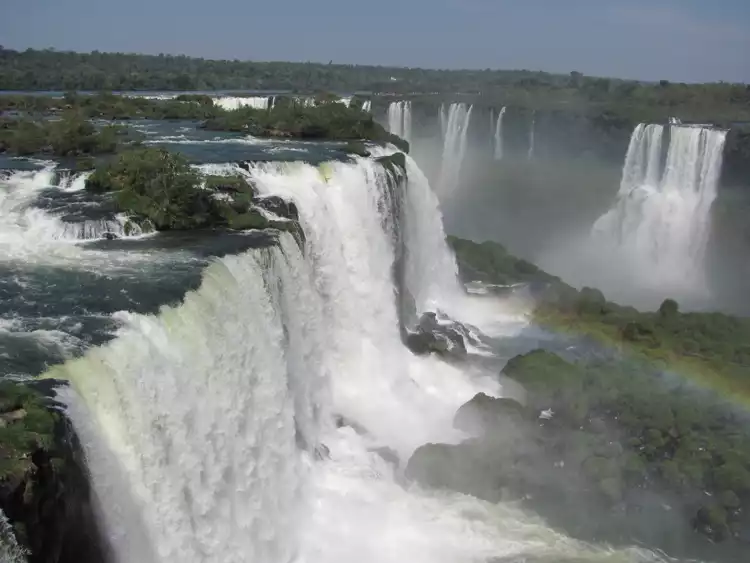
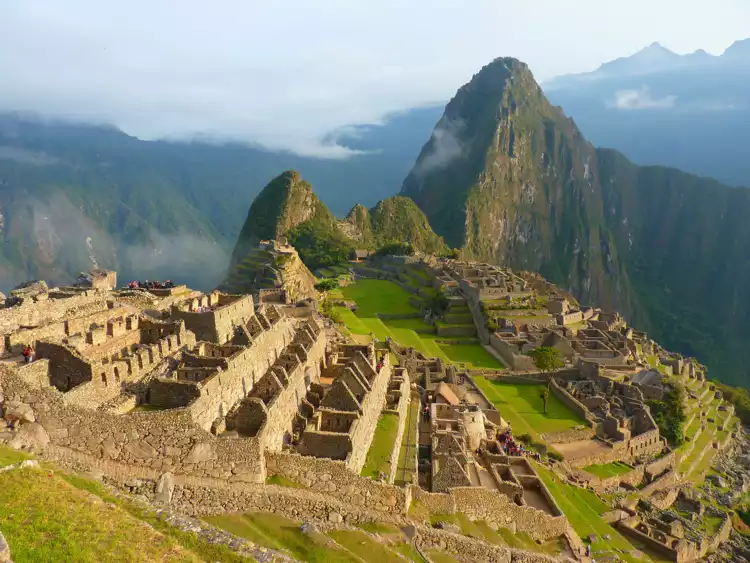


.jpg) Hi, I’m Johan (Netherlands 🇳🇱), the creator of TakeYourBackpack. Over the past 3 decades, I’ve backpacked through 90+ countries across six continents, gaining extensive experience with independent travel, long-term trips, and overland routes.
Hi, I’m Johan (Netherlands 🇳🇱), the creator of TakeYourBackpack. Over the past 3 decades, I’ve backpacked through 90+ countries across six continents, gaining extensive experience with independent travel, long-term trips, and overland routes.