×
North Korea 🇰🇵

backpacking Asia North Korea 🇰🇵
Witness movement only through tightly guided experiences.

Explore NepalExplore Oman

Backpacking North Korea in 2026

A complete guide including when and where to go, costs, transport, itineraries, and practical travel advice.
What a trip here is really like

Backpacking North Korea
By Johan Kruseman 🇳🇱 | last update: 9 May, 2026

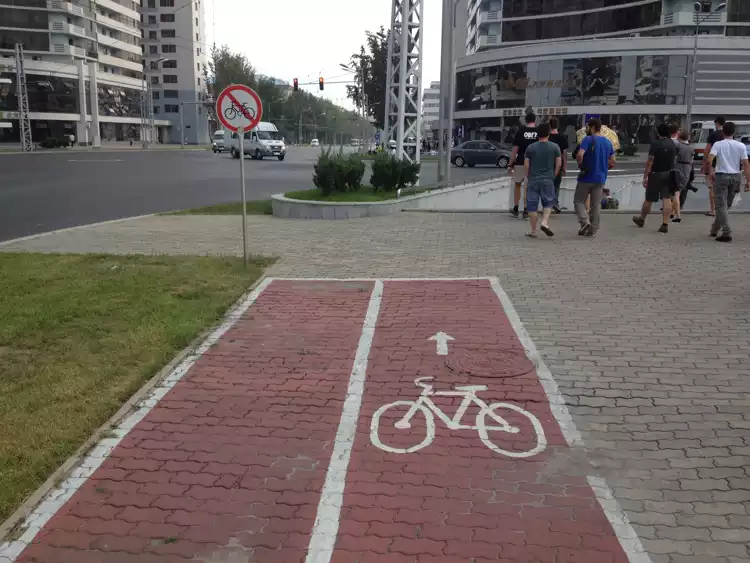
Morning loudspeakers hum over a wide, near-empty boulevard as a white‑gloved traffic warden guides more bicycles than cars and your guide sets the tempo. Travel here is supervised and scheduled; spontaneity yields to permission. Accept that, and the choreography starts to make sense.

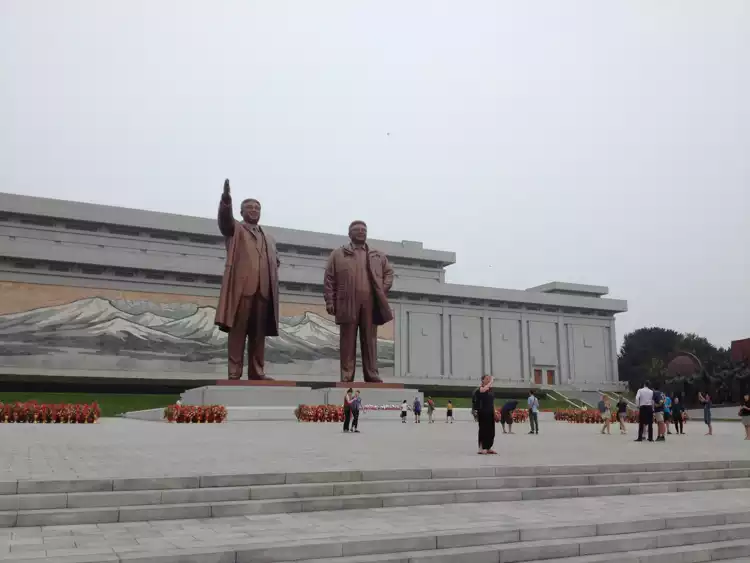
The draw is scale and theatre against real mountains and sea: Pyongyang’s deep, tiled metro and vast squares, pine‑scented trails to Paektu’s crater lake, the northern view of the DMZ at Kaesong, and the marble hush of Myohyang’s halls stacked with diplomatic gifts, with the war museum and the captured USS Pueblo tying the story together. Cash rules (euros, USD, RMB), cards and ATMs don’t; photos are controlled, internet is scarce, and itineraries are fixed. Work with it and the small moments jump out—kids rollerblading across a monument plaza, a choir practice drifting from a schoolyard—and the meaning lands heavier for it.

Compared with South Korea’s freewheeling modern buzz or China’s sprawl and speed, North Korea is slow, curated, and legible in its own logic. It suits rule‑keepers, history hawks, architecture fans, and patient travelers who value context over control.

👉 Get the 📖 Travel Guide of North Korea

Pyongyang

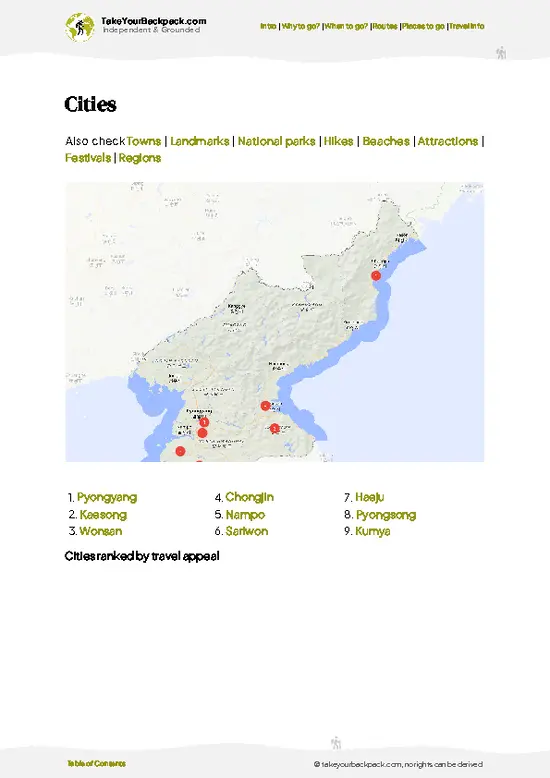
Showpiece capital with real city rhythms under the choreography. All tours funnel here, so logistics are easiest: multiple hotels, predictable meal stops, metro rides, big-scope monuments you can photograph without drama. Evenings mean beer halls, river walks, maybe a kitschy funfair. Best for first-timers and city observers who can handle managed spontaneity.

Kaesong & DMZ Corridor

Policy theater with a long tail. The Pyongyang–Kaesong highway makes this a long day (about 2–2.5 hours each way), with checkpoints, briefings, and strict behavior rules near the blue huts. Kaesong’s old lanes and Koryo relics break up the ideology-heavy morning. Rewards the curious who sit through lectures to stand at the line everyone argues over.

Myohyangsan (Mount Myohyang)

Forest trails, stone steps, quiet temples, and the overwhelming International Friendship Exhibition under one roof. About 2–3 hours north by road; expect a leg workout and shoe-off museum protocol. Overnight at the Hyangsan keeps it sane. Pays off for hikers who don’t mind propaganda architecture and want mountain air without multi-day logistics.

East Coast Spine: Wonsan to Kumgang

Salt air, port life, and summer beach scenes when schedules allow. The Pyongyang–Wonsan drive is 4–5 hours; roads are better than they used to be but still slow. Seafood shacks, student camps, lighthouse walks; access farther to Kumgang varies by permit and season. Suits walkers, photographers, and anyone wanting a different social cadence than the capital.

Paektu / Samjiyon

High-altitude wildcard. Usually a charter hop to Samjiyon, then a bus or jeep up to the rim; thin air and sudden cloud can wipe the view fast. If it opens, the crater lake is a hard-earned prize; if not, forests and revolutionary sites are the fallback. For strong legs and flexible plans—not for tight schedules.
Safety warning

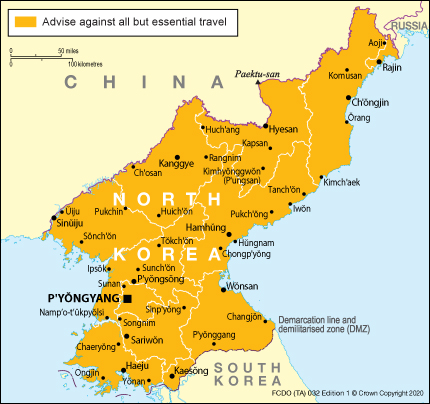
The current risk level for North Korea is high. Check the advice before going.
Get your North Korea Travel Guide
A visual overview of the country
Loading the map 🌍
CLICK TO FILTER
city
town
unique site
national park
hike
beach
attraction
festival
region
SHOW COUNTRY‘S BESTSHOW ALL
film
0
0
0a
Wonsan Beach
film
1
1
1a
Mount Kumgang
film
2
2
2a
Mount Chilbo
film
3
3
3a
Chilbosan Sea Route
film
4
4
4a
Suyangsan Trail
film
5
5
5a
Ryongaksan

Why go?What sets this destination apart

Architecture

North Korea is one of the last intact showcases of socialist monumental urbanism: vast squares, axial vistas, heroic mosaics, and the needle of the Ryugyong Hotel. Pyongyang’s metro stations drip chandeliers; Kaesong keeps Koryo-era … read more 👉
North Korea is one of the last intact showcases of socialist monumental urbanism: vast squares, axial vistas, heroic mosaics, and the needle of the Ryugyong Hotel. Pyongyang’s metro stations drip chandeliers; Kaesong keeps Koryo-era gates, a Confucian academy, and courtyard houses; Koguryo tomb murals still breathe color. You won’t roam, so stack sure bets: Juche Tower’s deck, Moran Hill at dusk, and a river ferry for skyline symmetry. I’ve had whole plazas to myself at sunrise. Pro tip: tripods are often refused; shoot handheld, work fast, and clear your angle with your guides before you lift the camera.

Uniqueness

North Korea feels like stepping into a controlled stage: you move only on a guided itinerary, travel corridors are curated, conversation careful. That constraint is the point—you see a coherent narrative, not a messy market. … read more 👉
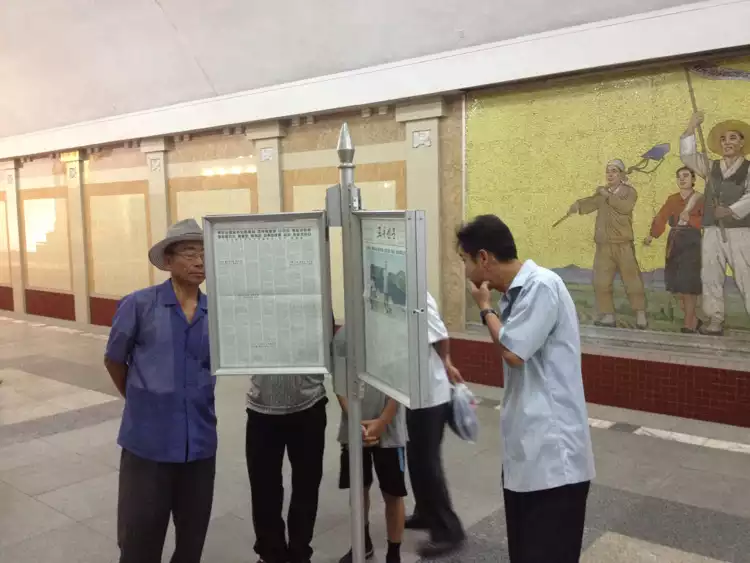
North Korea feels like stepping into a controlled stage: you move only on a guided itinerary, travel corridors are curated, conversation careful. That constraint is the point—you see a coherent narrative, not a messy market. The silence—empty highways, no ads—hits first. Pro tip: cash only; euros or RMB; no ATMs. Ask before every photo; monuments demand formal clothing. I got the sharpest sense of place on the Pyongyang Metro, between Puhung and Yonggwang—deep, ornate, locals commuting, no phones out. DMZ visit from the north flips perspectives fast.
Want the complete picture of North Korea?
The offline Travel Guide brings everything together — routes, highlights & planning.

See what's included in the guide 👉

Get the Travel Guide -

⭐ HighlightsHighlights of North Korea

  • Pyongyang Metro: Deep, chandeliered stations where lacquered mosaics glow and a warm tunnel breeze hits your face as the train sighs in. Green-and-cream carriages rattle like old trams. Attendants snap flags; metal doors slam with finality. Proof you were there: the faint smell of machine oil on your hands from the chrome grab bars.
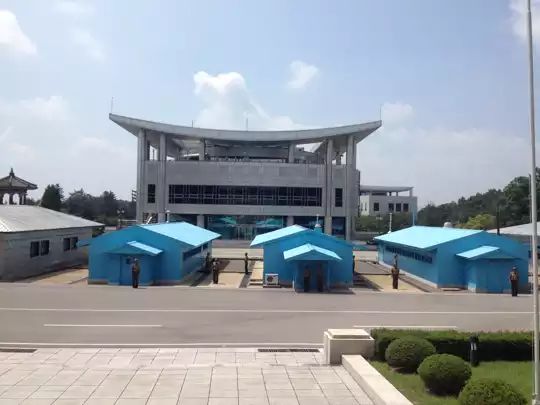
  • Panmunjom (DMZ): Blue huts, a concrete line, and a silence that makes every bootstep on gravel sound absurdly loud. Soldiers stand unmoving, eyes fixed past you. Inside the conference hut, the table’s felt is worn pale around the central microphone. Proof you were there: the odd feeling of one foot in each country under fluorescent hum.
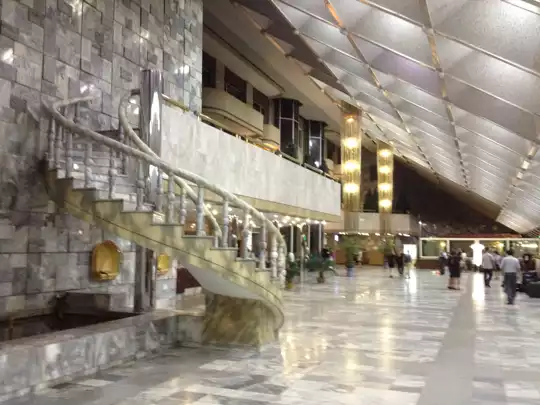
  • Mount Myohyang & Friendship Exhibition: Pine air and cold granite streams on the mountain trails, then a hard pivot to polished marble corridors and display halls that seem to run forever. Guides set the pace; conveyor belts set your path. Proof you were there: the hush of felt overshoes sliding, and the wax-polish scent that
  • read more 👉
  • Pyongyang Metro: Deep, chandeliered stations where lacquered mosaics glow and a warm tunnel breeze hits your face as the train sighs in. Green-and-cream carriages rattle like old trams. Attendants snap flags; metal doors slam with finality. Proof you were there: the faint smell of machine oil on your hands from the chrome grab bars.
  • Panmunjom (DMZ): Blue huts, a concrete line, and a silence that makes every bootstep on gravel sound absurdly loud. Soldiers stand unmoving, eyes fixed past you. Inside the conference hut, the table’s felt is worn pale around the central microphone. Proof you were there: the odd feeling of one foot in each country under fluorescent hum.
  • Mount Myohyang & Friendship Exhibition: Pine air and cold granite streams on the mountain trails, then a hard pivot to polished marble corridors and display halls that seem to run forever. Guides set the pace; conveyor belts set your path. Proof you were there: the hush of felt overshoes sliding, and the wax-polish scent that clings to your clothes.
  • Kaesong Old City & Koryo Museum: Low tiled roofs, narrow lanes, and a Confucian academy reborn as a museum of the Koryo era. It feels older than most of the country you’ll see. Proof you were there: ginseng tea served in small porcelain cups—earthy, slightly bitter—and the creak of wooden floors under your socks.
  • Nampo & West Sea Barrage: A sea wall the length of a commute, lock gates that dwarf buses, and wind that tastes of salt and silt. Nearby hot-spring baths carry a sulfur tang; plastic clogs slap wet tile. Proof you were there: your swimsuit smells mineral-rich for hours. If you can swing it, add Pyongsong’s science street, Moranbong Park on a Sunday, or the Kwangbok Department Store food hall; my personal pick is the Metro at rush hour for plain, everyday truth.
Spotted a mistake or missing a highlight? Contact us.

But North Korea offers more...

Discover and compare all of its highlights per category

🧭 RouteSuggested travel route through North Korea

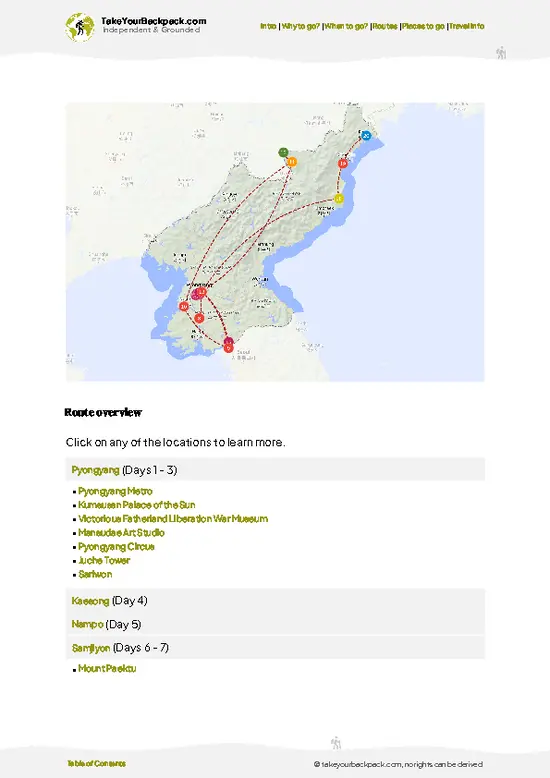
Days 1–3: Pyongyang

Start with a thorough exploration of the capital—beyond the monuments, dig into the city’s rhythm: ride the metro, visit a local school, and catch a performance at the Grand Theatre. There’s time for the Victorious Fatherland Liberation War Museum, the Juche Tower, and a sunset stroll along the Taedong River.

Days 4–5: Kaesong & DMZ

Head south for a full immersion in Kaesong’s UNESCO sites, including the Songgyungwan Confucian Academy and the tombs of Koryo kings. Spend a day at the DMZ, with time for both the tense border and the city’s quieter backstreets.

Days 6–7: Mt. Myohyang & International Friendship Exhibition

Travel northeast to hike forested trails, visit the 1,000-year-old Pohyon Temple, and marvel at the International Friendship Exhibition’s endless halls of diplomatic oddities.

Days 8–9: Nampo & West Sea Barrage

Shift west to Nampo for a look at North Korean industry and a soak in the city’s hot springs. The West Sea Barrage is a must for engineering buffs.

Days

read more 👉

Days 1–3: Pyongyang

Start with a thorough exploration of the capital—beyond the monuments, dig into the city’s rhythm: ride the metro, visit a local school, and catch a performance at the Grand Theatre. There’s time for the Victorious Fatherland Liberation War Museum, the Juche Tower, and a sunset stroll along the Taedong River.

Days 4–5: Kaesong & DMZ

Head south for a full immersion in Kaesong’s UNESCO sites, including the Songgyungwan Confucian Academy and the tombs of Koryo kings. Spend a day at the DMZ, with time for both the tense border and the city’s quieter backstreets.

Days 6–7: Mt. Myohyang & International Friendship Exhibition

Travel northeast to hike forested trails, visit the 1,000-year-old Pohyon Temple, and marvel at the International Friendship Exhibition’s endless halls of diplomatic oddities.

Days 8–9: Nampo & West Sea Barrage

Shift west to Nampo for a look at North Korean industry and a soak in the city’s hot springs. The West Sea Barrage is a must for engineering buffs.

Days 10–11: Wonsan & Songdowon Beach

Cross the country to the east coast for a taste of seaside North Korea. Wonsan’s seafood markets, breezy promenades, and Songdowon Beach offer a rare chance to see locals at play. If the weather’s right, swim or join a beach picnic.

Days 12–13: Mt. Kumgang

Head further east to Mt. Kumgang, the country’s most celebrated mountain. Hike dramatic granite peaks, visit waterfalls, and—if open—peek into the old cross-border tourist zone. The scenery here is genuinely world-class.

Days 14–15: Hamhung (Lesser Known Highlight)

Venture north to Hamhung, a city rarely seen by outsiders. The Soviet-influenced architecture, sprawling chemical factories, and surprisingly lively central square make for a fascinating contrast to the rest of the route. This is where you’ll see North Korea’s industrial side and meet locals far from the usual tourist circuit. My must-do day? The hike in Mt. Kumgang: the landscape is so unexpectedly dramatic, it’ll reset your sense of what’s possible in Korea.
Planning a different trip length?
This page features the 15-day route. The complete Travel Guide includes flexible 5, 10 & 15-day itineraries to help you shape your own ideal journey, along with cost breakdowns and accommodation tips.

See all available routes 👉

Get the Travel Guide -

🌤️ When to go?Weather, seasons, and timing

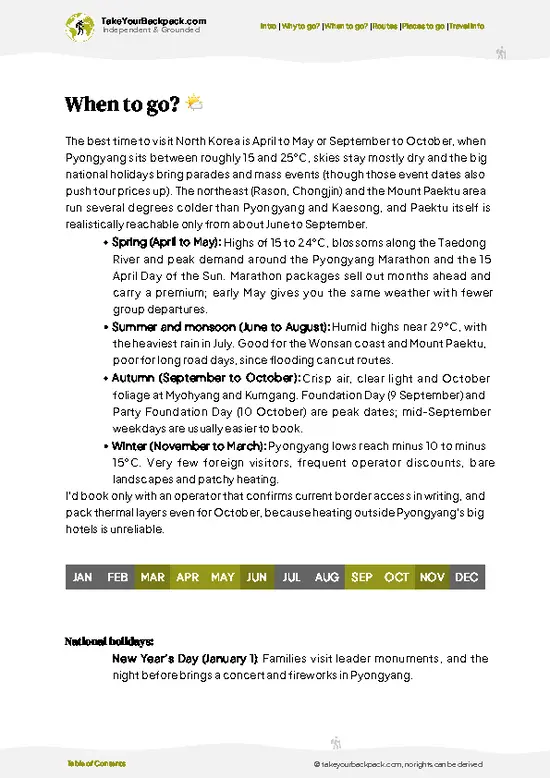
Late April-mid May and late September-mid October are the sweet spots. You get dry, walkable days and cool nights, minus the monsoon slog of summer and the deep freeze of winter. Tour prices and hotel availability ease between holiday spikes; skip Apr 15/May 1 and Oct 1-7 when Chinese holiday traffic and big anniversaries compress capacity. Air is clearer, trails around Myohyang and Paektu are firm, and daylight is long enough to stack sites without rushing. Independent backpacking isn’t a thing here—you’ll move on a tour—but in these windows guides aren’t herding at full tilt, permits flow smoother, and weather cancels are rarer than in typhoon season or blizzards.
  • Peak Heat/Peak Crowd (Jul-Aug + major holiday weeks): You’ll sweat through the metro and queue for elevators; rates tick up because buses and rooms are finite. The payoff: long light, green countryside, and post-storm clarity on mountain ridges and the coast—big days if you can grind.
  • Shoulder Momentum (late Apr-mid May; late Sep-mid Oct, excluding Oct 1-7): Doors slide open, lines thin, and the country breathes. Spring blossoms and crisp fall air mean fast walking, unhurried museum time, and guides willing to add a detour because the clock isn’t strangling them.
  • Winter Off-Peak (Dec-Feb): Stark, quiet, and honest. Short days, brittle cold, fewer groups. Bring a windproof shell and slip a heat pack around your phone/power bank; hotel heating can be uneven and batteries die fast in minus temps.

I book my tour about two months out but only buy flights after the operator locks exact dates; holiday shifts here move faster than refund policies.

source: climatestotravel.comJANJanuary: fair for travelingFEBFebruary: fair for travelingMARMarch: good for travelingAPRApril: highly recommended for travelingMAYMay: highly recommended for travelingJUNJune: good for travelingJULJuly: fair for travelingAUGAugust: fair for travelingSEPSeptember: highly recommended for travelingOCTOctober: highly recommended for travelingNOVNovember: good for travelingDECDecember: fair for traveling
Traveling in a specific month?
This page covers the best seasons to visit. For a complete month-by-month breakdown — including weather, crowds, costs, national holidays, and festivals — download the full Travel Guide.

Get the Travel Guide -
!IMG 5183

💰 Costs (as of 2026)Typical budget expectations

150-220 USD per day, all-in on a group tour; independent budget hacks don’t exist and anything cheaper is usually smoke and mirrors.
  • dorm accommodation: There are no true dorms; the budget equivalent is “twin-share” in state hotels bundled into your tour. Figure 30-60 USD per person per night baked into the daily rate; single supplement runs another 30-70 USD per night. System tip: ask for twin-share pairing and pick a larger group departure—the per-night hotel allocation drops when a bus is full. Old Pyongyang standards (Yanggakdo/Koryo) are cheaper than boutique options; accept dated rooms to keep costs down.
  • meals: Most meals are set menus included in the tour; add-ons are 5-12 EUR when you want an extra lunch or upgraded dish. Supermarket Survival: the few foreigner-facing shops sell imported snacks at Western prices (think 2-4 EUR for a chocolate bar), so bring nuts/instant noodles from Beijing or Dandong. Street food reality: you won’t graze freely; at most you’ll buy an ice cream or beer at a controlled kiosk (0.5-3 EUR). I’ve cut 20-30 EUR on a week by packing coffee sachets—hotel cappuccinos go for 4-8 EUR.
  • local transport: The cheapest way to “unlock” the country is a group
  • read more 👉
150-220 USD per day, all-in on a group tour; independent budget hacks don’t exist and anything cheaper is usually smoke and mirrors.
  • dorm accommodation: There are no true dorms; the budget equivalent is “twin-share” in state hotels bundled into your tour. Figure 30-60 USD per person per night baked into the daily rate; single supplement runs another 30-70 USD per night. System tip: ask for twin-share pairing and pick a larger group departure—the per-night hotel allocation drops when a bus is full. Old Pyongyang standards (Yanggakdo/Koryo) are cheaper than boutique options; accept dated rooms to keep costs down.
  • meals: Most meals are set menus included in the tour; add-ons are 5-12 EUR when you want an extra lunch or upgraded dish. Supermarket Survival: the few foreigner-facing shops sell imported snacks at Western prices (think 2-4 EUR for a chocolate bar), so bring nuts/instant noodles from Beijing or Dandong. Street food reality: you won’t graze freely; at most you’ll buy an ice cream or beer at a controlled kiosk (0.5-3 EUR). I’ve cut 20-30 EUR on a week by packing coffee sachets—hotel cappuccinos go for 4-8 EUR.
  • local transport: The cheapest way to “unlock” the country is a group tour arriving by train (Dandong-Pyongyang or Beijing-Pyongyang), which saves 100-250 USD over flights. Inside the country you’ll ride the tour bus; you won’t pay city fares beyond the occasional Pyongyang Metro ride (usually included). Compared to China or South Korea where buses and metros cost pocket change and give freedom, DPRK transport is not a variable expense—it’s your tour fee.
  • activities: Core sightseeing is included, but the big drivers are special events and leisure facilities. Mass Games (when running): 100-800 EUR depending on seat. Munsu Water Park: ~10-15 EUR entry; extras inside cost more. Shooting range/bowling/circus: 5-30 EUR. Juche Tower elevator: a few euros. DMZ day trip to Kaesong is usually bundled on longer itineraries. Relative value: general museum/monument fees are cheaper than Seoul or Beijing; spectacles are priced like a concert anywhere.
  • miscellaneous: Budget leaks: tips (guides + driver) 5-10 EUR per traveler per day is expected; bottled water/soft drinks 1-3 EUR; hotel coffee 4-8 EUR; beers 1-3 EUR; postcards/souvenirs 2-50 EUR; SIMs (when available) 70-150 USD plus pricey minutes; international calls 2-3 USD/min; laundry 5-10 EUR per bag. Cash only—bring crisp EUR/USD/CNY; no ATMs. Change often comes in RMB at a house rate, so spend small bills. Compared with China/Korea, snacks and drinks are higher relative to quality because you’re captive; I keep a “snack stash” to avoid the lobby bar markup.
⚠️ Prices can change and everyone travels differently, so take this as a rough guide. Hope it helps you plan your adventure!

✈️ The ultimate backpacker shortcutNorth Korea Travel Guide

Skip weeks of stressful planning and hit the road with confidence. Our backpacking travel guides are designed specifically for independent travelers who want practical information, realistic itineraries, and honest advice they can actually use on the ground.
example page 0 from our offline Travel Guide for North Koreaexample page 1 from our offline Travel Guide for North Koreaexample page 2 from our offline Travel Guide for North Koreaexample page 3 from our offline Travel Guide for North Koreaexample page 4 from our offline Travel Guide for North Korea
The guide (243 pages) contains:
5, 10 & 15-day routes paced for real travel
74 ranked highlights with honest advice
Logistics solved: Best areas to stay & transport
Safety: Common local scams to avoid
No Wi-Fi? No problem: Phone-optimized offline PDF
👉 See all 30+ guide features

📅 Plan smarter in minutes, not weeks
Realistic travel times & pacing
Best months per region
Festivals & national holidays
Budget expectations

🗺️ Go to the right places, skip the overrated ones
74 ranked highlights across the country
Hidden gems beyond the tourist trail
Honest pros & cons of destinations
Top hikes, parks & viewpoints
Lesser-known places most travelers miss
Clear “worth it vs skip it” guidance

🛏️ Travel smoothly without rookie mistakes
Best areas to stay
Transport systems explained simply
Local transport tradeoffs
Common scams & safety advice
SIM cards, money & practical tips
What to expect before arrival

🌍 Understand the country, not just visit it
Culture & traditions
52 Essential phrases & customs
Festivals worth planning around
Traveler-friendly historical context
Insights that make places more meaningful

📱 Built for real travel conditions
Fully downloadable PDF
Works completely offline
Optimized for phone use
Useful in remote areas & buses
Everything in one place
Save weeks of stressful planning
Get instant access to the full guide directly. 30-day money-back guarantee.


Sent to your inbox immediately after payment • 100% Secure Checkout
Best Backpacking Travel Advisor 2025 tourism awardBest Backpacking
Travel Advisor
2025
What others say about Take Your Backpack Guides:
⭐⭐⭐⭐⭐
Fantastic, amazing amount of information!
⭐⭐⭐⭐⭐
My goodness this is amazing, it's what I've been looking for hats off too you!
⭐⭐⭐⭐⭐
I think this is absolutely BRILLIANT
⭐⭐⭐⭐
Very complete and informative. It's still missing places, but I gotta to commend you
⭐⭐⭐⭐⭐
This is truly amazing, thank you, can't wait to explore it with my kids!
⭐⭐⭐⭐⭐
Awesome resource, thank you!
⭐⭐⭐⭐⭐
This is amazing! Can't wait to explore the ones I haven't seen
⭐⭐⭐⭐
I love this! Well done, great idea.
⭐⭐⭐⭐⭐
Thanks for taking the time to make this gem!
⭐⭐⭐⭐⭐
This might be the best website I've ever seen.
⭐⭐⭐⭐⭐
Congratulations, and thank you so much for your work; it's incredibly valuable.
⭐⭐⭐⭐
In all seriousness I think you did a great job pointing out the important spots
⭐⭐⭐⭐⭐
10/10 very good
⭐⭐⭐⭐⭐
As someone who's only just starting to visit regularly this is awesome, thank you.
⭐⭐⭐⭐
Thank you very much! I'm going to visit my dad, it's going to be very useful!
⭐⭐⭐⭐⭐
This is really cool! We'll be travelling for the first time and this definitely come in handy.
⭐⭐⭐⭐⭐
You are now our minister of culture, congratulations 👨‍💼
⭐⭐⭐⭐⭐
Just wanted to tell you that this is a pearl! Going to follow your recommendations.
⭐⭐⭐⭐⭐
This is so cool. I'll definitely be using the resource for my travels soon.
⭐⭐⭐⭐⭐
This is very impressive! Good work.
⭐⭐⭐⭐⭐
This is an amazing and informative site. Very well done!

🛏️ Where to stay?Areas travelers tend to prefer

No independent hostels or backpacker-style budget accommodation exist openly in North Korea; lodging for foreign visitors is limited to state-run hotels and guesthouses usually arranged through organized tours, so you cannot count on walk-in dorms or independent low-cost stays.

Most options cluster in central Pyongyang (Kim Il Sung Square, Moranbong, Mansudae) — closest to the main sights and the few permitted evening activities but tightly controlled and lacking real nightlife; provincial hubs like Kaesong, Wonsan and Mount Kumgang offer quieter, often cheaper official guesthouses with sparse … read more 👉
No independent hostels or backpacker-style budget accommodation exist openly in North Korea; lodging for foreign visitors is limited to state-run hotels and guesthouses usually arranged through organized tours, so you cannot count on walk-in dorms or independent low-cost stays.

Most options cluster in central Pyongyang (Kim Il Sung Square, Moranbong, Mansudae) — closest to the main sights and the few permitted evening activities but tightly controlled and lacking real nightlife; provincial hubs like Kaesong, Wonsan and Mount Kumgang offer quieter, often cheaper official guesthouses with sparse amenities and restricted access.

Crime risk for tourists is low, but movement, independent bookings and services are strictly limited; book through authorized channels and expect fixed itineraries, limited food choices and minimal budget flexibility to avoid being turned away.

If you enjoy meeting fellow travelers, consider choosing hostels with high ratings for atmosphere. On the other hand, if you prefer having your own space, a hotel might be a better option.

🚌 Getting aroundWhat moving around is really like

Time moves on rails here—official, posted, and obeyed—but electricity and fuel decide what actually rolls. You don’t improvise; you queue, you wait, and you follow your minder because independent travel isn’t permitted. When things work, they run with factory precision. When they don’t, everyone shrugs, tightens the plan, and tries again at dawn.
  • Intercity Train The speed vs. cost math is blunt: cheapest by far, slowest by far. Expect 30-40 km/h averages, long station dwells, and carriages that swing
  • read more 👉
Time moves on rails here—official, posted, and obeyed—but electricity and fuel decide what actually rolls. You don’t improvise; you queue, you wait, and you follow your minder because independent travel isn’t permitted. When things work, they run with factory precision. When they don’t, everyone shrugs, tightens the plan, and tries again at dawn.
  • Intercity Train The speed vs. cost math is blunt: cheapest by far, slowest by far. Expect 30-40 km/h averages, long station dwells, and carriages that swing from overheated to unheated. Tickets are handled by your guide; you carry snacks, water, and patience. Schedules exist, but power dips stretch them. If you value money over time, trains deliver, and overnight runs cut hotel cost while you creep across the map.
  • Pyongyang Metro, Trams & Trolleybuses Silence, queues, and eyes forward. You let elders and uniforms sit, keep your camera holstered unless invited, and stand calmly on the endless escalators. Fares are pocket change and usually prepaid by the minder. Doors snap shut with zero drama; you move like everyone else—brisk, contained, no swagger. It’s the most local you’ll feel while still being supervised.
  • Regional Coaches/Minibuses Buses unlock what rails miss: Kaesong, Mt. Myohyang, coastal stretches. Roads are serviceable but slow; speed governors and checkpoints set the tempo. Depart early to thread fuel queues and roadworks. Motion sickness hits on mountain switchbacks—pack for it. Drivers run tight stop schedules, so bathroom and photo breaks are negotiated, not assumed. If you must reach a trailhead today, this is how.
  • International Train via Sinuiju-Dandong The quiet budget move. It undercuts flights, avoids baggage games, and keeps your kit with you during border checks. It’s not fast—customs can eat hours—but it’s predictable in cost. Guides arrange tickets; you stay in assigned cars while devices and bags are inspected. Fly in, train out (or vice versa) is the cheapest lawful way to cover the international leg.
Master tip: book the first departure of the day for every long move and keep a full extra day before your exit; afternoon services absorb the power cuts and inspections, morning ones slip through before delays stack.
Distance: Pyongyang Sunan International Airport (FNJ) is about 24 km (15 miles) northwest of central Pyongyang (around Kim Il-sung Square).

As of 2025, foreign visitors are required to be on an organized, guided trip. Your guides normally meet you in the arrivals hall and handle the transfer into the city. Independent travel from the airport is not permitted.
  • Pre-arranged tour transfer (car/van/coach)

    Travel time: 30-40 minutes, depending on checkpoints and traffic (usually light).

    Cost: Almost always included in your tour price. If it’s itemized, operators typically quote per vehicle; confirm before you fly.
  • Public transport

    What exists: Local buses/trolleybuses and suburban trains run in the region but there is no public airport bus, no metro to the airport, and no passenger service that foreign visitors can use from the terminal.

    Travel time: Not applicable for tourists.

    Cost: Not available to foreign visitors.
  • Taxi

    Metered taxis do operate in Pyongyang, but hailing one at the airport as a foreigner is unlikely. If you specifically request it, your tour company may arrange a taxi instead of a private van.

    Travel time: 30-40 minutes.

    Cost: Commonly quoted in hard currency when arranged for foreigners; expect roughly €25-€60 (or similar in USD) one way, depending on vehicle and who arranges it.

Good to know: There are no rideshare apps, and you won’t find an airport train or shuttle for tourists. Bring cash (EUR/USD/CNY) if you’ve agreed any extras with your operator; cards and ATMs are not an option. Always confirm your pick-up details with your tour company before departure.
⚠️ Prices and routes can change, so take this as a rough guide and ask for local advice when you arrive.

🔒 Safety (risk Level: high)Staying safe while traveling

Safety for solo travelers, including women and LGBTQ+ individuals
Traveling to North Korea as a solo traveler, including women and LGBTQ+ individuals, is generally not recommended due to strict government control and limited freedom of movement. All tourists must join guided tours, and independent travel is not permitted. Safety concerns exist, especially for LGBTQ+ individuals, as North Korea has strict societal norms and laws. Always check the latest travel advisories and familiarize yourself with the rules to avoid any legal issues.
safety image

source: www.gov.uk

✈️ VisaUnderstanding entry rules

You need a visa to visit North Korea, and it’s typically arranged through a tour operator as independent travel isn’t allowed. Apply through a travel agency that specializes in North Korea tours; they’ll handle visa processing with the North Korean authorities. Remember, travel restrictions are subject to change, so check for updates before planning your trip.
⚠️ Visa requirements can change over time, so always check the latest visa requirements with the official embassy or government website before you travel.

🎒 What to pack?What to wear and bring

North Korea’s climate can swing between quite hot in the summer to bitterly cold in the winter, so pack accordingly. Summers can be humid and rainy, so consider quick-dry clothing, while winters demand serious layering. Terrain ranges from mountains to urban areas, so sturdy shoes are a must. You’ll need to dress conservatively—think long pants and sleeves—especially for visits to monuments or temples. Remember, you’ll likely have a government guide with you, and they expect a certain level of formality, so leave the graphic tees at home.

Apart from this country specific advice, I have also crafted a general packing list that should help on any trip. authorOver the years, I've learned the importance of packing minimally. It's so much easier to jump on the back of a truck or squeeze yourself into the last spot of a minibus without that supersized backpack. If you're headed to a warm destination, leave your winter jacket at home; for colder regions, opt for thin thermal underlayers. Instead of packing your entire wardrobe, bring just three sets of clothes, as laundry facilities are available everywhere.
View the full list 👉

✈️ FAQThings travelers often ask

Trip Planning


Personal tip: I normally search on good rating for atmosphere (for meeting people) and location (for easy exploring). Cleanliness as a bonus.


Travel Essentials

You should consider the following vaccinations for North Korea:

- Hepatitis A
- Hepatitis B
- Typhoid
- Japanese Encephalitis (especially if visiting rural areas)
- Rabies (if you plan on animal interaction)
- Yellow Fever (only if arriving from a yellow fever endemic country)

Consult a travel health specialist for personalized advice. Always check for the latest updates before traveling.


vaccination requirements
When I first started traveling, I often spent part of my first day in a new country hunting for a local SIM card. While this can still be slightly cheaper, it also takes time and planning.

These days, it's much simpler to install an eSIM before leaving home. Once you arrive in North Korea, you can activate it immediately and have mobile data from the moment you land — which is especially useful for ordering transport or navigating away from busy airports.

There are many providers nowadays, and price differences are usually small. I personally go with Airalo, as it offers excellent network coverage throughout the country and strong global coverage, so you can manage multiple countries from a single app.


Get your e-sim for North Korea

Culture & Customs

Respect for leaders is crucial. Always show deference to images and statues of Kim Il-sung and Kim Jong-il. Photography is sensitive; ask permission, avoid military sites, and don’t disrespect symbols of the state. Dress modestly, especially when visiting monuments or public events.

For LGBTQ+ travelers, discretion is advised as North Korea has conservative views on sexuality. Women should be cautious in public behavior to avoid unwanted attention and always travel with a guide. Presenting gifts like cigarettes or cosmetics is appreciated, but ensure they’re not offensive. Always follow your guide’s instructions to avoid misunderstandings.
Trying traditional food is always a great way to experience the culture. Here are some must-try dishes for North Korea.- **Kimchi**: A staple in Korean cuisine, kimchi is fermented vegetables, usually napa cabbage and Korean radishes, seasoned with chili pepper, garlic, ginger, and jeotgal (salted seafood). It’s a cultural cornerstone, representing Korean tradition and agriculture.- **Naengmyeon**: This is a cold noodle dish, perfect for summer. Made with long, thin noodles in a tangy iced broth, it’s often topped with slices of cucumber, Korean pear, and boiled egg. It’s popular for its refreshing taste and is a classic in Korean dining.- **Pibimbap**: A bowl of warm white rice topped with namul (sautéed and seasoned vegetables) and gochujang (chili pepper paste), sometimes with the addition of sliced beef or a fried egg. It’s a symbol of harmony and balance in Korean culture.- **Bulgogi**: Thinly sliced beef marinated in a mixture of soy sauce, sugar, sesame oil, garlic, and pepper, then grilled or stir-fried. It’s popular for its sweet, savory flavor and is a go-to for anyone looking to experience Korean barbecue.- **Bindaetteok (Mung Bean Pancakes)**: Made from ground mung beans and vegetables, these savory pancakes are crispy on the outside and tender inside. They’re a traditional comfort food, often enjoyed during special occasions and celebrations.
Tap water in North Korea is generally not recommended for tourists to drink, even though locals might consume it. Stick to bottled or filtered water to avoid any health issues. Ensure the seal on bottled water isn’t tampered with before purchasing.
The main language in North Korea is Korean. Backpacking is way more rewarding if you know a bit of the local language, so I'd suggest brushing up on the basics just in case your Korean skills have become a bit rusty.

Want to understand locals better?
The complete Travel Guide for North Korea includes 52 essential words and phrases — greetings, thank-yous, ordering food, transport, numbers, and common local expressions you'll actually hear.

Get your local basic phrases 👉

Get the Travel Guide -


English is not widely spoken in North Korea. The country’s primary language is Korean, and while there are some North Koreans who have studied English, their proficiency is generally limited. English is taught in schools, but the focus is often on reading and writing rather than conversational skills. Most interactions with locals may be challenging for English speakers, as the majority of the population lacks fluency.

Tourists typically travel in guided groups, and guides are usually the primary English speakers encountered. These guides are trained to communicate with foreigners and can help facilitate interactions. However, outside of these organized tours, opportunities to engage with locals in English are rare.

In major cities like Pyongyang, you might find some signs or menus in English, but in rural areas, English is virtually nonexistent. Overall, while you may find some individuals with basic English skills, effective communication can be difficult, making it advisable for travelers to learn a few basic Korean phrases or rely on their guides for assistance.

Money & Payments

The local currency of North Korea is KPW (₩).

Traveling in North Korea is a bit of a unique experience, especially when it comes to money. First off, you won’t find any ATMs that work with foreign cards. Seriously, don’t count on them; your plastic won’t get you far here. It’s a cash game all the way.

Bring Euros, Chinese Yuan, or US Dollars in crisp, unmarked bills for exchange. North Korean Won is technically for locals only, but you might end up with some for small purchases. In most cases, you’ll use foreign currency directly.

Card acceptance is pretty much non-existent, so leave those credit cards for another trip. For exchanging money, do it at the airport, your hotel, or designated spots arranged by your tour guide. Don’t try to exchange on the black market; it’s risky and strictly illegal.

Bottom line: Carry cash and plan ahead. It’s not the place to wing it when it comes to finances.

Tipping in North Korea is not a common practice and is generally discouraged, as most services are state-operated. However, if you’re part of an organized tour, a small tip to guides or drivers can sometimes be appreciated, but it’s best to consult with your tour provider first. Always remember that local customs and regulations can be strict, so proceed with caution.

🧩 Nearby countriesSimilar backpacking destinations

📸 PhotosWhat it looks like on the ground

Take your backpack - North Korea - 0
Take your backpack - North Korea - 1
Take your backpack - North Korea - 2
Take your backpack - North Korea - 3
Take your backpack - North Korea - 4
Take your backpack - North Korea - 5
Take your backpack - North Korea - 6
Take your backpack - North Korea - 7
Take your backpack - North Korea - 8
Take your backpack - North Korea - 9
Take your backpack - North Korea - 10
Take your backpack - North Korea - 11
Take your backpack - North Korea - 12
Take your backpack - North Korea - 13
Take your backpack - North Korea - 14
Take your backpack - North Korea - 15
Take your backpack - North Korea - 16
Take your backpack - North Korea - 17
Take your backpack - North Korea - 18
Take your backpack - North Korea - 19
Take your backpack - North Korea - 20
Take your backpack - North Korea - 21
Take your backpack - North Korea - 22
Take your backpack - North Korea - 23
Take your backpack - North Korea - 24
Take your backpack - North Korea - 25
Take your backpack - North Korea - 26
Take your backpack - North Korea - 27
Take your backpack - North Korea - 28
Take your backpack - North Korea - 29
Take your backpack - North Korea - 30
Take your backpack - North Korea - 31
Take your backpack - North Korea - 32
Take your backpack - North Korea - 33
Photographed by: Johan Kruseman

Observations and takeaways

How a smelly towel does the trick to smuggle anything into North Korea

How a smelly towel does the trick to smuggle anything into North Korea

North Korea | North Korea! Or should I say just Korea, since, as I learned, Korea is actually one country where the southern part still needs to be “liberated”. It’s an interesting way of looking at the world, for sure. As we reached the last Chinese town, there were only two bridges separating us from Korea. Or maybe it was more the river separating us, and th...
Read more
Meeting the entire North Korean national football team U19 on the train

Meeting the entire North Korean national football team U19 on the train

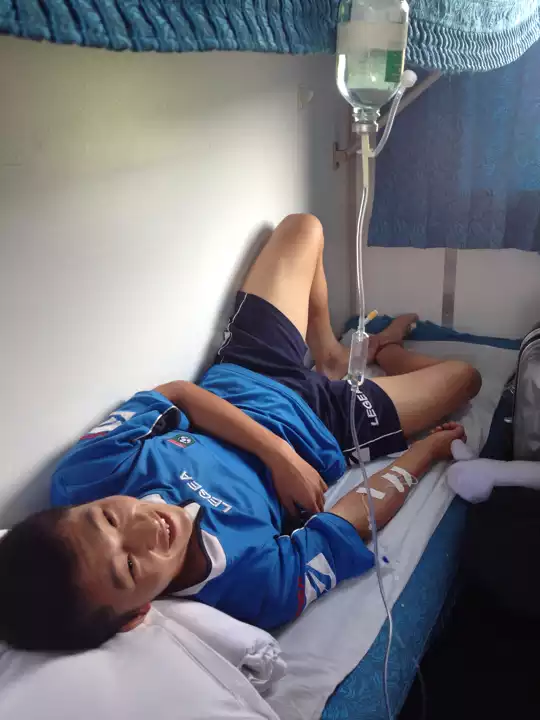
North Korea | On the train, I met the North Korean National Team for boys under 19. It was super interesting to talk and play cards with them since it was one of the few opportunities I had to “freely” interact with Koreans. One boy had bumped his little toe during a match and had a small wound. The team doctor, Doctor An, took no half measures and applied every...
Read more
Meeting the Chief General Manager and our personal private guide

Meeting the Chief General Manager and our personal private guide

North Korea | And here, I learned that Koreans love titles. Besides Doctor An, there was also the Chief General Manager on board. When I asked about the responsibilities of a Chief General Manager, she weightily answered that she arranged the food for the team. A few moments later, I was considered part of the team too and had a beer in one hand and dried fish i...
Read more
Elevators programmed like gold fishes

Elevators programmed like gold fishes

North Korea | The hotel, like everything else, was special. It was fully set up for Western visitors, located on an island to make escaping difficult (more on that in a minute), and had all the amenities we foreigners would expect: a marble entrance with a large aquarium, eight elevators, a snooker center, a ping pong area, a bowling alley, and, how could I forg...
Read more
A 4cm high wall separating North and South Korea

A 4cm high wall separating North and South Korea

North Korea | The first full day started with a visit to the demilitarized zone (DMZ), the border separating North and South Korea. Contrary to what I expected, the wall was just a 5cm high and 15cm wide threshold in an ironically peaceful-looking green lush surrounding, full of trees and chirping crickets. According to the northern part of Korea (as with anythi...
Read more
Empty highways, reserved for government and tourists

Empty highways, reserved for government and tourists

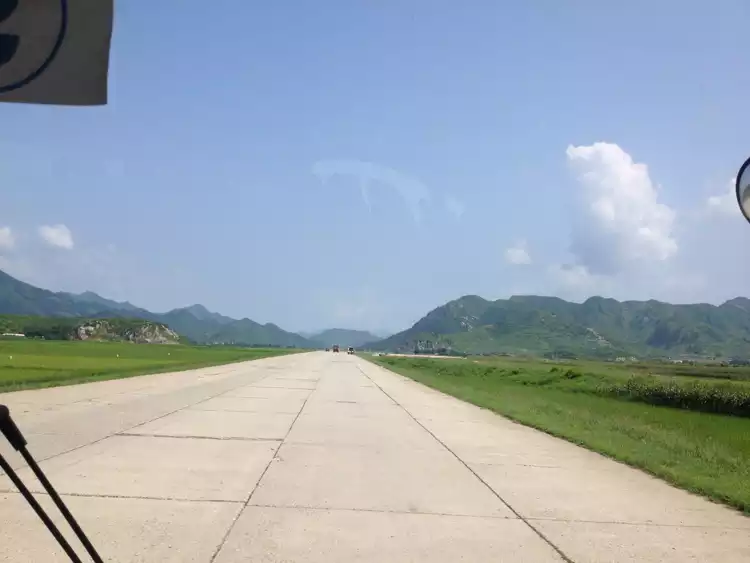
North Korea | As we made our way back to Pyongyang, the most remarkable thing was the lack of cars (since nobody could afford to buy one, the only cars on the street were gifts from the government for good labor), which created completely empty highways, while the little side roads were full of pedestrians and bicycles. When we visited a small village, which ha...
Read more
Don’t try this at home | escaping the hotel in North Korea

Don’t try this at home | escaping the hotel in North Korea

North Korea | That evening, the four of us (three others and myself) wanted some time without our ever-present security guard and decided to see how far we could venture from our hotel. Surprisingly enough, we were able to walk out of the hotel (which is normally guarded) and pass through the first AND second security checkpoints without being noticed (although ...
Read more
The mausoleum for Kim Il Sung and Kim Jong Il

The mausoleum for Kim Il Sung and Kim Jong Il

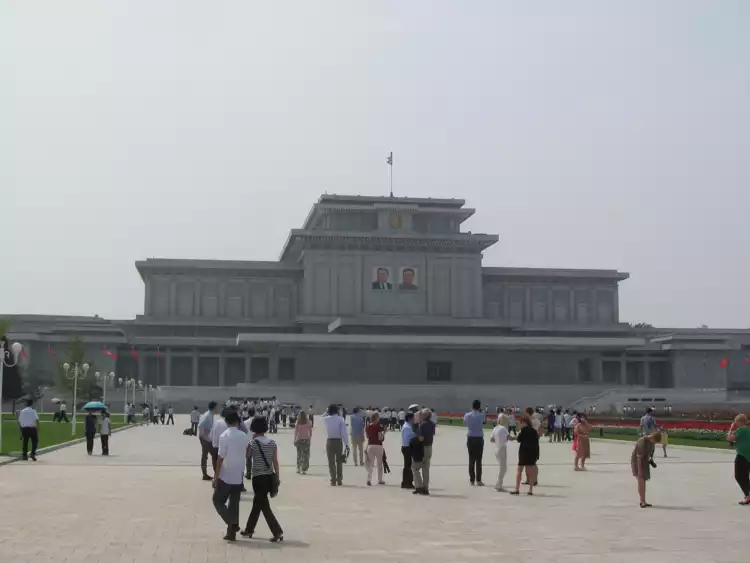
North Korea | On August 15th, Liberation Day, a big and important day where Korea celebrates its liberation from Japan 70 years ago, we had a busy schedule. We started the day with the usual cold spaghetti bolognese for breakfast in the non-revolving restaurant at 6:45 am. After an extra half hour to make our way down using the elevators, we were all dressed up ...
Read more
Spying in a real North Korean supermarket

Spying in a real North Korean supermarket

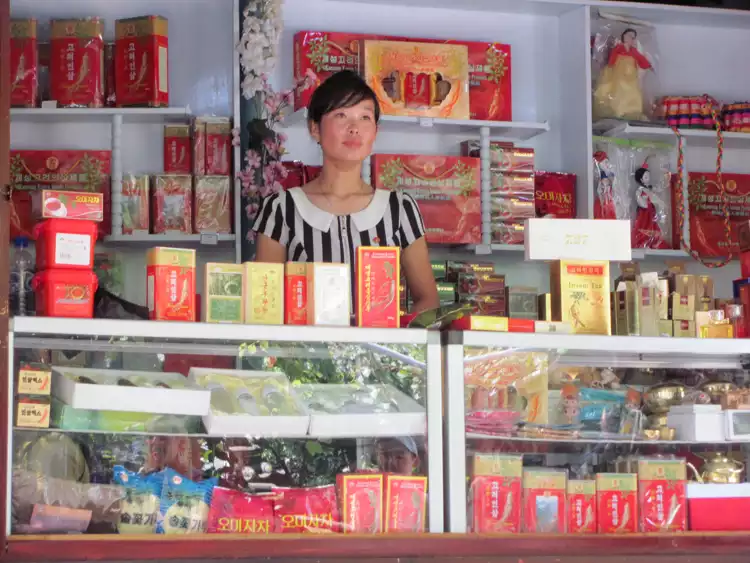
North Korea | Next, we visited a bookstore with many books devoted to the leaders, portraying them in almost god-like proportions, and filled with anti-imperialistic propaganda (they don‘t seem to have a great appreciation for the US :P). I managed to sneak into a supermarket (not on the schedule, and since I was still under surveillance, I had to be quick: came...
Read more
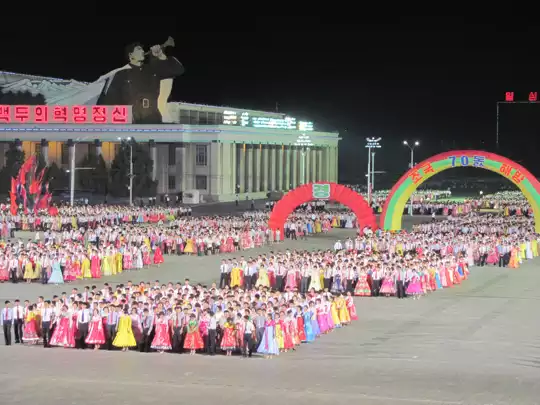
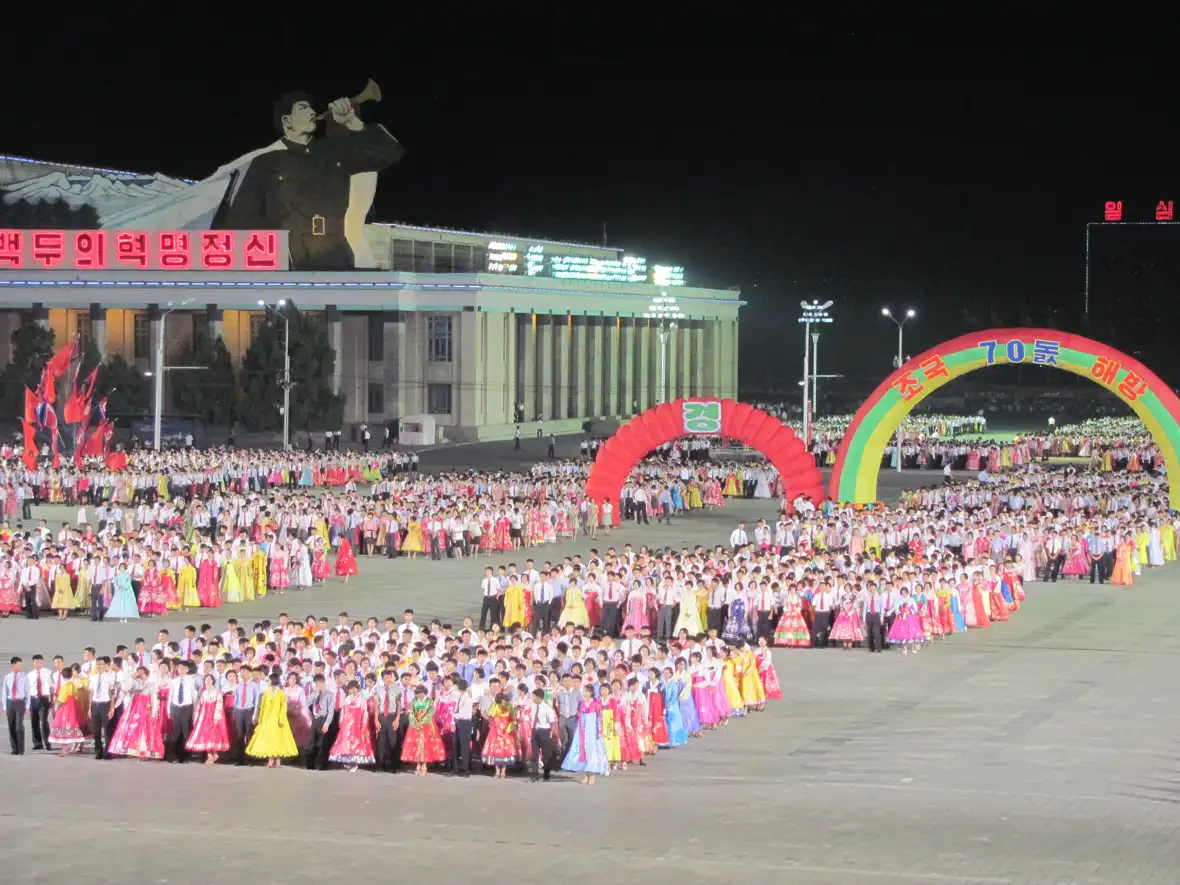
Joining a mass dance of 15.000 people

Joining a mass dance of 15.000 people

North Korea | Later, we stopped to take a picture of a gigantic Las Vegas-style hotel that had been under construction for 25 years but was still unfinished. Since the best shot was in the middle of the road, a police officer closed the road for us so we could all get our perfect shot. Finally, the big moment arrived: the mass dance. When we entered the square,...
Read more
The Orange Ball!

The Orange Ball!

North Korea | The next morning, one of our group members walked off the main path between a fountain and some statues of the leaders. Not even 30 meters away from the group, a uniformed guy stepped out from behind a tree and presented him with a small orange ball, after which our Mr. Li reprimanded him and ordered him to join the group right away. We’re still un...
Read more
How North Korea defeated the entire US army

How North Korea defeated the entire US army

North Korea | After a satisfying lunch at PFC (Pyongyang Fried Chicken), we visited the war museum, where we learned how the North Korean army defeated the entire US army in just a few days after the US tried to invade the north. Until, of course, the US added some new soldier groups, which was a bit unfair since everybody who has played RISK knows that you’re n...
Read more
Visiting the North Korean library

Visiting the North Korean library

North Korea | Our next stop was the library, where some students were zealously interacting with computers. However, upon closer inspection, it seemed that their only goal was to interact. They would right-click to get a quick menu, close it, move the mouse up and down, and right-click again to get the same quick menu. When a new person came to a computer, they ...
Read more
Jumping in wave pools, what is real?

Jumping in wave pools, what is real?

North Korea | Probably the most fun part was the wave pool, where a small group of foreigners introduced the concept of making noise when you’re having fun. Within minutes, the normally silent Koreans were jumping and shouting with every wave. One boy happily held my arm and showed it to his friends as a big trophy. A few waves later, it was a jumping grandma wh...
Read more
Setting a new tap-the-frog record in North Korea

Setting a new tap-the-frog record in North Korea

North Korea | During dinner, we experienced five power outages, but funny enough, the TV kept broadcasting lovely propaganda. After dinner, we went to a symbolic tower, a tower with 70 steps on the outside to correspond with each year of the leader’s life, and as a metaphor that everybody can reach the top through self-reliance. I can’t help but think it’s ironi...
Read more
A factory, the beach and a summer camp, seemingly all so perfect

A factory, the beach and a summer camp, seemingly all so perfect

North Korea | Shortly after, we were disrupted by an interesting visit to an old factory, where I hoped the emergency number didn’t contain too many 8s and 9s, as the emergency phone was an old-school rotary device. Our next stop was the beach, passing by a great-looking beach filled with local Koreans. Unfortunately, we were dropped off at a fenced and isolated...
Read more
Peaceful yoga changed to a showcase of military propaganda

Peaceful yoga changed to a showcase of military propaganda

North Korea | On the morning we were about to leave the country, the big TV screen in the hotel lobby suddenly showed military parades, missiles being fired, soldiers shooting, bombs exploding, and aircraft attacking instead of the usual happy scenes of healthy Koreans doing easy fitness exercises in peaceful mountain places. Rumors started to spread that North...
Read more
More stories

We 💚 feedbackThe bottom line on traveling here

North Korea feels controlled yet oddly calm; the script is tight, but small human moments cut through—kids skating, farmers waving, a guide laughing at a bad pun. Biggest surprise: good draft beer in Pyongyang and clear mountain air once you leave the capital. Small warning: you are never off-stage; loose talk, wandering, drones, or political books can wreck the trip for your guides too. Strategic tip: be early, predictable, and polite; steady trust earns extra photo stops and unhurried market visits.

✈️ When did I visit North Korea?
As part of my 1.5 year travel around the world trip, I visited North Korea in August 2015. I had never expected I was able to get in. While my visit dates back, this guide is continuously refined using feedback from locals and current backpackers (last update: 23 April 2026)

✍️ Help improve this page!
The information on this page is based on my own backpacking experience in North Korea, supplemented with up-to-date research and feedback from other travelers. Travel details can change, so if you notice anything outdated or incomplete, feel free to let me know.


🙋‍♂️ Give feedback

👋 Meet the founderWho’s Behind Take Your Backpack?

Johan, backpacker and founder of TakeYourBackpackHi, I’m Johan (Netherlands 🇳🇱), the creator of TakeYourBackpack. Over the past decade, I’ve backpacked through 80+ countries across six continents, gaining extensive experience with independent travel, long-term trips, and overland routes.

This site is built on a combination of firsthand travel experience and carefully curated insights from other backpackers. Many guides are based on places I’ve personally visited, while others bring together tips, observations, and practical advice shared by trusted travelers I’ve met along the way.

The goal is to provide realistic, experience-driven guidance — not generic itineraries — so you can explore destinations with better context, clearer expectations, and more confidence.

Get Full Country Guide |
Instant download • 74 highlights • Full Offline guide