×
Honduras 🇭🇳

backpacking North America Honduras 🇭🇳Shift smoothly from Caribbean islands to highland towns.

Explore HaitiExplore Jamaica

Backpacking Honduras in 2026

A complete guide including when and where to go, costs, transport, itineraries, and practical travel advice.
A practical introduction for travelers

Backpacking Honduras
By Johan Kruseman 🇳🇱 | Updated June 4, 2026

You wait in the shade while the colectivo won’t leave till every seat fills; a baleada warms your palm, and the driver swears the ferry’s ‘ya casi’.
Honduras runs on conversation and trust more than timetables. Lean in—I’ve had that rhythm save money and open doors.

Doors worth opening: coral walls off Utila and Roatán where dive certs are cheap and whale sharks sometimes ghost by; Copán’s stelae and scarlet macaws; cloud-forest ridges above the Río Cangrejal, waking to toucans and running rapids by lunch; Garifuna drums, coconut stews, and beach soccer at dusk. The snags—edgy city blocks, late ferries, sandflies, cash-only quirks—are real but beatable with daylight travel, repellent, and small bills, and the reward is richer: more reef, more trail, more conversation.

Compared with Guatemala’s volcano theatre, Belize’s polished reef, and Nicaragua’s colonial ease, Honduras is rougher at the edges—and better for it: diving, jungle, and Maya art without the crowds. It’s for travelers who want value and real contact—divers, birders, ruin-nerds, and anyone game for friction that pays back.

👉 Get the 📖 Travel Guide of Honduras

Bay Islands (Utila • Roatán • Guanaja)

Go here if water is your priority. Utila is cheap certification, late nights, and sand-fly welts; Roatán costs more but runs smoother for beaches and families; Guanaja is quiet and logistics-heavy. Access is via daytime ferries from La Ceiba or flights. Seas get rough—motion meds save a day. Island prices run 30–60% higher than the mainland; ATMs can die on weekends, so stash cash. Book beds around holidays or you’ll bleed time hunting rooms.

Copán Ruinas

Small-town base with serious Maya archaeology and coffee country. You walk everywhere; nobody’s rushing. Buses from San Pedro Sula take half a day in practice—ride daylight only and don’t loiter around terminals. Site fees stack (ruins, museum, tunnels); decide your depth up front. Go early for shade and birds, then soak in hot springs after. Cobblestones chew flimsy sandals—wear real shoes.

Cangrejal River & Pico Bonito (La Ceiba)

Whitewater and rainforest lodges, not nightlife. The final road is rough; arrange lodge pickup to avoid standing roadside with bags. Rafting and canyoning depend on rainfall—guides will call it if levels spike. Power cuts happen; headlamp and battery bank keep you sane. Mosquitoes are relentless; long sleeves beat repellent alone.

Lake Yojoa

Easy central stop between Tegucigalpa and San Pedro Sula with cheap eats, waterfalls, caves, and birding. Stay midweek if you want quiet; weekends fill with city families. Distances are bigger than maps suggest—pick lodging near your target (Pulhapanzak, Taulabé Caves, or the wetland). Expect layered fees at attractions; carry small bills. Dawn is when the birds show.

Gracias & Celaque Highlands

For hikers who prefer sweat to crowds. The climb to Cerro Las Minas is long, steep, often muddy—start pre-dawn and rent a porter if you’re carrying camping gear. Nights are cold; the hot springs fix legs. Buses are slow and connections thin—pad a day moving through Santa Rosa de Copán or La Esperanza. Cash economy rules here.
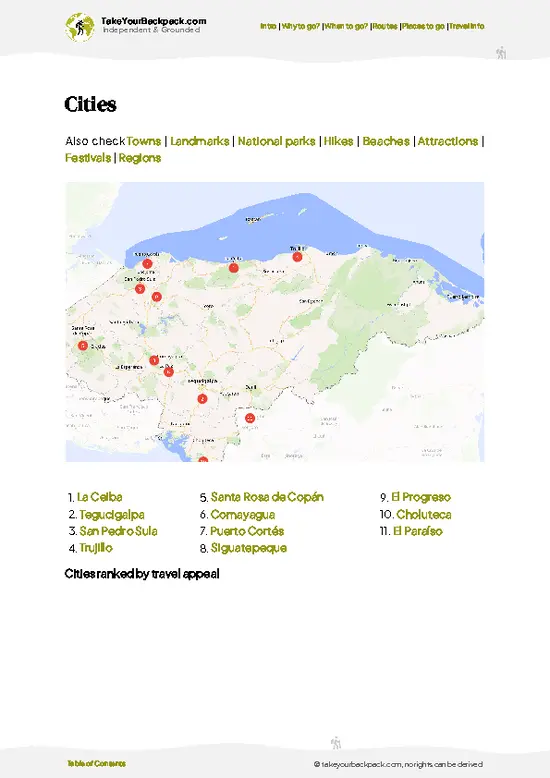
Geography and where places are located
Loading the map 🌍
CLICK TO FILTER
city
town
unique site
national park
hike
beach
attraction
festival
region
SHOW COUNTRY’S BESTSHOW ALL
film
0
0
0a
Carambola Botanical Gardens & Trails
film
1
1
1a
Museo de Escultura Maya de Copán
film
2
2
2a
Museo para la Identidad Nacional
film
3
3
3a
Museo de Antropología e Historia de San Pedro Sula
film
4
4
4a
Fortaleza de San Fernando de Omoa
film
5
5
5a
Museo de Arqueología de Copán
film
6
6
6a
West Bay Beach
Axel Escobar
film
7
7
7a
Cayos Cochinos
Mario Galeas
film
8
8
8a
Punta Sal Beach
Punta Sal Tela
film
9
9
9a
La Ceiba
film
10
10
10a
Comayagua
film
11
11
11a
Trujillo
film
12
12
12a
Tegucigalpa
Ulices Posso
film
13
13
13a
Santa Bárbara
film
14
14
14a
El Bejuco Waterfall Trail
film
15
15
15a
Lake Yojoa
film
16
16
16a
Pico Bonito
Jeremy Giron
film
17
17
17a
La Tigra
Michelle Maradiaga
film
18
18
18a
Jeanette Kawas
Roberto A
film
19
19
19a
Punta Sal
Roberto A
film
20
20
20a
Montaña de Santa Bárbara
film
21
21
21a
Roatan
film
22
22
22a
Utila
Uwe Delau
film
23
23
23a
Gracias
Luiz Al Serrano
film
24
24
24a
Omoa
Ulices Posso
film
25
25
25a
Copán Ruinas
Decloux Simon
film
26
26
26a
Pulhapanzak Waterfalls
Fco. Javier Brau Zapata
film
27
27
27a
Talgua Caves

Why go?What sets this destination apart

Low cost

Honduras stretches your money. Stick to comedores and baleadas and you’ll eat well for coins; inland … read more 👉
Honduras stretches your money. Stick to comedores and baleadas and you’ll eat well for coins; inland dorms are cheap, and chicken buses beat gringo shuttles by a mile. Figure a mid–double-digit daily average if you move slow and don’t chase tours; still low double digits on truly lean days. The gotchas: the Bay Islands ferry punches above its weight, park fees stack, and ATMs like to nibble. Pro tip: pay in lempiras, order the menú del día, and ask dive shops on Utila for sleep-and-dive bundles—I scored a free bed by committing to a course.

Wildlife

Honduras hits hard for wildlife: coral reefs, mangroves, and cloud forest stacked tight. Whale sharks … read more 👉
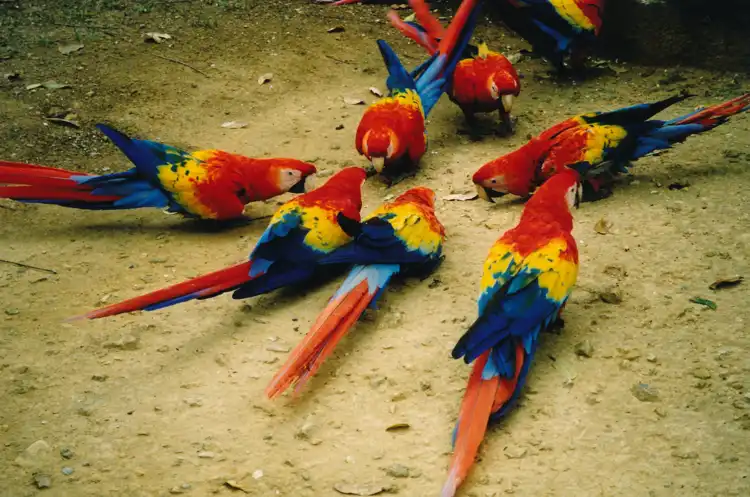
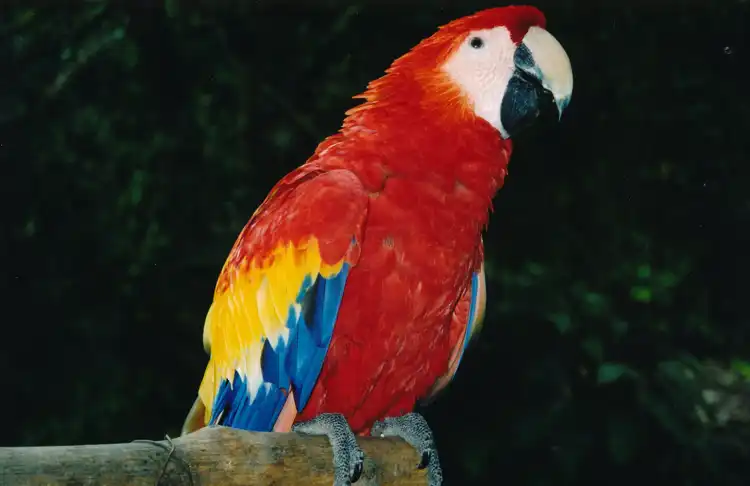
Honduras hits hard for wildlife: coral reefs, mangroves, and cloud forest stacked tight. Whale sharks work the blue off Utila; scarlet macaws swing over Copán’s stones; howlers and manatees haunt Cuero y Salado; Pico Bonito spits out toucans after rain. Pro tip: dawn is your multiplier—take the first handcar into Cuero y Salado and keep noise down. On the Bay Islands, sandflies tax careless ankles; long sleeves and baby oil save blood and money—I learned the hard way. Skip captive dolphin gimmicks—bring a mask and watch green turtles for free right off West End.

Backpackers

Honduras delivers the classic backpacker run without the Instagram tax. Utila is where you learn to … read more 👉
Honduras delivers the classic backpacker run without the Instagram tax. Utila is where you learn to dive for less than a long weekend in Tulum, and many shops throw in a bunk. Copán Ruinas gives you quiet plazas and world-class carvings, Lake Yojoa a brewery hostel and waterfall days, and Pico Bonito the jungle hit you came for. Guard your energy: keep city layovers tight and move early. Pro tip: take the morning La Ceiba–Utila ferry and carry cash—ATMs on the islands nap on Sundays. I did both; my stomach and budget survived.

Architecture

Honduras rewards architecture hunters who put in a little sweat. You can move from Copán’s hieroglyphic … read more 👉
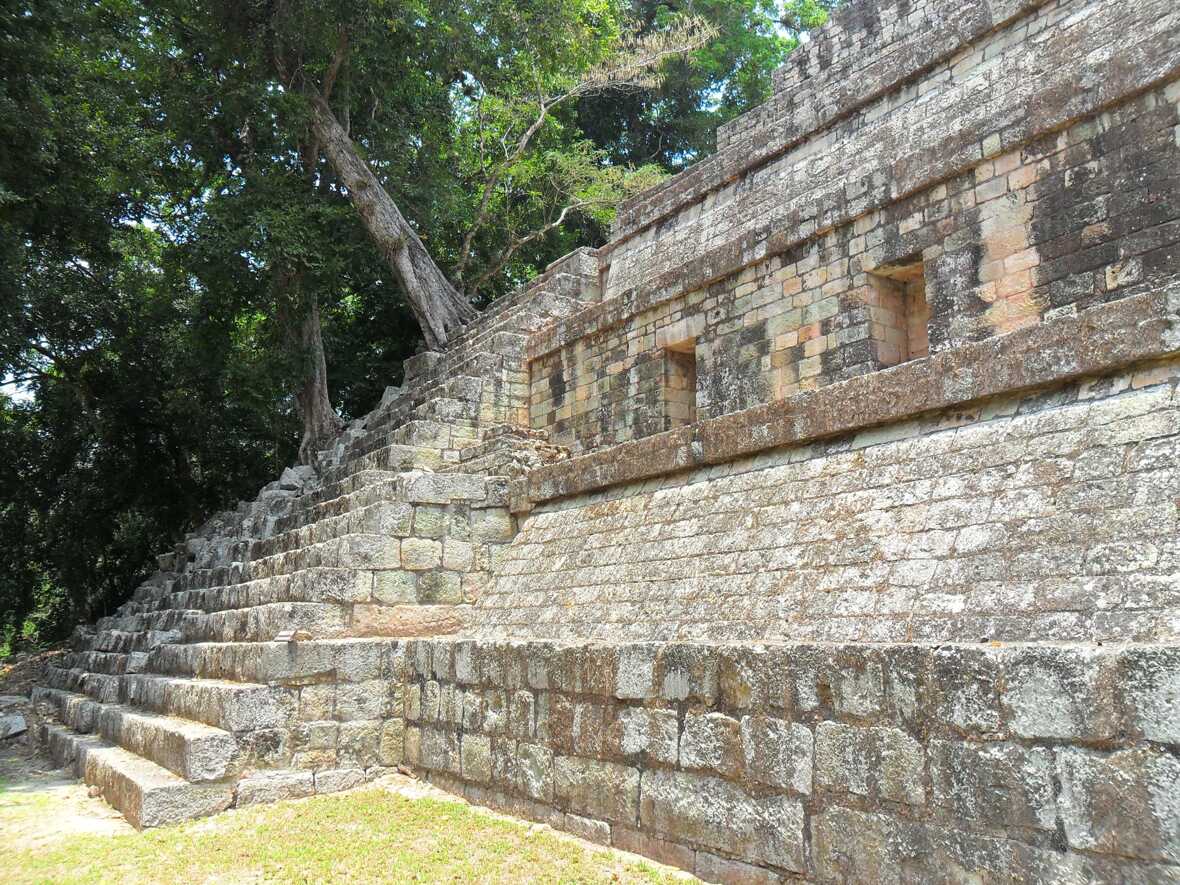
Honduras rewards architecture hunters who put in a little sweat. You can move from Copán’s hieroglyphic stairway to Caribbean bastions at Omoa and Trujillo, then slow-walk Comayagua’s convents and the old clock that still ticks. Tegucigalpa surprises with repurposed palaces and blunt modernism. The gotchas are simple: go early or the heat and tour buses win; carry small bills for entry and occasional camera fees; Mondays bite with closures. Pro tip: at Copán, buy the combined ticket that includes Las Sepulturas and hire a certified guide at the gate—skip the touts in town.

Beach life

Honduras delivers beach time with real payoff: quick reef access, warm water, and prices that stretch … read more 👉
Honduras delivers beach time with real payoff: quick reef access, warm water, and prices that stretch a backpacker budget. The Bay Islands sit on the Mesoamerican Reef—snorkel from shore at West Bay, chase whale sharks near Utila in season, or learn to dive without torching your savings. I earned my Open Water in Utila for about half of what Belize quoted me. Pro-tips: sandflies are vicious at dawn and dusk—baby oil or 30% DEET, and use a towel, not bare sand. Ferries get rough in a norte; fly if seas look mean. Carry small cash for water taxis and marine park fees.
Want the complete picture of Honduras?
The offline Travel Guide brings everything together — routes, highlights & planning.

See what's included in the guide 👉

Get the Travel Guide -

⭐ HighlightsKey places and experiences

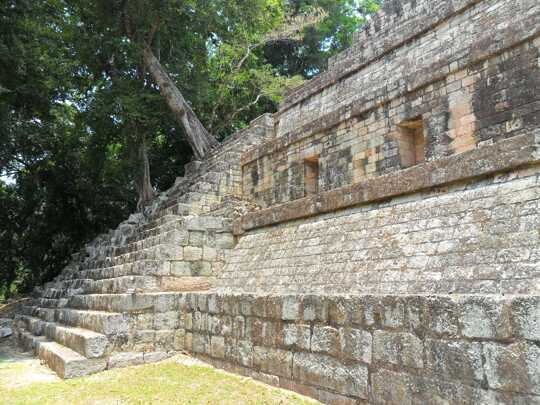
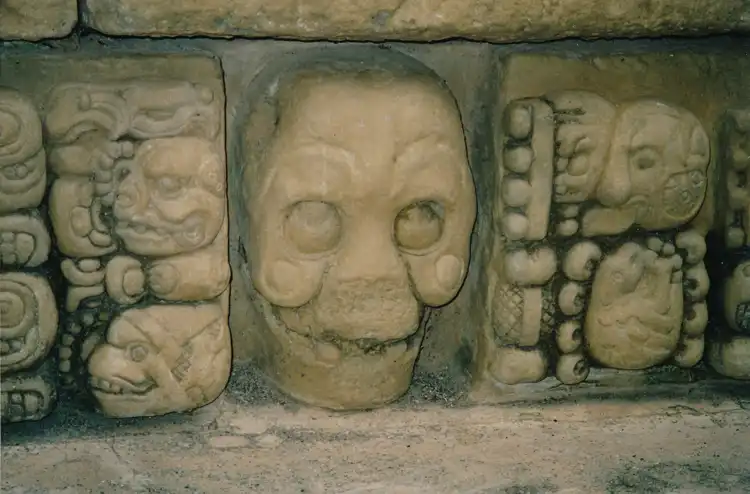
  • Copán Ruinas: Calm, scholarly, and heavy with time—glyphs stare back at you from cool, shadowed stone while scarlet macaws clatter overhead. Run your fingers across a ruler-straight hieroglyphic stair and feel the grit. Bring cash for the site, the Sculpture Museum, and the optional tunnels; bills must be crisp. Midday heat punishes—go first light and skip the trinket “jade.”
  • Utila: The cheapest legit diving playground in the Caribbean, but not the softest landing. Compressors thrum, flip-flops slap coral streets, and salt dries to a crust on your forearms. Ferries are rough—sit midship, medicate if you get queasy. Shops love “package deals” with gear surcharges and a cash-only marine park fee; confirm every number before you sign.
  • Río Cangrejal & Pico Bonito: Jungle hits like a sauna and the river answers with cold, green muscle. Basalt boulders sweat; the air tastes like crushed leaves when rafts punch through a wave. River levels swing fast after rain—use licensed guides only. Mototaxis
read more 👉
  • Copán Ruinas: Calm, scholarly, and heavy with time—glyphs stare back at you from cool, shadowed stone while scarlet macaws clatter overhead. Run your fingers across a ruler-straight hieroglyphic stair and feel the grit. Bring cash for the site, the Sculpture Museum, and the optional tunnels; bills must be crisp. Midday heat punishes—go first light and skip the trinket “jade.”
  • Utila: The cheapest legit diving playground in the Caribbean, but not the softest landing. Compressors thrum, flip-flops slap coral streets, and salt dries to a crust on your forearms. Ferries are rough—sit midship, medicate if you get queasy. Shops love “package deals” with gear surcharges and a cash-only marine park fee; confirm every number before you sign.
  • Río Cangrejal & Pico Bonito: Jungle hits like a sauna and the river answers with cold, green muscle. Basalt boulders sweat; the air tastes like crushed leaves when rafts punch through a wave. River levels swing fast after rain—use licensed guides only. Mototaxis struggle on the hill; arrange pickup with your lodge, and carry dry bags because flips happen when you get cocky.
  • Lago de Yojoa & Pulhapanzak Falls: Morning mist lifts off reeds while grackles heckle your coffee; by afternoon the falls drown your thoughts and bead your eyelashes with spray. Eat tilapia where you can see the ponds. At the waterfall, guides push ziplines and photo “packages”—negotiate or walk. Weekends get rowdy; arrive midweek, stash electronics deep, and mind slick stairs.
  • Celaque National Park & Gracias: Pine and cloud forest, straight up. The trail to Cerro Las Minas is a leg-tax—knees bark on the descent, and your shirt salts over by noon. Start before dawn, pay the park entrance and camping fees in small bills, and pack a warm layer—nights bite. Water is scarce near the top in dry season; fill lower. Off the map but worth your sweat: Cayos Cochinos’ pink-sand spits, San Juancito’s mining ghosts on the edge of La Tigra, and Guanaja’s quiet ridgelines—my personal favorite is dawn on the Cangrejal, when the river exhales steam and you finally shut up to listen.
Spotted a mistake or missing a highlight? Contact us.

But Honduras offers more...

Discover and compare all of its highlights per category

🧭 RoutesHow to structure a trip

The 5-Day Bay Islands Escape

The Vibe: A laid-back island break built around reef time, easy nature walks, and slow evenings by the sea, perfect if you want maximum Caribbean with minimal logistics. You’ll base on Roatan and trade constant movement for long swims, short outings, and plenty of hammock hours.
The Highlights:
  • Roatan’s easygoing island life and colorful coastal villages.
  • Snorkeling and swimming off West Bay Beach with reef just offshore.
  • Jungle-flavored walks at Carambola Botanical Gardens & Trails.
  • Marine education and reef context at the Roatán Institute for Marine Sciences at Anthony’s Key.

The 10-Day Highlands, Ruins & Rainforest Route

The Vibe: A balanced overland journey linking Mayan ruins, cool highland towns, and the lush Caribbean slope, ideal if you want variety without racing across the map. Expect a mix of cobblestone streets, cloud forest hikes, and river-fed jungle days.
The Highlights:
  • Mayan history and sculpture at Copán Ruinas and its museums.
  • Highland charm and mountain
read more 👉

The 5-Day Bay Islands Escape

The Vibe: A laid-back island break built around reef time, easy nature walks, and slow evenings by the sea, perfect if you want maximum Caribbean with minimal logistics. You’ll base on Roatan and trade constant movement for long swims, short outings, and plenty of hammock hours.
The Highlights:
  • Roatan’s easygoing island life and colorful coastal villages.
  • Snorkeling and swimming off West Bay Beach with reef just offshore.
  • Jungle-flavored walks at Carambola Botanical Gardens & Trails.
  • Marine education and reef context at the Roatán Institute for Marine Sciences at Anthony’s Key.

The 10-Day Highlands, Ruins & Rainforest Route

The Vibe: A balanced overland journey linking Mayan ruins, cool highland towns, and the lush Caribbean slope, ideal if you want variety without racing across the map. Expect a mix of cobblestone streets, cloud forest hikes, and river-fed jungle days.
The Highlights:
  • Mayan history and sculpture at Copán Ruinas and its museums.
  • Highland charm and mountain access around Gracias and Santa Rosa de Copán.
  • Cloud forest trekking in Celaque National Park.
  • Rainforest trails and waterfalls near La Ceiba in Pico Bonito National Park.

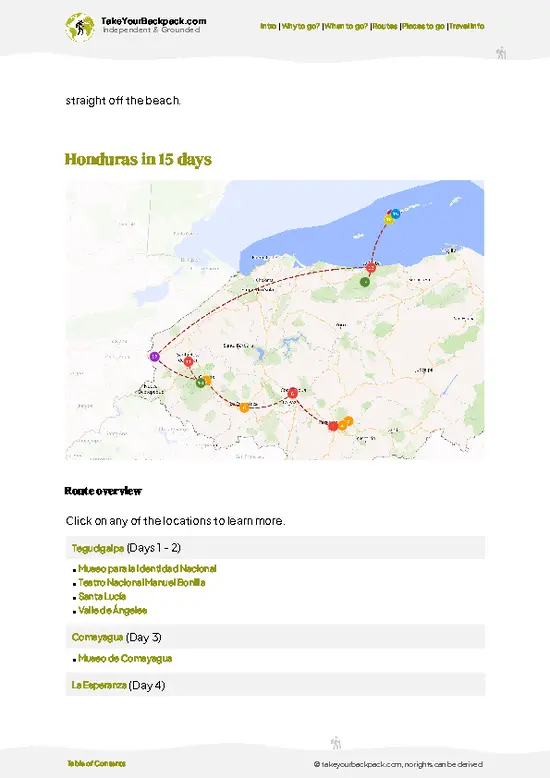
The 15-Day Honduras Grand Circuit

The Vibe: A deep-dive loop through Honduras’ cultural and natural heavy-hitters, from capital-city museums to highland villages, lakes, ruins, rainforest, and Caribbean coast. It’s for travelers who want the full arc of the country in one go, with time to linger in each region.
The Highlights:
  • Capital culture and history in Tegucigalpa, plus cool-air hiking in La Tigra National Park.
  • Colonial Comayagua and the tranquil shores of Lake Yojoa with side trips to Pulhapanzak Waterfalls.
  • Western highlands around Gracias and Santa Rosa de Copán, including Celaque National Park.
  • Mayan archaeology at Copán Ruinas paired with rainforest and reef time around La Ceiba and Roatan.
🌍 Want a ready-to-use travel plan for Honduras?
The overview above compares different route options based on your travel time and style. The complete Travel Guide breaks each itinerary down in detail, including maps, stops, highlights, and transport information.

Explore all route details 👉

Get the Travel Guide -

🌤️ When to go?Choosing the right months to travel

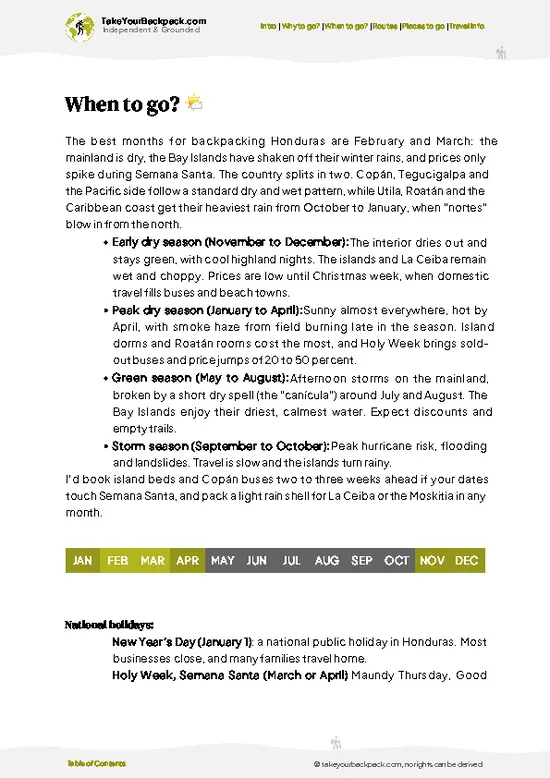
The sweet spot for Honduras backpacking is late February to early March, with a secondary window in late November to early December. By late Feb the dry season is settled, roads in the highlands stop sloughing off mud, reef visibility on the Bay Islands clears, and the big holiday surge is past while Semana Santa hasn’t detonated prices yet. Heat is real on the coasts but still manageable; nights in Gracias and Santa Rosa de Copán run cool enough to sleep without blasting a fan. Late Nov-early Dec rides the back of the rains: hills are green, waterfalls are full, storms are easing, and beds haven’t jumped to holiday rates. Both windows balance weather with cost and keep you out of the hurricane crosshairs.
  • Dry Peak: December-April. You’ll fight for beds around Christmas and Easter, ferries to Roatán/Utila run rammed, and room rates jump a bracket compared to June. But the payoff is real: bone-dry ascents on Celaque’s spine, Copán stelae glowing in clean sunrise light, and reefs so clear you can read your depth gauge from a kick away. The grind buys precision days.
  • Transition Shoulder: Late November to mid-December. Rains back off, puddles shrink, colectivos start running on time again, and dive shops quietly add afternoon boats. Crowds thin, prices soften, and trails firm up day by day; you move with the country as it clicks into gear.
  • Rainy Off-Peak: June to October, heaviest in September-October. Thunder rolls over Pico Bonito, coffee towns smell like wet pine, and you get ruins and cloud forests almost to yourself. Survival hack: walk early, plan highlands over north coast, carry a real dry bag and rubber sandals for bus-to-boat hops, and pad a day for washed-out roads.

Tactical tip: For the late Feb-early Mar window, reserve Bay Islands beds and dive slots two to three weeks out; everything inland you can book same day if you land before noon.

source: climatestotravel.comJANJanuary: highly recommended for travelingFEBFebruary: excellent for travelingMARMarch: excellent for travelingAPRApril: highly recommended for travelingMAYMay: fair for travelingJUNJune: fair for travelingJULJuly: fair for travelingAUGAugust: fair for travelingSEPSeptember: below average for travelingOCTOctober: below average for travelingNOVNovember: highly recommended for travelingDECDecember: highly recommended for traveling
📅 Traveling in a specific month?
Get a full month-by-month breakdown of weather, crowds, costs, festivals, and seasonal highlights in the complete travel guide.

Get full details when to go 👉

Get the Travel Guide -
!pixabay-honduras-1032417

💰 Costs (as of 2025)Typical budget expectations

Plan on $35-50 per day on the mainland if you move smart; Bay Islands days run $60-90, and dive-course days blow past $100.
  • dorm accommodation: Mainland dorms run $8-13 for fan rooms; $12-16 with AC. Bay Islands jump to $12-20 for fan and $18-25 with AC, and some places meter AC overnight as a separate fee. System tip: message hostels directly (WhatsApp) for a cash-in-lempira rate and book only your first night online—extend in person to dodge 10-15% platform and card surcharges. Kitchens are common on the mainland, rarer on the islands; that one detail swings your daily spend.
  • meals: Supermarket Survival: markets and pulperías keep you at $6-9/day—eggs, tortillas, beans, fruit, plus instant coffee. Street food reality: baleadas are $0.80-1.50, plato típico $3-5 on the mainland, $6-10 on the islands; seafood spikes on Roatán/Utila. Rotisserie chicken combos feed two for the price of one foreign-franchise burger. Compared to neighbors: a touch pricier than Nicaragua, similar to Guatemala, far cheaper than Belize or Costa Rica. I add avocado and egg to a baleada and still land under $2—fuel that actually holds.
  • local transport: The cheapest way to unlock the country is colectivos and chicken
read more 👉
Plan on $35-50 per day on the mainland if you move smart; Bay Islands days run $60-90, and dive-course days blow past $100.
  • dorm accommodation: Mainland dorms run $8-13 for fan rooms; $12-16 with AC. Bay Islands jump to $12-20 for fan and $18-25 with AC, and some places meter AC overnight as a separate fee. System tip: message hostels directly (WhatsApp) for a cash-in-lempira rate and book only your first night online—extend in person to dodge 10-15% platform and card surcharges. Kitchens are common on the mainland, rarer on the islands; that one detail swings your daily spend.
  • meals: Supermarket Survival: markets and pulperías keep you at $6-9/day—eggs, tortillas, beans, fruit, plus instant coffee. Street food reality: baleadas are $0.80-1.50, plato típico $3-5 on the mainland, $6-10 on the islands; seafood spikes on Roatán/Utila. Rotisserie chicken combos feed two for the price of one foreign-franchise burger. Compared to neighbors: a touch pricier than Nicaragua, similar to Guatemala, far cheaper than Belize or Costa Rica. I add avocado and egg to a baleada and still land under $2—fuel that actually holds.
  • local transport: The cheapest way to unlock the country is colectivos and chicken buses: city rides $0.30-0.60, mototaxis $0.80-1.60 in towns, intercity $4-10 depending on distance. “Executive” buses cost more but are still reasonable if you value security and AC on long hauls. The Bay Islands ferry is the budget killer: La Ceiba-Utila ~$22-27 each way; La Ceiba-Roatán ~$35-40. Travel early to chain buses without needing taxis, ask for the colectivo price, and buy motion-sickness pills before the ferry or you’ll pay island pharmacy rates. Versus neighbors, overland transport is cheaper than Belize/Costa Rica, on par with Guatemala.
  • activities: Major drivers: diving, big-ticket tours, and park entries. Fun dives on Utila run ~$35-45/tank (cheapest quality diving in the Caribbean); Open Water courses ~$300-400. Snorkel boats $15-25. Copán ruins are excellent value versus Tikal—entry modest, but add-ons (tunnels, museum, guide) stack. Whitewater on the Cangrejal is $30-55, zip-lines $45-60. Mainland hiking is cheap; guided jungle or wildlife trips climb fast. Prioritize what Honduras does best (diving, Copán, rivers) and skip imported thrill rides priced for cruise-day traffic.
  • miscellaneous: Budget leaks: ATM fees and bad exchange rates (expect 4-7% if you’re careless), card surcharges of 5-10%, laundry $1-1.50/lb, water refills $0.25-0.50, sunscreen/repellent overpriced on the islands, and surprise AC fees. A local SIM (Tigo/Claro) at $4-8/week saves on shuttles by letting you coordinate colectivos. Night taxi in big cities is a safety tax—plan arrivals by daylight. Relative value: Honduras bleeds less than Belize/Costa Rica but more than Nicaragua if you bounce to the islands. I once spent more on the Roatán ferry than two mainland days combined—go once, stay longer, amortize the hit.
⚠️ Prices can change and everyone travels differently, so take this as a rough guide. Hope it helps you plan your adventure!

✈️ The backpacker research shortcutHonduras Travel Guide

An offline-friendly backpacking guide with optimized travel routes, ranked highlights, transport advice, and the best areas to stay.
example page 0 from our offline Travel Guide for Hondurasexample page 1 from our offline Travel Guide for Hondurasexample page 2 from our offline Travel Guide for Hondurasexample page 3 from our offline Travel Guide for Hondurasexample page 4 from our offline Travel Guide for Hondurasexample page 5 from our offline Travel Guide for Hondurasexample page 6 from our offline Travel Guide for Hondurasexample page 7 from our offline Travel Guide for Honduras
The digital guide (340 pages) contains:
84 highlights, ranked by travel appeal
Optimized 5, 10 & 15-day travel routes
Cities, national parks, beaches, historical sites, ...
How to get around
Offline-friendly for travel without Wi-Fi
👉 Click to see all 30+ guide features

📅 Plan smarter in minutes, not weeks
Month by month travel advice
Festivals & national holidays
Budget expectations

🗺️ Go to the right places, skip the overrated ones
Honest pros & cons of destinations
Top hikes, parks & viewpoints
Lesser-known places most travelers miss
Clear “worth it vs skip it” guidance

🛏️ Travel smoothly without rookie mistakes
Best areas to stay
Transport systems explained simply
Common scams & safety advice
SIM cards, money & practical tips

🌍 Understand the country, not just visit it
Culture & traditions
52 Essential phrases & customs
Festivals worth planning around
Traveler-friendly historical context
Insights that make places more meaningful

📱 Built for real travel conditions
Fully downloadable PDF
Works completely offline
Optimized for phone use
Useful in remote areas & buses
Everything in one place
Save weeks of stressful planning
Get instant access to the full guide directly. 30-day money-back guarantee.


Sent to your inbox immediately after payment • 100% Secure Checkout
Best Backpacking Travel Advisor 2025 tourism awardBest Backpacking
Travel Advisor
2025
What others say about Take Your Backpack Guides:
⭐⭐⭐⭐⭐
Fantastic, amazing amount of information!
⭐⭐⭐⭐⭐
My goodness this is amazing, it's what I've been looking for hats off too you!
⭐⭐⭐⭐⭐
I think this is absolutely BRILLIANT
⭐⭐⭐⭐
Very complete and informative. It's still missing places, but I gotta to commend you
⭐⭐⭐⭐⭐
This is truly amazing, thank you, can't wait to explore it with my kids!
⭐⭐⭐⭐⭐
Awesome resource, thank you!
⭐⭐⭐⭐⭐
This is amazing! Can't wait to explore the ones I haven't seen
⭐⭐⭐⭐
I love this! Well done, great idea.
⭐⭐⭐⭐⭐
Thanks for taking the time to make this gem!
⭐⭐⭐⭐⭐
This might be the best website I've ever seen.
⭐⭐⭐⭐⭐
Congratulations, and thank you so much for your work; it's incredibly valuable.
⭐⭐⭐⭐
In all seriousness I think you did a great job pointing out the important spots
⭐⭐⭐⭐⭐
10/10 very good
⭐⭐⭐⭐⭐
As someone who's only just starting to visit regularly this is awesome, thank you.
⭐⭐⭐⭐
Thank you very much! I'm going to visit my dad, it's going to be very useful!
⭐⭐⭐⭐⭐
This is really cool! We'll be travelling for the first time and this definitely come in handy.
⭐⭐⭐⭐⭐
You are now our minister of culture, congratulations 👨‍💼
⭐⭐⭐⭐⭐
Just wanted to tell you that this is a pearl! Going to follow your recommendations.
⭐⭐⭐⭐⭐
This is so cool. I'll definitely be using the resource for my travels soon.
⭐⭐⭐⭐⭐
This is very impressive! Good work.
⭐⭐⭐⭐⭐
This is an amazing and informative site. Very well done!

🛏️ Where to stay?Accommodation types and options

Yes — Honduras has plenty of hostels and budget accommodation concentrated in island hubs (Utila and Roatán), the archaeological town of Copán Ruinas, La Ceiba and the main city centers of Tegucigalpa and San Pedro Sula.
Island areas (Utila town, Roatán’s West End/West Bay) offer dive-centric hostels with beach access and lively nightlife but can be touristy and pricier in high season; Copán Ruinas is compact, quiet and closest to the ruins but has limited late-night options; La Ceiba and city centers give cheaper beds and transport links but require choosing busy, well-lit streets for safety. … read more 👉
Yes — Honduras has plenty of hostels and budget accommodation concentrated in island hubs (Utila and Roatán), the archaeological town of Copán Ruinas, La Ceiba and the main city centers of Tegucigalpa and San Pedro Sula.
Island areas (Utila town, Roatán’s West End/West Bay) offer dive-centric hostels with beach access and lively nightlife but can be touristy and pricier in high season; Copán Ruinas is compact, quiet and closest to the ruins but has limited late-night options; La Ceiba and city centers give cheaper beds and transport links but require choosing busy, well-lit streets for safety.
Book early for peak season and pick hostels on main streets or near bus terminals and tourist hubs to balance cost with convenience and safety.

If you enjoy meeting fellow travelers, consider choosing hostels with high ratings for atmosphere. On the other hand, if you prefer having your own space, a hotel might be a better option.

🚌 Getting aroundTransportation options and logistics

Honduras runs on a rhythm, not a timetable. Dawn starts fast, then the day loosens its belt as heat and checkpoints stack up. Buses leave when full, ferries leave when the sea allows, and if you try to brute-force your way on a fixed schedule, you’ll burn money and patience. Ride the local current: move early, accept the pause, and you’ll get there with your wallet intact and your shoulders still attached.
  • Express Coaches (intercity) The speed vs. cost math is simple: pay roughly double a chicken
read more 👉
Honduras runs on a rhythm, not a timetable. Dawn starts fast, then the day loosens its belt as heat and checkpoints stack up. Buses leave when full, ferries leave when the sea allows, and if you try to brute-force your way on a fixed schedule, you’ll burn money and patience. Ride the local current: move early, accept the pause, and you’ll get there with your wallet intact and your shoulders still attached.
  • Express Coaches (intercity) The speed vs. cost math is simple: pay roughly double a chicken bus and you save hours, sweat, and one petty theft risk. Air-con blasts, seats are assigned, luggage gets tagged in a hold, and you bypass the endless stop-start of roadside pickups. Use daylight departures, buy at the counter inside terminals to dodge touts, and carry a warm layer—the A/C turns coaches into meat lockers.
  • Colectivo Taxis (city-to-neighborhood) This is the social contract on wheels. Routes are painted on the windshield, you slide in next to strangers, greet the driver, keep your backpack on your lap, and pay when you exit. Exact change is king; drivers won’t break a big bill. Tap the window or say “baja” before your stop. Don’t slam doors. Daytime only if you value your phone and your calm.
  • Ferries and Lanchas (coast and islands) Water opens the map—Utila, Roatán, Cayos Cochinos, river towns you can’t pronounce and no bus can reach. Seas can be mean; take motion meds and stash electronics in a dry bag. Last boats often leave mid-afternoon; miss it and you’re sleeping in La Ceiba. Hand luggage may be weighed and charged; secure your pack with a strap, not hope.
  • Mototaxis (small-town hops) The budget ambush to private taxis. Short, fixed routes between terminals, markets, and barrios for coin money. Agree on the fare before you roll; zones are known locally and drivers expect you to know them too. Two people plus a pack is normal, highways are not. They shut down after dark in many towns—don’t bank on a late ride out.

Master tip: Start at first light, string express-to-express across big hubs, buy your next ticket before you pee, and keep passport and small bills handy for checkpoints—daylight only.
Distance: Toncontín International Airport (TGU) is about 6.5 km (4 miles) from Tegucigalpa’s city center (around Parque Central/Palmira).

Main ways to get into town
  • Airport taxi — 15-30 minutes depending on traffic. Typical fare L150-250 (about US$6-10) to central areas. Pay in cash; agree the price before you get in. You’ll find the official taxi rank just outside arrivals.
  • Ride-hailing (Uber, inDriver) — 15-30 minutes. Usually L90-180 (US$3.50-7). Pick-up is curbside; some drivers may ask you to meet at the departures level to avoid congestion.
  • Local bus (microbus) — 30-45 minutes. Cheapest option at roughly L14-18 (under US$1). Buses don’t enter the terminal; walk 5-10 minutes to Boulevard Fuerzas Armadas by the roundabout and flag a bus heading to “Centro/Comayagüela.” Not great with big luggage or at night.
  • Shared taxi (colectivo) — 20-30 minutes. About L20-30 if you catch one on the main road outside the airport. They run set routes and only leave when full.
  • Hotel shuttles — 15-30 minutes. A few midrange/upscale hotels offer pick-up; free to L300 (up to ~US$12). Book ahead so the driver waits with your name.

Taxi at a glance: From TGU to the center you’re looking at L150-250 (US$6-10). If it’s very late or you’re going farther (e.g., Lomas del Guijarro/Col. Florencia), expect a bit more.

Good to know
  • Rush hour (approx. 7:00-9:00 and 16:30-19:00) can stretch travel times.
  • Have small bills in lempiras; cards aren’t widely accepted by taxis.
  • If you’re traveling solo with visible luggage, many travelers prefer taxi or ride-hail over the bus for convenience.

Important note about Palmerola (XPL): Some international flights use Palmerola International Airport near Comayagua, not TGU. That’s roughly 80 km (50 miles) from Tegucigalpa.
  • Shuttle services — 1.5-2 hours. Airport/private shuttles to Tegucigalpa run around flight banks; expect roughly L250-400 (US$10-16). Check your airline or the airport site for schedules.
  • Bus via Comayagua — 2-2.5 hours total. Taxi from XPL to Comayagua’s bus terminal (20-25 min, L150-250), then a frequent intercity bus/minibus to Tegucigalpa (1.5-2 hours, about L120-160).
  • Taxi/private car — 1.5-2 hours. Typically L1,600-2,500 (US$65-100) depending on time and negotiation.
⚠️ Prices and routes can change, so take this as a rough guide and ask for local advice when you arrive.

🔒 Safety (risk Level: medium)Is Honduras safe to visit?

Safety for solo travelers, including women and LGBTQ+ individuals
Honduras can be safe for solo travelers, including women and LGBTQ+ individuals, but caution is essential. Stick to well-trodden paths and popular areas like Copán and Roatán, and avoid isolated spots, especially after dark. Use trusted forms of transport and consider staying in reputable hostels or accommodations that cater to international visitors. Always stay aware of your surroundings and connect with fellow travelers for real-time advice.


Full official government travel advisory (live updates)
View details 👉

✈️ VisaDo you need a visa to visit?

Most nationalities can enter Honduras without a visa for up to 90 days, but it’s advised to check specific entry requirements based on your citizenship before traveling. If you need a visa, apply at the nearest Honduran embassy or consulate, and have your passport, application form, and any required documents ready. Always verify the latest entry requirements, as they can change.
⚠️ Visa requirements can change over time, so always check the latest visa requirements with the official embassy or government website before you travel.

🎒 What to pack?What to wear and bring

Packing for Honduras? Keep the tropical climate in mind—it’s hot and humid, with a good dose of rain depending on when you go. Light, breathable clothing is your best friend, but remember that some areas lean conservative, so modest attire is wise, especially in rural spots. If you’re hitting the mountains or jungles, pack for cooler nights and rugged terrain. Beaches are more relaxed, but sun protection is key.

Apart from this country specific advice, I have also crafted a general packing list that should help on any trip. authorOver the years, I've learned the importance of packing minimally. It's so much easier to jump on the back of a truck or squeeze yourself into the last spot of a minibus without that supersized backpack. If you're headed to a warm destination, leave your winter jacket at home; for colder regions, opt for thin thermal underlayers. Instead of packing your entire wardrobe, bring just three sets of clothes, as laundry facilities are available everywhere.
View the full list 👉
🎒 Planning the practical side of your trip?
Get detailed information on transport, daily budgets, internet access, local customs, food, language, and other essentials in the complete Travel Guide.

Get detailed practical information 👉

Get the Travel Guide -

🙋 FAQCommon questions before visiting

Trip Planning


Personal tip: I normally search on good rating for atmosphere (for meeting people) and location (for easy exploring). Cleanliness as a bonus.


Travel Essentials

Hepatitis A and B, typhoid, and rabies are recommended for travelers visiting Honduras. If you’re trekking into rural areas, consider malaria prevention. Check if your routine vaccines (MMR, tetanus) are up-to-date. Always consult a travel clinic or your healthcare provider for personalized advice.


vaccination requirements
When I first started traveling, I often spent part of my first day in a new country hunting for a local SIM card. While this can still be slightly cheaper, it also takes time and planning.

These days, it's much simpler to install an eSIM before leaving home. Once you arrive in Honduras, you can activate it immediately and have mobile data from the moment you land — which is especially useful for ordering transport or navigating away from busy airports.

There are many providers nowadays, and price differences are usually small. I personally go with Airalo, as it offers excellent network coverage throughout the country and strong global coverage, so you can manage multiple countries from a single app.


Get your e-sim for Honduras

Culture & Customs

Avoid discussing politics or the Honduran government in casual conversations. Dress conservatively, especially in rural areas; shorts and tank tops are better suited for the beach. When greeting someone, a handshake is standard, but a light hug or cheek kiss is common if you’re familiar. If you’re invited to someone’s home, bring a small gift like coffee or pastries.

For LGBTQ+ travelers, public displays of affection are not widely accepted, so discretion is advised. Women should be cautious of catcalling; it’s common but usually not aggressive. Always ask before taking photos of people, especially in local markets.
Trying traditional food is always a great way to experience the culture. Here are some must-try dishes for Honduras.
  • Baleadas: A staple in Honduran cuisine, baleadas are thick flour tortillas folded over refried beans, cheese, and sometimes scrambled eggs or avocado. They’re a quick, affordable meal and a beloved street food, capturing the essence of Honduran simplicity and flavor.
  • Sopa de Caracol: This iconic conch soup is a rich, coconut milk-based broth with conch meat, plantains, yucca, and spices. It’s a taste of the Caribbean coast of Honduras and a soothing, hearty dish that reflects the country’s coastal bounty.
  • Pollo con Tajadas: A popular dish consisting of fried chicken served with thinly sliced plantains. It’s crispy, savory, and a go-to comfort food for many locals, often found at street stalls and local eateries.
  • Enchiladas Hondureñas: Unlike the Mexican version, these are like tostadas, with a crispy corn tortilla base topped with minced meat, cheese, and a vinegary cabbage slaw. It’s a crunchy, flavorful snack or meal that showcases Honduran street food ingenuity.
  • Catrachas: These are simple yet delicious snacks made from fried corn tortillas topped with refried beans and cheese. They highlight the love for beans and cheese in Honduran cooking and are a perfect bite for any time of day.
Tap water in Honduras isn’t safe for tourists to drink, even if locals might do so in some areas. It’s best to stick to bottled or filtered water to avoid any unwanted adventures. Always check that bottled water is sealed when purchasing.
The main language in Honduras is Spanish. Backpacking is way more rewarding if you know a bit of the local language, so I'd suggest brushing up on the basics just in case your Spanish skills have become a bit rusty.

Want to understand locals better?
The complete Travel Guide for Honduras includes 52 essential words and phrases — greetings, thank-yous, ordering food, transport, numbers, and common local expressions you'll actually hear.

Get your local basic phrases 👉

Get the Travel Guide -


In Honduras, English proficiency varies significantly by region and context. In urban areas, particularly in tourist destinations like Roatan and Tegucigalpa, you will find a higher prevalence of English speakers, especially among those in the hospitality and service industries. Many tour guides, hotel staff, and restaurant employees are often fluent or have a good command of English to accommodate international visitors.

However, in rural areas and smaller towns, English is less commonly spoken. The majority of the population communicates in Spanish, and those who do speak English may have limited proficiency. Travelers may encounter challenges in communication outside of tourist hotspots, so having basic Spanish phrases can be helpful.

Overall, while you can navigate many parts of Honduras using English, especially in tourist areas, it’s beneficial to learn some Spanish to enhance your experience and interaction with locals.

Money & Payments

The local currency of Honduras is HNL (L).

Cash vs. Card: In Honduras, cash is king, especially in rural areas where card acceptance is limited. Always carry some lempiras for small purchases and transport. Major cities like Tegucigalpa and San Pedro Sula have better card acceptance, but don’t rely solely on plastic.

ATMs: You’ll find ATMs in cities and towns, but they can be scarce in remote areas. Stick to machines at banks for safety, and withdraw during daylight. Keep an eye out for ATMs with ”5B” or ”BAC” branding; they’re usually more reliable.

Currency: Bring US dollars if you can. They’re widely accepted and easy to exchange. Euros aren’t as convenient, and you’ll likely get a less favorable rate. Always have some local currency on hand, especially for markets and street vendors.

Exchanging Money: Exchange rates at airports and hotels are generally poor. Use local banks or authorized exchange services for better rates. In a pinch, you can try large supermarkets, which sometimes offer currency exchange services.

Safety Tip: Don’t flash your cash around. Keep small bills handy for quick transactions and stash the rest securely. A money belt or concealed pouch can be a lifesaver.

Tipping in Honduras isn’t mandatory, but it’s appreciated. In restaurants, a 10% tip is common if service charge isn’t included, while for taxis, rounding up the fare is fine. In hotels, giving a small tip to porters and housekeeping staff is a kind gesture.

🧩 Nearby countriesOther countries to combine with Honduras

📸 PhotosTravel photos from Honduras

Take your backpack - Honduras - 0
Take your backpack - Honduras - 1
Take your backpack - Honduras - 2
Take your backpack - Honduras - 3
Take your backpack - Honduras - 4
Take your backpack - Honduras - 5
Take your backpack - Honduras - 6
Take your backpack - Honduras - 7
Take your backpack - Honduras - 8
Photographed by: Johan Kruseman

Experiences from time spent here

Six month backpacking trip through Bolivia, Peru and central America: update 13/14

Honduras | After 5 countries and 4 months of only Spanish love songs on poorly tuned radio stations, finally here in Honduras, it’s ENGLISH love songs. Just 3 more weeks to wait, and I’ll have Gigi d’Agostino back on my eardrums. Celebrated Willems’ birthday in the metropolis of Danli. Other than that, we haven't seen much of Honduras. We went to the Bay Isla...
Read more
More stories

We 💚 feedbackThe bottom line on traveling here

Honduras rewards the switched-on traveler. Move in daylight, take the first bus, and you’ll roll into towns before the sketchy hours. ATMs on the islands run dry; pull cash in La Ceiba and carry small bills. Taxis: state the price first, or walk. Ferries can be a vomit comet—meds help. Small downside: sandflies hit harder than mosquitoes; oil your skin at dusk. Strategic win: pick a single arc (Bay Islands + La Ceiba, or Copán + Yojoa) and stop zigzagging—your budget doubles in power.

✈️ When did I visit Honduras?
Honduras I visited during my half year trip through South and Central America back in 2003 Originally written after my visit, this guide has been kept up to date with input from locals and recent travelers (last update: 2 April 2025)

✍️ Help improve this page!
The information on this page is based on my own backpacking experience in Honduras, supplemented with up-to-date research and feedback from other travelers. Travel details can change, so if you notice anything outdated or incomplete, feel free to let me know.


🙋‍♂️ Give feedback

👋 Meet the founderWho’s Behind Take Your Backpack?

Johan, backpacker and founder of TakeYourBackpackHi, I’m Johan (Netherlands 🇳🇱), the creator of TakeYourBackpack. Over the past decade, I’ve backpacked through 80+ countries across six continents, gaining extensive experience with independent travel, long-term trips, and overland routes.

This site is built on a combination of firsthand travel experience and carefully curated insights from other backpackers. Many guides are based on places I’ve personally visited, while others bring together tips, observations, and practical advice shared by trusted travelers I’ve met along the way.

The goal is to provide realistic, experience-driven guidance — not generic itineraries — so you can explore destinations with better context, clearer expectations, and more confidence.

Get full Honduras guide •
Instant download • 84 highlights • Full Offline guide