If you love
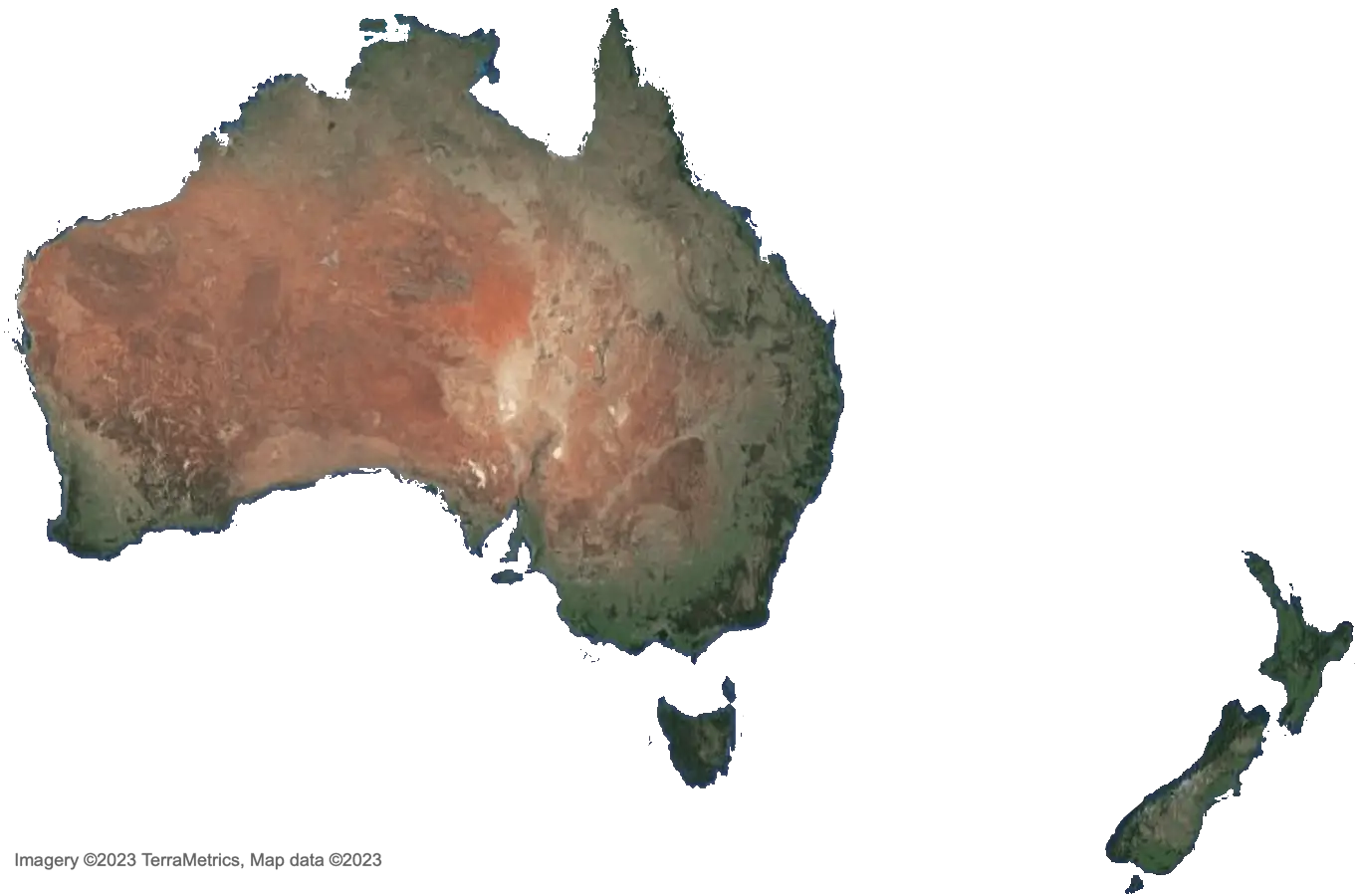
| | | | | | | | | | When it comes to exploring Oceania on a budget, some regions stand out for their affordability while others can be a bit of a financial strain. Generally, Southeast Asia's influence spills into parts of Oceania, offering some wallet-friendly options, especially in the more remote areas. However, popular tourist destinations like Australia and New Zealand can be quite pricey, especially in urban centers.
Timor-Leste is a fantastic option for budget travelers looking to experience a unique blend of culture and natural beauty without breaking the bank. It’s one of the more affordable destinations in the region, with cheap accommodation and local food options that won’t drain your wallet. The cost of living is low, and if you stick to local markets and public transport, you can stretch your budget even further. Plus, the stunning landscapes and rich history make it worth every penny, or lack thereof!
On the other hand, regions like
Australia and
New Zealand are generally not the best bets for budget travelers. While they boast incredible sights and experiences, the costs for accommodation, food, and activities can quickly add up. If you’re set on visiting these countries, consider traveling during the off-peak seasons or exploring rural areas to save some cash. Otherwise, stick to the more budget-friendly options in Timor-Leste and enjoy what the region has to offer without the hefty price tag.
⚠️ Select affordability in the filters below on the right to find your perfect match.
Oceania offers a mix of architectural wonders, from colonial heritage to modern marvels, but some regions stand out more than others for architecture enthusiasts. While places like Australia are brimming with iconic buildings and diverse styles, other areas might not deliver the same architectural richness.
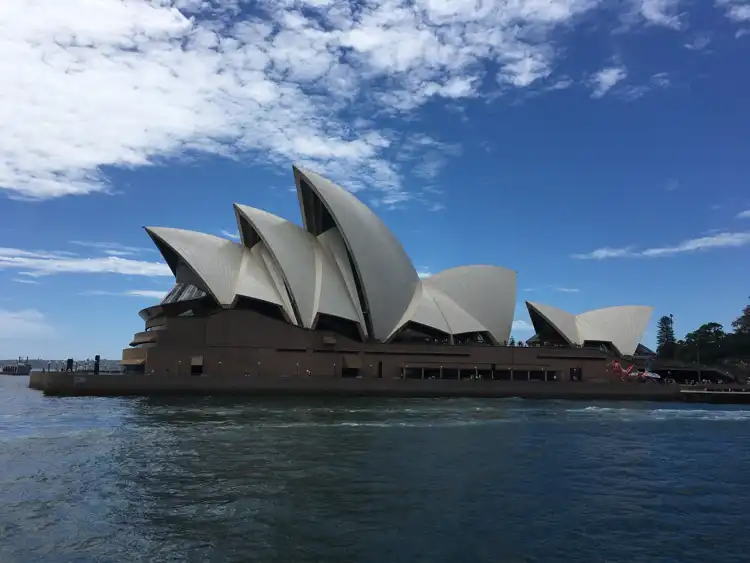
Australia is undoubtedly the star when it comes to architecture in Oceania. Cities like Sydney flaunt the Opera House and Harbour Bridge, while Melbourne boasts a blend of Victorian and contemporary designs. The urban landscape is vibrant, making it easy to explore various architectural styles, from indigenous influences to modern, sustainable buildings. Plus, Australia's regional towns often feature historical architecture, adding depth to your exploration.
New Zealand also has some impressive architecture, particularly in cities like Wellington and Auckland, where you can find a mix of colonial buildings and modern designs. However, the architectural scene is less extensive compared to Australia, focusing more on natural landscapes and outdoor activities. Still, if you're in the mood for a blend of urban and natural beauty, New Zealand's cities won't disappoint.
In contrast, the
Pacific Islands tend to be less focused on architecture. While you can find some interesting traditional structures, like fale in Samoa or wooden houses in Fiji, the architectural scene is often limited and heavily influenced by the natural environment. These islands are more about relaxation and natural beauty than architectural exploration, making them less ideal for those with a keen interest in buildings.
Overall, if architecture is your main draw, stick to
Australia and
New Zealand for the best experiences, while the
Pacific Islands can be saved for when you're after a more laid-back vibe.
⚠️ Select architecture in the filters below on the right to find your perfect match.
When it comes to a lively backpacker scene in Oceania, two regions really stand out:
Australia and
New Zealand. These areas offer a mix of stunning landscapes, vibrant cities, and a strong community of fellow travelers, making them particularly appealing for those looking to connect with other backpackers and explore on a budget.
Australia is a hotspot for backpackers, especially cities like Sydney, Melbourne, and Brisbane. The famous East Coast route, stretching from Cairns to Sydney, is packed with hostels, bars, and social events that attract a young, adventurous crowd. You’ll find plenty of opportunities for beach hopping, surfing, and exploring national parks, not to mention an abundance of working holiday visas to help fund your travels. The laid-back vibe and diverse range of activities make it easy to meet fellow travelers and share experiences.
On the other hand,
New Zealand offers a slightly different flavor but is equally appealing. With its breathtaking landscapes and outdoor adventures, it attracts a lot of backpackers seeking thrilling experiences. The popular routes, like the Kiwi Experience bus tour, are designed specifically for backpackers, connecting you with others while exploring the North Island and South Island. Although the scene can be a bit quieter than in Australia, the stunning hikes, friendly locals, and emphasis on outdoor activities create a welcoming environment for budget travelers.
While both regions cater well to backpackers, the more remote islands in Oceania, such as those in the South Pacific, tend to have less of a vibrant backpacker scene. While they are beautiful and worth a visit, they often lack the infrastructure and social atmosphere found in Australia and New Zealand. If you’re after a lively backpacking experience, stick to the mainland and enjoy all the connections and adventures these two regions have to offer.
⚠️ Select backpackers in the filters below on the right to find your perfect match.
When it comes to beach life in Oceania, some regions are absolute must-visits, while others might not be as appealing for sun-seekers and surf lovers. The Pacific islands are famous for their stunning coastlines, warm waters, and vibrant marine life, making them a paradise for anyone who dreams of lounging on the beach or diving into crystal-clear seas. However, some areas might be less ideal due to limited beach access or less developed tourist infrastructure.
Melanesia is a prime spot for beach enthusiasts. Countries like Fiji, Vanuatu, and the Solomon Islands offer an incredible variety of beaches, ranging from lively resort areas to secluded coves. These islands are known for their warm, welcoming cultures and plenty of opportunities for water sports like snorkeling and diving. Plus, the prices can be budget-friendly if you know where to look, especially in local guesthouses and eateries.
In
Polynesia, you can’t go wrong with the likes of Samoa, the Cook Islands, and French Polynesia. These islands are famous for their stunning landscapes and beautiful beaches. While some parts can be pricier due to tourism, if you stick to local accommodations and eat at local spots, you can enjoy this tropical paradise without breaking the bank. The clear lagoons and vibrant coral reefs are definitely worth the trip.
Micronesia, including places like Palau and Guam, also has some terrific beach life to offer, particularly for those interested in diving. Palau, in particular, is renowned for its breathtaking underwater ecosystems. However, some of the Micronesian islands can be harder to reach and may not have as many budget options compared to their Melanesian and Polynesian counterparts.
While
Australia is packed with stunning beaches, especially along the Gold Coast and in places like Byron Bay, it’s worth noting that the costs can add up quickly. Still, it’s great for those who are open to a mix of beach life and city vibes.
Lastly, Timor-Leste is an emerging destination with some beautiful beaches, but it may not have the same level of infrastructure or accessibility as the more established spots. If you’re up for an adventure and don’t mind a bit of a rough-around-the-edges experience, it could be rewarding.
In summary, if you're all about beach life, focus on Melanesia and Polynesia for the best mix of stunning scenery, vibrant culture, and budget-friendly options. Micronesia and Australia have their perks too, but they come with a few more challenges. Happy travels!
⚠️ Select beach life in the filters below on the right to find your perfect match.
When it comes to exploring Oceania for delicious food, certain regions definitely stand out while others might not be as enticing. If you're a backpacker with a passion for culinary experiences, you'll want to focus your travels on the vibrant cultures and diverse flavors found in specific areas.
Firstly, the
South Pacific region is a haven for food lovers. Here, you'll find a mix of traditional island cuisine and modern culinary influences that create a unique dining experience. Dishes often feature fresh seafood, tropical fruits, and local spices. Don't miss the opportunity to try dishes like poke in Hawaii or the quintessential Fiji curry. The street food scene is also lively, offering everything from fish tacos in Samoa to meat pies in New Zealand.
On the other hand, the
Australasia region, particularly Australia and New Zealand, is fantastic for food enthusiasts. Both countries have established vibrant food cultures that reflect their multicultural populations. You’ll find everything from gourmet coffee and craft beer in Melbourne to fresh, locally sourced produce in Auckland's markets. The emphasis on fresh ingredients and innovative cooking styles makes dining out here a treat.
Conversely, some more remote islands in the
Melanesia and
Micronesia regions can be less appealing for food lovers. While they offer some unique local dishes, options may be limited and heavily reliant on what’s available locally, which can sometimes lead to repetitive meals. If you’re not adventurous with your palate, you might find dining options somewhat lacking compared to the bustling culinary scenes of the South Pacific and Australasia.
In summary, stick to the South Pacific and Australasia for an array of delicious food experiences, while keeping expectations in check when venturing to the more remote islands.
⚠️ Select food in the filters below on the right to find your perfect match.
When it comes to mountain exploration in Oceania, some regions definitely stand out for their breathtaking landscapes and adventurous opportunities. If you're a backpacker keen on hitting the trails, you’ll want to pay attention to the following regions.
Starting with
Australia, this vast continent offers a mix of iconic ranges like the Blue Mountains and the Australian Alps. These areas boast well-maintained hiking trails, stunning views, and diverse ecosystems, making them accessible for all levels of hikers. Plus, the relatively developed infrastructure means you can find budget accommodations and transport options without too much hassle. However, the outback is less mountainous and might not satisfy the peak-bagging itch if that's what you’re after.
Next up is
New Zealand, often considered a paradise for mountain lovers. The Southern Alps are a highlight, with dramatic peaks and plenty of trails, from casual day hikes to serious multi-day treks like the Routeburn and Milford Tracks. The scenery is jaw-droppingly beautiful, and the country has a solid backpacker-friendly culture, so you’ll find plenty of fellow adventurers and budget accommodations. Just be prepared for some unpredictable weather, especially in the mountains.
Moving on to
Fiji and
Papua New Guinea, both offer unique mountain experiences but cater to different types of adventurers. Fiji’s interior mountains are less explored, providing a chance to experience lush landscapes and remote villages. It’s not as developed for trekking as New Zealand, but there’s a certain charm in discovering off-the-beaten-path trails. Papua New Guinea, on the other hand, is quite rugged and offers incredible biodiversity and cultural experiences. However, it can be more challenging due to less infrastructure and safety concerns, so it’s best for seasoned backpackers.
Lastly,
Timor-Leste is a rising destination for those interested in mountains, featuring stunning ranges and a glimpse into the local culture. The mountains here are less touristy, offering a more authentic experience, but again, the infrastructure isn't as developed, so plan accordingly.
In summary, for mountain exploration in Oceania,
New Zealand and
Australia stand out as the most accessible and appealing for backpackers.
Fiji,
Papua New Guinea, and
Timor-Leste provide unique experiences but come with varying levels of challenge, making them ideal for those looking for a bit more adventure.
⚠️ Select mountains in the filters below on the right to find your perfect match.
When it comes to meeting new people in Oceania, the vibe and culture of each region can make a huge difference. Some areas are bustling with social interactions, while others might be a bit more laid back, making it harder to connect with locals and fellow travelers. If you’re keen on making friends and diving into local culture, here’s a quick rundown of the best regions to consider.
The
South Pacific is a prime spot for those looking to meet people. Islands like Fiji and Vanuatu are known for their warm hospitality and community-oriented cultures. You’ll find plenty of social hotspots, from beachside bars to traditional village gatherings. The local tourism scene thrives on interactions, making it easy to strike up conversations with both locals and fellow backpackers. Plus, activities like kava ceremonies in Fiji or communal feasts in Vanuatu really bring people together, creating a friendly atmosphere.
On the other hand, the
Micronesian region, which includes places like the Marshall Islands and Nauru, can be a bit quieter. While the natural beauty is stunning and you might find some welcoming locals, the overall tourist infrastructure is less developed. This can mean fewer opportunities for socializing, especially if you’re not staying in hostels or engaging in local events. If you do venture here, consider joining guided tours or cultural experiences to enhance your chances of meeting others.
Lastly, the
Polynesian islands, including Samoa, Tonga, and the Solomon Islands, offer a mixed bag. Samoa is known for its friendly locals and vibrant culture, making it a solid choice for social interactions. Tonga has a more laid-back vibe, where you might need to seek out social activities actively. The Solomon Islands can be a bit hit-or-miss, depending on where you are; some areas are more tourist-friendly than others, so plan ahead to find the best spots for meeting people.
In summary, for the best chance of meeting friendly faces and immersing yourself in local culture, focus on the
South Pacific region and parts of
Polynesia. While
Micronesia has its charm, it may require a bit more effort to connect with others. Happy travels!
⚠️ Select people in the filters below on the right to find your perfect match.
When it comes to safety, Oceania has some standout regions that offer a more secure travel experience. Generally, the southern Pacific islands and Australia/New Zealand tend to be safer for backpackers, while some of the smaller, less developed nations can present more challenges in terms of safety and health.
Australia and New Zealand are top contenders for safety. These countries not only boast low crime rates but also have excellent healthcare systems and well-developed infrastructure. You'll find that locals are friendly and willing to help, making it easier for travelers to navigate their surroundings. Plus, the abundance of outdoor activities and stunning landscapes makes them ideal spots for adventure-loving backpackers.
Moving to the
South Pacific Islands, countries like Fiji, Samoa, and the Cook Islands are relatively safe, especially in tourist areas. While petty crime can occur, the laid-back vibe and welcoming locals generally create a secure environment for travelers. Just keep your wits about you, as some less frequented areas might not have the same level of safety as the more popular tourist spots.
In the
Micronesia region, places like Guam and Palau tend to be safe for visitors, but it's wise to stay informed about local customs and potential risks. While these islands are generally welcoming, some areas may not be as developed, which can lead to safety concerns, especially if you venture off the beaten path.
Lastly,
Timor-Leste and some of the smaller Pacific nations like Nauru and Tuvalu can be hit or miss in terms of safety. They might offer incredible natural beauty and unique experiences, but you may face issues like limited healthcare facilities and a lack of reliable infrastructure. If you decide to explore these areas, ensure you're well-prepared and informed.
In summary, stick to the southern Pacific and the more developed nations in Oceania for a safer backpacking experience. Enjoy the adventure, but don’t forget to keep safety in mind while you explore!
⚠️ Select safety in the filters below on the right to find your perfect match.
When it comes to breathtaking scenery in Oceania, some regions stand out as must-visit spots for adventure seekers and nature lovers. This vast area is known for its stunning landscapes, from rugged mountains and lush rainforests to pristine beaches and vibrant coral reefs. However, while some regions offer a feast for the eyes, others might not be as visually captivating for those specifically looking for incredible scenery.
The
Australia region is a top contender, boasting diverse landscapes that range from the iconic Outback to stunning coastal drives like the Great Ocean Road. The natural beauty here is hard to beat, with national parks like Kakadu and the Blue Mountains showcasing unique flora and fauna alongside dramatic vistas.
In the
New Zealand region, you’ll find some of the most jaw-dropping scenery in the world, thanks to its dramatic mountains, fjords, and lakes. Places like Queenstown and Fiordland National Park offer adrenaline-pumping activities set against a backdrop of stunning views that are a dream for any backpacker.
Moving on to the
Pacific Islands region, countries like Fiji, Samoa, and Vanuatu present incredible tropical scenery with their lush landscapes, sandy beaches, and vibrant coral reefs. These islands are perfect for those seeking a more laid-back experience while still surrounded by natural beauty.
In contrast, the
Papua New Guinea and
Solomon Islands regions offer unique and relatively untouched scenery, with opportunities for trekking and exploring diverse ecosystems. However, these areas can be less accessible and require a bit more planning and preparation for travelers.
Lastly, while
Timor-Leste and
Tuvalu have their own scenic spots, they might not be as well-known or easily accessible for travelers focused on spectacular landscapes.
In summary, for those on the hunt for incredible scenery, the regions of
Australia,
New Zealand, and the
Pacific Islands are your best bets, while
Papua New Guinea and
Solomon Islands offer unique but more challenging experiences.
⚠️ Select scenery in the filters below on the right to find your perfect match.
When it comes to exploring the unique charm of Oceania, certain regions stand out for their distinct cultures, landscapes, and experiences. For those with a thirst for the unconventional, the South Pacific islands and the Melanesian archipelago offer some of the most intriguing options, while other areas might not deliver the same level of uniqueness.
The
Melanesian Region is a playground for those who crave authentic experiences. Countries like Papua New Guinea and the Solomon Islands boast rich cultural diversity, with hundreds of indigenous languages and vibrant traditions. Here, you can immerse yourself in local customs, explore untouched rainforests, and interact with communities that maintain their traditional ways of life. The rugged terrain and stunning natural beauty further add to the allure, making it a prime spot for adventurous backpackers seeking something off the beaten path.
In contrast, the
Polynesian Region, while known for its stunning beaches and resorts, tends to cater more to tourists looking for relaxation and luxury rather than unique experiences. Countries like Fiji offer beautiful landscapes and friendly locals, but they may lack the depth of cultural immersion that some travelers are after. If you’re seeking uniqueness, you might find the experiences here are more commercialized and less authentic.
Lastly,
Timor-Leste stands out as an emerging destination with a complex history and a resilient culture. This region offers a unique blend of Portuguese and indigenous influences, alongside breathtaking coastal scenery and rich biodiversity. It’s a place where you can witness firsthand the process of cultural revival, making it a rewarding stop for those interested in exploring places that are still finding their own identity.
In summary, for those seeking uniqueness in Oceania, the Melanesian Region and Timor-Leste are the prime spots to consider, while the Polynesian Region may not fully satisfy the quest for the extraordinary.
⚠️ Select uniqueness in the filters below on the right to find your perfect match.
For wildlife enthusiasts, Oceania offers some fantastic spots, primarily in Australia, Papua New Guinea, and the Solomon Islands. While the continent is diverse, certain regions stand out for their rich biodiversity and unique ecosystems, making them more appealing for wildlife watching.
Starting with
Australia, this massive country is a wildlife haven. From the iconic kangaroos and koalas to the Great Barrier Reef's diverse marine life, Australia has it all. National parks like Kakadu and Daintree are must-visits, teeming with unique species and stunning landscapes. Urban areas may offer some wildlife encounters, but for the best experience, head to the bush or coastal regions where you can see animals in their natural habitats.
Moving to
Papua New Guinea, this region is less traveled but incredibly rewarding for wildlife watchers. With its incredible biodiversity, including numerous bird species like the magnificent bird of paradise, Papua New Guinea is a dream for birders and those interested in unique fauna. The remote rainforests offer an immersive experience, but be prepared for a bit of a trek to get to the best spots.
In the
Solomon Islands, wildlife enthusiasts can find a more laid-back vibe with opportunities to see a mix of marine life and unique terrestrial animals. The islands' less commercialized nature provides a chance to witness wildlife in a more pristine environment. Snorkeling and diving here can reveal stunning underwater ecosystems, and the lush landscapes are home to various bird species and reptiles.
Overall, if you’re looking for the best wildlife experiences, focus your travels on these regions within Oceania. They offer the best chances to connect with nature and observe wildlife in their natural settings, while other areas may not provide the same richness or accessibility for wildlife watching.
⚠️ Select wildlife in the filters below on the right to find your perfect match.
If you travel in
| | | | | | | | | | | April is a great month to explore Oceania, as the weather varies significantly across the region, creating diverse travel experiences. Generally, this month falls in the shoulder season for many areas, meaning fewer crowds and often better deals on accommodations. However, the climate conditions can differ quite a bit depending on where you are.
In the
South Pacific, countries like the Cook Islands and New Caledonia offer warm temperatures and lower humidity during April. This is a sweet spot for beach lovers and those looking to enjoy outdoor activities without the sweltering heat or heavy rains typical of the summer months. Additionally, the vibrant marine life and stunning landscapes here are perfect for snorkeling and hiking.
Moving to
Australia, April is autumn, which brings mild weather across the country. The northern regions, including Queensland, still enjoy tropical warmth, while cities like Sydney and Melbourne are comfortable for exploring urban attractions and outdoor festivals. Just keep in mind that southern areas can get a bit cooler, especially later in the month.
In
New Zealand, April marks the start of autumn, offering stunning fall foliage and fewer tourists. It’s a great time for trekking and experiencing the natural beauty, although you might need to pack for varying temperatures, especially in the South Island.
On the flip side, areas like
Guam and the
Marshall Islands can be hot and humid in April, which might not be ideal for everyone, especially if you’re looking for more comfortable weather. However, if you’re keen on diving or enjoying vibrant local culture, these places still have their appeal.
Lastly, the
Solomon Islands and
Palau might experience some rain during this time, but they're also less crowded, which can be a plus if you’re looking for a more laid-back vibe. The diving and snorkeling opportunities here are top-notch, so if you don’t mind the occasional shower, it can still be a good time to visit.
Overall, April offers a mix of pleasant weather and unique experiences across Oceania, making it a great month for backpackers to explore diverse landscapes and cultures.
⚠️ Select April in the filters below on the right to find your perfect match.
August in Oceania is a mixed bag when it comes to weather and travel conditions. As it’s winter in the southern hemisphere, you'll find varying climates across the region. Some areas are perfect for outdoor adventures, while others might be a bit damp and chilly. If you're planning a backpacking trip during this month, it’s wise to know which regions are more traveler-friendly.
Starting in
Melanesia, places like Fiji and Papua New Guinea are quite appealing in August. The weather tends to be dry and pleasant, making it ideal for beach lounging, snorkeling, and exploring. Fiji, in particular, sees a surge in tourism during this time, so expect a lively atmosphere along with the stunning scenery. Papua New Guinea offers unique cultural experiences and incredible biodiversity, but be prepared for a bit of humidity and potential rain in some areas.
Moving to
Polynesia, the Cook Islands and French Polynesia are also great choices in August. This is the dry season for both, meaning you can enjoy warm temperatures and plenty of sunshine. The landscapes are breathtaking, and the local cultures are vibrant, perfect for those looking to unwind or engage in some adventure sports. Just be mindful that some accommodations can be pricier during peak travel season, so book in advance if you can.
In
Micronesia, the weather can be hit or miss during August. While places like Nauru and Kiribati might offer some decent weather, you could also run into more rainfall. It’s a less-traveled area, which means fewer crowds, but you might want to keep an eye on the weather forecasts if you're planning to explore the islands.
As for
Australasia, New Caledonia and Vanuatu are generally pleasant in August, with comfortable temperatures and low rainfall. These islands boast rich cultures and beautiful landscapes, making them worth considering if you’re in the mood for a mix of relaxation and adventure. However, be prepared for slightly chillier evenings.
Overall, August can be a fantastic time to explore parts of Oceania, especially if you stick to the regions mentioned above. Just be sure to check local weather conditions before you go, and you'll be set for a memorable trip!
⚠️ Select August in the filters below on the right to find your perfect match.
Oceania in December offers a diverse range of climates and travel experiences, making it a unique destination for backpackers. As summer kicks into gear in the Southern Hemisphere, countries like New Zealand are basking in warm weather, perfect for outdoor adventures. Meanwhile, areas in the north, such as Guam and Palau, are experiencing tropical conditions, which can be both a blessing and a challenge due to the potential for rain.
Starting with the
South Pacific Islands, places like Guam and Palau are ideal for those seeking a warm getaway. December typically sees pleasant weather, with temperatures averaging in the 80s°F (around 27°C). However, it's also the start of the wet season in some areas, so pack a light rain jacket just in case. The stunning beaches and vibrant marine life make these islands a paradise for snorkelers and divers.
Moving south to
New Zealand, December is prime time for backpackers. The weather is generally warm and sunny, which is perfect for hiking, camping, and exploring the breathtaking landscapes. Just be aware that it can get crowded, especially in popular spots like Queenstown and the Abel Tasman National Park, so booking accommodations in advance is wise.
On the other hand, the
Marshall Islands might be less favorable in December. While the temperatures are warm, this region also experiences a high chance of rainfall and humidity, which could dampen your travel plans. It's still a beautiful place to visit, but you might want to be flexible with your itinerary and have some indoor activities in mind.
In summary, December is a varied month across Oceania. If you’re looking for guaranteed sunshine and beach time, stick to the northern islands. For stunning landscapes and outdoor activities, New Zealand is your best bet. Just keep an eye on the weather, and you’ll have a blast exploring this diverse region!
⚠️ Select December in the filters below on the right to find your perfect match.
February in Oceania can be a mixed bag, with varying climates and conditions across the region. Generally, it’s summer in places like New Zealand, while other areas are in the middle of the dry season or facing tropical weather. If you’re planning a budget-friendly trip, knowing what to expect weather-wise can help you make the most of your journey.
Starting with
Micronesia, which includes Guam and Palau, February is a great time to visit. The temperatures are warm but manageable, and you're likely to enjoy sunny days with low humidity. This region is perfect for beach lovers and outdoor enthusiasts, offering beautiful landscapes and cultural experiences without the crowds that peak season brings.
Moving on to
New Zealand, February falls right in the heart of summer. While this means stunning weather for hiking and exploring, it can also mean higher prices and more tourists, especially in popular areas like Queenstown and Rotorua. However, if you venture off the beaten path to places like the lesser-known parts of the South Island, you can still find budget-friendly options and fewer crowds.
Lastly, in the
Marshall Islands, February is typically pleasant, but you might encounter occasional rain and humidity. It’s a bit remote, which can be a plus for those looking to escape the tourist traps. Just be prepared for limited amenities and plan your budget accordingly, as prices can be steeper for food and accommodation.
In summary, if you’re after sun and outdoor adventures,
Micronesia and
New Zealand are your best bets in February. The
Marshall Islands can offer a unique experience but might require a bit more flexibility in your travel plans.
⚠️ Select February in the filters below on the right to find your perfect match.
January in Oceania brings a mix of weather patterns, making it essential for backpackers to choose their destinations wisely. While some areas bask in warm sunshine, others might be grappling with rain or even tropical storms. Understanding the regional climates can help you plan an enjoyable trip.
In the
South Pacific, places like Guam and the Marshall Islands typically enjoy warm temperatures and relatively dry conditions in January. This makes them ideal for beach lovers and those looking to explore vibrant marine life through snorkeling or diving. The pleasant weather encourages outdoor activities, and the local festivals can add an extra layer of cultural experience.
Meanwhile, in the
New Zealand region, January falls into the summer season. This is an excellent time to visit, as the weather is generally warm and perfect for hiking, camping, and exploring the stunning landscapes. National parks are in full bloom, and the long days allow you plenty of time to enjoy the outdoors. However, popular spots can get crowded, so consider going off the beaten path to find quieter experiences.
On the other hand, the
Micronesia region, including places like Palau, can be a mixed bag in January. While it can be great for diving and enjoying the natural beauty, there's also a chance of increased rainfall and storms. It's wise to keep an eye on weather forecasts and perhaps consider flexibility in your travel plans if you choose this area.
Overall, January is a fantastic time to explore certain parts of Oceania, especially if you’re keen on outdoor adventures and cultural experiences. Just be mindful of the regional differences to ensure a memorable trip!
⚠️ Select January in the filters below on the right to find your perfect match.
Oceania is a diverse and captivating region, offering a mix of stunning landscapes, rich cultures, and unique experiences. However, the climate varies significantly across its islands in July, which is winter for many places in the Southern Hemisphere. This means it's crucial to consider where to go based on the weather and what you want to experience.
In the
South Pacific, countries like Fiji, Samoa, and the Cook Islands are experiencing dry season, making July one of the best times to visit. You’ll find pleasant temperatures, minimal rain, and plenty of sunshine, ideal for beach activities, snorkeling, and hiking. These islands also host vibrant festivals and cultural events during this time, adding an extra layer of adventure for backpackers.
On the other hand, the
Melanesia region, which includes Papua New Guinea and the Solomon Islands, can be a bit tricky in July. While you can still find enjoyable weather, it tends to be more humid with a higher chance of rain, especially in the jungle areas. However, if you're keen on immersing yourself in local culture and exploring unique wildlife, it can still be worth a visit, just be prepared for some wet weather and plan accordingly.
In
Polynesia, especially in places like French Polynesia and American Samoa, July is also a good time to travel. The temperatures are comfortable, and the natural beauty is breathtaking. If you're looking to indulge in some idyllic beach time or explore volcanic landscapes, this region won't disappoint.
Conversely,
Micronesia, including places like Nauru and Kiribati, can be unpredictable in July. While you might get lucky with decent weather, the region generally sees more rainfall and humidity, which could limit your outdoor plans. If you do decide to venture here, keep your itinerary flexible.
Overall, July offers a range of experiences across Oceania, but your best bet for pleasant travel conditions and enjoyable adventures lies mainly in the South Pacific and Polynesia. Plan ahead, and you might just find your perfect island escape!
⚠️ Select July in the filters below on the right to find your perfect match.
June marks the beginning of winter in many parts of Oceania, and the climate can vary significantly across the region. While some areas enjoy mild and dry conditions perfect for outdoor adventures, others might be experiencing wet and cooler weather. Understanding these regional differences can help you decide where to explore this diverse and stunning part of the world.
Starting with the
South Pacific Islands, countries like Fiji, Samoa, and the Cook Islands are great picks in June. This time of year offers pleasant temperatures and plenty of sunshine, making it ideal for beach activities, snorkeling, and cultural experiences. The crowds are generally smaller than in peak season, allowing for a more relaxed vibe. Just be prepared for occasional rain showers, but they usually pass quickly.
In contrast, the
Melanesian region, which includes Papua New Guinea and the Solomon Islands, can be a mixed bag in June. While you can still enjoy some beautiful weather, this period is often wetter, particularly in the rainforest areas. If you're into hiking and exploring remote villages, just be ready for muddy trails and a bit of humidity. On the upside, this is also when the lush landscapes are at their most vibrant.
Moving to the
Micronesian area, with Guam and Nauru, conditions can be quite humid and warm in June. While it's generally a good time for beachgoers, the heat can be intense, so keep hydration in check. These islands offer rich cultural experiences, but if you're looking for outdoor activities, consider timing your trips for the cooler months or early mornings.
Lastly, the
French Territories, such as French Polynesia and New Caledonia, enjoy a mild winter climate in June, making it a prime time to visit. The weather is generally pleasant, and the water is clear for diving and snorkeling. Plus, you might find some good deals on accommodations and activities as it’s not peak tourist season.
In summary, June can be a fantastic time to explore various parts of Oceania, especially if you choose your destinations wisely based on regional weather patterns. Enjoy the adventure!
⚠️ Select June in the filters below on the right to find your perfect match.
March is a great time to explore Oceania, but conditions can vary significantly across the region. As summer winds down in many areas, you'll encounter a mix of warm weather, occasional rain, and comfortable temperatures. Here’s a quick rundown of what to expect in different regions to help you plan your backpacking adventure.
First up is the
Australia region. March marks the end of summer, making it a fantastic time to visit. The weather is generally warm, especially in the northern parts like Queensland, where you can still enjoy the beaches without the peak season crowds. Southern cities like Melbourne and Sydney start to cool down, but it’s still pleasant for exploring urban hotspots or taking in the stunning coastal walks.
Next, you have the
New Zealand region. March is autumn there, bringing mild temperatures and stunning fall foliage. It's one of the best times to trek in places like the South Island, where the scenery is absolutely breathtaking. However, be prepared for occasional rain, especially in the west, so pack accordingly.
Moving on to the
Guam and
Palau region, March is typically warm and relatively dry. These islands are a great choice for beach lovers and divers, with vibrant marine life and beautiful beaches. Just keep an eye on the weather, as tropical storms can occasionally pop up, but generally, it’s a solid time to visit.
Finally, the
Marshall Islands region can be a bit hit or miss in March. While you might find good weather, it’s also part of the transition to the wet season. This means you could encounter some rain and humidity, which might not be ideal for all travelers. However, if you’re up for an adventure and don’t mind the occasional downpour, the unique culture and stunning atolls can make it worthwhile.
In summary, March offers a diverse range of experiences in Oceania. Australia and New Zealand shine with their favorable climates, while Guam and Palau provide excellent beach options. The Marshall Islands may have mixed weather, so weigh your options carefully based on your travel style.
⚠️ Select March in the filters below on the right to find your perfect match.
May is a fantastic time to explore Oceania, as the region experiences a variety of climates that can really influence your travel plans. Generally, you'll find that temperatures are mild, and many places have settled into their dry seasons after the wet months, making it an enjoyable time for outdoor adventures. However, some areas might not be ideal for backpackers due to lingering rain or cooler temperatures.
Starting with the
South Pacific Islands, places like Fiji, the Cook Islands, and French Polynesia are quite inviting in May. The weather is usually warm and dry, perfect for beach lounging, snorkeling, and hiking. These islands offer a mix of cultural experiences and stunning natural beauty, making them a solid choice for budget travelers looking for both relaxation and adventure.
In the
Australian Region, May marks the beginning of autumn, with pleasant temperatures across much of the east coast and the Great Barrier Reef area. Cities like Brisbane and Cairns are great for exploring during this time. However, if you’re heading to the northern parts like Darwin, be prepared for some humidity as it’s the tail end of the wet season.
When it comes to
Melanesia, including Papua New Guinea and Vanuatu, May can be a bit hit or miss. While some areas are becoming drier, others might still be experiencing rainfall. If you're adventurous and don’t mind a bit of unpredictability, this region offers rich cultural experiences and incredible landscapes, but be ready for some travel hiccups.
The
Micronesia and
Polynesia regions like Guam and American Samoa might not be the best picks in May, as they can still be quite humid with the possibility of rain showers. While these destinations have their charm, the weather might limit your outdoor activities.
Ultimately, May can be a rewarding time to backpack through Oceania, depending on where you choose to go. Focus on the South Pacific Islands and parts of Australia for the best experience, and keep an eye on weather patterns if you’re considering Melanesia or Micronesia.
⚠️ Select May in the filters below on the right to find your perfect match.
November in Oceania brings a mix of climates and conditions, with some regions basking in warm, inviting weather while others may not be as traveler-friendly due to seasonal shifts. It's a great time to explore if you know where to go, so here's a breakdown of the best regions for backpackers this month.
Starting with
Australia, the weather is generally warm and dry, especially in the northern parts like Queensland. It’s an excellent time for beach hopping or exploring the Great Barrier Reef before the summer rush. However, keep in mind that southern cities like Melbourne can start to get a bit unpredictable, with occasional rain and cooler temperatures.
Moving on to
New Zealand, November is springtime, which means blooming landscapes and generally pleasant weather. It's one of the best months for hiking and outdoor activities before the summer crowds arrive. Just be prepared for some variability in weather; layering is key as temperatures can shift throughout the day.
In the
Cook Islands, November is a sweet spot for travelers. The humidity begins to rise, but the rain is usually light, making it a good time for beach lounging and snorkeling. It’s less crowded than the peak season, so you can enjoy the serenity of the islands more.
On the other hand,
Palau experiences its wet season in November, with increased humidity and rainfall. While diving and snorkeling are still possible, the rain can put a damper on outdoor plans, so it might not be the best choice for budget travelers looking for sunny skies.
Lastly,
Timor-Leste can be a mixed bag in November. The dry season is winding down, meaning the weather is still manageable, but you may encounter sporadic showers. If you're up for some adventure and cultural experiences, it can be worthwhile, but be ready for some unpredictability.
Overall, if you're looking for the best experiences in Oceania this November, focus on Australia, New Zealand, and the Cook Islands for pleasant weather and plenty of activities.
⚠️ Select November in the filters below on the right to find your perfect match.
October is a fantastic time to explore Oceania, as the climate varies greatly across the region, offering a range of travel experiences. Generally, this month marks the transition from winter to spring in places like New Zealand and parts of Australia, while the tropical islands enjoy warm temperatures and dry conditions. However, some areas may not be ideal for travel due to weather patterns, so it's worth knowing where to head for the best experiences.
Starting with
Australia, October is a great month to visit. The weather is warming up, making it perfect for outdoor adventures, whether you’re hiking in the Blue Mountains or soaking up the sun on the Gold Coast. Just keep in mind that northern regions like Queensland can be quite humid as they approach the wet season, so be prepared for the occasional rain.
Moving to the
South Pacific Islands, including places like Fiji, Samoa, and Vanuatu, October is generally ideal. These islands enjoy pleasant temperatures and relatively low humidity, with less chance of rain compared to the summer months. This is a prime time for beach lounging, snorkeling, and soaking up the laid-back island vibes without the crowds that peak seasons bring.
On the other hand, the
Melanesia region, which includes Papua New Guinea and the Solomon Islands, can be hit-or-miss in October. While some areas may still offer decent weather, you might run into unpredictable rain and humidity, especially in more remote locations. If you’re keen on exploring these islands, just be ready for some wet days and consider your travel plans accordingly.
In
New Zealand, October is springtime, which means blooming flowers and mild temperatures. It’s a great time for backpackers looking to hike and explore the stunning landscapes without the summer crowds. Just keep an eye on the weather, as it can be unpredictable—packing layers is key.
Overall, October is a good month for exploring Oceania, especially if you focus on the right regions. With the warm weather and reduced rainfall in many areas, you're set for an adventure. Just remember to check local weather patterns and plan accordingly!
⚠️ Select October in the filters below on the right to find your perfect match.
September in Oceania brings a mix of climates and travel experiences, making it a unique time to explore this diverse region. As spring arrives in the Southern Hemisphere, many areas start to warm up, while others, especially in the tropical zone, can still experience humidity and rain. It’s important to know which regions are more favorable for backpackers during this month.
In the
South Pacific Islands, places like Fiji, the Cook Islands, and French Polynesia are particularly appealing in September. The weather is generally beautiful, with warm temperatures and less rainfall compared to the peak wet season. This makes it a great time for beach activities, snorkeling, and immersing yourself in the local culture. The stunning landscapes and vibrant marine life are major draws, perfect for budget travelers looking to soak up the sun without the crowds.
On the other hand, the
Australian and New Zealand region starts transitioning into spring, making it a good time for outdoor adventures. Australia’s cities like Sydney and Melbourne have mild weather, ideal for exploring urban attractions, but keep in mind that the northern parts, like Queensland, can still be quite humid. New Zealand is also a fantastic option, especially for hiking and enjoying the great outdoors, though it can be a bit chilly in some areas, so packing layers is a must.
The
Melanesia region, which includes Papua New Guinea and Vanuatu, is warm but can be hit or miss with rain. September is often a shoulder season, and while you can find fewer tourists, be prepared for potential wet weather. This region holds incredible cultural experiences and unique landscapes but make sure to check local conditions as they can vary.
Lastly,
Micronesia and Polynesia offer a mix of experiences too. Places like Samoa and American Samoa are lovely in September, although humidity can be higher. If you're into cultural festivals and local events, this is a great time to visit, but don’t forget to stay flexible with your plans due to unpredictable weather.
Overall, September can be a fantastic month to explore Oceania, just be sure to choose your destinations wisely based on the climate and your travel preferences!
⚠️ Select September in the filters below on the right to find your perfect match.
v2.webp)