v2.webp)
The Circular Labyrinth: The Granary’s Mind-Bending Architecture
Forget the Instagram drone shots—standing inside Qasr al-Haj is like being dropped into a real-life puzzle box. The entire granary is a perfect circle, ringed by three stories of honeycomb-like storage cells. No two passageways feel quite the same. You’ll lose your sense of direction in the best way, weaving through arched corridors and peering into ancient vaults. This isn’t just a pretty ruin; it’s a masterclass in Berber engineering, built for both defense and community. The symmetry is hypnotic, but it’s the tactile, maze-like quality that makes exploring here feel like you’re trespassing in someone’s centuries-old secret.
The Doors: Hand-Carved, Heavy, and Human
Most granaries are just piles of stone. Qasr al-Haj’s doors … read more 👉
Forget the Instagram drone shots—standing inside Qasr al-Haj is like being dropped into a real-life puzzle box. The entire granary is a perfect circle, ringed by three stories of honeycomb-like storage cells. No two passageways feel quite the same. You’ll lose your sense of direction in the best way, weaving through arched corridors and peering into ancient vaults. This isn’t just a pretty ruin; it’s a masterclass in Berber engineering, built for both defense and community. The symmetry is hypnotic, but it’s the tactile, maze-like quality that makes exploring here feel like you’re trespassing in someone’s centuries-old secret.
The Doors: Hand-Carved, Heavy, and Human
Most granaries are just piles of stone. Qasr al-Haj’s doors … read more 👉
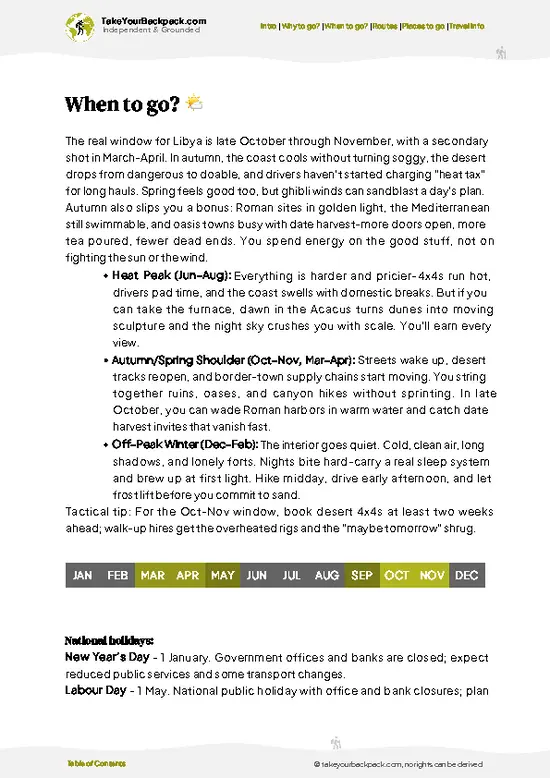
The Circular Labyrinth: The Granary’s Mind-Bending Architecture
Forget the Instagram drone shots—standing inside Qasr al-Haj is like being dropped into a real-life puzzle box. The entire granary is a perfect circle, ringed by three stories of honeycomb-like storage cells. No two passageways feel quite the same. You’ll lose your sense of direction in the best way, weaving through arched corridors and peering into ancient vaults. This isn’t just a pretty ruin; it’s a masterclass in Berber engineering, built for both defense and community. The symmetry is hypnotic, but it’s the tactile, maze-like quality that makes exploring here feel like you’re trespassing in someone’s centuries-old secret.
The Doors: Hand-Carved, Heavy, and Human
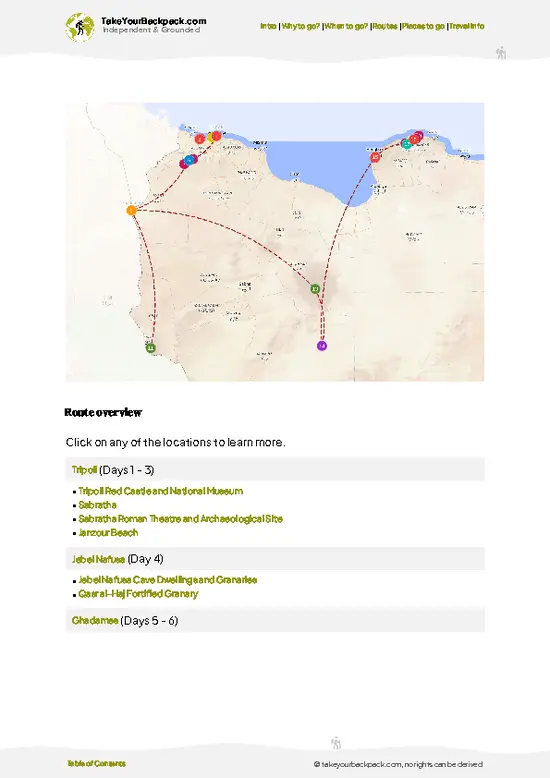
Most granaries are just piles of stone. Qasr al-Haj’s doors are the opposite of generic. Each storage cell is sealed with a thick, hand-carved wooden door, some still swinging on ancient hinges. You can see the tool marks, the wear from generations of hands. Some doors are patched with scrap metal or reinforced with iron bands—practical, yes, but also a living record of the families who once stashed their grain, olive oil, and valuables here. These aren’t museum pieces behind glass; you can touch history, literally.
The Rooftop Vantage: Desert Panorama, Zero Filter
Climb to the upper level and you’ll get a 360-degree view that’s all raw desert and sky. No crowds, no selfie sticks—just the wind and the endless sweep of the Jabal Nafusa plateau. The fort’s location wasn’t picked for the view, but it’s a bonus: sunrise and sunset here are the real deal, with the sun painting the limestone walls gold and the landscape stretching out like a map of old caravan routes. If you want a photo that actually feels earned, this is where you take it.
The Silence: Echoes of a Vanished Community
Here’s the truth: Qasr al-Haj isn’t bustling with guides or souvenir stalls. It’s quiet—sometimes eerily so. That silence is the point. You can hear your own footsteps, the wind, maybe a distant goat bell. It’s a rare chance to feel the weight of history without the noise of modern tourism. The emptiness isn’t a flaw; it’s the granary’s soul. You’re not just looking at old stones—you’re standing in the echo chamber of a lost way of life.
The Defensive Genius: Fortress Meets Food Bank
This place wasn’t just about storing grain. It was a fortress, a community bank, and a panic room all rolled into one. The thick walls, narrow entrances, and high vantage points were designed to keep raiders out and resources in. You can see the logic in every stone: this was survival architecture, built by people who knew that safety and food security were the same thing. It’s a reminder that beauty and utility can be the same beast.
The Patina of Use: Layers of Real Life
Look close and you’ll spot graffiti scratched into the plaster, soot stains from ancient lamps, and the odd bit of pottery wedged into a wall. Qasr al-Haj isn’t a sanitized monument. It’s layered with evidence of real, messy, practical living. Every mark is a story, and none of them were made for tourists. That’s the real magic: it’s not curated, it’s lived-in.
Forget the Instagram drone shots—standing inside Qasr al-Haj is like being dropped into a real-life puzzle box. The entire granary is a perfect circle, ringed by three stories of honeycomb-like storage cells. No two passageways feel quite the same. You’ll lose your sense of direction in the best way, weaving through arched corridors and peering into ancient vaults. This isn’t just a pretty ruin; it’s a masterclass in Berber engineering, built for both defense and community. The symmetry is hypnotic, but it’s the tactile, maze-like quality that makes exploring here feel like you’re trespassing in someone’s centuries-old secret.
The Doors: Hand-Carved, Heavy, and Human
Most granaries are just piles of stone. Qasr al-Haj’s doors are the opposite of generic. Each storage cell is sealed with a thick, hand-carved wooden door, some still swinging on ancient hinges. You can see the tool marks, the wear from generations of hands. Some doors are patched with scrap metal or reinforced with iron bands—practical, yes, but also a living record of the families who once stashed their grain, olive oil, and valuables here. These aren’t museum pieces behind glass; you can touch history, literally.
The Rooftop Vantage: Desert Panorama, Zero Filter
Climb to the upper level and you’ll get a 360-degree view that’s all raw desert and sky. No crowds, no selfie sticks—just the wind and the endless sweep of the Jabal Nafusa plateau. The fort’s location wasn’t picked for the view, but it’s a bonus: sunrise and sunset here are the real deal, with the sun painting the limestone walls gold and the landscape stretching out like a map of old caravan routes. If you want a photo that actually feels earned, this is where you take it.
The Silence: Echoes of a Vanished Community
Here’s the truth: Qasr al-Haj isn’t bustling with guides or souvenir stalls. It’s quiet—sometimes eerily so. That silence is the point. You can hear your own footsteps, the wind, maybe a distant goat bell. It’s a rare chance to feel the weight of history without the noise of modern tourism. The emptiness isn’t a flaw; it’s the granary’s soul. You’re not just looking at old stones—you’re standing in the echo chamber of a lost way of life.
The Defensive Genius: Fortress Meets Food Bank
This place wasn’t just about storing grain. It was a fortress, a community bank, and a panic room all rolled into one. The thick walls, narrow entrances, and high vantage points were designed to keep raiders out and resources in. You can see the logic in every stone: this was survival architecture, built by people who knew that safety and food security were the same thing. It’s a reminder that beauty and utility can be the same beast.
The Patina of Use: Layers of Real Life
Look close and you’ll spot graffiti scratched into the plaster, soot stains from ancient lamps, and the odd bit of pottery wedged into a wall. Qasr al-Haj isn’t a sanitized monument. It’s layered with evidence of real, messy, practical living. Every mark is a story, and none of them were made for tourists. That’s the real magic: it’s not curated, it’s lived-in.
Spotted a mistake or missing something? Contact us.

 Best Backpacking
.jpg) Hi, I’m Johan (Netherlands 🇳🇱), the creator of TakeYourBackpack. Over the past decade, I’ve backpacked through 80+ countries across six continents, gaining extensive experience with independent travel, long-term trips, and overland routes.
Hi, I’m Johan (Netherlands 🇳🇱), the creator of TakeYourBackpack. Over the past decade, I’ve backpacked through 80+ countries across six continents, gaining extensive experience with independent travel, long-term trips, and overland routes.