v2.webp)
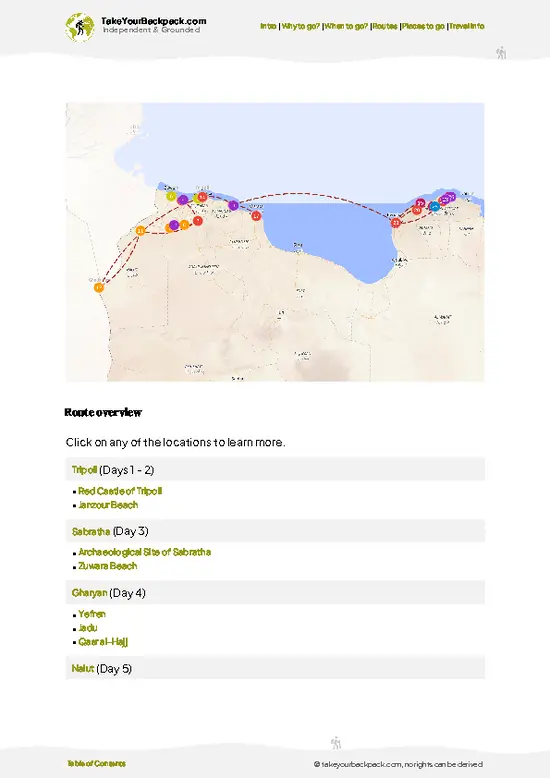
Troglodyte Cave Homes of Gharyan
Forget the Instagram fantasy of empty, echoing caves. The reality? These homes are still alive with the pulse of daily Libyan life. Families have carved their existence into the soft limestone for centuries, creating cool, bunker-like dwellings that are a masterclass in desert adaptation. You’ll see hand-chiseled rooms, smoke-blackened kitchens, and courtyards sunk below ground—each a testament to survival, not just style. If you’re lucky, you’ll get invited in for tea. Don’t expect a museum; expect a lived-in, slightly chaotic, utterly real home.
Qasr al-Haj Granary Fortress
This isn’t some dusty relic fenced off for tourists. Qasr al-Haj is a circular fortress stacked with hundreds of grain storage cells, each one locked behind a wooden door that looks like … read more 👉
Forget the Instagram fantasy of empty, echoing caves. The reality? These homes are still alive with the pulse of daily Libyan life. Families have carved their existence into the soft limestone for centuries, creating cool, bunker-like dwellings that are a masterclass in desert adaptation. You’ll see hand-chiseled rooms, smoke-blackened kitchens, and courtyards sunk below ground—each a testament to survival, not just style. If you’re lucky, you’ll get invited in for tea. Don’t expect a museum; expect a lived-in, slightly chaotic, utterly real home.
Qasr al-Haj Granary Fortress
This isn’t some dusty relic fenced off for tourists. Qasr al-Haj is a circular fortress stacked with hundreds of grain storage cells, each one locked behind a wooden door that looks like … read more 👉
Troglodyte Cave Homes of Gharyan
Forget the Instagram fantasy of empty, echoing caves. The reality? These homes are still alive with the pulse of daily Libyan life. Families have carved their existence into the soft limestone for centuries, creating cool, bunker-like dwellings that are a masterclass in desert adaptation. You’ll see hand-chiseled rooms, smoke-blackened kitchens, and courtyards sunk below ground—each a testament to survival, not just style. If you’re lucky, you’ll get invited in for tea. Don’t expect a museum; expect a lived-in, slightly chaotic, utterly real home.
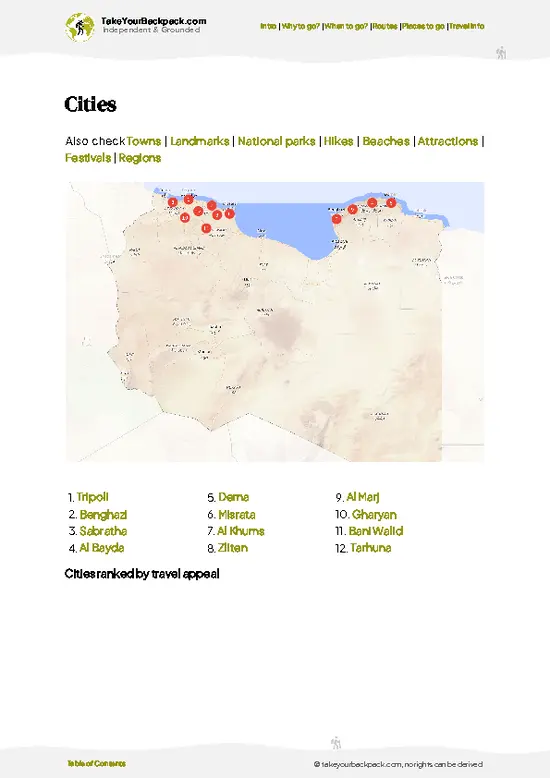
Qasr al-Haj Granary Fortress
This isn’t some dusty relic fenced off for tourists. Qasr al-Haj is a circular fortress stacked with hundreds of grain storage cells, each one locked behind a wooden door that looks like it’s seen a thousand sandstorms. The place feels like a set from a post-apocalyptic film—except it’s real, and it’s been holding the community’s food and valuables for over 800 years. Climb the ramparts for a view that’s pure Mad Max meets Berber ingenuity. The sense of communal trust and survival is baked into every stone.
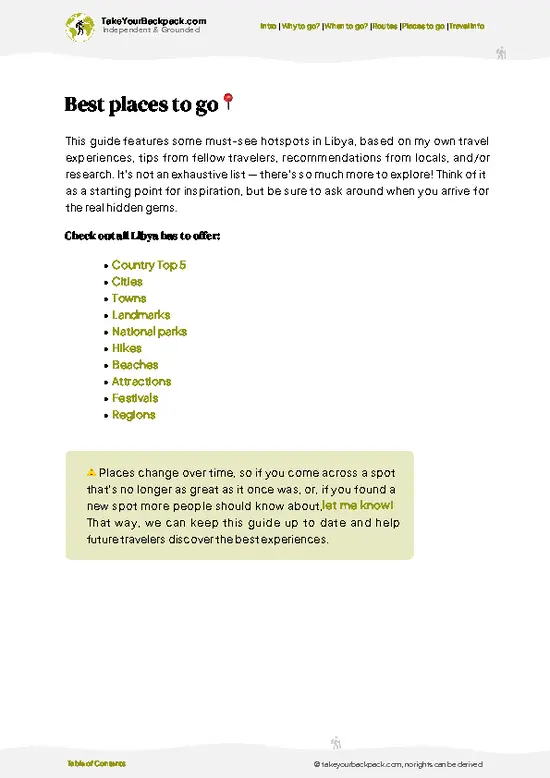
Yefren’s Cliffside Granaries
Perched on the edge of the Nafusa escarpment, these granaries are less fortress, more gravity-defying storage solution. The Berbers built them into the cliff face, using every inch of vertical space to keep their harvest safe from raiders and rodents. You’ll need a head for heights and a willingness to scramble, but the payoff is a panorama that makes you forget every filtered sunset you’ve ever scrolled past. This is the raw, unfiltered drama of survival architecture.
Berber Hospitality—Unscripted Encounters
No staged “cultural experience” here. The real magic is in the unscripted moments: a grandmother offering you fresh bread, kids darting between cave entrances, a farmer explaining the logic of storing olives underground. The Berber communities of Jebel Nafusa are fiercely proud, but also fiercely welcoming if you show genuine curiosity. This is the kind of travel moment you can’t buy or schedule.
Ancient Olive Presses
Hidden in the shadows of the caves and granaries, you’ll find stone olive presses that have been grinding out oil since before the Romans showed up. These aren’t museum pieces—they’re still used by some families, and the process is as tactile and labor-intensive as it gets. The smell of crushed olives, the scrape of stone on stone, the slow drip of oil: it’s a sensory time machine that connects you directly to the land and its people.
Sunset Over the Escarpment
Yes, it’s a sunset. But it’s not the kind you’ll find on a postcard rack. The light here turns the limestone gold, throws long shadows across the granaries, and makes the whole escarpment look like it’s on fire. You’ll probably have it all to yourself, because most visitors have already left for Tripoli. This is the moment when the Nafusa mountains shrug off their daytime harshness and show you why people have clung to this edge-of-the-world landscape for millennia.
Forget the Instagram fantasy of empty, echoing caves. The reality? These homes are still alive with the pulse of daily Libyan life. Families have carved their existence into the soft limestone for centuries, creating cool, bunker-like dwellings that are a masterclass in desert adaptation. You’ll see hand-chiseled rooms, smoke-blackened kitchens, and courtyards sunk below ground—each a testament to survival, not just style. If you’re lucky, you’ll get invited in for tea. Don’t expect a museum; expect a lived-in, slightly chaotic, utterly real home.
Qasr al-Haj Granary Fortress
This isn’t some dusty relic fenced off for tourists. Qasr al-Haj is a circular fortress stacked with hundreds of grain storage cells, each one locked behind a wooden door that looks like it’s seen a thousand sandstorms. The place feels like a set from a post-apocalyptic film—except it’s real, and it’s been holding the community’s food and valuables for over 800 years. Climb the ramparts for a view that’s pure Mad Max meets Berber ingenuity. The sense of communal trust and survival is baked into every stone.
Yefren’s Cliffside Granaries
Perched on the edge of the Nafusa escarpment, these granaries are less fortress, more gravity-defying storage solution. The Berbers built them into the cliff face, using every inch of vertical space to keep their harvest safe from raiders and rodents. You’ll need a head for heights and a willingness to scramble, but the payoff is a panorama that makes you forget every filtered sunset you’ve ever scrolled past. This is the raw, unfiltered drama of survival architecture.
Berber Hospitality—Unscripted Encounters
No staged “cultural experience” here. The real magic is in the unscripted moments: a grandmother offering you fresh bread, kids darting between cave entrances, a farmer explaining the logic of storing olives underground. The Berber communities of Jebel Nafusa are fiercely proud, but also fiercely welcoming if you show genuine curiosity. This is the kind of travel moment you can’t buy or schedule.
Ancient Olive Presses
Hidden in the shadows of the caves and granaries, you’ll find stone olive presses that have been grinding out oil since before the Romans showed up. These aren’t museum pieces—they’re still used by some families, and the process is as tactile and labor-intensive as it gets. The smell of crushed olives, the scrape of stone on stone, the slow drip of oil: it’s a sensory time machine that connects you directly to the land and its people.
Sunset Over the Escarpment
Yes, it’s a sunset. But it’s not the kind you’ll find on a postcard rack. The light here turns the limestone gold, throws long shadows across the granaries, and makes the whole escarpment look like it’s on fire. You’ll probably have it all to yourself, because most visitors have already left for Tripoli. This is the moment when the Nafusa mountains shrug off their daytime harshness and show you why people have clung to this edge-of-the-world landscape for millennia.
Spotted a mistake or missing something? Contact us.

 Best Backpacking
.jpg) Hi, I’m Johan (Netherlands 🇳🇱), the creator of TakeYourBackpack. Over the past 3 decades, I’ve backpacked through 90+ countries across six continents, gaining extensive experience with independent travel, long-term trips, and overland routes.
Hi, I’m Johan (Netherlands 🇳🇱), the creator of TakeYourBackpack. Over the past 3 decades, I’ve backpacked through 90+ countries across six continents, gaining extensive experience with independent travel, long-term trips, and overland routes.