×

Bhutan🇧🇹 | villagesLingzhi
yak herders, high-altitude outpost, stone fortress | things to do and best time to go

Explore Talo MonasteryExplore Trongsa

Backpacking in Lingzhi
👌 Worth visitingvillage ranked #15
By Johan Kruseman 🇳🇱 | last update: 27 April, 2026

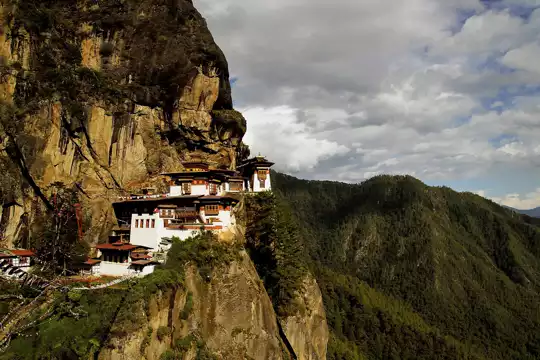
Your breath fogs in the thin, cold air as a string of ponies clinks past, prayer flags snapping in a wind that smells like yak, juniper smoke, and snow. This is Lingzhi, high in Bhutan’s remote northwest, days of trekking from Paro and a world away from Thimphu’s coffee shops. It’s not a “town stop” so much as a hard-earned waystation on the Jomolhari and Laya–Gasa routes: a scattering of stone houses, a dramatic dzong on a ridge, and big-mountain silence. Pros: raw Himalayan drama, real village life, star-heavy skies. Cons: basic comforts, brutal weather, zero nightlife, and you’ll only meet other backpackers if you’re on the same trekking circuit. You walk everywhere; there are no buses, just your feet, your pack, and maybe a horse train. Compared with Paro or Punakha, Lingzhi is harsher, poorer, but far more elemental—less a destination than a serious trek’s most haunting pause.

Discover everything you want to know in the 📖 Bhutan Travel Guide.
Loading the map 🌍
CLICK TO FILTER
city
town
village
unique site
national park
hike
attraction
festival
region
SHOW COUNTRY‘S BESTSHOW ALL

✨ Why go?
Ranked #15 village in Bhutan
Reasons people choose to visit here

Lingzhi serves as a gateway for backpackers seeking the rugged beauty of Bhutan. Its convenient location makes it a perfect base for nearby hikes, like the stunning trails leading to the Jhomolhari Base Camp. The walkable streets invite exploration, with small-scale guesthouses offering a cozy atmosphere and a chance to connect with fellow travelers. You’ll find local food experiences that are both hearty and authentic, fueling your adventures. Most backpackers stay a few days, soaking in the friendly social vibe while sharing stories over a warm meal. This town suits slow travelers and hikers looking for a blend of culture and nature, making it a rewarding stop on your journey.
Get the complete Travel Guide for Bhutan
Everything organized for offline planning — routes, highlights, costs & tips

See what’s inside 👉

Get the Travel Guide -
  • Lingzhi village settlement — The compact cluster of stone-and-timber houses where yak herders and their families live; visiting the settlement is the clearest, most direct way to see daily high-altitude Bhutanese life, traditional architecture, stacked barns and simple village rhythms.
  • Yak-herder camps and summer pastures — Seasonal yak camps around Lingzhi put you up close to yak caravans, cheese- and butter-making, and nomadic pastoral routines that have shaped local culture for generations.
  • High-altitude alpine meadows and hiking ridges — Short treks from the village drop you into flower-filled meadows, ridgelines hung with prayer flags and clean, wide views of the northern Himalayan foothills—great for day hikes and photography.
  • Village chortens and prayer-flag sites — Small, active
  • read more 👉
  • Lingzhi village settlement — The compact cluster of stone-and-timber houses where yak herders and their families live; visiting the settlement is the clearest, most direct way to see daily high-altitude Bhutanese life, traditional architecture, stacked barns and simple village rhythms.
  • Yak-herder camps and summer pastures — Seasonal yak camps around Lingzhi put you up close to yak caravans, cheese- and butter-making, and nomadic pastoral routines that have shaped local culture for generations.
  • High-altitude alpine meadows and hiking ridges — Short treks from the village drop you into flower-filled meadows, ridgelines hung with prayer flags and clean, wide views of the northern Himalayan foothills—great for day hikes and photography.
  • Village chortens and prayer-flag sites — Small, active chortens and prayer-flag crosses scattered through the settlement are living pieces of local devotion; they’re useful waypoints and offer a quiet window into community ritual and belief.
Nearby, day trips from Lingzhi that are easy to combine with a stay include Thimphu’s Tashichho Dzong and National Memorial Chorten, the hilltop Phajoding Monastery, and the scenic Dochula Pass.
Spotted a mistake or missing something? Contact me.

⌛️ 1 daySeeing the highlights in 24 hours

Lingzhi, Bhutan, is a hidden treasure, cradled in the Himalayas, where the air is crisp and the views are breathtaking. This town is a gateway to authentic Bhutanese culture, far from the usual tourist trails.

Start your morning with a stroll through the local market. The scent of fresh produce mingles with the earthy aroma of spices. Engage with vendors selling handmade crafts and local delicacies. Grab a warm bowl of *ema datshi*, Bhutan’s famous chili cheese dish, from a nearby stall. It’s a fiery wake-up call that sets the tone for your day.

In the afternoon, hike to the Lingzhi Dzong. The path winds through lush forests, with the sound of rustling leaves and distant bird calls. The Dzong, perched on a cliff, offers panoramic views that make the effort worthwhile. Spend time exploring … read more 👉
Lingzhi, Bhutan, is a hidden treasure, cradled in the Himalayas, where the air is crisp and the views are breathtaking. This town is a gateway to authentic Bhutanese culture, far from the usual tourist trails.

Start your morning with a stroll through the local market. The scent of fresh produce mingles with the earthy aroma of spices. Engage with vendors selling handmade crafts and local delicacies. Grab a warm bowl of *ema datshi*, Bhutan’s famous chili cheese dish, from a nearby stall. It’s a fiery wake-up call that sets the tone for your day.

In the afternoon, hike to the Lingzhi Dzong. The path winds through lush forests, with the sound of rustling leaves and distant bird calls. The Dzong, perched on a cliff, offers panoramic views that make the effort worthwhile. Spend time exploring its ancient architecture and the serene atmosphere.

As evening falls, head to the village of Chuzom. Here, you’ll find a cozy local eatery where you can savor traditional dishes while chatting with friendly locals. The warm glow of lanterns and the sound of laughter create a welcoming ambiance. Lingzhi isn’t just a destination; it’s an experience that lingers long after you leave.
Build the Right Itinerary
Use the Bhutan Travel Guide’s 5, 10 & 15-day routes as a starting point to plan a trip that actually works on the ground.

Get the Travel Guide -

🌤️ When to go?Best time to visit Lingzhi


  • Topic: Weather – Spring (March to May) and autumn (September to November) bring crisp, clear skies and mild temperatures, hovering between 10-20°C (50-68°F). These months avoid the heavy monsoon rains that turn trails into mud traps and obscure the Himalayan views.

  • Topic: Temperature – Winter nights dip below freezing, often around -5°C (23°F), making camping uncomfortable without serious gear. Summer highs can reach 25°C (77°F), but humidity spikes during monsoon season, making hiking sticky and exhausting.

  • Topic: Daylight Hours – Around 11 to 13 hours of daylight in spring and autumn give you ample time to explore without rushing, while winter’s shorter days limit trekking windows and increase chill.

  • Topic: Crowds – Peak trekking seasons in spring and autumn attract more visitors,
  • read more 👉

  • Topic: Weather – Spring (March to May) and autumn (September to November) bring crisp, clear skies and mild temperatures, hovering between 10-20°C (50-68°F). These months avoid the heavy monsoon rains that turn trails into mud traps and obscure the Himalayan views.

  • Topic: Temperature – Winter nights dip below freezing, often around -5°C (23°F), making camping uncomfortable without serious gear. Summer highs can reach 25°C (77°F), but humidity spikes during monsoon season, making hiking sticky and exhausting.

  • Topic: Daylight Hours – Around 11 to 13 hours of daylight in spring and autumn give you ample time to explore without rushing, while winter’s shorter days limit trekking windows and increase chill.

  • Topic: Crowds – Peak trekking seasons in spring and autumn attract more visitors, especially on weekends, but Lingzhi remains relatively quiet compared to Bhutan’s main hubs, preserving a sense of solitude.

  • Topic: Seasonal Activities – Autumn hosts vibrant local festivals with traditional dances and mask performances, enriching your cultural experience. Spring bursts with rhododendron blooms, painting the hillsides in fiery reds and pinks.

  • Topic: Price Fluctuations – Accommodation and guide fees rise during peak seasons due to demand. Visiting just before or after these windows can save money without sacrificing weather quality.


Pro-tip: Aim for late April or early October to catch clear skies, comfortable temps, and fewer crowds—perfect for soaking in Lingzhi’s rugged charm without the hassle.


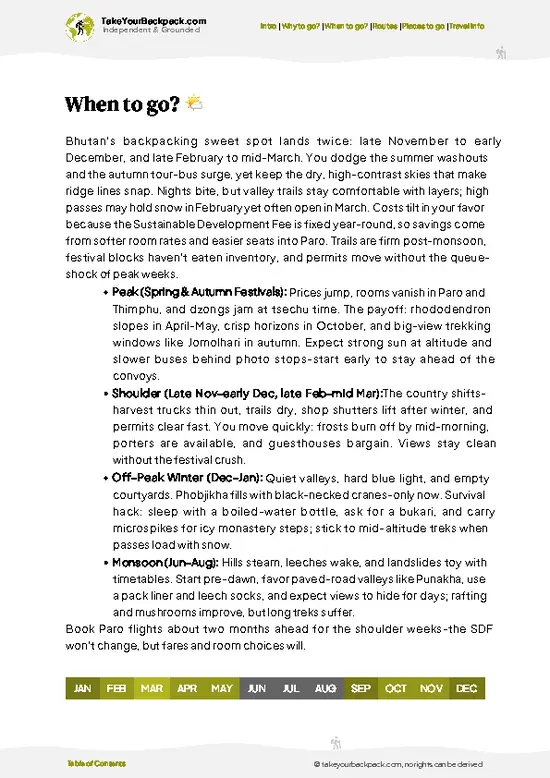
source: climatestotravel.comJANJanuary: fair for travelingFEBFebruary: good for travelingMARMarch: highly recommended for travelingAPRApril: excellent for travelingMAYMay: highly recommended for travelingJUNJune: fair for travelingJULJuly: below average for travelingAUGAugust: below average for travelingSEPSeptember: highly recommended for travelingOCTOctober: excellent for travelingNOVNovember: highly recommended for travelingDECDecember: fair for traveling
when-to-go

✈️ The ultimate backpacker shortcutBhutan Travel Guide

Skip weeks of research and hit the road with confidence. Get 183 pages of proven routes, transport advice, and real safety insights—built for your phone and 100% offline-ready.
example page 0 from our offline Travel Guide for Bhutanexample page 1 from our offline Travel Guide for Bhutanexample page 2 from our offline Travel Guide for Bhutanexample page 3 from our offline Travel Guide for Bhutanexample page 4 from our offline Travel Guide for Bhutan
🎒 Your 183-page offline travel companion
5, 10 & 15-day routes paced for real travel
54 ranked highlights with honest skip-it advice
Logistics solved: Best areas to stay & transport
Safety blueprints: Common local scams to avoid
No Wi-Fi? No problem: Phone-optimized offline PDF
👉 See all 30+ guide features

📅 Plan smarter in minutes, not weeks
Realistic travel times & pacing
Best months per region
Festivals & national holidays
Budget expectations

🗺️ Go to the right places, skip the overrated ones
54 ranked highlights across the country
Hidden gems beyond the tourist trail
Honest pros & cons of destinations
Top hikes, parks & viewpoints
Lesser-known places most travelers miss
Clear “worth it vs skip it” guidance

🛏️ Travel smoothly without rookie mistakes
Best areas to stay
Transport systems explained simply
Local transport tradeoffs
Common scams & safety advice
SIM cards, money & practical tips
What to expect before arrival

🌍 Understand the country, not just visit it
Culture & traditions
52 Essential phrases & customs
Festivals worth planning around
Traveler-friendly historical context
Insights that make places more meaningful

📱 Built for real travel conditions
Fully downloadable PDF
Works completely offline
Optimized for phone use
Useful in remote areas & buses
Everything in one place
Save weeks of stressful planning
Get instant access to the full guide directly. 30-day money-back guarantee.


Sent to your inbox immediately after payment • 100% Secure Checkout
Best Backpacking Travel Advisor 2025 tourism awardBest Backpacking
Travel Advisor
2025
What others say about Take Your Backpack Guides:
⭐⭐⭐⭐⭐
Fantastic, amazing amount of information!
⭐⭐⭐⭐⭐
My goodness this is amazing, it's what I've been looking for hats off too you!
⭐⭐⭐⭐⭐
I think this is absolutely BRILLIANT
⭐⭐⭐⭐
Very complete and informative. It's still missing places, but I gotta to commend you
⭐⭐⭐⭐⭐
This is truly amazing, thank you, can't wait to explore it with my kids!
⭐⭐⭐⭐⭐
Awesome resource, thank you!
⭐⭐⭐⭐⭐
This is amazing! Can't wait to explore the ones I haven't seen
⭐⭐⭐⭐
I love this! Well done, great idea.
⭐⭐⭐⭐⭐
Thanks for taking the time to make this gem!
⭐⭐⭐⭐⭐
This might be the best website I've ever seen.
⭐⭐⭐⭐⭐
Congratulations, and thank you so much for your work; it's incredibly valuable.
⭐⭐⭐⭐
In all seriousness I think you did a great job pointing out the important spots
⭐⭐⭐⭐⭐
10/10 very good
⭐⭐⭐⭐⭐
As someone who's only just starting to visit regularly this is awesome, thank you.
⭐⭐⭐⭐
Thank you very much! I'm going to visit my dad, it's going to be very useful!
⭐⭐⭐⭐⭐
This is really cool! We'll be travelling for the first time and this definitely come in handy.
⭐⭐⭐⭐⭐
You are now our minister of culture, congratulations 👨‍💼
⭐⭐⭐⭐⭐
Just wanted to tell you that this is a pearl! Going to follow your recommendations.
⭐⭐⭐⭐⭐
This is so cool. I'll definitely be using the resource for my travels soon.
⭐⭐⭐⭐⭐
This is very impressive! Good work.
⭐⭐⭐⭐⭐
This is an amazing and informative site. Very well done!

🛏️ Where to stay?Choosing the right base

Lingzhi’s town center is the natural magnet for backpackers craving connection without sacrificing safety. The streets here hum with a steady flow of locals and travelers alike, making it easy to strike up conversations over steaming cups of butter tea or share a meal of ema datshi in cozy, low-key eateries. The air carries a faint pine scent mixed with wood smoke, grounding you in the Himalayan rhythm. Hostels cluster around this hub, offering affordable dorm beds and communal spaces where solo travelers can swap stories under soft, warm lighting.

Step outside this core, and the vibe shifts—quieter, … read more 👉
Lingzhi’s town center is the natural magnet for backpackers craving connection without sacrificing safety. The streets here hum with a steady flow of locals and travelers alike, making it easy to strike up conversations over steaming cups of butter tea or share a meal of ema datshi in cozy, low-key eateries. The air carries a faint pine scent mixed with wood smoke, grounding you in the Himalayan rhythm. Hostels cluster around this hub, offering affordable dorm beds and communal spaces where solo travelers can swap stories under soft, warm lighting.

Step outside this core, and the vibe shifts—quieter, more residential, less social. While these areas offer peace, they lack the pulse that makes Lingzhi’s center feel alive and welcoming. Staying central means you’re never far from the pulse of local life, making your trip both smooth and richly textured.

🚌 Getting aroundHow to get from A to B

Lingzhi moves at its own rhythm—less a clockwork town and more a pulse you catch by tuning in. The air carries a faint mix of pine resin and wood smoke, and the streets hum with a blend of purposeful locals and wandering visitors. You won’t find rigid timetables here; instead, the town’s flow is a dance between the steady and the spontaneous. That means your best bet is to lean into the local tempo, where a little patience unlocks smoother rides and richer encounters.


  • Walking: The heart of Lingzhi is compact enough to explore on foot. Strolling through the narrow lanes, you’ll catch the scent of fresh earth and hear the soft chatter of market vendors. Walking costs nothing, gives you control over your pace, and reveals details missed by faster transit—like the way sunlight filters through
  • read more 👉
Lingzhi moves at its own rhythm—less a clockwork town and more a pulse you catch by tuning in. The air carries a faint mix of pine resin and wood smoke, and the streets hum with a blend of purposeful locals and wandering visitors. You won’t find rigid timetables here; instead, the town’s flow is a dance between the steady and the spontaneous. That means your best bet is to lean into the local tempo, where a little patience unlocks smoother rides and richer encounters.


  • Walking: The heart of Lingzhi is compact enough to explore on foot. Strolling through the narrow lanes, you’ll catch the scent of fresh earth and hear the soft chatter of market vendors. Walking costs nothing, gives you control over your pace, and reveals details missed by faster transit—like the way sunlight filters through the tall pines at midday.


  • Local Minibus: These minibuses run roughly from 7:00 AM to 7:00 PM, with fares around 5-10 RMB. They’re slow but steady, weaving through the hills and stopping frequently. Expect a bit of crowding during peak hours, but the ride offers a genuine slice of daily life and a chance to chat with locals.


  • Shared Taxis: Shared taxis operate on flexible schedules, often leaving once full. They cost about 20-30 RMB for common routes and cut travel time in half compared to minibuses. Comfort is basic but better than standing in a minibus, and the drivers know shortcuts that can save you from the slow crawl of traffic.


  • Bicycle Rentals: Renting a bike for 30-50 RMB per day is a smart move if you want to cover more ground without losing the intimacy of the landscape. The roads can be steep and uneven, so a sturdy mountain bike is essential. Early morning rides offer crisp air and soft light, perfect for avoiding the midday heat.

👛 Costs (as of 24 January 2026)Money, prices, and spending tips

Lingzhi, Bhutan, is a remote mountain town where costs reflect both its isolation and the careful balance Bhutan maintains between tourism and preservation. Here’s what you can expect to spend daily as an independent backpacker.
  • Dorm Accommodation: Options are extremely limited in Lingzhi, with most lodging being basic guesthouses or homestays rather than traditional dorms. Expect to pay around $15 to $25 USD per night for a simple shared room or basic private stay. The scarcity of budget beds means booking ahead is crucial.
  • Meals: Food here is straightforward and hearty—think rice, buckwheat, local vegetables, and yak cheese. Meals typically cost between $5 and $10 USD each. Since dining options are few, you’ll mostly eat at guesthouses or small local eateries, where prices are fair but
  • read more 👉
Lingzhi, Bhutan, is a remote mountain town where costs reflect both its isolation and the careful balance Bhutan maintains between tourism and preservation. Here’s what you can expect to spend daily as an independent backpacker.
  • Dorm Accommodation: Options are extremely limited in Lingzhi, with most lodging being basic guesthouses or homestays rather than traditional dorms. Expect to pay around $15 to $25 USD per night for a simple shared room or basic private stay. The scarcity of budget beds means booking ahead is crucial.
  • Meals: Food here is straightforward and hearty—think rice, buckwheat, local vegetables, and yak cheese. Meals typically cost between $5 and $10 USD each. Since dining options are few, you’ll mostly eat at guesthouses or small local eateries, where prices are fair but portions modest.
  • Local Transport: Lingzhi’s rugged terrain means transport is mostly on foot or by hired 4x4 vehicles. Walking is free but demanding, while hiring a vehicle for short trips can run $20 to $40 USD depending on distance and negotiation. Public transport is virtually nonexistent.
  • Basic Activities/Entry Fees: Trekking and exploring the natural surroundings dominate activities here. There are no formal entry fees for the town itself, but guided treks or permits for certain protected areas can cost $10 to $30 USD. Hiring a local guide is recommended for safety and insight, adding to the cost but enriching the experience.
  • Miscellaneous Expenses: This includes essentials like bottled water, snacks, and occasional phone or internet access. Expect to spend around $5 to $10 USD daily, as supplies are limited and often pricier due to transport costs.

Overall, a realistic daily budget for backpacking in Lingzhi falls between $40 and $75 USD. This range covers basic comfort without luxury, reflecting the town’s remote charm and the premium on resources. The payoff is a raw, authentic Bhutanese mountain experience that feels earned with every step and every dollar spent.


source: bhutan.travel
⚠️ Prices can change and everyone travels differently, so take this as a rough guide. Hope it helps you plan your adventure!

🚌 Day tripsWhere to go beyond the main area

Lingzhi is a fantastic base for exploring Bhutan’s breathtaking landscapes and rich culture. Here are some day trips that will elevate your experience.

1. Trek to the Lingzhi Dzong
This ancient fortress, perched on a ridge, offers a glimpse into Bhutan’s history. The trek takes about 2-3 hours, winding through lush forests and past vibrant prayer flags fluttering in the breeze. Expect to spend around $5 for a guide, which is worth it for the insights into local lore. The best time to go is during spring when the wildflowers bloom, adding color to your journey. A common mistake? Underestimating the altitude; take it slow and enjoy the views.


2. Day Hike to the Jangothang Base Camp
This hike is a must for those seeking stunning mountain vistas. It’s a 4-5 hour trek, but the panoramic … read more 👉
Lingzhi is a fantastic base for exploring Bhutan’s breathtaking landscapes and rich culture. Here are some day trips that will elevate your experience.

1. Trek to the Lingzhi Dzong
This ancient fortress, perched on a ridge, offers a glimpse into Bhutan’s history. The trek takes about 2-3 hours, winding through lush forests and past vibrant prayer flags fluttering in the breeze. Expect to spend around $5 for a guide, which is worth it for the insights into local lore. The best time to go is during spring when the wildflowers bloom, adding color to your journey. A common mistake? Underestimating the altitude; take it slow and enjoy the views.


2. Day Hike to the Jangothang Base Camp
This hike is a must for those seeking stunning mountain vistas. It’s a 4-5 hour trek, but the panoramic views of the Himalayas at the top are jaw-dropping. Budget around $10 for snacks and water. Late spring or early fall is ideal, as the weather is clear. Many first-timers rush the ascent; pace yourself to soak in the scenery.


3. Visit the Local Monastery
Just a short walk from Lingzhi, this monastery offers a serene escape. Spend a couple of hours here, absorbing the tranquil atmosphere and the scent of incense wafting through the air. Entry is free, but a small donation is appreciated. Anytime is good to visit, but mornings are especially peaceful. Don’t miss the chance to chat with the monks; they often share fascinating stories.


4. Explore the Lingzhi Village
Immerse yourself in local life by wandering through this charming village. It’s a 30-minute stroll from your base. You’ll encounter friendly locals and traditional homes, with the aroma of home-cooked meals wafting from kitchens. No cost involved, just your time. Visit in the late afternoon for the best light and a chance to see daily life unfold. Many overlook this experience, but it’s where you’ll find the heart of Bhutan.
Want to know what more Bhutan offers?
The Bhutan Travel Guide describes 54 highlights, from cities to national parks, from beaches to hikes

Get the Travel Guide -

🛡️ SafetyScams, Hazards, and Annoyances

Lingzhi is generally safe, but a few practical tips can enhance your experience. Stay aware in crowded markets; pickpockets can be sneaky. If you’re solo, avoid wandering too far after dark—stick to well-lit areas and main streets. The locals are friendly, but be cautious of overly eager guides offering unsolicited help; they might expect a tip.

When dining, check menus for prices before ordering to avoid surprises. Carry small bills for easier transactions. Embrace the local pace, and don’t rush; the charm of Lingzhi lies in its serene rhythm. Enjoy the journey, and let the landscape unfold at its own speed.

Other Bhutanese villages near Lingzhi

Explore more nearby:

  • Trongsa—central fortress, mountain pass, panoramic views| 113 km away
  • Ura Valley—highland hamlets, buckwheat fields, annual festival| 151 km away

👉 Discover all villages

Or checkout all Bhutan has to offer (think cities, towns, villages, national parks, hikes, beaches, festivals)
Country photo of Bhutan

I 💚 feedbackIs it worth it?

Lingzhi is a slice of Bhutan that feels untouched. The air is crisp, and the mountains loom like ancient guardians. Don’t miss the local cheese; it’s a delightful surprise. Just be ready for the altitude—it can hit hard. Embrace the challenge; the views are worth every breath.

✍️ Help improve this page!
The information on this page is based on in-depth research, insights shared by experienced travelers, and feedback from the local travel community in Bhutan. While every effort is made to keep the information accurate and current, conditions can change — so if you spot anything incorrect or outdated, please get in touch.


🙋‍♂️ Give feedback

👋 Meet the authorWho’s Behind Take Your Backpack?

Johan, backpacker and founder of TakeYourBackpackHi, I’m Johan (Netherlands 🇳🇱), the creator of TakeYourBackpack. Over the past decade, I’ve backpacked through 80+ countries across six continents, gaining extensive experience with independent travel, long-term trips, and overland routes.

This site is built on a combination of firsthand travel experience and carefully curated insights from other backpackers. Many guides are based on places I’ve personally visited, while others bring together tips, observations, and practical advice shared by trusted travelers I’ve met along the way.

The goal is to provide realistic, experience-driven guidance — not generic itineraries — so you can explore destinations with better context, clearer expectations, and more confidence.

Get Full Country Guide |
Instant download • 54 highlights • Full Offline guide