×

Bhutan🇧🇹 | landmarksTalo Monasteryhilltop gardens, village views, annual festival | things to do and best time to go

Explore Punakha DzongExplore Lingzhi

Backpacking in Talo Monastery
👌 Worth visitingunique site ranked #7
By Johan Kruseman 🇳🇱 | Updated September 4, 2026

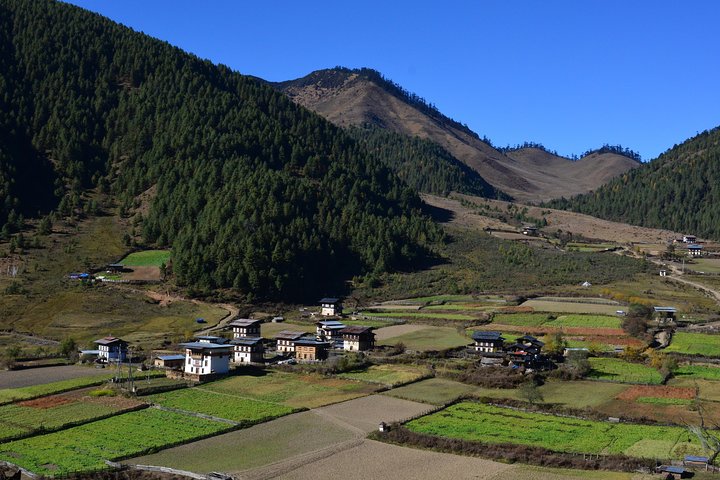
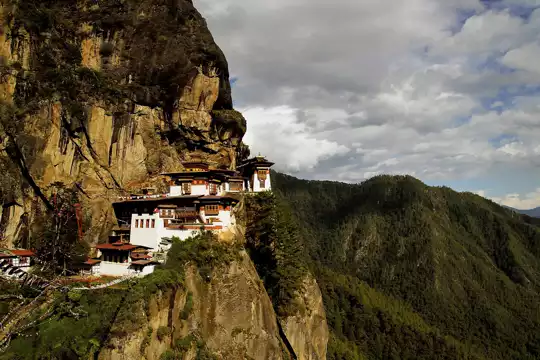
Most people show up at Talo Monastery expecting a giant cliff-hanging fortress like Tiger’s Nest, then act surprised when it’s smaller, quieter, and very much a living village temple, not an Instagram prop. Talo sits above Punakha in western Bhutan, on a ridge of terraced fields and farmhouses that feel more like someone’s neighborhood than a “must-see attraction.” For backpackers, the payoff is subtle but strong: big mountain views, real monastic life, and locals who aren’t exhausted by tourism yet. It’s cheap once you’re in Bhutan, but getting here still means dealing with the country’s high daily tariff and a bumpy road up from the valley. Crowds are light except during festivals, the photo potential is more about atmosphere than drama, and the vibe is calm, rural, and disarmingly normal in the best way.

Discover everything you want to know in the 📖 Bhutan Travel Guide.


Get your Bhutan guide
54 ranked highlights, routes & tips, works offline (222 pages)
Loading the map 🌍
CLICK TO FILTER
cities
towns
villages
landmarks
national parks
hikes
attractions
festivals
regions
SHOW COUNTRY’S BESTSHOW ALL

✨ Why go?
Ranked #7 unique site in Bhutan
What makes this unique site worth visiting

Talo Monastery in Bhutan isn’t just another stop; it’s a soulful experience that cuts through the Instagram gloss. Yes, it can get crowded, especially during festivals, but that’s part of its vibrant community life. The effort-to-reward ratio is solid. A short hike leads you to stunning views and a chance to connect with monks who are genuinely welcoming.

The cost? Minimal. A small donation is all it takes to soak in the spiritual atmosphere. This isn’t a flashy tourist trap; it’s a place where you can feel the pulse of Bhutanese culture.

Talo fits seamlessly into a broader route through the Punakha Valley, making it easy to combine with other sites like the Punakha Dzong. You’re not just ticking boxes; you’re diving into a rich tapestry of history and spirituality. This is where the real … read more 👉
Talo Monastery in Bhutan isn’t just another stop; it’s a soulful experience that cuts through the Instagram gloss. Yes, it can get crowded, especially during festivals, but that’s part of its vibrant community life. The effort-to-reward ratio is solid. A short hike leads you to stunning views and a chance to connect with monks who are genuinely welcoming.

The cost? Minimal. A small donation is all it takes to soak in the spiritual atmosphere. This isn’t a flashy tourist trap; it’s a place where you can feel the pulse of Bhutanese culture.

Talo fits seamlessly into a broader route through the Punakha Valley, making it easy to combine with other sites like the Punakha Dzong. You’re not just ticking boxes; you’re diving into a rich tapestry of history and spirituality. This is where the real magic happens, far from the crowds and the clichés.
Want to include Talo Monastery in your Bhutan route?
Create a personalized Bhutan itinerary that includes Talo Monastery and the places that fit your trip — based on your travel style, budget, and available time. Get your route in seconds.

Generate my trip

💡 HighlightsThe experiences that define the visit

  • Ridge-top panoramic views — Talo sits above the valley, so the lookout gives sweeping views of patchwork fields, the river below and distant ridgelines; great for golden-hour photos and to get a sense of how the valley is stitched together.
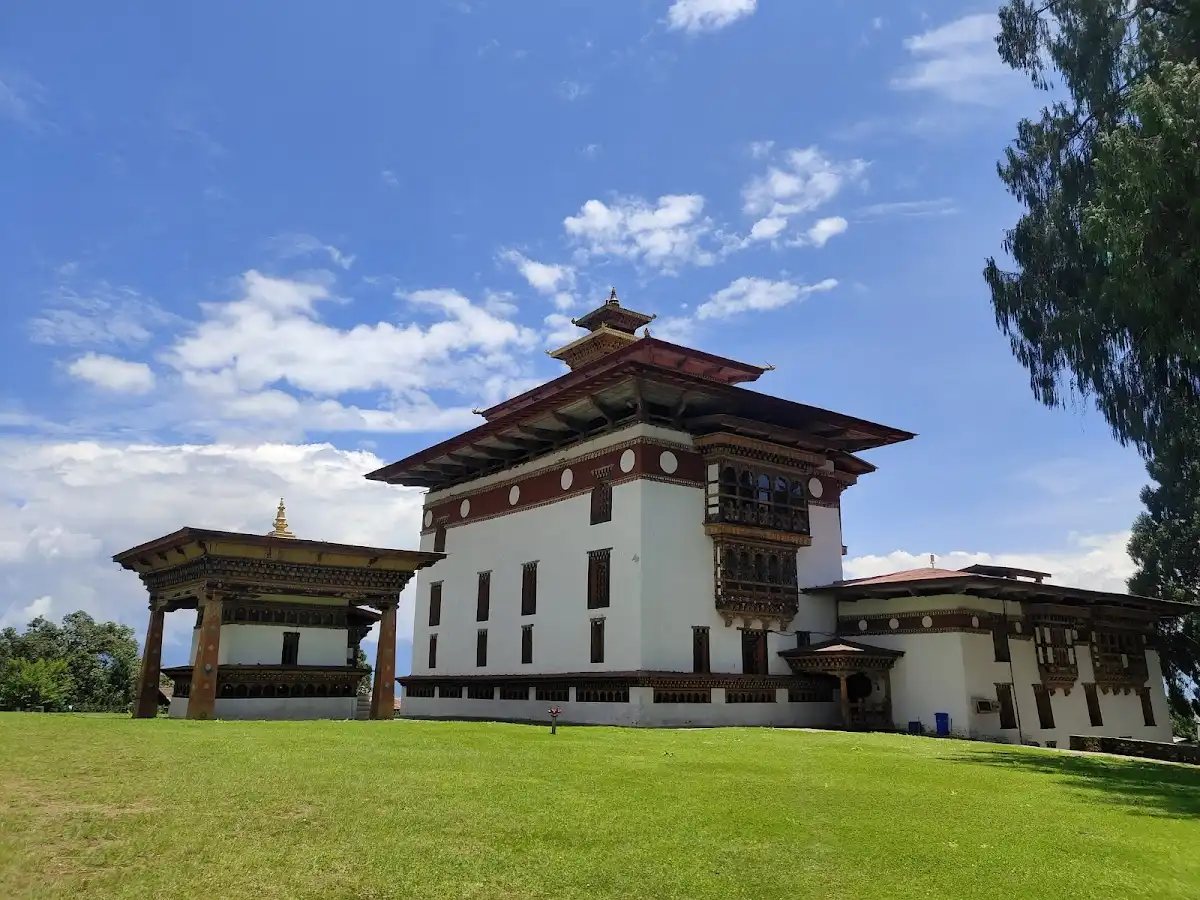
  • Intimate, small-scale monastery architecture — unlike huge dzongs, Talo’s buildings are compact and traditional: timber beams, painted windows and carved doorframes you can actually walk around and study up close without a crowd.
  • Prayer hall murals and statues — the main chapel contains dense murals and Buddhist iconography (thangkas, statues and painted mandalas). It’s a good spot to observe devotional art that still functions in daily monastic life.
  • Local tsechu/festival atmosphere — Talo’s festival is more village-scale than big-city tsechus, so
read more 👉
  • Ridge-top panoramic views — Talo sits above the valley, so the lookout gives sweeping views of patchwork fields, the river below and distant ridgelines; great for golden-hour photos and to get a sense of how the valley is stitched together.
  • Intimate, small-scale monastery architecture — unlike huge dzongs, Talo’s buildings are compact and traditional: timber beams, painted windows and carved doorframes you can actually walk around and study up close without a crowd.
  • Prayer hall murals and statues — the main chapel contains dense murals and Buddhist iconography (thangkas, statues and painted mandalas). It’s a good spot to observe devotional art that still functions in daily monastic life.
  • Local tsechu/festival atmosphere — Talo’s festival is more village-scale than big-city tsechus, so if you time it right you’ll see masked dances, local costumes and community rituals where tourists are observers rather than the whole point.
  • Quiet monk/novice routines — it’s a living monastery: morning prayers, butter lamps and incense create a peaceful rhythm. You can watch routines and, if respectful, speak briefly with resident monks or novices to learn about daily life.
  • Walks through village terraces and orchards — trails from the monastery drop through maize and potato terraces and apple orchards; it’s an easy way to soak in rural Bhutanese life and to spot small devotional shrines tucked into the landscape.
  • Sunrise/sunset light and atmosphere — the siting on a ridge makes dawn and dusk especially atmospheric: prayer flags, smoke from kitchens and long shadows give the place a cinematic hush that’s worth lingering for.
Spotted a mistake or missing something? Contact us.

Things to do near Talo Monastery

Ratings based on Tripadvisor reviews. When you book through this link, you support our work at no extra cost to you.

🌤️ When to go?Seasonal considerations and timing


  • Weather: Spring (March to May) and autumn (September to November) offer the most stable weather. Expect clear skies and mild conditions, perfect for trekking. Winters can be bitterly cold, dropping below freezing (0°C/32°F), while summers bring heavy monsoon rains, making trails slippery and visibility poor.

  • Temperature: Spring and autumn days hover between 10-20°C (50-68°F), comfortable for hiking and exploring. Nights can dip to 0-5°C (32-41°F), so pack layers. Summer heat is less intense but humidity spikes, while winter nights plunge below freezing, demanding serious cold-weather gear.

  • Daylight Hours: Around 11-12 hours of daylight in spring and autumn, giving you ample time for trekking and photography. Winter days shorten to about 10 hours, limiting exploration time, while summer
read more 👉

  • Weather: Spring (March to May) and autumn (September to November) offer the most stable weather. Expect clear skies and mild conditions, perfect for trekking. Winters can be bitterly cold, dropping below freezing (0°C/32°F), while summers bring heavy monsoon rains, making trails slippery and visibility poor.

  • Temperature: Spring and autumn days hover between 10-20°C (50-68°F), comfortable for hiking and exploring. Nights can dip to 0-5°C (32-41°F), so pack layers. Summer heat is less intense but humidity spikes, while winter nights plunge below freezing, demanding serious cold-weather gear.

  • Daylight Hours: Around 11-12 hours of daylight in spring and autumn, giving you ample time for trekking and photography. Winter days shorten to about 10 hours, limiting exploration time, while summer days stretch longer but are often clouded by rain.

  • Crowds: Peak tourist seasons align with spring and autumn festivals, so expect more visitors then. The monastery can feel crowded during these times, especially on weekends. Off-season visits in winter or monsoon offer solitude but come with weather trade-offs.

  • Seasonal Activities: Spring brings rhododendron blooms and vibrant local festivals, while autumn hosts the famous Tsechu festival, a cultural spectacle worth timing your visit for. Winter and monsoon seasons lack major events but offer raw, quiet landscapes.

  • Price Fluctuations: Bhutan’s fixed daily tariffs rise during peak seasons due to demand, making spring and autumn more expensive. Off-peak months see slightly lower rates and better bargaining power with local guides and accommodations.


Pro-tip: Aim for early autumn—post-monsoon clarity, manageable crowds, and festival energy combine to deliver the fullest Talo Monastery experience without the summer’s soggy slog or winter’s chill.


source: climatestotravel.comJANJanuary: fair for travelingFEBFebruary: fair for travelingMARMarch: excellent for travelingAPRApril: excellent for travelingMAYMay: highly recommended for travelingJUNJune: below average for travelingJULJuly: below average for travelingAUGAugust: below average for travelingSEPSeptember: excellent for travelingOCTOctober: excellent for travelingNOVNovember: highly recommended for travelingDECDecember: fair for traveling
bhutan-unique-site-talo-monastery
© Google |

✈️ The backpacker research shortcutBhutan Travel Guide

An offline-friendly backpacking guide with optimized travel routes, ranked highlights, transport advice, and the best areas to stay.
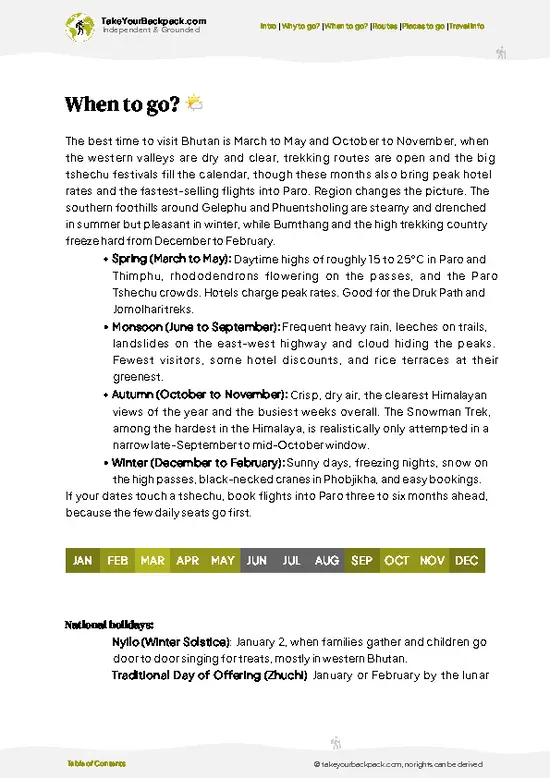
example page 0 from our offline Travel Guide for Bhutan
example page 1 from our offline Travel Guide for Bhutan
example page 2 from our offline Travel Guide for Bhutan
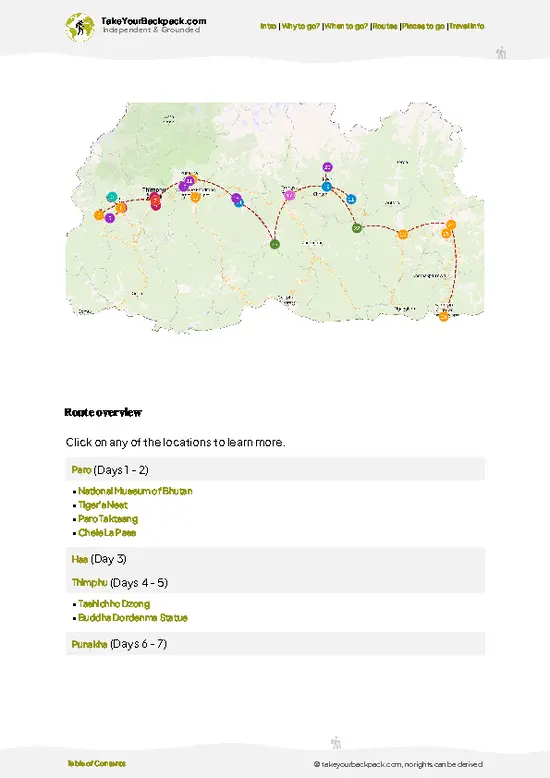
example page 3 from our offline Travel Guide for Bhutan
example page 4 from our offline Travel Guide for Bhutan
example page 5 from our offline Travel Guide for Bhutan
example page 6 from our offline Travel Guide for Bhutan
example page 7 from our offline Travel Guide for Bhutan
The digital guide (222 pages) contains:
54 highlights, ranked by travel appeal
Optimized 5, 10 & 15-day travel routes
Cities, national parks, landmarks, beaches
How to get around
Offline-friendly for travel without Wi-Fi
👉 Click to see all 30+ guide features

📅 Plan smarter in minutes, not weeks
Month by month travel advice
Festivals & national holidays
Budget expectations

🗺️ Go to the right places, skip the overrated ones
Honest pros & cons of destinations
Top hikes, parks & viewpoints
Lesser-known places most travelers miss
Clear “worth it vs skip it” guidance

🛏️ Travel smoothly without rookie mistakes
Best areas to stay
Transport systems explained simply
Common scams & safety advice
SIM cards, money & practical tips

🌍 Understand the country, not just visit it
Culture & traditions
52 Essential phrases & customs
Festivals worth planning around
Traveler-friendly historical context
Insights that make places more meaningful

📱 Built for real travel conditions
Fully downloadable PDF
Works completely offline
Optimized for phone use
Useful in remote areas & buses
Everything in one place
Save weeks of stressful planning
Get instant access to your full guide. 30‑day money-back guarantee.
+ Add another guide for just US$7.80

By proceeding you agree to our terms.
Sent to your inbox immediately after payment • 100% Secure Checkout
Best Backpacking Travel Advisor 2025 tourism awardBest Backpacking
Travel Advisor
2025
What others say about Take Your Backpack Guides:
⭐⭐⭐⭐⭐
Fantastic, amazing amount of information!
⭐⭐⭐⭐⭐
My goodness this is amazing, it's what I've been looking for hats off too you!
⭐⭐⭐⭐⭐
I think this is absolutely BRILLIANT
⭐⭐⭐⭐
Very complete and informative. It's still missing places, but I gotta to commend you
⭐⭐⭐⭐⭐
This is truly amazing, thank you, can't wait to explore it with my kids!
⭐⭐⭐⭐⭐
Awesome resource, thank you!
⭐⭐⭐⭐⭐
This is amazing! Can't wait to explore the ones I haven't seen
⭐⭐⭐⭐
I love this! Well done, great idea.
⭐⭐⭐⭐⭐
Thanks for taking the time to make this gem!
⭐⭐⭐⭐⭐
This might be the best website I've ever seen.
⭐⭐⭐⭐⭐
Congratulations, and thank you so much for your work; it's incredibly valuable.
⭐⭐⭐⭐
In all seriousness I think you did a great job pointing out the important spots
⭐⭐⭐⭐⭐
10/10 very good
⭐⭐⭐⭐⭐
As someone who's only just starting to visit regularly this is awesome, thank you.
⭐⭐⭐⭐
Thank you very much! I'm going to visit my dad, it's going to be very useful!
⭐⭐⭐⭐⭐
This is really cool! We'll be travelling for the first time and this definitely come in handy.
⭐⭐⭐⭐⭐
You are now our minister of culture, congratulations 👨‍💼
⭐⭐⭐⭐⭐
Just wanted to tell you that this is a pearl! Going to follow your recommendations.
⭐⭐⭐⭐⭐
This is so cool. I'll definitely be using the resource for my travels soon.
⭐⭐⭐⭐⭐
This is very impressive! Good work.
⭐⭐⭐⭐⭐
This is an amazing and informative site. Very well done!

🛏️ Where to stay?Best areas to stay in Bhutan

Staying near Talo Monastery in Bhutan is about embracing the local vibe while keeping your budget in check. The area around Talo is small but rich in culture. Look for guesthouses or homestays in the nearby villages. These spots often offer a warm welcome and a chance to connect with locals.

The charm here lies in the simplicity. You’ll find clean, basic accommodations that let you soak in the serene atmosphere without breaking the bank. Plus, many of these places encourage communal meals, giving you the chance to swap stories with fellow travelers and locals alike.

Don’t expect luxury; instead, … read more 👉
Staying near Talo Monastery in Bhutan is about embracing the local vibe while keeping your budget in check. The area around Talo is small but rich in culture. Look for guesthouses or homestays in the nearby villages. These spots often offer a warm welcome and a chance to connect with locals.

The charm here lies in the simplicity. You’ll find clean, basic accommodations that let you soak in the serene atmosphere without breaking the bank. Plus, many of these places encourage communal meals, giving you the chance to swap stories with fellow travelers and locals alike.

Don’t expect luxury; instead, enjoy the authenticity. The views of the surrounding hills and valleys are breathtaking, especially at sunrise. It’s a peaceful retreat from the more tourist-heavy areas.

Safety is generally not a concern, but always trust your instincts. The real magic of Talo is in its quiet moments, the laughter shared over a meal, and the stories exchanged under the stars. That’s what makes the journey worthwhile.

👛 Costs (as of 4 September 2026)What things cost and how to budget

Visiting Talo Monastery in Bhutan is a unique experience, but it comes with its own set of costs that you should be aware of.
  • Entry Fee: Expect to pay around €5 to €10 ($5 to $12) for entry. This fee helps maintain the site and supports local initiatives. It’s a small price for a glimpse into Bhutanese spirituality.
  • Transportation: Getting to Talo can be a bit of a trek. If you’re coming from Thimphu, budget around €30 to €50 ($35 to $60) for a taxi or shared ride. Public transport is cheaper but less convenient, often costing about €2 to €5 ($2 to $6).
  • Guided Tours: If you want a deeper understanding of the monastery’s history and significance, consider a guided tour. Prices range from €20 to €50 ($25 to $60), depending on the length and depth of the tour. This can be worth it for the insights
read more 👉
Visiting Talo Monastery in Bhutan is a unique experience, but it comes with its own set of costs that you should be aware of.
  • Entry Fee: Expect to pay around €5 to €10 ($5 to $12) for entry. This fee helps maintain the site and supports local initiatives. It’s a small price for a glimpse into Bhutanese spirituality.
  • Transportation: Getting to Talo can be a bit of a trek. If you’re coming from Thimphu, budget around €30 to €50 ($35 to $60) for a taxi or shared ride. Public transport is cheaper but less convenient, often costing about €2 to €5 ($2 to $6).
  • Guided Tours: If you want a deeper understanding of the monastery’s history and significance, consider a guided tour. Prices range from €20 to €50 ($25 to $60), depending on the length and depth of the tour. This can be worth it for the insights you’ll gain.
  • Food and Drink: Local eateries near the monastery offer meals for about €3 to €10 ($3.50 to $12). Try the traditional dishes; they’re not just filling but also a cultural experience. Bring some extra cash for snacks or drinks.
  • Accommodation: If you plan to stay overnight, budget around €20 to €60 ($25 to $70) for guesthouses or basic hotels. Prices vary based on amenities and location, but you can find cozy spots that give you a taste of local hospitality.

Be prepared for crowds, especially during peak seasons. The real magic lies in the serene moments you carve out amidst the hustle.


source: bhutan.travel
⚠️ Prices can change and everyone travels differently, so take this as a rough guide. Hope it helps you plan your adventure!

FAQCommon questions from travelers

Talo Monastery is a Buddhist monastery located in the Punakha district of Bhutan, known for its vibrant murals and annual Talo Festival held in March or April. It serves as a spiritual center for local communities and a site for traditional religious ceremonies.
Visiting Talo Monastery typically requires about 1 to 2 hours, enough time to explore the temple grounds, admire the murals, and experience the peaceful surroundings. If attending the Talo Festival, plan for a half-day visit to fully enjoy the cultural events.
To get to Talo Monastery, travel from Thimphu or Punakha by road; it is approximately 25 kilometers from Punakha town. The monastery is accessible by car or taxi, followed by a short walk uphill from the parking area.
⚠️ Things can change over time, so always validate details locally before you go.

Other Bhutanese landmarks near Talo Monastery

Explore more nearby:

  • Punakha Dzong—river confluence, fortress architecture, carved woodwork| 5 km away
  • Chimi Lhakhang—fertility temple, rural fields, phallus iconography| 6 km away
  • Gangtey Monastery—valley overlook, Black-necked cranes, Buddhist rituals| 35 km away

💡 Not sure where to go next?
Create a personalized itinerary for Bhutan including Talo Monastery and the places that fit your trip.

Generate my itinerary

👉 Discover all landmarks

Or checkout all Bhutan has to offer (think cities, towns, villages, national parks, hikes, beaches, festivals)
Country photo of Bhutan

We 💚 feedbackParting advice and final tips

Talo Monastery is a breath of fresh air in Bhutan, away from the tourist crush. The vibe here is serene, almost meditative. You’ll find monks going about their daily rituals, and that’s where the real magic lies. The best surprise? The views of the valley—stunning without the Instagram hype. Just a heads-up: the hike up can be steep, so pace yourself. It’s worth every step for the peace you’ll find.

✍️ Help improve this page!
The information on this page is based on in-depth research, insights shared by experienced travelers, and feedback from the local travel community in Bhutan. While every effort is made to keep the information accurate and current, conditions can change — so if you spot anything incorrect or outdated, please get in touch.


🙋‍♂️ Give feedback

👋 Meet the founderWho’s Behind Take Your Backpack?

Johan, backpacker and founder of TakeYourBackpackHi, I’m Johan (Netherlands 🇳🇱), the creator of TakeYourBackpack. Over the past decade, I’ve backpacked through 80+ countries across six continents, gaining extensive experience with independent travel, long-term trips, and overland routes.

This site is built on a combination of firsthand travel experience and carefully curated insights from other backpackers. Many guides are based on places I’ve personally visited, while others bring together tips, observations, and practical advice shared by trusted travelers I’ve met along the way.

The goal is to provide realistic, experience-driven guidance — not generic itineraries — so you can explore destinations with better context, clearer expectations, and more confidence.

Get full Bhutan guide •
Instant download • 54 highlights • Full Offline guide