
×

Colombia🇨🇴 | festivalsFestival de Blancos y Negros
face painting, Andean parades, Pasto traditions | things to do and best time to go

Explore Festival de la Leyenda VallenataExplore Festival de Música del Pacífico Petronio Álvarez

Backpacking in de Blancos y Negros
🏆 Top pickfestival ranked #4
By Johan Kruseman 🇳🇱 | last update: 4 April, 2026

If you hate crowds, don’t like getting messy, and prefer quiet viewpoints over street chaos, Festival de Blancos y Negros will steamroll you. But if you travel to feel a city’s pulse in your bones, backpackers get huge payoff here. The festival explodes every early January in Pasto, way down in Colombia’s far southwest near the Ecuador border. For almost a week, brass bands, Andean flutes, and pounding drums drive parades of giant floats, dancers, and costumed crews. The crowd is mostly Colombians of all ages plus a thin layer of wide-eyed foreigners, which keeps it feeling local, not packaged. The core days are “Blancos” and “Negros,” when everyone blasts foam, talc, and paint at each other; you will be a target. I walked out looking like a frosted cake and grinning so hard my cheeks hurt.

Discover everything you want to know in the 📖 Colombia Travel Guide.
Loading the map 🌍
CLICK TO FILTER
city
town
village
unique site
national park
hike
beach
attraction
festival
region
SHOW COUNTRY‘S BESTSHOW ALL

✨ Why go?
Ranked #4 festival in Colombia
What makes it a must-see festival

Backpackers flock to the Festival de Blancos y Negros in Colombia for a jolt of social energy that’s hard to find elsewhere. This festival isn’t just a party; it’s a temporary community where you can dive headfirst into vibrant cultural immersion. Picture yourself painting your face, dancing in the streets, and sharing laughter with locals and fellow travelers alike.

Planning your route around this festival means you’re not just hitting a destination; you’re experiencing a living, breathing celebration. Plus, it’s surprisingly affordable compared to similar events worldwide, allowing you to save your budget for other adventures.

Integrating the festival into your longer travel plans is a no-brainer. It acts as a catalyst, energizing your journey through Colombia. You’ll leave with stories … read more 👉
Backpackers flock to the Festival de Blancos y Negros in Colombia for a jolt of social energy that’s hard to find elsewhere. This festival isn’t just a party; it’s a temporary community where you can dive headfirst into vibrant cultural immersion. Picture yourself painting your face, dancing in the streets, and sharing laughter with locals and fellow travelers alike.

Planning your route around this festival means you’re not just hitting a destination; you’re experiencing a living, breathing celebration. Plus, it’s surprisingly affordable compared to similar events worldwide, allowing you to save your budget for other adventures.

Integrating the festival into your longer travel plans is a no-brainer. It acts as a catalyst, energizing your journey through Colombia. You’ll leave with stories that pulse with life, connections that last, and a deeper appreciation for the rich tapestry of Colombian culture. Don’t miss this chance to elevate your backpacking experience!
Get the complete Travel Guide for Colombia
Everything organized for offline planning — routes, highlights, costs & tips

See what’s inside 👉

Get the Travel Guide -
  1. The paint days — “Blancos” and “Negros”
    The whole city literally becomes your canvas: one day people celebrate with white powder and costume, the next people playfully blacken faces and bodies. It’s not just messy fun — it’s a ritual of role-play and social leveling that turns strangers into teammates for a few hours. Bring clothes you don’t love and expect laughter, accidental talc showers, and a sense of collective chaos you won’t find in a staged parade.
  2. Comparsas and dance troupes
    Rows of neighborhood groups move through the streets with choreographed steps, drums, flutes and bright, hybrid costumes that fuse indigenous, African and Spanish influences. These are living, breathing performances — not polished stage shows — so you’ll get raw energy, improvisation and moments when the
read more 👉
  1. The paint days — “Blancos” and “Negros”
    The whole city literally becomes your canvas: one day people celebrate with white powder and costume, the next people playfully blacken faces and bodies. It’s not just messy fun — it’s a ritual of role-play and social leveling that turns strangers into teammates for a few hours. Bring clothes you don’t love and expect laughter, accidental talc showers, and a sense of collective chaos you won’t find in a staged parade.
  2. Comparsas and dance troupes
    Rows of neighborhood groups move through the streets with choreographed steps, drums, flutes and bright, hybrid costumes that fuse indigenous, African and Spanish influences. These are living, breathing performances — not polished stage shows — so you’ll get raw energy, improvisation and moments when the crowd becomes part of the act. Personal favorite: nothing beats being swept up by a comparsa and learning a few steps as you go.
  3. Giant heads and masks (cabezones)
    Oversized papier-mâché characters stalk the streets, making exaggerated faces, teasing the crowd and turning satire into street theater. They’re whimsical, a little weird, and often deeply local — some mock public figures, others celebrate folk archetypes. It’s playful art that’s loud, interactive and perfect for photos (or for hiding behind when a talc storm hits).
  4. Carrozas and creative floats
    Neighborhoods and cultural groups build elaborate floats that roll through town like moving sculptures — colorful, often humorous, and packed with dancers and live musicians. The designs are a real community effort: you’ll see recycled materials, hand-made detail, and lots of local pride. Watching the creativity and DIY engineering on display gives a sense of how invested the whole region is in this festival.
  5. Music, street food and the communal vibe
    Between parades you’ll hear everything from Andean melodies to Afro-Colombian rhythms, often played live on street corners. Food stands and family kitchens keep you going with regional flavors; the dining is informal, shared, and very social. More than any single event, it’s the overall warmth and inclusivity — people inviting you into block parties, kids running through the crowds, neighbors catching up — that makes the festival unforgettable.
Spotted a mistake or missing something? Contact me.

🌤️ When to go?When is the celebration of Festival de Blancos y Negros?


  • Topic: Weather and Temperature – The festival runs from January 2 to 7, right in Colombia’s dry season. Expect daytime highs around 22-24°C (72-75°F), perfect for pounding the streets without overheating. Nights dip to 12-14°C (54-57°F), so pack a light jacket.

  • Topic: Daylight Hours – Early January offers roughly 12 hours of daylight, giving you plenty of time to soak in parades and street performances without rushing. The sun sets around 6 PM, so plan your main activities before dusk to catch the full vibe.

  • Topic: Crowds – This festival draws locals and tourists alike, so expect packed streets. Arriving early in the festival week means slightly smaller crowds and better accommodation deals. Peak days (Jan 5-6) get intense, so brace for energy overload.

  • Topic: Seasonal Activities
  • read more 👉

  • Topic: Weather and Temperature – The festival runs from January 2 to 7, right in Colombia’s dry season. Expect daytime highs around 22-24°C (72-75°F), perfect for pounding the streets without overheating. Nights dip to 12-14°C (54-57°F), so pack a light jacket.

  • Topic: Daylight Hours – Early January offers roughly 12 hours of daylight, giving you plenty of time to soak in parades and street performances without rushing. The sun sets around 6 PM, so plan your main activities before dusk to catch the full vibe.

  • Topic: Crowds – This festival draws locals and tourists alike, so expect packed streets. Arriving early in the festival week means slightly smaller crowds and better accommodation deals. Peak days (Jan 5-6) get intense, so brace for energy overload.

  • Topic: Seasonal Activities – Beyond the festival, January is dry and cool, ideal for exploring Pasto’s colonial architecture and nearby volcanoes. The festival itself is the season’s highlight, so timing your visit here means locking in the cultural pulse.

  • Topic: Price Fluctuations – Accommodation and flights spike during festival days. Booking weeks in advance saves cash and stress. Avoid last-minute deals—they’re rare and pricey. Eating local street food is a wallet-friendly way to stay fueled.


Pro-tip: Arrive a day early to acclimate and score better lodging; this buffer keeps your energy sharp for the festival’s full throttle.


source: climatestotravel.comJANJanuary: excellent for travelingFEBFebruary: not recommended for travelingMARMarch: not recommended for travelingAPRApril: not recommended for travelingMAYMay: not recommended for travelingJUNJune: not recommended for travelingJULJuly: not recommended for travelingAUGAugust: not recommended for travelingSEPSeptember: not recommended for travelingOCTOctober: not recommended for travelingNOVNovember: not recommended for travelingDECDecember: not recommended for traveling

✈️ The ultimate backpacker shortcutColombia Travel Guide

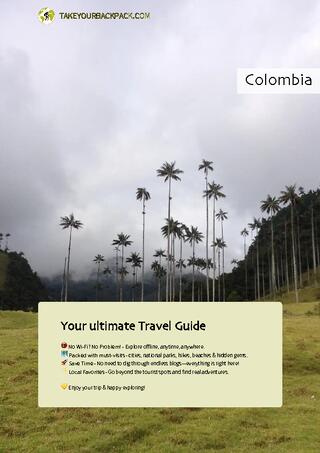
Skip weeks of research and hit the road with confidence. Get 410 pages of proven routes, transport advice, and real safety insights—built for your phone and 100% offline-ready.
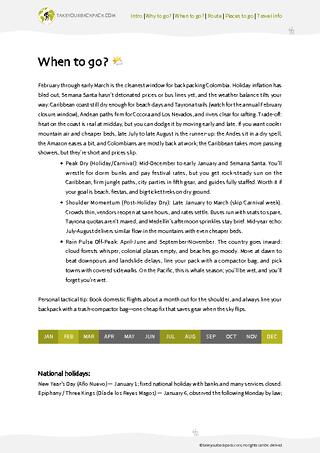
example page 0 from our offline Travel Guide for Colombiaexample page 1 from our offline Travel Guide for Colombiaexample page 2 from our offline Travel Guide for Colombiaexample page 3 from our offline Travel Guide for Colombiaexample page 4 from our offline Travel Guide for Colombia
🎒 Your 410-page offline travel companion
7, 14 & 21-day routes paced for real travel
125 ranked highlights with honest skip-it advice
Logistics solved: Best areas to stay & transport
Safety blueprints: Common local scams to avoid
No Wi-Fi? No problem: Phone-optimized offline PDF
👉 See all 30+ guide features

📅 Plan smarter in minutes, not weeks
Realistic travel times & pacing
Best months per region
Festivals & national holidays
Budget expectations

🗺️ Go to the right places, skip the overrated ones
125 ranked highlights across the country
Hidden gems beyond the tourist trail
Honest pros & cons of destinations
Top hikes, parks & viewpoints
Lesser-known places most travelers miss
Clear “worth it vs skip it” guidance

🛏️ Travel smoothly without rookie mistakes
Best areas to stay
Transport systems explained simply
Local transport tradeoffs
Common scams & safety advice
SIM cards, money & practical tips
What to expect before arrival

🌍 Understand the country, not just visit it
Culture & traditions
52 Essential phrases & customs
Festivals worth planning around
Traveler-friendly historical context
Insights that make places more meaningful

📱 Built for real travel conditions
Fully downloadable PDF
Works completely offline
Optimized for phone use
Useful in remote areas & buses
Everything in one place
Save weeks of stressful planning
Get instant access to the full guide directly. 30-day money-back guarantee.


Sent to your inbox immediately after payment • 100% Secure Checkout
Best Backpacking Travel Advisor 2025 tourism awardBest Backpacking
Travel Advisor
2025
What others say about Take Your Backpack Guides:
⭐⭐⭐⭐⭐
Fantastic, amazing amount of information!
⭐⭐⭐⭐⭐
My goodness this is amazing, it's what I've been looking for hats off too you!
⭐⭐⭐⭐⭐
I think this is absolutely BRILLIANT
⭐⭐⭐⭐
Very complete and informative. It's still missing places, but I gotta to commend you
⭐⭐⭐⭐⭐
This is truly amazing, thank you, can't wait to explore it with my kids!
⭐⭐⭐⭐⭐
Awesome resource, thank you!
⭐⭐⭐⭐⭐
This is amazing! Can't wait to explore the ones I haven't seen
⭐⭐⭐⭐
I love this! Well done, great idea.
⭐⭐⭐⭐⭐
Thanks for taking the time to make this gem!
⭐⭐⭐⭐⭐
This might be the best website I've ever seen.
⭐⭐⭐⭐⭐
Congratulations, and thank you so much for your work; it's incredibly valuable.
⭐⭐⭐⭐
In all seriousness I think you did a great job pointing out the important spots
⭐⭐⭐⭐⭐
10/10 very good
⭐⭐⭐⭐⭐
As someone who's only just starting to visit regularly this is awesome, thank you.
⭐⭐⭐⭐
Thank you very much! I'm going to visit my dad, it's going to be very useful!
⭐⭐⭐⭐⭐
This is really cool! We'll be travelling for the first time and this definitely come in handy.
⭐⭐⭐⭐⭐
You are now our minister of culture, congratulations 👨‍💼
⭐⭐⭐⭐⭐
Just wanted to tell you that this is a pearl! Going to follow your recommendations.
⭐⭐⭐⭐⭐
This is so cool. I'll definitely be using the resource for my travels soon.
⭐⭐⭐⭐⭐
This is very impressive! Good work.
⭐⭐⭐⭐⭐
This is an amazing and informative site. Very well done!

🛏️ Where to stay?Best areas and accommodation options

For the Festival de Blancos y Negros in Colombia, your best bet is to set up camp in the heart of Pasto. This vibrant city pulses with energy during the festival, making it a prime spot for backpackers.

Stay near the Plaza de Nariño. It’s a social hub, where you’ll find fellow travelers and locals alike. The atmosphere is electric, especially during festival time. You’ll have easy access to parades, music, and street food that’ll keep your taste buds dancing.

Another solid choice is the neighborhoods around La Laguna de la Cocha. It’s a bit quieter, but the scenery is stunning, and you can … read more 👉
For the Festival de Blancos y Negros in Colombia, your best bet is to set up camp in the heart of Pasto. This vibrant city pulses with energy during the festival, making it a prime spot for backpackers.

Stay near the Plaza de Nariño. It’s a social hub, where you’ll find fellow travelers and locals alike. The atmosphere is electric, especially during festival time. You’ll have easy access to parades, music, and street food that’ll keep your taste buds dancing.

Another solid choice is the neighborhoods around La Laguna de la Cocha. It’s a bit quieter, but the scenery is stunning, and you can still catch festival vibes with a short ride into the city. Plus, it’s a great place to recharge after a day of festivities.

Safety is key, so stick to well-lit areas and travel in groups when possible. This way, you can focus on soaking in the culture and joy of the festival without worrying about hidden costs or sketchy situations. Embrace the chaos, and let the festival sweep you off your feet!

👛 Costs (as of 8 May 2025)Travel costs and budget guide for de Blancos y Negros

The Festival de Blancos y Negros in Colombia is a vibrant celebration, but navigating the costs can be tricky. Here’s how to budget effectively to keep your energy and wallet intact.
  • Festival Tickets: Expect to pay around $10 to $30 USD for entry. Prices can vary based on the events you want to attend. Some activities are free, but special performances might require a ticket. Plan ahead to snag the best deals.
  • Accommodation: Options range from budget hostels at $10 to $25 USD per night to mid-range hotels costing $50 to $100 USD. Book early, especially during the festival, as places fill up fast. Consider staying a bit outside the main action to save money and enjoy a quieter atmosphere.
  • Local Transport: Public transport is affordable. Buses and shared taxis can cost between $1 to $5 USD for
  • read more 👉
The Festival de Blancos y Negros in Colombia is a vibrant celebration, but navigating the costs can be tricky. Here’s how to budget effectively to keep your energy and wallet intact.
  • Festival Tickets: Expect to pay around $10 to $30 USD for entry. Prices can vary based on the events you want to attend. Some activities are free, but special performances might require a ticket. Plan ahead to snag the best deals.
  • Accommodation: Options range from budget hostels at $10 to $25 USD per night to mid-range hotels costing $50 to $100 USD. Book early, especially during the festival, as places fill up fast. Consider staying a bit outside the main action to save money and enjoy a quieter atmosphere.
  • Local Transport: Public transport is affordable. Buses and shared taxis can cost between $1 to $5 USD for short distances. If you’re venturing further, budget around $10 to $20 USD for longer rides. Walking is also a great way to soak in the festival vibe.
  • Food & Drinks: Street food is your best friend here. You can grab a meal for $3 to $7 USD. Restaurants will set you back $10 to $20 USD per meal. Don’t forget to try local specialties! Budget for drinks too; expect to spend $1 to $5 USD for local beers or soft drinks.
  • Miscellaneous Expenses: Set aside $20 to $50 USD for souvenirs, tips, or unexpected costs. This festival is all about experiencing the culture, so a little extra for spontaneous adventures is worth it.

Keep these figures in mind to navigate the festival without breaking the bank. Prioritize what matters most to you, and enjoy the vibrant chaos of the celebration!


source: colombia.travel
⚠️ Prices can change and everyone travels differently, so take this as a rough guide. Hope it helps you plan your adventure!

🍲 FoodWhat to Eat & Drink

At the Festival de Blancos y Negros in Colombia, your taste buds are in for a wild ride. Street stalls burst with local specialties like empanadas stuffed with savory meats or cheese, and arepas grilled to perfection. Don’t miss the bandeja paisa, a hearty platter that’s a feast for the senses, featuring beans, rice, plantains, and chicharrón.

For drinks, dive into aguapanela, a sweet, refreshing drink made from panela (unrefined cane sugar) and water, or try the local chicha, a fermented corn beverage that’s as traditional as it gets.

Embrace the festival vibe by sharing your food. It’s common to swap bites with friends or even strangers, creating a communal atmosphere. Lines can get long, so be patient; it’s part of the experience. Bring cash, as many stalls might not accept cards, and … read more 👉
At the Festival de Blancos y Negros in Colombia, your taste buds are in for a wild ride. Street stalls burst with local specialties like empanadas stuffed with savory meats or cheese, and arepas grilled to perfection. Don’t miss the bandeja paisa, a hearty platter that’s a feast for the senses, featuring beans, rice, plantains, and chicharrón.

For drinks, dive into aguapanela, a sweet, refreshing drink made from panela (unrefined cane sugar) and water, or try the local chicha, a fermented corn beverage that’s as traditional as it gets.

Embrace the festival vibe by sharing your food. It’s common to swap bites with friends or even strangers, creating a communal atmosphere. Lines can get long, so be patient; it’s part of the experience. Bring cash, as many stalls might not accept cards, and keep an eye on serving sizes—some portions are generous, while others are just a taste.

Every bite and sip is a celebration, so dig in and savor the moment!

Other Colombian festivals near de Blancos y Negros

Explore more nearby:


👉 Discover all festivals

Or checkout all Colombia has to offer (think cities, towns, villages, national parks, hikes, beaches, festivals)
Country photo of Colombia

I 💚 feedbackFinal thoughts on celebrating the de Blancos y Negros

The Festival de Blancos y Negros is a riot of color and culture, a true celebration of life that’ll have you dancing in the streets. But brace yourself: the crowds can be intense, and accommodations fill up fast. Plan ahead or risk sleeping on a park bench. Embrace the chaos, though; it’s part of the adventure. Just keep your energy for the moments that matter, and you’ll leave with stories that pulse with life.

✈️ When did I visit Colombia?
Did a good 3-week trip around Colombia in August 2014.

✍️ Help improve this page!
The information on this page is based on my own backpacking experience in Colombia, supplemented with up-to-date research and feedback from other travelers. Travel details can change, so if you notice anything outdated or incomplete, feel free to let me know.


🙋‍♂️ Give feedback

👋 Meet the authorWho’s Behind Take Your Backpack?

Johan, backpacker and founder of TakeYourBackpackHi, I’m Johan (Netherlands 🇳🇱), the creator of TakeYourBackpack. Over the past decade, I’ve backpacked through 80+ countries across six continents, gaining extensive experience with independent travel, long-term trips, and overland routes.

This site is built on a combination of firsthand travel experience and carefully curated insights from other backpackers. Many guides are based on places I’ve personally visited, while others bring together tips, observations, and practical advice shared by trusted travelers I’ve met along the way.

The goal is to provide realistic, experience-driven guidance — not generic itineraries — so you can explore destinations with better context, clearer expectations, and more confidence.

Get Full Country Guide |
Instant download • 125 highlights • Full Offline guide