×

Colombia🇨🇴 | best festivalsEssential 10 festivals to Explore in Colombia

Colombia’s festivals are a vibrant reflection of its rich culture, showcasing everything from carnival to religious celebrations. Each region offers a unique flavor, influenced by local traditions and seasonal timing. For backpackers, this means your choice of festival can dramatically shift your experience.

In the Caribbean, the Barranquilla Carnival bursts with energy, while the Coffee Cultural Festival in the Andes invites a more laid-back vibe. Timing is crucial; festivals often coincide with peak tourist seasons, impacting budget and crowd levels.

Choosing wisely affects not just your wallet but also your safety and ease of travel. Some festivals attract massive crowds, complicating logistics for independent travelers. Others provide intimate settings for deeper cultural immersion. Understanding these nuances will help you navigate Colombia’s festival landscape, ensuring you engage with the heart of its traditions while preserving your energy for the moments that truly matter.

By Johan Kruseman 🇳🇱 | Updated September 5, 2026
Explore the best regions in Colombia

Why go?Why Travelers Love These Spots

Colombia’s festivals are a vibrant reflection of its rich cultural tapestry, shaped by a blend of Indigenous, African, and Spanish influences. These celebrations are not just events; they are living expressions of identity, history, and community. The energy at these festivals is palpable, drawing locals and travelers alike into a whirlwind of music, dance, and tradition.

Timing is crucial. Many festivals align with the country’s diverse climatic zones, offering unique experiences throughout the year. However, this also means that some events can be swamped with tourists, leading to crowd sizes that may dilute the authenticity of the experience. Choosing to attend during off-peak times can provide a more intimate connection to the local culture, but it may also limit the festival’s scale … read more 👉
Colombia’s festivals are a vibrant reflection of its rich cultural tapestry, shaped by a blend of Indigenous, African, and Spanish influences. These celebrations are not just events; they are living expressions of identity, history, and community. The energy at these festivals is palpable, drawing locals and travelers alike into a whirlwind of music, dance, and tradition.

Timing is crucial. Many festivals align with the country’s diverse climatic zones, offering unique experiences throughout the year. However, this also means that some events can be swamped with tourists, leading to crowd sizes that may dilute the authenticity of the experience. Choosing to attend during off-peak times can provide a more intimate connection to the local culture, but it may also limit the festival’s scale and vibrancy.

Colombia’s geographical diversity plays a significant role in its festival scene. From the Caribbean coast to the Andes, each region boasts its own distinct celebrations, but accessibility can be a challenge. Travelers must weigh the trade-offs between reaching remote areas for a more immersive experience versus the convenience of larger cities with easier access.

Logistics also come into play. Some festivals may require advance planning for accommodations and transportation, especially in smaller towns where options are limited. Costs can vary widely; while some festivals are free, others may involve ticket fees or additional expenses for food and lodging. Understanding these constraints is essential for preserving both energy and budget for the moments that truly matter.

In essence, Colombia’s festivals are a gateway to understanding its soul. They offer a chance to engage deeply with the culture, but navigating the complexities of timing, location, and logistics is key to maximizing the experience.
Behind the Scenes of Selection
The list of best festivals in Colombia is created based on energy, traditions, crowd experience, activities, and overall excitement. If you feel a festival is missing in this list, please let us know.

When to go?When to Plan Your Trip

Seasonality plays a crucial role in Colombia’s festival landscape. The country experiences two main seasons: the dry season and the rainy season. The dry season, typically from December to March and July to August, is when most festivals occur. This period offers pleasant weather, making it ideal for outdoor celebrations. However, it also attracts larger crowds and higher prices, especially during major events.

Optimal months for experiencing festivals are generally December and January. These months are packed with vibrant celebrations, including Christmas festivities and New Year’s parties. Expect lively atmospheres, but be prepared for bustling crowds and inflated accommodation costs. If you’re looking for a balance, consider visiting in July or August. While still busy, these months often … read more 👉
Seasonality plays a crucial role in Colombia’s festival landscape. The country experiences two main seasons: the dry season and the rainy season. The dry season, typically from December to March and July to August, is when most festivals occur. This period offers pleasant weather, making it ideal for outdoor celebrations. However, it also attracts larger crowds and higher prices, especially during major events.

Optimal months for experiencing festivals are generally December and January. These months are packed with vibrant celebrations, including Christmas festivities and New Year’s parties. Expect lively atmospheres, but be prepared for bustling crowds and inflated accommodation costs. If you’re looking for a balance, consider visiting in July or August. While still busy, these months often feature significant festivals without the extreme peak season prices.

Shoulder seasons can provide a different experience. Late March to early June and September to November are quieter times. Fewer tourists mean lower prices and a more authentic feel, but the trade-off is the potential for rain. The weather can be unpredictable, and some festivals may be less prominent or even canceled due to conditions.

Peak periods can significantly influence travel decisions. Major festivals like Barranquilla’s Carnival or the Flower Festival in Medellín draw massive crowds. These events are spectacular but come with logistical challenges. Expect packed accommodations and higher costs.

Seasonal constraints are essential to consider. Festivals in Colombia are often tied to agricultural cycles or religious calendars, which can affect their timing. Planning around these factors ensures a richer experience, allowing travelers to engage meaningfully with local culture while managing costs and crowd levels effectively.

festival hoppingPlanning Your Route Efficiently

General Routing Logic

Colombia’s festivals are a vibrant tapestry of culture, but to experience them without losing your mind, a strategic approach is essential. Start in the north with Barranquilla’s Carnival in February, then move southward to Medellín for the Feria de las Flores in August. This route not only saves time but also allows for a gradual acclimatization to the country’s diverse climates and cultures.

Typical Time Needed

Plan for at least three days at each major festival. This gives you time to soak in the atmosphere, enjoy local cuisine, and recover from the inevitable post-party fatigue. Festivals can be overwhelming, so pacing is key. Don’t cram too many events into a short timeframe; it’s better to savor a few than to rush through many.

Common Planning Mistakes

One … read more 👉

General Routing Logic

Colombia’s festivals are a vibrant tapestry of culture, but to experience them without losing your mind, a strategic approach is essential. Start in the north with Barranquilla’s Carnival in February, then move southward to Medellín for the Feria de las Flores in August. This route not only saves time but also allows for a gradual acclimatization to the country’s diverse climates and cultures.

Typical Time Needed

Plan for at least three days at each major festival. This gives you time to soak in the atmosphere, enjoy local cuisine, and recover from the inevitable post-party fatigue. Festivals can be overwhelming, so pacing is key. Don’t cram too many events into a short timeframe; it’s better to savor a few than to rush through many.

Common Planning Mistakes

One common pitfall is underestimating travel times between cities. Colombia’s infrastructure can be a mixed bag. Flights are often the quickest option, but they can be pricey. Buses are cheaper but can take longer than expected. Always factor in extra time for delays. Another mistake is not considering the local vibe. Some festivals are family-friendly, while others are more raucous. Align your choices with your energy levels.

Trade-offs and Constraints

Balancing speed with depth of experience is crucial. Rushing through festivals might save time but can lead to missing the essence of each celebration. Budget constraints also play a role; splurging on a comfortable hotel can make a world of difference in your energy levels. Flexibility is your best friend. Be ready to adjust plans based on local recommendations or unexpected opportunities. Prioritize what truly resonates with you, and let that guide your journey through Colombia’s festival landscape.

The ListHighly Recommended festivals of Colombia

1 Carnival of Barranquilla

street processions, elaborate masks, Caribbean folklore

Immerse yourself in days of music, dance, and costume as the city’s neighborhoods host one of Colombia’s most iconic celebrations.

2 Feria de las Flores

flower parades, silletero displays, Medellín hillsides

See Medellín’s hills bloom with color as flower growers parade intricate arrangements and the city hosts concerts and cultural events.

3 Festival de la Leyenda Vallenata

accordion duels, vallenato rhythms, Valledupar plazas

Hear traditional melodies fill the city as musicians compete, locals gather, and the roots of vallenato music come alive in every corner.

4 Rock al Parque

open-air concerts, Bogotá parks, alternative bands

Stand among thousands as local and international rock acts take over city parks with free performances and a diverse crowd.

5 Festival de Blancos y Negros

face painting, Andean parades, Pasto traditions

Join crowds in a city transformed by color, where playful rituals and elaborate costumes mark a unique blend of indigenous and colonial heritage.

6 Festival Internacional de Música de Cartagena

colonial theaters, chamber ensembles, Caribbean coast

Enjoy classical music in historic venues, where international artists perform against the backdrop of Cartagena’s walled city.

7 Festival de Música del Pacífico Petronio Álvarez

marimba sounds, Pacific cuisine, Afro-Colombian dance

Experience the pulse of Colombia’s Pacific coast through music, food, and dance rooted in African and Indigenous ancestry.

8 Festival Iberoamericano de Teatro

international troupes, urban stages, theatrical premieres

Attend performances across Bogotá as theater companies from multiple countries present new works and classic plays in diverse venues.

9 Festival Internacional de Poesía de Medellín

spoken word, outdoor readings, global poets

Attend poetry recitals in parks and plazas, where voices from around the world share verse and spark conversation.

10 Festival de la Cumbia

riverfront dances, cumbia ensembles, Magdalena traditions

Watch dancers in traditional dress move to cumbia rhythms along the river, celebrating a genre born from cultural fusion.

11 Festival de Tambores y Expresiones Culturales de Palenque

drum circles, Palenquero language, ancestral rituals

Witness the legacy of Colombia’s first free town through drumming, storytelling, and celebrations of Afro-descendant identity.

12 Festival de la Cultura Wayuu

Guajira desert, Wayuu crafts, traditional games

Engage with Wayuu communities as they showcase weaving, music, and customs unique to Colombia’s northernmost region.

13 Festival de la Cultura Llanera

plains music, joropo dance, cowboy skills

Experience the traditions of Colombia’s eastern plains through music, equestrian displays, and regional cuisine.

14 Festival de Jazz del Teatro Libre

intimate venues, jazz improvisation, Bogotá stages

Listen to jazz musicians from around the world perform in cozy theaters, offering a close-up view of Colombia’s jazz scene.

15 Festival de Música Andina Colombiana ”Mono Núñez”

Andean instruments, string ensembles, Ginebra stages

Discover Colombia’s mountain music through performances that highlight traditional instruments and regional compositions in a small town setting.

16 Festival de la Chicha

fermented drinks, Bogotá neighborhoods, ancestral recipes

Taste traditional chicha and learn about its cultural roots as local producers gather to share flavors and brewing techniques.

17 Festival de la Cosecha Cafetera

coffee farms, harvest parades, Quindío region

Tour coffee plantations and join locals in marking the harvest with processions, tastings, and rural celebrations.

18 Festival de la Luna Verde

Caribbean island, reggae beats, Raizal culture

Relax on San Andrés as reggae music, local crafts, and island traditions blend in a festival shaped by Afro-Caribbean influences.

19 el Maíz y la Dicha

corn harvest, rural festivities, culinary workshops

Celebrate the importance of maize with hands-on cooking, folk music, and community gatherings in Colombia’s countryside.

Think you know Colombia?

Prove you’re a true local — uncover 9 lesser-known festivals in Colombia that locals tend to keep to themselves.
Loading the map 🌍

Expert viewInsights from Locals and Experts

Energy & Timing
Colombia’s festival scene is a wild ride, bursting with energy and cultural richness. You’ll find celebrations year-round, but timing is everything. The peak festival season typically runs from January to March, coinciding with the dry season. This is when you’ll experience the most vibrant events, but also the largest crowds. If you’re looking to avoid the chaos, consider the shoulder months like September or October. You’ll still catch some local festivities, but with fewer tourists and a more authentic vibe.

Cultural Context
Each festival reflects the region’s unique culture. From the Carnival of Barranquilla, which showcases Afro-Caribbean traditions, to the Feria de las Flores in Medellín, celebrating the city’s floral heritage, each event offers a deep dive into local … read more 👉
Energy & Timing
Colombia’s festival scene is a wild ride, bursting with energy and cultural richness. You’ll find celebrations year-round, but timing is everything. The peak festival season typically runs from January to March, coinciding with the dry season. This is when you’ll experience the most vibrant events, but also the largest crowds. If you’re looking to avoid the chaos, consider the shoulder months like September or October. You’ll still catch some local festivities, but with fewer tourists and a more authentic vibe.

Cultural Context
Each festival reflects the region’s unique culture. From the Carnival of Barranquilla, which showcases Afro-Caribbean traditions, to the Feria de las Flores in Medellín, celebrating the city’s floral heritage, each event offers a deep dive into local customs. Understanding the cultural significance can enhance your experience. For example, participating in the local dances or tasting traditional foods can make you feel like part of the community. But remember, not all festivals are created equal. Some are more tourist-oriented, while others are deeply rooted in local traditions. Choose wisely to get the most out of your experience.

Crowd Management
Crowds can be a double-edged sword. They add energy but can also drain your patience. Major festivals like Barranquilla can attract hundreds of thousands of people. If you’re not a fan of large crowds, plan your attendance for weekdays or less popular events. Arrive early to snag a good spot, especially for parades or concerts. If you’re willing to brave the crowds, the electric atmosphere can be worth it. Just be prepared for long lines and limited accommodation options. Booking ahead is crucial during peak times, as places fill up fast.

Budget & Comfort
Festivals can be a budget rollercoaster. Entry fees vary widely, and while some events are free, others can charge for premium seating or VIP experiences. Food and drink prices can skyrocket during festivals, so plan to spend a bit more than usual. Street food is often the best way to go—delicious and budget-friendly. However, keep an eye on hygiene; not all vendors maintain the same standards. If you’re looking for comfort, consider splurging on accommodations a bit further from the festival grounds. It might save you from the noise and chaos while still keeping you close enough to join in the fun.

Planning & Prioritizing
I recommend hitting two to three festivals during your trip. This allows you to immerse yourself without feeling rushed. Prioritize based on your interests—whether it’s music, food, or cultural traditions. Research the festival dates well in advance, as some events can shift slightly from year to year. Make sure to check local calendars and social media for updates. Also, consider the logistics of getting to and from the festival. Some areas may have limited public transport, especially during peak times, so factor in extra travel time.

Safety & Cultural Considerations
Safety is paramount. While Colombia has made significant strides in improving safety, it’s still wise to stay alert, especially in crowded areas. Keep your belongings secure and be cautious about where you wander after dark. Respect local customs and dress codes, especially in more traditional settings. Engaging with locals can enrich your experience, but be mindful of cultural sensitivities. A simple “gracias” or “por favor” goes a long way in showing respect.

Trade-offs & Constraints
One trade-off to consider is the balance between experiencing the festival and exploring the surrounding areas. Major festivals can consume your time, leaving little room for other adventures. If you’re keen on seeing the sights, plan your festival attendance around your travel itinerary. You might have to skip a few events to make room for hiking, visiting historical sites, or simply relaxing in a café.

Ultimately, Colombia’s festivals are a celebration of life, culture, and community. They offer a chance to connect with the heart of the country. By planning wisely and being aware of the nuances, you can enjoy these vibrant experiences without feeling overwhelmed. Embrace the chaos, savor the moments, and let the rhythm of Colombia sweep you off your feet.

✈️ The backpacker research shortcutColombia Travel Guide

An offline-friendly backpacking guide with optimized travel routes, ranked highlights, transport advice, and the best areas to stay.
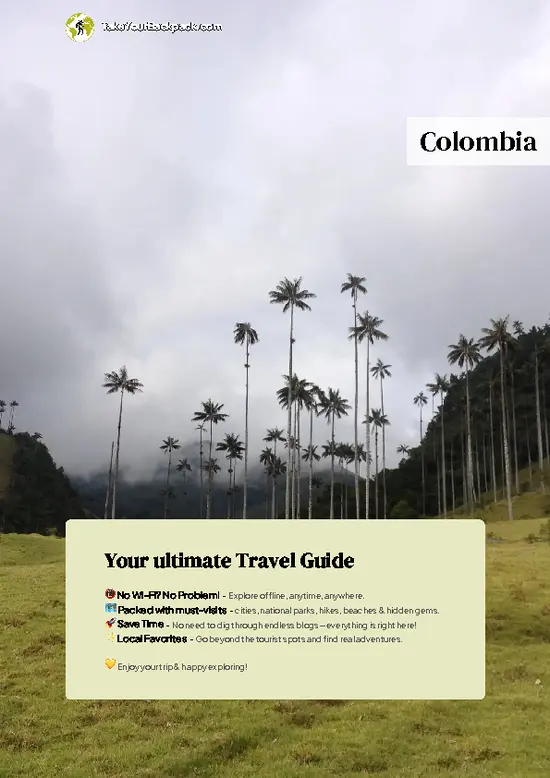
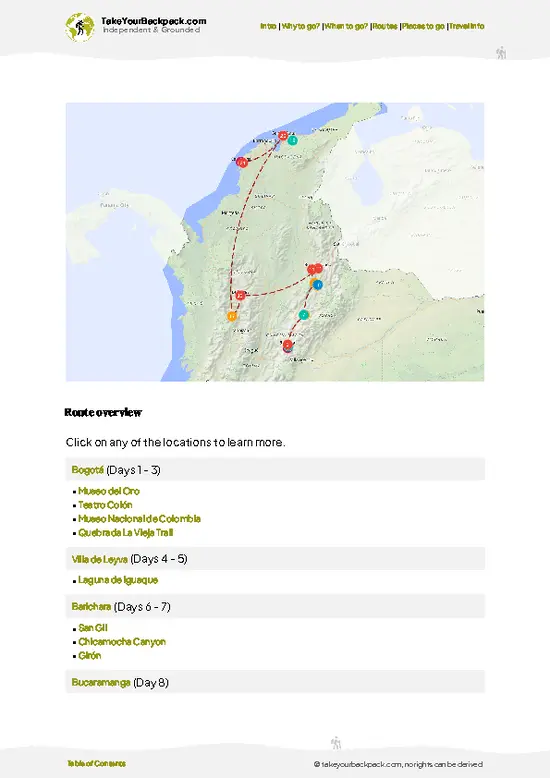
example page 0 from our offline Travel Guide for Colombia
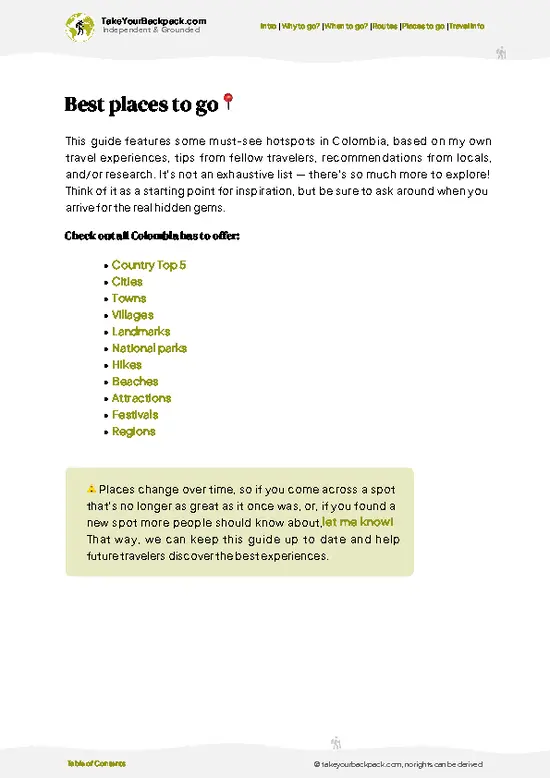
example page 1 from our offline Travel Guide for Colombia
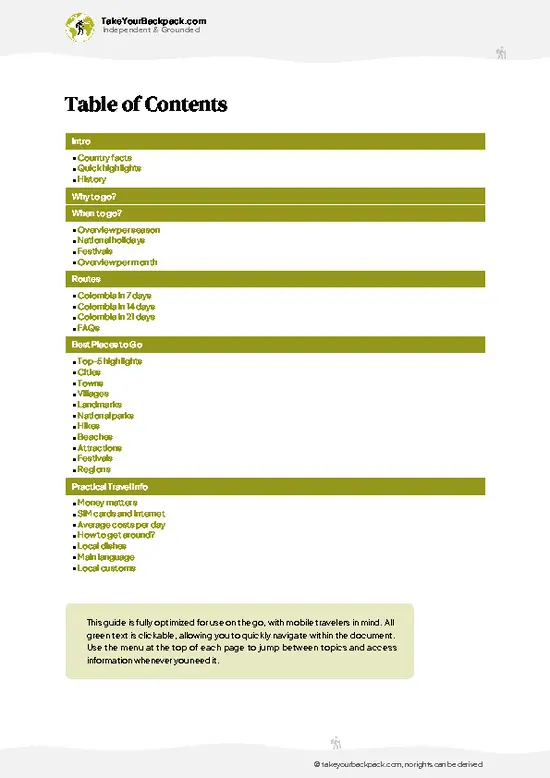
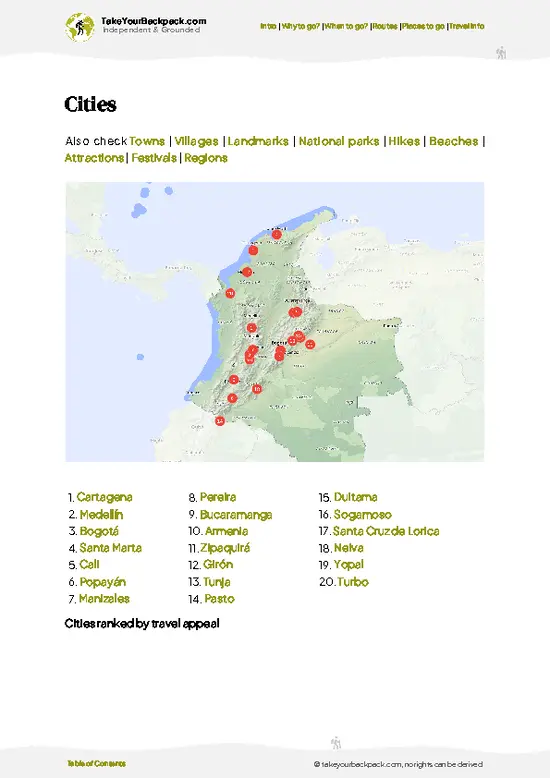
example page 2 from our offline Travel Guide for Colombia
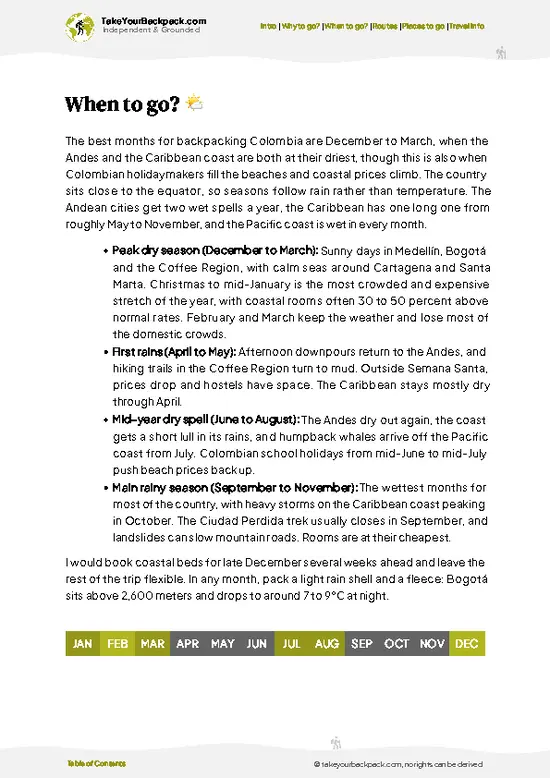
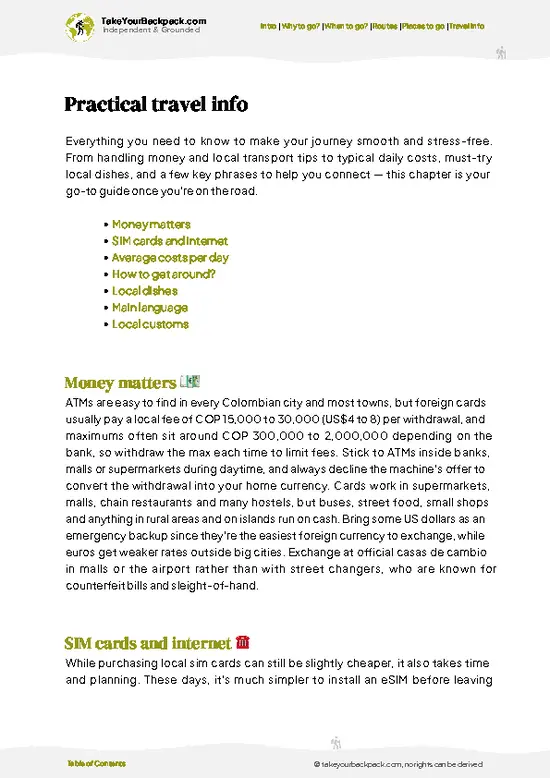
example page 3 from our offline Travel Guide for Colombia
example page 4 from our offline Travel Guide for Colombia
example page 5 from our offline Travel Guide for Colombia
example page 6 from our offline Travel Guide for Colombia
example page 7 from our offline Travel Guide for Colombia
The digital guide (464 pages) contains:
122 highlights, ranked by travel appeal
Optimized 7, 14 & 21-day travel routes
Cities, national parks, landmarks, beaches
How to get around
Offline-friendly for travel without Wi-Fi
👉 Click to see all 30+ guide features

📅 Plan smarter in minutes, not weeks
Month by month travel advice
Festivals & national holidays
Budget expectations

🗺️ Go to the right places, skip the overrated ones
Honest pros & cons of destinations
Top hikes, parks & viewpoints
Lesser-known places most travelers miss
Clear “worth it vs skip it” guidance

🛏️ Travel smoothly without rookie mistakes
Best areas to stay
Transport systems explained simply
Common scams & safety advice
SIM cards, money & practical tips

🌍 Understand the country, not just visit it
Culture & traditions
52 Essential phrases & customs
Festivals worth planning around
Traveler-friendly historical context
Insights that make places more meaningful

📱 Built for real travel conditions
Fully downloadable PDF
Works completely offline
Optimized for phone use
Useful in remote areas & buses
Everything in one place
Save weeks of stressful planning
Get instant access to your full guide. 30‑day money-back guarantee.
+ Add another guide for just €6.50

By proceeding you agree to our terms.
Sent to your inbox immediately after payment • 100% Secure Checkout
Best Backpacking Travel Advisor 2025 tourism awardBest Backpacking
Travel Advisor
2025
What others say about Take Your Backpack Guides:
⭐⭐⭐⭐⭐
Fantastic, amazing amount of information!
⭐⭐⭐⭐⭐
My goodness this is amazing, it's what I've been looking for hats off too you!
⭐⭐⭐⭐⭐
I think this is absolutely BRILLIANT
⭐⭐⭐⭐
Very complete and informative. It's still missing places, but I gotta to commend you
⭐⭐⭐⭐⭐
This is truly amazing, thank you, can't wait to explore it with my kids!
⭐⭐⭐⭐⭐
Awesome resource, thank you!
⭐⭐⭐⭐⭐
This is amazing! Can't wait to explore the ones I haven't seen
⭐⭐⭐⭐
I love this! Well done, great idea.
⭐⭐⭐⭐⭐
Thanks for taking the time to make this gem!
⭐⭐⭐⭐⭐
This might be the best website I've ever seen.
⭐⭐⭐⭐⭐
Congratulations, and thank you so much for your work; it's incredibly valuable.
⭐⭐⭐⭐
In all seriousness I think you did a great job pointing out the important spots
⭐⭐⭐⭐⭐
10/10 very good
⭐⭐⭐⭐⭐
As someone who's only just starting to visit regularly this is awesome, thank you.
⭐⭐⭐⭐
Thank you very much! I'm going to visit my dad, it's going to be very useful!
⭐⭐⭐⭐⭐
This is really cool! We'll be travelling for the first time and this definitely come in handy.
⭐⭐⭐⭐⭐
You are now our minister of culture, congratulations 👨‍💼
⭐⭐⭐⭐⭐
Just wanted to tell you that this is a pearl! Going to follow your recommendations.
⭐⭐⭐⭐⭐
This is so cool. I'll definitely be using the resource for my travels soon.
⭐⭐⭐⭐⭐
This is very impressive! Good work.
⭐⭐⭐⭐⭐
This is an amazing and informative site. Very well done!

🛏️ Where to stay?Top Places to Consider Staying

Yes — Colombia has abundant hostels and budget accommodation in major cities and tourist towns, concentrated in Bogotá (La Candelaria, Chapinero), Medellín (El Poblado, Laureles), Cartagena (Getsemaní, Centro Histórico), Santa Marta/Taganga, and Salento.

La Candelaria: very cheap and central for museums but uneven safety at night; Chapinero: more modern options, good nightlife and daytime cafés but slightly pricier; El Poblado: biggest hostel variety and nightlife with easy transport but busier and costlier; Laureles: quieter, more local and cheaper with safer nights; Getsemaní: backpacker hub, nightlife and steps to the walled city but noisy and tourist-priced; Centro Histórico: best for sights … read more 👉
Yes — Colombia has abundant hostels and budget accommodation in major cities and tourist towns, concentrated in Bogotá (La Candelaria, Chapinero), Medellín (El Poblado, Laureles), Cartagena (Getsemaní, Centro Histórico), Santa Marta/Taganga, and Salento.

La Candelaria: very cheap and central for museums but uneven safety at night; Chapinero: more modern options, good nightlife and daytime cafés but slightly pricier; El Poblado: biggest hostel variety and nightlife with easy transport but busier and costlier; Laureles: quieter, more local and cheaper with safer nights; Getsemaní: backpacker hub, nightlife and steps to the walled city but noisy and tourist-priced; Centro Histórico: best for sights and day trips but crowded and higher rates; Taganga: cheapest beach/party base with direct Tayrona access but basic services and safety concerns after dark; Salento: small-town hostels ideal for Valle de Cocora treks, peaceful but limited amenities.

If you enjoy meeting fellow travelers, consider choosing hostels with high ratings for atmosphere. On the other hand, if you prefer having your own space, a hotel might be a better option.

ColombiaMore Places Across Colombia

👋 Meet the founderWho’s Behind Take Your Backpack?

Johan, backpacker and founder of TakeYourBackpackHi, I’m Johan (Netherlands 🇳🇱), the creator of TakeYourBackpack. Over the past decade, I’ve backpacked through 80+ countries across six continents, gaining extensive experience with independent travel, long-term trips, and overland routes.

This site is built on a combination of firsthand travel experience and carefully curated insights from other backpackers. Many guides are based on places I’ve personally visited, while others bring together tips, observations, and practical advice shared by trusted travelers I’ve met along the way.

The goal is to provide realistic, experience-driven guidance — not generic itineraries — so you can explore destinations with better context, clearer expectations, and more confidence.

Get full Colombia guide •
Instant download • 122 highlights • Full Offline guide