v2.webp)
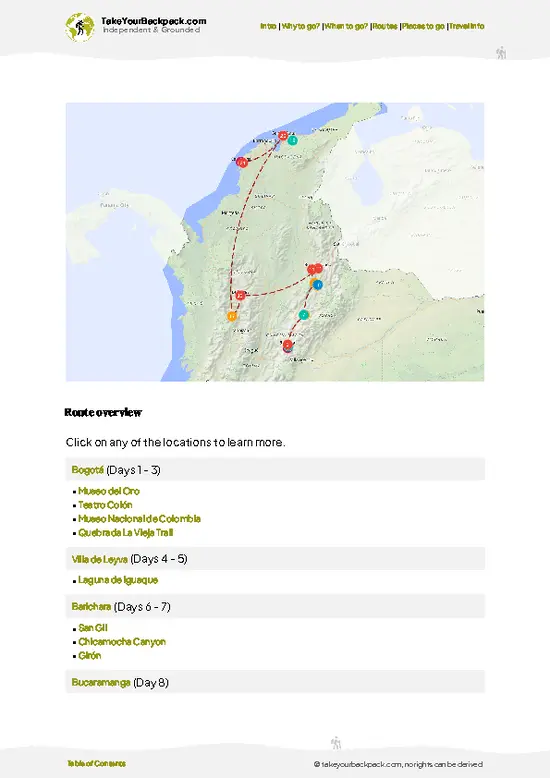
- Batalla de Flores: The opening parade, held on the Saturday, is the big one. Floats, decorated cars and costumed groups roll down Vía 40, with dancers throwing flowers and confetti. Grandstand seats cost money, but standing along the route is free.
- Gran Parada de Tradición y Folclor: Held on Sunday, this is the best showcase of folk dances. Troupes perform cumbia, mapalé, congo and garabato in full costume, and you can watch the choreography from the street with a cold drink.
- Gran Parada de Comparsas: Monday’s parade is for modern, fantasy-themed troupes with huge feathered costumes, bright color and more freestyle dancing. It is louder and more theatrical than Sunday’s.
- Marimonda and Monocuco costumes: These characters are the carnival’s visual signature. The Marimonda wears an elephant-like
- Batalla de Flores: The opening parade, held on the Saturday, is the big one. Floats, decorated cars and costumed groups roll down Vía 40, with dancers throwing flowers and confetti. Grandstand seats cost money, but standing along the route is free.
- Gran Parada de Tradición y Folclor: Held on Sunday, this is the best showcase of folk dances. Troupes perform cumbia, mapalé, congo and garabato in full costume, and you can watch the choreography from the street with a cold drink.
- Gran Parada de Comparsas: Monday’s parade is for modern, fantasy-themed troupes with huge feathered costumes, bright color and more freestyle dancing. It is louder and more theatrical than Sunday’s.
- Marimonda and Monocuco costumes: These characters are the carnival’s visual signature. The Marimonda wears an elephant-like long nose and bow tie as satire, while the Monocuco hides behind a pointed hood. Look for them in the crowds and at the parades.
- Joselito Carnaval and the Entierro: On Tuesday, the mock funeral of Joselito, the carnival’s personified spirit, ends the party. Mourners, mostly in black and wailing theatrically, parade through the streets. It is funny and surprisingly moving, and a fitting end to the weekend.
Spotted a mistake or missing something? Contact us.

Gran Malecón, Carnaval Museum and Downtown Barranquilla City Tour

Private Bike Tour of Barranquilla

Private Arrival or Departure Transfer: Ernesto Cortissoz Airport

Soccer at the Metropolitan stadium with local fans

Private shuttle from Barranquilla Airport to Santa Marta city

Food Tour in Barranquilla Downtown 4H

Magdalena River Tour MAGDATOURS

Caribbean Night Break, Barranquilla and Puerto Colombia

Pick Up International Airport El Dorado Bogotá

 Best Backpacking
.jpg) Hi, I’m Johan (Netherlands 🇳🇱), the creator of TakeYourBackpack. Over the past 3 decades, I’ve backpacked through 90+ countries across six continents, gaining extensive experience with independent travel, long-term trips, and overland routes.
Hi, I’m Johan (Netherlands 🇳🇱), the creator of TakeYourBackpack. Over the past 3 decades, I’ve backpacked through 90+ countries across six continents, gaining extensive experience with independent travel, long-term trips, and overland routes.