×

Namibia🇳🇦 | hikesWaterberg Plateau
red sandstone cliffs, plateau forest, wildlife sightings, panoramic viewpoints | things to do and best time to go

Explore SpitzkoppeExplore Tok Tokkie Trail

Backpacking in Waterberg Plateau
👌 Worth visitinghike ranked #5
By Johan Kruseman 🇳🇱 | last update: 17 April, 2026

You’ll face a real fork in the road at Waterberg Plateau: do you sweat it out on the steep, red-rock trails for a shot at panoramic views, or do you settle for the safari jeep and miss the pulse of the place under your boots? That choice matters—because Waterberg, perched in northern Namibia between Windhoek and Etosha, is all about earning your reward. The main hike claws up ochre cliffs, past acacia thorns and baboon chatter, with every muscle reminding you this isn’t a tourist conveyor belt. The climb is short—just a few hours—but it’s relentless, especially under the Namibian sun. Public transport drops you at the park gate, but you’ll hoof it or hitch to the trailhead. Compared to the endless sand of Sossusvlei or the flat Etosha pans, Waterberg’s vertical punch and wild, green plateau feel like a secret you have to work for. The payoff? That first lungful of cool plateau air, and a view that makes every step worth it.

Discover everything you want to know in the 📖 Namibia Travel Guide.
Best time to go: May - October
Duration: 2 to 3 days
Distance: 10 to 20 kilometers
Total ascent: 400 meters
Loading the map 🌍
CLICK TO FILTER
city
town
village
unique site
national park
hike
beach
attraction
festival
region
SHOW COUNTRY‘S BESTSHOW ALL

✨ Why go?
Ranked #5 hike in Namibia
Why visitors keep coming back

The Waterberg Plateau in Namibia is a backpacker’s dream, blending stunning scenery with a manageable challenge. The effort-to-reward ratio is off the charts; you’ll sweat it out on the trails, but the payoff is jaw-dropping views that stretch for miles. Picture yourself standing atop the plateau, the vast expanse of the Kalahari unfolding below, a canvas of reds and greens that shifts with the light.

Getting there is a breeze. Public transport options are available, making it easy to hop on a bus or shared taxi from Windhoek. Once you arrive, the flexibility of the trails allows you to choose your distance—whether you’re up for a quick day hike or a multi-day trek, you’re covered.

And let’s talk cost: it’s budget-friendly, with affordable camping options and park fees. This hike fits seamlessly … read more 👉
The Waterberg Plateau in Namibia is a backpacker’s dream, blending stunning scenery with a manageable challenge. The effort-to-reward ratio is off the charts; you’ll sweat it out on the trails, but the payoff is jaw-dropping views that stretch for miles. Picture yourself standing atop the plateau, the vast expanse of the Kalahari unfolding below, a canvas of reds and greens that shifts with the light.

Getting there is a breeze. Public transport options are available, making it easy to hop on a bus or shared taxi from Windhoek. Once you arrive, the flexibility of the trails allows you to choose your distance—whether you’re up for a quick day hike or a multi-day trek, you’re covered.

And let’s talk cost: it’s budget-friendly, with affordable camping options and park fees. This hike fits seamlessly into a longer backpacking route, making it a perfect stop between adventures. After a day on the trails, nothing beats that first cold beer at the campsite, savoring the moment as the sun dips below the horizon.
Get the complete Travel Guide for Namibia
Everything organized for offline planning — routes, highlights, costs & tips

See what’s inside 👉

Get the Travel Guide -
  1. Clifftop panoramas — The plateau rises in a sheer wall about 200 metres above the surrounding savanna, so the views from the rim are brutally wide and honest: endless grass, distant kopjes and the occasional dust trail of a far-off herd. Sunrises and sunsets here feel cinematic — fewer trees to block the light than most trails, so the colour and shadow play is the main event.
  2. Red sandstone cliffs and deep kloofs — The geology is the show: banded sandstone cliffs, narrow gullies and little shaded slots cut into the plateau that you can scramble into. Those cool, red-walled kloofs offer a totally different microclimate and scenery compared with the open plains and make the hike feel like two landscapes in one.
  3. Wildlife reintroduction areas (black rhino, roan, sable) — Waterberg is a conservation
  4. read more 👉
  1. Clifftop panoramas — The plateau rises in a sheer wall about 200 metres above the surrounding savanna, so the views from the rim are brutally wide and honest: endless grass, distant kopjes and the occasional dust trail of a far-off herd. Sunrises and sunsets here feel cinematic — fewer trees to block the light than most trails, so the colour and shadow play is the main event.
  2. Red sandstone cliffs and deep kloofs — The geology is the show: banded sandstone cliffs, narrow gullies and little shaded slots cut into the plateau that you can scramble into. Those cool, red-walled kloofs offer a totally different microclimate and scenery compared with the open plains and make the hike feel like two landscapes in one.
  3. Wildlife reintroduction areas (black rhino, roan, sable) — Waterberg is a conservation success story: species like black rhino and various antelope breeds have been reintroduced here, so the odds of seeing big mammals are higher than on many other short plateau hikes. Don’t expect guaranteed sightings, but the combination of accessible viewpoints and managed water points ups your chances without needing a full safari vehicle.
  4. Waterholes and rich birdlife — Scattered springs and waterholes on and around the plateau attract everything from grazing antelope to raptors and vultures circling the cliffs. For birdwatchers it’s a treat — you get wide-open viewing and a concentration of species that you won’t often see on low-lying desert walks.
  5. History on the landscape — The plateau is stamped with human stories, most notably the site tied to the 1904 Battle of Waterberg, and there are interpretive points and local guides who weave those events into the hike. That mix of natural drama and real historical weight gives the trail an extra layer — you’re not just walking scenery, you’re passing through a place that shaped Namibia’s past.
Spotted a mistake or missing something? Contact me.

🌤️ When to go?When to go for the best experience


  • Weather: The dry season from May to October is prime for hiking. Skies clear, trails firm up, and the risk of sudden downpours drops to near zero. Avoid the rainy season (November to April) when paths turn slippery and mosquitoes swarm.

  • Temperature: Daytime highs hover around 20-25°C (68-77°F) in the dry months, perfect for sustained trekking without overheating. Nights can dip below 5°C (41°F), so pack layers. The wet season heats up to 30°C+ (86°F+), making long hikes exhausting.

  • Daylight Hours: Winter months (June-August) offer about 10-11 hours of daylight, enough for full-day treks but requiring early starts. Longer days in spring and autumn stretch to 12-13 hours, giving you more time to explore without rushing.

  • Crowds: Peak season (June-August) draws more visitors, especially
  • read more 👉

  • Weather: The dry season from May to October is prime for hiking. Skies clear, trails firm up, and the risk of sudden downpours drops to near zero. Avoid the rainy season (November to April) when paths turn slippery and mosquitoes swarm.

  • Temperature: Daytime highs hover around 20-25°C (68-77°F) in the dry months, perfect for sustained trekking without overheating. Nights can dip below 5°C (41°F), so pack layers. The wet season heats up to 30°C+ (86°F+), making long hikes exhausting.

  • Daylight Hours: Winter months (June-August) offer about 10-11 hours of daylight, enough for full-day treks but requiring early starts. Longer days in spring and autumn stretch to 12-13 hours, giving you more time to explore without rushing.

  • Crowds: Peak season (June-August) draws more visitors, especially on weekends. If you want solitude, aim for shoulder months like May or September when the plateau feels more like your private playground.

  • Seasonal Activities: Dry season is best for spotting wildlife gathering at waterholes and for clear views from the plateau’s edge. The wet season bursts with wildflowers but expect muddy trails and fewer animal sightings.

  • Price Fluctuations: Accommodation and guided tours spike in the dry season’s peak months. Booking early can lock in better rates. Off-peak months offer discounts but come with trade-offs in weather and trail conditions.


Pro-tip: Start your hike early in the dry season to catch the plateau bathed in golden morning light and avoid the midday heat that can sap your energy fast.


source: climatestotravel.comJANJanuary: fair for travelingFEBFebruary: fair for travelingMARMarch: fair for travelingAPRApril: fair for travelingMAYMay: highly recommended for travelingJUNJune: excellent for travelingJULJuly: excellent for travelingAUGAugust: excellent for travelingSEPSeptember: highly recommended for travelingOCTOctober: highly recommended for travelingNOVNovember: below average for travelingDECDecember: below average for traveling
when-to-go

✈️ The ultimate backpacker shortcutNamibia Travel Guide

Skip weeks of research and hit the road with confidence. Get 264 pages of proven routes, transport advice, and real safety insights—built for your phone and 100% offline-ready.
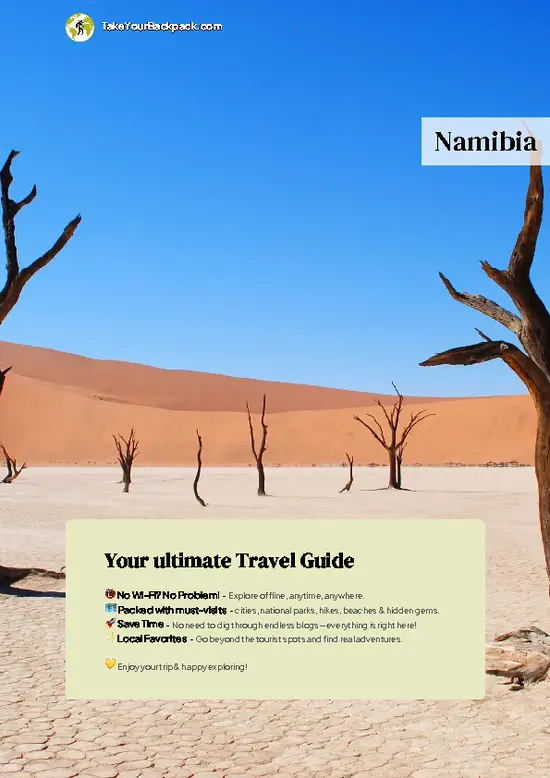
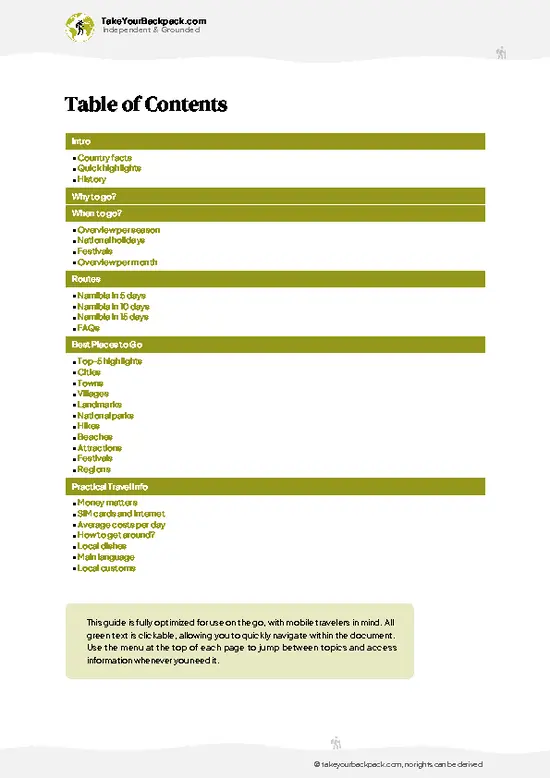
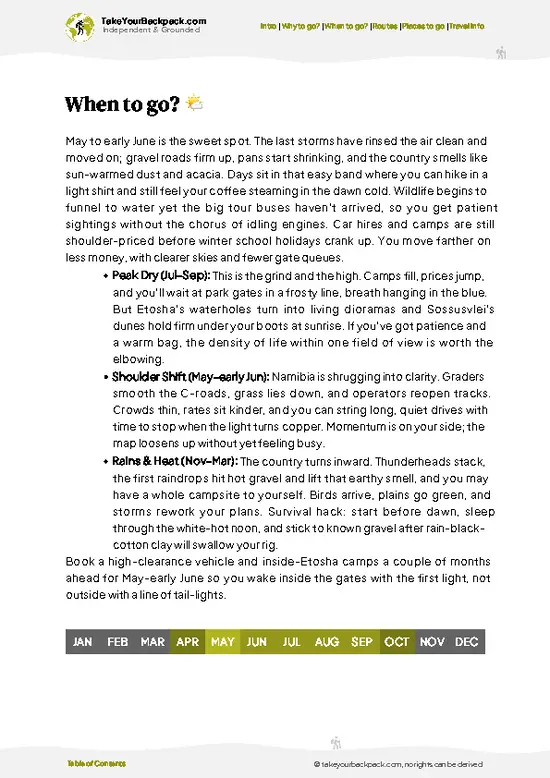
example page 0 from our offline Travel Guide for Namibiaexample page 1 from our offline Travel Guide for Namibiaexample page 2 from our offline Travel Guide for Namibiaexample page 3 from our offline Travel Guide for Namibiaexample page 4 from our offline Travel Guide for Namibia
🎒 Your 264-page offline travel companion
5, 10 & 15-day routes paced for real travel
79 ranked highlights with honest skip-it advice
Logistics solved: Best areas to stay & transport
Safety blueprints: Common local scams to avoid
No Wi-Fi? No problem: Phone-optimized offline PDF
👉 See all 30+ guide features

📅 Plan smarter in minutes, not weeks
Realistic travel times & pacing
Best months per region
Festivals & national holidays
Budget expectations

🗺️ Go to the right places, skip the overrated ones
79 ranked highlights across the country
Hidden gems beyond the tourist trail
Honest pros & cons of destinations
Top hikes, parks & viewpoints
Lesser-known places most travelers miss
Clear “worth it vs skip it” guidance

🛏️ Travel smoothly without rookie mistakes
Best areas to stay
Transport systems explained simply
Local transport tradeoffs
Common scams & safety advice
SIM cards, money & practical tips
What to expect before arrival

🌍 Understand the country, not just visit it
Culture & traditions
52 Essential phrases & customs
Festivals worth planning around
Traveler-friendly historical context
Insights that make places more meaningful

📱 Built for real travel conditions
Fully downloadable PDF
Works completely offline
Optimized for phone use
Useful in remote areas & buses
Everything in one place
Save weeks of stressful planning
Get instant access to the full guide directly. 30-day money-back guarantee.


Sent to your inbox immediately after payment • 100% Secure Checkout
Best Backpacking Travel Advisor 2025 tourism awardBest Backpacking
Travel Advisor
2025
What others say about Take Your Backpack Guides:
⭐⭐⭐⭐⭐
Fantastic, amazing amount of information!
⭐⭐⭐⭐⭐
My goodness this is amazing, it's what I've been looking for hats off too you!
⭐⭐⭐⭐⭐
I think this is absolutely BRILLIANT
⭐⭐⭐⭐
Very complete and informative. It's still missing places, but I gotta to commend you
⭐⭐⭐⭐⭐
This is truly amazing, thank you, can't wait to explore it with my kids!
⭐⭐⭐⭐⭐
Awesome resource, thank you!
⭐⭐⭐⭐⭐
This is amazing! Can't wait to explore the ones I haven't seen
⭐⭐⭐⭐
I love this! Well done, great idea.
⭐⭐⭐⭐⭐
Thanks for taking the time to make this gem!
⭐⭐⭐⭐⭐
This might be the best website I've ever seen.
⭐⭐⭐⭐⭐
Congratulations, and thank you so much for your work; it's incredibly valuable.
⭐⭐⭐⭐
In all seriousness I think you did a great job pointing out the important spots
⭐⭐⭐⭐⭐
10/10 very good
⭐⭐⭐⭐⭐
As someone who's only just starting to visit regularly this is awesome, thank you.
⭐⭐⭐⭐
Thank you very much! I'm going to visit my dad, it's going to be very useful!
⭐⭐⭐⭐⭐
This is really cool! We'll be travelling for the first time and this definitely come in handy.
⭐⭐⭐⭐⭐
You are now our minister of culture, congratulations 👨‍💼
⭐⭐⭐⭐⭐
Just wanted to tell you that this is a pearl! Going to follow your recommendations.
⭐⭐⭐⭐⭐
This is so cool. I'll definitely be using the resource for my travels soon.
⭐⭐⭐⭐⭐
This is very impressive! Good work.
⭐⭐⭐⭐⭐
This is an amazing and informative site. Very well done!

🛏️ Where to stay?Best areas to stay in Namibia

If you enjoy meeting fellow travelers, consider choosing hostels with high ratings for atmosphere. On the other hand, if you prefer having your own space, a hotel might be a better option.

🥾 Hike detailsHike details: route, duration, and difficulty of Waterberg Plateau

Total Distance: The Waterberg Plateau hike covers about 15 kilometers (9.3 miles) if you opt for the full loop, which includes the summit and the surrounding trails.

Estimated Duration: Depending on your pace and how often you stop to take in the views, expect to spend around 5 to 7 hours on the trail.

Difficulty Level: This trail is generally rated as moderate. While it’s manageable for most hikers, there are some steep sections that can get your heart pumping.

Starting Point: The trailhead is located at the Waterberg Plateau Park. To get there via public transport, you can catch a bus from … read more 👉
Total Distance: The Waterberg Plateau hike covers about 15 kilometers (9.3 miles) if you opt for the full loop, which includes the summit and the surrounding trails.

Estimated Duration: Depending on your pace and how often you stop to take in the views, expect to spend around 5 to 7 hours on the trail.

Difficulty Level: This trail is generally rated as moderate. While it’s manageable for most hikers, there are some steep sections that can get your heart pumping.

Starting Point: The trailhead is located at the Waterberg Plateau Park. To get there via public transport, you can catch a bus from Windhoek to Otjiwarongo, and then grab a taxi to the park entrance. It’s about a 45-minute drive from Otjiwarongo.

Major Landmarks:
  • Waterberg Plateau: The main attraction, offering stunning panoramic views from the top.
  • Fossilized dinosaur footprints: Keep an eye out for these along the trail; they’re a cool piece of history.
  • Wildlife viewing areas: Look for game like antelope and various bird species.

Type of Terrain and Scenery: The terrain varies from rocky paths to sandy trails, with some steep climbs and descents. The views are breathtaking, showcasing the flat plains of Namibia contrasted against the dramatic cliffs of the plateau.

Typical Vegetation: You’ll find a mix of savanna and bushveld vegetation. Expect to see acacia trees, mopane, and various grasses. The higher elevations might have some unique flora.

Wildlife: The area is home to a variety of wildlife, including:
  • Black and white rhinos: Though rare, sightings can happen.
  • Springbok and kudu: These antelopes are common in the area.
  • Birds: Look out for raptors and other bird species, especially in the early morning.

Make sure to carry enough water and snacks, as there aren’t many places to refill along the way. And remember, the sun can be intense, so sunscreen and a hat are your best friends out there!
⚠️ Hiking info can sometimes be outdated or inaccurate. Before you hit the trail, check the latest conditions with locals. If you do spot anything that's off, I'd love to hear from you, so I can update it for fellow travelers.

🛡️ SafetySafety Tips and Common Scams in Waterberg Plateau

The Waterberg Plateau offers a thrilling mix of rugged beauty and manageable challenges. The trails are well-marked, but don’t underestimate the terrain. Some sections are steep, demanding steady footing and a good grip on your trekking poles.

Weather can shift quickly; mornings may start cool, but the sun can blaze by midday. Dress in layers and pack plenty of water. Altitude isn’t extreme, but you’ll feel the burn if you push too hard too fast.

Wildlife is part of the experience—keep your distance from any large animals. If you spot a kudu or a baboon, enjoy the moment, but don’t approach.

Timing is key; early mornings or late afternoons are best for both cooler temps and wildlife sightings. Stay aware of your surroundings, respect the trail, and embrace the journey. The views from the top? They’ll make every step worth it.

Other Namibian hikes near Waterberg Plateau

Explore more nearby:

  • Spitzkoppe—granite peaks, rock arches, open savanna, stargazing| 265 km away
  • Olive Trail—short loop, mountain slopes, chain-assisted section, springtime flowers| 438 km away
  • Naukluft 4x4 Trail—off-road route, rugged terrain, vehicle-based, remote campsites| 440 km away

👉 Discover all hikes

Or checkout all Namibia has to offer (think cities, towns, villages, national parks, hikes, beaches, festivals)
Country photo of Namibia

I 💚 feedbackFinal thoughts on hiking the Waterberg Plateau

The Waterberg Plateau is a wild, rugged beauty that demands your attention. The trails can be steep and unforgiving, but every drop of sweat is worth it when you reach that panoramic view. Expect a few surprises—like spotting a rare black rhino or the thrill of a sudden rainstorm. Just be ready for the sun; it’s relentless. Pack plenty of water and a sense of adventure. Trust me, the cold beer at the end will taste like victory.

✍️ Help improve this page!
The information on this page is based on in-depth research, insights shared by experienced travelers, and feedback from the local travel community in Namibia. While every effort is made to keep the information accurate and current, conditions can change — so if you spot anything incorrect or outdated, please get in touch.


🙋‍♂️ Give feedback

👋 Meet the authorWho’s Behind Take Your Backpack?

Johan, backpacker and founder of TakeYourBackpackHi, I’m Johan (Netherlands 🇳🇱), the creator of TakeYourBackpack. Over the past decade, I’ve backpacked through 80+ countries across six continents, gaining extensive experience with independent travel, long-term trips, and overland routes.

This site is built on a combination of firsthand travel experience and carefully curated insights from other backpackers. Many guides are based on places I’ve personally visited, while others bring together tips, observations, and practical advice shared by trusted travelers I’ve met along the way.

The goal is to provide realistic, experience-driven guidance — not generic itineraries — so you can explore destinations with better context, clearer expectations, and more confidence.

Get Full Country Guide |
Instant download • 79 highlights • Full Offline guide