v2.webp)

- Ogimachi Gassho-zukuri Village (the main hamlet) — the walking streets themselves are the headline: clusters of steeply thatched gassho houses, riverside scenes and narrow lanes that give you the clearest sense of how this mountain farming community lived for centuries.
- Shiroyama / Ogimachi Observation Deck — a short climb up the hillside drops you into the classic postcard view of the whole village; best at sunrise, sunset or during the winter snowlight for dramatic rooflines and valleys.
- Wada House (Wada-ke) — the largest gassho farmhouse open to the public; you can walk through the rooms, see the huge attic where silkworm farming and storage happened, and feel the scale of traditional village life.
- Kanda House (Kanda-ke) — a well-preserved family home that often shows exhibits about
- Ogimachi Gassho-zukuri Village (the main hamlet) — the walking streets themselves are the headline: clusters of steeply thatched gassho houses, riverside scenes and narrow lanes that give you the clearest sense of how this mountain farming community lived for centuries.
- Shiroyama / Ogimachi Observation Deck — a short climb up the hillside drops you into the classic postcard view of the whole village; best at sunrise, sunset or during the winter snowlight for dramatic rooflines and valleys.
- Wada House (Wada-ke) — the largest gassho farmhouse open to the public; you can walk through the rooms, see the huge attic where silkworm farming and storage happened, and feel the scale of traditional village life.
- Kanda House (Kanda-ke) — a well-preserved family home that often shows exhibits about everyday life, farming tools and local weaving — a quieter, more intimate look than the busiest tourist spots.
- Deai Bridge (Deai-bashi) — the pedestrian bridge over the river gives excellent mid-village angles for photos and is a practical spot to watch village rhythms: farmers, kids, and early-mornings photographers.
- Myozenji Temple — a small local temple with a peaceful graveyard and old tombstones; it’s a compact cultural stop that connects the houses to the spiritual life of the community.
- Shirakawa-go Folk/History Museum — the local museum that explains gassho architecture, seasonal farming cycles and the village’s UNESCO story; useful context before you wander the streets so the details you see make more sense.
- Gassho-zukuri Preservation/Thatched-roof Workshop — where you can learn about roof maintenance and restoration techniques (sometimes with demonstrations); seeing the craft up close explains why those roofs look the way they do and how they survive heavy snow.
- Overnight in a Gassho minshuku (traditional farmhouse lodging) — staying the night in a converted farmhouse is the single best way to experience local hospitality, wood-stove heat, and the slow rhythms of the village after day-trippers leave.
- Riverside rice paddies and reflective spots — small rice terraces and waterlogged paddies near the village provide seasonally spectacular reflections of the thatched roofs (spring and early summer are especially photogenic) and a sense of the agricultural setting that sustains the village.
Spotted a mistake or missing something? Contact us.

Explore Kanazawa Half Day Private Tour with Local Nurse
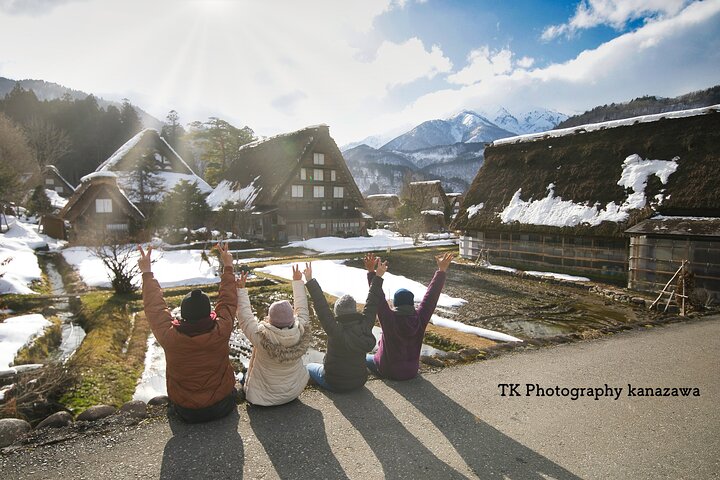
Takayama and Shirakawago/Photoshoot by professional photographer
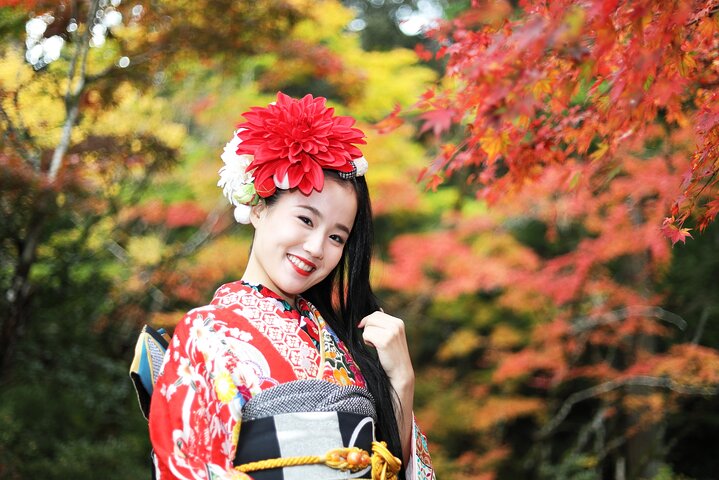
Photoshoot session by professional photographer in Kanazawa
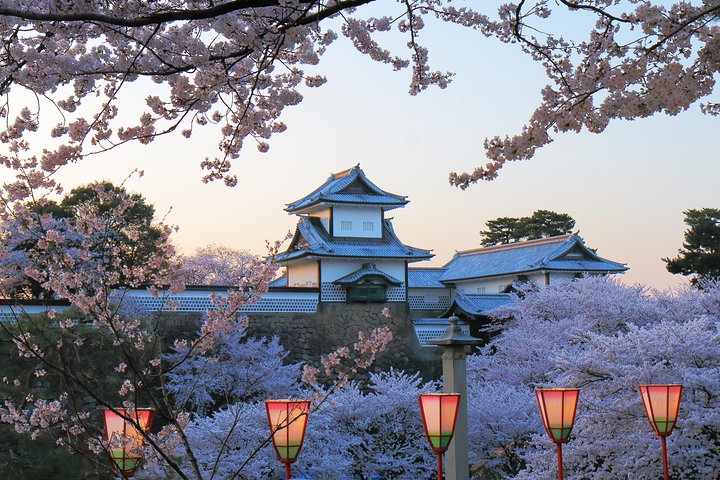
Kanazawa private half day/Photoshoot by professional photographer

Kanazawa Machiya: Private Tea Ceremony with a Local Tea Master

Kanazawa: Private Custom Tour with Local Guide
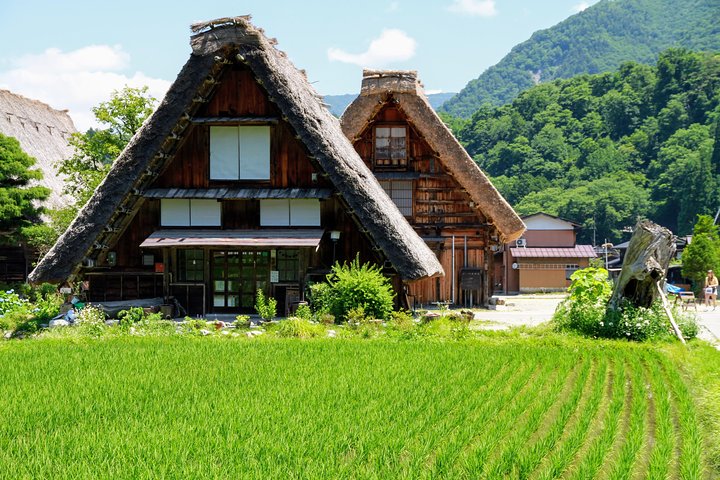
Private Tour of Shirakawago from Kanazawa (Half Day)

Try Mindful Calligraphy Near Kanazawa's Ninja Temple

Private transfer Kanazawa to Takayama Including Shirakawago


 Best Backpacking
.jpg) Hi, I’m Johan (Netherlands 🇳🇱), the creator of TakeYourBackpack. Over the past 3 decades, I’ve backpacked through 90+ countries across six continents, gaining extensive experience with independent travel, long-term trips, and overland routes.
Hi, I’m Johan (Netherlands 🇳🇱), the creator of TakeYourBackpack. Over the past 3 decades, I’ve backpacked through 90+ countries across six continents, gaining extensive experience with independent travel, long-term trips, and overland routes.