×

Japan🇯🇵 | villagesTsumagoNakasendo trail, wooden inns, car-free main street | things to do and best time to go

Explore Shirakawa-goExplore Tokyo National Museum

Backpacking in Tsumago
👍 Recommendedvillage ranked #2
By Johan Kruseman 🇳🇱 | Updated September 4, 2026

Your boots thud on worn stone, and for a second all you hear is the creek below and the soft clack of a wooden shōji sliding somewhere behind you. Smoke from a hearth drifts into the cool air, mixing with the sweet, almost burnt smell of gohei-mochi grilling on skewers. A bell chimes once, then silence again.

Tsumago sits in the Kiso Valley of Nagano Prefecture, in Japan’s central mountains, on the old Nakasendō route between Kyoto and Tokyo. For backpackers, it’s less a “destination” and more a pause button: a preserved post town where you trade city neon for dark timber, mossy stone walls, and the rhythm of day-hikers passing through. People stop here to walk the trail to Magome, to feel that slow, Edo-era pace, then move on. Evenings are very quiet: ryokan dinners, early baths, streets almost empty by 9 p.m., and only a light trickle of other travelers compared with busier Magome or more practical Nakatsugawa.

Discover everything you want to know in the 📖 Japan Travel Guide.


Get your Japan guide
140 ranked highlights, routes & tips, works offline (482 pages)
Loading the map 🌍
CLICK TO FILTER
cities
towns
villages
landmarks
national parks
hikes
beaches
attractions
festivals
regions
SHOW COUNTRY’S BESTSHOW ALL

✨ Why go?
Ranked #2 village in Japan
What sets this place apart

Tsumago is a backpacker’s haven that feels like a step back in time, nestled in the Kiso Valley. The atmosphere here is a blend of tranquility and authenticity, where the air carries the scent of cedar and the sound of a nearby stream lulls you into relaxation. It’s a perfect pause between busier destinations like Takayama and Matsumoto, allowing you to recharge.

The village is a gateway to hikes along the Nakasendo Trail, where you can wander through lush forests and rice paddies, soaking in the natural beauty. Many travelers linger here, drawn by the slower pace and the chance to connect with local character—think friendly shopkeepers and traditional inns.

Tsumago suits slow travelers, hikers, and couples seeking a romantic escape. Solo backpackers will find it a peaceful retreat, perfect … read more 👉
Tsumago is a backpacker’s haven that feels like a step back in time, nestled in the Kiso Valley. The atmosphere here is a blend of tranquility and authenticity, where the air carries the scent of cedar and the sound of a nearby stream lulls you into relaxation. It’s a perfect pause between busier destinations like Takayama and Matsumoto, allowing you to recharge.

The village is a gateway to hikes along the Nakasendo Trail, where you can wander through lush forests and rice paddies, soaking in the natural beauty. Many travelers linger here, drawn by the slower pace and the chance to connect with local character—think friendly shopkeepers and traditional inns.

Tsumago suits slow travelers, hikers, and couples seeking a romantic escape. Solo backpackers will find it a peaceful retreat, perfect for reflection. While some might only stop for a night, those who stay longer often discover the village’s deeper charm, making it a rewarding part of any journey through Japan.
Want to include Tsumago in your Japan route?
Create a personalized Japan itinerary that includes Tsumago and the places that fit your trip — based on your travel style, budget, and available time. Get your route in seconds.

Generate my trip

💡 HighlightsTop highlights of Tsumago

  • Preserved main street of Tsumago-juku — The whole walkable lane is the town’s headline: Edo-period wooden façades, low eaves, and that deliberate “no modern clutter” feel that actually lets you imagine life on the old Nakasendō.
  • Tsumago Honjin (former principal inn) — The official lodging for feudal lords; it’s been conserved so you can wander the guest rooms, tatami corridors and neat service areas while getting a real sense of how high-status travel worked in the Edo era.
  • Waki-honjin (the secondary inn) — The backup inn to the Honjin, smaller but full of authentic details: guard posts, private quarters and displays showing the logistics of moving people and goods along the highway.
  • Magome-Tsumago Nakasendō trailhead — The start/end point for the classic one-way hike to Magome. The trail
read more 👉
  • Preserved main street of Tsumago-juku — The whole walkable lane is the town’s headline: Edo-period wooden façades, low eaves, and that deliberate “no modern clutter” feel that actually lets you imagine life on the old Nakasendō.
  • Tsumago Honjin (former principal inn) — The official lodging for feudal lords; it’s been conserved so you can wander the guest rooms, tatami corridors and neat service areas while getting a real sense of how high-status travel worked in the Edo era.
  • Waki-honjin (the secondary inn) — The backup inn to the Honjin, smaller but full of authentic details: guard posts, private quarters and displays showing the logistics of moving people and goods along the highway.
  • Magome-Tsumago Nakasendō trailhead — The start/end point for the classic one-way hike to Magome. The trail itself is shaded, restorative and sprinkled with old milestones and tea-house ruins; the sense of walking history is the real draw.
  • Tsumago visitor information & post-town exhibit — Small but useful: maps, exhibits about daily life on the Nakasendō, and practical tips for the trail or staying overnight. Great place to orient yourself before wandering the town.
  • Kiso River riverside and old bridge — A short stroll off the main street leads to calming river views, traditional riverside scenes and a few photo-perfect spots where locals once loaded goods onto boats or washed village tools.
  • Traditional machiya houses and craft shops — Several merchant homes are open as small museums, workshops or guesthouses; you can peek into old shop layouts, buy local crafts, or taste handmade soba in a century-old space.
  • Stone milestones, signposts and water runnels — It’s the small urban details that make Tsumago feel genuine: carved distance markers, preserved street-side gutters that channel mountain water, and wooden signposts that quietly tell the town’s story.
  • Temples, small shrines and hilltop viewpoints — A short climb from the village brings you to quiet temple grounds, rows of Jizō statues and outlooks over the Kiso Valley — peaceful places that reward a little effort with history and views.
  • Staying overnight in a minshuku or former merchant inn — Spending the night (or arriving early morning) changes everything: empty streets, paper lantern light, and conversations with owners who often share local stories and food — a truly immersive way to feel Tsumago’s spirit.
A few nearby day-trip highlights outside Tsumago: the post town of Magome and the full Magome-Tsumago trail (my personal favorite), Kiso-Fukushima for a larger town feel and temples, and the long preserved post town of Narai — all easy to reach and worth picking up after you’ve soaked in Tsumago.
Spotted a mistake or missing something? Contact us.

Things to do around Tsumago

Ratings based on Tripadvisor reviews. When you book through this link, you support our work at no extra cost to you.

🌤️ When to go?Seasonal considerations and timing


  • Weather: Tsumago’s charm is tied to its crisp mountain air. Spring (April to June) offers mild temperatures around 15-22°C (59-72°F) with occasional rain, making the wooden streets glisten and the surrounding forests lush. Autumn (September to November) brings clear skies and cool 10-18°C (50-64°F) days, perfect for hiking the Nakasendo Trail without sweating through your gear.

  • Temperature: Summer can be hot and humid, pushing 28-32°C (82-90°F), which can sap your energy on the steep trails. Winter dips below freezing, often hovering around 0-5°C (32-41°F), with a chance of snow that turns the village into a quiet, frosted postcard but complicates travel.

  • Daylight Hours: Longer days in late spring and early autumn mean more time to explore. Expect about 14-15 hours of daylight in May
read more 👉

  • Weather: Tsumago’s charm is tied to its crisp mountain air. Spring (April to June) offers mild temperatures around 15-22°C (59-72°F) with occasional rain, making the wooden streets glisten and the surrounding forests lush. Autumn (September to November) brings clear skies and cool 10-18°C (50-64°F) days, perfect for hiking the Nakasendo Trail without sweating through your gear.

  • Temperature: Summer can be hot and humid, pushing 28-32°C (82-90°F), which can sap your energy on the steep trails. Winter dips below freezing, often hovering around 0-5°C (32-41°F), with a chance of snow that turns the village into a quiet, frosted postcard but complicates travel.

  • Daylight Hours: Longer days in late spring and early autumn mean more time to explore. Expect about 14-15 hours of daylight in May and September, giving you a generous window to wander without rushing.

  • Crowds: Golden Week (late April to early May) and autumn foliage weekends draw domestic tourists, crowding narrow streets and hiking paths. Visiting mid-week outside these peaks offers a more intimate experience, letting you hear the wooden shutters creak and the distant river hum.

  • Seasonal Activities: Spring’s cherry blossoms and autumn’s fiery maples are the headline acts. Winter’s quiet brings a contemplative mood, while summer hosts local festivals that add color but also noise and bustle.

  • Price Fluctuations: Accommodation and transport costs spike during peak seasons—spring cherry blossom and autumn foliage—so booking early or aiming for shoulder seasons can save you money without sacrificing the atmosphere.


Pro-tip: Aim for late May or early October—cool air, fewer crowds, and that golden light filtering through ancient trees make every step feel like a reward, not a chore.


source: climatestotravel.comJANJanuary: fair for travelingFEBFebruary: fair for travelingMARMarch: good for travelingAPRApril: highly recommended for travelingMAYMay: excellent for travelingJUNJune: highly recommended for travelingJULJuly: fair for travelingAUGAugust: fair for travelingSEPSeptember: highly recommended for travelingOCTOctober: excellent for travelingNOVNovember: highly recommended for travelingDECDecember: fair for traveling
japan-city-tsumago
© Google |

✈️ The backpacker research shortcutJapan Travel Guide

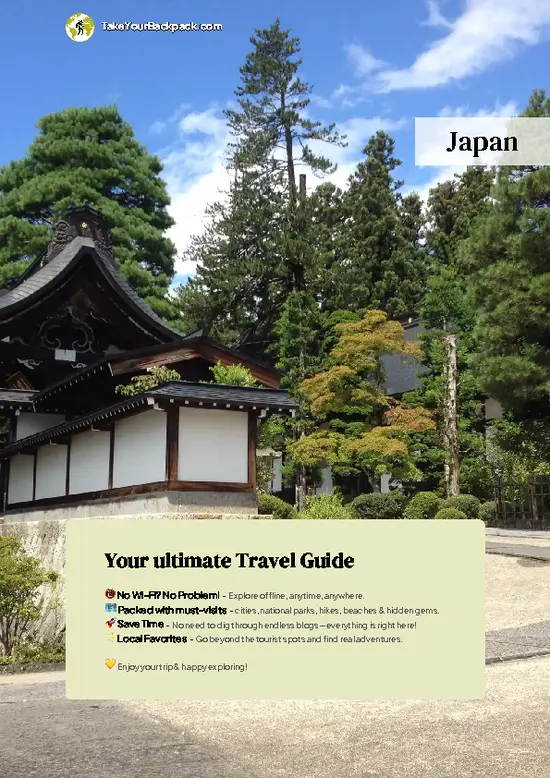
An offline-friendly backpacking guide with optimized travel routes, ranked highlights, transport advice, and the best areas to stay.
example page 0 from our offline Travel Guide for Japan
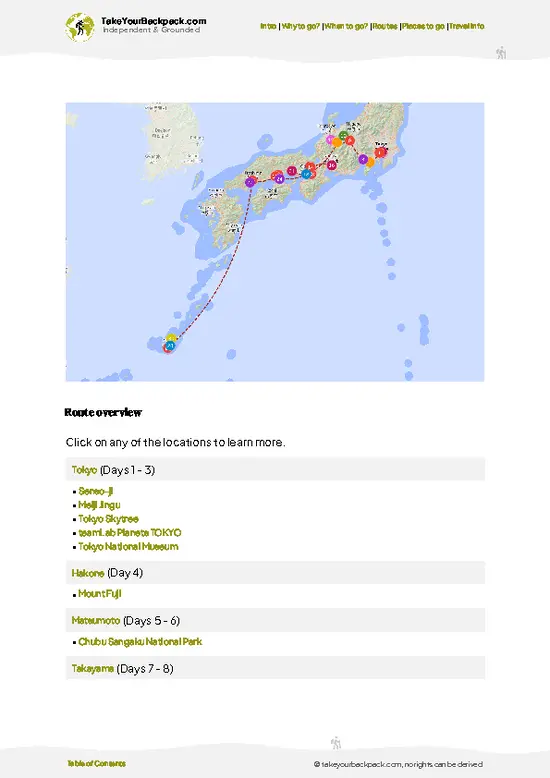
example page 1 from our offline Travel Guide for Japan
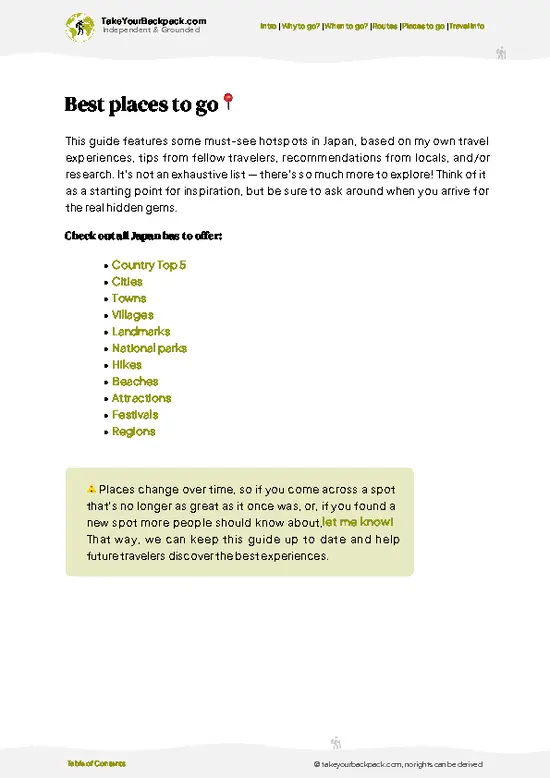
example page 2 from our offline Travel Guide for Japan
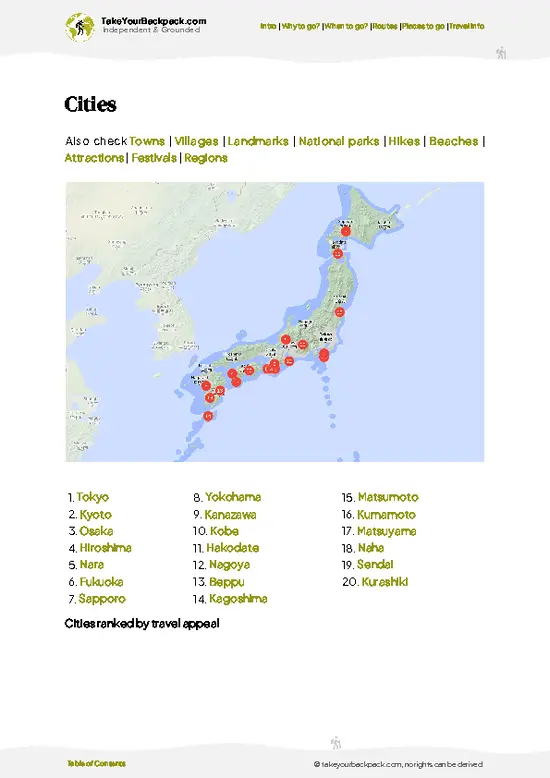
example page 3 from our offline Travel Guide for Japan
example page 4 from our offline Travel Guide for Japan
example page 5 from our offline Travel Guide for Japan
example page 6 from our offline Travel Guide for Japan
example page 7 from our offline Travel Guide for Japan
The digital guide (482 pages) contains:
140 highlights, ranked by travel appeal
Optimized 7, 14 & 21-day travel routes
Cities, national parks, landmarks, beaches
How to get around
Offline-friendly for travel without Wi-Fi
👉 Click to see all 30+ guide features

📅 Plan smarter in minutes, not weeks
Month by month travel advice
Festivals & national holidays
Budget expectations

🗺️ Go to the right places, skip the overrated ones
Honest pros & cons of destinations
Top hikes, parks & viewpoints
Lesser-known places most travelers miss
Clear “worth it vs skip it” guidance

🛏️ Travel smoothly without rookie mistakes
Best areas to stay
Transport systems explained simply
Common scams & safety advice
SIM cards, money & practical tips

🌍 Understand the country, not just visit it
Culture & traditions
52 Essential phrases & customs
Festivals worth planning around
Traveler-friendly historical context
Insights that make places more meaningful

📱 Built for real travel conditions
Fully downloadable PDF
Works completely offline
Optimized for phone use
Useful in remote areas & buses
Everything in one place
Save weeks of stressful planning
Get instant access to your full guide. 30‑day money-back guarantee.
+ Add another guide for just US$7.80

By proceeding you agree to our terms.
Sent to your inbox immediately after payment • 100% Secure Checkout
Best Backpacking Travel Advisor 2025 tourism awardBest Backpacking
Travel Advisor
2025
What others say about Take Your Backpack Guides:
⭐⭐⭐⭐⭐
Fantastic, amazing amount of information!
⭐⭐⭐⭐⭐
My goodness this is amazing, it's what I've been looking for hats off too you!
⭐⭐⭐⭐⭐
I think this is absolutely BRILLIANT
⭐⭐⭐⭐
Very complete and informative. It's still missing places, but I gotta to commend you
⭐⭐⭐⭐⭐
This is truly amazing, thank you, can't wait to explore it with my kids!
⭐⭐⭐⭐⭐
Awesome resource, thank you!
⭐⭐⭐⭐⭐
This is amazing! Can't wait to explore the ones I haven't seen
⭐⭐⭐⭐
I love this! Well done, great idea.
⭐⭐⭐⭐⭐
Thanks for taking the time to make this gem!
⭐⭐⭐⭐⭐
This might be the best website I've ever seen.
⭐⭐⭐⭐⭐
Congratulations, and thank you so much for your work; it's incredibly valuable.
⭐⭐⭐⭐
In all seriousness I think you did a great job pointing out the important spots
⭐⭐⭐⭐⭐
10/10 very good
⭐⭐⭐⭐⭐
As someone who's only just starting to visit regularly this is awesome, thank you.
⭐⭐⭐⭐
Thank you very much! I'm going to visit my dad, it's going to be very useful!
⭐⭐⭐⭐⭐
This is really cool! We'll be travelling for the first time and this definitely come in handy.
⭐⭐⭐⭐⭐
You are now our minister of culture, congratulations 👨‍💼
⭐⭐⭐⭐⭐
Just wanted to tell you that this is a pearl! Going to follow your recommendations.
⭐⭐⭐⭐⭐
This is so cool. I'll definitely be using the resource for my travels soon.
⭐⭐⭐⭐⭐
This is very impressive! Good work.
⭐⭐⭐⭐⭐
This is an amazing and informative site. Very well done!

🛏️ Where to stay?Choosing the right base

In Tsumago, the charm isn’t just in the preserved Edo-period streets but in how you live the history overnight. The best places to stay are the traditional minshuku—family-run guesthouses that feel like stepping into a warm, lived-in story. These aren’t hotels; they’re homes where the tatami mats hold the faint scent of cedar and the quiet creak of sliding doors sets your rhythm.

Why choose a minshuku? Because they offer more than a bed—they offer connection. Staying here means waking to the smell of miso soup simmering in a wooden kitchen, hearing the soft murmur of locals, and sharing stories … read more 👉
In Tsumago, the charm isn’t just in the preserved Edo-period streets but in how you live the history overnight. The best places to stay are the traditional minshuku—family-run guesthouses that feel like stepping into a warm, lived-in story. These aren’t hotels; they’re homes where the tatami mats hold the faint scent of cedar and the quiet creak of sliding doors sets your rhythm.

Why choose a minshuku? Because they offer more than a bed—they offer connection. Staying here means waking to the smell of miso soup simmering in a wooden kitchen, hearing the soft murmur of locals, and sharing stories over a simple breakfast. It’s a sensory immersion that hotels can’t replicate.

If you want a smoother experience, book ahead. Tsumago’s charm draws crowds, and these spots fill fast. Arriving late can mean missing out on dinner or the chance to chat with your hosts, which is where the real magic happens. Also, many minshuku don’t have Wi-Fi or modern frills, so pack a headlamp and embrace the quiet.

For a slightly more polished stay, a ryokan with onsen access nearby offers a soak in mineral-rich waters after a day on the Nakasendo Trail. But if you want to feel the village’s pulse, the minshuku’s simple, tactile authenticity is your best bet.

🚌 Day tripsExploring the surroundings

Tsumago is a backpacker’s dream base, offering a blend of history, nature, and culture, all wrapped in a serene atmosphere. From here, you can easily embark on day trips that reveal the heart of Japan’s rural beauty.

Nakasendo Trail Hike
This iconic trail connects Tsumago to Magome, a picturesque 8-kilometer stretch that takes about 2-3 hours to hike. The path winds through lush forests and offers stunning views of the Kiso Valley. You’ll encounter traditional inns and the occasional local artisan, adding a rich layer to your experience. The best time to go is during the fall when the leaves turn fiery shades, but spring blooms are equally enchanting. A common mistake is underestimating the trail’s elevation; wear sturdy shoes and pack water. Expect to spend around ¥1,000 for snacks and … read more 👉
Tsumago is a backpacker’s dream base, offering a blend of history, nature, and culture, all wrapped in a serene atmosphere. From here, you can easily embark on day trips that reveal the heart of Japan’s rural beauty.

Nakasendo Trail Hike
This iconic trail connects Tsumago to Magome, a picturesque 8-kilometer stretch that takes about 2-3 hours to hike. The path winds through lush forests and offers stunning views of the Kiso Valley. You’ll encounter traditional inns and the occasional local artisan, adding a rich layer to your experience. The best time to go is during the fall when the leaves turn fiery shades, but spring blooms are equally enchanting. A common mistake is underestimating the trail’s elevation; wear sturdy shoes and pack water. Expect to spend around ¥1,000 for snacks and drinks along the way. 👉 Explore Tsumago

Shirakawa-go
A bit further afield, this UNESCO World Heritage site is about a 1.5-hour bus ride from Tsumago. Famous for its thatched-roof farmhouses, Shirakawa-go feels like stepping into a postcard. The village is particularly magical in winter when snow blankets the roofs. Entry is free, but budget around ¥2,000 for transport and a meal. First-timers often miss the viewpoint on the hill; it’s a short climb but offers the best photo ops. 👉 Explore Tsumago

Magome
Just a quick jaunt from Tsumago, Magome is a charming village that’s worth a few hours of exploration. The walk between the two towns is a must, but Magome itself has quaint shops and a lovely tea house where you can sip matcha while gazing at the mountains. The trip takes about 30 minutes on foot, and you can easily spend a couple of hours here. Keep an eye out for the local crafts; they make great souvenirs. Total costs are minimal, around ¥1,500 for snacks and tea. 👉 Explore Tsumago

Kiso Valley
For a deeper dive into the region, consider a day trip to the Kiso Valley. Accessible by train in about 30 minutes, this area is rich in history and natural beauty. Explore the small villages, each with its own character, or hike along the river. The valley is stunning in spring and autumn, with vibrant colors and fragrant wildflowers. Budget around ¥2,500 for transport and food. Many travelers overlook the local festivals; check the calendar for events that showcase traditional culture. 👉 Explore Tsumago
Want to know what more Japan offers?
The Japan Travel Guide describes 140 highlights, from cities to national parks, from beaches to hikes

Get the Travel Guide -

FAQCommon questions from travelers

Take a train to Nagiso Station on the JR Chuo Line, then a 20-minute bus or taxi ride to Tsumago. From Nagoya or Tokyo, trains take about 3 to 4 hours. Buses from Nagiso to Tsumago run regularly but check schedules in advance.
Yes, Tsumago is worth the trip for its well-preserved Edo-period streets and traditional wooden buildings. It offers a unique glimpse into historical Japan and is part of the scenic Nakasendo Trail, attracting cultural and hiking enthusiasts.
Yes, Tsumago can be visited as a day trip, especially from Nagoya or Matsumoto. Allocate at least 4 to 6 hours to explore the village and nearby trails, but staying overnight allows a more relaxed experience and access to local inns.
⚠️ Things can change over time, so always validate details locally before you go.

More places to explore across Japan

Tsumago isn’t the only highlight in Japan. Explore all what Japan has to offer.
Country photo of Japan

We 💚 feedbackSumming up the experience

Tsumago is a slice of time, where wooden houses whisper stories and the air is thick with the scent of cedar. Walking its ancient paths feels like stepping into a living postcard. But be ready: the steep hills can test your legs and patience. Embrace the challenge; the payoff is a view that makes every step worthwhile. It’s not just a visit; it’s a journey into Japan’s heart.

✈️ When did I visit Japan?
As part of my 1.5 year travel around the world trip, I visited Japan in August 2015.

✍️ Help improve this page!
The information on this page is based on my own backpacking experience in Japan, supplemented with up-to-date research and feedback from other travelers. Travel details can change, so if you notice anything outdated or incomplete, feel free to let me know.


🙋‍♂️ Give feedback

👋 Meet the founderWho’s Behind Take Your Backpack?

Johan, backpacker and founder of TakeYourBackpackHi, I’m Johan (Netherlands 🇳🇱), the creator of TakeYourBackpack. Over the past decade, I’ve backpacked through 80+ countries across six continents, gaining extensive experience with independent travel, long-term trips, and overland routes.

This site is built on a combination of firsthand travel experience and carefully curated insights from other backpackers. Many guides are based on places I’ve personally visited, while others bring together tips, observations, and practical advice shared by trusted travelers I’ve met along the way.

The goal is to provide realistic, experience-driven guidance — not generic itineraries — so you can explore destinations with better context, clearer expectations, and more confidence.

Get full Japan guide •
Instant download • 140 highlights • Full Offline guide