×

Japan🇯🇵 | best villagesTop-Rated 2 villages in Japan

Japan’s villages offer a captivating glimpse into the country’s rich cultural tapestry, each with its own unique character shaped by regional and seasonal influences. These rural gems vary significantly across the archipelago, from the snow-draped landscapes of Hokkaido to the lush rice terraces of the Japanese Alps. Understanding these differences is crucial for backpackers and independent travelers seeking authentic experiences.

Choosing the right village can dramatically impact your journey. For instance, a visit to Shirakawa-go in winter provides a serene, snow-covered ambiance, while the vibrant festivals of Takayama in spring showcase local traditions. Budget considerations also play a role; some villages offer affordable guesthouses, while others may lean towards pricier ryokans.

Safety and ease of travel vary, too, with some areas more accessible via public transport than others. By grasping these nuances, you can navigate Japan’s villages with confidence, unlocking a deeper cultural immersion and a more rewarding adventure.

By Johan Kruseman 🇳🇱 | last update: 28 April, 2026
Explore the best unique sites in Japan

Why go?Why These village Stand Out

In Japan, villages represent a unique intersection of authenticity, traditional practices, and scenic surroundings. Unlike many countries, where rural areas may feel like mere extensions of urban life, Japanese villages often embody centuries-old customs and lifestyles that remain largely untouched. This deep-rooted connection to tradition is evident in everything from local festivals to artisanal crafts, offering travelers a genuine glimpse into Japan’s cultural fabric.

However, accessing these villages requires navigating a complex infrastructure. Japan’s rural areas are often less connected than urban centers, which can mean longer travel times. This trade-off is significant: the deeper you venture into the countryside, the more you immerse yourself in local culture, but you may sacrifice … read more 👉
In Japan, villages represent a unique intersection of authenticity, traditional practices, and scenic surroundings. Unlike many countries, where rural areas may feel like mere extensions of urban life, Japanese villages often embody centuries-old customs and lifestyles that remain largely untouched. This deep-rooted connection to tradition is evident in everything from local festivals to artisanal crafts, offering travelers a genuine glimpse into Japan’s cultural fabric.

However, accessing these villages requires navigating a complex infrastructure. Japan’s rural areas are often less connected than urban centers, which can mean longer travel times. This trade-off is significant: the deeper you venture into the countryside, the more you immerse yourself in local culture, but you may sacrifice convenience. Seasonal accessibility also plays a crucial role; some villages are best visited in spring or autumn when the scenery is particularly breathtaking, while winter can limit access due to snow. Understanding these seasonal patterns is essential for planning a meaningful visit.

Geographically, Japan’s mountainous terrain creates both stunning vistas and logistical challenges. Villages tucked away in valleys or perched on hillsides offer breathtaking views but may require more effort to reach. This is where the depth of exploration comes into play. The more time you invest in travel, the richer your experience will be, but it’s essential to balance this with your itinerary.

Culturally, Japan’s emphasis on community and hospitality enhances the village experience. Engaging with locals can lead to unexpected insights and connections. However, travelers should be mindful of the constraints that come with rural tourism, such as limited English proficiency and fewer amenities. By understanding these dynamics, travelers can unlock a more rewarding journey through Japan’s enchanting villages.
Our Approach to Ranking
The list of best villages in Japan is created based on authenticity, scenic beauty, community spirit, traditions, and overall character. If you feel a village is missing in this list, please let us know.

When to go?Timing Your Visit for the Best Experience

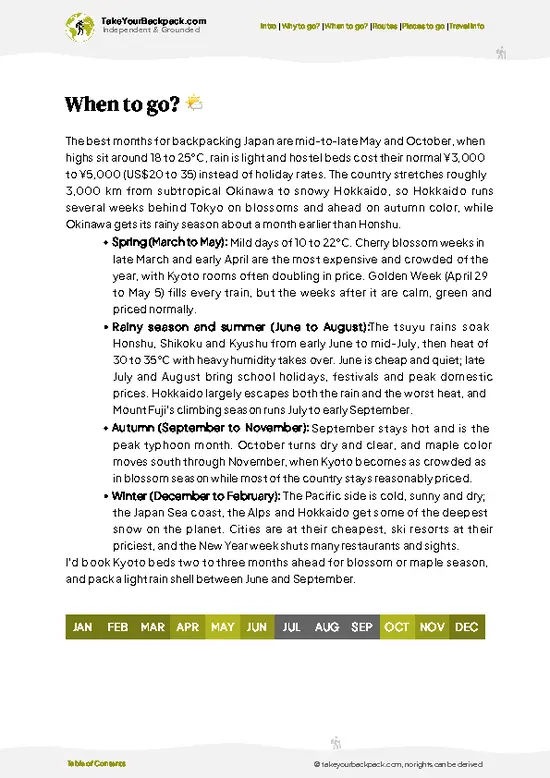
Seasonality plays a crucial role in the experience of visiting villages in Japan. Each season brings distinct agricultural activities, festivals, and weather patterns that shape rural life. Understanding these rhythms can enhance the visit and unlock a deeper connection to the local culture.

Spring is a vibrant time, marked by cherry blossoms and the start of the planting season. The weather is generally mild, making it an ideal time for outdoor activities. However, this is also a peak travel period, attracting many visitors. Expect crowds, especially during festivals. Costs may rise due to demand, but the beauty of blooming landscapes can justify the trade-off.

Summer brings warmth and humidity, with temperatures often soaring. Villages come alive with agricultural festivals, showcasing … read more 👉
Seasonality plays a crucial role in the experience of visiting villages in Japan. Each season brings distinct agricultural activities, festivals, and weather patterns that shape rural life. Understanding these rhythms can enhance the visit and unlock a deeper connection to the local culture.

Spring is a vibrant time, marked by cherry blossoms and the start of the planting season. The weather is generally mild, making it an ideal time for outdoor activities. However, this is also a peak travel period, attracting many visitors. Expect crowds, especially during festivals. Costs may rise due to demand, but the beauty of blooming landscapes can justify the trade-off.

Summer brings warmth and humidity, with temperatures often soaring. Villages come alive with agricultural festivals, showcasing local produce. This season is perfect for experiencing rural life, but be prepared for potential rain and heat. Accessibility can be challenging in remote areas due to weather conditions. The shoulder months of late spring and early autumn can offer a more pleasant climate and fewer tourists.

Autumn is another prime time, with stunning foliage transforming the landscape. Harvest festivals celebrate the bounty of rice and other crops. The weather is generally cool and comfortable, making it an excellent time for exploration. However, this is also a busy season, so planning ahead is essential to avoid crowds.

Winter presents a different charm, with snow blanketing many villages. This season is quieter, offering a unique perspective on rural life. However, accessibility can be limited due to snow, and some activities may be curtailed. Travelers should weigh the serene beauty against potential travel disruptions.

Understanding these seasonal dynamics allows for strategic planning. By aligning travel dates with local agricultural cycles and festivals, visitors can engage more authentically with the villages of Japan.

village hoppingPlanning Your Route Efficiently

Understanding Regional Clusters
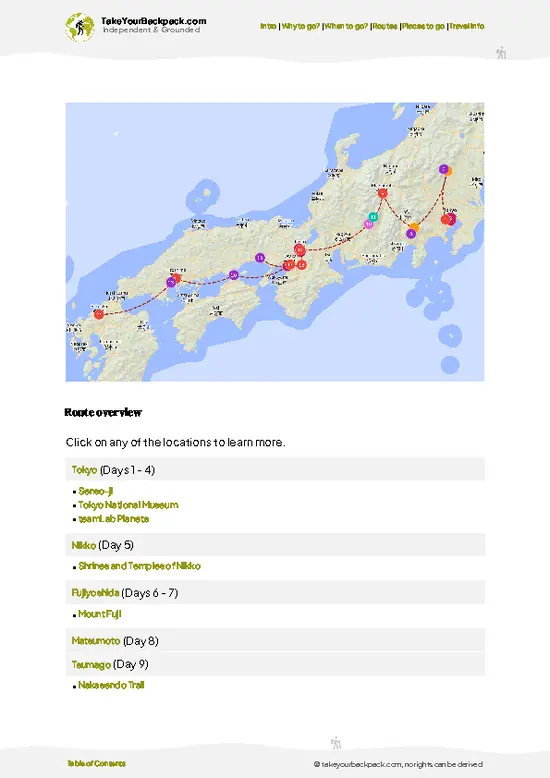
Japan’s villages are often grouped by region, each with its own unique character. Start by identifying clusters like the Japanese Alps, the Noto Peninsula, or the rural areas of Shikoku. This approach minimizes travel time and maximizes immersion. For instance, visiting Takayama, Shirakawa-go, and Matsumoto in the Japanese Alps allows for a seamless journey through stunning mountain landscapes and traditional architecture.

Direction of Travel
Traveling in a logical direction—north to south or vice versa—reduces backtracking. For example, if beginning in the north, consider starting in Hokkaido and moving south through Tohoku, then down to the Kanto region. This linear approach not only saves time but also enhances the experience by allowing travelers to witness … read more 👉
Understanding Regional Clusters
Japan’s villages are often grouped by region, each with its own unique character. Start by identifying clusters like the Japanese Alps, the Noto Peninsula, or the rural areas of Shikoku. This approach minimizes travel time and maximizes immersion. For instance, visiting Takayama, Shirakawa-go, and Matsumoto in the Japanese Alps allows for a seamless journey through stunning mountain landscapes and traditional architecture.

Direction of Travel
Traveling in a logical direction—north to south or vice versa—reduces backtracking. For example, if beginning in the north, consider starting in Hokkaido and moving south through Tohoku, then down to the Kanto region. This linear approach not only saves time but also enhances the experience by allowing travelers to witness the changing scenery and culture.

Optimal Sequencing of Stops
Plan stops based on accessibility and seasonal factors. Some villages are more accessible during specific seasons, like Shirakawa-go in winter for its snow-covered roofs. Allocate a minimum of one full day per village to absorb the local culture, cuisine, and landscape. This pacing prevents the rushed feeling that often accompanies multi-stop trips.

Avoiding Common Mistakes
Travelers often underestimate travel times between villages. Japan’s efficient transport system is excellent, but rural areas may require more time due to limited schedules. Avoid cramming too many stops into a short period; instead, prioritize depth over speed.

Balancing Trade-offs
Consider the trade-offs between budget and comfort. While public transport is cost-effective, renting a car can provide flexibility to explore off-the-beaten-path villages. Weigh the effort of navigating rural roads against the reward of discovering hidden treasures.

Embracing Flexibility
Finally, remain flexible. Weather can impact accessibility, and local festivals can enhance the experience. Being open to adjusting plans can lead to unexpected adventures and deeper connections with the villages of Japan.

The ListMust-Visit villages in Japan

1 Shirakawa-go

gassho-zukuri farmhouses, mountain valley, seasonal snows

Wander among steep-roofed homes built for deep winters, surrounded by rice fields and forested slopes that change dramatically with each season.

2 Tsumago

Nakasendo trail, wooden inns, car-free main street

Follow a historic route through a village where travelers rest in centuries-old lodgings and daily life unfolds without modern traffic.

japan-city-tsumago
© Google |

Expert viewExpert Commentary on villages

Accessibility
Japan’s rural villages are often a delightful departure from the urban hustle, but accessibility can vary significantly. Many villages are connected by a robust rail system, yet some require a bit of extra effort. Expect to hop on local trains or buses, which may not run as frequently as you’d like. This means planning your itinerary around the schedules is crucial. A good rule of thumb is to focus on visiting three to five villages in a single trip. This allows you to immerse yourself without feeling rushed.

Consider the trade-off: while some villages are more accessible, they may also be more touristy. If you’re after authenticity, you might need to venture a bit off the beaten path. For instance, while a village like Shirakawa-go is stunning, it can feel crowded during … read more 👉
Accessibility
Japan’s rural villages are often a delightful departure from the urban hustle, but accessibility can vary significantly. Many villages are connected by a robust rail system, yet some require a bit of extra effort. Expect to hop on local trains or buses, which may not run as frequently as you’d like. This means planning your itinerary around the schedules is crucial. A good rule of thumb is to focus on visiting three to five villages in a single trip. This allows you to immerse yourself without feeling rushed.

Consider the trade-off: while some villages are more accessible, they may also be more touristy. If you’re after authenticity, you might need to venture a bit off the beaten path. For instance, while a village like Shirakawa-go is stunning, it can feel crowded during peak seasons. Instead, look for lesser-known spots that require a bit more travel but reward you with genuine local experiences.

Seasonal Variation
Japan’s seasons dramatically influence village experiences. Spring brings cherry blossoms, while autumn showcases vibrant foliage. Each season offers unique festivals and local foods, making timing essential. If you’re keen on experiencing a traditional harvest festival, plan your visit for late summer or early autumn.

However, be mindful of the trade-offs. Visiting during peak seasons means you’ll encounter larger crowds and potentially higher prices for accommodations. Off-peak travel can yield quieter experiences, but some attractions may be closed or less vibrant. Always check local calendars for events and seasonal highlights to maximize your experience.

Authenticity
Authenticity is the heart of rural Japan. Villages like Takayama and Gokayama offer glimpses into traditional lifestyles, but the challenge lies in finding those that remain untouched by mass tourism. Look for villages that actively promote local culture through workshops or farm stays. Engaging with locals can provide insights that guidebooks often overlook.

The trade-off here is time versus depth. Spending an extra day in a village allows you to participate in local activities, but it also means fewer villages on your itinerary. Prioritize what matters to you: do you want to scratch the surface of many places or dive deep into a few?

Pacing Between Rural Stops
Pacing is key when traveling between villages. The journey itself can be as enriching as the destination. Japan’s rail network is efficient, but rural connections may require longer travel times. Factor in the time it takes to explore each village, and aim for a relaxed pace.

A good strategy is to cluster villages that are geographically close. This minimizes travel time and maximizes exploration. However, be aware that some rural areas may lack frequent public transport options. Renting a bicycle or even a car can open up more possibilities but comes with its own set of considerations, such as parking and navigation.

Safety & Cultural Considerations
Japan is one of the safest countries for travelers, but rural areas have their own cultural nuances. Always be respectful of local customs, especially in smaller villages where traditions run deep. For instance, when visiting shrines or participating in local events, dress modestly and follow any posted guidelines.

The trade-off here is between immersion and intrusion. Engaging with locals can lead to enriching experiences, but it’s essential to gauge their openness. A friendly smile and a respectful demeanor can go a long way. If you’re unsure, observe how locals interact and follow suit.

Planning and Prioritizing
When planning your village visits, consider your interests. Are you drawn to traditional crafts, local cuisine, or natural beauty? This will help you prioritize which villages to include. Researching local specialties can also guide your choices. For example, if you’re a fan of sake, seek out villages known for their breweries.

Budget is another critical factor. While rural accommodations can be more affordable than urban hotels, unique experiences like ryokan stays or guided tours can add up. Allocate your budget wisely, balancing between splurges and savings.

In summary, navigating Japan’s villages is a rewarding challenge. By understanding accessibility, seasonal variations, authenticity, pacing, and cultural considerations, you can craft an enriching experience that feels both effortless and profound. Embrace the journey, and let the rhythm of rural Japan unfold at your pace.

✈️ The ultimate backpacker shortcutJapan Travel Guide

Skip weeks of research and hit the road with confidence. Get 411 pages of proven routes, transport advice, and real safety insights—built for your phone and 100% offline-ready.
example page 0 from our offline Travel Guide for Japanexample page 1 from our offline Travel Guide for Japanexample page 2 from our offline Travel Guide for Japanexample page 3 from our offline Travel Guide for Japanexample page 4 from our offline Travel Guide for Japan
🎒 Your 411-page offline travel companion
7, 14 & 21-day routes paced for real travel
140 ranked highlights with honest skip-it advice
Logistics solved: Best areas to stay & transport
Safety blueprints: Common local scams to avoid
No Wi-Fi? No problem: Phone-optimized offline PDF
👉 See all 30+ guide features

📅 Plan smarter in minutes, not weeks
Realistic travel times & pacing
Best months per region
Festivals & national holidays
Budget expectations

🗺️ Go to the right places, skip the overrated ones
140 ranked highlights across the country
Hidden gems beyond the tourist trail
Honest pros & cons of destinations
Top hikes, parks & viewpoints
Lesser-known places most travelers miss
Clear “worth it vs skip it” guidance

🛏️ Travel smoothly without rookie mistakes
Best areas to stay
Transport systems explained simply
Local transport tradeoffs
Common scams & safety advice
SIM cards, money & practical tips
What to expect before arrival

🌍 Understand the country, not just visit it
Culture & traditions
52 Essential phrases & customs
Festivals worth planning around
Traveler-friendly historical context
Insights that make places more meaningful

📱 Built for real travel conditions
Fully downloadable PDF
Works completely offline
Optimized for phone use
Useful in remote areas & buses
Everything in one place
Save weeks of stressful planning
Get instant access to the full guide directly. 30-day money-back guarantee.


Sent to your inbox immediately after payment • 100% Secure Checkout
Best Backpacking Travel Advisor 2025 tourism awardBest Backpacking
Travel Advisor
2025
What others say about Take Your Backpack Guides:
⭐⭐⭐⭐⭐
Fantastic, amazing amount of information!
⭐⭐⭐⭐⭐
My goodness this is amazing, it's what I've been looking for hats off too you!
⭐⭐⭐⭐⭐
I think this is absolutely BRILLIANT
⭐⭐⭐⭐
Very complete and informative. It's still missing places, but I gotta to commend you
⭐⭐⭐⭐⭐
This is truly amazing, thank you, can't wait to explore it with my kids!
⭐⭐⭐⭐⭐
Awesome resource, thank you!
⭐⭐⭐⭐⭐
This is amazing! Can't wait to explore the ones I haven't seen
⭐⭐⭐⭐
I love this! Well done, great idea.
⭐⭐⭐⭐⭐
Thanks for taking the time to make this gem!
⭐⭐⭐⭐⭐
This might be the best website I've ever seen.
⭐⭐⭐⭐⭐
Congratulations, and thank you so much for your work; it's incredibly valuable.
⭐⭐⭐⭐
In all seriousness I think you did a great job pointing out the important spots
⭐⭐⭐⭐⭐
10/10 very good
⭐⭐⭐⭐⭐
As someone who's only just starting to visit regularly this is awesome, thank you.
⭐⭐⭐⭐
Thank you very much! I'm going to visit my dad, it's going to be very useful!
⭐⭐⭐⭐⭐
This is really cool! We'll be travelling for the first time and this definitely come in handy.
⭐⭐⭐⭐⭐
You are now our minister of culture, congratulations 👨‍💼
⭐⭐⭐⭐⭐
Just wanted to tell you that this is a pearl! Going to follow your recommendations.
⭐⭐⭐⭐⭐
This is so cool. I'll definitely be using the resource for my travels soon.
⭐⭐⭐⭐⭐
This is very impressive! Good work.
⭐⭐⭐⭐⭐
This is an amazing and informative site. Very well done!

🛏️ Where to stay?Best Stay Options in Japan

Yes — Japan has plentiful hostels and budget accommodation concentrated in big-city neighborhoods and transport hubs across Tokyo, Kyoto, Osaka and regional centers.

Choose Shinjuku for the widest hostel choice and nonstop transport but expect noise and crowds; Asakusa and Ueno for cheaper beds close to temples and museums though quieter at night; Ikebukuro for budget shopping and decent rail links with fewer historic sights; in Kyoto, Gion/Kawaramachi puts you within walking distance of major temples yet fills fast and feels touristy while areas near Kyoto Station are best for luggage and trains but lack atmosphere; Namba (Osaka) offers food and nightlife at the cost of sleep, Umeda centers … read more 👉
Yes — Japan has plentiful hostels and budget accommodation concentrated in big-city neighborhoods and transport hubs across Tokyo, Kyoto, Osaka and regional centers.

Choose Shinjuku for the widest hostel choice and nonstop transport but expect noise and crowds; Asakusa and Ueno for cheaper beds close to temples and museums though quieter at night; Ikebukuro for budget shopping and decent rail links with fewer historic sights; in Kyoto, Gion/Kawaramachi puts you within walking distance of major temples yet fills fast and feels touristy while areas near Kyoto Station are best for luggage and trains but lack atmosphere; Namba (Osaka) offers food and nightlife at the cost of sleep, Umeda centers on transport and shopping with more business-style options, and Shin-Osaka is practical for shinkansen connections though has fewer attractions nearby; regional hubs like Susukino (Sapporo) and Hakata (Fukuoka) give affordable beds and easy train access but expect seasonal crowding or winter cold in Sapporo.

If you enjoy meeting fellow travelers, consider choosing hostels with high ratings for atmosphere. On the other hand, if you prefer having your own space, a hotel might be a better option.

JapanWhere to Go Next

👋 Meet the authorWho’s Behind Take Your Backpack?

Johan, backpacker and founder of TakeYourBackpackHi, I’m Johan (Netherlands 🇳🇱), the creator of TakeYourBackpack. Over the past decade, I’ve backpacked through 80+ countries across six continents, gaining extensive experience with independent travel, long-term trips, and overland routes.

This site is built on a combination of firsthand travel experience and carefully curated insights from other backpackers. Many guides are based on places I’ve personally visited, while others bring together tips, observations, and practical advice shared by trusted travelers I’ve met along the way.

The goal is to provide realistic, experience-driven guidance — not generic itineraries — so you can explore destinations with better context, clearer expectations, and more confidence.

Get Full Country Guide |
Instant download • 140 highlights • Full Offline guide