
×

Kiribati🇰🇮 | villagesBuariki
remote beaches, pandanus groves, village homestays | things to do and best time to go

Explore Tarawa AtollExplore Onotoa

Backpacking in Buariki
🌟 Highlightvillage ranked #3
By Johan Kruseman 🇳🇱 | last update: 28 April, 2026

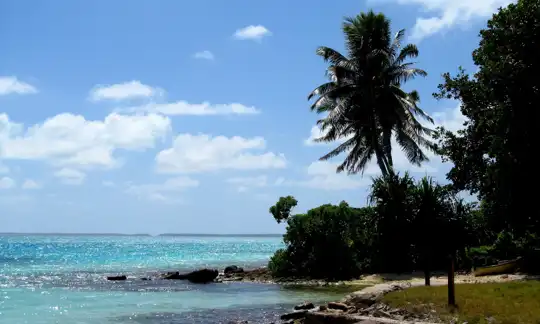
Most online blurbs make Buariki sound like a “village on a lost atoll,” but the surprise is how lived‑in and ordinary it feels: kids biking past pandanus trees, smoke from cooking fires, the slap of the tide on a very real, very used shoreline. Buariki sits on the northern end of Tarawa in Kiribati, beyond the busier government sprawl of South and Betio. For backpackers, it’s not a checklist destination; it’s a slow, local corner that works best as a base for quiet lagoon time and walks along the causeway, or as a final stop on a north‑Tarawa day exploring smaller islets. You get sand, palms, and wide sky, but also patchy shops, almost no formal tourist services, and very simple guesthouses if any. Transport is by shared trucks and minibuses that thin out after dark, so you move on local time. Compared with Betio or Bairiki, Buariki is poorer, calmer, cheaper, and more conservative; evenings are for church songs and card games, not bars or backpacker meetups. Safety is mostly about sun, tides, and respecting village space rather than crime.

Discover everything you want to know in the 📖 Kiribati Travel Guide.
Loading the map 🌍
CLICK TO FILTER
town
village
unique site
national park
beach
attraction
festival
region
SHOW COUNTRY‘S BESTSHOW ALL

✨ Why go?
Ranked #3 village in Kiribati
The unique appeal for travelers

Buariki, in Kiribati, is a gateway for backpackers seeking both adventure and a taste of local life. Its proximity to stunning hikes and pristine beaches makes it a convenient stop for those wanting to explore the natural beauty of the islands. The small-scale guesthouses and hostels here offer a cozy atmosphere, perfect for solo travelers or small groups looking to connect. You’ll find yourself sharing stories over a plate of fresh fish at a local eatery, where the scent of grilled seafood mingles with the salty sea breeze.

The streets are walkable, inviting you to wander and soak in the laid-back vibe. Many travelers linger for a few days, enjoying the friendly social atmosphere that fosters connections among backpackers. It’s not a party scene, but rather a place where you can recharge … read more 👉
Buariki, in Kiribati, is a gateway for backpackers seeking both adventure and a taste of local life. Its proximity to stunning hikes and pristine beaches makes it a convenient stop for those wanting to explore the natural beauty of the islands. The small-scale guesthouses and hostels here offer a cozy atmosphere, perfect for solo travelers or small groups looking to connect. You’ll find yourself sharing stories over a plate of fresh fish at a local eatery, where the scent of grilled seafood mingles with the salty sea breeze.

The streets are walkable, inviting you to wander and soak in the laid-back vibe. Many travelers linger for a few days, enjoying the friendly social atmosphere that fosters connections among backpackers. It’s not a party scene, but rather a place where you can recharge and immerse yourself in the culture. If you’re a slow traveler or a hiker, Buariki offers a blend of convenience and charm, making it an ideal base for your Kiribati adventure.
Get the complete Travel Guide for Kiribati
Everything organized for offline planning — routes, highlights, costs & tips

See what’s inside 👉

Get the Travel Guide -

💡 HighlightsPlaces and moments you shouldn't skip

  1. Maneaba (the village meeting house) — The social heart of Buariki where council meetings, community events and traditional dances happen. Visitors get an immediate feel for local life, architecture, and the way decisions are made in communal Kiribati culture.
  2. Village church — A focal point of daily rhythm in Buariki; attending a service or simply visiting between services offers insight into faith’s role in community life and a chance to hear local hymn-singing and meet residents.
  3. Lagoon shore and fringing reef access — Easily walkable from the village, the shallow lagoon and reef are prime for snorkeling, shell-collecting, watching fishermen launch outrigger canoes, and seeing the intertidal ecology up close.
  4. Communal canoe landing / boat shed — Where outrigger canoes are stored, repaired
  5. read more 👉
  1. Maneaba (the village meeting house) — The social heart of Buariki where council meetings, community events and traditional dances happen. Visitors get an immediate feel for local life, architecture, and the way decisions are made in communal Kiribati culture.
  2. Village church — A focal point of daily rhythm in Buariki; attending a service or simply visiting between services offers insight into faith’s role in community life and a chance to hear local hymn-singing and meet residents.
  3. Lagoon shore and fringing reef access — Easily walkable from the village, the shallow lagoon and reef are prime for snorkeling, shell-collecting, watching fishermen launch outrigger canoes, and seeing the intertidal ecology up close.
  4. Communal canoe landing / boat shed — Where outrigger canoes are stored, repaired and launched; great for watching traditional boat handling, meeting local fishers, and seeing everyday seafaring skills that sustain the village.
  5. Weaving and handicraft area — Local women’s weaving displays and stalls where mats, baskets and bracelets are made and sold; a hands-on spot to buy authentic pieces and learn basic weaving techniques.
  6. Village school and community projects — A compact, visitable site showing grassroots education and local development efforts; useful for seeing daily life, community-led initiatives, and supporting small local projects.
A few visitable highlights just outside Buariki that make easy day trips include the South Tarawa hubs (Bairiki and Betio) for markets and WWII relics, nearby islets and sandbars for full-day snorkeling and beach trips, and Bonriki area for access to transport and larger shops.
Spotted a mistake or missing something? Contact us.

⌛️ 1 daySeeing the highlights in 24 hours

Buariki, a small village on the island of Tarawa in Kiribati, is a slice of paradise where the ocean meets the sky in a dance of blues. It’s not just a stop on the map; it’s a living canvas of local culture, where the scent of saltwater mingles with the aroma of fresh coconut. Here, you can experience the rhythm of island life, far from the typical tourist path.

Start your morning with a stroll along the beach. The soft sand underfoot and the gentle lapping of waves create a serene backdrop. As the sun rises, the light glimmers on the water, inviting you to take a dip. After a refreshing swim, head to a local café for breakfast. Try the traditional coconut bread paired with a strong cup of local coffee. This simple meal is a perfect way to fuel up for the day ahead.

In the afternoon, make … read more 👉
Buariki, a small village on the island of Tarawa in Kiribati, is a slice of paradise where the ocean meets the sky in a dance of blues. It’s not just a stop on the map; it’s a living canvas of local culture, where the scent of saltwater mingles with the aroma of fresh coconut. Here, you can experience the rhythm of island life, far from the typical tourist path.

Start your morning with a stroll along the beach. The soft sand underfoot and the gentle lapping of waves create a serene backdrop. As the sun rises, the light glimmers on the water, inviting you to take a dip. After a refreshing swim, head to a local café for breakfast. Try the traditional coconut bread paired with a strong cup of local coffee. This simple meal is a perfect way to fuel up for the day ahead.

In the afternoon, make your way to the nearby village of Abaiang. It’s a short boat ride, and the journey is half the fun. The boat cuts through crystal-clear waters, and you’ll feel the wind on your face. Once there, explore the local market. The vibrant colors of fresh fruits and handmade crafts are a feast for the eyes. Engage with the locals; their warmth and stories will enrich your experience.

As the sun begins to set, return to Buariki and find a quiet spot on the beach. The sky transforms into a palette of oranges and purples, and the sound of the waves becomes a soothing soundtrack. For dinner, seek out a family-run eatery where you can savor grilled fish caught that day. The flavors are simple yet profound, a true taste of the island.

Buariki may be small, but it offers a day filled with genuine connections and breathtaking moments. Embrace the slower pace, and you’ll leave with memories that linger long after the sun has set.
Build the Right Itinerary
Use the Kiribati Travel Guide’s 2, 3 & 5-day routes as a starting point to plan a trip that actually works on the ground.

Get the Travel Guide -

🌤️ When to go?Weather, crowds, and seasonal trade-offs


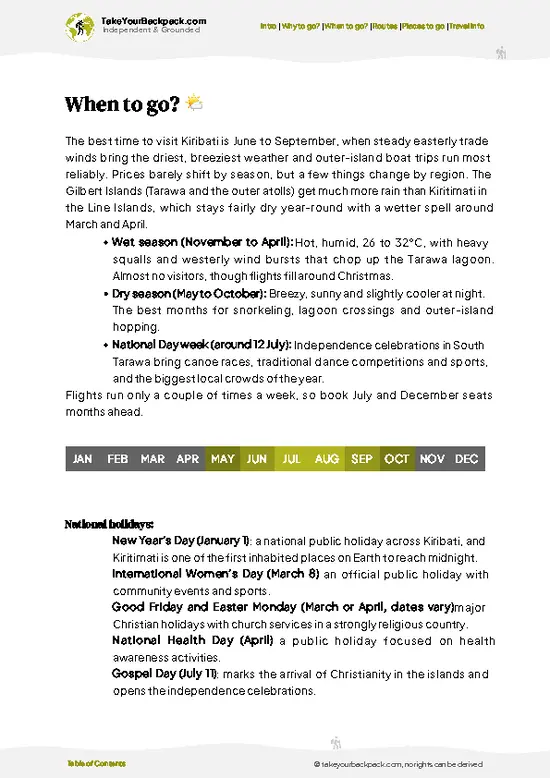
  • Topic: Weather — Buariki’s tropical climate means it’s warm year-round, but the dry season from May to October offers clearer skies and less humidity, making trekking and beach time more comfortable. The wet season, November to April, brings heavy rains and occasional cyclones, which can turn trails into mudslides and disrupt plans.

  • Topic: Temperature — Expect daily highs around 28-31°C (82-88°F) and lows rarely dipping below 24°C (75°F). The dry season feels less oppressive, with a gentle ocean breeze that cuts through the heat, while the wet season’s humidity can make even 28°C feel sticky and draining.

  • Topic: Daylight Hours — Near the equator, daylight stays steady year-round, roughly 12 hours. This consistency means you don’t have to rush your days or worry about early sunsets cutting
  • read more 👉

  • Topic: Weather — Buariki’s tropical climate means it’s warm year-round, but the dry season from May to October offers clearer skies and less humidity, making trekking and beach time more comfortable. The wet season, November to April, brings heavy rains and occasional cyclones, which can turn trails into mudslides and disrupt plans.

  • Topic: Temperature — Expect daily highs around 28-31°C (82-88°F) and lows rarely dipping below 24°C (75°F). The dry season feels less oppressive, with a gentle ocean breeze that cuts through the heat, while the wet season’s humidity can make even 28°C feel sticky and draining.

  • Topic: Daylight Hours — Near the equator, daylight stays steady year-round, roughly 12 hours. This consistency means you don’t have to rush your days or worry about early sunsets cutting hikes short.

  • Topic: Crowds — Buariki is off the beaten path, so crowds are minimal anytime. However, the dry season attracts a few more eco-tourists and local festivals, adding a bit of buzz without overwhelming the tranquility.

  • Topic: Seasonal Activities — Dry months are prime for snorkeling, fishing, and cultural events like traditional dance performances. Wet months limit outdoor activities but can be a good time to explore local crafts and village life indoors.

  • Topic: Price Fluctuations — Accommodation and transport costs tend to rise slightly during the dry season due to increased demand. Booking ahead can secure better rates, especially if you want to catch local festivals or dive excursions.


Pro-tip: Aim for June to September to catch the sweet spot of dry, breezy days and lively local culture—your gear stays dry, your skin breathes easy, and the island’s rhythm feels just right.


source: climatestotravel.comJANJanuary: fair for travelingFEBFebruary: fair for travelingMARMarch: fair for travelingAPRApril: fair for travelingMAYMay: highly recommended for travelingJUNJune: excellent for travelingJULJuly: excellent for travelingAUGAugust: excellent for travelingSEPSeptember: excellent for travelingOCTOctober: highly recommended for travelingNOVNovember: fair for travelingDECDecember: fair for traveling
when-to-go

✈️ The ultimate backpacker shortcutKiribati Travel Guide

Skip weeks of stressful planning and hit the road with confidence. Our backpacking travel guides are designed specifically for independent travelers who want practical information, realistic itineraries, and honest advice they can actually use on the ground.
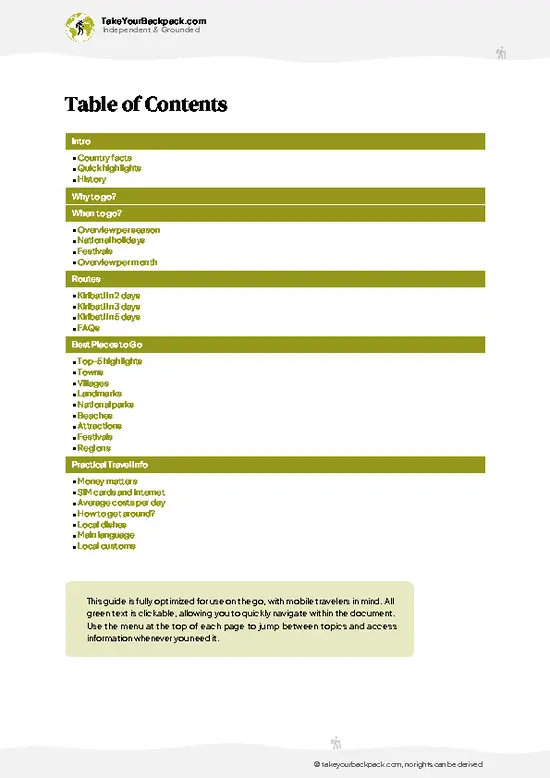
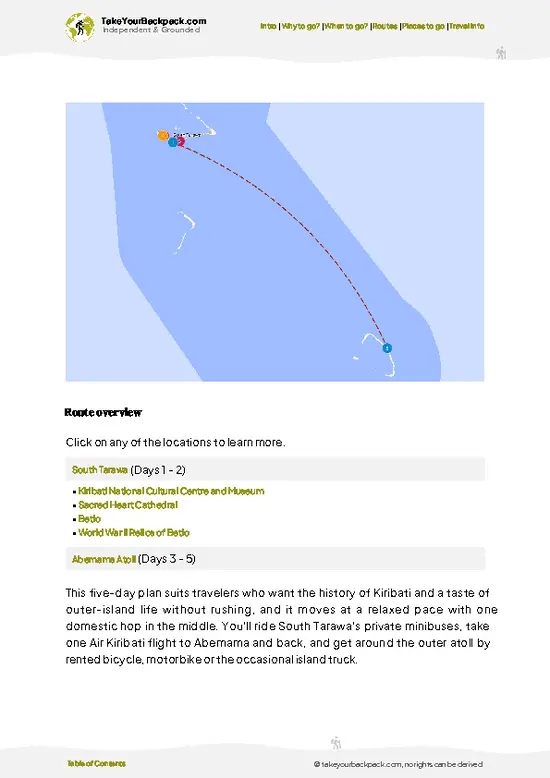
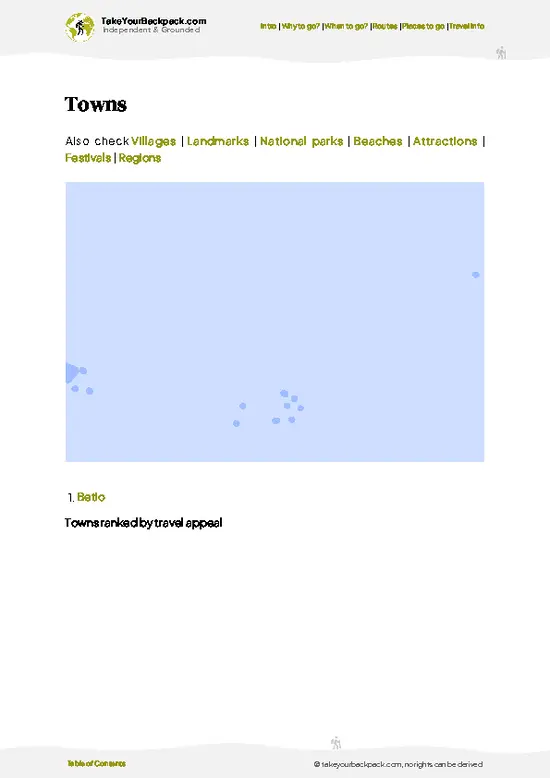
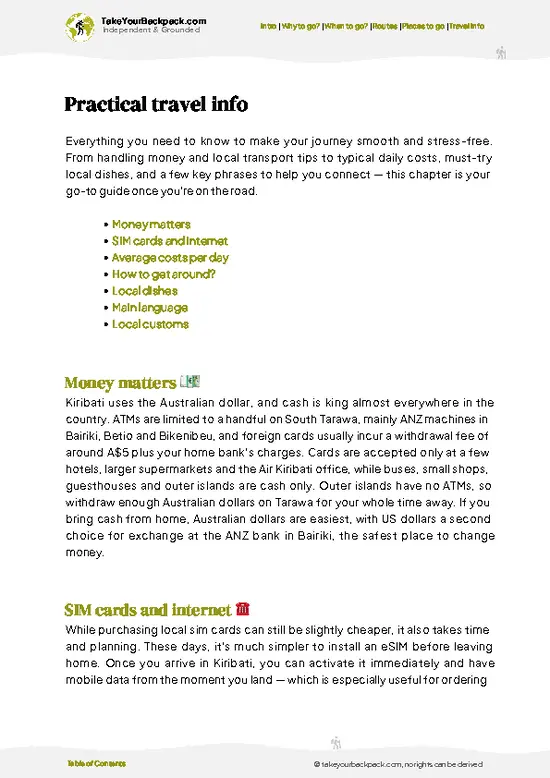
example page 0 from our offline Travel Guide for Kiribatiexample page 1 from our offline Travel Guide for Kiribatiexample page 2 from our offline Travel Guide for Kiribatiexample page 3 from our offline Travel Guide for Kiribatiexample page 4 from our offline Travel Guide for Kiribati
The guide (118 pages) contains:
2, 3 & 5-day routes paced for real travel
30 ranked highlights with honest advice
Logistics solved: Best areas to stay & transport
Safety: Common local scams to avoid
No Wi-Fi? No problem: Phone-optimized offline PDF
👉 See all 30+ guide features

📅 Plan smarter in minutes, not weeks
Realistic travel times & pacing
Best months per region
Festivals & national holidays
Budget expectations

🗺️ Go to the right places, skip the overrated ones
30 ranked highlights across the country
Hidden gems beyond the tourist trail
Honest pros & cons of destinations
Top hikes, parks & viewpoints
Lesser-known places most travelers miss
Clear “worth it vs skip it” guidance

🛏️ Travel smoothly without rookie mistakes
Best areas to stay
Transport systems explained simply
Local transport tradeoffs
Common scams & safety advice
SIM cards, money & practical tips
What to expect before arrival

🌍 Understand the country, not just visit it
Culture & traditions
52 Essential phrases & customs
Festivals worth planning around
Traveler-friendly historical context
Insights that make places more meaningful

📱 Built for real travel conditions
Fully downloadable PDF
Works completely offline
Optimized for phone use
Useful in remote areas & buses
Everything in one place
Save weeks of stressful planning
Get instant access to the full guide directly. 30-day money-back guarantee.


Sent to your inbox immediately after payment • 100% Secure Checkout
Best Backpacking Travel Advisor 2025 tourism awardBest Backpacking
Travel Advisor
2025
What others say about Take Your Backpack Guides:
⭐⭐⭐⭐⭐
Fantastic, amazing amount of information!
⭐⭐⭐⭐⭐
My goodness this is amazing, it's what I've been looking for hats off too you!
⭐⭐⭐⭐⭐
I think this is absolutely BRILLIANT
⭐⭐⭐⭐
Very complete and informative. It's still missing places, but I gotta to commend you
⭐⭐⭐⭐⭐
This is truly amazing, thank you, can't wait to explore it with my kids!
⭐⭐⭐⭐⭐
Awesome resource, thank you!
⭐⭐⭐⭐⭐
This is amazing! Can't wait to explore the ones I haven't seen
⭐⭐⭐⭐
I love this! Well done, great idea.
⭐⭐⭐⭐⭐
Thanks for taking the time to make this gem!
⭐⭐⭐⭐⭐
This might be the best website I've ever seen.
⭐⭐⭐⭐⭐
Congratulations, and thank you so much for your work; it's incredibly valuable.
⭐⭐⭐⭐
In all seriousness I think you did a great job pointing out the important spots
⭐⭐⭐⭐⭐
10/10 very good
⭐⭐⭐⭐⭐
As someone who's only just starting to visit regularly this is awesome, thank you.
⭐⭐⭐⭐
Thank you very much! I'm going to visit my dad, it's going to be very useful!
⭐⭐⭐⭐⭐
This is really cool! We'll be travelling for the first time and this definitely come in handy.
⭐⭐⭐⭐⭐
You are now our minister of culture, congratulations 👨‍💼
⭐⭐⭐⭐⭐
Just wanted to tell you that this is a pearl! Going to follow your recommendations.
⭐⭐⭐⭐⭐
This is so cool. I'll definitely be using the resource for my travels soon.
⭐⭐⭐⭐⭐
This is very impressive! Good work.
⭐⭐⭐⭐⭐
This is an amazing and informative site. Very well done!

🛏️ Where to stay?Best areas and accommodation options

In Buariki, Kiribati, the best spot for backpackers is the area around the main village center near the lagoon’s edge. This is where you’ll find the pulse of local life—fishermen hauling nets at dawn, kids splashing in the shallow water, and elders chatting under the shade of coconut palms. It’s safe, with a laid-back vibe that invites conversation and connection without the pressure of tourist crowds. The air here carries the salty tang of the ocean mixed with the faint, sweet scent of pandanus leaves drying in the sun.

Compared to the more remote stretches of the island, this neighborhood offers … read more 👉
In Buariki, Kiribati, the best spot for backpackers is the area around the main village center near the lagoon’s edge. This is where you’ll find the pulse of local life—fishermen hauling nets at dawn, kids splashing in the shallow water, and elders chatting under the shade of coconut palms. It’s safe, with a laid-back vibe that invites conversation and connection without the pressure of tourist crowds. The air here carries the salty tang of the ocean mixed with the faint, sweet scent of pandanus leaves drying in the sun.

Compared to the more remote stretches of the island, this neighborhood offers practical perks: easy access to communal kitchens, informal guesthouses, and the occasional hostel-style setup where solo travelers gather. These places aren’t flashy, but they’re clean and welcoming, often run by locals who’ll share stories and tips over a cup of strong, sweet tea. The social atmosphere is relaxed but genuine—perfect for swapping travel tales or planning your next day’s adventure.

Staying closer to the village center means you avoid the isolation of outlying areas, where transport is scarce and the silence can feel heavy after dark. Here, you get the best of both worlds: a safe, social base with the raw beauty of Kiribati’s coast just steps away.

🚌 Getting aroundHow to get from A to B

Buariki moves at its own rhythm — not the frantic pulse of a city, but a steady, sun-drenched beat that feels both deliberate and a little loose around the edges. The air carries the salt of the nearby ocean, mingling with the scent of wood smoke and tropical flowers. Here, time isn’t measured by strict schedules but by the rising and setting sun, the ebb and flow of tides, and the chatter of locals settling into their day. You won’t find a clock dictating your steps; instead, you’ll learn to read the subtle cues of the town’s natural pace. This isn’t a place to rush, but if you want to move smartly, knowing the transit options and their quirks will save you from waiting under the blazing sun or missing a crucial connection.


  • Walking: The heart of Buariki is compact enough to explore on
  • read more 👉
Buariki moves at its own rhythm — not the frantic pulse of a city, but a steady, sun-drenched beat that feels both deliberate and a little loose around the edges. The air carries the salt of the nearby ocean, mingling with the scent of wood smoke and tropical flowers. Here, time isn’t measured by strict schedules but by the rising and setting sun, the ebb and flow of tides, and the chatter of locals settling into their day. You won’t find a clock dictating your steps; instead, you’ll learn to read the subtle cues of the town’s natural pace. This isn’t a place to rush, but if you want to move smartly, knowing the transit options and their quirks will save you from waiting under the blazing sun or missing a crucial connection.


  • Walking: The heart of Buariki is compact enough to explore on foot, with dirt paths and shaded lanes weaving between homes, markets, and the shoreline. Walking is free, flexible, and the best way to soak in the scents of frangipani and sea salt, but be ready for uneven ground and occasional muddy patches after rain.


  • Local Minibus Taxi: These shared rides are the budget traveler’s lifeline for longer distances, like hopping between Buariki and nearby villages. They don’t run on a strict timetable — expect departures when the vehicle fills up, usually between 7 a.m. and 5 p.m. The fare is low, often just a few dollars, but the ride can be bumpy and crowded, so hold on tight and enjoy the lively local banter.


  • Bicycle Rentals: Renting a bike is a smart move if you want to cover more ground without losing the freedom of the open air. Bikes are affordable and available from small shops near the center. The terrain is mostly flat but watch for sandy stretches that can slow you down. Early morning or late afternoon rides offer cooler temperatures and softer light for better photos.


  • Motorbike Taxi (Okada): For quicker trips or when you’re pressed for time, motorbike taxis zip through the narrow paths and avoid traffic jams. They operate from dawn until dusk, charging a bit more than minibuses but still budget-friendly. The wind in your face and the smell of earth after rain make these rides memorable — just wear a helmet and hold on.


  • Boat Transfers: If your journey includes hopping between islands or coastal spots, small boats run irregularly depending on weather and demand. Prices vary, and schedules are flexible, so it’s best to arrange rides through local contacts or guesthouses. The salty spray and rhythmic rocking of the boat are part of the experience, but be prepared for sudden changes in plans.

👛 Costs (as of 22 April 2026)Typical daily expenses

Backpacking in Buariki, Kiribati, means embracing simplicity and the slow rhythm of island life, but it’s not without its costs. Here’s a clear breakdown of what you’ll likely spend each day.
  • Dorm Accommodation: Options are extremely limited in Buariki, with no formal hostels. Basic guesthouses or homestays are your go-to, often charging around $10 to $20 USD per night. Expect simple rooms with minimal amenities, sometimes shared bathrooms, but the chance to connect with locals directly.
  • Meals: Food here leans heavily on fresh fish, coconut, and root vegetables. Local meals at small eateries or markets typically cost between $3 and $7 USD. Cooking your own food is rare due to limited grocery options, so budget accordingly for three meals a day.
  • Local Transport: Transport is sparse and informal.
  • read more 👉
Backpacking in Buariki, Kiribati, means embracing simplicity and the slow rhythm of island life, but it’s not without its costs. Here’s a clear breakdown of what you’ll likely spend each day.
  • Dorm Accommodation: Options are extremely limited in Buariki, with no formal hostels. Basic guesthouses or homestays are your go-to, often charging around $10 to $20 USD per night. Expect simple rooms with minimal amenities, sometimes shared bathrooms, but the chance to connect with locals directly.
  • Meals: Food here leans heavily on fresh fish, coconut, and root vegetables. Local meals at small eateries or markets typically cost between $3 and $7 USD. Cooking your own food is rare due to limited grocery options, so budget accordingly for three meals a day.
  • Local Transport: Transport is sparse and informal. Walking is often your best bet, but if you need a ride, expect to pay around $2 to $5 USD for short trips by shared taxi or boat. There’s no regular public transport, so flexibility and patience are key.
  • Basic Activities/Entry Fees: Most activities revolve around nature and community visits, which are either free or ask for a small donation, usually under $5 USD. Organized tours are rare and can be pricier if arranged through outside operators.
  • Miscellaneous Expenses: Think essentials like bottled water, snacks, or phone credit. These can add up to about $2 to $5 USD daily, especially since imported goods are costly and not always available.

The daily budget for backpacking in Buariki typically falls between $20 and $40 USD. This range reflects the island’s basic infrastructure and limited services, but it also means your money goes directly into local hands and authentic experiences. The trade-off is a slower pace and fewer conveniences, but the payoff is a raw, unfiltered connection to this remote corner of Kiribati.
⚠️ Prices can change and everyone travels differently, so take this as a rough guide. Hope it helps you plan your adventure!

🚌 Day tripsWhere to go beyond the main area

Buariki, Kiribati, is a backpacker’s dream base for day trips, offering a blend of culture, adventure, and stunning landscapes. The laid-back vibe of the town sets the stage for exploration, making it easy to dive into the heart of the islands.

Snorkeling at Aitutaki Lagoon
This trip is a must for underwater enthusiasts. The vibrant coral gardens and schools of fish are a feast for the eyes. It’s about a 30-minute boat ride from Buariki, and you’ll want to budget around $30 for the trip. The best time to go is during the dry season, from May to October, when the waters are calm and visibility is at its peak. A common mistake? Forgetting to bring a waterproof camera. You’ll want to capture those colorful fish and the mesmerizing blue waters.


Cultural Tour of Tarawa
Immerse yourself … read more 👉
Buariki, Kiribati, is a backpacker’s dream base for day trips, offering a blend of culture, adventure, and stunning landscapes. The laid-back vibe of the town sets the stage for exploration, making it easy to dive into the heart of the islands.

Snorkeling at Aitutaki Lagoon
This trip is a must for underwater enthusiasts. The vibrant coral gardens and schools of fish are a feast for the eyes. It’s about a 30-minute boat ride from Buariki, and you’ll want to budget around $30 for the trip. The best time to go is during the dry season, from May to October, when the waters are calm and visibility is at its peak. A common mistake? Forgetting to bring a waterproof camera. You’ll want to capture those colorful fish and the mesmerizing blue waters.


Cultural Tour of Tarawa
Immerse yourself in local life with a day trip to Tarawa. It’s a 45-minute ride by bus, costing roughly $5. You’ll visit traditional villages, witness local crafts, and maybe even catch a dance performance. The best time to visit is during the morning when the markets are bustling with fresh produce and handmade goods. Many first-timers rush through without engaging with locals. Take your time; a smile and a simple “Mauruuru” (thank you) can open doors to deeper connections.


Exploring the Outer Islands
For the adventurous spirit, a day trip to the outer islands is unforgettable. You can hop on a local ferry, which takes about an hour and costs around $15. The islands offer pristine beaches and a chance to experience untouched nature. Aim for the dry season for the best weather. A common rookie mistake is underestimating the ferry schedule; it can be sporadic, so plan ahead to avoid being stranded.


Hiking to the Buariki Lookout
This hike is a hidden treasure. Just a short 20-minute trek from town, it offers panoramic views of the coastline and surrounding islands. It’s free, making it a perfect budget-friendly option. Early morning is ideal for cooler temperatures and fewer clouds. Many hikers miss the trailhead; look for the small sign near the local school. The reward is worth the effort.


Each of these trips offers a unique slice of Kiribati life, ensuring your experience is rich and rewarding.
Want to know what more Kiribati offers?
The Kiribati Travel Guide describes 30 highlights, from cities to national parks, from beaches to hikes

Get the Travel Guide -

🛡️ SafetyScams, Hazards, and Annoyances

Buariki, Kiribati, is generally safe, but a few practical tips can enhance your experience. The town has a laid-back vibe, but that doesn’t mean you should let your guard down completely. Be mindful in crowded areas, especially near local markets where distractions can lead to minor annoyances like someone bumping into you while trying to sell something.

If you’re traveling solo, keep your plans flexible but informed. Nighttime can feel quiet, but it’s wise to stick to well-lit paths and avoid wandering too far from your accommodations. The locals are friendly, but a smile and a respectful demeanor go a long way in building rapport.

Scams are rare, but be cautious of overly eager vendors. If a deal feels too good to be true, it probably is. Carry small bills for purchases; it simplifies … read more 👉
Buariki, Kiribati, is generally safe, but a few practical tips can enhance your experience. The town has a laid-back vibe, but that doesn’t mean you should let your guard down completely. Be mindful in crowded areas, especially near local markets where distractions can lead to minor annoyances like someone bumping into you while trying to sell something.

If you’re traveling solo, keep your plans flexible but informed. Nighttime can feel quiet, but it’s wise to stick to well-lit paths and avoid wandering too far from your accommodations. The locals are friendly, but a smile and a respectful demeanor go a long way in building rapport.

Scams are rare, but be cautious of overly eager vendors. If a deal feels too good to be true, it probably is. Carry small bills for purchases; it simplifies transactions and minimizes the chance of confusion. Overall, stay aware, be respectful, and enjoy the genuine warmth of Buariki.

Other I-Kiribati villages near Buariki

Explore more nearby:

  • Onotoa—saltwater ponds, coral causeways, isolated settlements| 476 km away
  • Tamana Island—single main road, lagoon shoreline, traditional maneaba, coconut groves| 567 km away

👉 Discover all villages

Or checkout all Kiribati has to offer (think cities, towns, villages, national parks, hikes, beaches, festivals)
Country photo of Kiribati

We 💚 feedbackSumming up the experience

Buariki has a laid-back vibe that feels like a warm embrace. The best surprise? The locals’ genuine smiles and their willingness to share stories over fresh coconut water. You’ll find a rhythm here that’s slow but rich, perfect for soaking in the sunsets. Just a heads-up: the roads can be rough, so don’t rush. Embrace the bumps; they lead to unforgettable moments. Trust me, the journey is part of the magic.

✍️ Help improve this page!
The information on this page is based on in-depth research, insights shared by experienced travelers, and feedback from the local travel community in Kiribati. While every effort is made to keep the information accurate and current, conditions can change — so if you spot anything incorrect or outdated, please get in touch.


🙋‍♂️ Give feedback

👋 Meet the founderWho’s Behind Take Your Backpack?

Johan, backpacker and founder of TakeYourBackpackHi, I’m Johan (Netherlands 🇳🇱), the creator of TakeYourBackpack. Over the past decade, I’ve backpacked through 80+ countries across six continents, gaining extensive experience with independent travel, long-term trips, and overland routes.

This site is built on a combination of firsthand travel experience and carefully curated insights from other backpackers. Many guides are based on places I’ve personally visited, while others bring together tips, observations, and practical advice shared by trusted travelers I’ve met along the way.

The goal is to provide realistic, experience-driven guidance — not generic itineraries — so you can explore destinations with better context, clearer expectations, and more confidence.

Get Full Country Guide |
Instant download • 30 highlights • Full Offline guide