


×

Kiribati🇰🇮 | villagesOnotoasaltwater ponds, coral causeways, isolated settlements | things to do and best time to go

Explore BuarikiExplore Tamana Island

Backpacking in Onotoa
👌 Worth visitingvillage ranked #3
By Johan Kruseman 🇳🇱 | Updated September 4, 2026

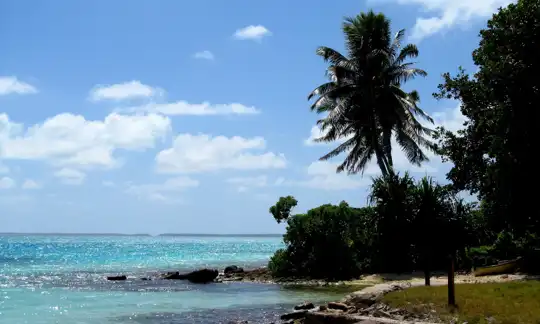
Most online blurbs make Onotoa sound like a single sleepy dot, but for a backpacker the surprise is that it’s a long, broken-up atoll where moving between villages can feel like a mini‑expedition, not a stroll. Onotoa sits in the southern Gilbert Islands of Kiribati, far from the slightly busier hub of Tarawa, and the main settlement feels more like an extended village than a “town.” You come here as a pause in the chain of outer islands, not for nightlife or cafés, but for quiet lagoon light, soft sand underfoot, and the slow rhythm of fishing boats. Boats or occasional flights make it reachable but not exactly convenient, and once you’re here you mostly walk or hitch short rides. It’s cheaper and calmer than South Tarawa, less dramatic than islands like Abaiang, and far more about patient, low-key immersion than ticking sights.

Discover everything you want to know in the 📖 Kiribati Travel Guide.


Get your Kiribati guide
31 ranked highlights, routes & tips, works offline (147 pages)
Loading the map 🌍
CLICK TO FILTER
towns
villages
landmarks
national parks
beaches
attractions
festivals
regions
SHOW COUNTRY’S BESTSHOW ALL

✨ Why go?
Ranked #3 village in Kiribati
Why visitors keep coming back

Backpackers flock to Onotoa in Kiribati for its strategic location along the route to more remote islands. It’s a gateway for those seeking hikes through lush landscapes or beaches that feel like they belong in a postcard. The small-scale hostels and guesthouses here offer a cozy atmosphere, making it easy to connect with fellow travelers. You’ll find local food experiences that are both affordable and delicious, with fresh fish and coconut dishes that capture the essence of the islands.

The walkable streets invite exploration, whether you’re wandering to the market or chatting with locals. Most travelers tend to stay for a few days, soaking in the friendly social atmosphere that encourages sharing stories over a meal or a sunset. This place suits slow travelers and solo adventurers who appreciate … read more 👉
Backpackers flock to Onotoa in Kiribati for its strategic location along the route to more remote islands. It’s a gateway for those seeking hikes through lush landscapes or beaches that feel like they belong in a postcard. The small-scale hostels and guesthouses here offer a cozy atmosphere, making it easy to connect with fellow travelers. You’ll find local food experiences that are both affordable and delicious, with fresh fish and coconut dishes that capture the essence of the islands.

The walkable streets invite exploration, whether you’re wandering to the market or chatting with locals. Most travelers tend to stay for a few days, soaking in the friendly social atmosphere that encourages sharing stories over a meal or a sunset. This place suits slow travelers and solo adventurers who appreciate a laid-back vibe. If you’re looking for a vibrant nightlife scene, you won’t find it here; instead, you’ll discover a tranquil setting that rewards those willing to embrace its simplicity.
Want to include Onotoa in your Kiribati route?
Create a personalized Kiribati itinerary that includes Onotoa and the places that fit your trip — based on your travel style, budget, and available time. Get your route in seconds.

Generate my trip

💡 HighlightsTop highlights of Onotoa

  • The village maneaba (traditional meeting house) — The social and political heart of Onotoa where island council meetings, dances, community discussions and ceremonies happen; visiting lets you see authentic architecture, lacquered wooden posts, and daily life centered around the big communal floor.
  • Onotoa village church — The main church is where almost everyone gathers weekly; services, hymn-singing and Sunday-hour socializing offer direct insight into the island’s spiritual life and how faith structures community routines.
  • Boat landing and lagoon entrance — The main landing spot and nearby pass give a clear sense of how people and supplies arrive, plus the best practical access for fishing, snorkeling the reef edge, and watching local boats (te or roro) come and go.
  • Pulaka (underground
read more 👉
  • The village maneaba (traditional meeting house) — The social and political heart of Onotoa where island council meetings, dances, community discussions and ceremonies happen; visiting lets you see authentic architecture, lacquered wooden posts, and daily life centered around the big communal floor.
  • Onotoa village church — The main church is where almost everyone gathers weekly; services, hymn-singing and Sunday-hour socializing offer direct insight into the island’s spiritual life and how faith structures community routines.
  • Boat landing and lagoon entrance — The main landing spot and nearby pass give a clear sense of how people and supplies arrive, plus the best practical access for fishing, snorkeling the reef edge, and watching local boats (te or roro) come and go.
  • Pulaka (underground taro) pits and village food gardens — Pulaka pits are visible throughout the village area and show traditional subsistence practices; seeing them explains how families grow staples on coral atolls and how food storage and social sharing work here.
  • Community copra-drying and coconut yards — Small drying racks and copra yards near homes demonstrate the island’s most common cash activity; you can watch the process, meet people who work it, and learn about local seasonal rhythms.
  • Village cemetery and ancestral memorial sites — Family plots and memorial stones tell local histories and genealogy; respectful visits reveal how identity and lineage are kept alive on the atoll.
  • Primary school compound and sports area — The school is a lively, visitable place showing daily life and local youth culture: classes, playground games, and community events give a snapshot of how education shapes the village.
Outside the village, the atoll’s lagoon, nearby motu (small islets), and outer reef passes are real, visitable highlights for snorkeling, reef fishing and exploring uninhabited sandbanks on day trips.
Spotted a mistake or missing something? Contact us.

⌛️ 1 day1-day itinerary for Onotoa

Onotoa, a small island town in Kiribati, is a slice of paradise where the ocean meets a vibrant local culture. The air is thick with the scent of salt and coconut, and the rhythm of life here is slow, inviting you to savor every moment.

Start your day early with a stroll along the beach at dawn. The sun rises like a molten gold coin, casting shimmering reflections on the water. Grab a breakfast of fresh fruit from a local vendor—think juicy papaya and sweet bananas. This is not just a meal; it’s a taste of the island’s bounty.

After breakfast, head to the village center. Here, you can visit the local church, a hub of community life. The architecture is simple yet striking, with vibrant murals that tell stories of faith and resilience. Engage with locals; they’re often eager to share tales … read more 👉
Onotoa, a small island town in Kiribati, is a slice of paradise where the ocean meets a vibrant local culture. The air is thick with the scent of salt and coconut, and the rhythm of life here is slow, inviting you to savor every moment.

Start your day early with a stroll along the beach at dawn. The sun rises like a molten gold coin, casting shimmering reflections on the water. Grab a breakfast of fresh fruit from a local vendor—think juicy papaya and sweet bananas. This is not just a meal; it’s a taste of the island’s bounty.

After breakfast, head to the village center. Here, you can visit the local church, a hub of community life. The architecture is simple yet striking, with vibrant murals that tell stories of faith and resilience. Engage with locals; they’re often eager to share tales of their ancestors and traditions. This connection is what makes Onotoa special.

In the afternoon, make your way to the less-trodden path leading to the mangroves. This area is often overlooked by tourists, but it’s a treasure trove of biodiversity. The air is thick with the earthy scent of mud and the sound of birds flitting through the branches. Bring your camera; the interplay of light and shadow here is mesmerizing.

As evening approaches, return to the beach for a sunset picnic. Pick up some grilled fish from a nearby stall—it’s fresh and flavorful. Lay back on the sand, watching the sky transform into a canvas of oranges and purples.

End your day by joining a local gathering, where music and laughter fill the air. This is where you’ll truly feel the heartbeat of Onotoa, a place where every moment is a reminder of life’s simple joys.
Turn your Onotoa visit into an Kiribati adventure
Build a complete Kiribati route with Onotoa, hidden gems, must-see destinations, and realistic travel times included.

Generate my trip

🌤️ When to go?Weather, crowds, and seasonal trade-offs


  • Weather: Onotoa’s tropical climate means it’s warm year-round, but the dry season from May to October offers clearer skies and less humidity. The wet season, November to April, brings heavy rains and occasional storms, which can dampen outdoor plans and make trails slippery.

  • Temperature: Expect highs around 28-31°C (82-88°F) during the dry months, with nights cooling to a comfortable 23-25°C (73-77°F). The wet season feels hotter and stickier, pushing highs closer to 33°C (91°F), which can be draining if you’re hiking or exploring.

  • Daylight Hours: Near the equator, daylight stays steady year-round, roughly 12 hours daily. This consistency means you don’t have to rush your days but plan for early starts to beat midday heat.

  • Crowds: Onotoa is off the beaten path, so crowds are minimal
read more 👉

  • Weather: Onotoa’s tropical climate means it’s warm year-round, but the dry season from May to October offers clearer skies and less humidity. The wet season, November to April, brings heavy rains and occasional storms, which can dampen outdoor plans and make trails slippery.

  • Temperature: Expect highs around 28-31°C (82-88°F) during the dry months, with nights cooling to a comfortable 23-25°C (73-77°F). The wet season feels hotter and stickier, pushing highs closer to 33°C (91°F), which can be draining if you’re hiking or exploring.

  • Daylight Hours: Near the equator, daylight stays steady year-round, roughly 12 hours daily. This consistency means you don’t have to rush your days but plan for early starts to beat midday heat.

  • Crowds: Onotoa is off the beaten path, so crowds are minimal anytime. However, the dry season attracts a few more visitors, especially from July to September, so expect a slightly livelier atmosphere then.

  • Seasonal Activities: Dry months are prime for snorkeling, fishing, and trekking, with calmer seas and clearer water. The wet season limits water activities due to rougher seas and reduced visibility.

  • Price Fluctuations: Prices for accommodation and transport tend to rise modestly during the dry season, reflecting the small uptick in visitors. Booking ahead during this time secures better rates and availability.


Pro-tip: Aim for late May or early October to catch the sweet spot—pleasant weather, fewer crowds, and better prices—so you can savor Onotoa’s raw beauty without the hassle.


source: climatestotravel.comJANJanuary: fair for travelingFEBFebruary: fair for travelingMARMarch: fair for travelingAPRApril: fair for travelingMAYMay: highly recommended for travelingJUNJune: highly recommended for travelingJULJuly: excellent for travelingAUGAugust: excellent for travelingSEPSeptember: excellent for travelingOCTOctober: highly recommended for travelingNOVNovember: fair for travelingDECDecember: fair for traveling
when-to-go

✈️ The backpacker research shortcutKiribati Travel Guide

An offline-friendly backpacking guide with optimized travel routes, ranked highlights, transport advice, and the best areas to stay.
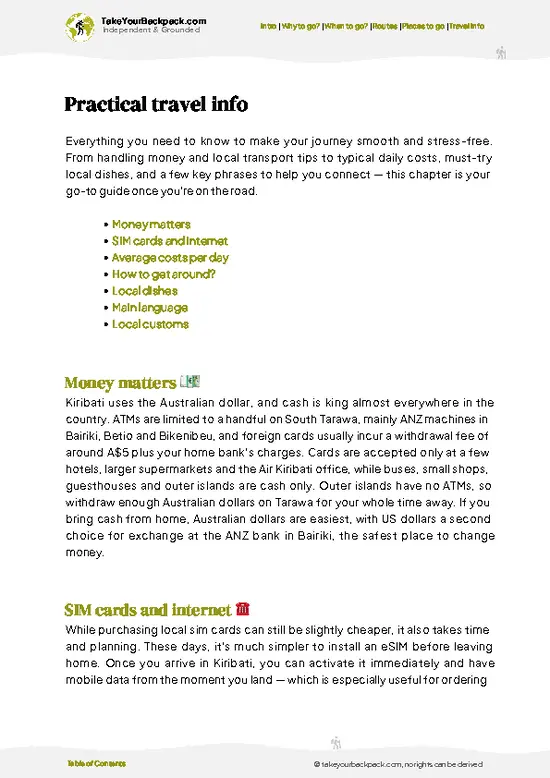
example page 0 from our offline Travel Guide for Kiribati
example page 1 from our offline Travel Guide for Kiribati
example page 2 from our offline Travel Guide for Kiribati
example page 3 from our offline Travel Guide for Kiribati
example page 4 from our offline Travel Guide for Kiribati
example page 5 from our offline Travel Guide for Kiribati
example page 6 from our offline Travel Guide for Kiribati
example page 7 from our offline Travel Guide for Kiribati
The digital guide (147 pages) contains:
31 highlights, ranked by travel appeal
Optimized 2, 3 & 5-day travel routes
Cities, national parks, landmarks, beaches
How to get around
Offline-friendly for travel without Wi-Fi
👉 Click to see all 30+ guide features

📅 Plan smarter in minutes, not weeks
Month by month travel advice
Festivals & national holidays
Budget expectations

🗺️ Go to the right places, skip the overrated ones
Honest pros & cons of destinations
Top hikes, parks & viewpoints
Lesser-known places most travelers miss
Clear “worth it vs skip it” guidance

🛏️ Travel smoothly without rookie mistakes
Best areas to stay
Transport systems explained simply
Common scams & safety advice
SIM cards, money & practical tips

🌍 Understand the country, not just visit it
Culture & traditions
52 Essential phrases & customs
Festivals worth planning around
Traveler-friendly historical context
Insights that make places more meaningful

📱 Built for real travel conditions
Fully downloadable PDF
Works completely offline
Optimized for phone use
Useful in remote areas & buses
Everything in one place
Save weeks of stressful planning
Get instant access to your full guide. 30‑day money-back guarantee.
+ Add another guide for just US$7.80

By proceeding you agree to our terms.
Sent to your inbox immediately after payment • 100% Secure Checkout
Best Backpacking Travel Advisor 2025 tourism awardBest Backpacking
Travel Advisor
2025
What others say about Take Your Backpack Guides:
⭐⭐⭐⭐⭐
Fantastic, amazing amount of information!
⭐⭐⭐⭐⭐
My goodness this is amazing, it's what I've been looking for hats off too you!
⭐⭐⭐⭐⭐
I think this is absolutely BRILLIANT
⭐⭐⭐⭐
Very complete and informative. It's still missing places, but I gotta to commend you
⭐⭐⭐⭐⭐
This is truly amazing, thank you, can't wait to explore it with my kids!
⭐⭐⭐⭐⭐
Awesome resource, thank you!
⭐⭐⭐⭐⭐
This is amazing! Can't wait to explore the ones I haven't seen
⭐⭐⭐⭐
I love this! Well done, great idea.
⭐⭐⭐⭐⭐
Thanks for taking the time to make this gem!
⭐⭐⭐⭐⭐
This might be the best website I've ever seen.
⭐⭐⭐⭐⭐
Congratulations, and thank you so much for your work; it's incredibly valuable.
⭐⭐⭐⭐
In all seriousness I think you did a great job pointing out the important spots
⭐⭐⭐⭐⭐
10/10 very good
⭐⭐⭐⭐⭐
As someone who's only just starting to visit regularly this is awesome, thank you.
⭐⭐⭐⭐
Thank you very much! I'm going to visit my dad, it's going to be very useful!
⭐⭐⭐⭐⭐
This is really cool! We'll be travelling for the first time and this definitely come in handy.
⭐⭐⭐⭐⭐
You are now our minister of culture, congratulations 👨‍💼
⭐⭐⭐⭐⭐
Just wanted to tell you that this is a pearl! Going to follow your recommendations.
⭐⭐⭐⭐⭐
This is so cool. I'll definitely be using the resource for my travels soon.
⭐⭐⭐⭐⭐
This is very impressive! Good work.
⭐⭐⭐⭐⭐
This is an amazing and informative site. Very well done!

🛏️ Where to stay?Choosing the right base

Onotoa is a quiet atoll, so your choice of where to stay isn’t about bustling neighborhoods but about finding the right slice of local life that feels welcoming and safe. The best area for backpackers is near the main village center on the western side of the atoll. This spot is where you’ll find the heart of community activity—fishermen unloading their catch, kids playing barefoot in the sand, and locals gathering around simple shops and communal spaces. It’s low-key but alive, with a rhythm that invites conversation and connection.

Compared to the more isolated eastern stretches, this area … read more 👉
Onotoa is a quiet atoll, so your choice of where to stay isn’t about bustling neighborhoods but about finding the right slice of local life that feels welcoming and safe. The best area for backpackers is near the main village center on the western side of the atoll. This spot is where you’ll find the heart of community activity—fishermen unloading their catch, kids playing barefoot in the sand, and locals gathering around simple shops and communal spaces. It’s low-key but alive, with a rhythm that invites conversation and connection.

Compared to the more isolated eastern stretches, this area offers a natural social hub. You won’t find hostels in the traditional sense, but small guesthouses and family-run homestays cluster here, offering budget-friendly options and a chance to immerse yourself in daily island life. The vibe is relaxed, with the salty ocean breeze carrying the scent of coconut and seaweed, and evenings often end with shared meals under starlit skies. Staying here means you’re not just passing through; you’re stepping into the pulse of Onotoa, where safety comes from community, and every interaction feels genuine.

🚌 Getting aroundHow to get from A to B

Onotoa moves at the pace of the ocean tides—steady, deliberate, and shaped by the sun’s arc rather than a clock’s tick. This isn’t a place where you’ll find rigid timetables or a rush-hour crush. Instead, the rhythm is organic, guided by the fishermen’s early departures and the quiet lull of midday heat. The air carries a salty tang, mixed with the faint scent of coconut husks burning in village fires. Here, getting around isn’t about speed; it’s about syncing with the natural flow of island life. Understanding this flow means you won’t just avoid frustration—you’ll tap into the island’s pulse, making every step feel like part of the story.


  • Walking: The backbone of getting around Onotoa. The island’s compact size means you can reach most villages and beaches on foot within 30 to 60 minutes.
read more 👉
Onotoa moves at the pace of the ocean tides—steady, deliberate, and shaped by the sun’s arc rather than a clock’s tick. This isn’t a place where you’ll find rigid timetables or a rush-hour crush. Instead, the rhythm is organic, guided by the fishermen’s early departures and the quiet lull of midday heat. The air carries a salty tang, mixed with the faint scent of coconut husks burning in village fires. Here, getting around isn’t about speed; it’s about syncing with the natural flow of island life. Understanding this flow means you won’t just avoid frustration—you’ll tap into the island’s pulse, making every step feel like part of the story.


  • Walking: The backbone of getting around Onotoa. The island’s compact size means you can reach most villages and beaches on foot within 30 to 60 minutes. Paths are often sandy or coral-strewn, so sturdy sandals or barefoot are your best bets. Walking lets you soak in the tactile feel of sun-warmed coral, the crunch of shells underfoot, and the occasional splash of seawater from the lagoon’s edge.


  • Bicycle Rental: Available in the main village, bicycles offer a faster, more flexible way to explore. Rentals typically cost around $5–$7 per day. The terrain is mostly flat but can get rough with coral patches, so a mountain or hybrid bike is ideal. Early mornings and late afternoons are the best times to ride, avoiding the midday heat that can sap your energy and make the island’s sun feel relentless.


  • Outrigger Canoes: For crossing between islets or fishing villages, local outrigger canoes are the authentic choice. They don’t run on a fixed schedule but depart when enough passengers gather or when fishermen head out. Expect to pay a small fee, usually under $3, and be ready for a slow, rhythmic paddle that lets you feel the ocean’s pulse beneath you. It’s less about speed and more about connection.


  • Shared Minibus: Onotoa has a limited minibus service connecting key villages, but it’s infrequent and often waits to fill up before leaving. Runs typically start around 7:00 AM and wind down by 5:00 PM. Tickets cost about $2–$4. It’s a budget-friendly option if you’re not in a hurry and want to travel like a local, sharing stories and space with island residents.

👛 Costs (as of 4 September 2026)Typical daily expenses

Backpacking in Onotoa, Kiribati, means embracing a slow, simple pace where every dollar counts and the rewards come from genuine connection rather than flashy comforts. Here’s what you’re looking at for daily expenses:
  • Dorm Accommodation: Onotoa’s options are extremely limited, mostly basic guesthouses or homestays rather than formal hostels. Expect to pay around $10-$20 USD per night. These places offer a fan-cooled room, sometimes with shared bathroom facilities, and the chance to stay close to local life.
  • Meals: Food here is straightforward and fresh, often fish or coconut-based dishes. Local meals at small eateries or from markets run about $3-$6 USD each. If you’re cooking yourself or buying staples, you might spend closer to $5-$8 USD daily, but eating out is part of the experience.
read more 👉
Backpacking in Onotoa, Kiribati, means embracing a slow, simple pace where every dollar counts and the rewards come from genuine connection rather than flashy comforts. Here’s what you’re looking at for daily expenses:
  • Dorm Accommodation: Onotoa’s options are extremely limited, mostly basic guesthouses or homestays rather than formal hostels. Expect to pay around $10-$20 USD per night. These places offer a fan-cooled room, sometimes with shared bathroom facilities, and the chance to stay close to local life.
  • Meals: Food here is straightforward and fresh, often fish or coconut-based dishes. Local meals at small eateries or from markets run about $3-$6 USD each. If you’re cooking yourself or buying staples, you might spend closer to $5-$8 USD daily, but eating out is part of the experience.
  • Local Transport: Onotoa is small, so most travel is on foot or by bicycle. If you need a motorbike taxi or boat ride, budget around $2-$5 USD per trip. There’s no formal public transport, so plan for occasional transport costs rather than daily expenses.
  • Basic Activities/Entry Fees: The island’s appeal is its natural environment and cultural encounters, which are mostly free or involve small local fees. Budget $0-$5 USD daily for guided walks, village visits, or cultural experiences, often negotiated directly with locals.
  • Miscellaneous Expenses: This covers essentials like bottled water, occasional snacks, or phone credit. Expect to spend about $2-$4 USD daily, as options for supplies are limited and prices can be higher than on larger islands.

All told, a realistic daily budget for backpacking in Onotoa falls between $22 and $43 USD. This range reflects the island’s remote charm and limited infrastructure—your money goes toward authentic local experiences rather than tourist conveniences. The payoff is a raw, unfiltered glimpse into life on a remote Pacific atoll, where simplicity is the real luxury.
⚠️ Prices can change and everyone travels differently, so take this as a rough guide. Hope it helps you plan your adventure!

🚌 Day tripsBest day trips from Onotoa

Onotoa, Kiribati, is a backpacker’s dream base for exploring the surrounding beauty of the islands. With its laid-back vibe and friendly locals, you’ll find it easy to set off on memorable day trips. Here are some worthwhile adventures that will make your journey feel rich and rewarding.

Trip to Abaiang Atoll
A quick boat ride from Onotoa, Abaiang Atoll offers pristine beaches and a chance to connect with local culture. Spend the day swimming in crystal-clear waters or exploring traditional villages. The journey takes about 30 minutes, and you can expect to pay around $10 for the boat fare. The best time to visit is during the dry season, from May to October, when the sun shines bright and the winds are gentle. A common mistake is underestimating the sun—bring plenty of water and sunscreen … read more 👉
Onotoa, Kiribati, is a backpacker’s dream base for exploring the surrounding beauty of the islands. With its laid-back vibe and friendly locals, you’ll find it easy to set off on memorable day trips. Here are some worthwhile adventures that will make your journey feel rich and rewarding.

Trip to Abaiang Atoll
A quick boat ride from Onotoa, Abaiang Atoll offers pristine beaches and a chance to connect with local culture. Spend the day swimming in crystal-clear waters or exploring traditional villages. The journey takes about 30 minutes, and you can expect to pay around $10 for the boat fare. The best time to visit is during the dry season, from May to October, when the sun shines bright and the winds are gentle. A common mistake is underestimating the sun—bring plenty of water and sunscreen to avoid a painful burn.


Trip to Tarawa
Tarawa, the capital of Kiribati, is a vibrant hub just a couple of hours away by boat. Here, you can dive into the history of World War II, visiting sites like the Japanese gun emplacements and the memorials. The boat ride costs about $15, and you’ll want to leave early to maximize your time. The best months to visit are from June to September, when the weather is more predictable. Many first-timers miss the chance to sample local cuisine—don’t skip the fresh fish and coconut dishes at the market!


Trip to Nonouti
For a taste of untouched nature, head to Nonouti. The trip takes about an hour by boat, costing around $12. Once there, you can hike through lush landscapes and enjoy secluded beaches. The ideal time to go is during the dry season, when the trails are less muddy. A common pitfall is not checking the boat schedule; it’s crucial to plan your return trip to avoid being stranded.
👉 Explore Nonouti

Trip to Butaritari
Butaritari is a bit farther, about two hours by boat, but it’s worth every minute. The island is known for its rich biodiversity and stunning coral reefs. Expect to pay around $20 for the boat ride. The best time to visit is during the dry season, when visibility for snorkeling is at its peak. Many travelers overlook the importance of local guides—hiring one can enhance your experience and ensure you don’t miss hidden spots.
👉 Explore Butaritari
Want to know what more Kiribati offers?
The Kiribati Travel Guide describes 31 highlights, from cities to national parks, from beaches to hikes

Get the Travel Guide -

🛡️ SafetyScams, Hazards, and Annoyances

Onotoa, Kiribati, is generally safe, but a few practical tips can enhance your experience. The town is small, and most locals are friendly, but keep an eye on your belongings, especially in crowded areas like the market.

If you’re traveling solo, be mindful of your surroundings, especially at night. The streets can be dimly lit, so stick to well-populated paths and trust your instincts.

While scams are rare, be cautious when engaging with vendors. Some may try to upsell or negotiate aggressively. Approach transactions with a friendly but firm demeanor; a smile can go a long way in diffusing tension.

Everyday annoyances might include the occasional stray dog or the heat, which can be draining. Stay hydrated and take breaks in the shade. Embrace the slower pace; it’s part of the charm.

FAQFrequently asked questions about Onotoa

You get to Onotoa by domestic flight from Tarawa, the capital of Kiribati, typically taking about 1.5 hours. Flights are infrequent, usually once or twice a week, so plan accordingly. Alternatively, boats are available but take several days and are less reliable.
Onotoa is worth the trip for travelers seeking untouched natural beauty and authentic local culture. The island offers pristine beaches, excellent fishing, and a peaceful environment with very few tourists. It is ideal for those wanting to experience remote island life in Kiribati.
No, Onotoa cannot be visited as a day trip due to its remote location and limited transport options. Flights and boats take several hours, and accommodations are necessary for overnight stays. Plan for at least 2-3 days to make the trip worthwhile.
⚠️ Things can change over time, so always validate details locally before you go.

Other I-Kiribati villages near Onotoa

Explore more nearby:

  • Tamana Island—single main road, lagoon shoreline, traditional maneaba, coconut groves| 91 km away
  • Buariki—remote beaches, pandanus groves, village homestays| 476 km away

💡 Not sure where to go next?
Create a personalized itinerary for Kiribati including Onotoa and the places that fit your trip.

Generate my itinerary

👉 Discover all villages

Or checkout all Kiribati has to offer (think cities, towns, villages, national parks, hikes, beaches, festivals)
Country photo of Kiribati

We 💚 feedbackIs it worth it?

Onotoa has a raw, unfiltered vibe that feels like stepping back in time. The locals are warm, and their laughter dances on the ocean breeze. The best surprise? Those sunsets—colors you didn’t know existed, painting the sky as you sip fresh coconut water. Just a heads-up: the roads can be rough, so don’t rush. Embrace the slow pace. It’s all part of the charm, leading you to moments that feel like treasures.

✍️ Help improve this page!
The information on this page is based on in-depth research, insights shared by experienced travelers, and feedback from the local travel community in Kiribati. While every effort is made to keep the information accurate and current, conditions can change — so if you spot anything incorrect or outdated, please get in touch.


🙋‍♂️ Give feedback

👋 Meet the founderWho’s Behind Take Your Backpack?

Johan, backpacker and founder of TakeYourBackpackHi, I’m Johan (Netherlands 🇳🇱), the creator of TakeYourBackpack. Over the past decade, I’ve backpacked through 80+ countries across six continents, gaining extensive experience with independent travel, long-term trips, and overland routes.

This site is built on a combination of firsthand travel experience and carefully curated insights from other backpackers. Many guides are based on places I’ve personally visited, while others bring together tips, observations, and practical advice shared by trusted travelers I’ve met along the way.

The goal is to provide realistic, experience-driven guidance — not generic itineraries — so you can explore destinations with better context, clearer expectations, and more confidence.

Get full Kiribati guide •
Instant download • 31 highlights • Full Offline guide