

×

Kiribati🇰🇮 | townsNonouti
Catholic mission, coconut plantations, tidal flats | things to do and best time to go

Explore BetioExplore Tabiteuea South

Backpacking in Nonouti
👍 Recommendedtown ranked #4
By Johan Kruseman 🇳🇱 | last update: 25 April, 2026

Nonouti quietly breaks the internet myth that “there’s nothing there but sand and sea.” The surprise is how lived-in it feels: smoke from cooking fires at dusk, kids biking along the causeway, church bells carrying over the lagoon. It sits in the southern Gilbert Islands of Kiribati, a long, low atoll with one main village area often just called Nonouti. For backpackers, it’s not a checklist stop; it’s a slow, immersive layover in real outer-island life. Think: staying with a family, paddling the glassy lagoon at sunrise, learning how copra actually gets made. Logistics are the hard part — irregular boats or small planes, almost no formal tourist services, walking and hitching rides on motorbikes instead of buses. It’s cheaper than South Tarawa, calmer than Betio, and far less social for foreigners; you’ll meet more curious locals than fellow backpackers, which is exactly its quiet power.

Discover everything you want to know in the 📖 Kiribati Travel Guide.
Loading the map 🌍
CLICK TO FILTER
town
village
unique site
national park
beach
attraction
festival
region
SHOW COUNTRY‘S BESTSHOW ALL

✨ Why go?
Ranked #4 town in Kiribati
What makes it a must-see town

Nonouti in Kiribati draws backpackers for its convenience as a launchpad into the surrounding beauty. The walkable streets make it easy to explore, with small-scale guesthouses offering a cozy, communal vibe. Here, you can savor local food experiences that reflect the island’s culture, from fresh fish to coconut-infused dishes.

Backpackers often find themselves lingering a few days, soaking in the friendly social atmosphere that encourages connections among travelers. It’s a haven for slow travelers and solo adventurers who appreciate the chance to unwind and engage with locals.

The nearby hikes and beaches provide a perfect balance of adventure and relaxation, making it an ideal spot for those looking to recharge. While nightlife isn’t the focus, the laid-back charm of Nonouti allows … read more 👉
Nonouti in Kiribati draws backpackers for its convenience as a launchpad into the surrounding beauty. The walkable streets make it easy to explore, with small-scale guesthouses offering a cozy, communal vibe. Here, you can savor local food experiences that reflect the island’s culture, from fresh fish to coconut-infused dishes.

Backpackers often find themselves lingering a few days, soaking in the friendly social atmosphere that encourages connections among travelers. It’s a haven for slow travelers and solo adventurers who appreciate the chance to unwind and engage with locals.

The nearby hikes and beaches provide a perfect balance of adventure and relaxation, making it an ideal spot for those looking to recharge. While nightlife isn’t the focus, the laid-back charm of Nonouti allows for meaningful conversations under the stars. This town isn’t just a stopover; it’s a place where the journey becomes as rewarding as the destination.
Get the complete Travel Guide for Kiribati
Everything organized for offline planning — routes, highlights, costs & tips

See what’s inside 👉

Get the Travel Guide -
  • The Maneaba (village meeting house) — The social and political heart of the village: a large open meeting house where chiefs sit, community decisions happen, dances and church overflow take place. Visiting a maneaba gives you a real look at local governance, architecture, and communal life.
  • The Village Catholic Church — The main Catholic church in the village is a living hub of daily life: regular services, memorials, and community festivals. The painted walls, congregational singing, and graveyard beside it tell a lot about local history and faith.
  • The Village Protestant Church — The village’s Protestant church is another active center for worship and social gatherings. Services, Sunday school, and community events here offer a window into Kiribati religious traditions and local social
  • read more 👉
  • The Maneaba (village meeting house) — The social and political heart of the village: a large open meeting house where chiefs sit, community decisions happen, dances and church overflow take place. Visiting a maneaba gives you a real look at local governance, architecture, and communal life.
  • The Village Catholic Church — The main Catholic church in the village is a living hub of daily life: regular services, memorials, and community festivals. The painted walls, congregational singing, and graveyard beside it tell a lot about local history and faith.
  • The Village Protestant Church — The village’s Protestant church is another active center for worship and social gatherings. Services, Sunday school, and community events here offer a window into Kiribati religious traditions and local social rhythms.
  • Traditional cemetery and ancestral grave sites — Well-maintained family grave plots and raised burial areas close to the village are rich in local history and customary respect practices. Walking these sites (quietly and respectfully) shows how lineage and land tie together in village life.
  • Lagoon edge and reef access points — The village shoreline where boats are launched and fishers mend nets is the best place to watch traditional fishing methods, try reef-slope snorkeling, or join locals hauling in a catch. It’s hands-on, active, and essential to everyday life.
  • Village school and community craft area — The primary school and adjacent craft spaces showcase local weaving, pandanus mat-making, and children’s daily routines. You’ll see practical skills passed down and can often buy small woven souvenirs made by village groups.
A few nearby, visitable highlights for day trips include other villages around Nonouti Atoll (each with its own maneaba and shoreline fishing spots), the atoll’s wider lagoon and reef for longer snorkeling and fishing outings, and boat trips to neighboring southern Gilbert Islands such as Beru and Nikunau.
Spotted a mistake or missing something? Contact me.

🏘️ NeighborhoodsUnderstanding the local layout

Nonouti, a slice of paradise in Kiribati, offers a unique blend of local culture and stunning landscapes. Here’s how to navigate its neighborhoods like a pro.

Tabiteuea: This is the heart of Nonouti. The vibe is laid-back, with friendly locals and a few small shops. It’s walkable, making it easy to explore on foot. Costs are low, perfect for budget travelers. You’ll find a few spots for nightlife, but it’s mostly quiet. Ideal for short stays, you can soak in the local atmosphere without feeling rushed.

Buota: A bit more remote, Buota is where you’ll find the island’s natural beauty. The beaches here are less crowded, offering a peaceful retreat. It’s less walkable, so renting a bike is a good idea. Costs are similar to Tabiteuea, but the tranquility makes it worth it. Perfect for longer … read more 👉
Nonouti, a slice of paradise in Kiribati, offers a unique blend of local culture and stunning landscapes. Here’s how to navigate its neighborhoods like a pro.

Tabiteuea: This is the heart of Nonouti. The vibe is laid-back, with friendly locals and a few small shops. It’s walkable, making it easy to explore on foot. Costs are low, perfect for budget travelers. You’ll find a few spots for nightlife, but it’s mostly quiet. Ideal for short stays, you can soak in the local atmosphere without feeling rushed.

Buota: A bit more remote, Buota is where you’ll find the island’s natural beauty. The beaches here are less crowded, offering a peaceful retreat. It’s less walkable, so renting a bike is a good idea. Costs are similar to Tabiteuea, but the tranquility makes it worth it. Perfect for longer stays, you can immerse yourself in the serene surroundings.

Onotoa: This area is a hidden treasure for those seeking adventure. The vibe is adventurous, with opportunities for snorkeling and fishing. It’s not as developed, so be prepared for a more rugged experience. Costs can vary, but you’ll find some affordable options. Walkability is limited, so plan your transport ahead. Great for both short and longer stays, especially if you’re looking to connect with nature.

⌛️ 1 dayWhat you can realistically do in a day

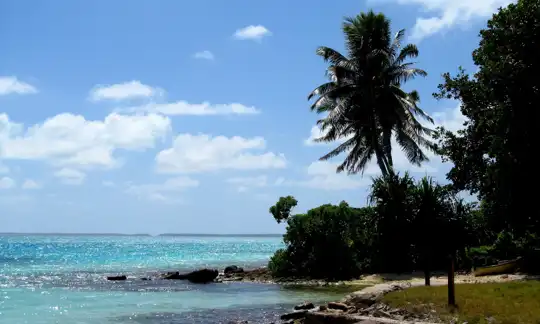
Nonouti, the largest atoll in the Gilbert Islands, is a slice of paradise where the rhythm of life flows with the tides. The air is thick with the scent of salt and coconut, and the vibrant colors of the ocean contrast beautifully with the earthy tones of the land. This is a place where time feels elastic, inviting you to slow down and soak in the local culture.

Start your day early with a stroll along the beach at dawn. The soft light dances on the water, and the sound of waves lapping at the shore is a gentle wake-up call. Grab a breakfast of fresh fruit from a local vendor—think ripe bananas and juicy papayas. This isn’t just a meal; it’s a taste of the island’s bounty.

In the late morning, head to the village of Tabiteuea, where you can witness traditional fishing methods. Engage with … read more 👉
Nonouti, the largest atoll in the Gilbert Islands, is a slice of paradise where the rhythm of life flows with the tides. The air is thick with the scent of salt and coconut, and the vibrant colors of the ocean contrast beautifully with the earthy tones of the land. This is a place where time feels elastic, inviting you to slow down and soak in the local culture.

Start your day early with a stroll along the beach at dawn. The soft light dances on the water, and the sound of waves lapping at the shore is a gentle wake-up call. Grab a breakfast of fresh fruit from a local vendor—think ripe bananas and juicy papayas. This isn’t just a meal; it’s a taste of the island’s bounty.

In the late morning, head to the village of Tabiteuea, where you can witness traditional fishing methods. Engage with the locals as they cast nets and share stories of their daily lives. This isn’t on the typical tourist path, but it’s a chance to connect with the heart of Nonouti. The warmth of the community will make you feel like you belong.

As the sun climbs higher, visit the historic church in the village center. Its architecture tells tales of resilience and faith, and the cool interior offers a welcome respite from the heat. Spend some time reflecting on the island’s history before heading to the nearby lagoon for a swim. The water is crystal clear, inviting you to dive in and explore the underwater world.

As evening approaches, find a spot on the beach to watch the sunset. The sky transforms into a canvas of oranges and purples, a perfect backdrop for your day’s adventures. Enjoy a simple dinner at a local eatery, savoring grilled fish seasoned with island spices. This is the essence of Nonouti—simple, authentic, and deeply satisfying.
Build the Right Itinerary
Use the Kiribati Travel Guide’s 2, 3 & 5-day routes as a starting point to plan a trip that actually works on the ground.

Get the Travel Guide -

🌤️ When to go?Best time to visit Nonouti


  • Weather: Nonouti’s tropical climate means it’s warm year-round, but the dry season from May to October offers clearer skies and less humidity. Expect highs around 28–31°C (82–88°F) then, making outdoor activities more comfortable without the sticky sweat that clings in the wet season.

  • Temperature: Nighttime temps rarely dip below 24°C (75°F), so pack light layers for cooler evenings but nothing heavy. The consistent warmth means you can plan early morning hikes or beach time without freezing or overheating.

  • Daylight Hours: Near the equator, daylight stays steady at about 12 hours year-round. This stability lets you plan your days without worrying about early sunsets cutting adventures short.

  • Crowds: Nonouti is off the beaten path, so crowds are minimal anytime. However, local festivals
  • read more 👉

  • Weather: Nonouti’s tropical climate means it’s warm year-round, but the dry season from May to October offers clearer skies and less humidity. Expect highs around 28–31°C (82–88°F) then, making outdoor activities more comfortable without the sticky sweat that clings in the wet season.

  • Temperature: Nighttime temps rarely dip below 24°C (75°F), so pack light layers for cooler evenings but nothing heavy. The consistent warmth means you can plan early morning hikes or beach time without freezing or overheating.

  • Daylight Hours: Near the equator, daylight stays steady at about 12 hours year-round. This stability lets you plan your days without worrying about early sunsets cutting adventures short.

  • Crowds: Nonouti is off the beaten path, so crowds are minimal anytime. However, local festivals during the dry season bring a burst of energy and cultural immersion, worth timing your visit for if you want to connect with the community.

  • Seasonal Activities: The dry season is prime for snorkeling and fishing, with calmer seas and better visibility. The wet season, while rainier, can offer lush green landscapes and fewer travelers, ideal if you prefer solitude and don’t mind occasional showers.

  • Price Fluctuations: Prices for accommodation and transport tend to rise slightly during the dry season due to increased demand, but the trade-off is smoother logistics and more reliable weather. The wet season offers better deals but comes with the risk of disrupted plans.


Pro-tip: Aim for the shoulder months of April or November to catch the tail end of the dry season or the start of the wet season—this balance delivers fewer crowds, decent weather, and better prices, letting you savor Nonouti’s raw charm without the extremes.


source: climatestotravel.comJANJanuary: fair for travelingFEBFebruary: fair for travelingMARMarch: fair for travelingAPRApril: highly recommended for travelingMAYMay: excellent for travelingJUNJune: excellent for travelingJULJuly: excellent for travelingAUGAugust: excellent for travelingSEPSeptember: excellent for travelingOCTOctober: excellent for travelingNOVNovember: highly recommended for travelingDECDecember: fair for traveling
when-to-go

✈️ The ultimate backpacker shortcutKiribati Travel Guide

Skip weeks of research and hit the road with confidence. Get 118 pages of proven routes, transport advice, and real safety insights—built for your phone and 100% offline-ready.
example page 0 from our offline Travel Guide for Kiribatiexample page 1 from our offline Travel Guide for Kiribatiexample page 2 from our offline Travel Guide for Kiribatiexample page 3 from our offline Travel Guide for Kiribatiexample page 4 from our offline Travel Guide for Kiribati
🎒 Your 118-page offline travel companion
2, 3 & 5-day routes paced for real travel
30 ranked highlights with honest skip-it advice
Logistics solved: Best areas to stay & transport
Safety blueprints: Common local scams to avoid
No Wi-Fi? No problem: Phone-optimized offline PDF
👉 See all 30+ guide features

📅 Plan smarter in minutes, not weeks
Realistic travel times & pacing
Best months per region
Festivals & national holidays
Budget expectations

🗺️ Go to the right places, skip the overrated ones
30 ranked highlights across the country
Hidden gems beyond the tourist trail
Honest pros & cons of destinations
Top hikes, parks & viewpoints
Lesser-known places most travelers miss
Clear “worth it vs skip it” guidance

🛏️ Travel smoothly without rookie mistakes
Best areas to stay
Transport systems explained simply
Local transport tradeoffs
Common scams & safety advice
SIM cards, money & practical tips
What to expect before arrival

🌍 Understand the country, not just visit it
Culture & traditions
52 Essential phrases & customs
Festivals worth planning around
Traveler-friendly historical context
Insights that make places more meaningful

📱 Built for real travel conditions
Fully downloadable PDF
Works completely offline
Optimized for phone use
Useful in remote areas & buses
Everything in one place
Save weeks of stressful planning
Get instant access to the full guide directly. 30-day money-back guarantee.


Sent to your inbox immediately after payment • 100% Secure Checkout
Best Backpacking Travel Advisor 2025 tourism awardBest Backpacking
Travel Advisor
2025
What others say about Take Your Backpack Guides:
⭐⭐⭐⭐⭐
Fantastic, amazing amount of information!
⭐⭐⭐⭐⭐
My goodness this is amazing, it's what I've been looking for hats off too you!
⭐⭐⭐⭐⭐
I think this is absolutely BRILLIANT
⭐⭐⭐⭐
Very complete and informative. It's still missing places, but I gotta to commend you
⭐⭐⭐⭐⭐
This is truly amazing, thank you, can't wait to explore it with my kids!
⭐⭐⭐⭐⭐
Awesome resource, thank you!
⭐⭐⭐⭐⭐
This is amazing! Can't wait to explore the ones I haven't seen
⭐⭐⭐⭐
I love this! Well done, great idea.
⭐⭐⭐⭐⭐
Thanks for taking the time to make this gem!
⭐⭐⭐⭐⭐
This might be the best website I've ever seen.
⭐⭐⭐⭐⭐
Congratulations, and thank you so much for your work; it's incredibly valuable.
⭐⭐⭐⭐
In all seriousness I think you did a great job pointing out the important spots
⭐⭐⭐⭐⭐
10/10 very good
⭐⭐⭐⭐⭐
As someone who's only just starting to visit regularly this is awesome, thank you.
⭐⭐⭐⭐
Thank you very much! I'm going to visit my dad, it's going to be very useful!
⭐⭐⭐⭐⭐
This is really cool! We'll be travelling for the first time and this definitely come in handy.
⭐⭐⭐⭐⭐
You are now our minister of culture, congratulations 👨‍💼
⭐⭐⭐⭐⭐
Just wanted to tell you that this is a pearl! Going to follow your recommendations.
⭐⭐⭐⭐⭐
This is so cool. I'll definitely be using the resource for my travels soon.
⭐⭐⭐⭐⭐
This is very impressive! Good work.
⭐⭐⭐⭐⭐
This is an amazing and informative site. Very well done!

🛏️ Where to stay?Choosing the right base

Nonouti isn’t a sprawling urban maze; it’s a quiet atoll where the rhythm of life is slow, and the air carries the salt and warmth of the Pacific. For backpackers, the best place to settle is near the main village center along the lagoon side. This area hums with local life—fishermen mending nets, women weaving mats, and kids darting between coconut palms. It’s safe, not because of heavy security, but because everyone knows everyone, and strangers are met with genuine curiosity rather than suspicion.

Staying close to the village hub means you’re within walking distance of small shops and communal … read more 👉
Nonouti isn’t a sprawling urban maze; it’s a quiet atoll where the rhythm of life is slow, and the air carries the salt and warmth of the Pacific. For backpackers, the best place to settle is near the main village center along the lagoon side. This area hums with local life—fishermen mending nets, women weaving mats, and kids darting between coconut palms. It’s safe, not because of heavy security, but because everyone knows everyone, and strangers are met with genuine curiosity rather than suspicion.

Staying close to the village hub means you’re within walking distance of small shops and communal meeting spots where locals gather in the late afternoon. This is where you’ll find the social pulse—conversations under the shade of breadfruit trees, impromptu music sessions, and the chance to share a meal cooked over open fire pits. Hostels here are modest but functional, often family-run, offering a chance to connect with both locals and fellow travelers without the sterile vibe of a tourist zone.

Venture too far out, and you’ll hit stretches of isolated coastline with little to no amenities or social life. The lagoon side village area balances accessibility with authenticity, giving you a front-row seat to the island’s daily flow while keeping your backpacker budget intact. It’s not about luxury here; it’s about feeling the island’s heartbeat in every breeze and barefoot step.

🚌 Getting aroundMoving around without the hassle

Nonouti moves at the pace of the ocean tides—steady, unhurried, and shaped by the rhythms of daily life rather than strict timetables. The sun’s angle softens the coral streets by mid-morning, and locals drift between tasks with a relaxed certainty, guided more by intuition than by clocks. This isn’t a place where you’ll find buses running like clockwork or a subway map to decode. Instead, you navigate by the feel of the island—the scent of salt and pandanus, the sound of children’s laughter near the lagoon, and the occasional hum of a motorbike cutting through the stillness. Understanding this flow means embracing a flexible mindset, where your best tool is patience paired with a keen eye for local cues.


  • Walking: The heartbeat of Nonouti. Most villages and key spots are within a 30- to
  • read more 👉
Nonouti moves at the pace of the ocean tides—steady, unhurried, and shaped by the rhythms of daily life rather than strict timetables. The sun’s angle softens the coral streets by mid-morning, and locals drift between tasks with a relaxed certainty, guided more by intuition than by clocks. This isn’t a place where you’ll find buses running like clockwork or a subway map to decode. Instead, you navigate by the feel of the island—the scent of salt and pandanus, the sound of children’s laughter near the lagoon, and the occasional hum of a motorbike cutting through the stillness. Understanding this flow means embracing a flexible mindset, where your best tool is patience paired with a keen eye for local cues.


  • Walking: The heartbeat of Nonouti. Most villages and key spots are within a 30- to 60-minute walk, making your feet the most reliable transit. The paths are sandy or coral-stone, so sturdy sandals or barefoot are your best bets. Walking lets you soak in the island’s textures—the rough bark of coconut palms, the salty breeze, and the occasional splash of lagoon water. No cost, full control, and the chance to discover tucked-away spots.


  • Shared Motorbike Taxis: These are the island’s informal lifelines, often flagged down on the side of the road or arranged through a local. Expect to pay a few dollars for short hops between villages. They don’t run on a schedule; instead, they leave when full or when the driver feels like it, so timing is flexible but unpredictable. The ride is bumpy but fast, with the wind and island scents rushing past—perfect if you want to cover ground without losing the island’s raw feel.


  • Outrigger Canoes: For crossing lagoons or hopping between islets, these traditional boats are essential. They’re usually arranged through village contacts and depart when enough passengers gather. The price is modest but variable, often negotiated on the spot. The ride is slow and rhythmic, with the splash of paddles and the sun warming your skin—an immersive way to experience Nonouti’s marine life and coastal culture.


  • Private Boat Charters: If your budget allows, hiring a small motorized boat offers the fastest and most flexible way to explore beyond the main island. Prices vary widely, and you’ll need to arrange this through local operators or guesthouses. This option cuts through the water with speed and comfort, letting you reach remote beaches or fishing spots on your own schedule, but it’s a splurge compared to other options.

👛 Costs (as of 22 April 2026)Typical daily expenses

Backpacking in Nonouti, Kiribati, means embracing a slow rhythm where costs are modest but options limited, making every dollar count in a place where the ocean breeze and island pace shape your experience.
  • Dorm Accommodation: Nonouti doesn’t have a bustling hostel scene. Expect simple guesthouses or homestays rather than dorms, with prices around $10-$15 USD per night. These places offer basic comfort—think a fan, a mosquito net, and a shared bathroom—nothing fancy, but enough to rest after a day in the sun.
  • Meals: Food is straightforward and fresh, often fish, coconut, and root vegetables. Local meals at small eateries or from market stalls cost about $3-$6 USD. Cooking your own food is rare but possible if you stay longer and find local markets. Imported goods are pricey, so sticking
  • read more 👉
Backpacking in Nonouti, Kiribati, means embracing a slow rhythm where costs are modest but options limited, making every dollar count in a place where the ocean breeze and island pace shape your experience.
  • Dorm Accommodation: Nonouti doesn’t have a bustling hostel scene. Expect simple guesthouses or homestays rather than dorms, with prices around $10-$15 USD per night. These places offer basic comfort—think a fan, a mosquito net, and a shared bathroom—nothing fancy, but enough to rest after a day in the sun.
  • Meals: Food is straightforward and fresh, often fish, coconut, and root vegetables. Local meals at small eateries or from market stalls cost about $3-$6 USD. Cooking your own food is rare but possible if you stay longer and find local markets. Imported goods are pricey, so sticking to local fare keeps your budget tight.
  • Local Transport: Nonouti’s transport is minimal. Getting around usually means walking or catching a local boat ride if you’re moving between islets, which can cost $1-$3 USD per trip. There are no taxis or buses, so plan your movements carefully to avoid unexpected costs.
  • Basic Activities/Entry Fees: Activities are low-key and nature-focused—snorkeling, beachcombing, or visiting local villages. There are no formal entry fees, but small donations or fees for guided village tours might be around $5-$10 USD. The real value here is in the quiet, unspoiled environment rather than commercial attractions.
  • Miscellaneous Expenses: Internet access is patchy and expensive, around $5-$10 USD for limited data. Buying bottled water or small essentials can add a few dollars daily. Souvenirs are rare and usually handmade, so budget a small amount if you want to support local crafts.

Overall, expect to spend roughly $20 to $40 USD per day backpacking in Nonouti. The low cost reflects the simplicity and remoteness of the place, where the payoff is in the raw island atmosphere rather than tourist infrastructure. Planning ahead and embracing the local pace unlocks a smoother, more authentic experience.
⚠️ Prices can change and everyone travels differently, so take this as a rough guide. Hope it helps you plan your adventure!

🚌 Day tripsBest day trips from Nonouti

Nonouti, Kiribati, is a backpacker’s dream base for day trips, offering a blend of cultural immersion and stunning natural beauty. The island’s laid-back vibe and friendly locals make it easy to explore the surrounding wonders.

Trip to the Eastern Beaches
A short bike ride or a local boat trip takes you to the Eastern Beaches, where the soft, white sand meets the turquoise waters. Spend the day swimming, sunbathing, or simply enjoying the sound of the waves lapping against the shore. Pack a picnic; the local fruit is fresh and delicious. The best time to visit is during the dry season, from May to October, when the sun shines bright and the winds are gentle. A common mistake is underestimating the sun; bring plenty of sunscreen and a hat. Expect to spend around $5 for transport and snacks. … read more 👉
Nonouti, Kiribati, is a backpacker’s dream base for day trips, offering a blend of cultural immersion and stunning natural beauty. The island’s laid-back vibe and friendly locals make it easy to explore the surrounding wonders.

Trip to the Eastern Beaches
A short bike ride or a local boat trip takes you to the Eastern Beaches, where the soft, white sand meets the turquoise waters. Spend the day swimming, sunbathing, or simply enjoying the sound of the waves lapping against the shore. Pack a picnic; the local fruit is fresh and delicious. The best time to visit is during the dry season, from May to October, when the sun shines bright and the winds are gentle. A common mistake is underestimating the sun; bring plenty of sunscreen and a hat. Expect to spend around $5 for transport and snacks.


Trip to the Local Village of Tabiteuea
Hop on a local bus for a scenic ride to Tabiteuea, where you can immerse yourself in authentic Kiribati culture. The village is alive with the scent of traditional cooking and the sound of children playing. Engage with locals, learn about their crafts, and maybe even join a fishing expedition. This trip takes about an hour, and costs around $3. The best time to visit is early morning when the village is bustling with activity. First-timers often miss the chance to interact with locals; don’t be shy—ask questions!


Trip to the Coral Gardens
For a snorkeling adventure, the Coral Gardens are a must. A short boat ride from Nonouti, these vibrant underwater ecosystems are teeming with colorful fish and coral formations. Bring your own gear or rent locally for about $10. The best visibility is during the dry season, so plan accordingly. A common rookie mistake is not checking the tide schedule; low tide offers the best experience. Expect to spend around $15 for the boat ride and gear rental.


Trip to the Historic WWII Sites
History buffs will appreciate a trip to the WWII sites scattered around Nonouti. Rent a bike and explore the remnants of old bunkers and artifacts, all while soaking in the island’s natural beauty. This trip can be done in half a day, costing around $5 for bike rental. The dry season is ideal, but be prepared for some muddy paths if it rains. Many first-timers overlook these sites, thinking they’re too far or uninteresting—don’t make that mistake!
Want to know what more Kiribati offers?
The Kiribati Travel Guide describes 30 highlights, from cities to national parks, from beaches to hikes

Get the Travel Guide -

🛡️ SafetySafety Tips and Common Scams in Nonouti

Nonouti, Kiribati, is generally safe, but a few practical tips can enhance your experience. The atmosphere is laid-back, but keep your wits about you, especially in crowded markets. Be mindful of your belongings; a casual bag slung over your shoulder can attract attention.

If you’re traveling solo, avoid wandering too far after dark. The streets can be dimly lit, and while locals are friendly, it’s best to stick to well-trodden paths.

Scams are rare, but be cautious with offers that seem too good to be true, especially from vendors. A common annoyance is the occasional pushy seller; a polite but firm ”no, thank you” usually does the trick.

By staying aware and carrying yourself confidently, you’ll navigate Nonouti like a pro, soaking in its unique charm without a hitch.

Other I-Kiribati towns near Nonouti

Explore more nearby:

  • Tabiteuea South—council center, open-air meeting grounds, lagoon access| 49 km away
  • Betio—WWII relics, busy port, local markets| 288 km away
  • Abaiang—lagoon villages, mangrove forests, traditional maneaba| 345 km away

👉 Discover all towns

Or checkout all Kiribati has to offer (think cities, towns, villages, national parks, hikes, beaches, festivals)
Country photo of Kiribati

I 💚 feedbackIs it worth it?

Nonouti has a rhythm all its own. The air is thick with the scent of salt and coconut, and the locals greet you with genuine warmth. Don’t miss the chance to join a fishing trip; the thrill of reeling in a catch while surrounded by endless blue is unbeatable. Just be prepared for the slow pace—time moves differently here. Embrace it. The beauty lies in those moments of stillness, where the world feels like it’s yours alone.

✍️ Help improve this page!
The information on this page is based on in-depth research, insights shared by experienced travelers, and feedback from the local travel community in Kiribati. While every effort is made to keep the information accurate and current, conditions can change — so if you spot anything incorrect or outdated, please get in touch.


🙋‍♂️ Give feedback

👋 Meet the authorWho’s Behind Take Your Backpack?

Johan, backpacker and founder of TakeYourBackpackHi, I’m Johan (Netherlands 🇳🇱), the creator of TakeYourBackpack. Over the past decade, I’ve backpacked through 80+ countries across six continents, gaining extensive experience with independent travel, long-term trips, and overland routes.

This site is built on a combination of firsthand travel experience and carefully curated insights from other backpackers. Many guides are based on places I’ve personally visited, while others bring together tips, observations, and practical advice shared by trusted travelers I’ve met along the way.

The goal is to provide realistic, experience-driven guidance — not generic itineraries — so you can explore destinations with better context, clearer expectations, and more confidence.

Get Full Country Guide |
Instant download • 30 highlights • Full Offline guide