v2.webp)
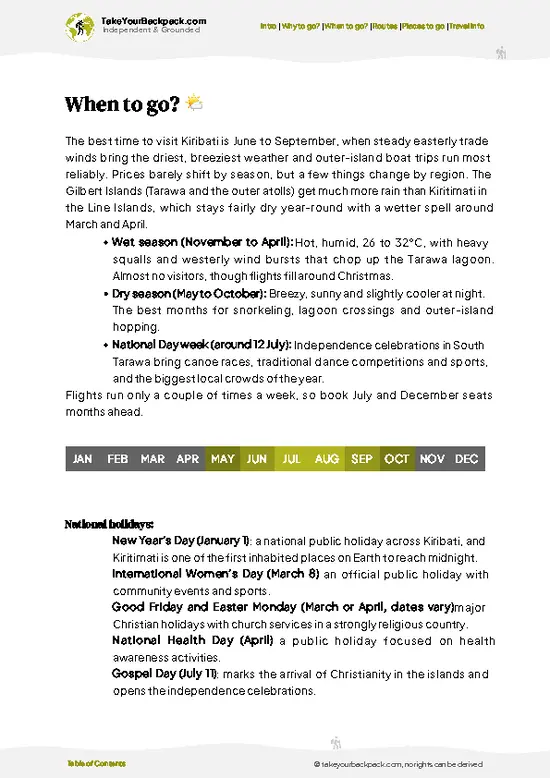
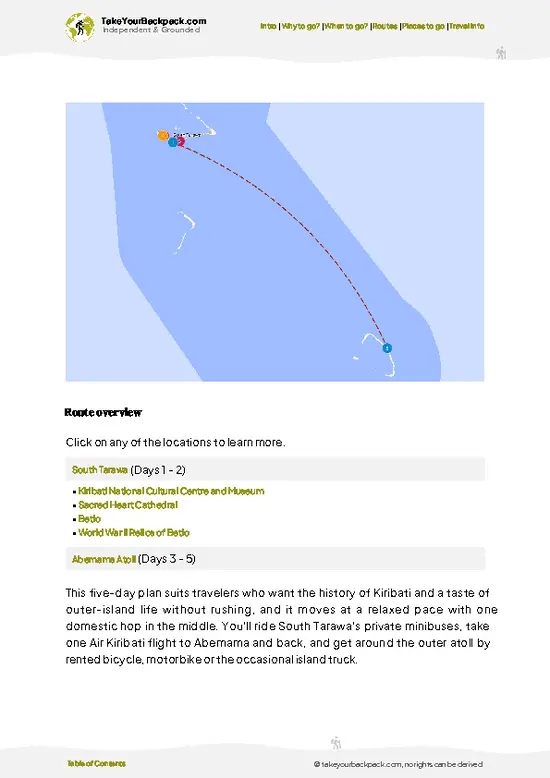
- Japanese Command Bunker (Admiral Shibasaki’s bunker). The huge, sloping concrete block near the middle of the island was the headquarters of the Japanese garrison, and you can climb on top and peer into the dark firing slits. Marines needed flamethrowers and demolition charges to take it. Come early in the morning before the heat builds. Entry is free, a local guide tip of A$5 to 10 (about US$3 to 7) is customary, and an hour is plenty.
- Red Beach and the landing beaches. The north shore, split into Red 1, 2 and 3, is where the Marines waded ashore across the reef, and the low seawall that pinned them down still runs behind the sand. Low tide shows how far the reef flat extends, which explains why landing craft grounded. Free, 45 minutes to 1 hour, best at morning low tide.
- Japanese coastal defense
- Japanese Command Bunker (Admiral Shibasaki’s bunker). The huge, sloping concrete block near the middle of the island was the headquarters of the Japanese garrison, and you can climb on top and peer into the dark firing slits. Marines needed flamethrowers and demolition charges to take it. Come early in the morning before the heat builds. Entry is free, a local guide tip of A$5 to 10 (about US$3 to 7) is customary, and an hour is plenty.
- Red Beach and the landing beaches. The north shore, split into Red 1, 2 and 3, is where the Marines waded ashore across the reef, and the low seawall that pinned them down still runs behind the sand. Low tide shows how far the reef flat extends, which explains why landing craft grounded. Free, 45 minutes to 1 hour, best at morning low tide.
- Japanese coastal defense guns. Rusting British-made Vickers 8-inch guns, bought by Japan decades before the war, still point out from emplacements along the shore, with ammunition bunkers and pillboxes close by. Kids use some as playground gear. Free, 30 to 45 minutes, and the light is best in late afternoon.
- Sherman tank wrecks and the Japanese bomb shelter. A few tank hulks lie rusting on the beach, and a large shelter stands nearby with thick walls and low entrances. They show how little cover anyone had on this flat islet. Free, about 30 minutes, easiest to find with a guide.
- Betio fish market and harbor front. This is where the town’s daily life shows: tuna and reef fish sold on tables, boats unloading, and the sunset over the lagoon. Go at dawn for the catch or at dusk for the light. Free to wander, 45 minutes to 1 hour.
Spotted a mistake or missing something? Contact us.

 Best Backpacking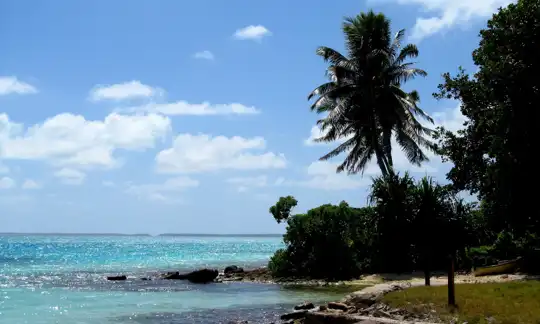
.jpg) Hi, I’m Johan (Netherlands 🇳🇱), the creator of TakeYourBackpack. Over the past 3 decades, I’ve backpacked through 90+ countries across six continents, gaining extensive experience with independent travel, long-term trips, and overland routes.
Hi, I’m Johan (Netherlands 🇳🇱), the creator of TakeYourBackpack. Over the past 3 decades, I’ve backpacked through 90+ countries across six continents, gaining extensive experience with independent travel, long-term trips, and overland routes.