×

Papua New Guinea🇵🇬 | townsMount Hagen
mountain backdrop, tribal gatherings, produce markets | things to do and best time to go

Explore MadangExplore Namatanai

Backpacking in Mount Hagen
🏆 Top picktown ranked #5
By Johan Kruseman 🇳🇱 | last update: 13 April, 2026

Your boots crunch on damp red dirt as smoke from a roadside mumu drifts over the road, all sweet taro and singed banana leaves, while a PMV truck rattles past blasting distorted reggae and kids yell “hello!” from behind a corrugated fence. This is Mount Hagen, high in the Western Highlands of Papua New Guinea, a rough-edged crossroads town ringed by steep green ridges and cloud.

For backpackers, Hagen is more hub than highlight. It’s the practical base for highlands villages, birding trips, and the famous cultural shows, not a place you linger for café culture. The market is intense but fascinating, the town center walkable by day, and PMVs make it relatively easy (if chaotic) to reach from Goroka or the lowlands. It’s cheaper and grittier than Goroka, less scenic than smaller highland towns, and safety is a real consideration after dark, but if you treat it as a staging ground, not a “city break,” it earns its place on the route.

Discover everything you want to know in the 📖 Papua New Guinea Travel Guide.
Loading the map 🌍
CLICK TO FILTER
city
town
national park
hike
beach
attraction
festival
region
SHOW COUNTRY‘S BESTSHOW ALL

✨ Why go?
Ranked #5 town in Papua New Guinea
Why visitors keep coming back

Mount Hagen serves as a gateway for backpackers eager to explore Papua New Guinea’s rugged beauty. Its convenient location makes it a strategic stop for those heading to the highlands or embarking on hikes like the Black Cat Track. The town itself is a blend of local culture and practicality, with small-scale guesthouses and hostels that foster a friendly atmosphere. You’ll find yourself sharing stories over a bowl of mumu—a traditional dish cooked in an underground oven—while the scent of fresh coffee wafts through the air.

The streets are walkable, inviting you to soak in the vibrant local life. Travelers often linger here for a few days, enjoying the slow pace and the chance to connect with fellow adventurers. It’s ideal for solo travelers and small groups looking for a mix of cultural read more 👉
Mount Hagen serves as a gateway for backpackers eager to explore Papua New Guinea’s rugged beauty. Its convenient location makes it a strategic stop for those heading to the highlands or embarking on hikes like the Black Cat Track. The town itself is a blend of local culture and practicality, with small-scale guesthouses and hostels that foster a friendly atmosphere. You’ll find yourself sharing stories over a bowl of mumu—a traditional dish cooked in an underground oven—while the scent of fresh coffee wafts through the air.

The streets are walkable, inviting you to soak in the vibrant local life. Travelers often linger here for a few days, enjoying the slow pace and the chance to connect with fellow adventurers. It’s ideal for solo travelers and small groups looking for a mix of cultural immersion and outdoor adventure. While nightlife isn’t the main draw, the community vibe makes it a perfect pit stop before diving deeper into the wilds of PNG.
Get the complete Travel Guide for Papua New Guinea
Everything organized for offline planning — routes, highlights, costs & tips

See what’s inside 👉

Get the Travel Guide -
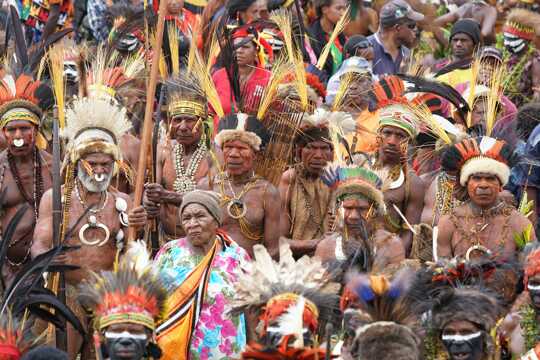
  • Mount Hagen Cultural Show (Mount Hagen Showgrounds) — The city’s defining event and cultural hub: huge annual sing-sing gatherings where dozens of Highland tribes parade in full bilas (traditional dress), dance and trade. The showgrounds are visitable year-round and come alive in late August for the main festival.
  • Mount Hagen Central Market (Main Market) — The busiest, most authentic place to feel the city: early-morning food stalls, piles of fresh produce and root crops, coffee sellers, pork and live poultry, and small traders selling bilas, shell jewelry and woven goods. Great for photos, people-watching and buying local handicrafts.
  • Kagamuga International Airport — The Highlands gateway where scheduled and charter flights arrive and depart; it’s an active, visitable place that gives
  • read more 👉
  • Mount Hagen Cultural Show (Mount Hagen Showgrounds) — The city’s defining event and cultural hub: huge annual sing-sing gatherings where dozens of Highland tribes parade in full bilas (traditional dress), dance and trade. The showgrounds are visitable year-round and come alive in late August for the main festival.
  • Mount Hagen Central Market (Main Market) — The busiest, most authentic place to feel the city: early-morning food stalls, piles of fresh produce and root crops, coffee sellers, pork and live poultry, and small traders selling bilas, shell jewelry and woven goods. Great for photos, people-watching and buying local handicrafts.
  • Kagamuga International Airport — The Highlands gateway where scheduled and charter flights arrive and depart; it’s an active, visitable place that gives a real sense of Highlands travel (watching light aircraft, meeting cargo and coffee shipments, and catching valley views on approach).
  • Wahgi River frontage and Wahgi Valley lookouts — Walkable from town edges: riverbanks, vegetable gardens and village fringes that show everyday life in the Wahgi Valley. Quiet spots for short walks, informal village visits and seeing the valley landscape that sustains Mount Hagen.
Nearby visitable highlights easily done as day trips include coffee plantations and tribal villages scattered through the Wahgi Valley, the town of Kundiawa and the trailheads toward Mount Wilhelm, and the cultural lodges and villages around Tari (Ambua Lodge area).
Spotted a mistake or missing something? Contact me.

🏘️ NeighborhoodsUnderstanding the local layout

Mount Hagen is a vibrant hub in Papua New Guinea, rich in culture and surrounded by stunning landscapes. Here’s a breakdown of key neighborhoods to help you navigate this unique town.

Central Mount Hagen: This is the beating heart of the town. It’s bustling with markets, shops, and local eateries. The vibe is energetic, perfect for those who want to immerse themselves in daily life. Walkability is high; you can easily explore on foot. Accommodation ranges from budget hostels to mid-range hotels, making it suitable for both short and longer stays. Nightlife is low-key, with a few bars where you can unwind after a day of exploration.

Highlands Road Area: A bit quieter, this area offers a more relaxed atmosphere. It’s ideal for those seeking peace after a day of trekking. The walkability dips … read more 👉
Mount Hagen is a vibrant hub in Papua New Guinea, rich in culture and surrounded by stunning landscapes. Here’s a breakdown of key neighborhoods to help you navigate this unique town.

Central Mount Hagen: This is the beating heart of the town. It’s bustling with markets, shops, and local eateries. The vibe is energetic, perfect for those who want to immerse themselves in daily life. Walkability is high; you can easily explore on foot. Accommodation ranges from budget hostels to mid-range hotels, making it suitable for both short and longer stays. Nightlife is low-key, with a few bars where you can unwind after a day of exploration.

Highlands Road Area: A bit quieter, this area offers a more relaxed atmosphere. It’s ideal for those seeking peace after a day of trekking. The walkability dips slightly, but local transport is accessible. Here, you’ll find guesthouses that cater to longer stays, often with kitchen facilities. The surrounding scenery is breathtaking, making it a great spot for nature lovers.

Waghi Valley: This area is a bit off the beaten path but worth the trek. It’s less commercialized, giving you a genuine feel of local life. Transport options are limited, so plan ahead. The vibe is tranquil, perfect for longer stays where you can soak in the beauty of the valley. Accommodations are basic but affordable, allowing you to stretch your budget while enjoying the stunning views.

⌛️ 1 dayWhat you can realistically do in a day

Mount Hagen, the bustling heart of Papua New Guinea’s Highlands, is a vibrant tapestry of culture and nature. The air is thick with the scent of fresh coffee and the sounds of lively market chatter. This town is a gateway to the rich traditions of the indigenous people, making it a fascinating stop for any traveler.

Start your morning at the Mount Hagen Market. The sun filters through the clouds, casting a warm glow on the colorful stalls. Here, you’ll find everything from handwoven baskets to local produce. Engage with the vendors; their stories are as rich as the fruits they sell. Grab a cup of locally brewed coffee—it’s a must. The taste is bold, with earthy undertones that will kickstart your day.

In the afternoon, head to the nearby Wahgi Valley. This area is often overlooked by tourists, … read more 👉
Mount Hagen, the bustling heart of Papua New Guinea’s Highlands, is a vibrant tapestry of culture and nature. The air is thick with the scent of fresh coffee and the sounds of lively market chatter. This town is a gateway to the rich traditions of the indigenous people, making it a fascinating stop for any traveler.

Start your morning at the Mount Hagen Market. The sun filters through the clouds, casting a warm glow on the colorful stalls. Here, you’ll find everything from handwoven baskets to local produce. Engage with the vendors; their stories are as rich as the fruits they sell. Grab a cup of locally brewed coffee—it’s a must. The taste is bold, with earthy undertones that will kickstart your day.

In the afternoon, head to the nearby Wahgi Valley. This area is often overlooked by tourists, but it’s a treasure trove of stunning landscapes and traditional village life. Take a short hike to soak in the panoramic views. The lush greenery and distant mountains create a backdrop that feels almost surreal. If you’re lucky, you might catch a glimpse of locals engaged in their daily routines, offering a genuine insight into their way of life.

As evening approaches, return to town and explore the vibrant streets of the central district. Stop by a local eatery for dinner; try the mumu, a traditional dish cooked in an underground oven. The smoky flavor will linger in your memory long after you leave.

Wrap up your day by soaking in the atmosphere at a local bar. The laughter and music will resonate, making you feel like part of this lively community. Mount Hagen isn’t just a stopover; it’s an experience that will enrich your journey.
Build the Right Itinerary
Use the Papua New Guinea Travel Guide’s 5, 10 & 15-day routes as a starting point to plan a trip that actually works on the ground.

Get the Travel Guide -

🌤️ When to go?Choosing the right time of year


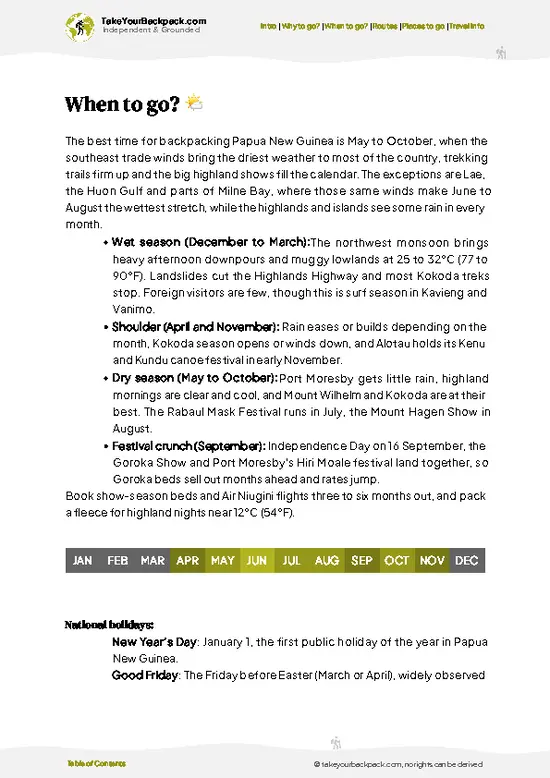
  • Topic: Weather — Mount Hagen sits high at 1,680 meters (5,500 feet), so expect cool, crisp air year-round. The dry season from June to September offers the clearest skies and least rain, making trails less slippery and village visits more pleasant.

  • Topic: Temperature — Daytime highs hover around 20-22°C (68-72°F) in the dry months, dropping to 10-12°C (50-54°F) at night. The wet season (November to April) feels warmer but muggy, with frequent downpours that can turn paths into mud baths.

  • Topic: Daylight Hours — Near the equator, daylight stays steady at about 12 hours year-round. Early mornings and late afternoons bring soft, golden light perfect for photography and soaking in the mountain air.

  • Topic: Crowds — The Mount Hagen Cultural Show in August draws the biggest crowds, which
  • read more 👉

  • Topic: Weather — Mount Hagen sits high at 1,680 meters (5,500 feet), so expect cool, crisp air year-round. The dry season from June to September offers the clearest skies and least rain, making trails less slippery and village visits more pleasant.

  • Topic: Temperature — Daytime highs hover around 20-22°C (68-72°F) in the dry months, dropping to 10-12°C (50-54°F) at night. The wet season (November to April) feels warmer but muggy, with frequent downpours that can turn paths into mud baths.

  • Topic: Daylight Hours — Near the equator, daylight stays steady at about 12 hours year-round. Early mornings and late afternoons bring soft, golden light perfect for photography and soaking in the mountain air.

  • Topic: Crowds — The Mount Hagen Cultural Show in August draws the biggest crowds, which means vibrant energy but pricier accommodation and busier trails. Outside this, expect quiet villages and more personal interactions.

  • Topic: Seasonal Activities — The dry season is prime for trekking and cultural festivals. The wet season limits outdoor options but offers lush, green landscapes and fewer tourists.

  • Topic: Price Fluctuations — Accommodation and transport costs spike during the August festival. Booking early is essential. The off-season brings better deals but prepare for occasional travel delays due to rain.


Pro-tip: Aim for late July or early September to catch dry weather, manageable crowds, and fair prices—a sweet spot where the mountain’s cool air and cultural pulse align perfectly.


source: climatestotravel.comJANJanuary: fair for travelingFEBFebruary: fair for travelingMARMarch: fair for travelingAPRApril: fair for travelingMAYMay: good for travelingJUNJune: highly recommended for travelingJULJuly: highly recommended for travelingAUGAugust: good for travelingSEPSeptember: highly recommended for travelingOCTOctober: good for travelingNOVNovember: fair for travelingDECDecember: fair for traveling
when-to-go

✈️ The ultimate backpacker shortcutPapua New Guinea Travel Guide

Skip weeks of research and hit the road with confidence. Get 264 pages of proven routes, transport advice, and real safety insights—built for your phone and 100% offline-ready.
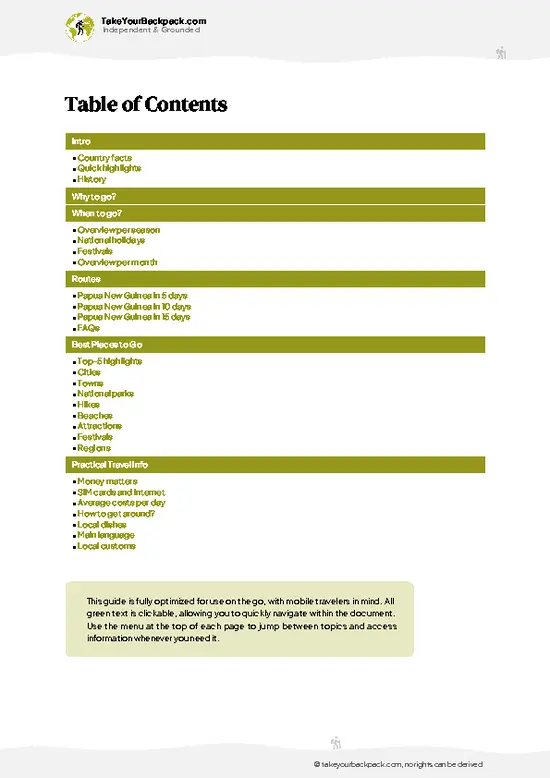
example page 0 from our offline Travel Guide for Papua New Guineaexample page 1 from our offline Travel Guide for Papua New Guineaexample page 2 from our offline Travel Guide for Papua New Guineaexample page 3 from our offline Travel Guide for Papua New Guineaexample page 4 from our offline Travel Guide for Papua New Guinea
🎒 Your 264-page offline travel companion
5, 10 & 15-day routes paced for real travel
85 ranked highlights with honest skip-it advice
Logistics solved: Best areas to stay & transport
Safety blueprints: Common local scams to avoid
No Wi-Fi? No problem: Phone-optimized offline PDF
👉 See all 30+ guide features

📅 Plan smarter in minutes, not weeks
Realistic travel times & pacing
Best months per region
Festivals & national holidays
Budget expectations

🗺️ Go to the right places, skip the overrated ones
85 ranked highlights across the country
Hidden gems beyond the tourist trail
Honest pros & cons of destinations
Top hikes, parks & viewpoints
Lesser-known places most travelers miss
Clear “worth it vs skip it” guidance

🛏️ Travel smoothly without rookie mistakes
Best areas to stay
Transport systems explained simply
Local transport tradeoffs
Common scams & safety advice
SIM cards, money & practical tips
What to expect before arrival

🌍 Understand the country, not just visit it
Culture & traditions
52 Essential phrases & customs
Festivals worth planning around
Traveler-friendly historical context
Insights that make places more meaningful

📱 Built for real travel conditions
Fully downloadable PDF
Works completely offline
Optimized for phone use
Useful in remote areas & buses
Everything in one place
Save weeks of stressful planning
Get instant access to the full guide directly. 30-day money-back guarantee.


Sent to your inbox immediately after payment • 100% Secure Checkout
Best Backpacking Travel Advisor 2025 tourism awardBest Backpacking
Travel Advisor
2025
What others say about Take Your Backpack Guides:
⭐⭐⭐⭐⭐
Fantastic, amazing amount of information!
⭐⭐⭐⭐⭐
My goodness this is amazing, it's what I've been looking for hats off too you!
⭐⭐⭐⭐⭐
I think this is absolutely BRILLIANT
⭐⭐⭐⭐
Very complete and informative. It's still missing places, but I gotta to commend you
⭐⭐⭐⭐⭐
This is truly amazing, thank you, can't wait to explore it with my kids!
⭐⭐⭐⭐⭐
Awesome resource, thank you!
⭐⭐⭐⭐⭐
This is amazing! Can't wait to explore the ones I haven't seen
⭐⭐⭐⭐
I love this! Well done, great idea.
⭐⭐⭐⭐⭐
Thanks for taking the time to make this gem!
⭐⭐⭐⭐⭐
This might be the best website I've ever seen.
⭐⭐⭐⭐⭐
Congratulations, and thank you so much for your work; it's incredibly valuable.
⭐⭐⭐⭐
In all seriousness I think you did a great job pointing out the important spots
⭐⭐⭐⭐⭐
10/10 very good
⭐⭐⭐⭐⭐
As someone who's only just starting to visit regularly this is awesome, thank you.
⭐⭐⭐⭐
Thank you very much! I'm going to visit my dad, it's going to be very useful!
⭐⭐⭐⭐⭐
This is really cool! We'll be travelling for the first time and this definitely come in handy.
⭐⭐⭐⭐⭐
You are now our minister of culture, congratulations 👨‍💼
⭐⭐⭐⭐⭐
Just wanted to tell you that this is a pearl! Going to follow your recommendations.
⭐⭐⭐⭐⭐
This is so cool. I'll definitely be using the resource for my travels soon.
⭐⭐⭐⭐⭐
This is very impressive! Good work.
⭐⭐⭐⭐⭐
This is an amazing and informative site. Very well done!

🛏️ Where to stay?How to pick the right area

Mount Hagen’s backpacker scene centers around the area near the town’s main market and the stretch along the Highlands Highway. This zone pulses with local life—vendors hawking fresh produce, the scent of roasted coffee beans mingling with the earthy smell of wet soil after rain. It’s where you’ll find the best mix of budget guesthouses and hostels, places that lean into the communal vibe backpackers crave. Staying here means you’re steps away from the market’s chaotic energy, a perfect spot to soak in the local culture without feeling like a tourist trapped in a bubble.

Compared to the quieter … read more 👉
Mount Hagen’s backpacker scene centers around the area near the town’s main market and the stretch along the Highlands Highway. This zone pulses with local life—vendors hawking fresh produce, the scent of roasted coffee beans mingling with the earthy smell of wet soil after rain. It’s where you’ll find the best mix of budget guesthouses and hostels, places that lean into the communal vibe backpackers crave. Staying here means you’re steps away from the market’s chaotic energy, a perfect spot to soak in the local culture without feeling like a tourist trapped in a bubble.

Compared to the quieter residential neighborhoods on the outskirts, this central area offers a safer, more social environment. The streets are busier, which naturally deters trouble and makes evening strolls less daunting. Plus, the hostels here often double as informal hubs for travelers—sharing tips, arranging rides to the nearby villages, or swapping stories over a cold drink. You’re not just booking a bed; you’re plugging into a network that makes navigating Mount Hagen’s rugged charm feel less like a gamble and more like an adventure earned.

🚌 Getting aroundGetting around like a local

Mount Hagen moves at its own pulse—a mix of early morning urgency and afternoon lull, where the scent of fresh coffee and diesel fumes blend in the air. The town’s rhythm isn’t about strict timetables but a dance of intuition and local know-how. Streets hum with the chatter of vendors and the occasional roar of a truck, while the light shifts quickly from the sharp clarity of dawn to the soft haze of dusk. Here, getting around isn’t just about moving from point A to B; it’s about reading the flow, catching the right ride, and knowing when to walk to soak in the town’s raw, unfiltered energy.


  • Walking: The heart of Mount Hagen is compact enough to explore on foot. Walking lets you catch the smells of roadside markets and the texture of cracked sidewalks underfoot. It’s free, flexible, and
  • read more 👉
Mount Hagen moves at its own pulse—a mix of early morning urgency and afternoon lull, where the scent of fresh coffee and diesel fumes blend in the air. The town’s rhythm isn’t about strict timetables but a dance of intuition and local know-how. Streets hum with the chatter of vendors and the occasional roar of a truck, while the light shifts quickly from the sharp clarity of dawn to the soft haze of dusk. Here, getting around isn’t just about moving from point A to B; it’s about reading the flow, catching the right ride, and knowing when to walk to soak in the town’s raw, unfiltered energy.


  • Walking: The heart of Mount Hagen is compact enough to explore on foot. Walking lets you catch the smells of roadside markets and the texture of cracked sidewalks underfoot. It’s free, flexible, and perfect for short hops around town, especially in the cooler morning or late afternoon hours when the sun isn’t beating down.


  • PMVs (Public Motor Vehicles): These shared minibuses are the lifeblood of local transit. They run from early morning around 6:00 AM until about 6:00 PM. Fares hover around 1 to 3 PGK (Papua New Guinean Kina), making them the cheapest way to cover longer distances within and just outside town. Expect a bumpy ride packed with locals, so hold on tight and enjoy the lively atmosphere.


  • Motorcycle Taxis (Bikes): When time is tight or you’re carrying gear, motorcycle taxis are your go-to. They’re everywhere, weaving through traffic with a speed cars can’t match. Prices vary but usually start at 5 PGK for short trips. Negotiate upfront to avoid surprises. The wind in your face and the quick bursts through narrow lanes give you a visceral sense of the town’s pulse.


  • Private Taxis: More comfortable and faster than PMVs, private taxis offer door-to-door service but at a higher cost—expect to pay 20 to 40 PGK depending on distance. They’re best for early morning airport runs or when you want to avoid the crowd. The trade-off is worth it if you value space and a smoother ride.


  • Airport Shuttle: For those catching flights, the airport shuttle is a reliable option. It typically runs on demand rather than a fixed schedule, so arrange your ride a day ahead. The cost is around 30 PGK. It’s a straightforward, no-fuss way to bridge the 10-kilometer gap between town and Mount Hagen Airport, especially if you’re carrying heavy bags or traveling early.

👛 Costs (as of 18 April 2026)Typical daily expenses

Mount Hagen, Papua New Guinea, offers a raw, authentic experience where costs remain modest but vary depending on how deeply you dive into local life versus tourist comforts.
  • Dorm Accommodation: Expect to pay around $10 to $20 USD per night for a basic dorm bed. These are often simple lodges or guesthouses with shared facilities. The rooms can be spartan, but they provide a solid base to rest after a day of exploring.
  • Meals: Local food stalls and small eateries serve up hearty meals for $2 to $5 USD. Think steaming bowls of kaukau (sweet potato) or mumu-style pork, filling and flavorful. Western-style meals or dining at tourist-oriented spots can push costs closer to $7 or $10.
  • Local Transport: Public transport mainly consists of shared minibuses or PMVs (public motor vehicles), costing
  • read more 👉
Mount Hagen, Papua New Guinea, offers a raw, authentic experience where costs remain modest but vary depending on how deeply you dive into local life versus tourist comforts.
  • Dorm Accommodation: Expect to pay around $10 to $20 USD per night for a basic dorm bed. These are often simple lodges or guesthouses with shared facilities. The rooms can be spartan, but they provide a solid base to rest after a day of exploring.
  • Meals: Local food stalls and small eateries serve up hearty meals for $2 to $5 USD. Think steaming bowls of kaukau (sweet potato) or mumu-style pork, filling and flavorful. Western-style meals or dining at tourist-oriented spots can push costs closer to $7 or $10.
  • Local Transport: Public transport mainly consists of shared minibuses or PMVs (public motor vehicles), costing about $0.50 to $1.50 per trip within town. Hiring a private taxi for a few hours might run $10 to $20, depending on negotiation and distance.
  • Basic Activities/Entry Fees: Entry to local markets or cultural shows typically costs $2 to $5. Guided tours or visits to nearby villages or natural sites can range from $15 to $30, often including transport and a local guide, which is worth it for the context and safety.
  • Miscellaneous Expenses: Budget $2 to $5 for essentials like bottled water, snacks, or small souvenirs. Internet access is patchy and usually costs $1 to $3 for a short session at a local café or guesthouse.

In total, a realistic daily budget for backpacking in Mount Hagen falls between $20 and $50 USD. This range covers the essentials while leaving room for occasional splurges on guided experiences or a nicer meal. The key is balancing the rugged charm of local life with practical comfort—this is a place where every dollar spent opens a door to a deeper understanding of Papua New Guinea’s highland culture.


source: papuanewguinea.travel
⚠️ Prices can change and everyone travels differently, so take this as a rough guide. Hope it helps you plan your adventure!

🚌 Day tripsShort trips worth adding

Mount Hagen is a vibrant hub for exploring the highlands of Papua New Guinea, offering a mix of cultural richness and stunning landscapes. Here are some day trips that will elevate your experience.

1. Kumul Lodge
A visit to Kumul Lodge is a must for birdwatching enthusiasts. Just a 30-minute drive from Mount Hagen, this eco-lodge sits at a high elevation, providing a front-row seat to the vibrant avian life of the region. Expect to see the magnificent Bird of Paradise flitting through the trees. The entrance fee is around 20 PGK, and the best time to visit is during the dry season from May to October when the birds are most active. Many first-timers miss out on the early morning hours when the birds are at their most vocal and visible. Arrive before dawn to catch the magic.


2. Mount read more 👉
Mount Hagen is a vibrant hub for exploring the highlands of Papua New Guinea, offering a mix of cultural richness and stunning landscapes. Here are some day trips that will elevate your experience.

1. Kumul Lodge
A visit to Kumul Lodge is a must for birdwatching enthusiasts. Just a 30-minute drive from Mount Hagen, this eco-lodge sits at a high elevation, providing a front-row seat to the vibrant avian life of the region. Expect to see the magnificent Bird of Paradise flitting through the trees. The entrance fee is around 20 PGK, and the best time to visit is during the dry season from May to October when the birds are most active. Many first-timers miss out on the early morning hours when the birds are at their most vocal and visible. Arrive before dawn to catch the magic.


2. Mount Hagen Market
Immerse yourself in local culture at the Mount Hagen Market, which is a 10-minute walk from the town center. Open every Saturday, this bustling market is a sensory overload of colors, sounds, and smells. Fresh produce, handmade crafts, and the lively banter of vendors create an authentic experience. Bring about 50 PGK for snacks and souvenirs. The market is best visited in the morning when the stalls are fully stocked and the atmosphere is electric. A common mistake is to arrive too late when many vendors have already sold out.


3. Lake Tawa
For a serene escape, head to Lake Tawa, about an hour’s drive from Mount Hagen. This tranquil lake is surrounded by lush forests and offers a peaceful spot for a picnic or a leisurely walk. The entrance fee is minimal, around 10 PGK. The dry season is ideal for clear views and pleasant weather. Many backpackers overlook this gem, opting for more popular spots; however, the solitude here is worth the trip. Bring a camera to capture the reflections on the water.


4. Goroka Cultural Show
If your timing aligns, the Goroka Cultural Show is an unforgettable experience just a couple of hours from Mount Hagen. This annual event showcases traditional dances and costumes from various tribes. Tickets typically cost around 100 PGK. The show usually occurs in September, so plan ahead. A common mistake is to underestimate the travel time; leave early to secure a good spot.


Each of these trips offers a unique lens into the heart of Papua New Guinea, making Mount Hagen an ideal base for your adventures.
Want to know what more Papua New Guinea offers?
The Papua New Guinea Travel Guide describes 85 highlights, from cities to national parks, from beaches to hikes

Get the Travel Guide -

🛡️ SafetyTraveler Safety Guide

Mount Hagen is generally safe, but staying aware enhances your experience. The town buzzes with life, especially around the market. Here, keep your belongings close; petty theft can happen in crowded spots.

If you’re solo, daylight is your friend. Stick to well-lit areas after dark, as some streets can feel isolated. Engage with locals; they’re often friendly and can guide you on safe routes.

Scams are rare, but be cautious with overly eager vendors. If a deal feels too good, it probably is. Trust your instincts.

Annoyances? Expect a few persistent sellers, but a polite “no, thank you” usually does the trick. Embrace the vibrant atmosphere, and let the genuine warmth of the people shine through. Your awareness will transform potential pitfalls into enriching interactions.

Other Papua New Guinean towns near Mount Hagen

Explore more nearby:

  • Sinasina—Chimbu highlands, subsistence gardens, clan villages| 90 km away
  • Goroka—highland market, coffee plantations, cultural festivals| 129 km away
  • Tari—Huli Wigmen, misty valleys, birdwatching| 143 km away

👉 Discover all towns

Or checkout all Papua New Guinea has to offer (think cities, towns, villages, national parks, hikes, beaches, festivals)
Country photo of Papua New Guinea

I 💚 feedbackFinal thoughts on visiting Mount Hagen

Mount Hagen is raw and real, a place where the air hums with the sounds of life and culture. The best surprise? The local markets bursting with colors and flavors—try the fresh fruits; they taste like sunshine. But a heads-up: the altitude can hit hard. Take it slow, sip on some local coffee, and let the vibrant atmosphere wash over you. Embrace the challenge; the payoff is a connection to something truly authentic.

✍️ Help improve this page!
The information on this page is based on in-depth research, insights shared by experienced travelers, and feedback from the local travel community in Papua New Guinea. While every effort is made to keep the information accurate and current, conditions can change — so if you spot anything incorrect or outdated, please get in touch.


🙋‍♂️ Give feedback

👋 Meet the authorWho’s Behind Take Your Backpack?

Johan, backpacker and founder of TakeYourBackpackHi, I’m Johan (Netherlands 🇳🇱), the creator of TakeYourBackpack. Over the past decade, I’ve backpacked through 80+ countries across six continents, gaining extensive experience with independent travel, long-term trips, and overland routes.

This site is built on a combination of firsthand travel experience and carefully curated insights from other backpackers. Many guides are based on places I’ve personally visited, while others bring together tips, observations, and practical advice shared by trusted travelers I’ve met along the way.

The goal is to provide realistic, experience-driven guidance — not generic itineraries — so you can explore destinations with better context, clearer expectations, and more confidence.

Get Full Country Guide |
Instant download • 85 highlights • Full Offline guide