×

Papua New Guinea🇵🇬 | townsNamatanairural outpost, New Ireland south, roadside stalls | things to do and best time to go

Explore Mount HagenExplore Rabaul

Backpacking in Namatanai
👀 For curious travelerstown ranked #19
By Johan Kruseman 🇳🇱 | Updated September 4, 2026

Ten years ago Namatanai felt like the edge of the map: dim generator light, one trade store, and a wharf that smelled of copra and wet timber. Today it’s still rough around the edges, but there’s better phone signal, a couple of guesthouses, and more PMVs rolling through. Namatanai sits on the southeast coast of New Ireland, roughly halfway between Kavieng and the island’s southern tip, and it works less as a “destination” and more as a functional hinge in a New Ireland backpacking route.

You come here to reset, resupply, and launch into the real magic: village stays along the coast, reef-fringed beaches a short truck ride away, and slow walks past betel nut stalls where everyone knows who arrived on yesterday’s boat. The town itself is small, low-slung, and practical rather than pretty; no charming old quarter, just a grid of dusty roads, the market, the wharf, and the government station. Compared with Kavieng, Namatanai is quieter, less surf-and-dive oriented, more about local life and onward logistics than curated experiences.

Transport is simple but not slick: coastal boats when the sea behaves, PMVs that leave when full, and everything running on island time, so patience matters more than planning apps. You can walk most of the center in ten minutes, but for beaches and villages you’ll rely on trucks or boats and a bit of Tok Pisin. Nights are slow and dark, with a few trade stores glowing and maybe a bar playing scratchy PNG pop; you’re more likely to share SP beers with local teachers than swap stories with a crowd of backpackers, because there usually isn’t one.

Costs are low if you eat market food and sleep in basic guesthouses or village stays, but anything imported jumps in price fast. Safety is mostly about common sense: don’t flash gear, move carefully after dark, and lean on local advice for boat crossings and remote walks. If you treat Namatanai as a working hub rather than a highlight reel, it becomes exactly what you need: a gritty, human pause between … read more 👉
Ten years ago Namatanai felt like the edge of the map: dim generator light, one trade store, and a wharf that smelled of copra and wet timber. Today it’s still rough around the edges, but there’s better phone signal, a couple of guesthouses, and more PMVs rolling through. Namatanai sits on the southeast coast of New Ireland, roughly halfway between Kavieng and the island’s southern tip, and it works less as a “destination” and more as a functional hinge in a New Ireland backpacking route.

You come here to reset, resupply, and launch into the real magic: village stays along the coast, reef-fringed beaches a short truck ride away, and slow walks past betel nut stalls where everyone knows who arrived on yesterday’s boat. The town itself is small, low-slung, and practical rather than pretty; no charming old quarter, just a grid of dusty roads, the market, the wharf, and the government station. Compared with Kavieng, Namatanai is quieter, less surf-and-dive oriented, more about local life and onward logistics than curated experiences.

Transport is simple but not slick: coastal boats when the sea behaves, PMVs that leave when full, and everything running on island time, so patience matters more than planning apps. You can walk most of the center in ten minutes, but for beaches and villages you’ll rely on trucks or boats and a bit of Tok Pisin. Nights are slow and dark, with a few trade stores glowing and maybe a bar playing scratchy PNG pop; you’re more likely to share SP beers with local teachers than swap stories with a crowd of backpackers, because there usually isn’t one.

Costs are low if you eat market food and sleep in basic guesthouses or village stays, but anything imported jumps in price fast. Safety is mostly about common sense: don’t flash gear, move carefully after dark, and lean on local advice for boat crossings and remote walks. If you treat Namatanai as a working hub rather than a highlight reel, it becomes exactly what you need: a gritty, human pause between the postcard beaches to the north and the deep-quiet villages further south.

Discover everything you want to know in the 📖 Papua New Guinea Travel Guide.
Loading the map 🌍
CLICK TO FILTER
cities
towns
national parks
hikes
beaches
attractions
festivals
regions
SHOW COUNTRY’S BESTSHOW ALL

✨ Why go?
Ranked #19 town in Papua New Guinea
Reasons people choose to visit here

Backpackers flock to Namatanai for its strategic location—a gateway to stunning hikes and pristine beaches. The walkable streets invite exploration, while small-scale hostels and guesthouses offer a cozy, communal vibe. You’ll find local food stalls serving up fresh fish and tropical fruits, perfect for fueling your adventures. Travelers often linger a few days, soaking in the friendly atmosphere and connecting with fellow explorers. This town suits slow travelers and hikers seeking authentic experiences, but it’s not a party hub. Instead, it’s a place to recharge before diving into the wild beauty of Papua New Guinea.
Want to include Namatanai in your Papua New Guinea route?
Create a personalized Papua New Guinea itinerary that includes Namatanai and the places that fit your trip — based on your travel style, budget, and available time. Get your route in seconds.

Generate my trip

💡 HighlightsEssential experiences to have while visiting Namatanai

  • Namatanai Wharf / Jetty — The town’s transport hub where inter-island supply boats and passenger launches tie up; great for watching daily comings-and-goings, catching a ride to nearby villages, and seeing how coastal trade keeps the island alive.
  • Namatanai Market — A compact, lively morning market selling fresh fish, taro, bananas, island snacks and small handcrafts; the best place to sample local food, buy simple souvenirs, and talk with islanders about life on New Ireland.
  • Namatanai Town Centre / Main Street — A short stretch of trade stores, kava stands, small eateries and bus/PMV stops where everyday commerce and social life happen; walking it gives a clear, honest feel for the town’s rhythm and local economy.
  • Namatanai District Office / Council Chambers — The administrative heart
read more 👉
  • Namatanai Wharf / Jetty — The town’s transport hub where inter-island supply boats and passenger launches tie up; great for watching daily comings-and-goings, catching a ride to nearby villages, and seeing how coastal trade keeps the island alive.
  • Namatanai Market — A compact, lively morning market selling fresh fish, taro, bananas, island snacks and small handcrafts; the best place to sample local food, buy simple souvenirs, and talk with islanders about life on New Ireland.
  • Namatanai Town Centre / Main Street — A short stretch of trade stores, kava stands, small eateries and bus/PMV stops where everyday commerce and social life happen; walking it gives a clear, honest feel for the town’s rhythm and local economy.
  • Namatanai District Office / Council Chambers — The administrative heart of the district where local government business is done; useful to visit if you want context on Namatanai’s role in New Ireland, local development projects, and community leadership.
  • Namatanai District Hospital — The main health facility serving the surrounding islands and coastal communities; visiting (with permission) gives perspective on community resilience, health services in a remote PNG town, and the importance of regional support networks.
  • The Town’s Principal Mission Church — The local mission/church is a social as well as spiritual hub; attending a service or Sunday choir reveals the musical traditions, community bonds, and hospitality central to island life.
A few real, visitable highlights a short distance outside Namatanai that make perfect day trips are nearby coastal villages known for Malagan carving and shell-money workshops, local reef snorkel spots and beaches, and scattered World War II relics and small wreck sites along the New Ireland coast.
Spotted a mistake or missing something? Contact us.

🏘️ NeighborhoodsNeighborhood guide to Namatanai

Namatanai is a vibrant hub on New Ireland, blending local culture with backpacker-friendly amenities. Here’s how to navigate its neighborhoods:

Town Center: The heartbeat of Namatanai. Bustling markets and local eateries fill the air with the scent of fresh fish and tropical fruits. It’s walkable and affordable, perfect for short stays. Nightlife is low-key, with a few bars offering local brews.

Coastal Area: A quieter stretch, ideal for those seeking peace. The ocean breeze and sound of waves create a serene atmosphere. Accommodations here are slightly pricier but worth it for the views. Great for longer stays, with easy access to beaches and snorkeling spots.

Outskirts: Less developed, this area offers a more authentic experience. It’s a bit of a trek to amenities, but the lush surroundings … read more 👉
Namatanai is a vibrant hub on New Ireland, blending local culture with backpacker-friendly amenities. Here’s how to navigate its neighborhoods:

Town Center: The heartbeat of Namatanai. Bustling markets and local eateries fill the air with the scent of fresh fish and tropical fruits. It’s walkable and affordable, perfect for short stays. Nightlife is low-key, with a few bars offering local brews.

Coastal Area: A quieter stretch, ideal for those seeking peace. The ocean breeze and sound of waves create a serene atmosphere. Accommodations here are slightly pricier but worth it for the views. Great for longer stays, with easy access to beaches and snorkeling spots.

Outskirts: Less developed, this area offers a more authentic experience. It’s a bit of a trek to amenities, but the lush surroundings and local interactions are rewarding. Best for adventurous souls looking to immerse themselves in the local lifestyle.

⌛️ 1 day1-day itinerary for Namatanai

Namatanai, the capital of New Ireland Province, is a vibrant blend of local culture and stunning coastal scenery. Start your day early at the bustling market, where the air is thick with the scent of fresh produce and the chatter of locals. Grab a sweet, juicy pineapple or a handful of taro to fuel your adventures.

In the afternoon, head to the nearby beaches, like the serene Lihir Island. The soft sand and gentle waves invite you to unwind. If you’re feeling adventurous, consider a short hike to the nearby waterfalls. The trek is rewarding; the sound of cascading water and the lush greenery envelop you, making every step worthwhile.

As evening approaches, return to Namatanai and explore the lesser-known neighborhood of Tanga. Here, you can find local eateries serving up delicious sago and … read more 👉
Namatanai, the capital of New Ireland Province, is a vibrant blend of local culture and stunning coastal scenery. Start your day early at the bustling market, where the air is thick with the scent of fresh produce and the chatter of locals. Grab a sweet, juicy pineapple or a handful of taro to fuel your adventures.

In the afternoon, head to the nearby beaches, like the serene Lihir Island. The soft sand and gentle waves invite you to unwind. If you’re feeling adventurous, consider a short hike to the nearby waterfalls. The trek is rewarding; the sound of cascading water and the lush greenery envelop you, making every step worthwhile.

As evening approaches, return to Namatanai and explore the lesser-known neighborhood of Tanga. Here, you can find local eateries serving up delicious sago and fish dishes. The atmosphere is laid-back, with locals sharing stories and laughter. Enjoy the sunset over the water, a perfect end to a day that feels both authentic and enriching.
Turn your Namatanai visit into an Papua New Guinea adventure
Build a complete Papua New Guinea route with Namatanai, hidden gems, must-see destinations, and realistic travel times included.

Generate my trip

🌤️ When to go?Choosing the right time of year


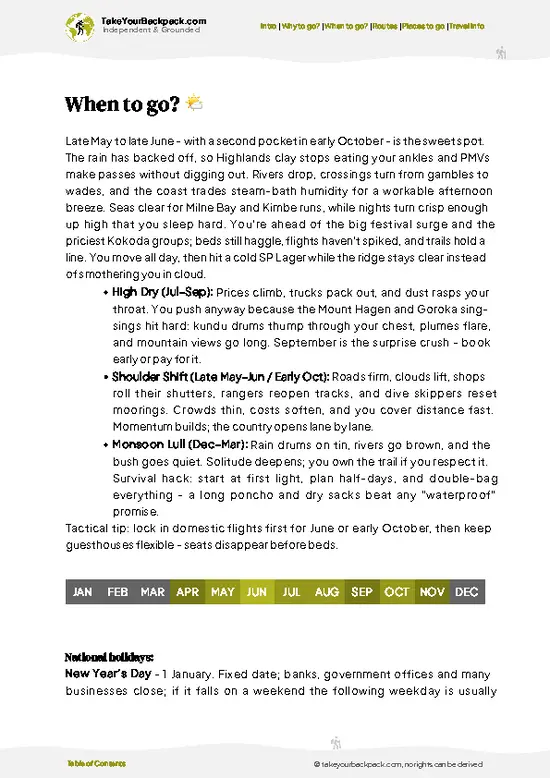
  • Weather: The dry season from May to October offers clearer skies and less humidity, making trails less slippery and the air easier to breathe. Avoid the wet season (November to April) when heavy rains can turn paths into mud traps and swell rivers unpredictably.

  • Temperature: Daytime temps hover around 24-30°C (75-86°F) year-round, but the dry season feels more comfortable with less sticky heat clinging to your skin.

  • Daylight Hours: Roughly 11 to 12 hours of daylight year-round, but the dry season’s consistent weather means you can plan hikes without sudden afternoon downpours cutting your day short.

  • Crowds: Namatanai sees few tourists year-round, but the dry season attracts more local festivals and community events, offering richer cultural encounters without overwhelming crowds.

read more 👉

  • Weather: The dry season from May to October offers clearer skies and less humidity, making trails less slippery and the air easier to breathe. Avoid the wet season (November to April) when heavy rains can turn paths into mud traps and swell rivers unpredictably.

  • Temperature: Daytime temps hover around 24-30°C (75-86°F) year-round, but the dry season feels more comfortable with less sticky heat clinging to your skin.

  • Daylight Hours: Roughly 11 to 12 hours of daylight year-round, but the dry season’s consistent weather means you can plan hikes without sudden afternoon downpours cutting your day short.

  • Crowds: Namatanai sees few tourists year-round, but the dry season attracts more local festivals and community events, offering richer cultural encounters without overwhelming crowds.

  • Seasonal Activities: Dry months align with traditional celebrations and better conditions for diving and fishing, turning your visit into an active, sensory experience rather than just a scenic stop.

  • Price Fluctuations: Accommodation and transport prices remain fairly stable, but booking during the dry season ensures availability and better service as locals prepare for increased visitors.


Pro-tip: Aim for June to September to catch Namatanai’s best weather and cultural pulse—your boots will thank you, and so will your senses.


source: climatestotravel.comJANJanuary: fair for travelingFEBFebruary: fair for travelingMARMarch: fair for travelingAPRApril: fair for travelingMAYMay: highly recommended for travelingJUNJune: excellent for travelingJULJuly: excellent for travelingAUGAugust: excellent for travelingSEPSeptember: excellent for travelingOCTOctober: highly recommended for travelingNOVNovember: fair for travelingDECDecember: fair for traveling
when-to-go

✈️ The backpacker research shortcutPapua New Guinea Travel Guide

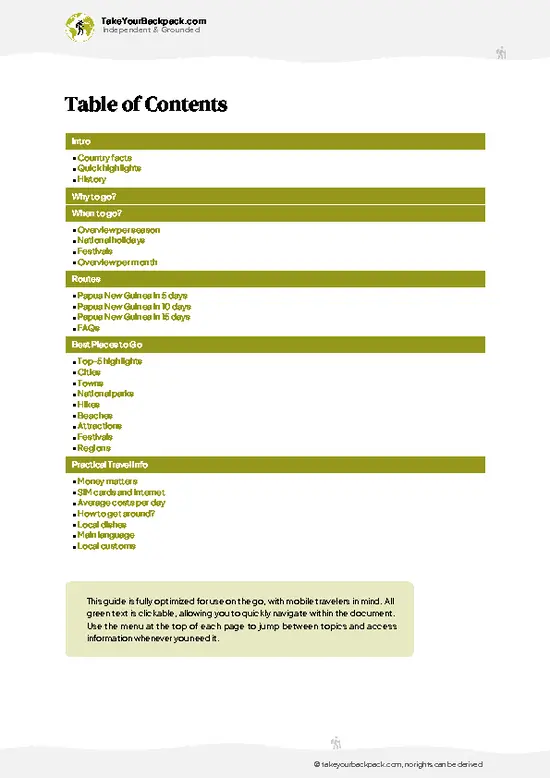
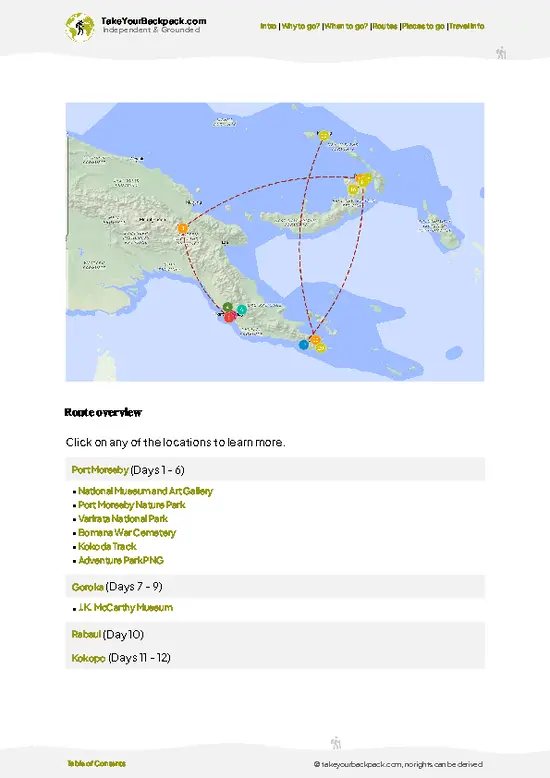
An offline-friendly backpacking guide with optimized travel routes, ranked highlights, transport advice, and the best areas to stay.
example page 0 from our offline Travel Guide for Papua New Guinea
example page 1 from our offline Travel Guide for Papua New Guinea
example page 2 from our offline Travel Guide for Papua New Guinea
example page 3 from our offline Travel Guide for Papua New Guinea
example page 4 from our offline Travel Guide for Papua New Guinea
example page 5 from our offline Travel Guide for Papua New Guinea
example page 6 from our offline Travel Guide for Papua New Guinea
example page 7 from our offline Travel Guide for Papua New Guinea
The digital guide (319 pages) contains:
86 highlights, ranked by travel appeal
Optimized 5, 10 & 15-day travel routes
Cities, national parks, landmarks, beaches
How to get around
Offline-friendly for travel without Wi-Fi
👉 Click to see all 30+ guide features

📅 Plan smarter in minutes, not weeks
Month by month travel advice
Festivals & national holidays
Budget expectations

🗺️ Go to the right places, skip the overrated ones
Honest pros & cons of destinations
Top hikes, parks & viewpoints
Lesser-known places most travelers miss
Clear “worth it vs skip it” guidance

🛏️ Travel smoothly without rookie mistakes
Best areas to stay
Transport systems explained simply
Common scams & safety advice
SIM cards, money & practical tips

🌍 Understand the country, not just visit it
Culture & traditions
52 Essential phrases & customs
Festivals worth planning around
Traveler-friendly historical context
Insights that make places more meaningful

📱 Built for real travel conditions
Fully downloadable PDF
Works completely offline
Optimized for phone use
Useful in remote areas & buses
Everything in one place
Save weeks of stressful planning
Get instant access to your full guide. 30‑day money-back guarantee.
+ Add another guide for just US$7.80

By proceeding you agree to our terms.
Sent to your inbox immediately after payment • 100% Secure Checkout
Best Backpacking Travel Advisor 2025 tourism awardBest Backpacking
Travel Advisor
2025
What others say about Take Your Backpack Guides:
⭐⭐⭐⭐⭐
Fantastic, amazing amount of information!
⭐⭐⭐⭐⭐
My goodness this is amazing, it's what I've been looking for hats off too you!
⭐⭐⭐⭐⭐
I think this is absolutely BRILLIANT
⭐⭐⭐⭐
Very complete and informative. It's still missing places, but I gotta to commend you
⭐⭐⭐⭐⭐
This is truly amazing, thank you, can't wait to explore it with my kids!
⭐⭐⭐⭐⭐
Awesome resource, thank you!
⭐⭐⭐⭐⭐
This is amazing! Can't wait to explore the ones I haven't seen
⭐⭐⭐⭐
I love this! Well done, great idea.
⭐⭐⭐⭐⭐
Thanks for taking the time to make this gem!
⭐⭐⭐⭐⭐
This might be the best website I've ever seen.
⭐⭐⭐⭐⭐
Congratulations, and thank you so much for your work; it's incredibly valuable.
⭐⭐⭐⭐
In all seriousness I think you did a great job pointing out the important spots
⭐⭐⭐⭐⭐
10/10 very good
⭐⭐⭐⭐⭐
As someone who's only just starting to visit regularly this is awesome, thank you.
⭐⭐⭐⭐
Thank you very much! I'm going to visit my dad, it's going to be very useful!
⭐⭐⭐⭐⭐
This is really cool! We'll be travelling for the first time and this definitely come in handy.
⭐⭐⭐⭐⭐
You are now our minister of culture, congratulations 👨‍💼
⭐⭐⭐⭐⭐
Just wanted to tell you that this is a pearl! Going to follow your recommendations.
⭐⭐⭐⭐⭐
This is so cool. I'll definitely be using the resource for my travels soon.
⭐⭐⭐⭐⭐
This is very impressive! Good work.
⭐⭐⭐⭐⭐
This is an amazing and informative site. Very well done!

🛏️ Where to stay?Choosing the right base

Namatanai’s heart for backpackers pulses strongest near the town center, where the streets hum with local life and the scent of fresh seafood mingles with salty ocean air. This area is your best bet—safe enough to wander after dark, with a handful of budget lodgings that attract solo travelers and small groups alike. Staying here means easy access to the market’s chatter and the waterfront’s slow rhythm, perfect for striking up conversations or simply soaking in the laid-back vibe. Other parts of Namatanai drift quieter and less connected, lacking the social buzz and practical amenities that make … read more 👉
Namatanai’s heart for backpackers pulses strongest near the town center, where the streets hum with local life and the scent of fresh seafood mingles with salty ocean air. This area is your best bet—safe enough to wander after dark, with a handful of budget lodgings that attract solo travelers and small groups alike. Staying here means easy access to the market’s chatter and the waterfront’s slow rhythm, perfect for striking up conversations or simply soaking in the laid-back vibe. Other parts of Namatanai drift quieter and less connected, lacking the social buzz and practical amenities that make the center a natural hub for those traveling light and looking to plug into local rhythms without fuss.

🚌 Getting aroundMoving around without the hassle

Namatanai moves at the pace of the tides—unhurried, with a rhythm that feels more like a conversation than a timetable. The sun filters through thick palms, casting dappled shadows on cracked pavement where locals and travelers alike navigate by instinct and familiarity rather than strict schedules. Here, the scent of saltwater mingles with earth and diesel, and the hum of engines blends with the chatter of market vendors. It’s a place where patience isn’t just a virtue; it’s the key to unlocking the town’s genuine pulse.


  • Walking: The heart of Namatanai is compact enough to explore on foot, with dirt roads and shaded paths leading to markets, docks, and eateries. Walking costs nothing and lets you soak in the humid air and vibrant street life at your own pace.

  • Local Minibus Taxis: These
read more 👉
Namatanai moves at the pace of the tides—unhurried, with a rhythm that feels more like a conversation than a timetable. The sun filters through thick palms, casting dappled shadows on cracked pavement where locals and travelers alike navigate by instinct and familiarity rather than strict schedules. Here, the scent of saltwater mingles with earth and diesel, and the hum of engines blends with the chatter of market vendors. It’s a place where patience isn’t just a virtue; it’s the key to unlocking the town’s genuine pulse.


  • Walking: The heart of Namatanai is compact enough to explore on foot, with dirt roads and shaded paths leading to markets, docks, and eateries. Walking costs nothing and lets you soak in the humid air and vibrant street life at your own pace.

  • Local Minibus Taxis: These shared rides run from early morning until late afternoon, typically between 6 a.m. and 5 p.m. Fares hover around a few kina, making them the cheapest way to cover longer distances. Expect a bumpy ride on uneven roads but a chance to chat with locals.

  • Motorbike Taxis: For quicker, more flexible trips, motorbike taxis zip through narrow lanes and off-road paths. Prices vary but are generally affordable. They’re perfect when time is tight, though prepare for the tropical heat and dust.

  • Boat Transfers: Namatanai’s coastal location means boats are essential for reaching nearby islands or remote villages. Departures aren’t always fixed, so timing depends on tides and passenger demand. It’s slower but offers unmatched views of the coastline and sea breeze.

👛 Costs (as of 4 September 2026)What things cost and how to budget

Backpacking in Namatanai, Papua New Guinea, demands a bit of patience and planning, but the costs remain surprisingly manageable once you know where to look and how to move.
  • Dorm Accommodation: Options here are limited and basic, often in guesthouses rather than formal hostels. Expect to pay around $10 to $15 USD per night. The rooms are simple, sometimes with shared bathrooms, but clean enough to rest after a day of exploring.
  • Meals: Local food is affordable and filling. Street food or small local eateries serve up meals for about $3 to $6 USD. Think fresh fish, root vegetables, and tropical fruits. Western-style meals or imported goods will push the price higher, closer to $8 or $10.
  • Local Transport: Getting around Namatanai usually means hopping on a local bus or shared taxi. These rides
read more 👉
Backpacking in Namatanai, Papua New Guinea, demands a bit of patience and planning, but the costs remain surprisingly manageable once you know where to look and how to move.
  • Dorm Accommodation: Options here are limited and basic, often in guesthouses rather than formal hostels. Expect to pay around $10 to $15 USD per night. The rooms are simple, sometimes with shared bathrooms, but clean enough to rest after a day of exploring.
  • Meals: Local food is affordable and filling. Street food or small local eateries serve up meals for about $3 to $6 USD. Think fresh fish, root vegetables, and tropical fruits. Western-style meals or imported goods will push the price higher, closer to $8 or $10.
  • Local Transport: Getting around Namatanai usually means hopping on a local bus or shared taxi. These rides cost roughly $1 to $3 USD depending on distance. For more remote spots, you might need to negotiate a boat ride or private transport, which can be pricier but still reasonable if shared.
  • Basic Activities/Entry Fees: Many natural attractions around Namatanai, like beaches or village visits, have little to no entry fee. Organized tours or cultural experiences might cost between $10 and $20 USD, often including a guide who adds depth to the visit.
  • Miscellaneous Expenses: Budget a few dollars for essentials like bottled water, snacks, or small souvenirs. Around $2 to $5 USD daily should cover these incidental costs without stress.

All told, you’re looking at roughly $20 to $40 USD per day to cover the essentials in Namatanai. This range gives you enough flexibility to enjoy local flavors, get around comfortably, and dip into cultural experiences without stretching your budget. The modest price tags reflect the town’s remote charm and slower pace, making every dollar feel like a step deeper into authentic Papua New Guinea life.


source: papuanewguinea.travel
⚠️ Prices can change and everyone travels differently, so take this as a rough guide. Hope it helps you plan your adventure!

🚌 Day tripsShort trips worth adding

Using Namatanai as your base opens up a world of adventure in Papua New Guinea. The town’s laid-back vibe and friendly locals make it a perfect launchpad for day trips that reveal the region’s rich culture and stunning landscapes.

Trip to the Lavongai Islands
A boat ride from Namatanai takes you to the Lavongai Islands, where the turquoise waters are a feast for the eyes. Spend the day snorkeling among vibrant coral reefs or lounging on pristine beaches. The journey usually takes about an hour, and you can expect to spend around 50 PGK for the round trip. The best time to go is during the dry season, from May to October. A common mistake is underestimating the sun; pack plenty of sunscreen and a hat to avoid a painful burn.


Hike to Mount Taron
For those craving a challenge, the hike … read more 👉
Using Namatanai as your base opens up a world of adventure in Papua New Guinea. The town’s laid-back vibe and friendly locals make it a perfect launchpad for day trips that reveal the region’s rich culture and stunning landscapes.

Trip to the Lavongai Islands
A boat ride from Namatanai takes you to the Lavongai Islands, where the turquoise waters are a feast for the eyes. Spend the day snorkeling among vibrant coral reefs or lounging on pristine beaches. The journey usually takes about an hour, and you can expect to spend around 50 PGK for the round trip. The best time to go is during the dry season, from May to October. A common mistake is underestimating the sun; pack plenty of sunscreen and a hat to avoid a painful burn.


Hike to Mount Taron
For those craving a challenge, the hike to Mount Taron is a must. This trek offers breathtaking views of the surrounding mountains and valleys. It typically takes about 4-5 hours round trip, so start early. Costs are minimal—just a few PGK for local guides. The dry season is ideal for this hike, as the trails can get muddy during the wet months. Many first-timers forget to bring enough water; pack at least two liters to stay hydrated.


Visit the Local Markets
Immerse yourself in local culture by visiting the Namatanai markets. Open on Saturdays, the market buzzes with vendors selling fresh produce, handicrafts, and traditional foods. It’s a sensory overload—think vibrant colors and the aroma of grilled fish. Plan to spend a couple of hours here, and bring around 20 PGK for snacks and souvenirs. The best time to visit is early morning when the stalls are fully stocked. A common mistake is not bargaining; haggling is part of the experience!
Want to know what more Papua New Guinea offers?
The Papua New Guinea Travel Guide describes 86 highlights, from cities to national parks, from beaches to hikes

Get the Travel Guide -

🛡️ SafetySafety Tips and Common Scams in Namatanai

In Namatanai, safety is generally solid, but a few nuances can enhance your experience. Stay alert in crowded markets; keep your belongings close. Solo travelers should avoid wandering too far after dark—stick to well-lit areas and move with purpose.

While scams aren’t rampant, be cautious of overly friendly locals offering unsolicited help; they might expect a tip. Embrace the local vibe, but trust your instincts. Carry yourself confidently, and you’ll blend in, making your journey smoother and more rewarding.

FAQTraveler FAQ

Namatanai is primarily a stopover rather than a destination for extended visits. It serves as a gateway to the surrounding natural attractions and local villages but has limited tourist infrastructure. Most travelers pass through while exploring New Ireland Province.
One to two days are sufficient to explore Namatanai and its immediate surroundings. This allows time to visit local markets, nearby villages, and enjoy some coastal scenery without rushing.
No, Namatanai cannot be easily visited as a day trip from a nearby city due to its remote location. Travel from the provincial capital, Kavieng, takes about 4 to 5 hours by road, making day trips impractical.
⚠️ Things can change over time, so always validate details locally before you go.

Other Papua New Guinean towns near Namatanai

Explore more nearby:

  • Kokopo—market town, volcanic soil, Tolai culture| 72 km away
  • Rabaul—caldera harbor, wartime tunnels, ash-covered ruins| 84 km away
  • Kavieng—island hopping, surf breaks, WWII wrecks| 303 km away

💡 Not sure where to go next?
Create a personalized itinerary for Papua New Guinea including Namatanai and the places that fit your trip.

Generate my itinerary

👉 Discover all towns

Or checkout all Papua New Guinea has to offer (think cities, towns, villages, national parks, hikes, beaches, festivals)
Country photo of Papua New Guinea

We 💚 feedbackParting advice and final tips

Namatanai feels raw and real, a slice of life where the ocean meets vibrant culture. The best surprise? The warmth of the locals; they’ll share stories over a cup of kava. Just be ready for the humidity—it’s relentless but adds to the experience.

✍️ Help improve this page!
The information on this page is based on in-depth research, insights shared by experienced travelers, and feedback from the local travel community in Papua New Guinea. While every effort is made to keep the information accurate and current, conditions can change — so if you spot anything incorrect or outdated, please get in touch.


🙋‍♂️ Give feedback

👋 Meet the founderWho’s Behind Take Your Backpack?

Johan, backpacker and founder of TakeYourBackpackHi, I’m Johan (Netherlands 🇳🇱), the creator of TakeYourBackpack. Over the past decade, I’ve backpacked through 80+ countries across six continents, gaining extensive experience with independent travel, long-term trips, and overland routes.

This site is built on a combination of firsthand travel experience and carefully curated insights from other backpackers. Many guides are based on places I’ve personally visited, while others bring together tips, observations, and practical advice shared by trusted travelers I’ve met along the way.

The goal is to provide realistic, experience-driven guidance — not generic itineraries — so you can explore destinations with better context, clearer expectations, and more confidence.

Get full country guide •
Instant download • 86 highlights • Full Offline guide