×

Azerbaijan🇦🇿 | best villagesThe Must-See 4 villages in Azerbaijan

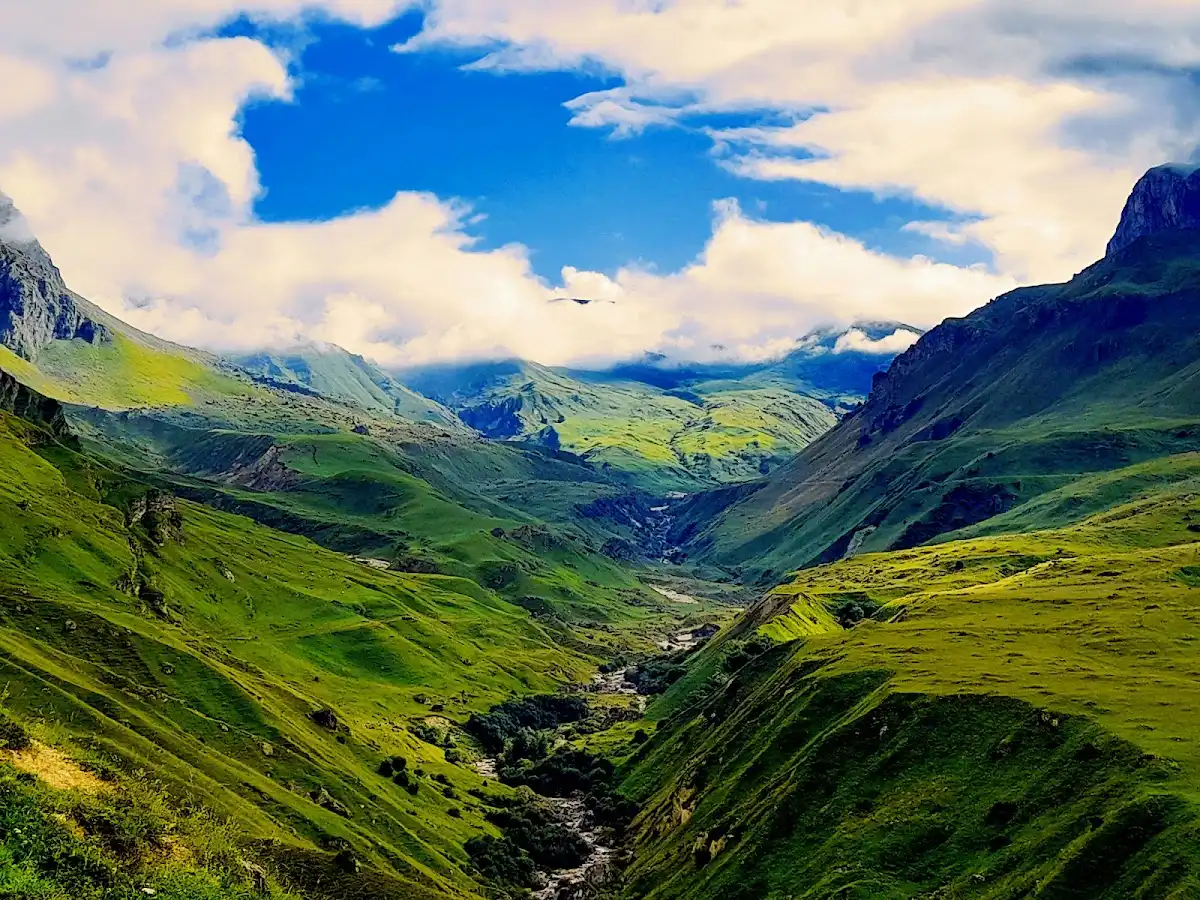
Villages in Azerbaijan sit in three distinct settings: the high Greater Caucasus in the north, the forested Lesser Caucasus foothills in the northwest, and the dry lowlands and Absheron coast in the east. The mountain settlements are remote, stone-built and quiet, with the longest transfers and the fewest services. The foothill towns around Sheki and Gabala have guesthouses, shared taxis and easier access, and cost less than Baku. Lowland villages are cheap but offer less to see. Independent travelers can reach most of them by marshrutka, though seasonal crowds stay light everywhere outside Baku.

By Johan Kruseman 🇳🇱 | Updated October 18, 2026
Explore the best landmarks in Azerbaijan

Why go?Key Factors That Shape the Experience

Azerbaijan’s villages matter because the country packs very different landscapes into a small area, from Caspian shoreline to peaks above 4,000 meters. Settlement patterns follow that geography. Highland communities developed around isolated valleys and kept distinct languages, such as Lezgi, Udi and Tat, alongside Azerbaijani. Lowland and foothill villages grew along old Silk Road routes, which left caravanserais, stone bridges and craft traditions in places like Sheki.

The Soviet period and later oil wealth shaped what travelers find now. Roads to the main regional centers are generally good, but the final stretch to mountain settlements is often unpaved or steep, and some require a 4x4 or a local driver. Public transport thins out sharply after midday.

Travelers should know that tourism … read more 👉
Azerbaijan’s villages matter because the country packs very different landscapes into a small area, from Caspian shoreline to peaks above 4,000 meters. Settlement patterns follow that geography. Highland communities developed around isolated valleys and kept distinct languages, such as Lezgi, Udi and Tat, alongside Azerbaijani. Lowland and foothill villages grew along old Silk Road routes, which left caravanserais, stone bridges and craft traditions in places like Sheki.

The Soviet period and later oil wealth shaped what travelers find now. Roads to the main regional centers are generally good, but the final stretch to mountain settlements is often unpaved or steep, and some require a 4x4 or a local driver. Public transport thins out sharply after midday.

Travelers should know that tourism infrastructure is modest. Many villages have family guesthouses rather than hotels, English is limited outside the main towns, and information is often easier to get in Russian or Azerbaijani. Some border zones near Armenia, Dagestan and Georgia involve restricted areas, and the country’s tourism is concentrated in Baku, so rural visits stay quiet. Expect hospitality that is real and often unprompted, with tea offered as a matter of course.
Why These Made the Cut
The list of best villages in Azerbaijan is created based on authenticity, scenic beauty, community spirit, traditions, and overall character. If you feel a village is missing in this list, please let us know.

When to go?When to Plan Your Trip

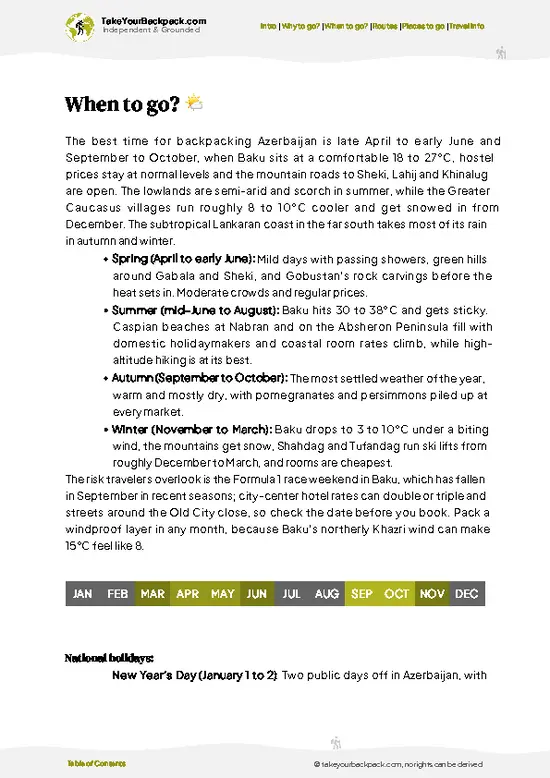
Best months for village travel: The best months are May to June and September to early October, when valley and foothill temperatures sit around 18 to 28°C and mountain roads are clear of snow. Spring brings green slopes and some rain, with May usually the wettest month in the northwest. Autumn is drier, with harvest produce such as pomegranates, persimmons and hazelnuts at its peak.
Summer: July and August are hot in the lowlands, often 32 to 38°C, and humid along the Caspian coast. The high villages in Quba, Khinalug and Gabala districts stay cooler at 15 to 25°C, which makes summer the best time for mountain settlements. This is also the period of domestic holidays, so guesthouses in popular areas fill on weekends and prices may rise 20 to 30 percent.
Winter and shoulder periods: From November … read more 👉
Best months for village travel: The best months are May to June and September to early October, when valley and foothill temperatures sit around 18 to 28°C and mountain roads are clear of snow. Spring brings green slopes and some rain, with May usually the wettest month in the northwest. Autumn is drier, with harvest produce such as pomegranates, persimmons and hazelnuts at its peak.
Summer: July and August are hot in the lowlands, often 32 to 38°C, and humid along the Caspian coast. The high villages in Quba, Khinalug and Gabala districts stay cooler at 15 to 25°C, which makes summer the best time for mountain settlements. This is also the period of domestic holidays, so guesthouses in popular areas fill on weekends and prices may rise 20 to 30 percent.
Winter and shoulder periods: From November to March, snow can close high mountain roads for days or weeks, and some guesthouses reduce service or shut. Temperatures in the Greater Caucasus drop well below freezing. Foothill and lowland villages stay accessible, though gray, wet weather is common. Prices are lowest in winter, and March to April is a reasonable shoulder choice. Novruz, around March 20 to 21, brings holiday travel and bonfires across rural areas.

village hoppingHow to Combine villages Into One Trip

Time needed: A trip combining several villages needs 7 to 12 days. Fewer days works only if you stay within one region.
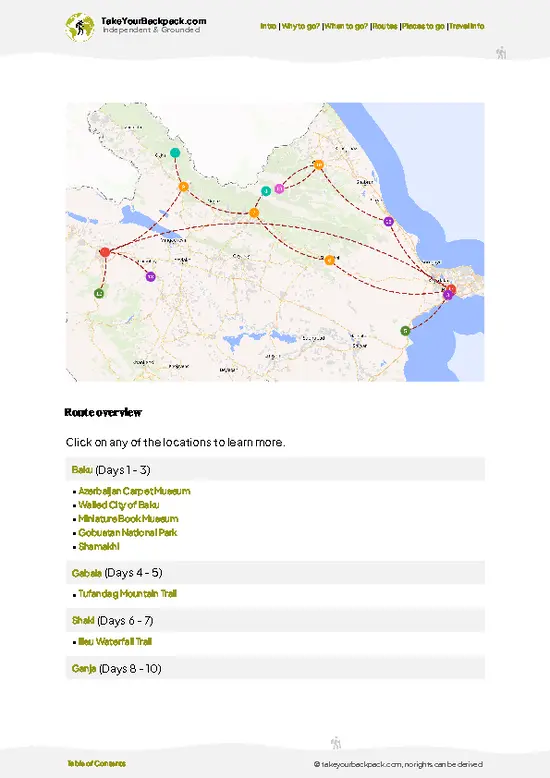
Grouping and direction: The north and northwest cluster naturally: the Quba and Qusar mountain area, then the Ismayilli and Gabala foothills, then Sheki and its surroundings. Travel from Baku northward, then west, and finish in Sheki or Gabala before returning by bus or train. This avoids doubling back. Western Azerbaijan connects onward to Georgia through Zaqatala and Balakan, so it also suits an exit toward Tbilisi.
Pacing and transfers: Allow one to two nights per village. Remote highland stops deserve two so the day is not lost to transport. Baku to Quba takes about 2.5 to 3 hours, Quba to Sheki 5 to 6 hours with a change, and Baku to Sheki 5 to 6 hours by bus. Shared taxis … read more 👉
Time needed: A trip combining several villages needs 7 to 12 days. Fewer days works only if you stay within one region.
Grouping and direction: The north and northwest cluster naturally: the Quba and Qusar mountain area, then the Ismayilli and Gabala foothills, then Sheki and its surroundings. Travel from Baku northward, then west, and finish in Sheki or Gabala before returning by bus or train. This avoids doubling back. Western Azerbaijan connects onward to Georgia through Zaqatala and Balakan, so it also suits an exit toward Tbilisi.
Pacing and transfers: Allow one to two nights per village. Remote highland stops deserve two so the day is not lost to transport. Baku to Quba takes about 2.5 to 3 hours, Quba to Sheki 5 to 6 hours with a change, and Baku to Sheki 5 to 6 hours by bus. Shared taxis and marshrutkas run from regional bus stations, mostly in the morning.
Common planning mistakes: Travelers often schedule too many stops using map distances, which underestimate winding mountain roads. Plan no more than one major transfer a day. Another error is arriving at a rural station after early afternoon, when departures stop. Leave early and confirm the last return service. Winter and spring road conditions can change timing, so keep a spare day in the plan.

The ListMust-Visit villages in Azerbaijan

1 Khinalug

mountain plateau, stone houses, remote Caucasus views

Ascend winding roads to reach a high-altitude village where ancient customs persist and panoramic horizons dominate every direction.

azerbaijan-city-khinalug
© Google |

2 Laza

mountain hamlets, alpine meadows, waterfalls, shepherd trails

Climb through high pastures and narrow valleys, passing remote villages where shepherds graze flocks beneath cliffs and cascading streams.

azerbaijan-city-laza
© Google |

3 Lahij

cobblestone lanes, copper workshops, forested slopes

Wander narrow alleys lined with metalworkers and discover a settlement shaped by craftsmanship, mountain air, and centuries-old traditions.

4 Pirqulu

observatory, alpine meadows, stargazing, highland plateau

Watch the night sky from an astronomical observatory and trek across open meadows dotted with wildflowers and grazing livestock.

Loading the map 🌍

Expert viewInsights from Locals and Experts

How many villages to visit: Visit three to five villages in a trip of a week to ten days. Rural transfers consume half a day each, guesthouses reward a second night, and more stops turn the trip into a series of bus rides. One or two is enough for a short Baku-based visit.
Choosing between types: Pick highland villages for landscape, hiking and isolation, accepting rough roads and basic rooms. Pick foothill and Silk Road villages for crafts, architecture, food and easy buses. Lowland settlements suit travelers with a specific interest, such as mud volcanoes or coastal life, rather than a general visit. Hikers should lean upland. Travelers on tight schedules or without a strong tolerance for bumpy transfers should lean foothills.
Budget: A backpacker can manage on US$25 to 45 a day (about 40 … read more 👉
How many villages to visit: Visit three to five villages in a trip of a week to ten days. Rural transfers consume half a day each, guesthouses reward a second night, and more stops turn the trip into a series of bus rides. One or two is enough for a short Baku-based visit.
Choosing between types: Pick highland villages for landscape, hiking and isolation, accepting rough roads and basic rooms. Pick foothill and Silk Road villages for crafts, architecture, food and easy buses. Lowland settlements suit travelers with a specific interest, such as mud volcanoes or coastal life, rather than a general visit. Hikers should lean upland. Travelers on tight schedules or without a strong tolerance for bumpy transfers should lean foothills.
Budget: A backpacker can manage on US$25 to 45 a day (about 40 to 75 AZN) outside Baku. Guesthouse beds cost roughly 20 to 50 AZN, and a home-cooked dinner and breakfast add 10 to 25 AZN. Shared taxis and marshrutkas for regional legs cost 5 to 15 AZN each. A 4x4 or local driver to a remote highland settlement runs about 40 to 100 AZN one way, and cost per person drops if shared. Guides for day hikes are typically 60 to 120 AZN. Entry fees at village museums or heritage sites are small, usually 2 to 10 AZN, and most villages themselves are free to walk through. Carry cash in manat, as many guesthouses and rural shops do not take cards and ATMs are rare in small settlements.
Safety and cultural considerations: Villages are generally very safe for visitors, with low crime. The main risks are physical: unlit mountain roads, loose livestock, steep unpaved tracks and sudden weather in the Greater Caucasus. Tell your host your hiking plans. Stray dogs near sheep pastures can be aggressive, so keep a distance.

Dress modestly in rural areas, with covered shoulders and knees, and remove shoes when entering homes. Accept tea when offered, and expect to be invited to eat. Refusing completely can read as rude, but a polite decline after a small taste is fine. Ask before photographing people, especially women and older residents. Alcohol is available but should not be openly consumed in conservative villages.

Border areas with Armenia and parts near the former conflict zones have restricted or mined territory, so stay on marked roads and obey checkpoints. Some Dagestan-border districts need a passport at roadside controls. Bring your passport everywhere. Mobile coverage is patchy in the highlands, so download offline maps before leaving the main towns.

✈️ The backpacker research shortcutAzerbaijan Travel Guide

An offline-friendly backpacking guide with optimized travel routes, ranked highlights, transport advice, and the best areas to stay.
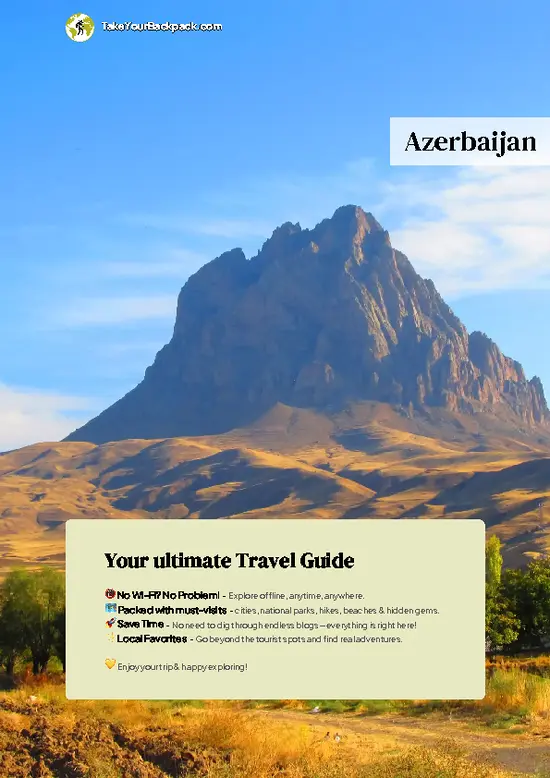
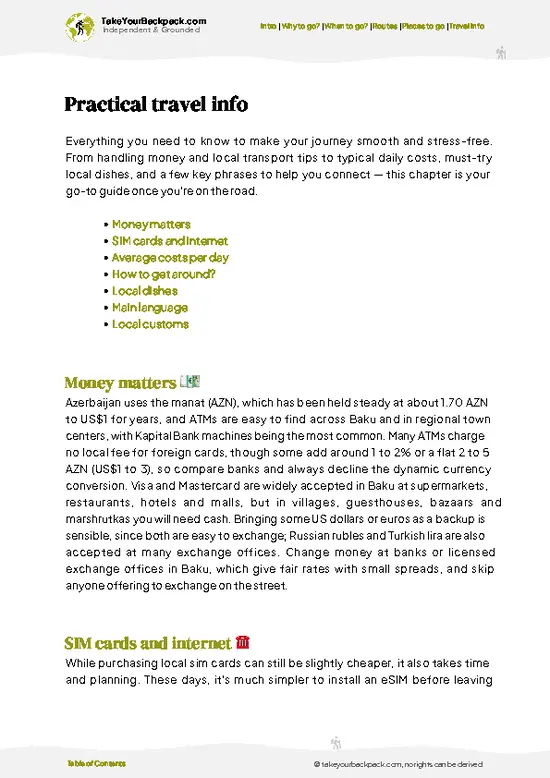
example page 0 from our offline Travel Guide for Azerbaijan
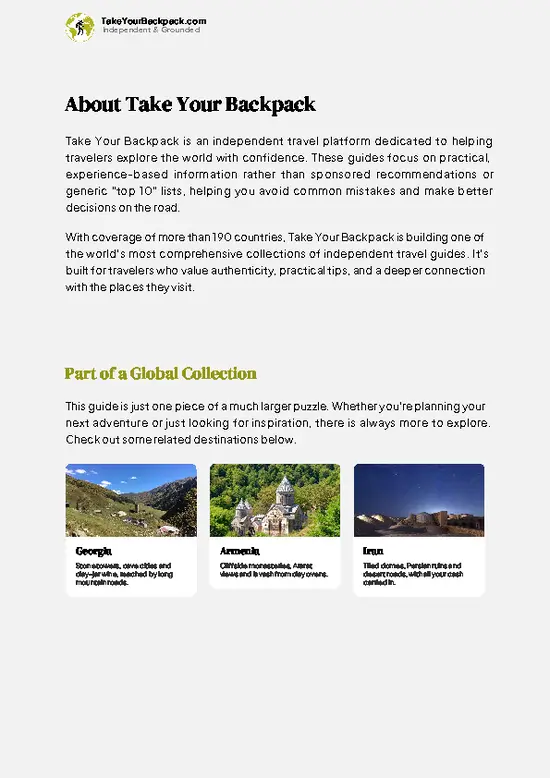
example page 1 from our offline Travel Guide for Azerbaijan
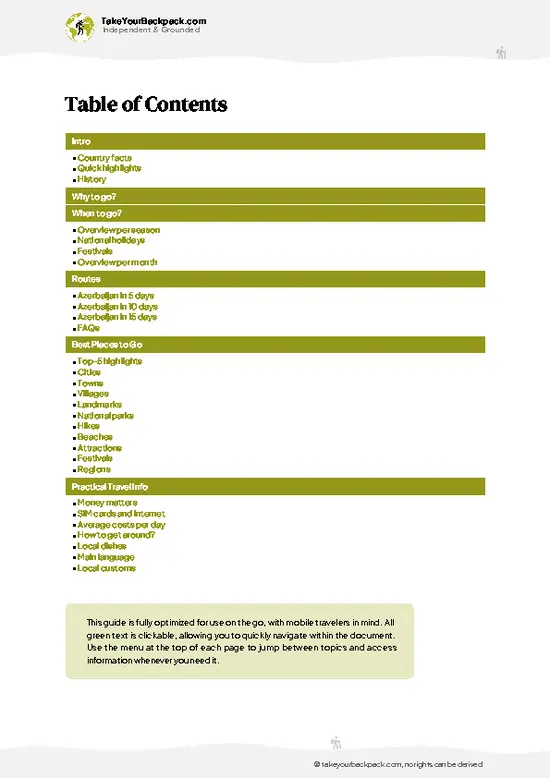
example page 2 from our offline Travel Guide for Azerbaijan
example page 3 from our offline Travel Guide for Azerbaijan
example page 4 from our offline Travel Guide for Azerbaijan
example page 5 from our offline Travel Guide for Azerbaijan
example page 6 from our offline Travel Guide for Azerbaijan
example page 7 from our offline Travel Guide for Azerbaijan
The digital guide (284 pages) contains:
✅ 71 highlights, ranked by travel appeal
✅ Optimized 5, 10 & 15-day travel routes
✅ Cities, national parks, landmarks, beaches
✅ How to get around
✅ Offline-friendly for travel without Wi-Fi
👉 Click to see all 30+ guide features

📅 Plan smarter in minutes, not weeks
✅ Month by month travel advice
✅ Festivals & national holidays
✅ Budget expectations

🗺️ Go to the right places, skip the overrated ones
✅ Honest pros & cons of destinations
✅ Top hikes, parks & viewpoints
✅ Lesser-known places most travelers miss
✅ Clear “worth it vs skip it” guidance

🛏️ Travel smoothly without rookie mistakes
✅ Best areas to stay
✅ Transport systems explained simply
✅ Common scams & safety advice
✅ SIM cards, money & practical tips

🌍 Understand the country, not just visit it
✅ Culture & traditions
✅ 52 Essential phrases & customs
✅ Festivals worth planning around
✅ Traveler-friendly historical context
✅ Insights that make places more meaningful

📱 Built for real travel conditions
✅ Fully downloadable PDF
✅ Works completely offline
✅ Optimized for phone use
✅ Useful in remote areas & buses
✅ Everything in one place
Stop searching, start planning
Get instant access to your full guide. 30‑day money-back guarantee.
+ Add another guide for just

By proceeding you agree to our terms.
Sent to your inbox immediately after payment • 100% Secure Checkout
Best Backpacking Travel Advisor 2025 tourism awardBest Backpacking
Travel Advisor
2025
What others say about Take Your Backpack Guides:
⭐⭐⭐⭐⭐
Fantastic, amazing amount of information!
⭐⭐⭐⭐⭐
My goodness this is amazing, it's what I've been looking for hats off too you!
⭐⭐⭐⭐⭐
I think this is absolutely BRILLIANT
⭐⭐⭐⭐
Very complete and informative. It's still missing places, but I gotta to commend you
⭐⭐⭐⭐⭐
This is truly amazing, thank you, can't wait to explore it with my kids!
⭐⭐⭐⭐⭐
Awesome resource, thank you!
⭐⭐⭐⭐⭐
This is amazing! Can't wait to explore the ones I haven't seen
⭐⭐⭐⭐
I love this! Well done, great idea.
⭐⭐⭐⭐⭐
Thanks for taking the time to make this gem!
⭐⭐⭐⭐⭐
This might be the best website I've ever seen.
⭐⭐⭐⭐⭐
Congratulations, and thank you so much for your work; it's incredibly valuable.
⭐⭐⭐⭐
In all seriousness I think you did a great job pointing out the important spots
⭐⭐⭐⭐⭐
10/10 very good
⭐⭐⭐⭐⭐
As someone who's only just starting to visit regularly this is awesome, thank you.
⭐⭐⭐⭐
Thank you very much! I'm going to visit my dad, it's going to be very useful!
⭐⭐⭐⭐⭐
This is really cool! We'll be travelling for the first time and this definitely come in handy.
⭐⭐⭐⭐⭐
You are now our minister of culture, congratulations 👨‍💼
⭐⭐⭐⭐⭐
Just wanted to tell you that this is a pearl! Going to follow your recommendations.
⭐⭐⭐⭐⭐
This is so cool. I'll definitely be using the resource for my travels soon.
⭐⭐⭐⭐⭐
This is very impressive! Good work.
⭐⭐⭐⭐⭐
This is an amazing and informative site. Very well done!

🛏️ Where to stay?Accommodation Highlights

Azerbaijan has plenty of hostels and guesthouses, mostly in Baku, where dorm beds typically run 15 to 30 AZN (about US$9 to 18) and private guesthouse rooms in Sheki or Gabala cost a little more. In Baku, the walled Old City (Icherisheher) puts you a short walk from the main sights and stays fairly quiet after dark, while the streets around Fountain Square and Nizami Street are livelier, with bars and late-night food steps away, though rooms there can be noisier. The area near 28 May metro and the railway station is cheaper and handy for the airport bus and the overnight train, but it has less character. All three areas are generally safe to walk at night.

If you enjoy meeting fellow travelers, … read more 👉
Azerbaijan has plenty of hostels and guesthouses, mostly in Baku, where dorm beds typically run 15 to 30 AZN (about US$9 to 18) and private guesthouse rooms in Sheki or Gabala cost a little more. In Baku, the walled Old City (Icherisheher) puts you a short walk from the main sights and stays fairly quiet after dark, while the streets around Fountain Square and Nizami Street are livelier, with bars and late-night food steps away, though rooms there can be noisier. The area near 28 May metro and the railway station is cheaper and handy for the airport bus and the overnight train, but it has less character. All three areas are generally safe to walk at night.

If you enjoy meeting fellow travelers, consider choosing hostels with high ratings for atmosphere. On the other hand, if you prefer having your own space, a hotel might be a better option.

AzerbaijanSee More of Azerbaijan

👋 Meet the founderWho’s Behind Take Your Backpack?

Johan, backpacker and founder of TakeYourBackpackHi, I’m Johan (Netherlands 🇳🇱), the creator of TakeYourBackpack. Over the past 3 decades, I’ve backpacked through 90+ countries across six continents, gaining extensive experience with independent travel, long-term trips, and overland routes.

This site is built on a combination of firsthand travel experience and carefully curated insights from other backpackers. Many guides are based on places I’ve personally visited, while others bring together tips, observations, and practical advice shared by trusted travelers I’ve met along the way.

The goal is to provide realistic, experience-driven guidance — not generic itineraries — so you can explore destinations with better context, clearer expectations, and more confidence.